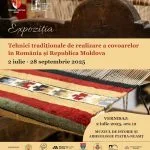
Special exhibition – traditional carpet-weaving techniques in Romania and the Republic of Moldova
Travelling exhibition at the History and Archaeology Museum in Piatra-Neamț
From utilitarian to decorative, from narrow to expansive forms, from simple to complex, the carpet has proved its importance in every house it has turned into a warm, beautiful home – a testament to the skill and artistic sense that women have always displayed. True international recognition came with the inclusion (in 2016) of Traditional Techniques of Carpet Making in Romania and the Republic of Moldova on the UNESCO Representative List of Intangible Cultural Heritage.
The special exhibition, which brought this element of cultural heritage before the public, was initiated by Dr Roxana Deca and colleagues from the Oltenia Museum in Craiova and brings together textiles from the collections of the ASTRA National Museum Complex in Sibiu, the National Museum of the Romanian Peasant, the Baia Mare County Museum of Ethnography and Folk Art, the “Francisc Nistor” Ethnographic Museum of Maramureș in Sighetul Marmației, the Botoșani Ethnographic Museum and the Museum of Ethnography in Piatra-Neamț, together with valuable Oltenian rugs. The exhibition was open in Craiova from 27.09.2024 to 19.01.2025.
On 5 February 2025, the National Museum of the Romanian Peasant celebrated the 35th anniversary of its re-establishment, marked by the opening of the rug exhibition, the second stop of the travelling exhibition.
From the capital to the north of the country, in Sighetul Marmației, the valuable rugs adorned the walls of a historic monument building (1889), the “Reduta” Palace, emblematic of this town, where they were displayed from 8 April to 22 June 2025.
Piatra-Neamț represents the fourth stage, and the final one of this year, of the exhibition Traditional Techniques for Making Rugs in Romania and the Republic of Moldova and a first for our museum: the first event of its kind, made possible by the joint effort of seven ethnographic museums in the country.
On the display walls of the Museum of History and Archaeology in Piatra-Neamț, more than 40 rugs will be exhibited, including woven wall rugs (scoarțe and păretare), bench coverings (lăicere), coarse rugs (țoluri), small carpets (carpete) and woven bed coverings (macaturi). These will be complemented by decorative towels, pillowcases, hooded wraps, belts, small shoulder bags and fabric samples from the Minerva Cosma and Dumitru Cosma collections (held by the ASTRA Museum in Sibiu).
Regarding the raw materials, wool predominates in the rugs, with warps of hair or hemp, while cotton and hemp predominate in household textiles and folk-costume pieces. The weaving techniques justify the exhibition’s title: they are traditional, using two or more heddles, with patterns interwoven and bound into the threads or made using the Karamani technique (with small openings), and with patterns woven over the threads in the decorative towels.
Visitors will be impressed by the colours, from the natural beauty of wool and the subtlety of plant or mineral dyes to the brighter colours of synthetic dyes. Decorative elements include the tree of life in various forms, solar motifs, stars, crosses, zigzags and complex representations of plants, people and animals, woven figuratively or in highly stylised forms.
Alongside carpets from the ethnographic regions of the participating museums, woven rugs from Bessarabia will also be exhibited, renowned for their chromatic refinement and decorative richness.
An exhibition worth seeing by art lovers (not only of folk art), by adults who still recall their grandparents’ rooms, and also by young people who can discover part of the beauty and refinement of bygone times that, thanks to museum specialists, still endure.
More on the same topic
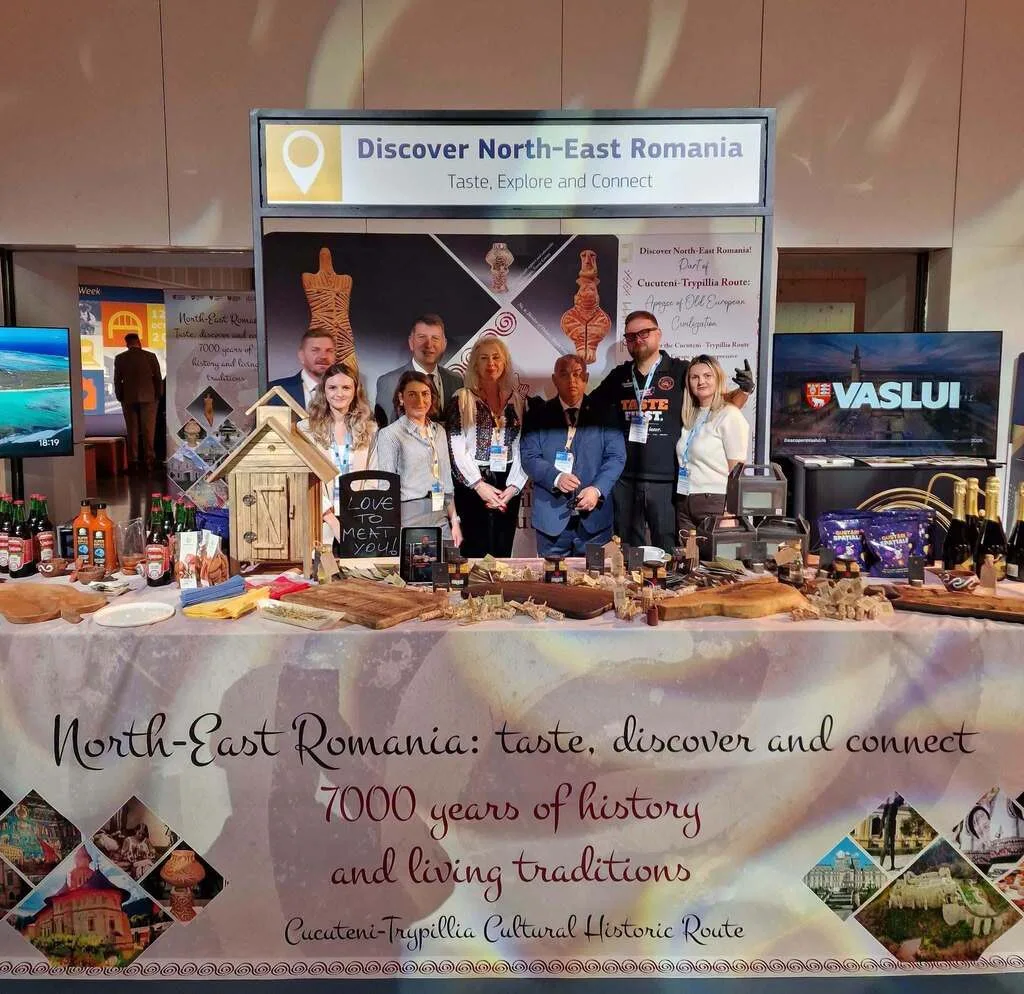
Neamț County, an Ambassador for Local Traditions and Values in Brussels
Neamț County showcased its values, traditions and development potential on the European stage during European Week of Regions and Cities, held in Brussels from 12 to 14 October.
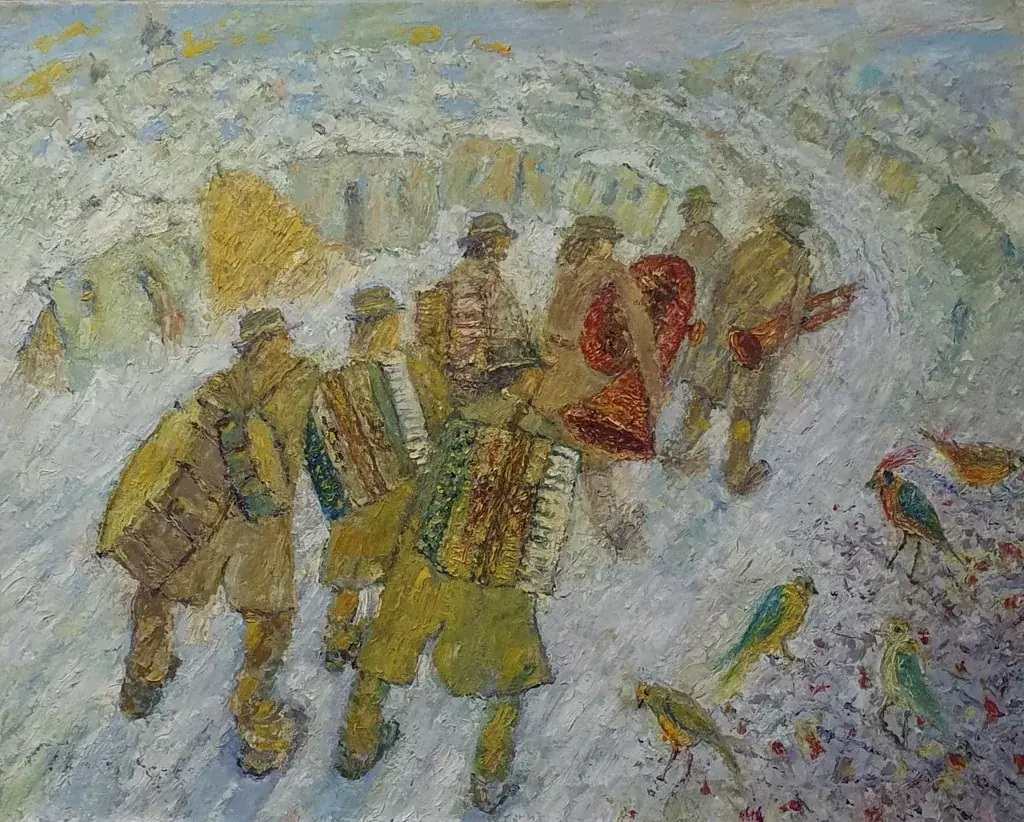
Solo painting exhibition – Florin Mareș
Starting Saturday, 10 October 2026, the Art Museum in Roman opens a new solo exhibition by the visual artist Florin Mareș of Roman.
Book launch: “Regina Maria a României. Din viață în eternitate” by historian Narcis Dorin Ion
Neamț National Museum Complex invites audiences in Neamț to the launch of “Regina Maria a României.