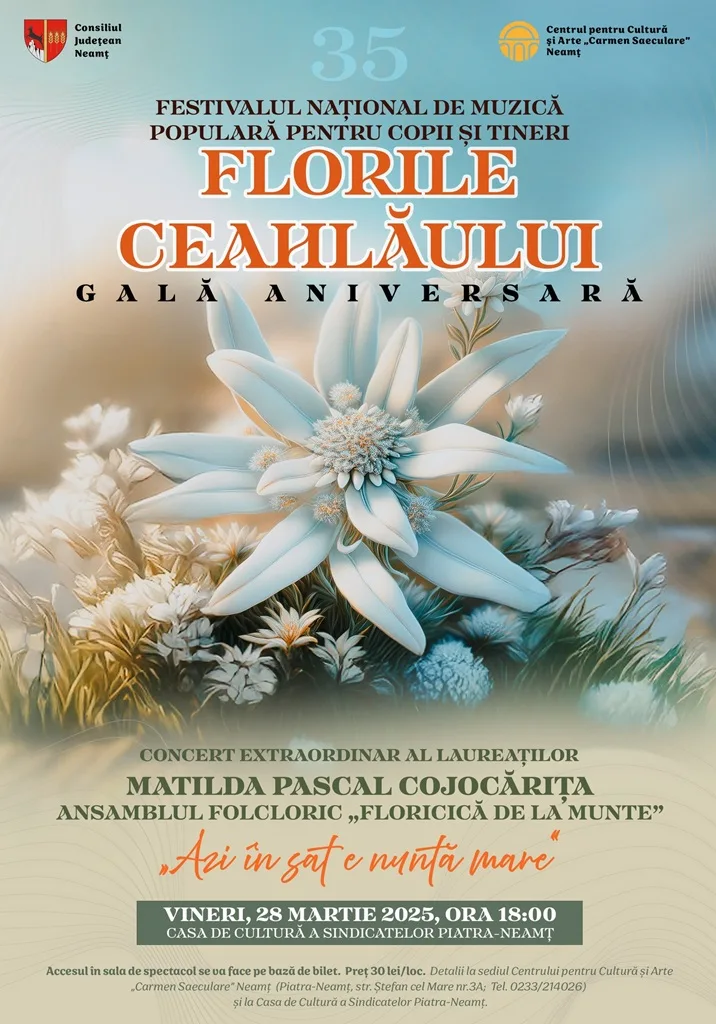
35th anniversary gala “Florile Ceahlăului”
At the end of March, the national folk-music festival and competition for children and young people “Florile Ceahlăului” will reach its 35th edition. A milestone anniversary that will be properly celebrated. Thus, organised by the “Carmen Saeculare” Centre for Culture and Arts Neamț, an extraordinary concert – the anniversary gala “Florile Ceahlăului” – will take place, featuring renowned Romanian folk-music performers who are laureates of the festival-competition, including the guest of honour, Matilda Pascal-Cojocărița. The extraordinary concert will also feature the folk ensemble “Floricică de la munte”, which will present “Azi, în sat, e nuntă mare!”, a programme dedicated to marriage, one of the four thresholds of the life cycle (alongside birth, baptism and death).
Access to the auditorium is by admission ticket (30 lei/seat), which can be purchased from the administrative offices of the “Carmen Saeculare” Centre for Culture and Arts Neamț (phone: 0233.214.026) and the Trade Unions’ House of Culture Piatra-Neamț (phone: 0233.215.278).
Brief history of the “Florile Ceahlăului” Festival
More than fifty years ago, in the summer of 1968, the first edition of the “Florile Ceahlăului” festival-competition debuted. Its history has been rather winding, with periods of interruption. The inaugural edition was county-wide, and the subsequent ones became national.
At the “Florile Ceahlăului”, the late Angela Ciochină sang for the first time, aged only 16, and was awarded the “Silver Flower” trophy.
Performance quality, originality and repertoire were the main criteria to which the jury – composed of the era’s leading musical personalities Sile Dinicu, Radu Șerban, George Grigoriu, D.D. Botez, George Sbârcea, Vasile Veselovschi, Temistocle Popa and Gherase Dendrino – strictly adhered. In fact, Radu Șerban, George Grigoriu and Sile Dinicu were present at each of the first three editions.
Initially, the competition was intended for young light-music performers. In this way the event completed its first 12 editions, 1968 – 1980 (it did not take place in 1978).
After another year’s break (1981), the festival resumed in 1982, now with the competition aimed at young folk-music performers. In its new form eight editions were organised, up to 1989.
A further interruption followed, this time longer. Centre for Culture and Arts Neamț, was revived after twenty years, in 2009.
On its revival, the festival set out to continue a longstanding Romanian folk-song competition, showcasing instrumental and vocal music, authentic songs and traditional costume. Consequently, the event targets children and young people aged 8 to 25 and includes two sections: traditional Romanian singing and traditional folk instruments (violin, accordion, cimbalom, clarinet, trumpet, flute, cobza, pan flute).
Before 1989, the competition featured accomplished performers, and its laureates were young talents who later became established names in Romanian folk music, such as Matilda Pascal-Cojocărița, Liviu Vasilică, Elena Pește, Nelu Gabor, Nelu Șopterean and the late Ioan Hongu.
After 2009, the festival became an important milestone in the careers of young soloists in the country, who won the competition’s trophies or prizes.
In 2020, the first pandemic year in our country, the final stage and the Laureates’ Gala could not take place, so the jury decided, in order not to disadvantage any contestant, not to award the “Florile Ceahlăului” Trophy; the competitors qualified for this final stage received the Diploma of finalist of the 32nd edition. In the following two years – 2021 and 2022 – the competition was not held.
List of laureates of the recent editions after 2009:
2009 – Ana DRAGU (Târgu Neamț – Neamț);
2010 – Sorina ASOFRONIEI (Pechea – Galați);
2011 – Gabriel Marinel DUMITRU (Pitești – Argeș);
2012 – Georgiana PĂDURARU (Buhuși – Bacău);
2013 – Ioana Maria UNGURAȘ (Jibou – Sălaj);
2014 – Larisa Vasilica UȚĂ (Baia Mare – Maramureș);
2015 – Alex Daniel Bulai (Piatra-Neamț – Neamț);
2016 – Ioana ȘTEFAN (Suceava – Suceava);
2017 – Ionuț COCOȘ (Slobozia – Ialomița);
2018 – Florin MIHALACHE (Bucharest);
2019 – Alexandra Diana DAN (Putna – Suceava);
2023 – Gabriel TRETEAG (Suceava);
2024 – Alexandra Georgiana PIȚU (Valea Dragului, Giurgiu).
More on the same topic
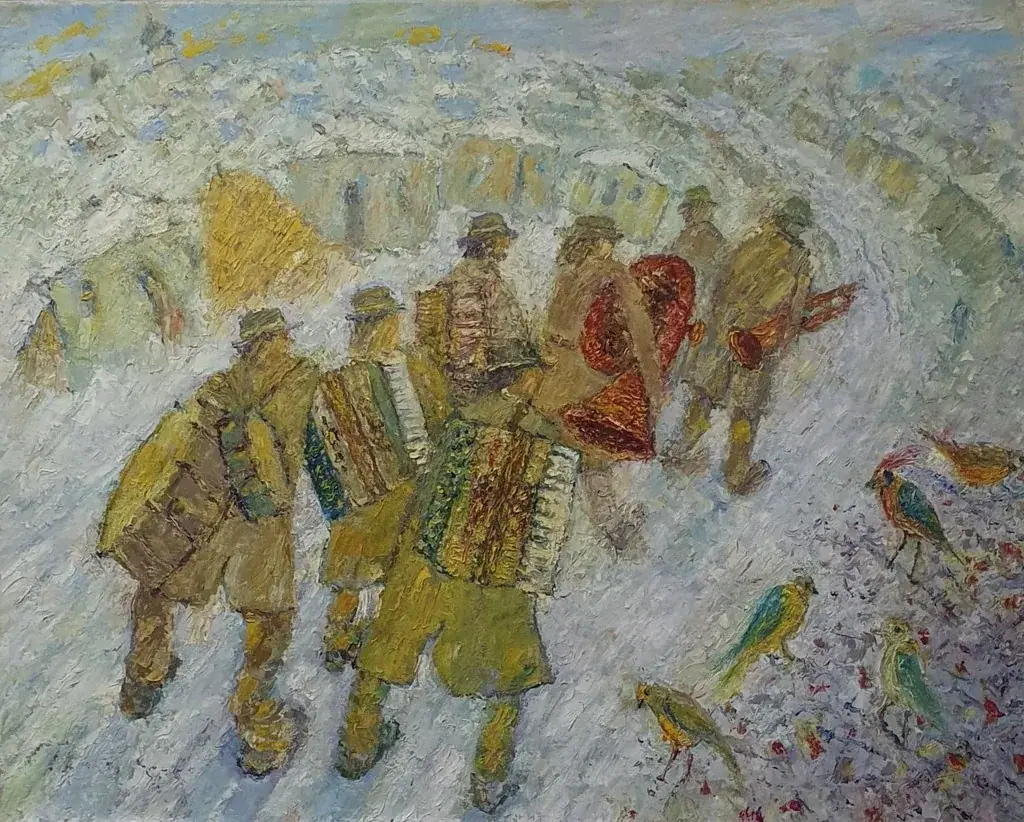
Solo painting exhibition – Florin Mareș
Starting Saturday, 10 October 2026, the Art Museum in Roman opens a new solo exhibition by the visual artist Florin Mareș of Roman.
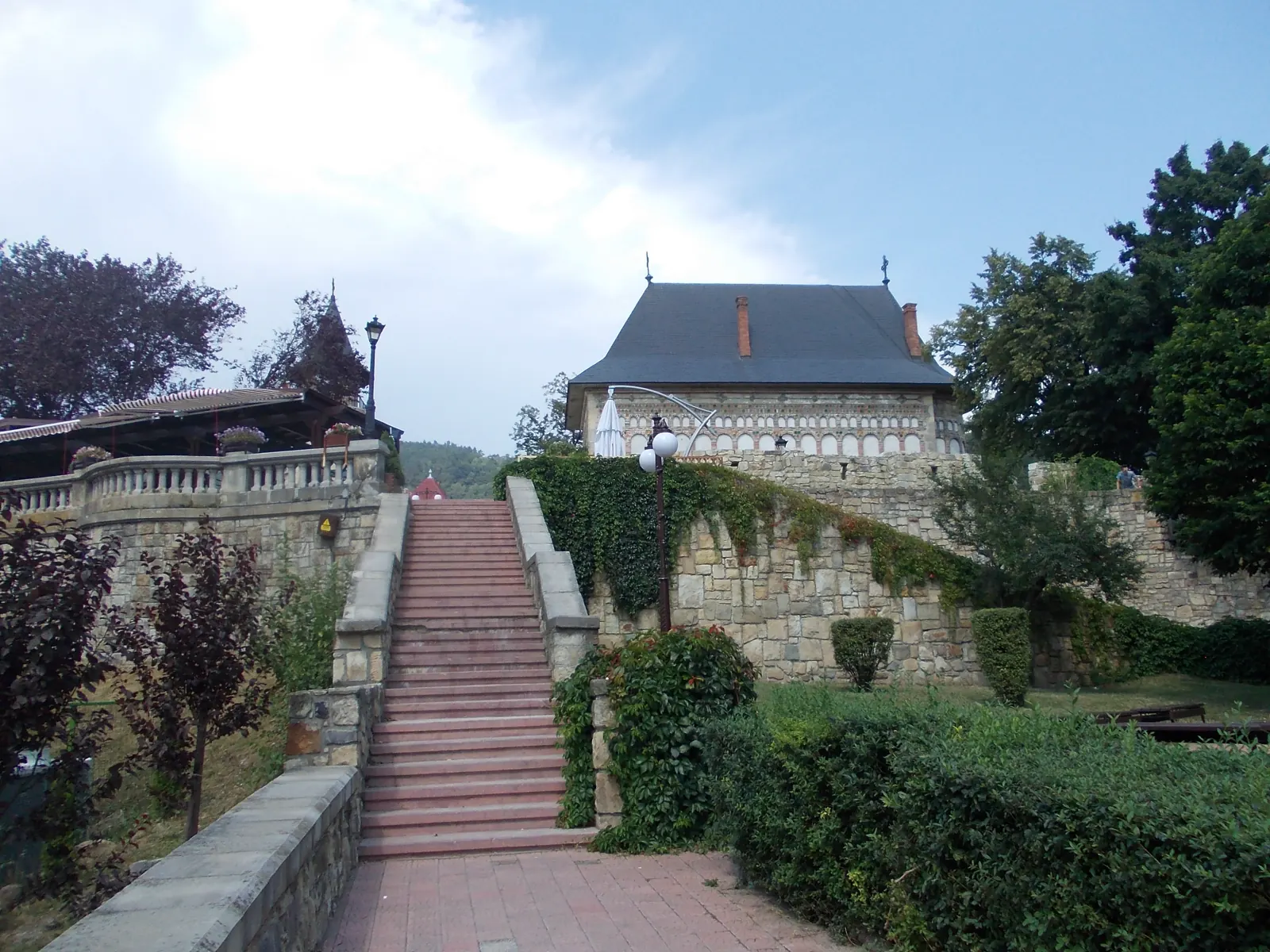
Book launch: “Regina Maria a României. Din viață în eternitate” by historian Narcis Dorin Ion
Neamț National Museum Complex invites audiences in Neamț to the launch of “Regina Maria a României.
“Conștient, nu dependent” Anti-Drug Conference
The national anti-drug campaign “Conștient, nu dependent” comes to Piatra Neamț on 8 October 2026.