Patronal Feasts at Neamț Monasteries
What is a patronal feast?
Whenever an Orthodox place of worship is consecrated, it receives the name of a major feast of the Lord, a feast of the Mother of God, or a saint. This patronal dedication is called hram, a word derived from Church Slavonic, and the church receives its name at consecration. From that point on, the saint becomes the patron and protector of the church; the saint’s feast day also becomes the church’s greatest celebration, marked with great pomp and solemnity.
On the day of the church’s patronal feast there is a special service, followed by a celebratory feast, attended by a large number of believers, some arriving on pilgrimage from great distances.
25 March – Annunciation – the Patronal Feasts of the Monasteries Durău and Horaița.
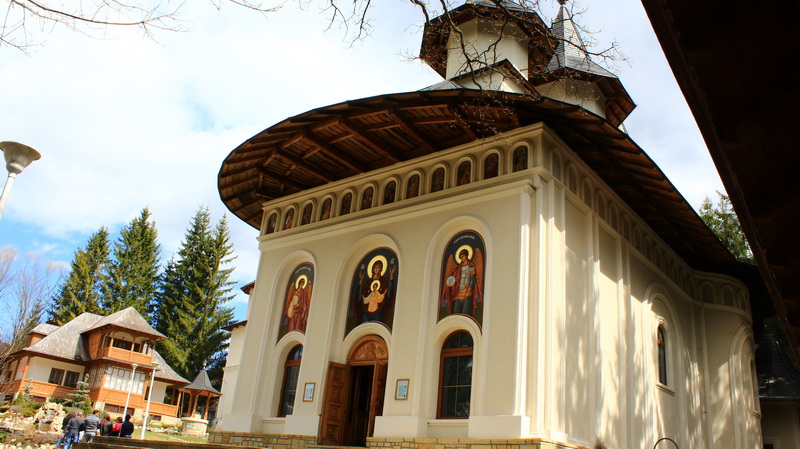
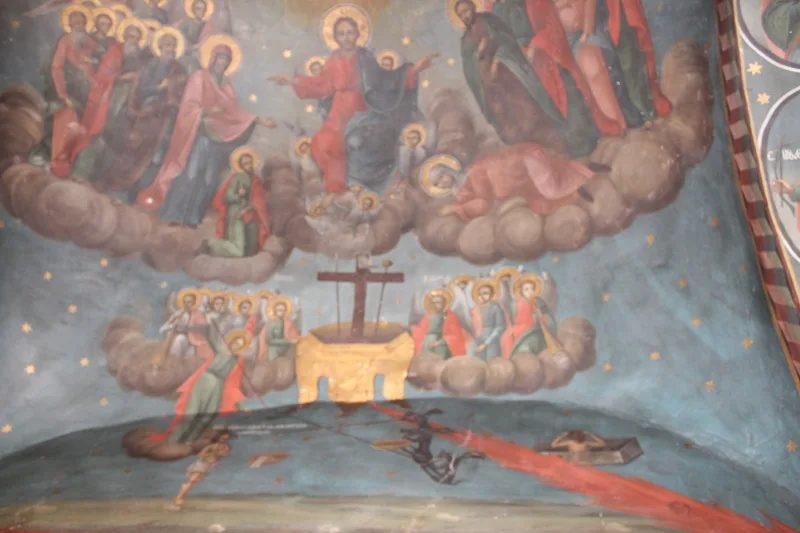
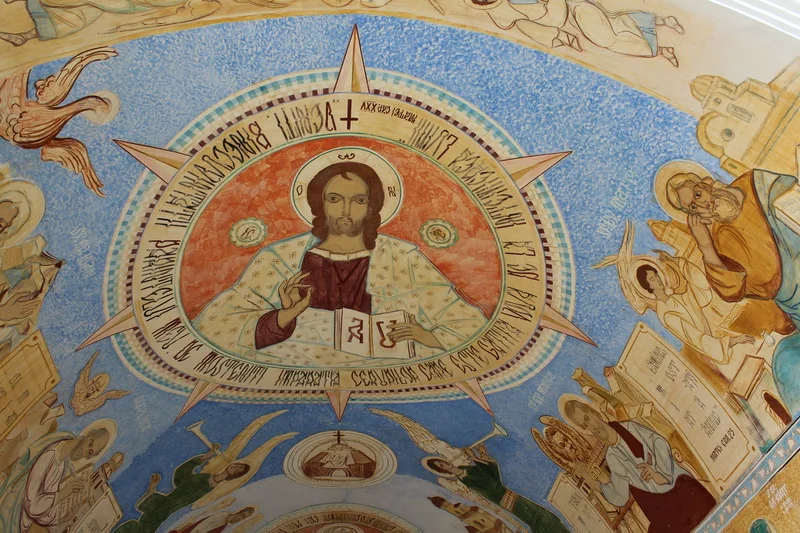
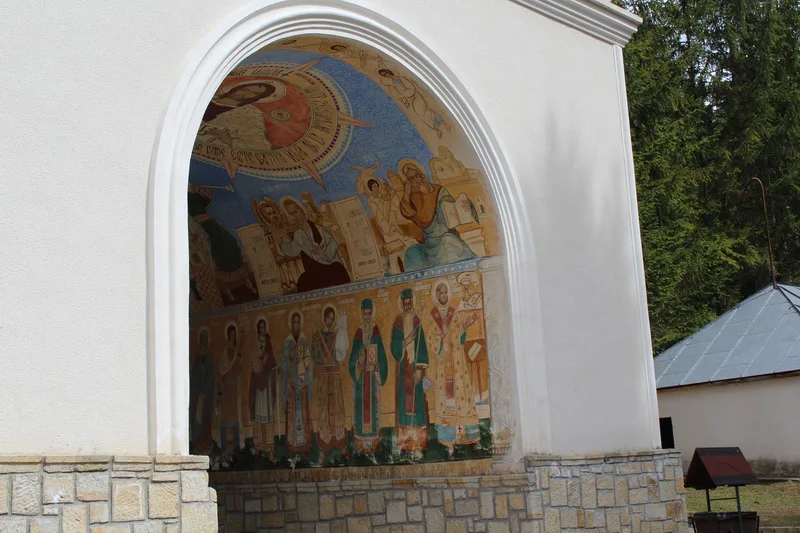
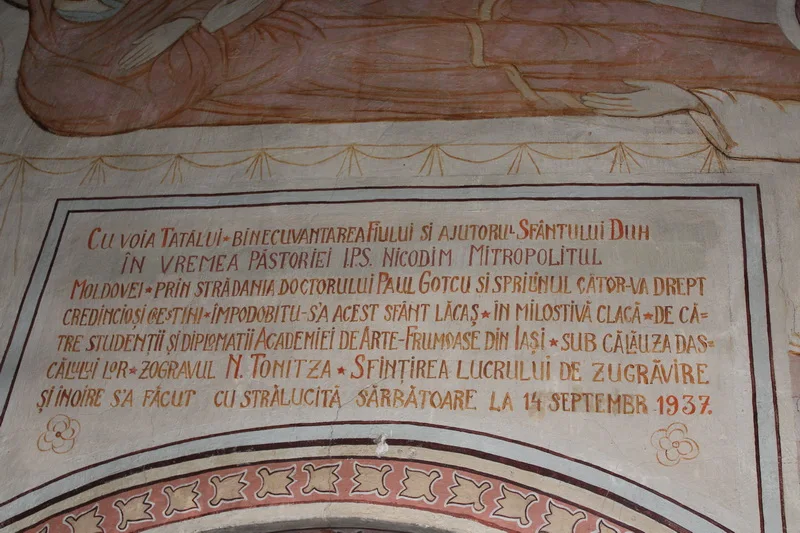
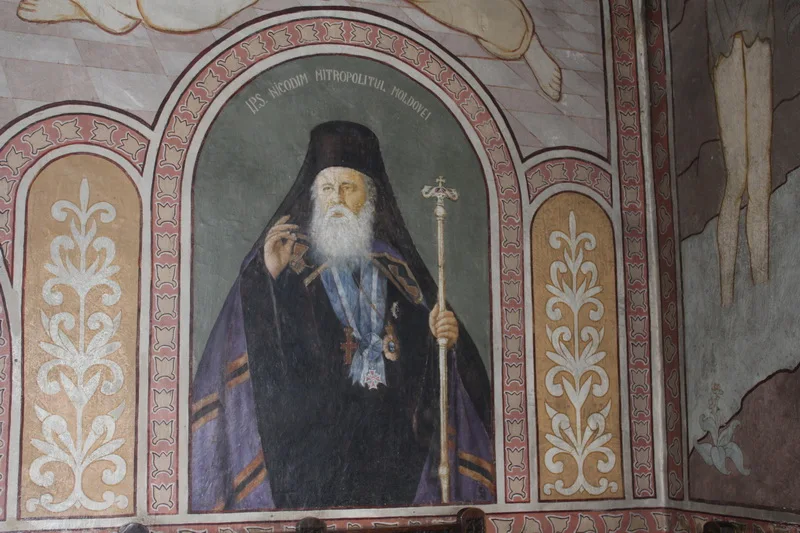
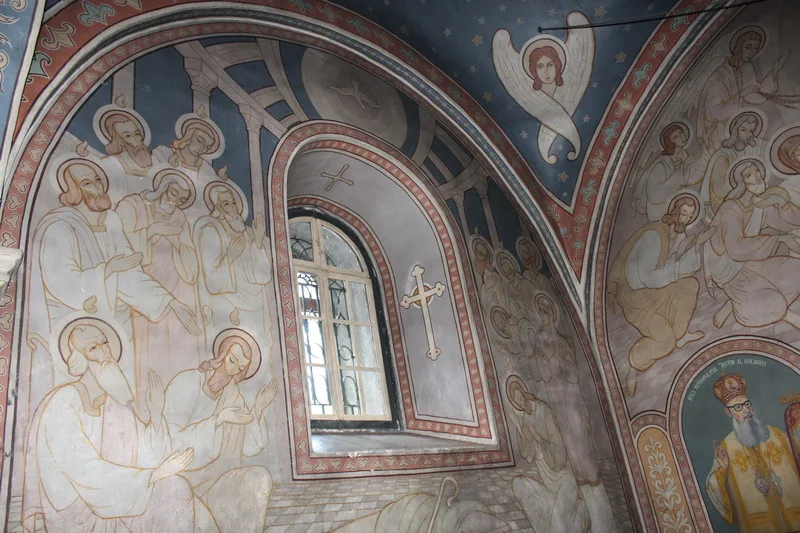
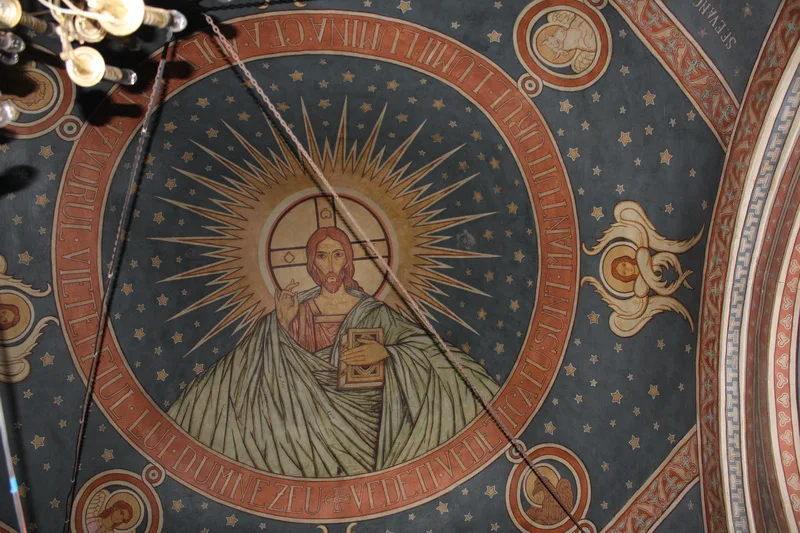
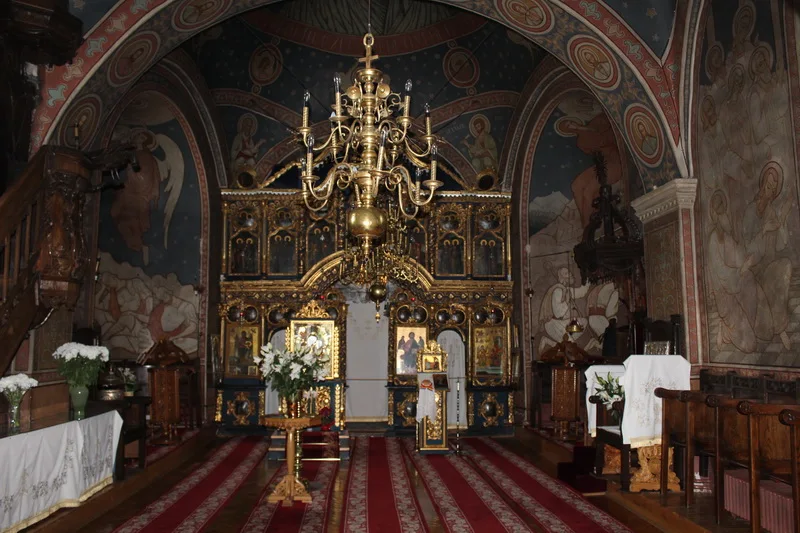
Monastery Durău is an old monastic settlement, situated at the foot of Ceahlău, which preserves on the walls of its church a masterpiece by the great painter Nicolae Tonitza. Between 1935 and 1937 the pronaos, naos and altar were adorned with wax paintings made by students and graduates of the Academy of Fine Arts in Iași, among them Corneliu Baba, guided and supported by their master, Tonitza. Under the master’s direction, the students greatly humanise the figures, giving them also a touch of Romanian folk character, but the master’s brush can be recognised at once: in the Infant Jesus of the Nativity scene the child-like eyes of his masterpieces are visible.
The Durău Monastery is an old monastic settlement situated at the foot of Ceahlău, which preserves on the walls of its church a masterpiece by the great painter Nicolae Tonitza.
Between 1935 and 1937 the pronaos, naos and altar were adorned with wax paintings made by students and graduates of the Fine Arts Academy in Iași, including Corneliu Baba, under the guidance and support of their master, Tonitza. Under the master’s direction, the students greatly humanise the figures, giving them a touch of Romanian folk character, yet the master’s brush can be recognised quickly: in the Child Jesus in the Nativity scene the child’s eyes from his masterpieces can be seen.
The consecration ceremony is called târnosire, and its service is performed only by a bishop or hierarch.
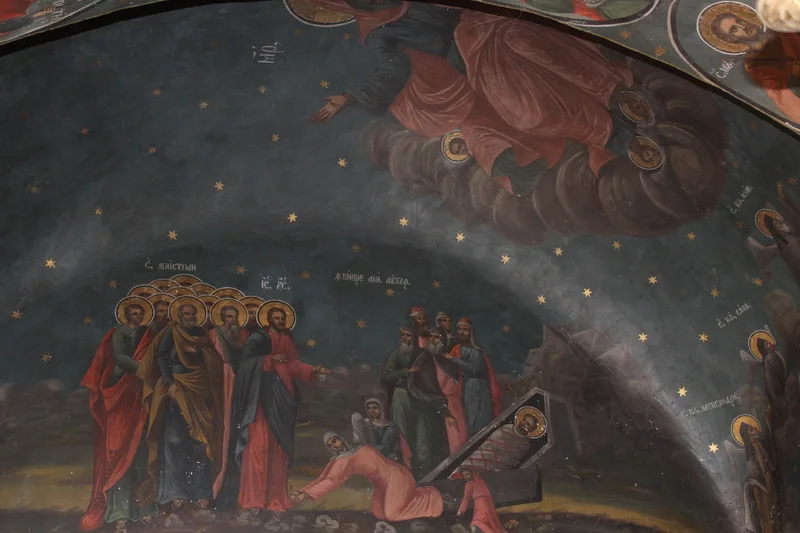
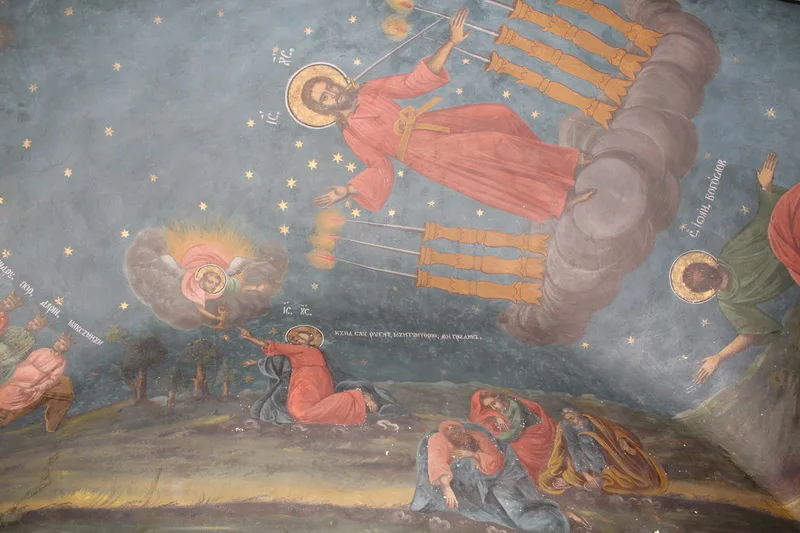
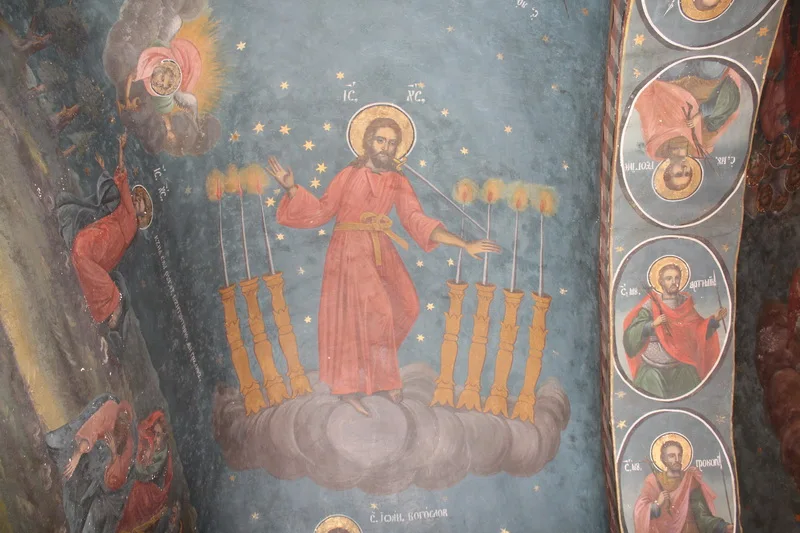
Photos of paintings at the Monastery Durău
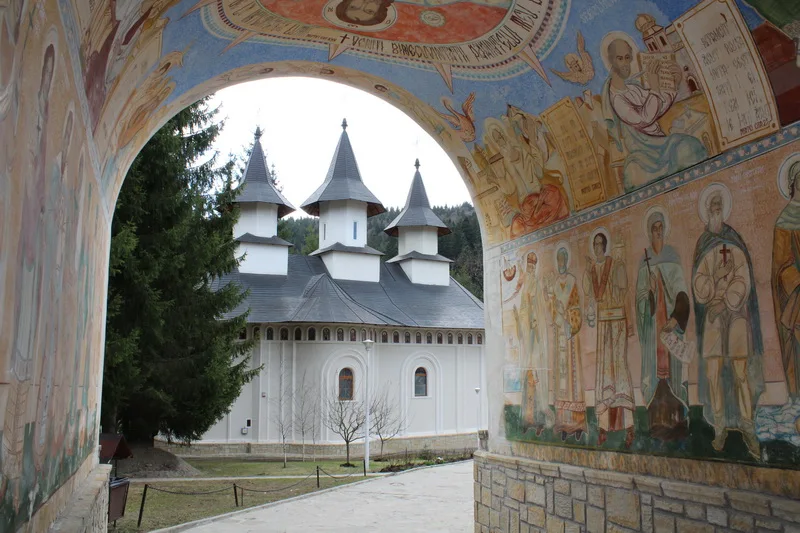
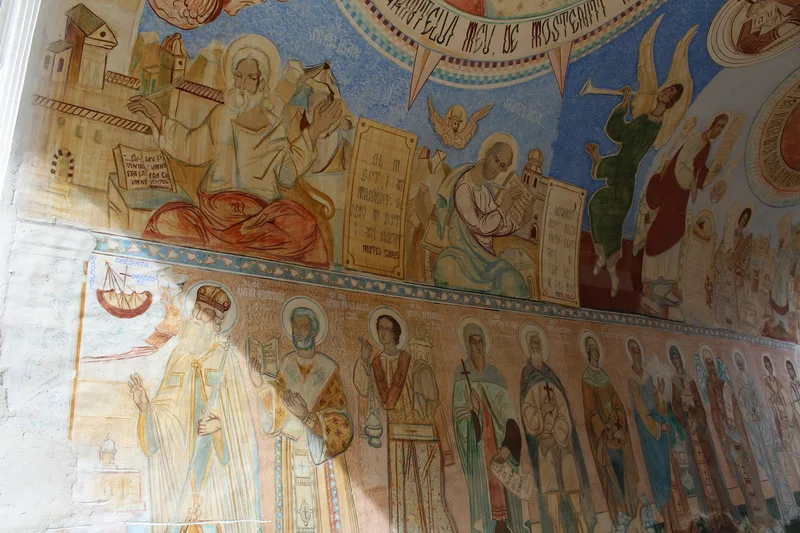
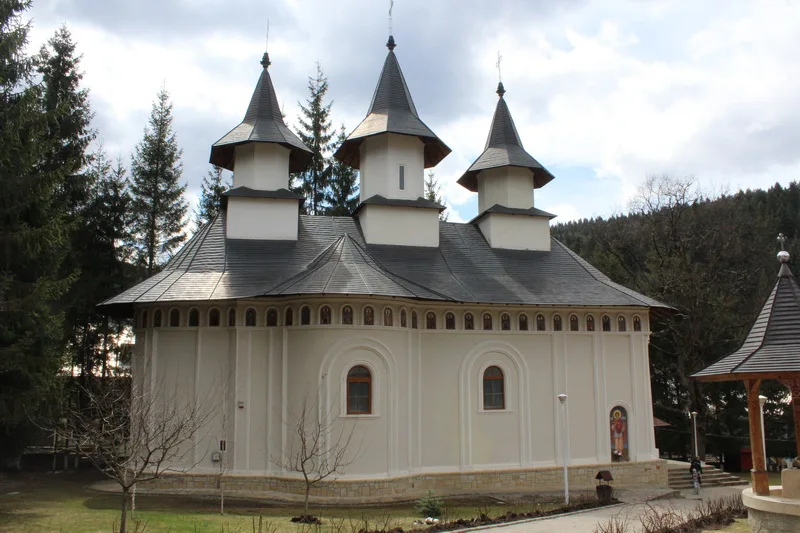
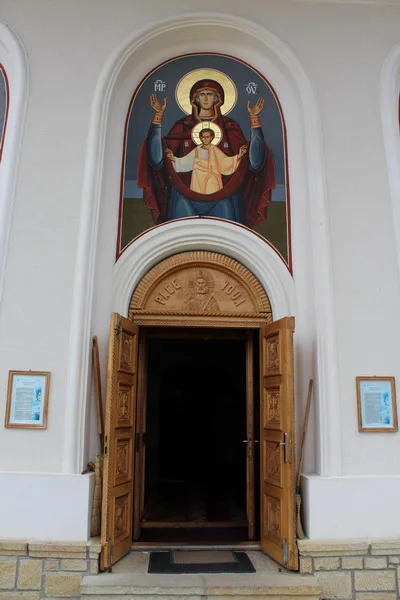
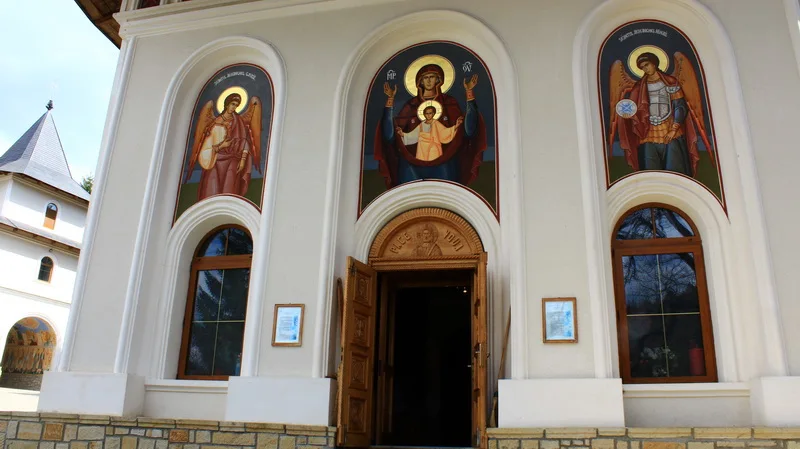
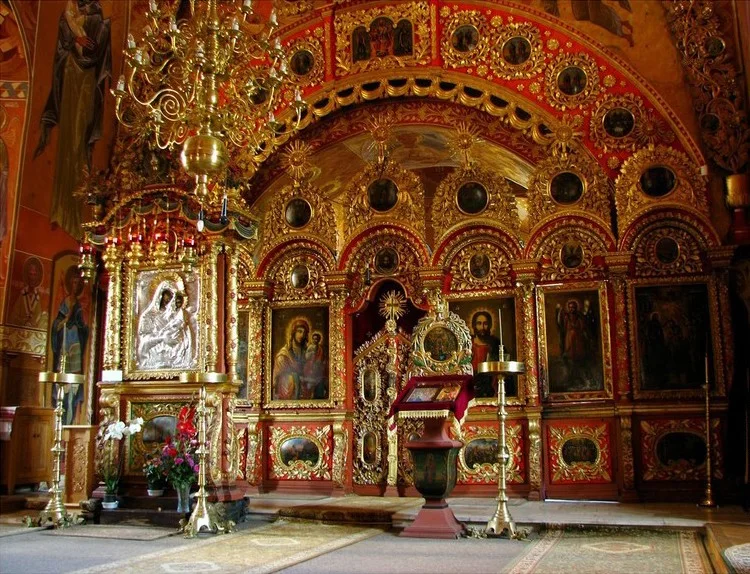
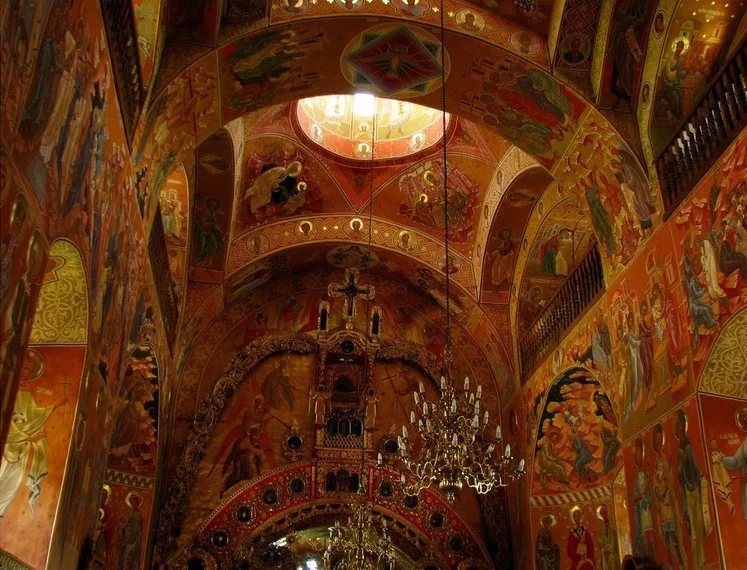
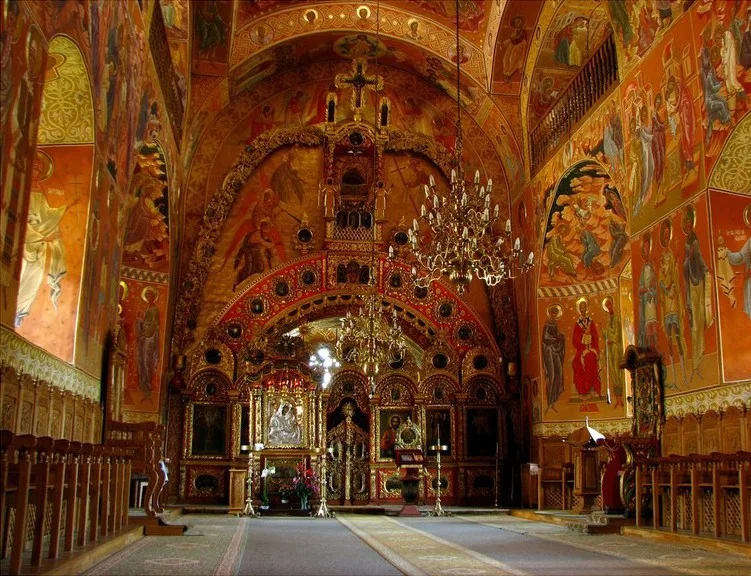
Horaiṭa Monastery stands in a glade surrounded by the Stăniṣoarei Subcarpathians. Built of stone in the shape of a ship, it has 8 towers, a unique feature in Moldavian architecture. The 8 towers were designed to express the eternity of the Church without words, as the number eight symbolises eternity. The interior was painted in 1993 by the artist Mihai Chiuaru from Bacău, assisted by his apprentices. They worked in the Neo-Byzantine style, using the fresco technique against a brick-red background, a colour symbolising the warmth with which God the Saviour welcomes us all into His house. The elongated figures of the saints symbolise their desire to lift our thoughts from earthly things to heavenly ones.
Pictures of paintings at Horaița Monastery
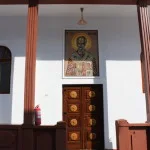
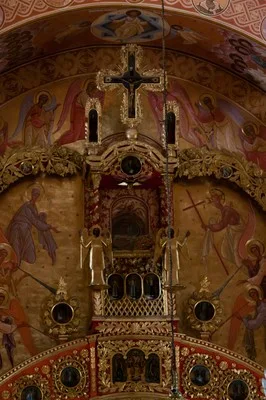
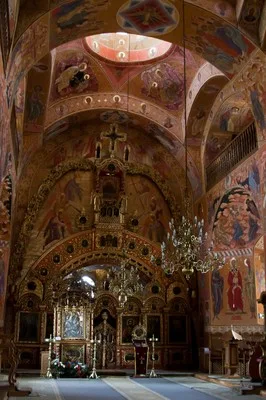
The two monasteries welcome you on the Feast of the Annunciation, 25 March, when they celebrate their patronal feast.
More on the same topic
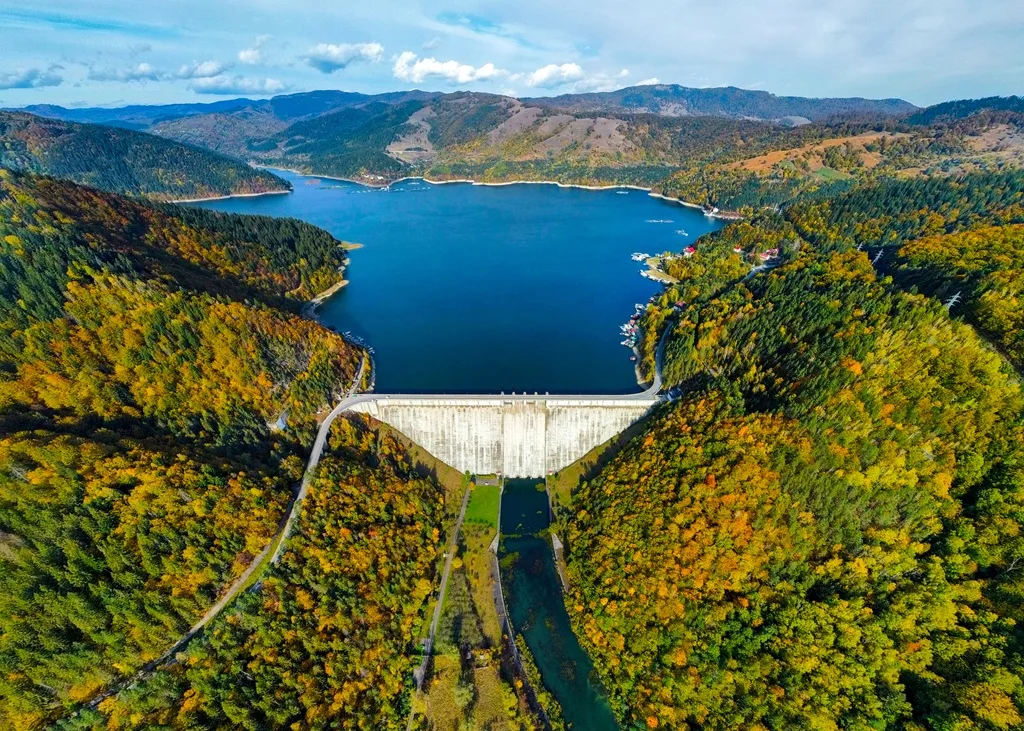
A Thousand and one stories in Neamt
Dear Traveller, wherever you come from, we invite you to discover the blessed lands of Neamț, a sacred realm once inhabited by the ancient Dacians, rich in legends and myths, with a history and roots…
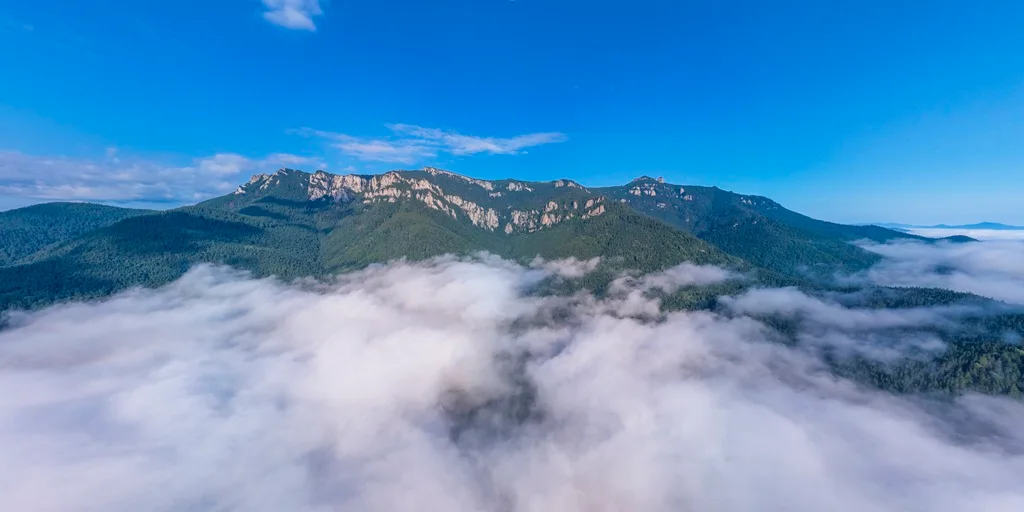
The Beloved Mountain, Explored in Every Season
No matter which season you choose to visit, the Ceahlău Massif offers a vibrant spectacle of untamed nature, inviting you to discover its fascinating natural richness, history, stories, and the legends that surround the entire mountain.
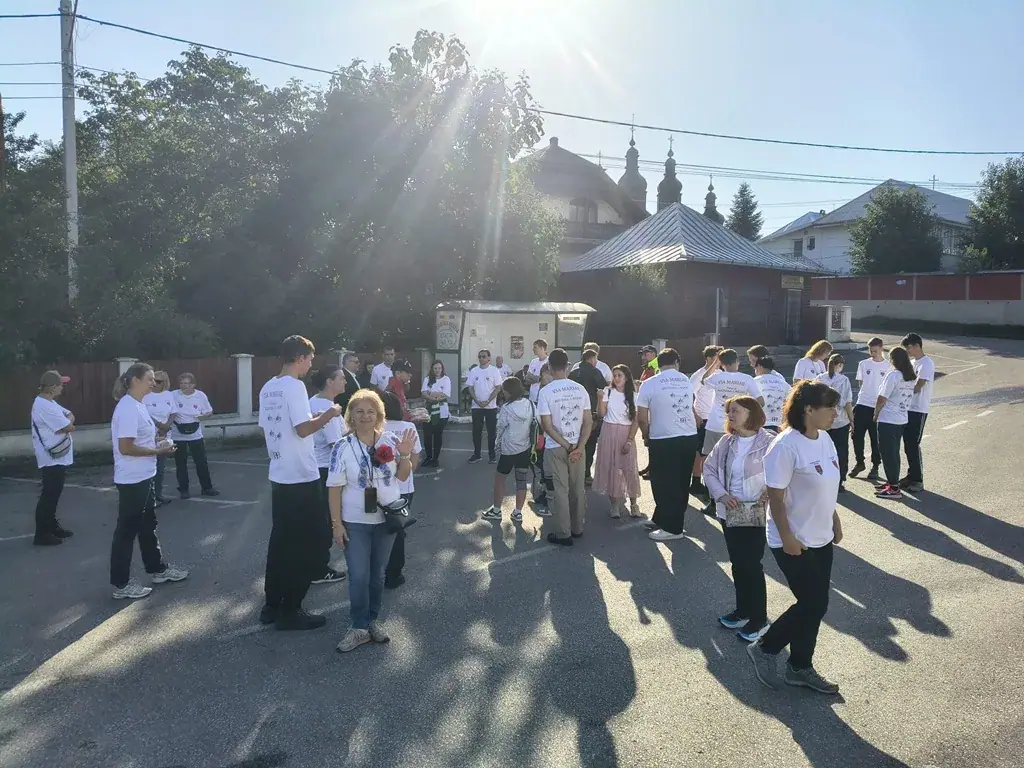
Days Dedicated to the Via Mariae Pilgrimage
A walking pilgrimage from Văratec Monastery to Voroneț Monastery in honour of the Holy Virgin Mary was organised recently, from 31 August to 3 September, by the Neamț and Suceava County Councils…