Mărțișor, a symbol of love and rebirth
1 March celebrates spring and freshness, the victory of good over evil, and the beauty of an ancient, uniquely Romanian custom, inherited from earlier generations and found among no other peoples.
According to the legend of Mărțișor, this custom originated in Roman celebrations honouring the god Mars, the god of fertility and vegetation. The coins were made of silver, gold or ordinary metal and indicated how wealthy or poor the wearer was. These coin charms were worn around the wrist or pinned to the chest. When the trees blossomed, women hung the thread from a branch and used the coin to buy fresh curd cheese so that their skin would remain white and soft for the rest of the year. Over time, the coin became a symbol of love, and the black thread became red. Archaeological excavations have unearthed charms almost eight thousand years old, made from river pebbles coloured white and red. They are believed to have been strung on a thread and worn around the neck.
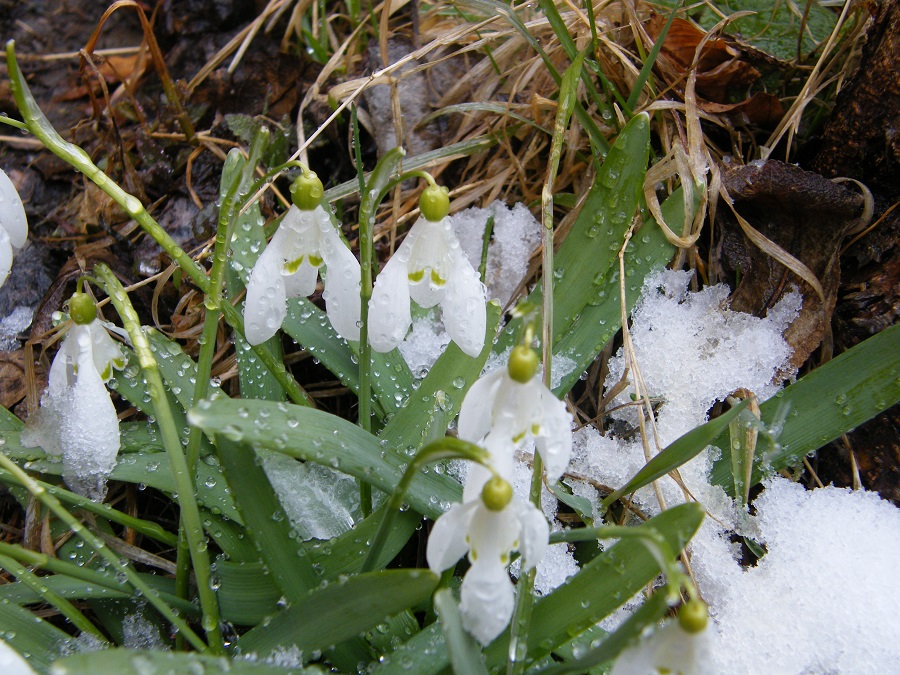
Of all the legends, however, perhaps the most interesting and beautiful is the story of the brave young man who fought the dragon, a legend born of Romanian fairy tales and also rooted in the time of our ancestors, the Dacians and Romanians. It is said that a dragon imprisoned the sun in a dungeon. This saddened everyone: the birds stopped singing, the springs stopped flowing and the children stopped laughing. But one day, a brave young man decided to set off to rescue the sun. Many people accompanied him on his way and gave him some of their strength to help him. His journey lasted three seasons: summer, autumn and winter. He found the dragon's castle and began to fight. They fought for days until the dragon was defeated. Weakened and wounded, the young man freed the sun. It rose into the sky, bringing joy to the world. Nature came back to life, and people were happy. But the young man did not live to see spring. His warm blood seeped onto the snow. Where the snow melted, snowdrops appeared, heralding spring. Ever since, young people have entwined two tassels: one white and one red. Red signifies love for all that is beautiful, recalling the colour of the brave young man's blood, while white symbolises the purity and delicacy of the snowdrop, the first flower of spring.
In Moldavia, unlike other parts of the country, men also receive spring charms on 1 March, as well as girls and women.
Photo gallery:
Tradition has it that our ancestors wore pierced coins suspended from two threads, one white and one black.
More on the same topic
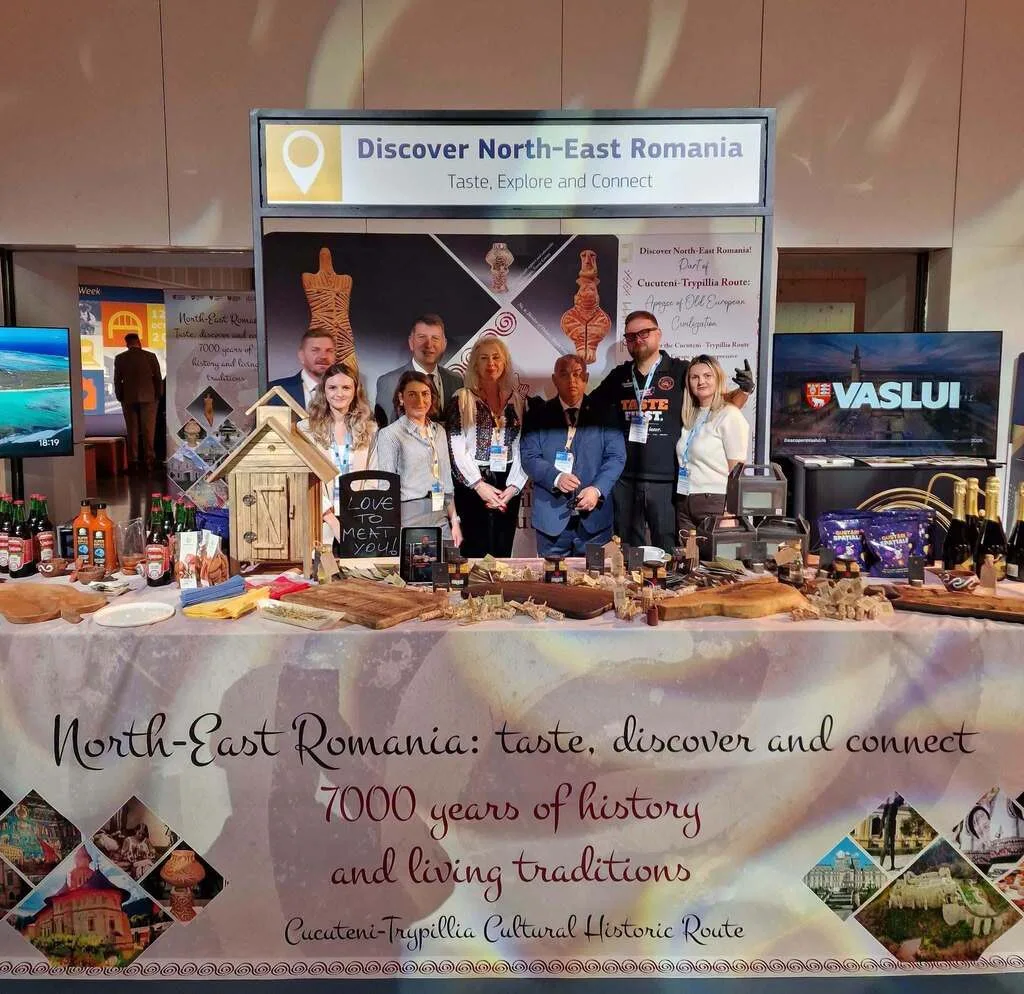
Neamț County, an Ambassador for Local Traditions and Values in Brussels
Neamț County showcased its values, traditions and development potential on the European stage during European Week of Regions and Cities, held in Brussels from 12 to 14 October.
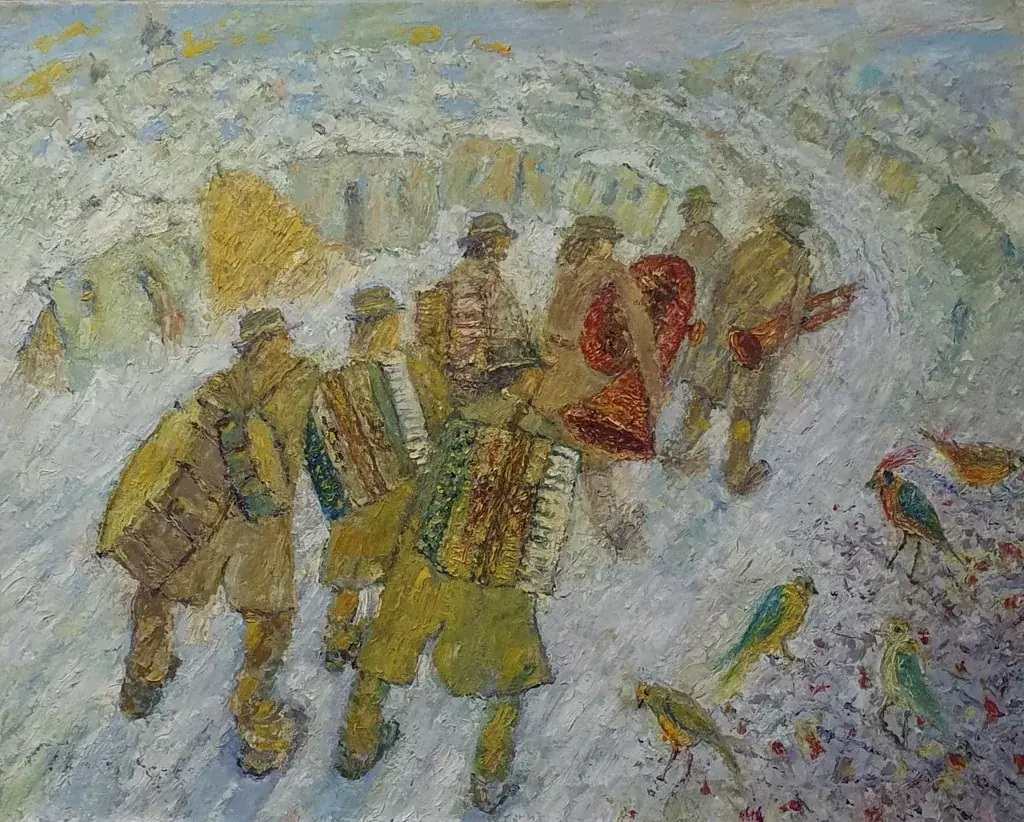
Solo painting exhibition – Florin Mareș
Starting Saturday, 10 October 2026, the Art Museum in Roman opens a new solo exhibition by the visual artist Florin Mareș of Roman.
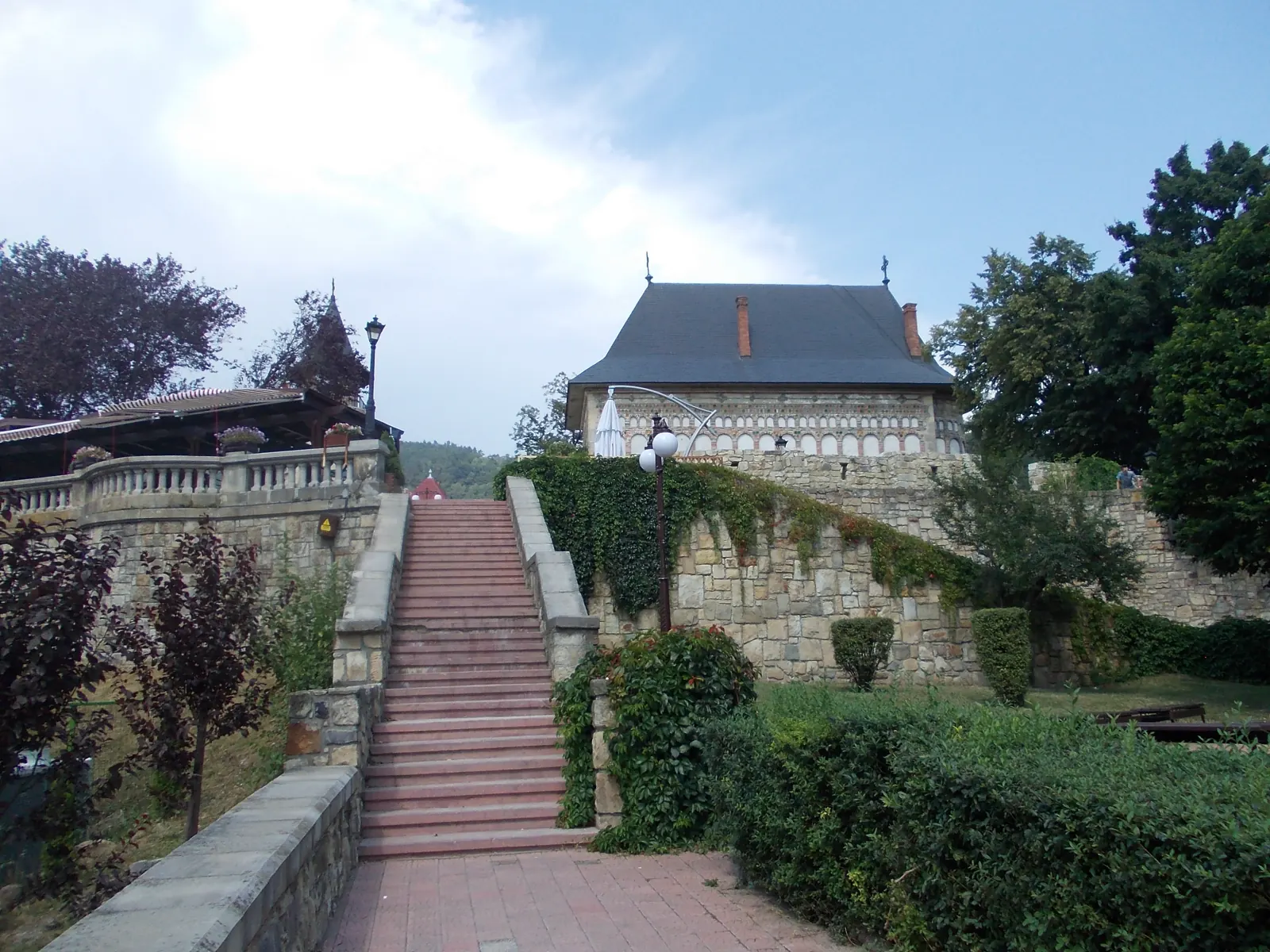
Book launch: “Regina Maria a României. Din viață în eternitate” by historian Narcis Dorin Ion
Neamț National Museum Complex invites audiences in Neamț to the launch of “Regina Maria a României.