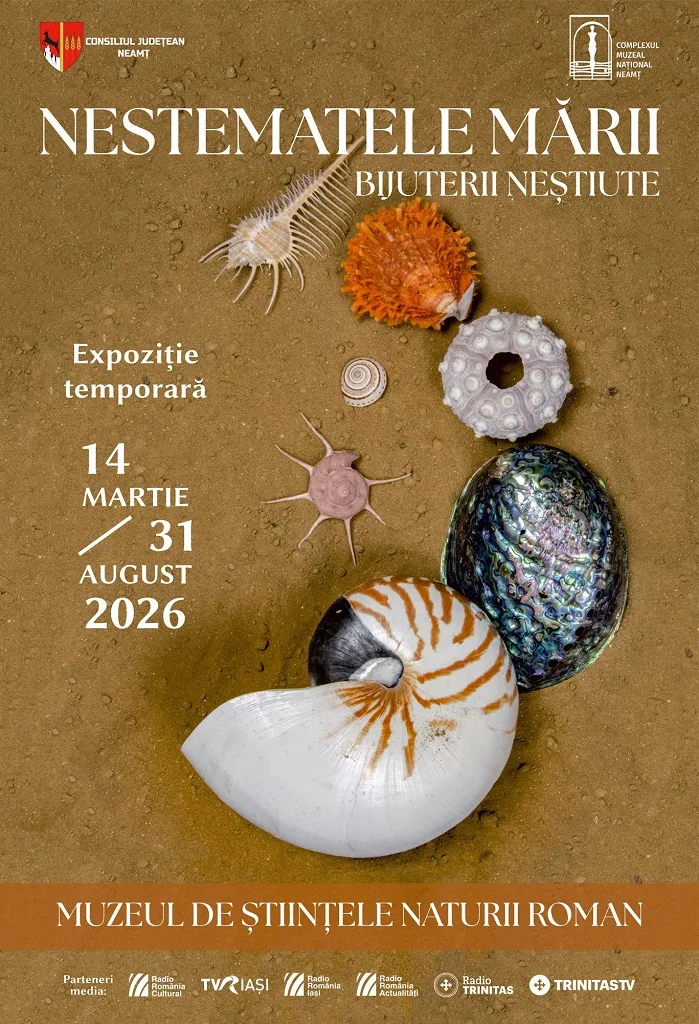
Gems of the Sea – Unknown Jewels (Temporary exhibition)
The Roman Natural Sciences Museum, part of Neamț National Museum Complex, invites the public to visit the temporary exhibition “NESTEMATELE MĂRII – BIJUTERII NEȘTIUTE” from 14 March 2026.
The colourful shells and elegant forms of bivalves and snails have captured human attention since ancient times. These invertebrates have long been an important source of food (mussels, cuttlefish, octopuses), later becoming ornaments worn by prehistoric people, tools, decorative or religious objects, and musical instruments (Triton’s trumpet-Charonia tritonis). The Japanese are among the peoples who used shells for this purpose, calling the instrument horagai; shells were even used as currency (money cowrie-Cypraea moneta) and as raw materials in various scientific and technical fields, while health specialists have used the venom of Conus snails to treat pain.
The exhibition invites visitors to explore the biodiversity of marine molluscs, presenting the exotic variety of coral, snail, bivalve, cephalopod and echinoderm species from the world’s seas and oceans (the Mediterranean Sea, the Atlantic Ocean, the Pacific Ocean, the Indian Ocean); on display are over 150 specimens from the scientific malacology collection of the Piatra Neamț Natural Sciences Museum and various samples of sand collected from exotic beaches (Cuba, Mexico, Greece, Italy, Malta, etc.).
From a scientific perspective, the exhibition offers an overview of mollusc taxonomy and biology, their diversity and habitats, fascinating facts about their lives in the world's seas and oceans, and information on how to protect them – some are threatened with extinction.
The exhibition can be visited at the Roman Natural Sciences Museum from 14 March 2026 to 31 August 2026.
Exhibition curators: museum curator Ionela-Alexandra Boboc, Oana-Maria Balan and Dr Ionut Grădianu from the Piatra Neamț Natural Sciences Museum.
More on the same topic
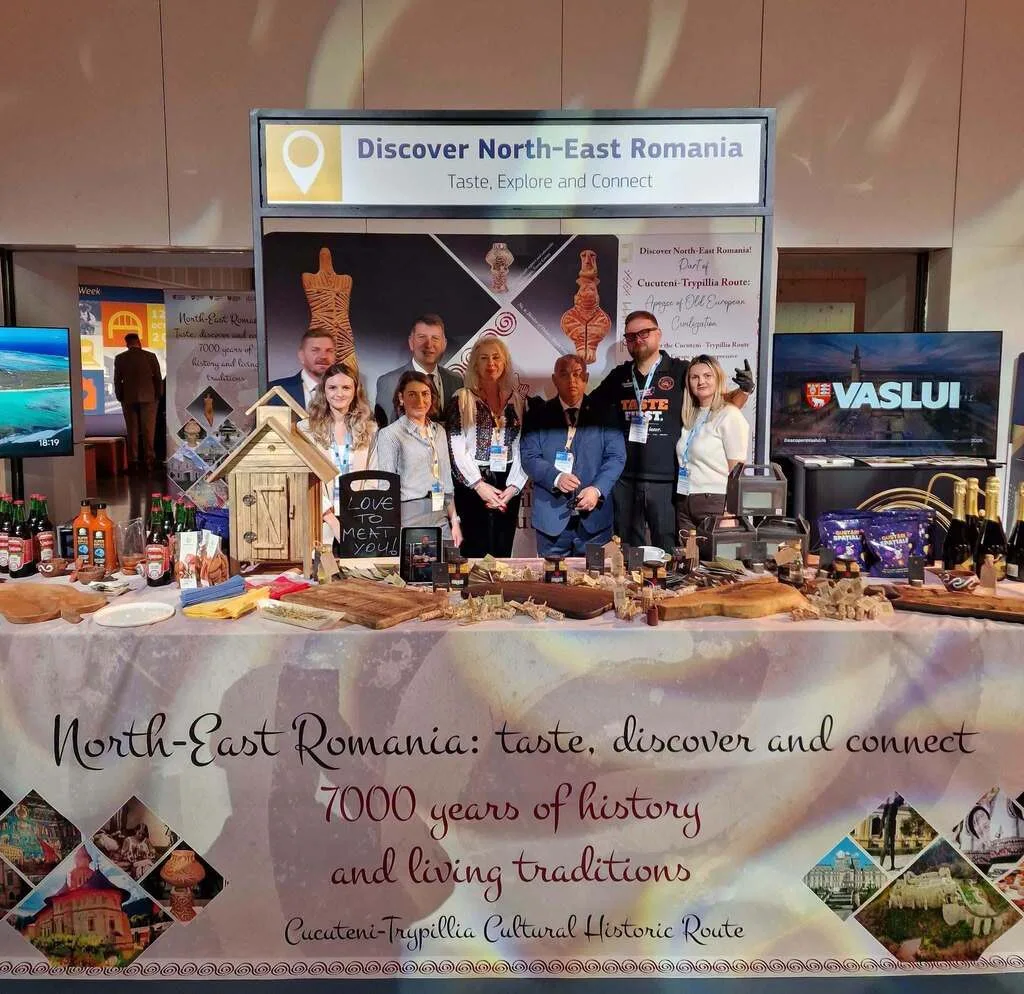
Neamț County, an Ambassador for Local Traditions and Values in Brussels
Neamț County showcased its values, traditions and development potential on the European stage during European Week of Regions and Cities, held in Brussels from 12 to 14 October.
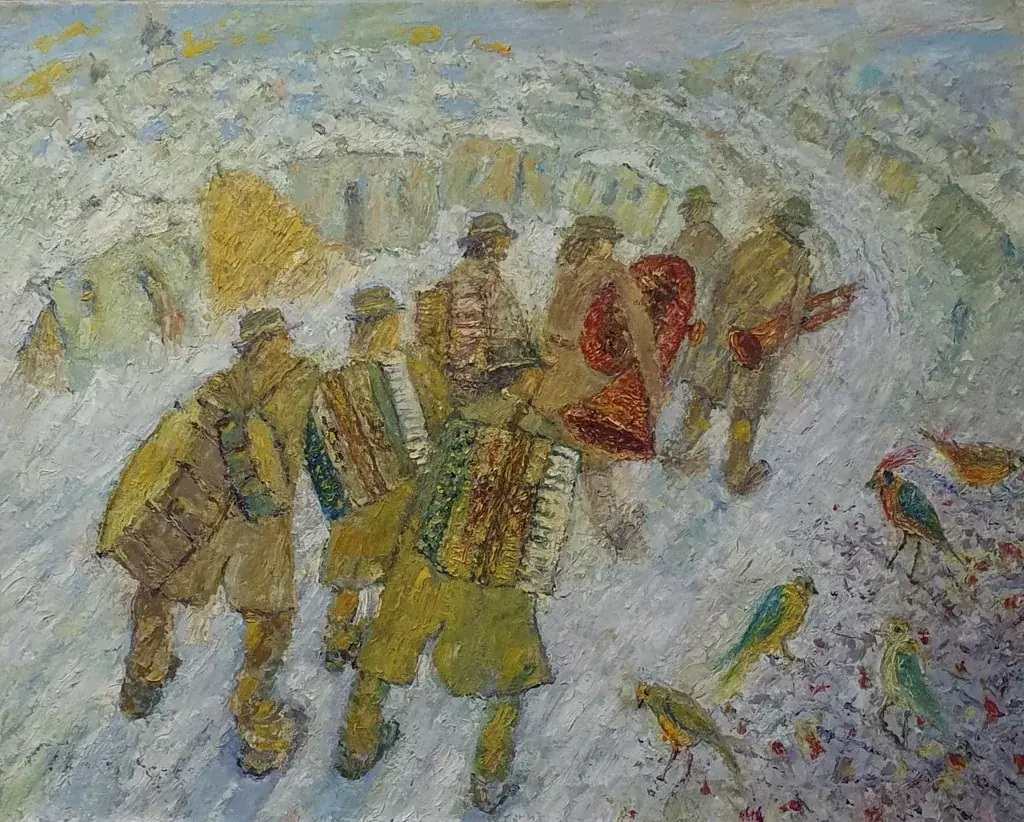
Solo painting exhibition – Florin Mareș
Starting Saturday, 10 October 2026, the Art Museum in Roman opens a new solo exhibition by the visual artist Florin Mareș of Roman.
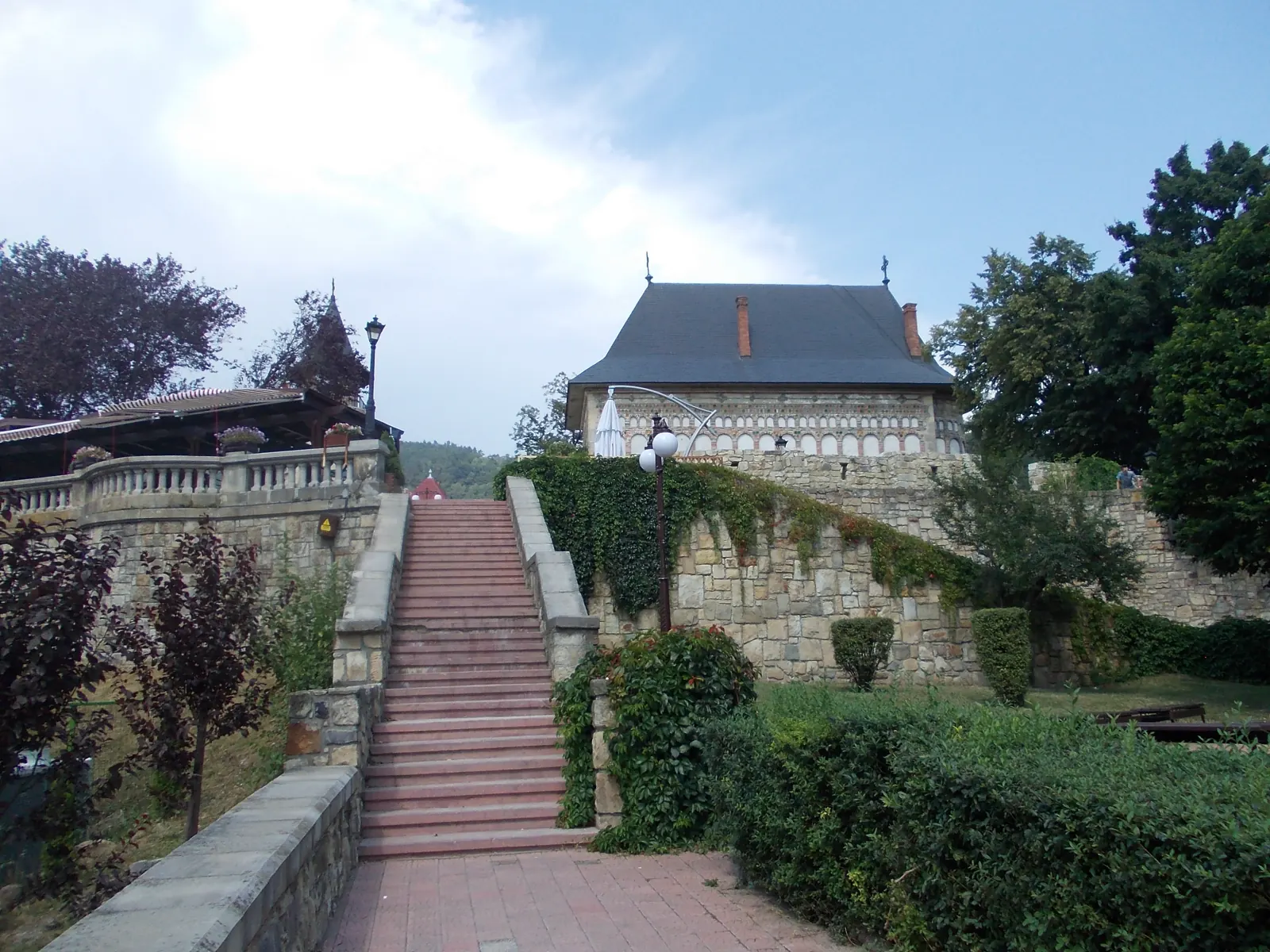
Book launch: “Regina Maria a României. Din viață în eternitate” by historian Narcis Dorin Ion
Neamț National Museum Complex invites audiences in Neamț to the launch of “Regina Maria a României.