People and places. Journey inside the picturesque world of Borca commune
People and places. Journey inside the picturesque world of Borca commune
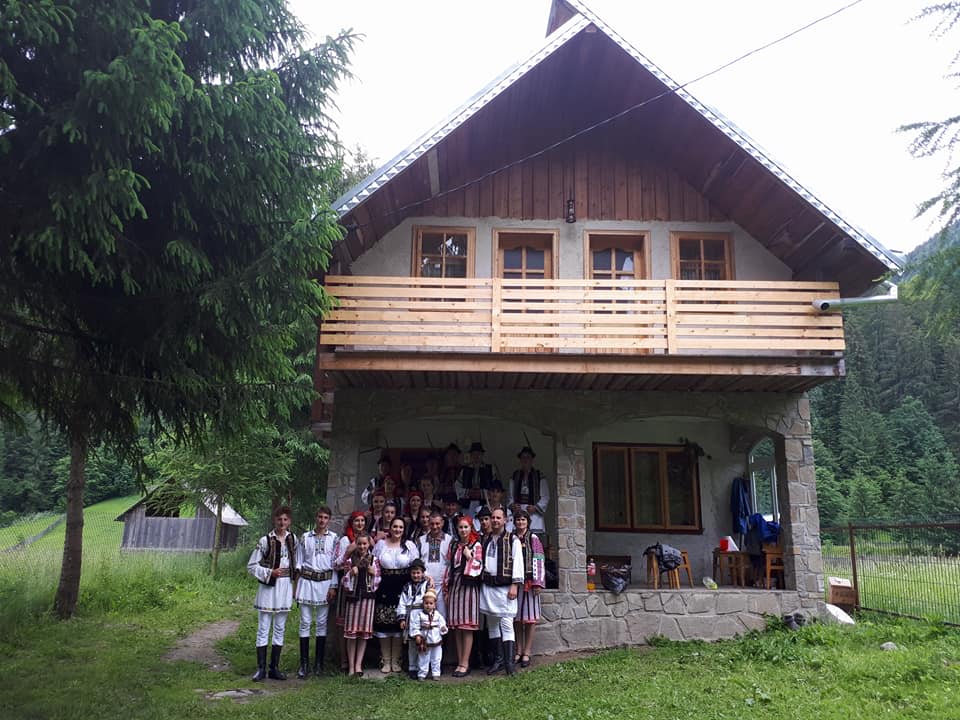
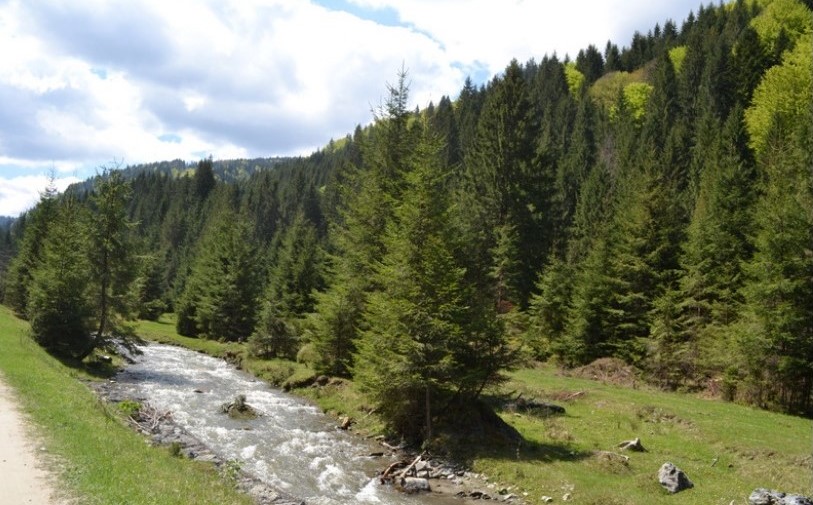
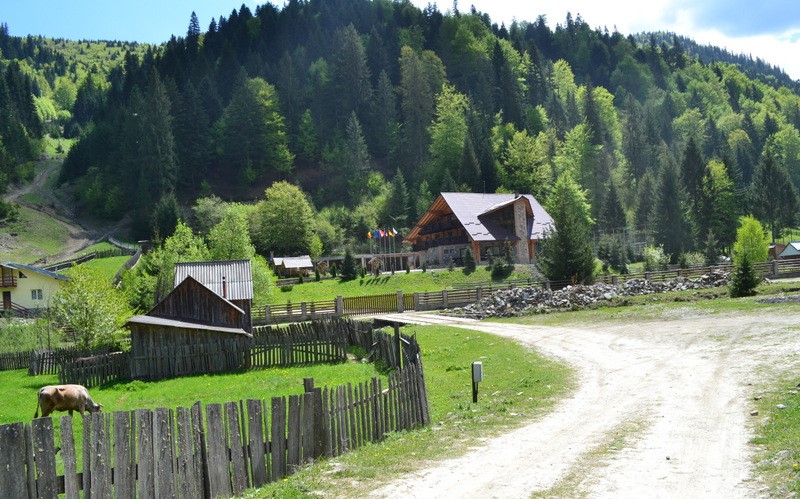
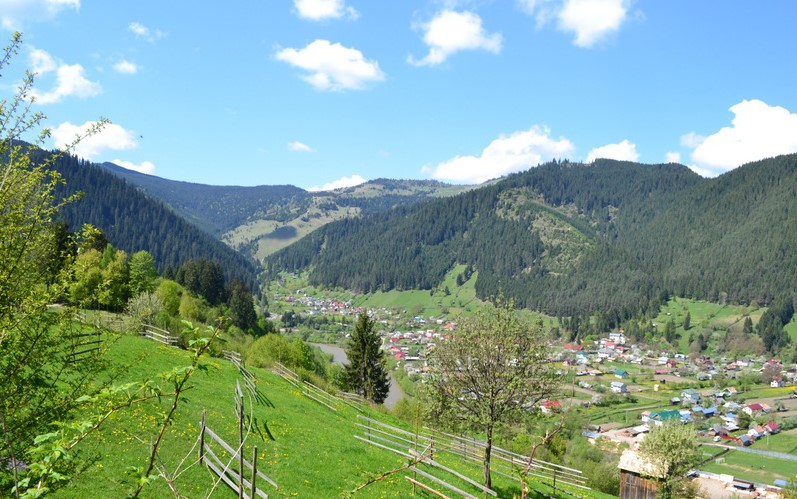
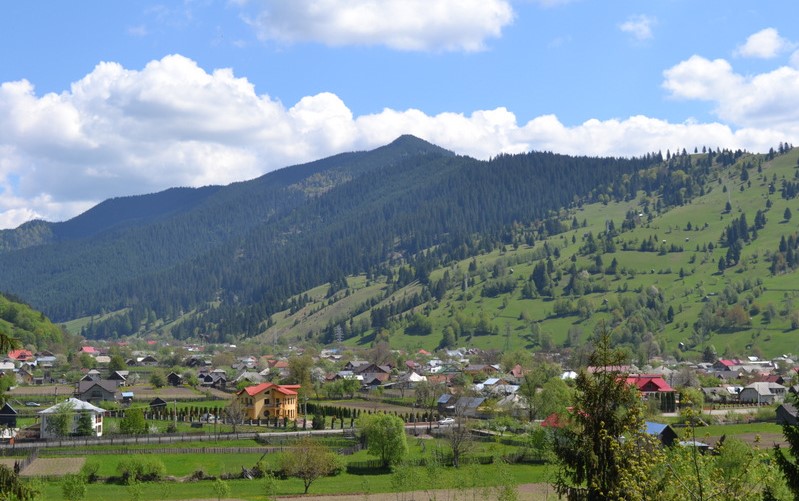
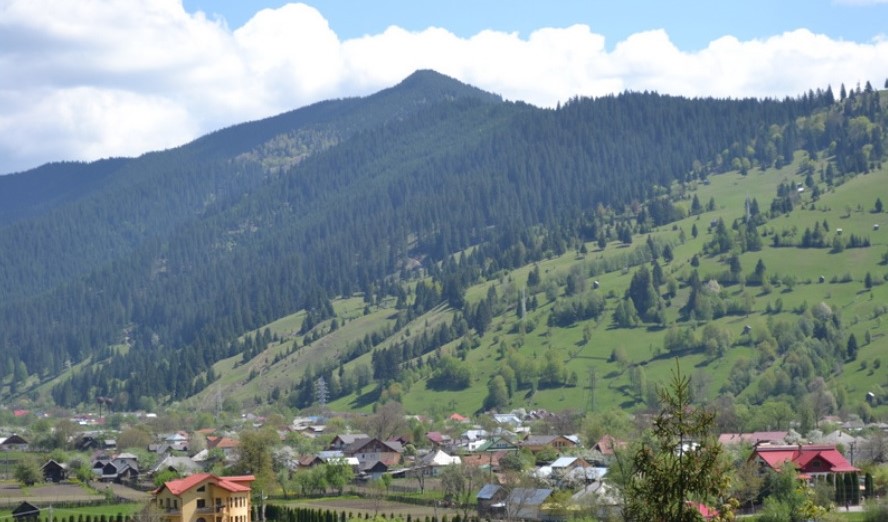
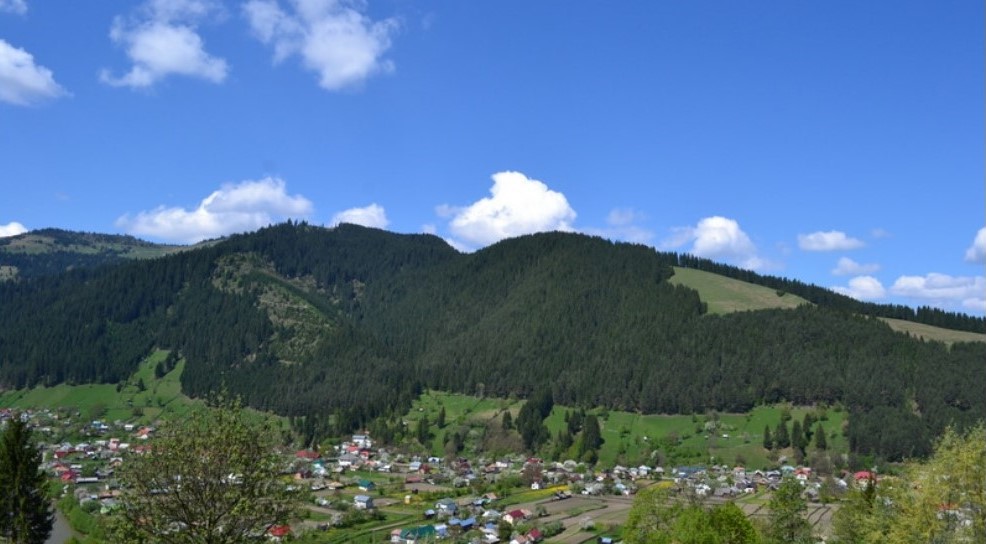
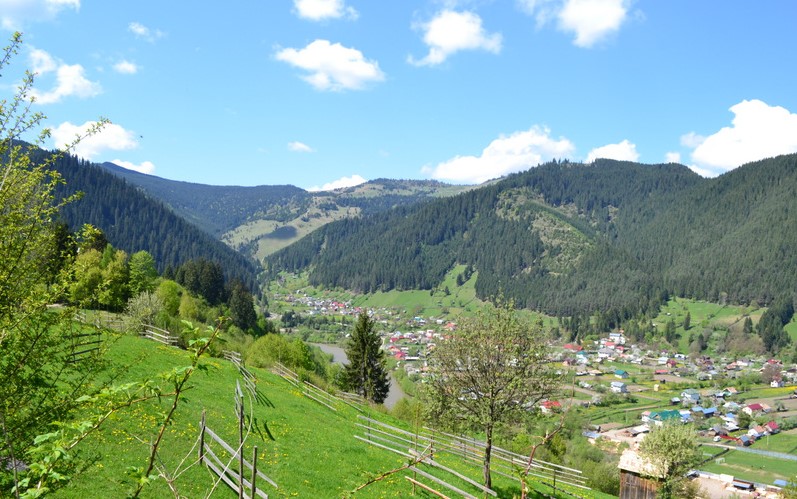
Situated in the central part of the Eastern Carpathians, on the middle course of the Bistrița River, Borca is a land that impresses through its majestic landscapes, places of great historical significance, traditions, customs, magical practices, and last but not least by its people who conquer you with their warmth and magic of speech and make you want to come back soon.
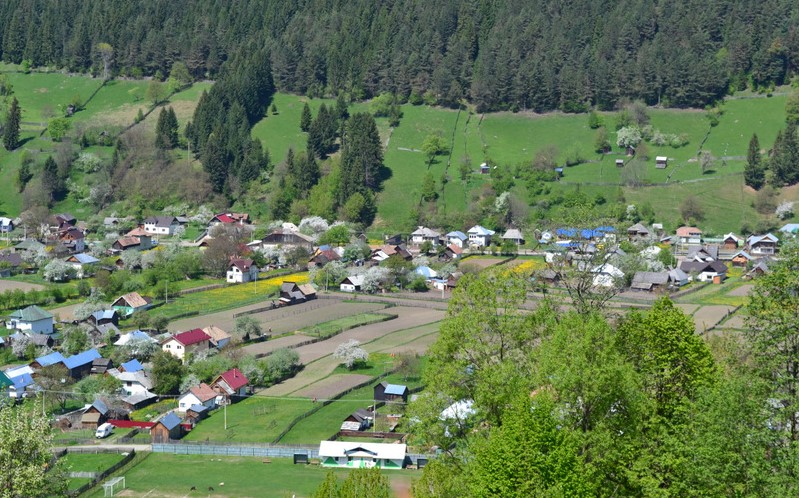
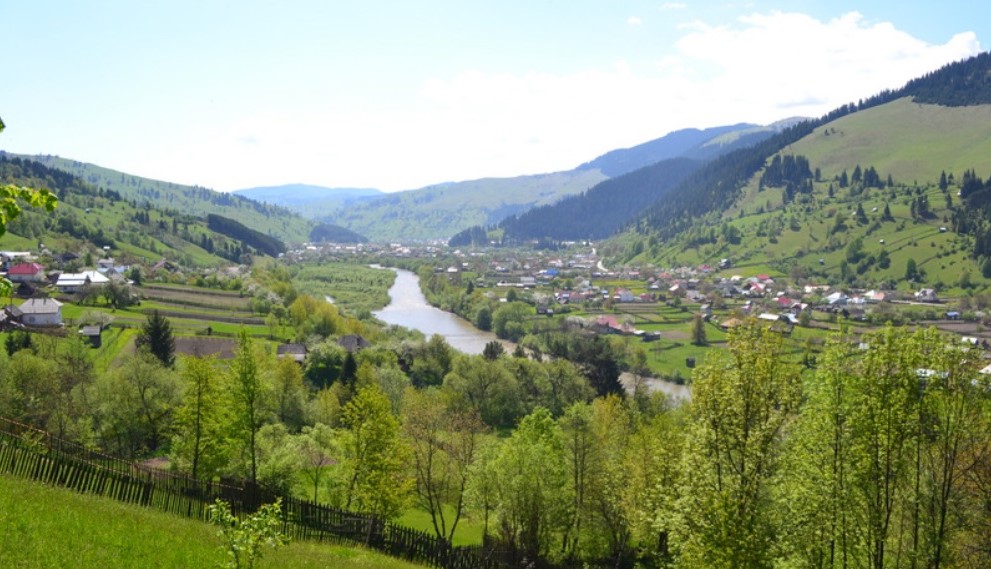
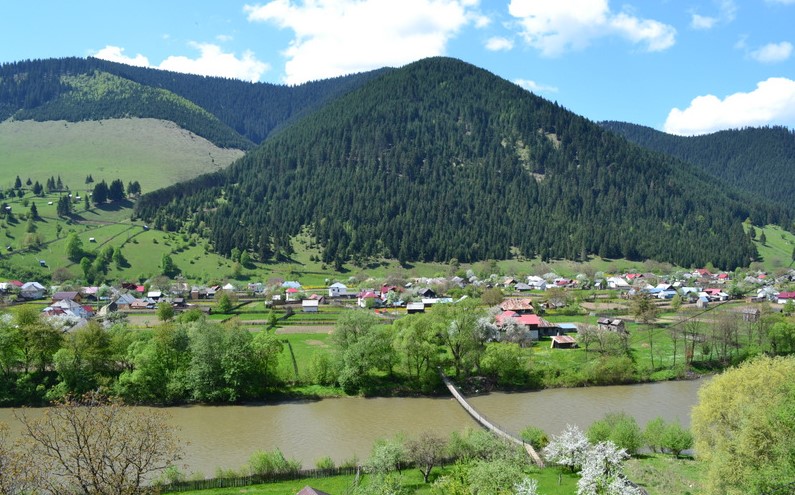
Geographically placed in the watersheds of the Sabasa and Borca streams, Borca commune comprises eight villages disposed on both sides of the Bistrița river, 8 km alongside the river stream: Lunca, Mădei, Pârâul Cârjei, Borca, Sabasa, Soci and Pârâul Pântei.
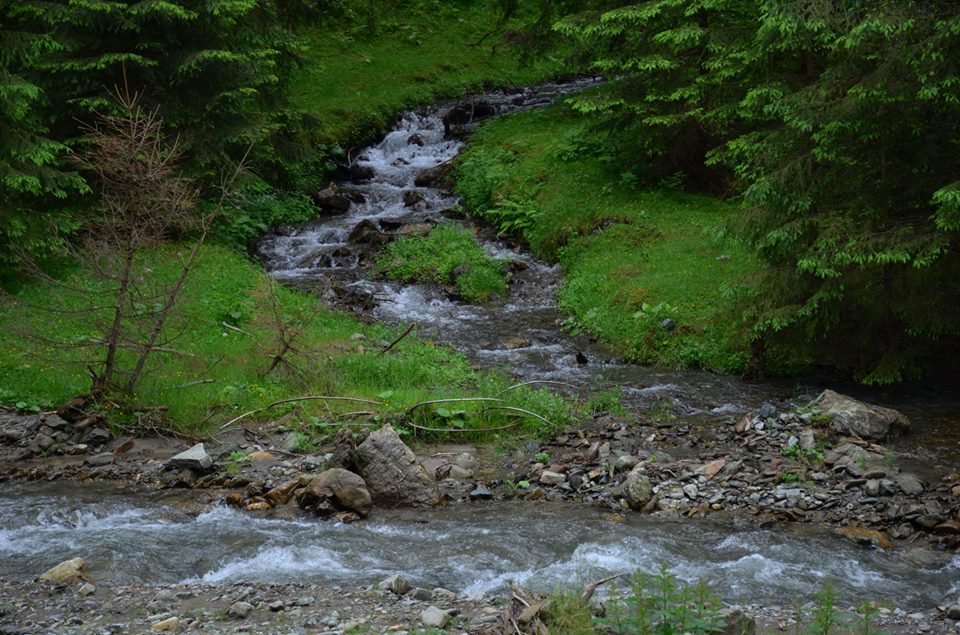
Overt time, the commune has been visited by many personalities: scientists, scholars, travelers and others who left written testimonies in the books and press of those times. In 1840, Wilhelm von Kotzebue, Gheorghe Cantacuzino’s brother-in-law, being impressed by these places, described the Borcuț’s Meadow as being wild and romantic, surrounded by very tall rocks, crossed by a mountain stream “that rises rapidly towards the riverbed of Bistrița”.
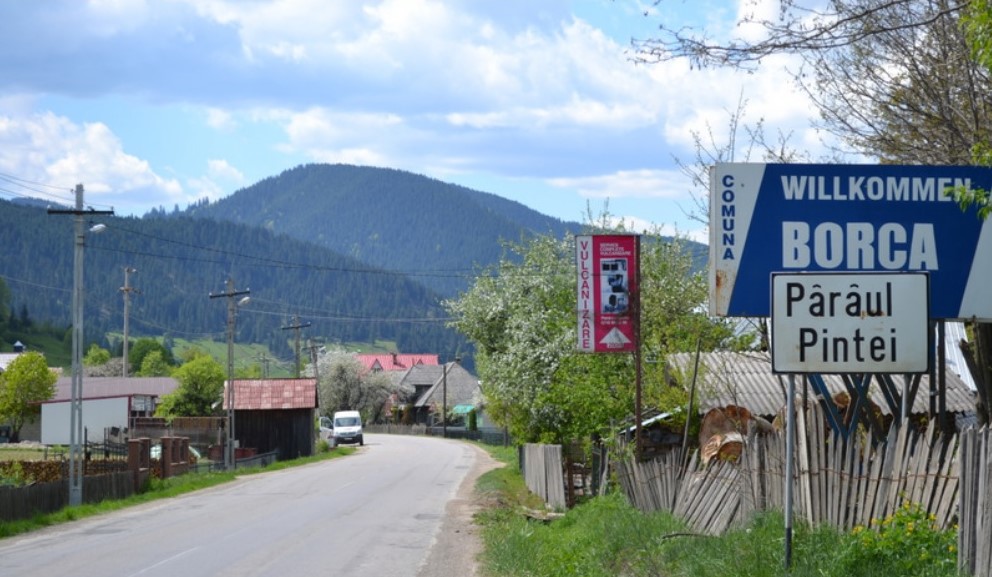
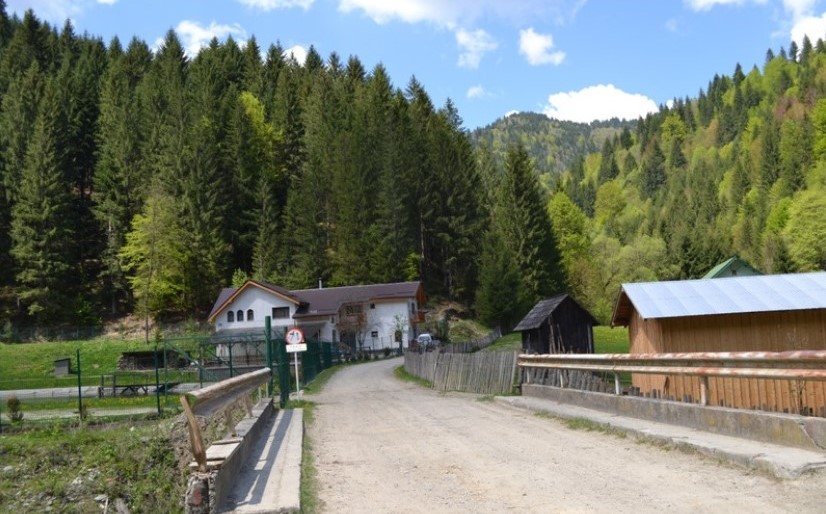
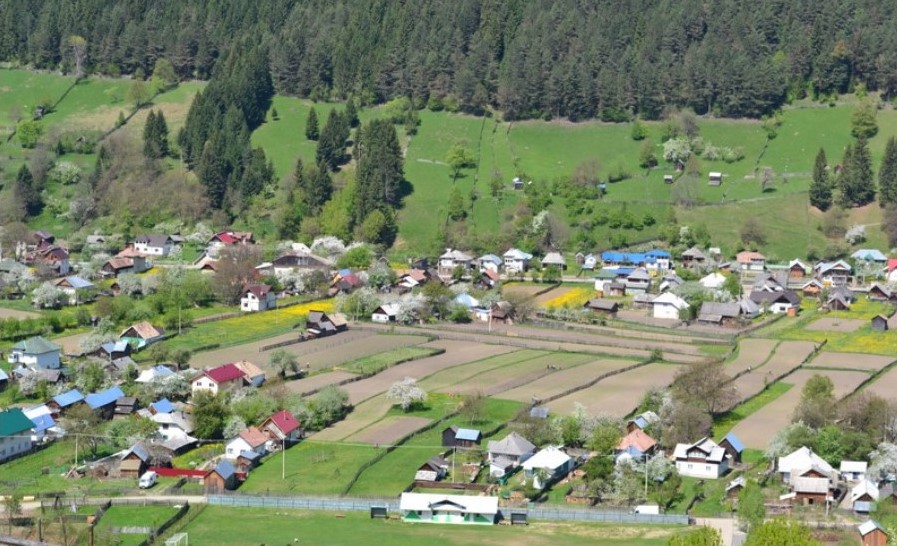
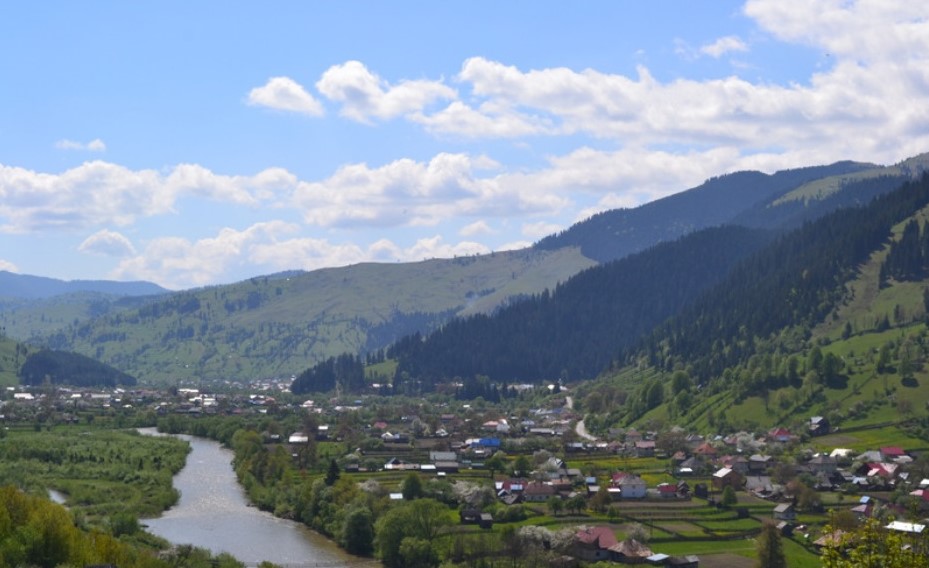
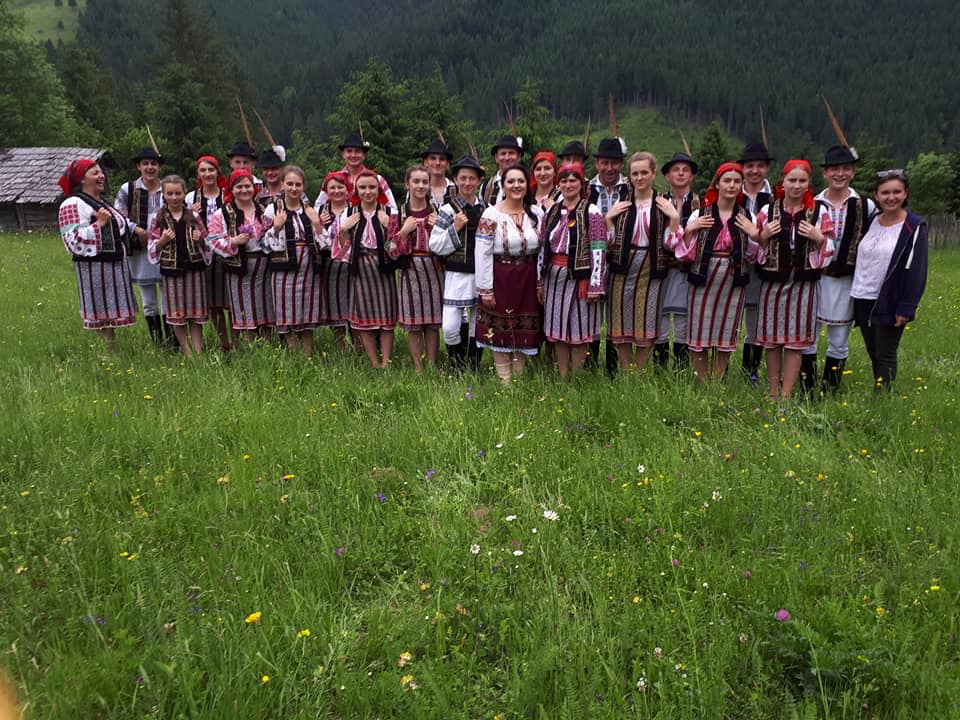
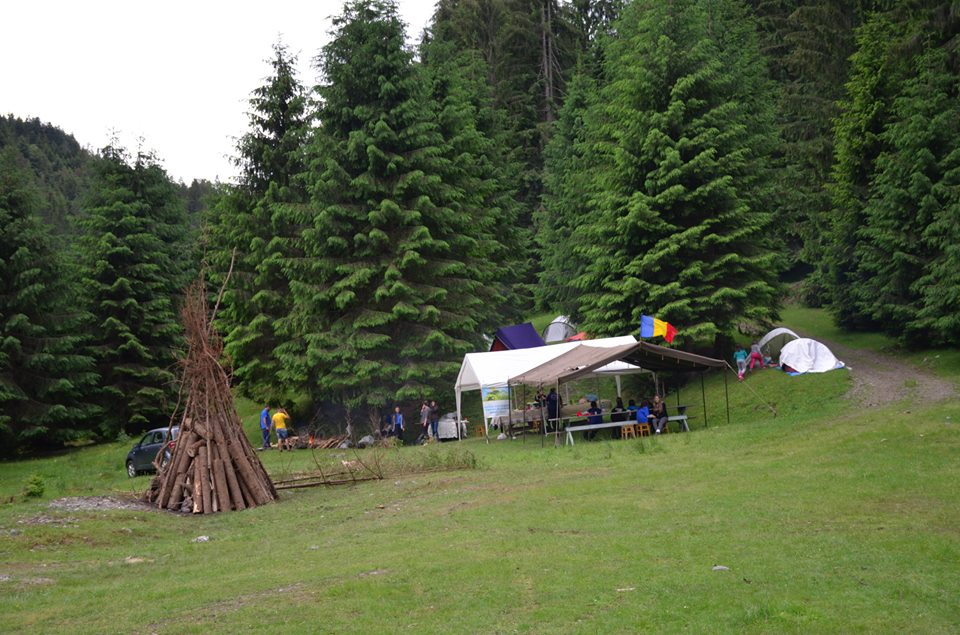
Borca also appears in the writings of Dimitrie Cantemir, Gala Galaction, Alexandru Vlahuță, Mihail Sadoveanu and many more. Here is an excerpt from “On Bistrita” by Gala Galaction (vol. “Through the Country”, 1975): “… first we pass through Mădei, Borca (with a view towards Sabasa from the front) and Farcașa. But these communes are scattered in villages and settlements, the villages and settlements have their own houses and churches, beside the streams of Bistrița, under the woods set in amphitheater and among the lowlands of the mountains, and the entire ensemble looks like a string of beads that the stunned eye slowly unravels from the silver necklace of Bistrița”.
Taking all into consideration, no wonder there is at Borca one of the few communal libraries in Neamt County, founded in 1948, which currently hosts a number of 10,000 volumes. Inside the library every month there are organized different activities performed by priests, psychologists, doctors, actors, poets and such, which are attended by young people, intellectuals and locals.
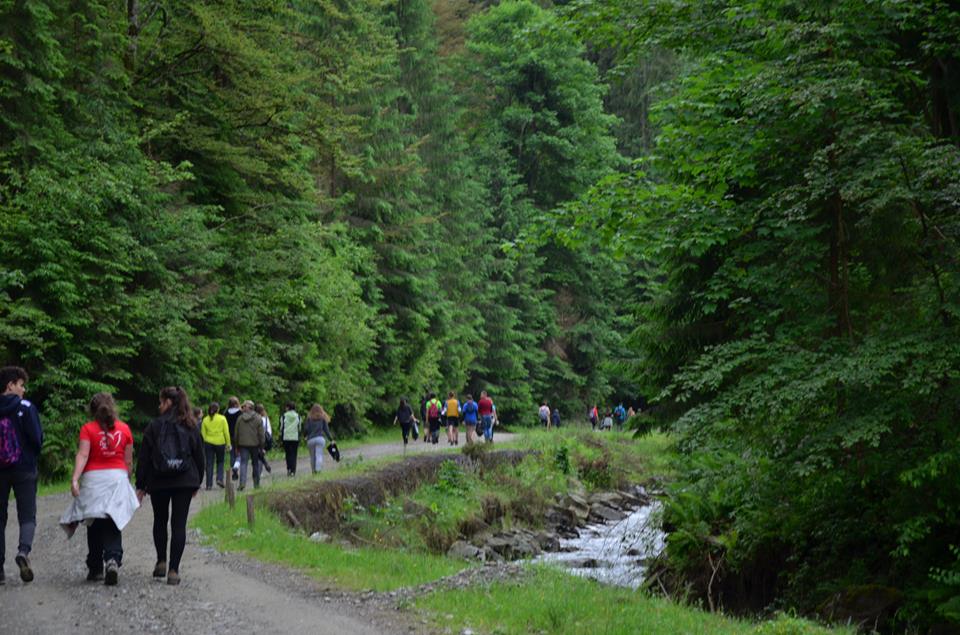
The tourists impressed by the rich history of these places and their literary significance may travel the route of Vitoria Lipan, the heroine of the emblematic novel “The Hatchet” by Mihail Sadoveanu. Thus they can go from Borca to the Sabasa Valley and Pârâul Ungurului settlement, then cross the Stănișoara Mountains through Stanișoarei Saddle (24 km). The touristic route (marked by a blue cross) becomes impractical in winter season and quite difficult for crossing it by car even during the summer. The route overlaps the county road Borca – Mălini – Fălticeni.
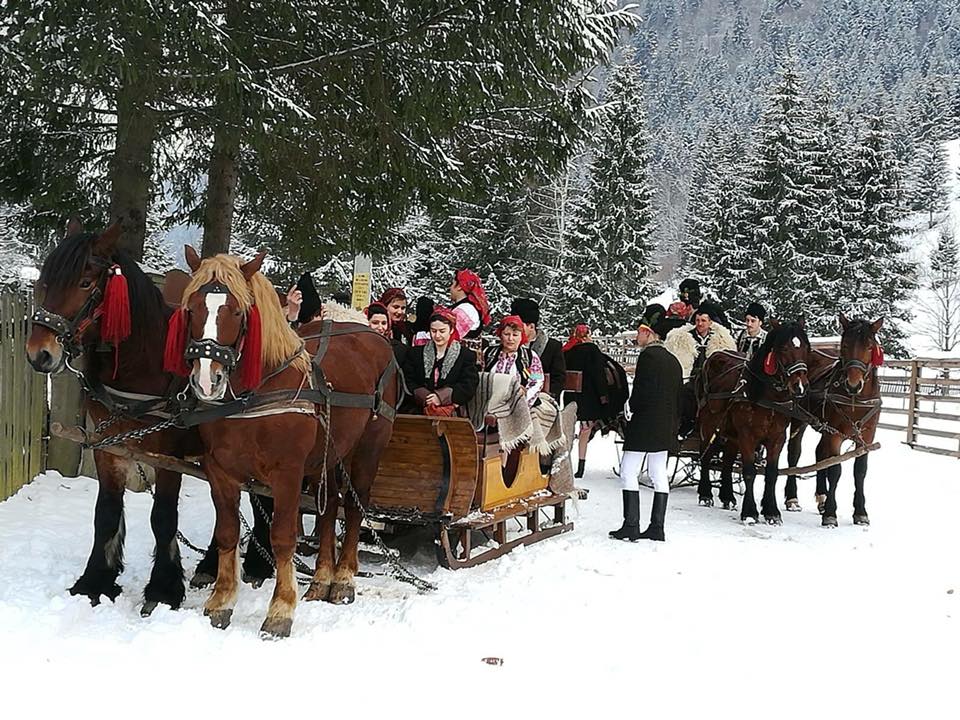
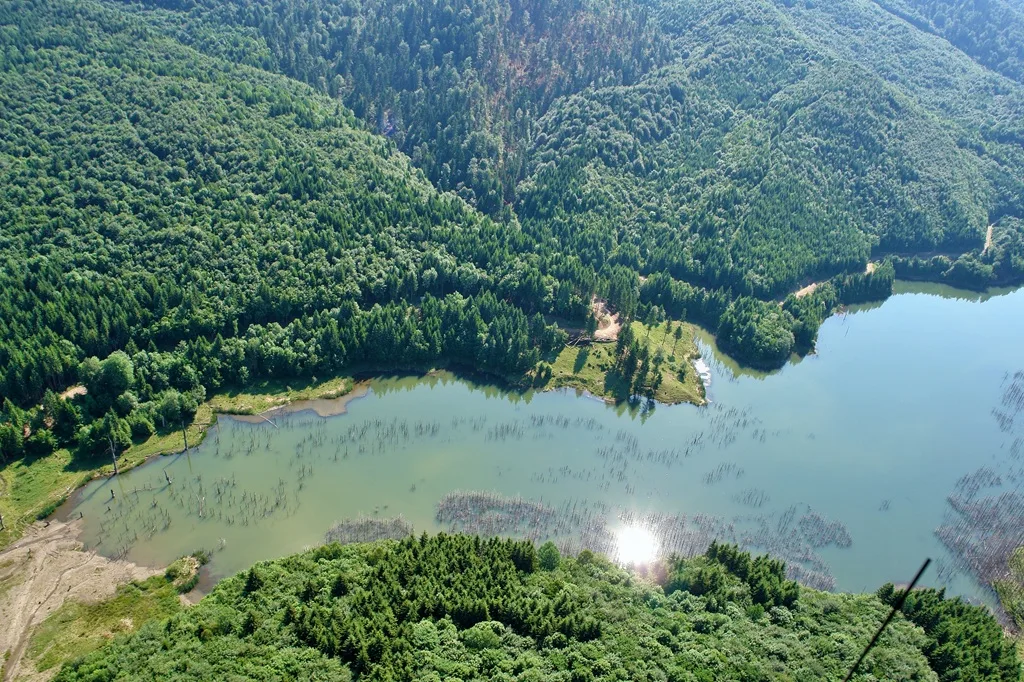
Tourists who come to the area can choose between equestrian, carriage, wagon or road bikes rides on the former forest roads. There are also favorable conditions for practicing nautical tourism.