Sanctuaries of History: Neamț Monastery
i
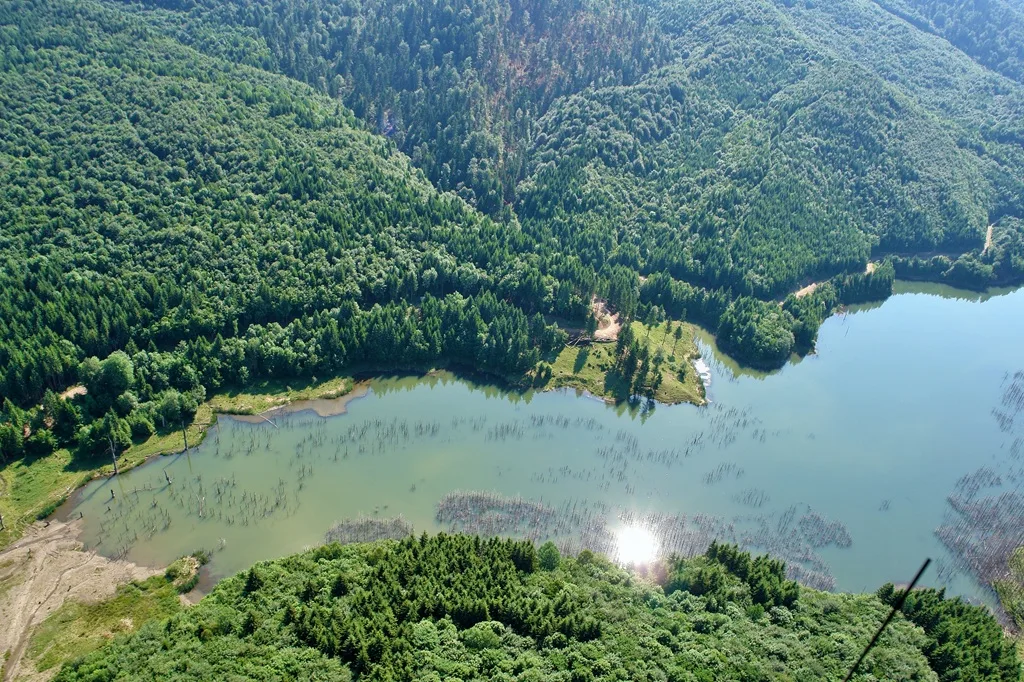
If in January we told you about the Bicaz Lake Riviera, one of the nominations we proposed in the Fun and Adrenaline category within the Destination of the Year 2026 competition, our second nomination is Neamț Monastery (together with the Monastery Museum and Library) in the Sanctuaries of History category — historical and spiritual heritage landmarks that highlight architecture, traditions, and the legacy of the past.
Why is Neamț Monastery a sanctuary of Romanian history and identity?
Brief History
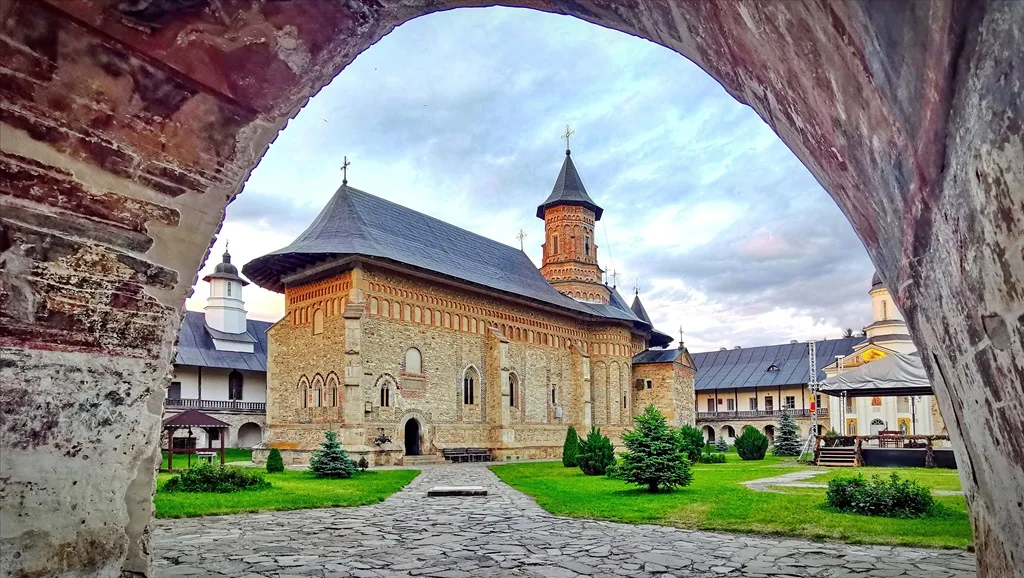
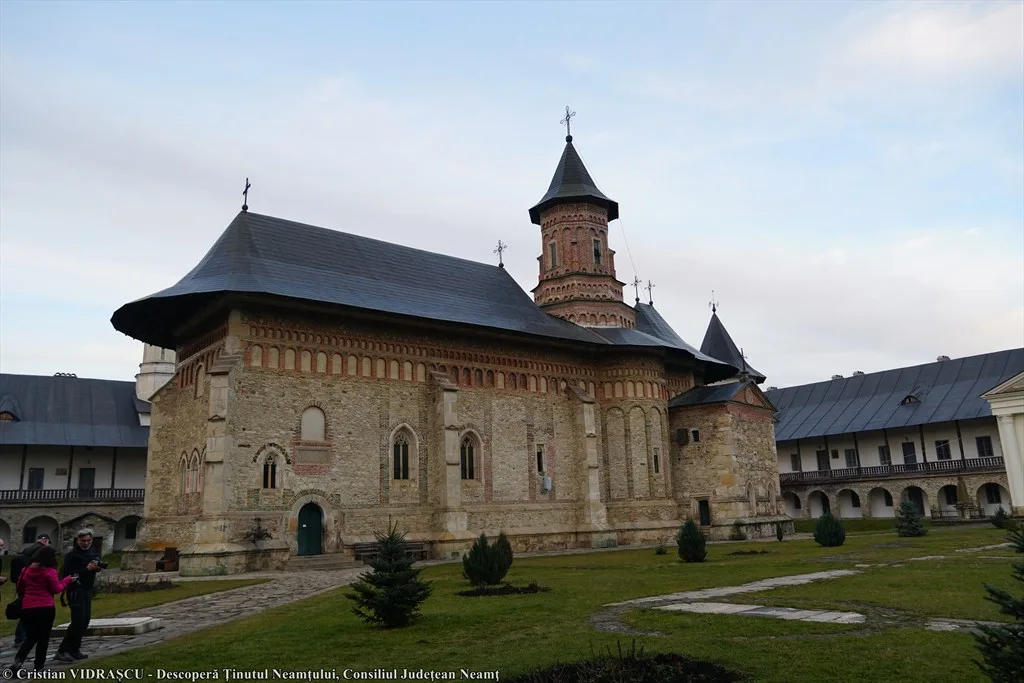
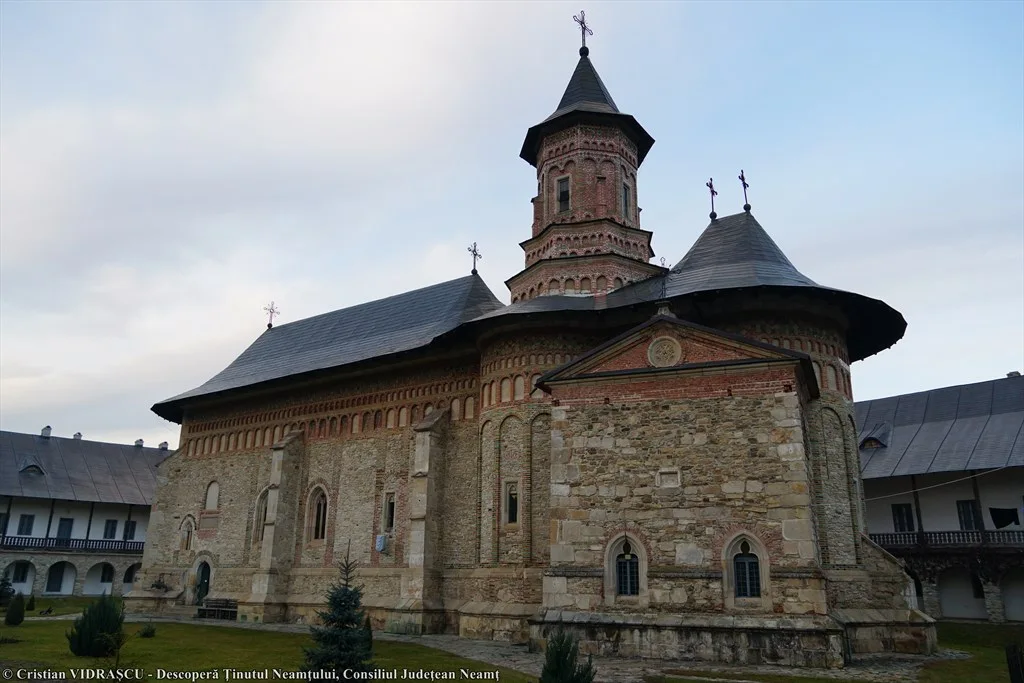
Neamț Monastery, one of the oldest and most important monastic settlements in Moldavia — possibly the oldest if we consider the reference year 1210 — is a place where history, culture, and spirituality have met for centuries.
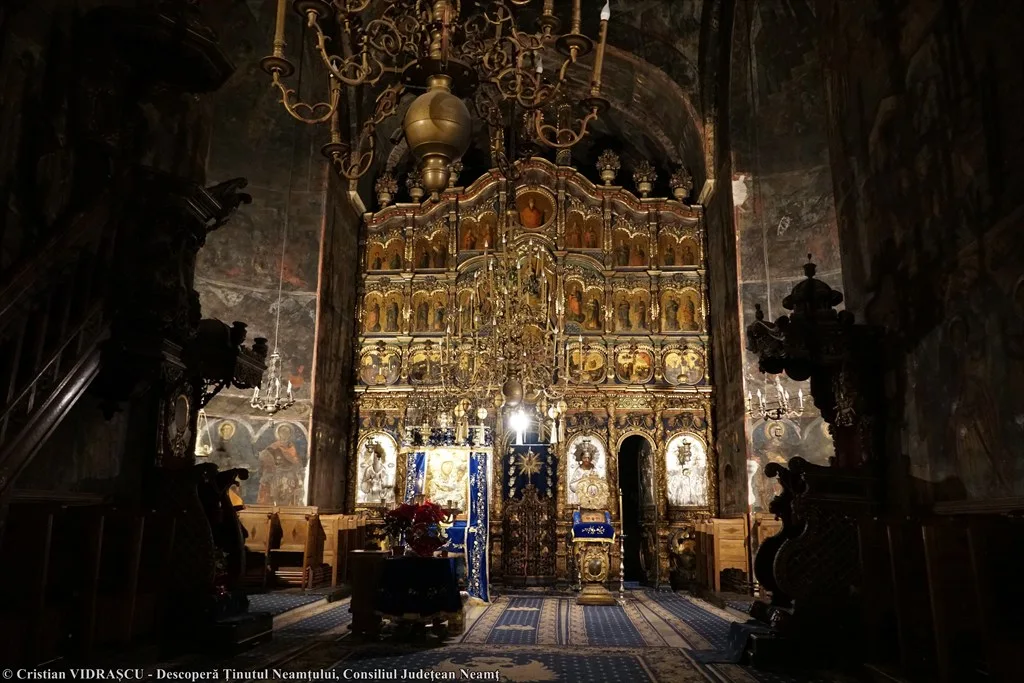
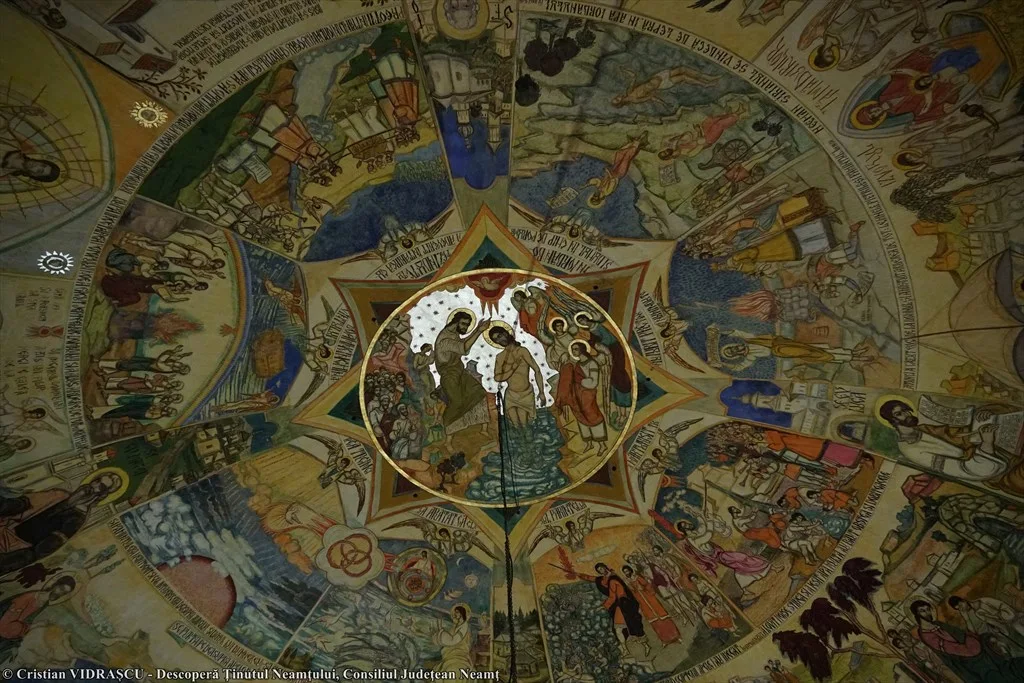
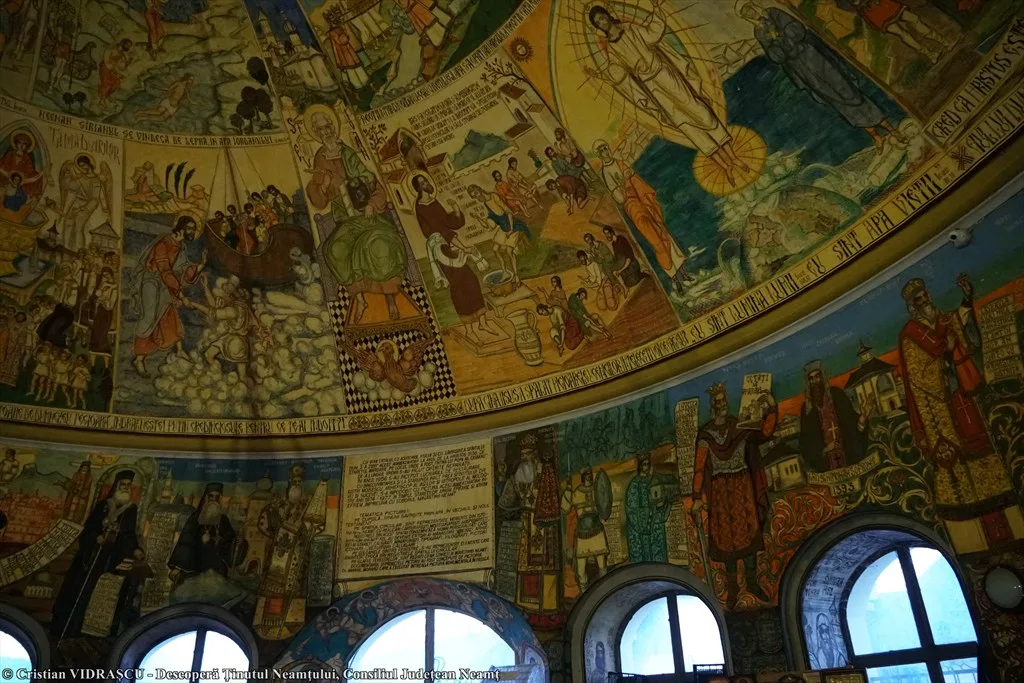
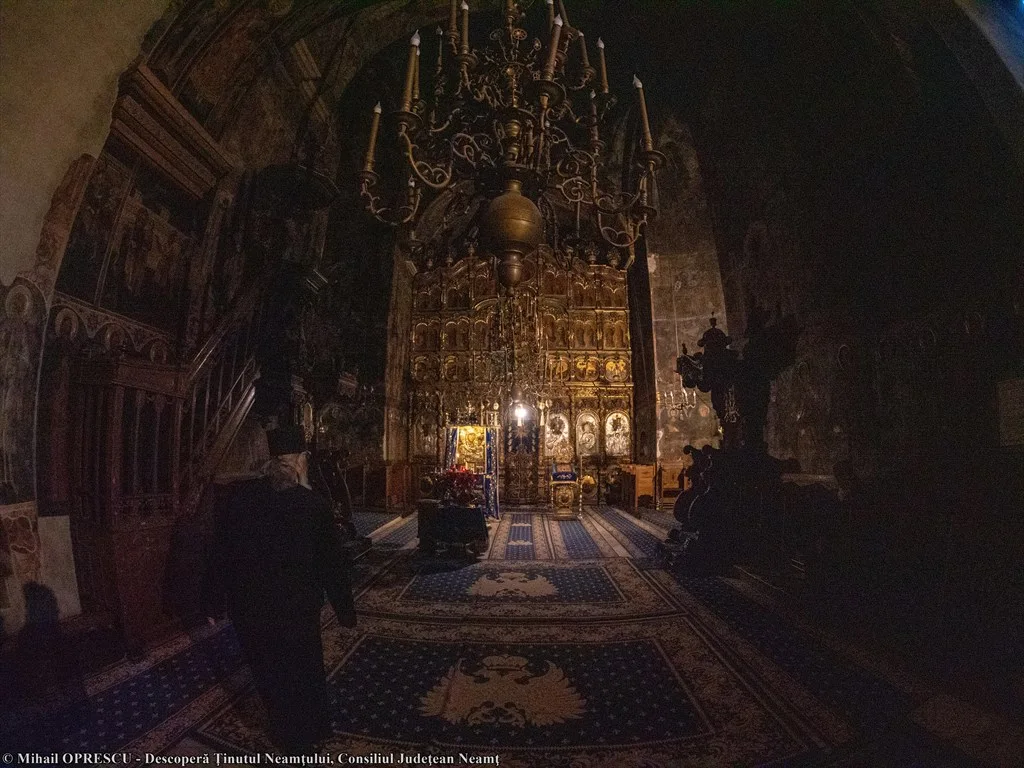
According to local tradition and several historical hypotheses, a church existed here as early as 1210. Later, historical documents attest that Prince Petru Mușat built a stone church in 1375 on the site of the former wooden one. This structure was destroyed by the earthquake of 1471, and the present-day church, impressive through its monumental architecture and its role in the development of medieval Romanian culture, was built by Stephen the Great in 1497.
The 18th century profoundly marked the monastic settlement through intense scholarly activity carried out under the guidance of Abbot Paisie Velicicovschi. His disciples translated the Philokalia into Slavonic (printed in Moscow in 1793) and translated hundreds of other Philokalic manuscripts into Romanian. More than a thousand monks from all Orthodox countries gathered around the abbot, spreading the fame of Neamț Monastery to distant regions of Russia, Bulgaria, Serbia, and Mount Athos.
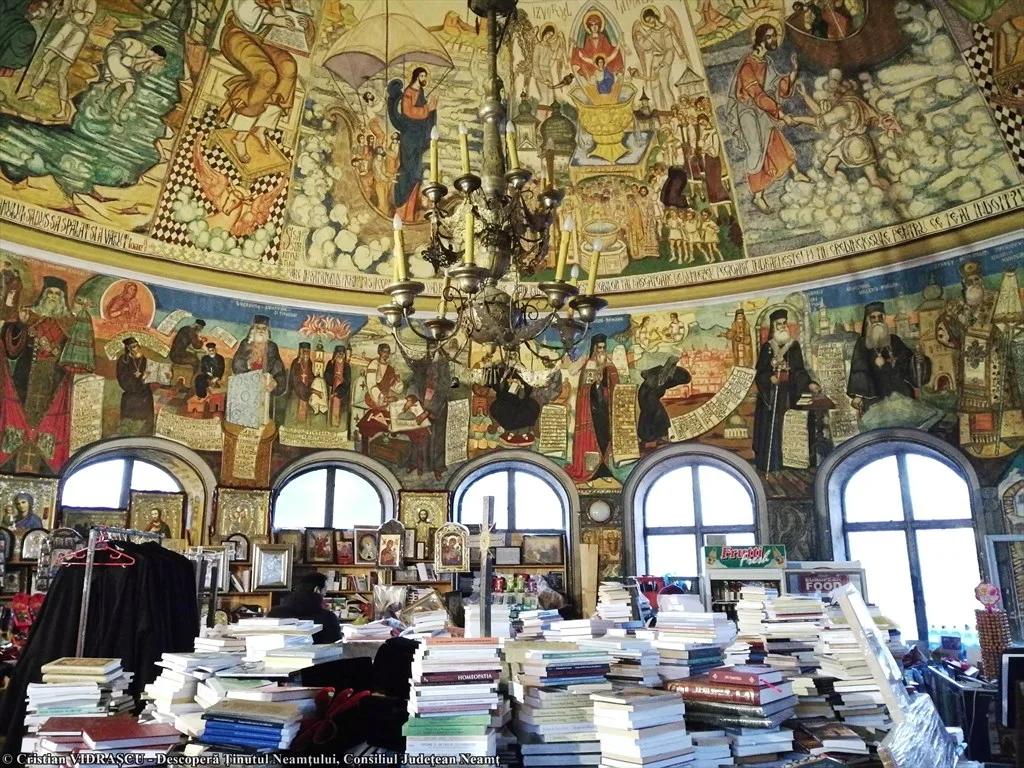
Over time, the monastery hosted a school of calligraphers, copyists, and miniaturists, a school of sculptors and engravers, a printing house (established in 1807 by Veniamin Costache and still functioning today), and a library containing over 15,000 volumes and more than 500 manuscripts, the oldest dating from the 17th–18th centuries.
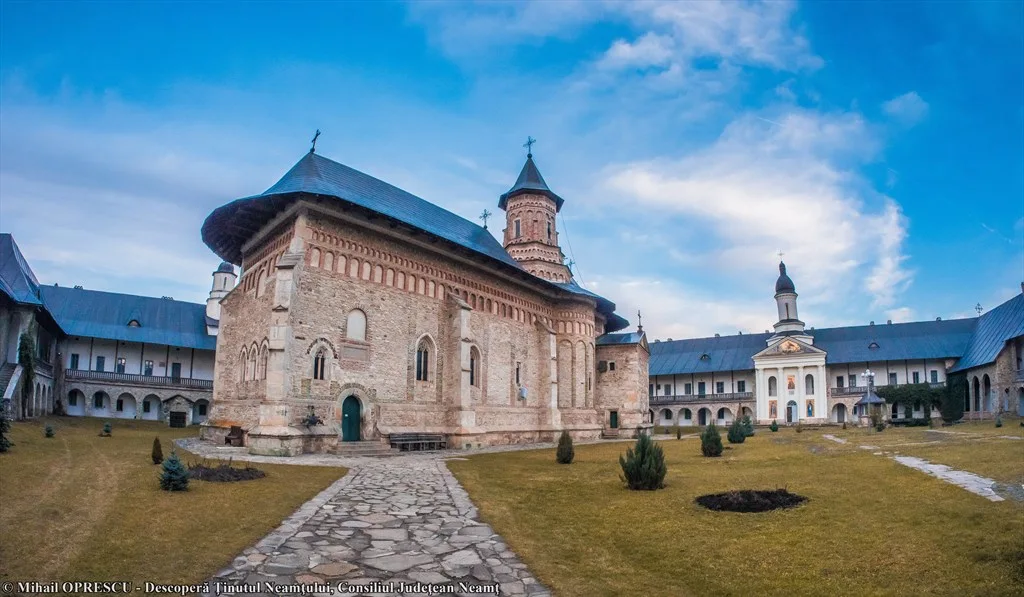
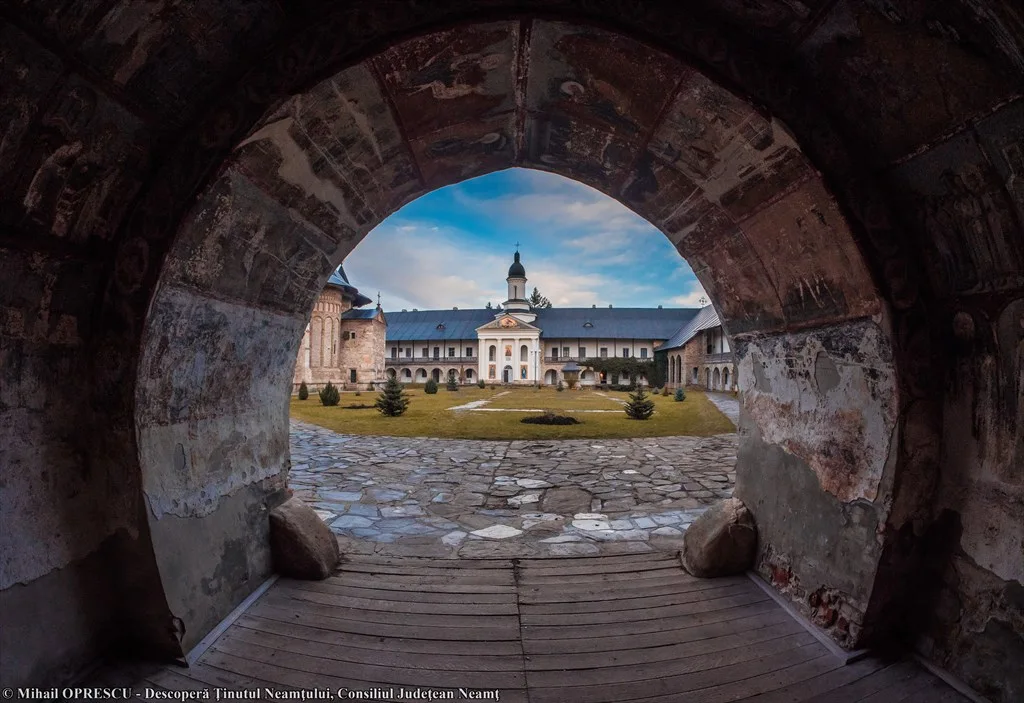
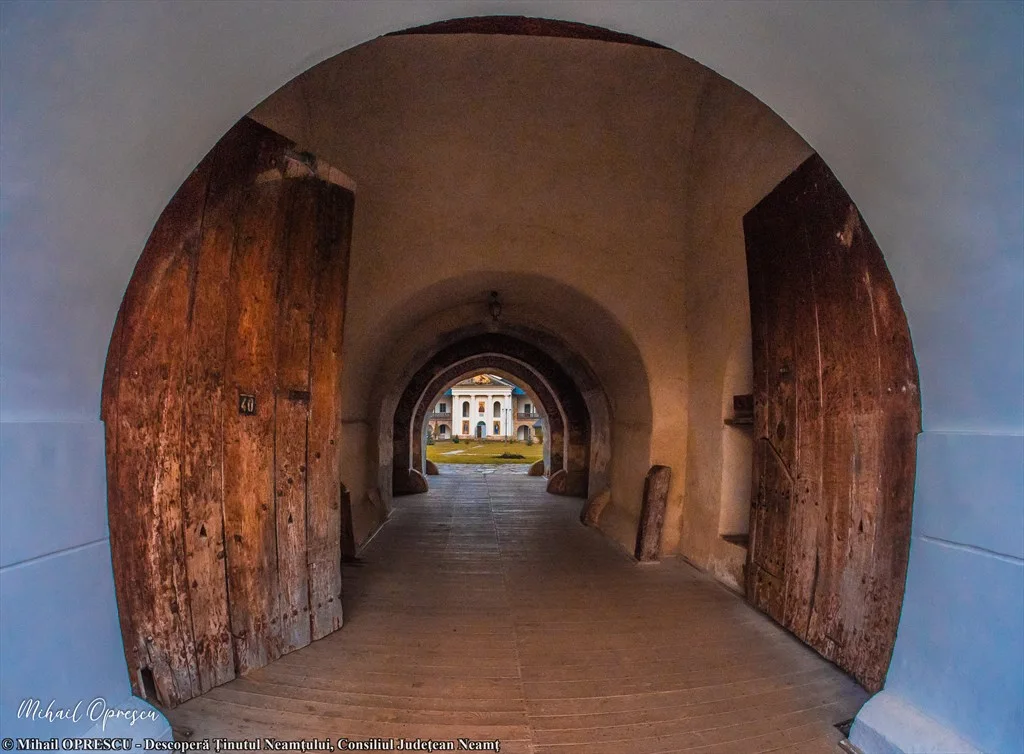
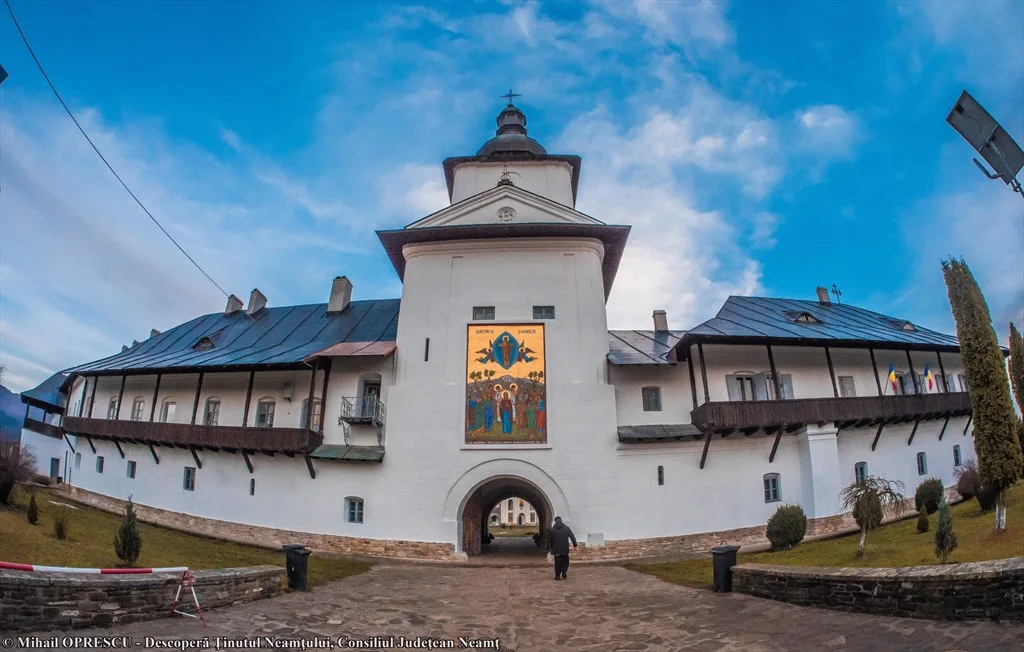
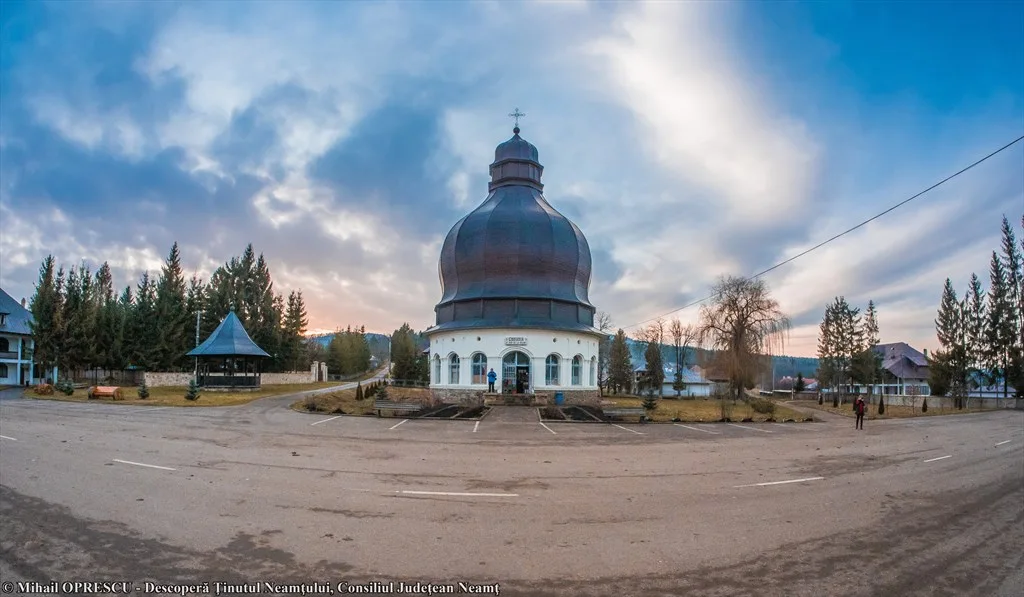
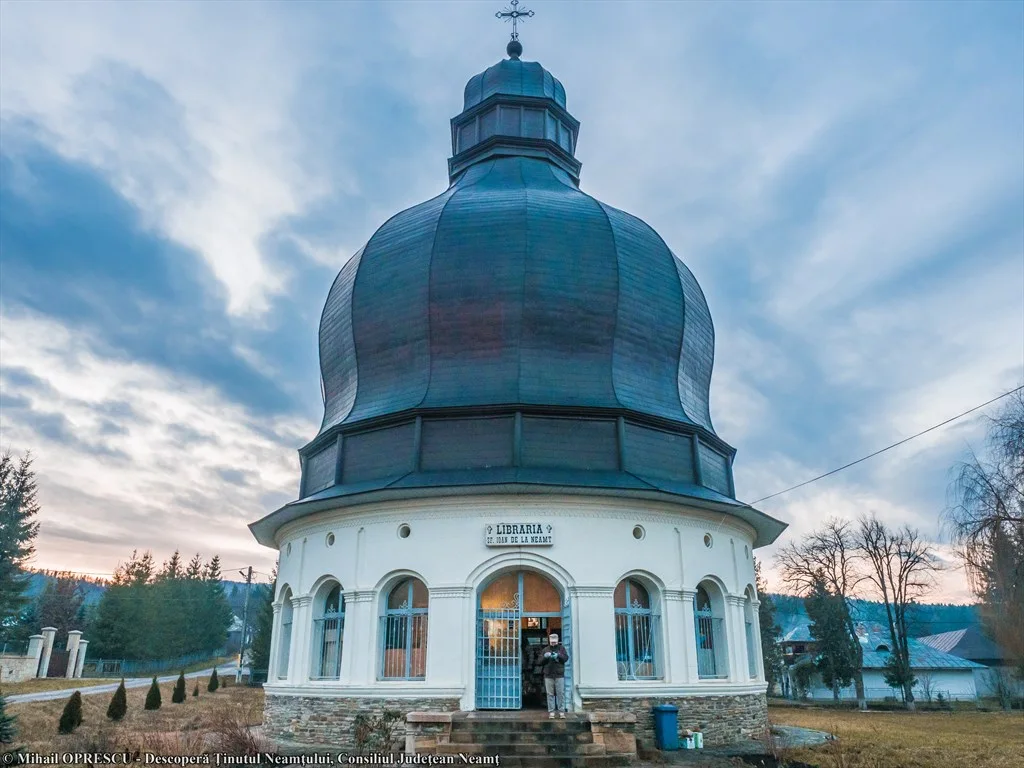
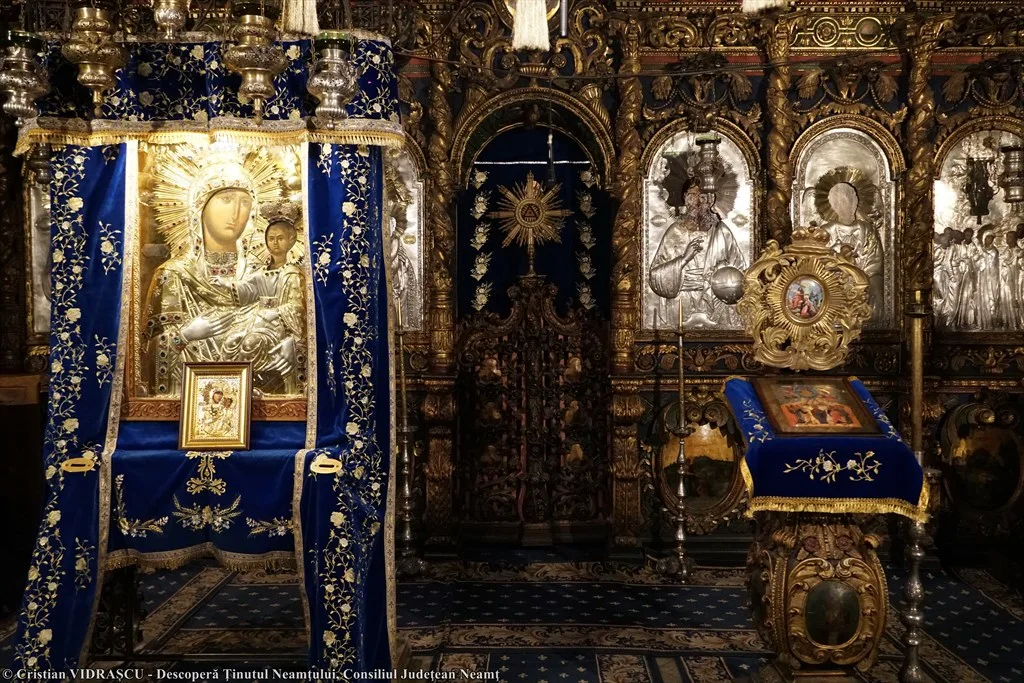
The monastery museum, founded in 1916, preserves the iconostasis from the chapel of Neamț Fortress, an epitaph from 1821, carved wooden crosses, several icons painted by Nicolae Grigorescu, as well as various liturgical objects and vestments. In 1855, Prince Grigore Ghica signed the establishment of a theological seminary at Neamț Monastery, an institution of recognized prestige that made a remarkable contribution to the education of generations of intellectuals and priests.
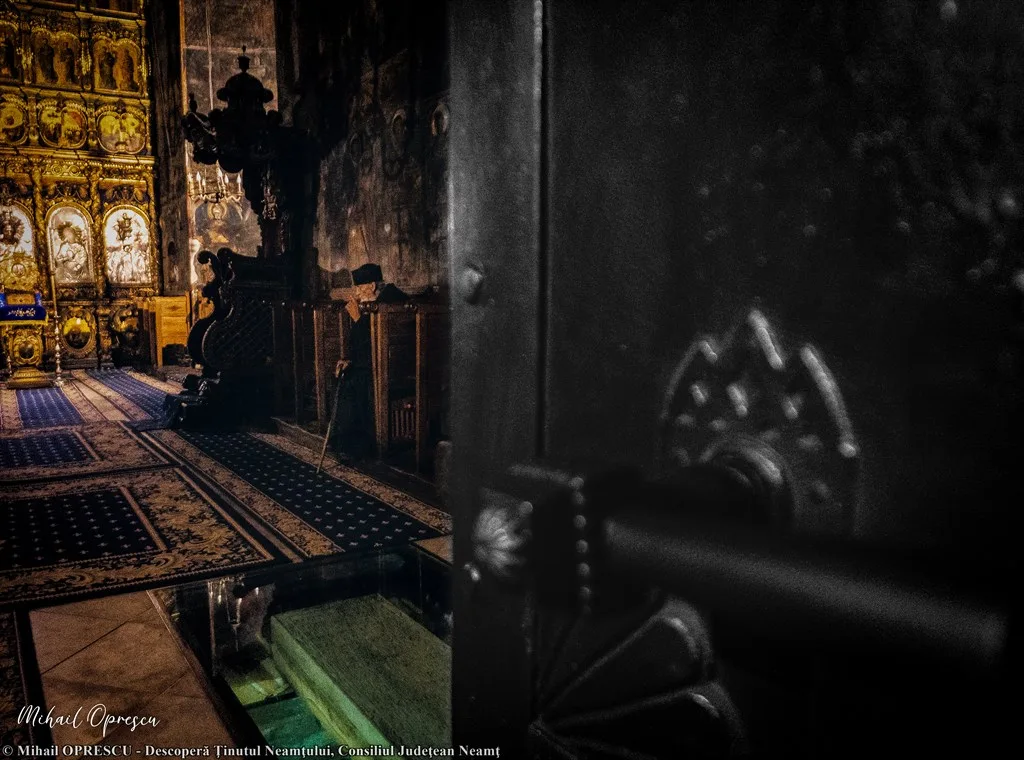
In addition to all these elements, the monastery church also serves as an important necropolis, where rulers, dignitaries, bishops, and abbots are buried.
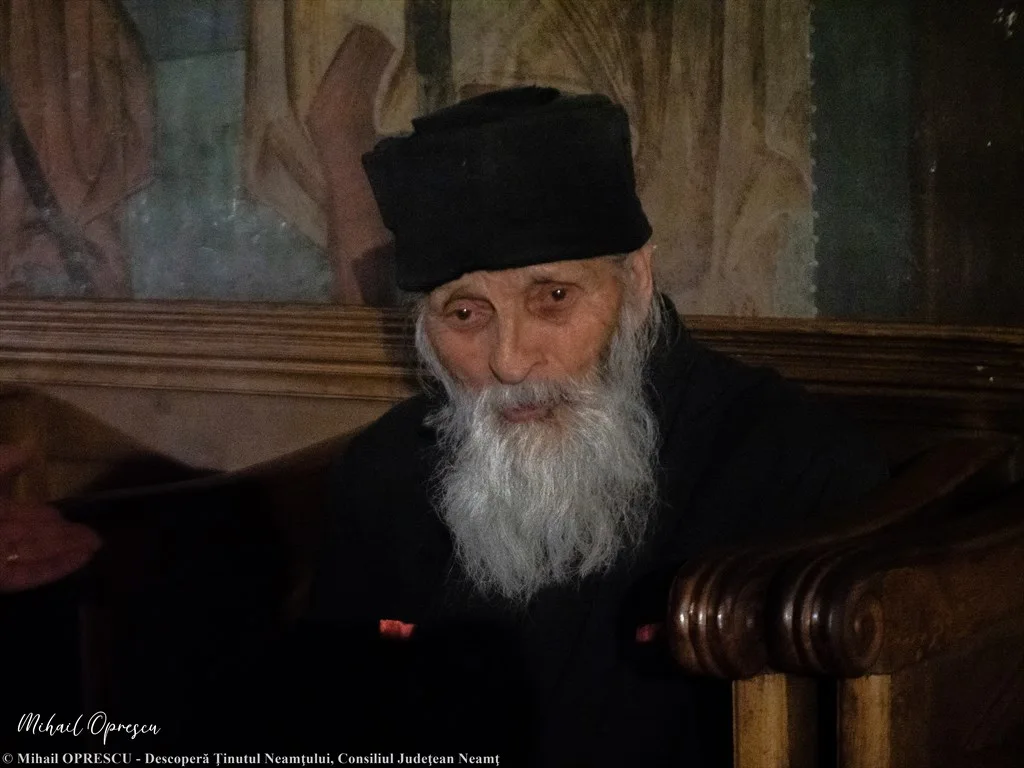
For all these reasons and many more, Neamț Monastery is known as the Lavra of Moldavia and the Jerusalem of Romanian Orthodoxy, a major center of spirituality, culture, and education, with hundreds of monks, intense spiritual life, and an essential role in preserving Romanian culture and Orthodoxy for centuries.
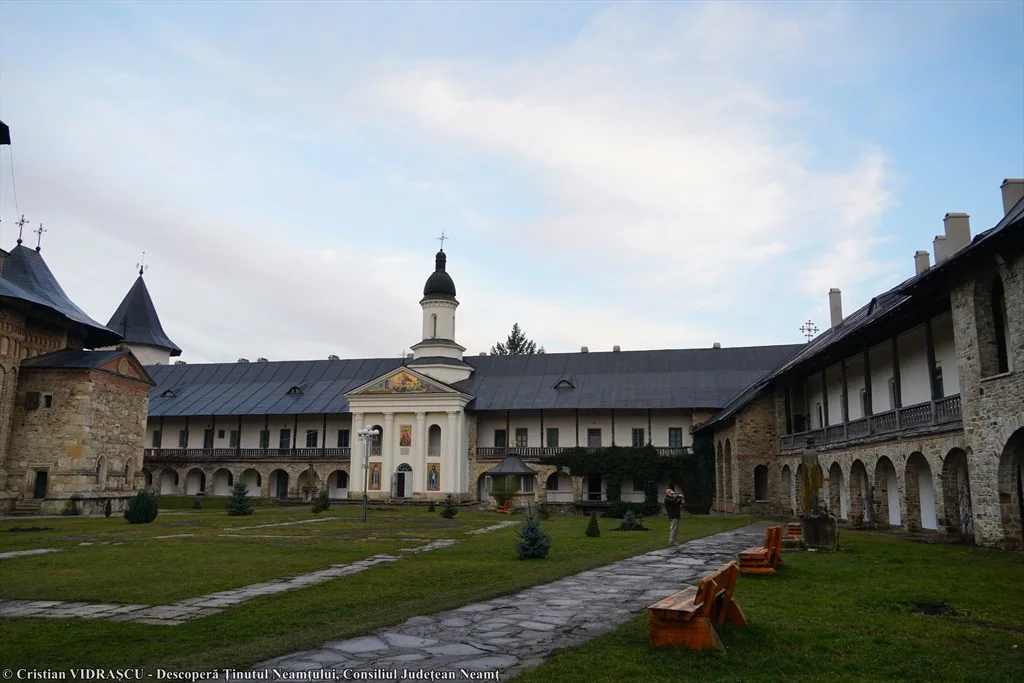
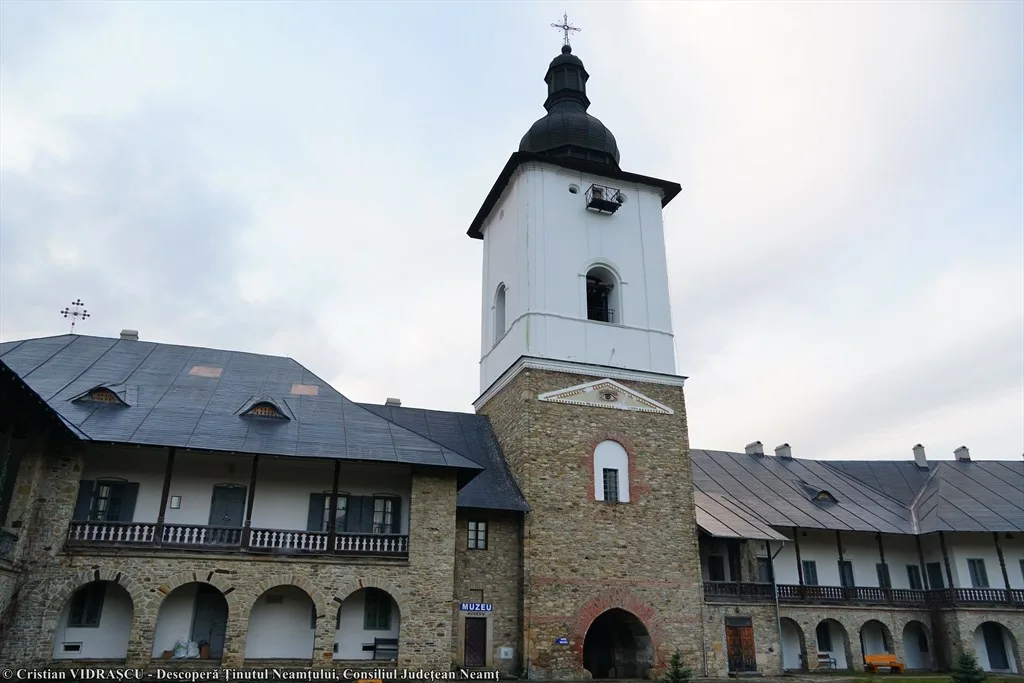
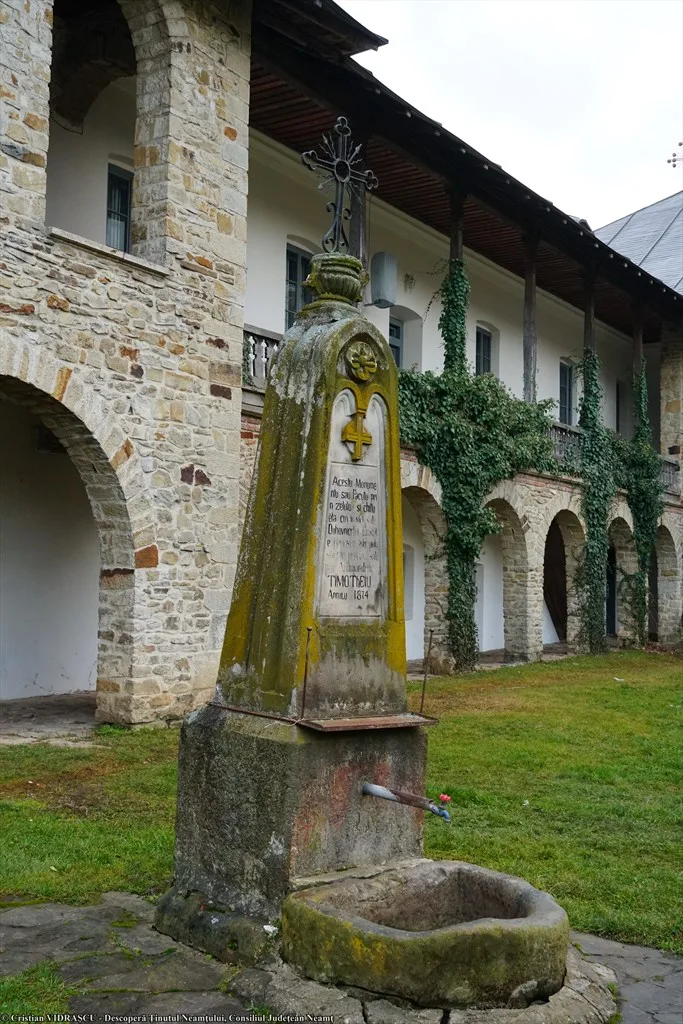
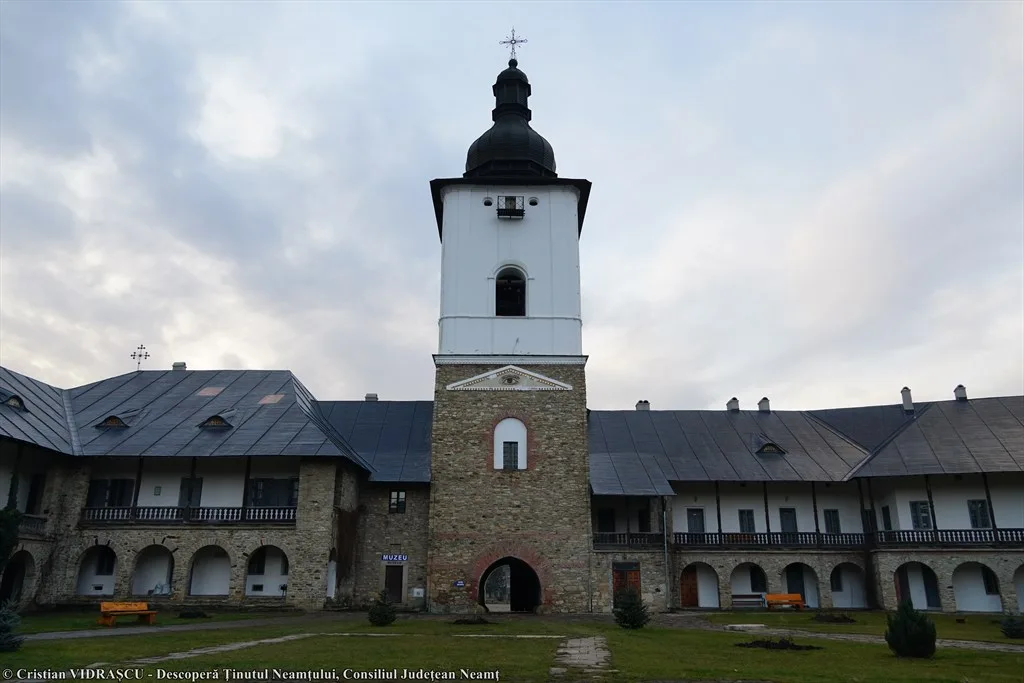
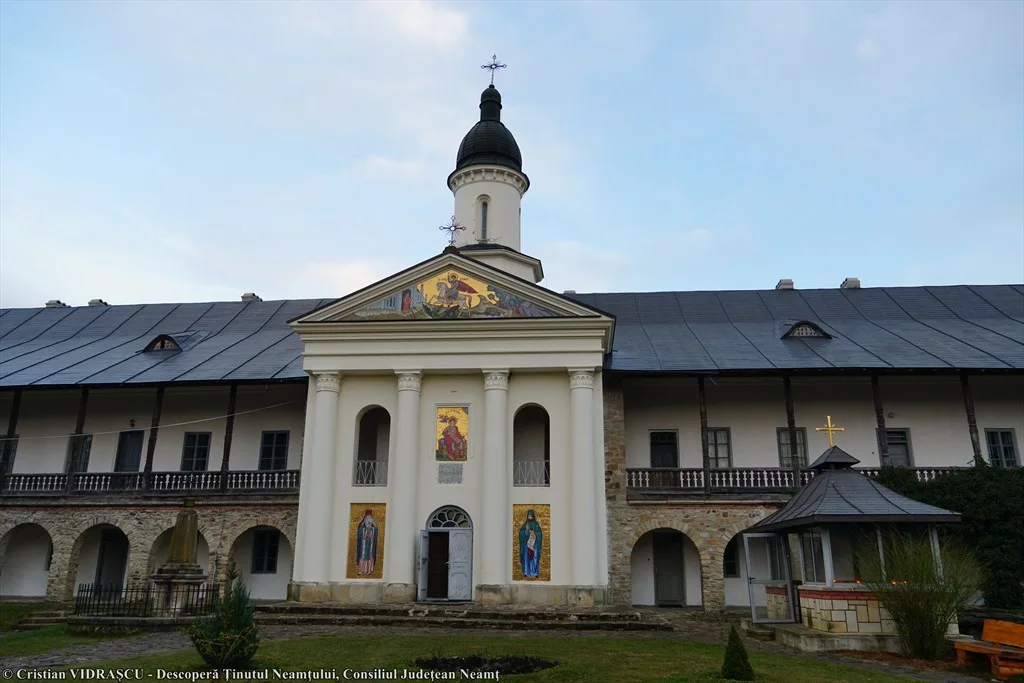
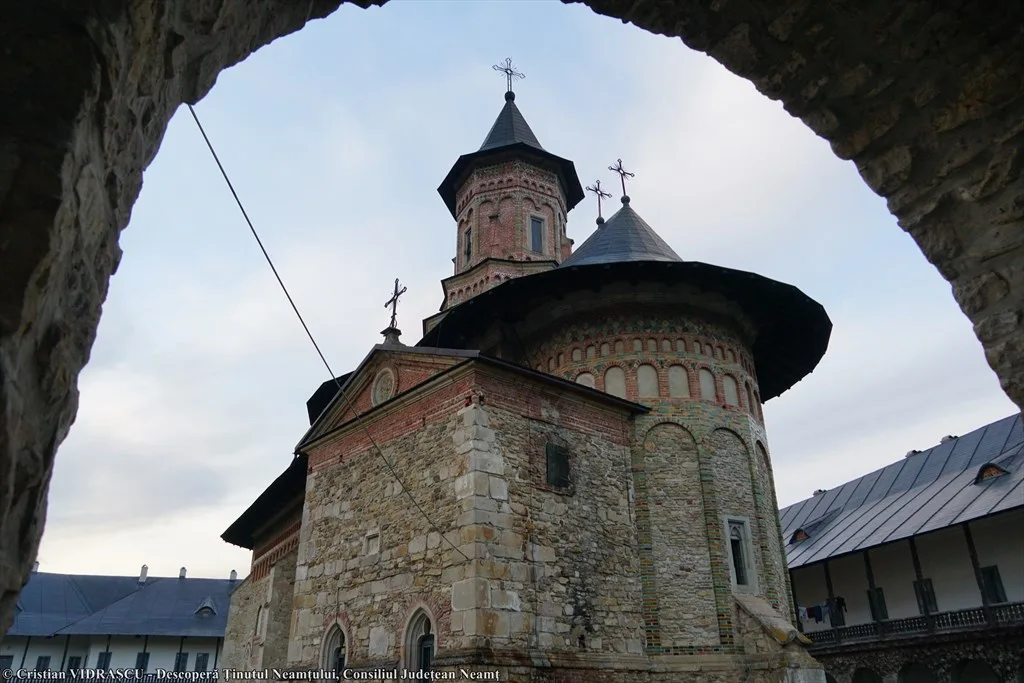
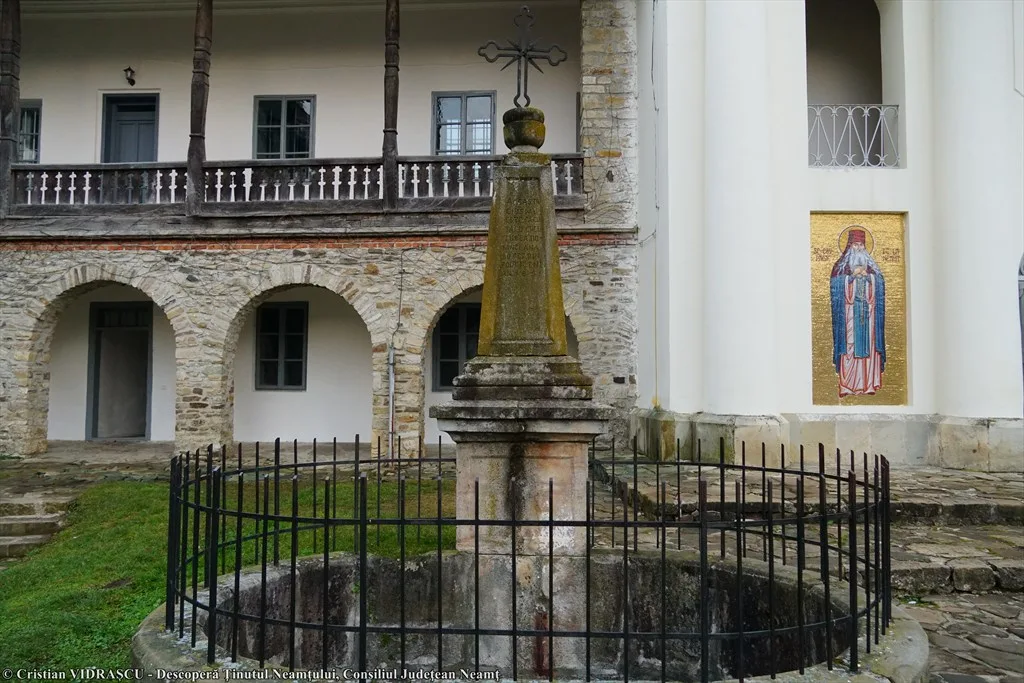
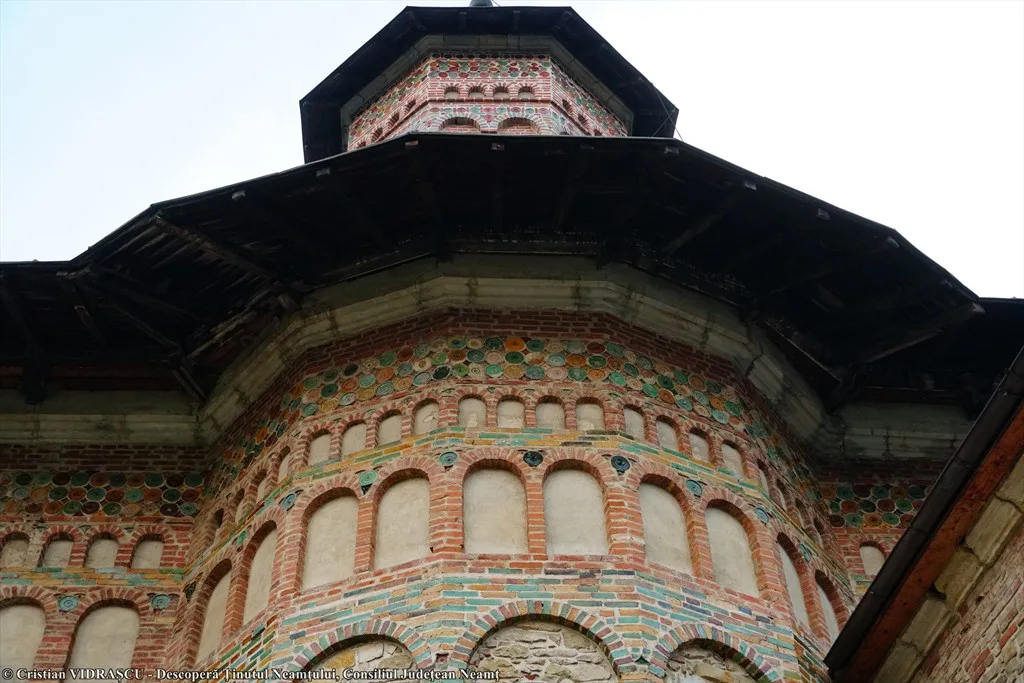
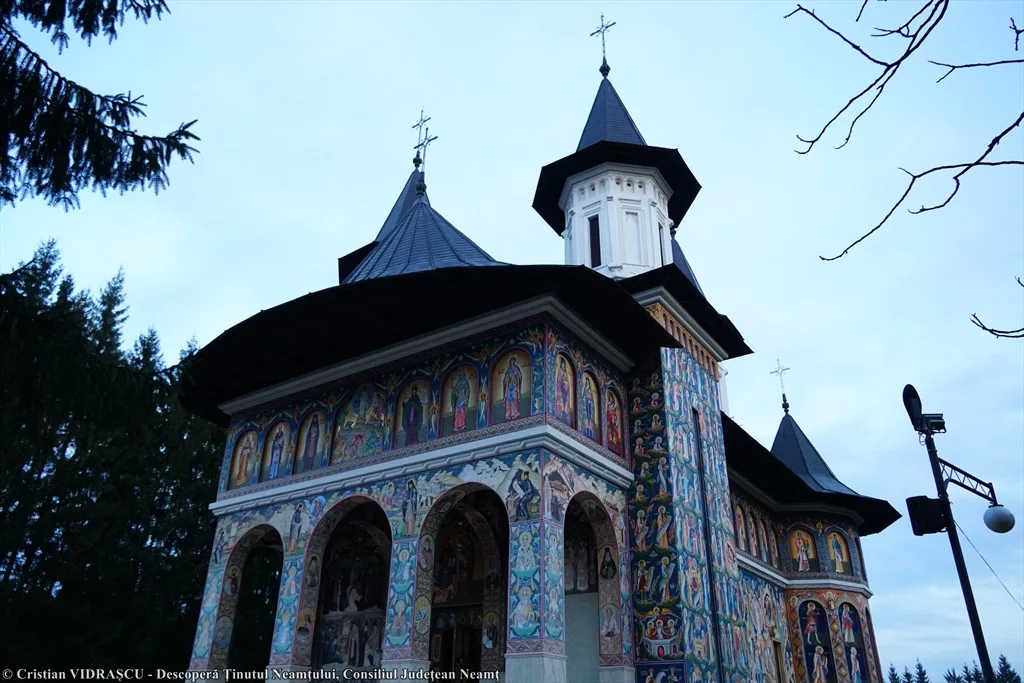
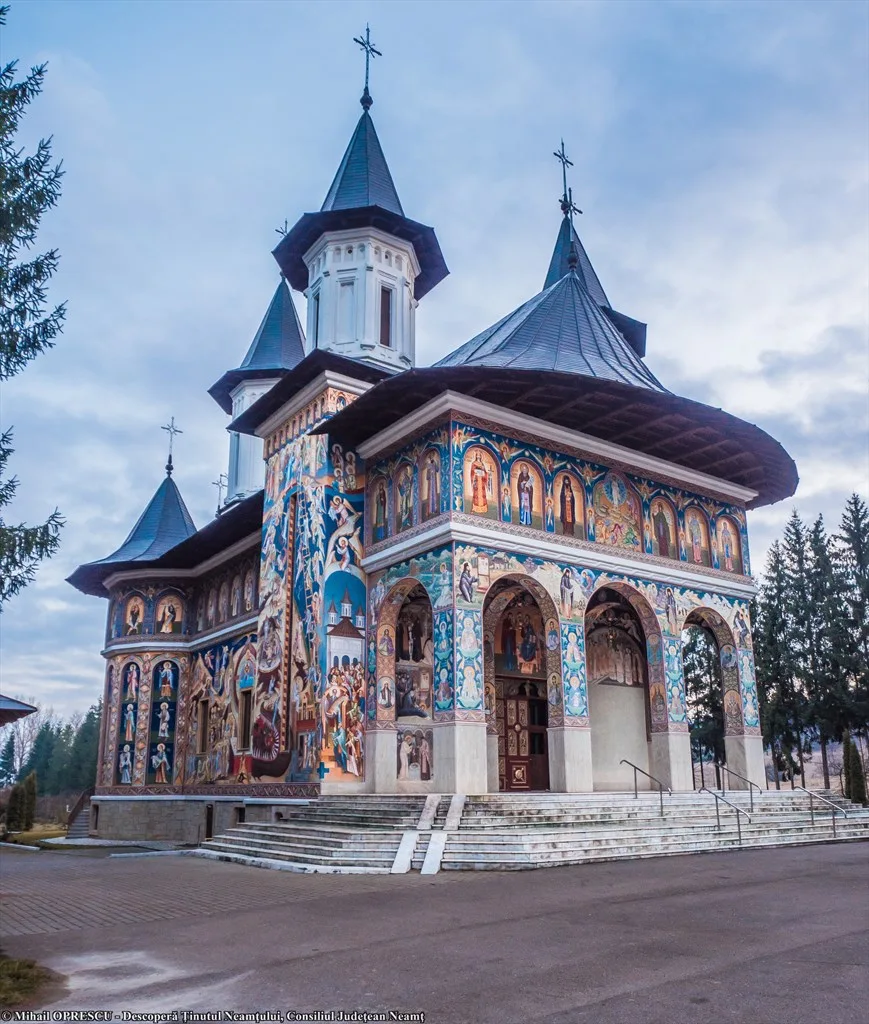
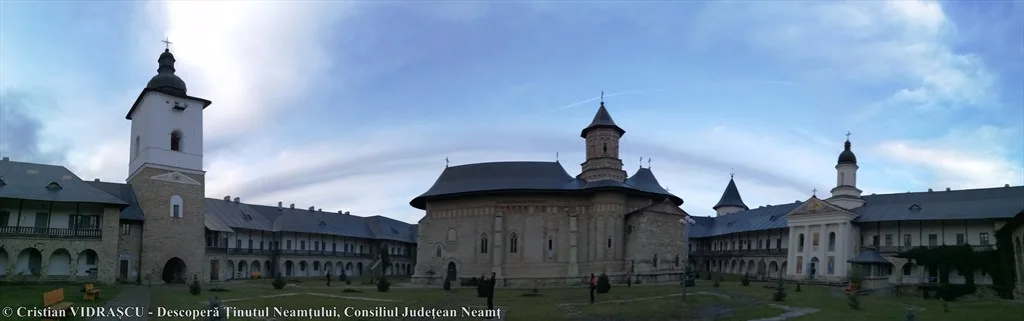
Destination of the Year 2026 Competition
Returning to Destination of the Year, we are currently in the midst of the competition often referred to as the Oscars of Romanian tourist destinations, a project whose mission is to inspire Romanians to travel, discover, and love their country.
The nomination stage of the Destination of the Year 2026 competition highlights an impressive number of destinations beloved by Romanians and opens the race for the title Destination of the Year in Romania.
More than 250 destinations from almost all counties of the country have been nominated in this edition, confirming the growing interest of Romanians in the values and places that define Romania as a tourist destination.
Nine remarkable places, attractions, and natural beauties from Neamț County have been nominated in seven of the eleven categories proposed by the organizers:
Inspiring Cities:
- Piatra Neamț, Neamț
Enchanted Lands — geographical areas or localities with a rich heritage of nature, history, and tradition:
- Bicaz and surroundings, Neamț
- The Land of the European Bison (Ținutul Zimbrului), Neamț
Storybook Villages
- Vânători-Neamț, Neamț
Fun and Adrenaline — recreational and sports experiences for children, families, and visitors seeking dynamic activities
- Durău Park, Neamț
- Experiences on the Bicaz Lake Riviera, Neamț
Sanctuaries of History — historical and spiritual heritage sites showcasing architecture, traditions, and historical legacy
- Neamț Monastery, Neamț
Realm of Knowledge — educational objectives promoting science, art, culture, and learning through collections, exhibitions, and interactive programs
- Cucuteni Eneolithic Art Museum (Piatra Neamț), Neamț
Natural Treasures — geological formations, caves, waters, or other natural attractions offering authentic outdoor experiences
- Via Ferrata Astragalus (Șugău–Munticelu Gorges), Neamț
Three of the attractions and landmarks listed above were proposed by us:
Fun and Adrenaline: Bicaz Lake Riviera
Sanctuaries of History: Neamț Monastery (with the Monastery Museum and Library)
Realm of Knowledge: Cucuteni Eneolithic Art Museum — Piatra Neamț
The complete list of destinations qualified for the next stage of finalists can be consulted on the Destination of the Year 2026 website.
At present, the competition is in its third stage — the qualification phase — followed by the public voting stage and finally the Destination of the Year 2026 Gala, where the winners of the sixth edition of the competition will be announced. Details about the competition stages are available on the official competition page.