The 1st of March – Joyous spring feast in Neamț Land
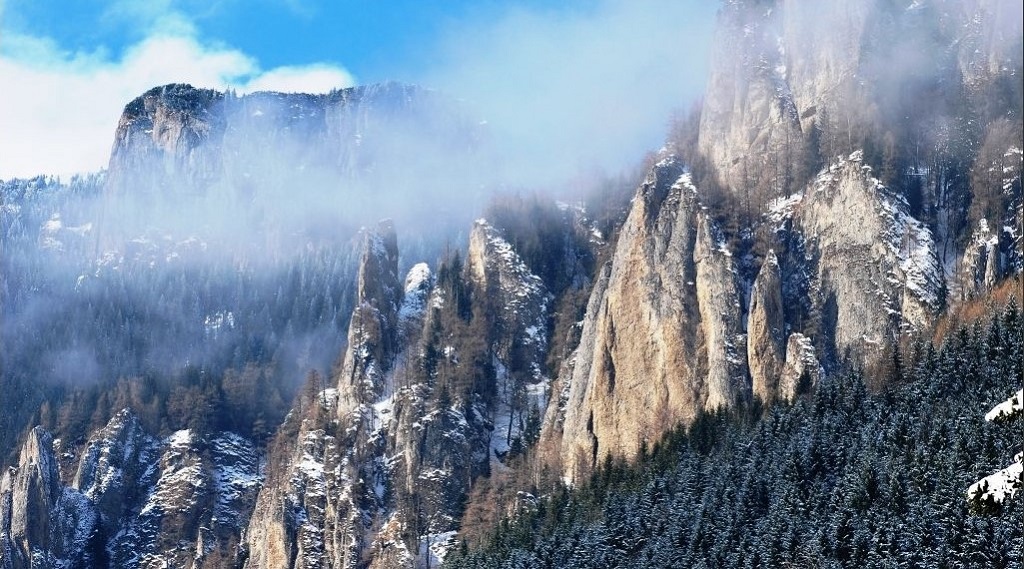
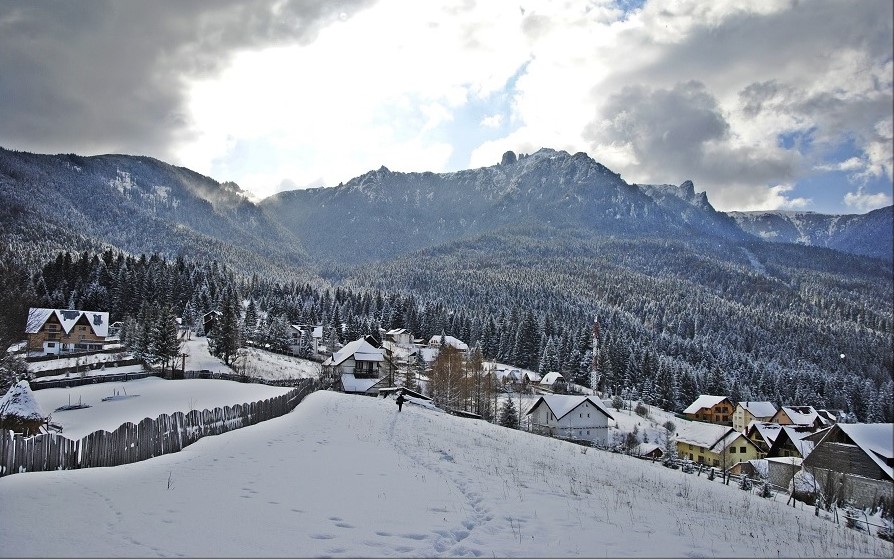
The beginning of the spring is a great opportunity for tourists who love hiking to climb Ceahlău Massif.
Invitation to climb Ceahlău Massif to discover the fascinating legend of “Baba Dochia”
1st of March is a traditional feast of spring for Romanians everywhere, a day when people celebrate the return of the sun, the freshness of springtime, and at the symbolic level, the Light conquering darkness.
On this day, people offer small tokens of good fortune, known as trinkets (“Rom. “mărtișor”). This practice has its roots in an ancient custom, inherited from old times past, and it is spread among populations in southeastern Europe. The custom of trinkets offering has gone several transformations over time, so that nowadays, depending on the context, people exchange gifts ranging from small symbolic ornaments to more consistent presents.
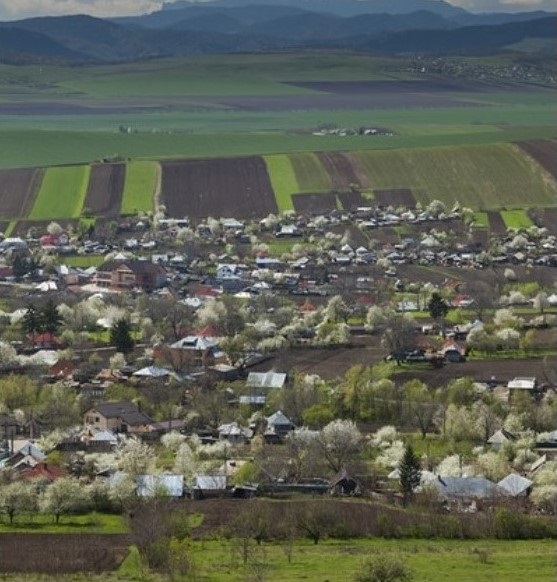
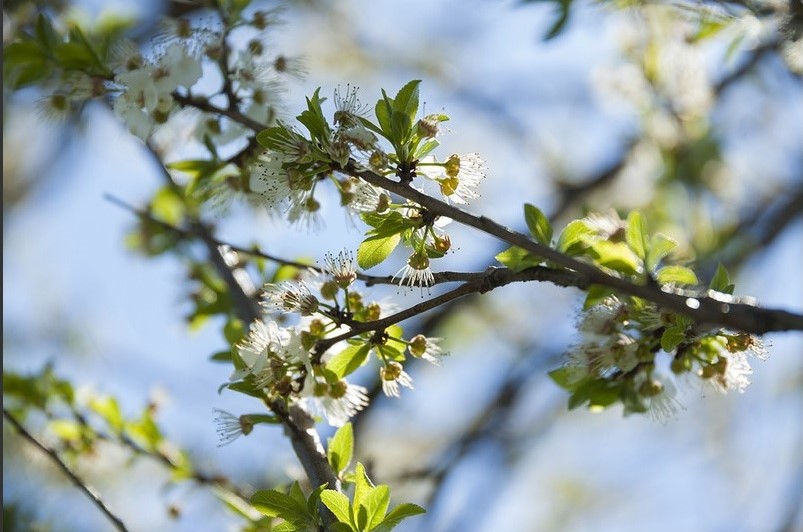
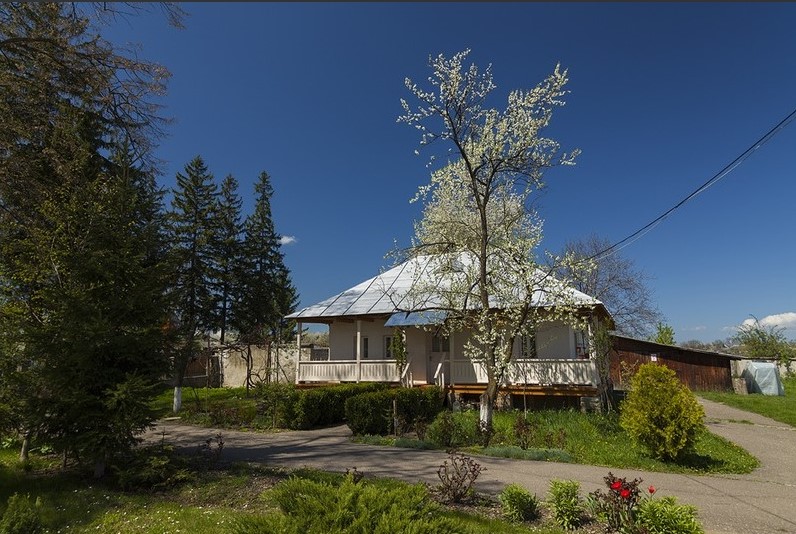
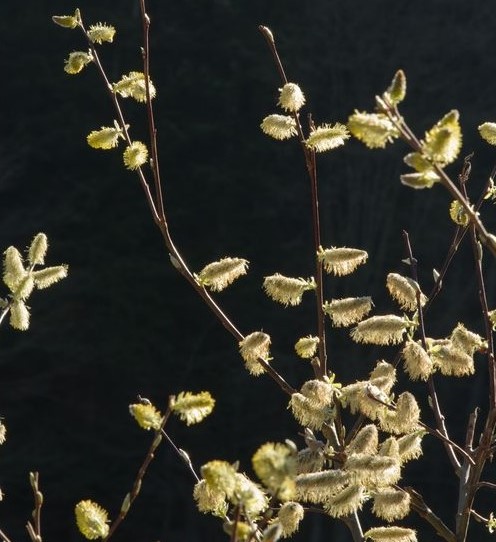
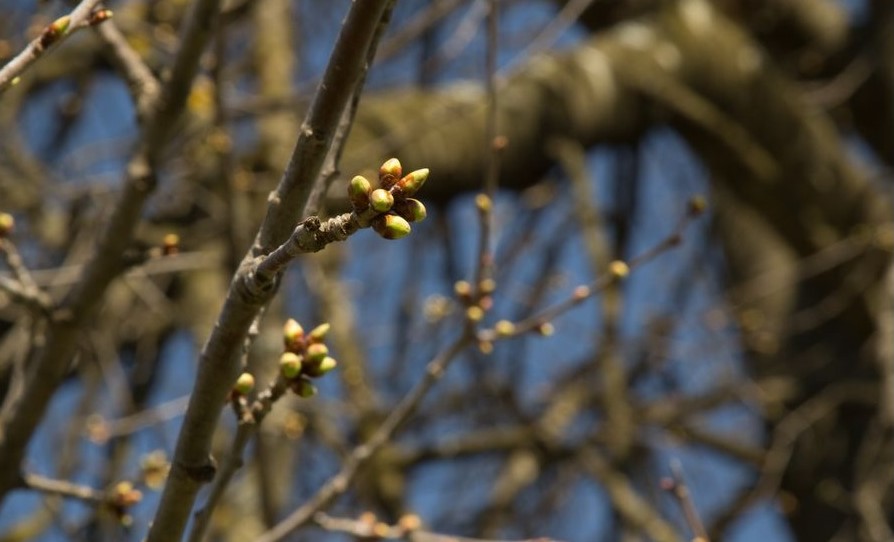
The trinkets, as heralds of spring, are worn during the entire month of March, as a sigh of health, luck and protection. At the end of March or at the beginning of April, villagers around Neamț County use to hang trinkets in shrubs or fruit trees as apple-trees, cherry-trees, apricot-trees or rose-trees, even in grass, signifying passing safely over winter and welcoming spring. Therefore, the locals would decorate their gardens with trinkets after wearing them all March long, convinced of their function as a charm, and also of their attribute of attracting abundance.
In Moldova, unlike in other parts of the country, young men also receive trinkets on the 1st of March, not only girls and women. The ethnographers tell that the trinkets, which consist of a tiny adornment tied with a red and white entwined string, symbolizing love, health and purity, used to be offered to young fellows by young unmarried women, but always in a mutual exchange. According to another Moldavian custom, the children used to wear the trinkets at their hand, the girls used to hang them as a pendant, the young men placed them at their hats and old people would wear trinkets on the coats. The villagers say that people also used to hang trinkets at the cows, in order to keep them healthy and increase welfare.
In addition to customs and traditions around trinkets, the heralds of spring season, the folklore in Neamț celebrates the Old Ladies’ legend, associated with Baba Dochia, the one who brings winter. Once the weather gets warmer, from the 1st to the 9th of March, Baba Dochia starts throwing away her heavy coats.
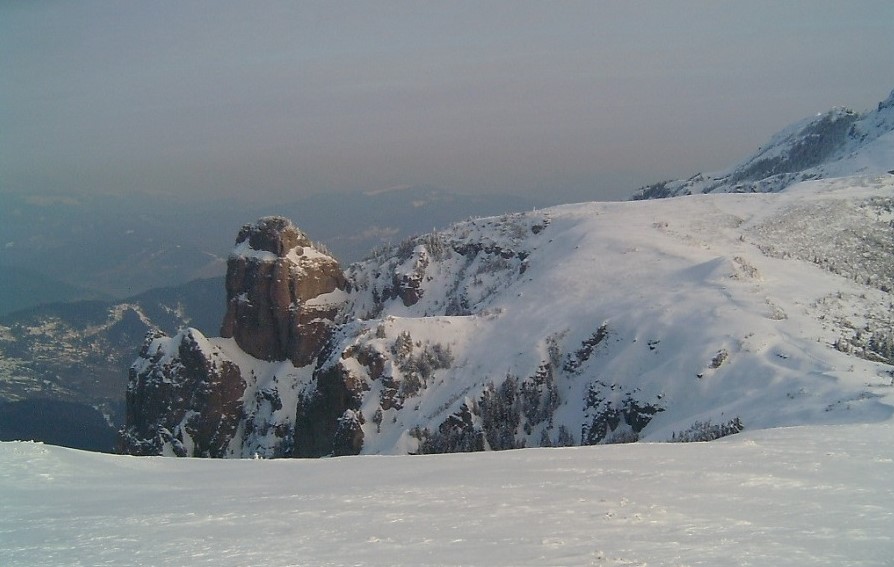
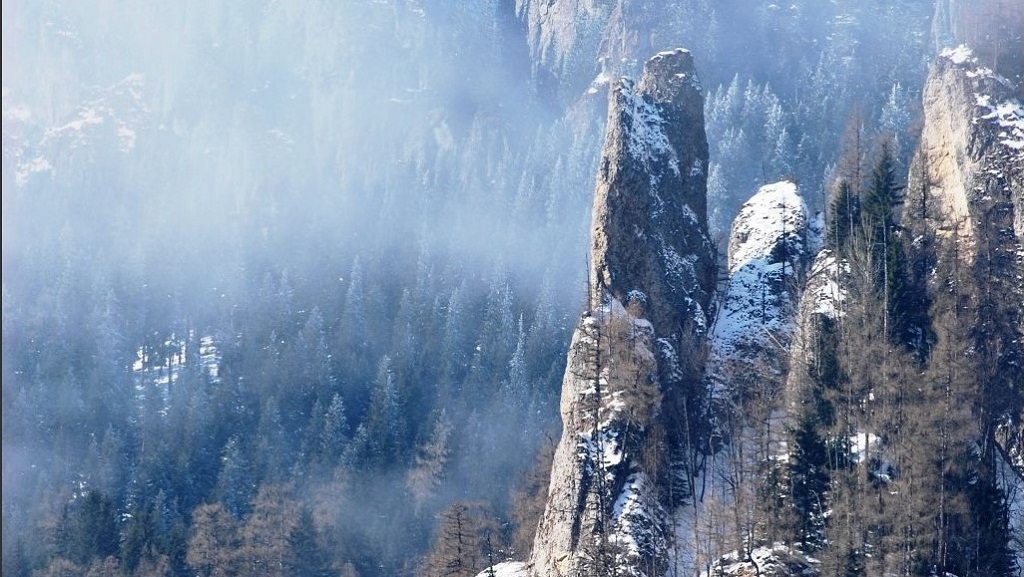
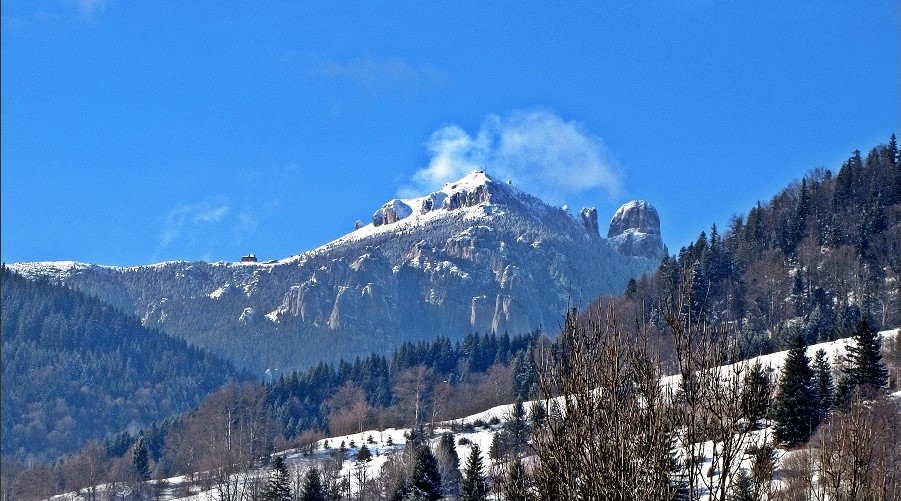
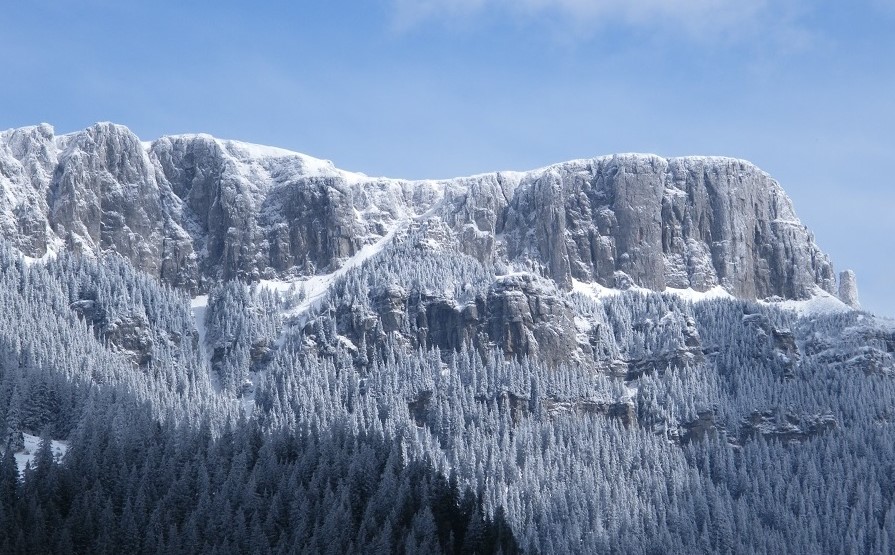
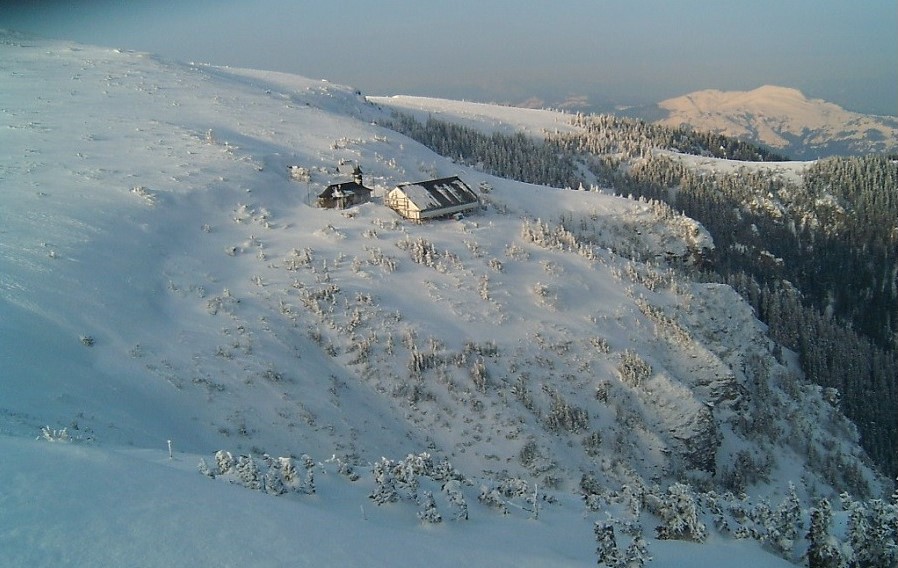
Up there, following the route passing through “Jgheabul cu Hotaru” (marked by a blue triangle), tourists reach Dochia Cliff which reminds of a beautiful local legend (to find out more, please visit: https://neamt.tesseramo.com/stiri/muntele-ceahlau-invaluit-in-misterul-legendei-babei-dochia ). From up here, on the right side, visitors can admire the still, majestic beauty of Toaca Peak and the giant, steep stone walls forming its rectangular base.
as they can remember, people would choose a day between the 1st and the 9th of March and predict how the year ahead will be for them depending on how the weather is on the chosen day.
According to George Călinescu, Baba Dochia is one of the four fundamental myths that influenced the Romanian culture and spirituality, alongside Miorița, Meșterul Manole (Manole the Craftsman) and Zburătorul (The Flyer). Gheorghe Asachi, another famous Romanian writer, wrote The Ballad of Dochia in 1838, after taking a trip on Ceahlău Massif.
More on the same topic
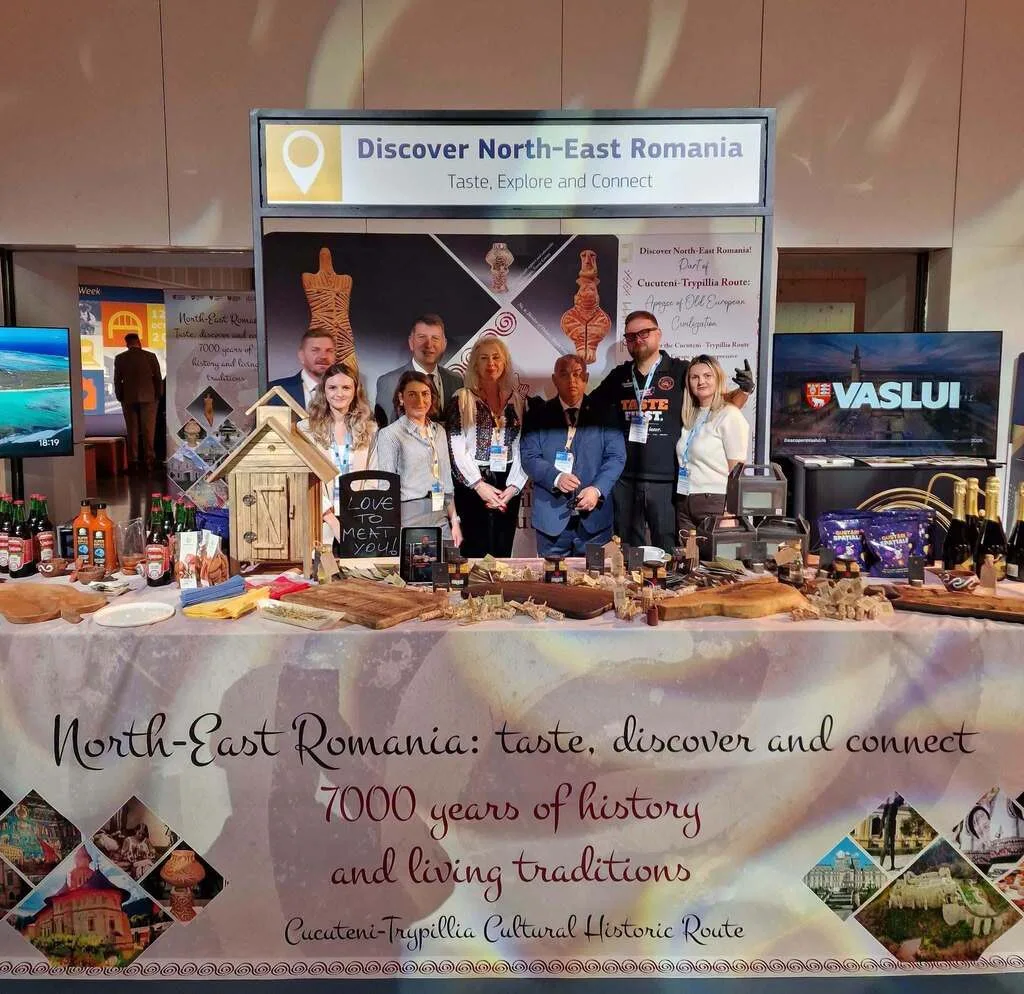
Neamț County, an Ambassador for Local Traditions and Values in Brussels
Neamț County showcased its values, traditions and development potential on the European stage during European Week of Regions and Cities, held in Brussels from 12 to 14 October.
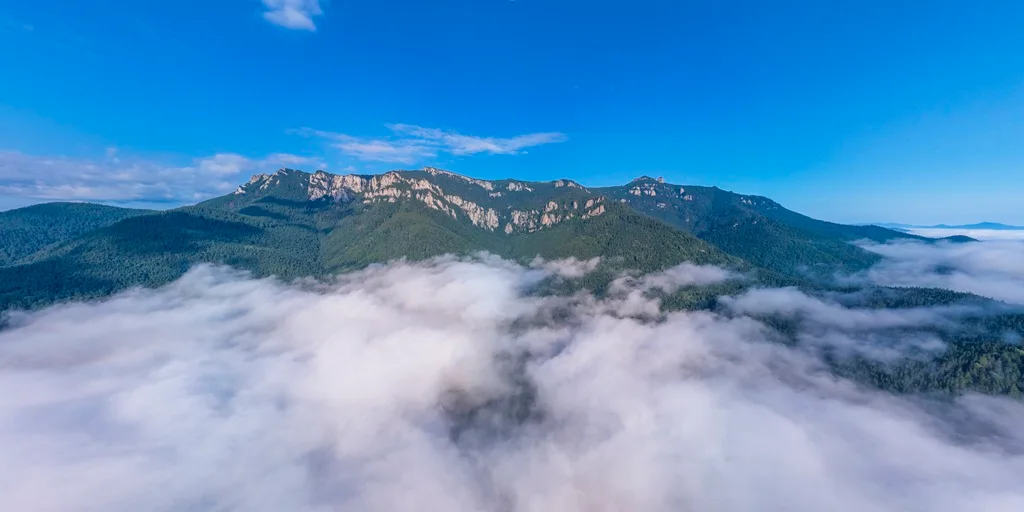
The Beloved Mountain, Explored in Every Season
No matter which season you choose to visit, the Ceahlău Massif offers a vibrant spectacle of untamed nature, inviting you to discover its fascinating natural richness, history, stories, and the legends that surround the entire mountain.
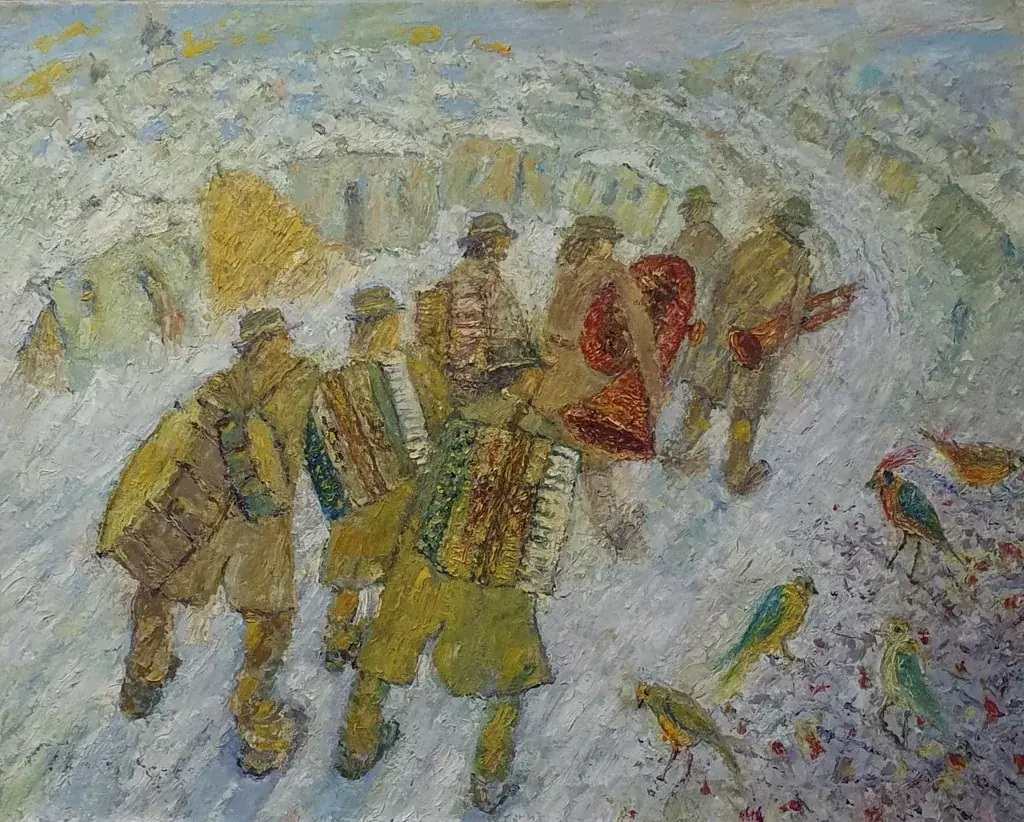
Solo painting exhibition – Florin Mareș
Starting Saturday, 10 October 2026, the Art Museum in Roman opens a new solo exhibition by the visual artist Florin Mareș of Roman.