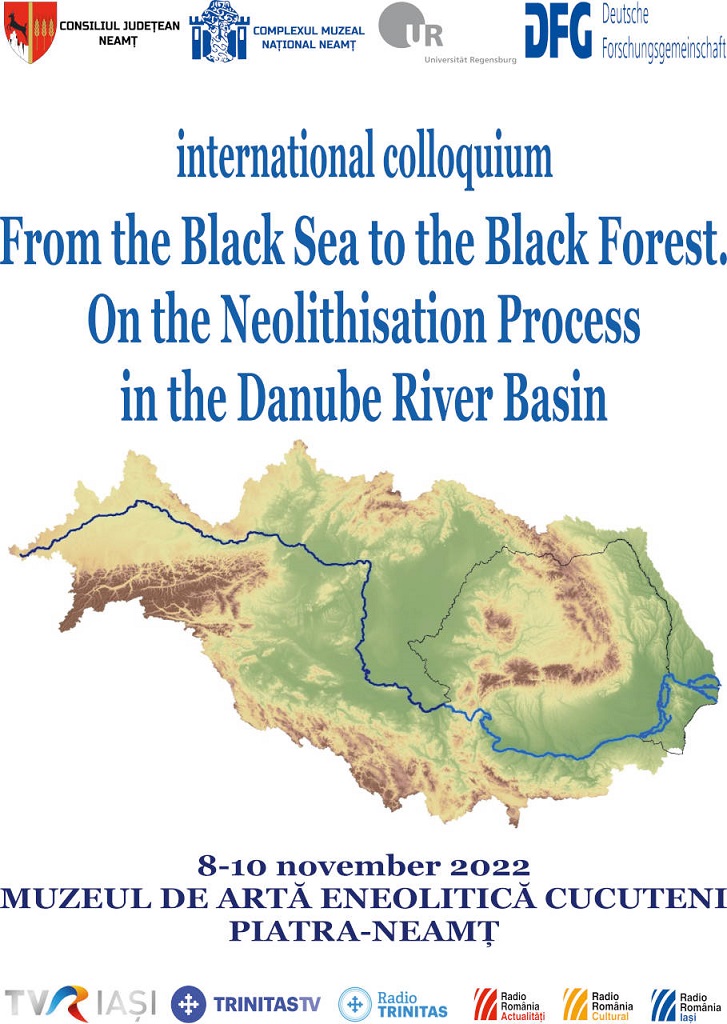
International Symposium “From the Black Sea to the Black Forest. On the Neolithisation process in the Danube river Basin”
From the Black Sea to the Black Forest. On the Neolithisation process in the Danube river Basin
From 8–10 November, Neamț National Museum Complex, in partnership with the University of Regensburg (Germany), will organise a new international colloquium at the Cucuteni Eneolithic Art Museum in Piatra Neamț, this time dedicated to the “Neolithic Revolution” in the Danube Basin.
The subject has always attracted considerable interest among the national and international scientific community, as well as history enthusiasts, because the favourable environmental conditions the Danube river basin offered human communities gave it a fundamental role in Europe’s Neolithisation, which began in what is now Romania more than 8,000 years ago. This effectively laid the foundations of today’s modern society, as people adopted a settled way of life and began producing food, other consumer goods and prestige items. The Neolithisation of most of the lower Danube basin, including what is now Romania, and part of the middle Danube basin was carried out by communities of the Starčevo-Criș culture. This complex process was continued in the rest of the middle basin and the upper Danube basin by communities of the Linear Pottery culture (the most geographically extensive culture in European prehistory, which also covered a large part of what is now Romania). Neolithisation was completed a millennium after it began, in the territory between the Danube and the sea, by communities of the Hamangia culture, as Dobrogea had previously been covered by the waters of the Black Sea following a marine transgression. The event at Piatra Neamț has received contributions from 30 specialists representing 20 prestigious museum, university and academic institutions in Romania, Germany, Poland, Czechia, Great Britain, Italy, Ukraine and Hungary. The event will begin with the launch of a volume dedicated to the distinguished Professor Sławomir Kadrow, PhD, Habil., of the University of Rzeszow (Poland), to mark his anniversary; he is a longstanding and regular collaborator of Neamț National Museum Complex. During the first two days of the colloquium, the specialists attending Piatra Neamț will present their papers and posters. On the third day, a study trip will visit the renowned archaeological sites at Țolici, Lunca and Oglinzi, where the world’s earliest salt extraction has been documented, a process begun by the first settled Neolithic communities in the eastern Carpathian region, belonging to the Starčevo-Criș culture, and continued for more than 8,000 years to the present day. The Cucuteni Eneolithic Art Museum is part of Neamț National Museum Complex, alongside 15 other museums of national significance. The Cucuteni Eneolithic Art Museum Piatra Neamț opened on 24 June 2005 and is unique in its subject matter, combining history, archaeology and art, and currently housing the most important collection of Eneolithic art in eastern Europe.
Follow the link below for details of the daily programme and abstracts of the papers presented:
More on the same topic
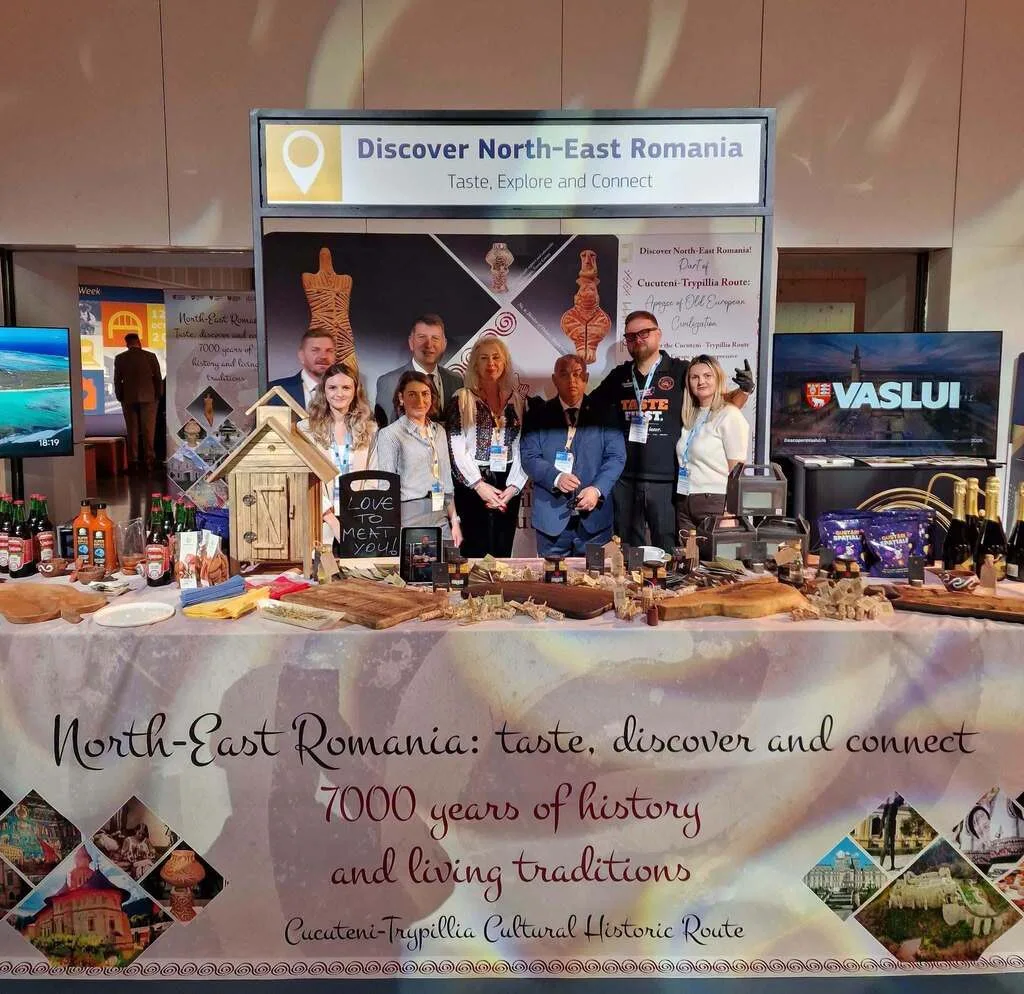
Neamț County, an Ambassador for Local Traditions and Values in Brussels
Neamț County showcased its values, traditions and development potential on the European stage during European Week of Regions and Cities, held in Brussels from 12 to 14 October.
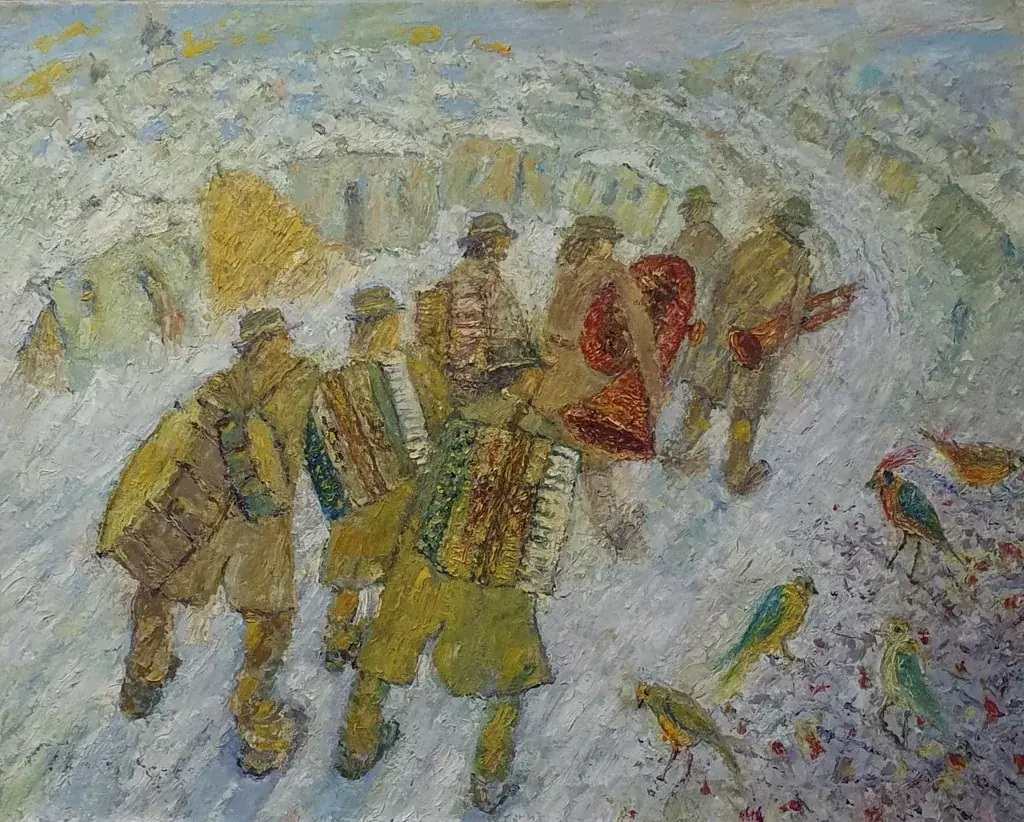
Solo painting exhibition – Florin Mareș
Starting Saturday, 10 October 2026, the Art Museum in Roman opens a new solo exhibition by the visual artist Florin Mareș of Roman.
Book launch: “Regina Maria a României. Din viață în eternitate” by historian Narcis Dorin Ion
Neamț National Museum Complex invites audiences in Neamț to the launch of “Regina Maria a României.