History and Ethnography Museum in Târgu-Neamț
The beginnings of the museum date back to 1940, when the first exhibition organised displayed artefacts unearthed during the archaeological research at Neamț Fortress.
The museum itself was set up in 1957, within the ceremonies celebrating 500 years from the ascent of Ștefan cel Mare to the Moldavian throne. The current venue, housing the museum since 1978, is the building where the well-known Princely School (built in 1853) was opened.
In 1987, the base exhibition was fully reorganised and given the current structure which presents the history of traditional crafts in the Neamț Depression, ranging from the household ones – e.g. wool processing and weaving – to processing produce, animal skins, bone and antlers, wood, metal, and pottery.
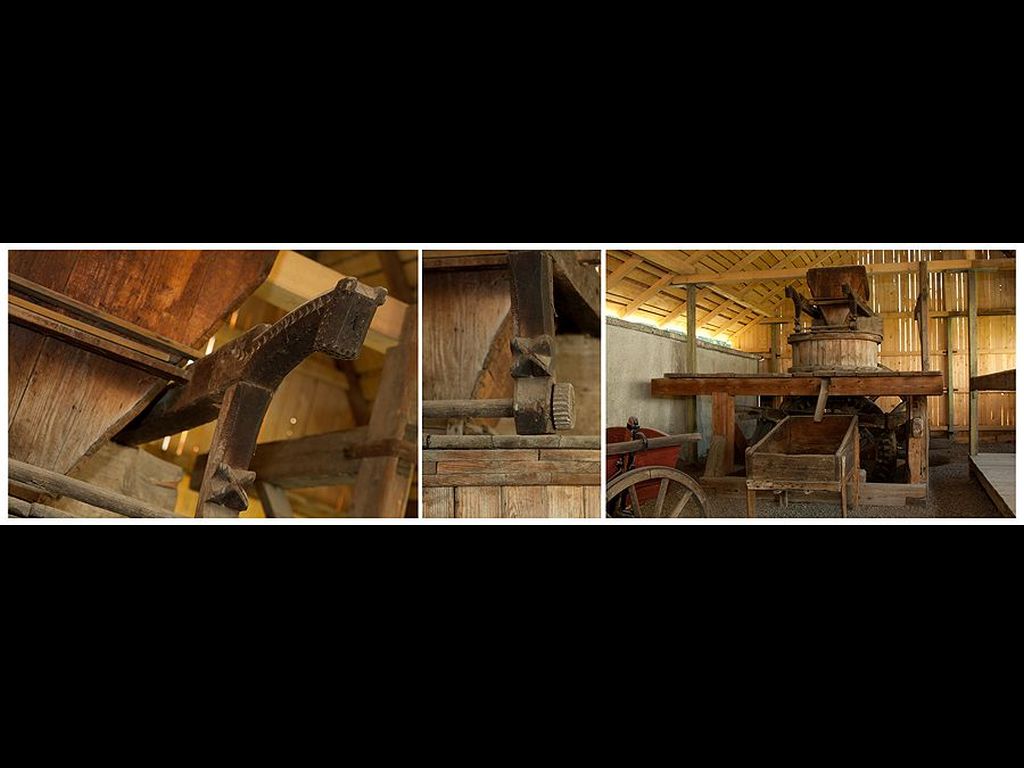
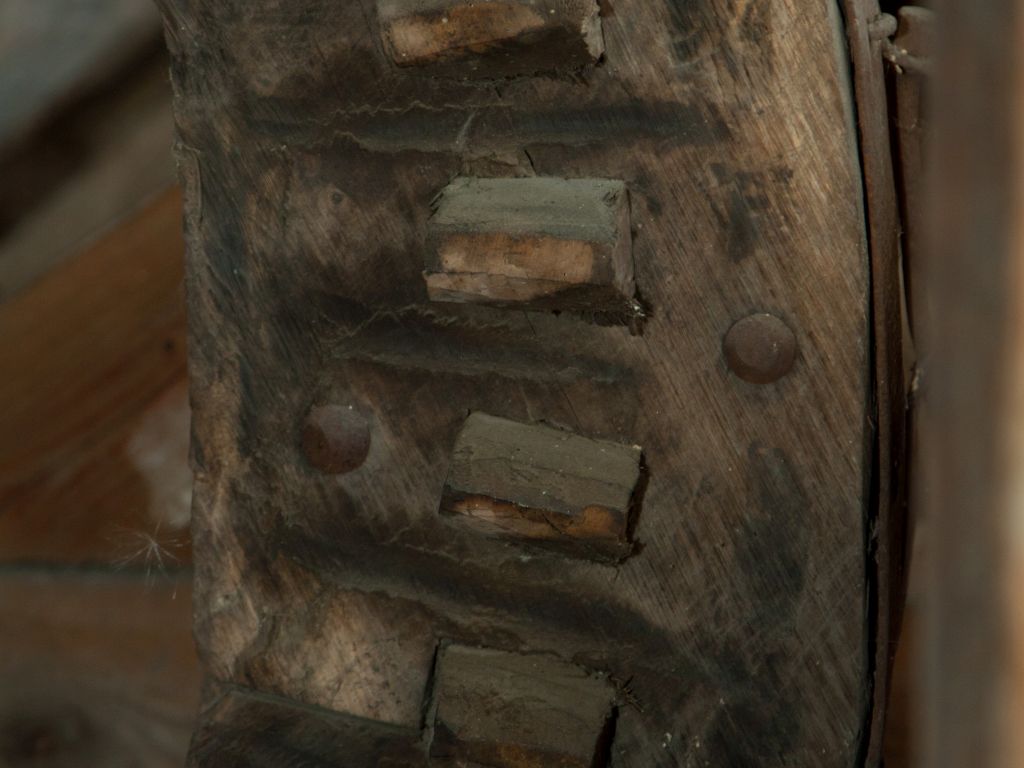
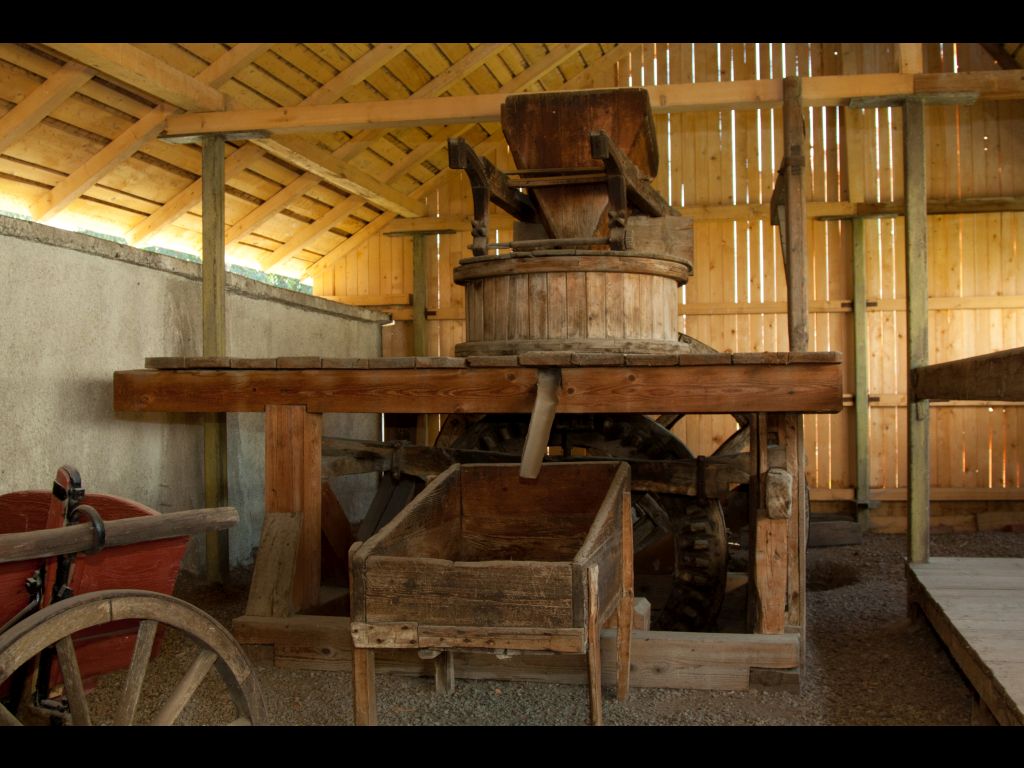
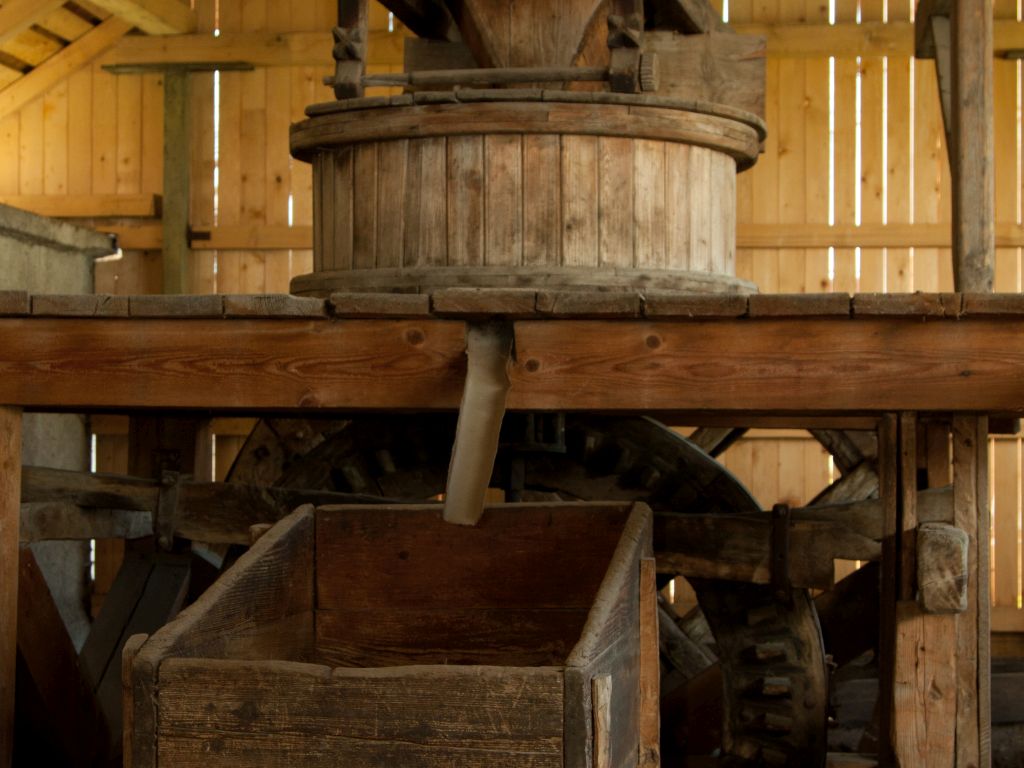
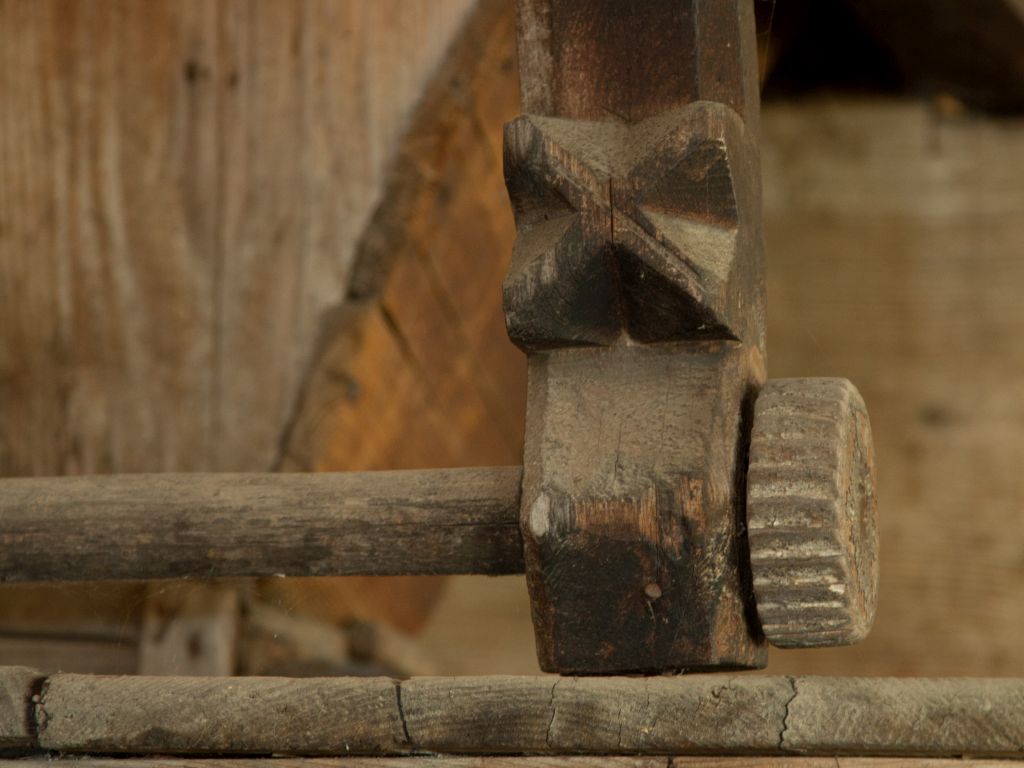
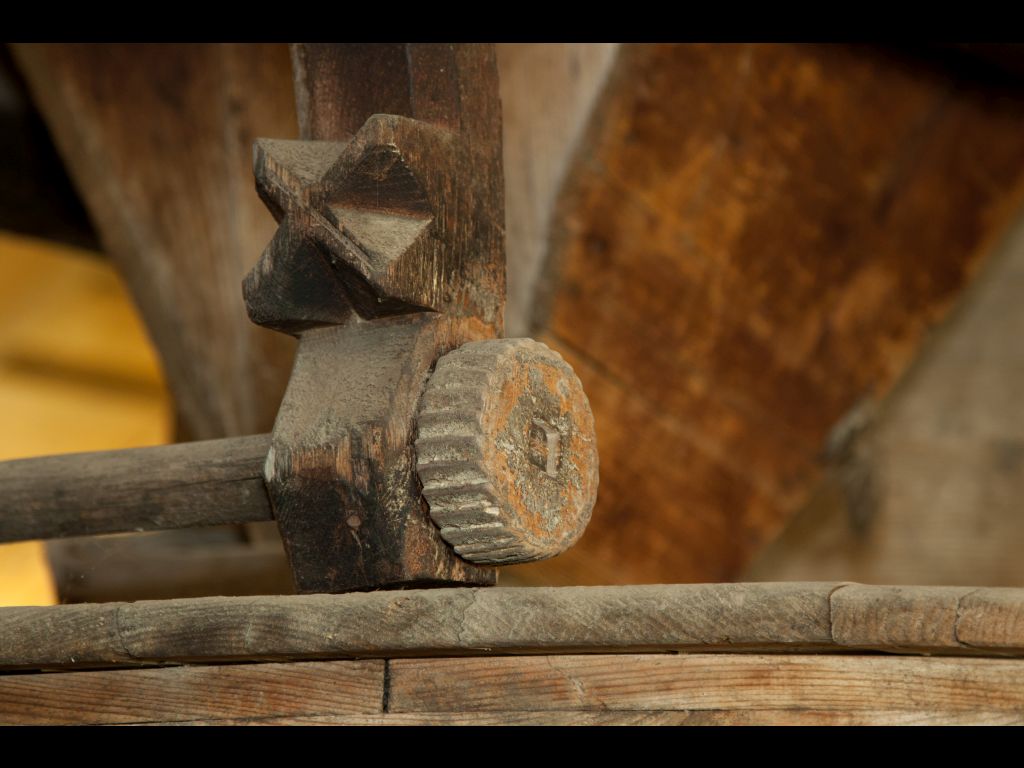
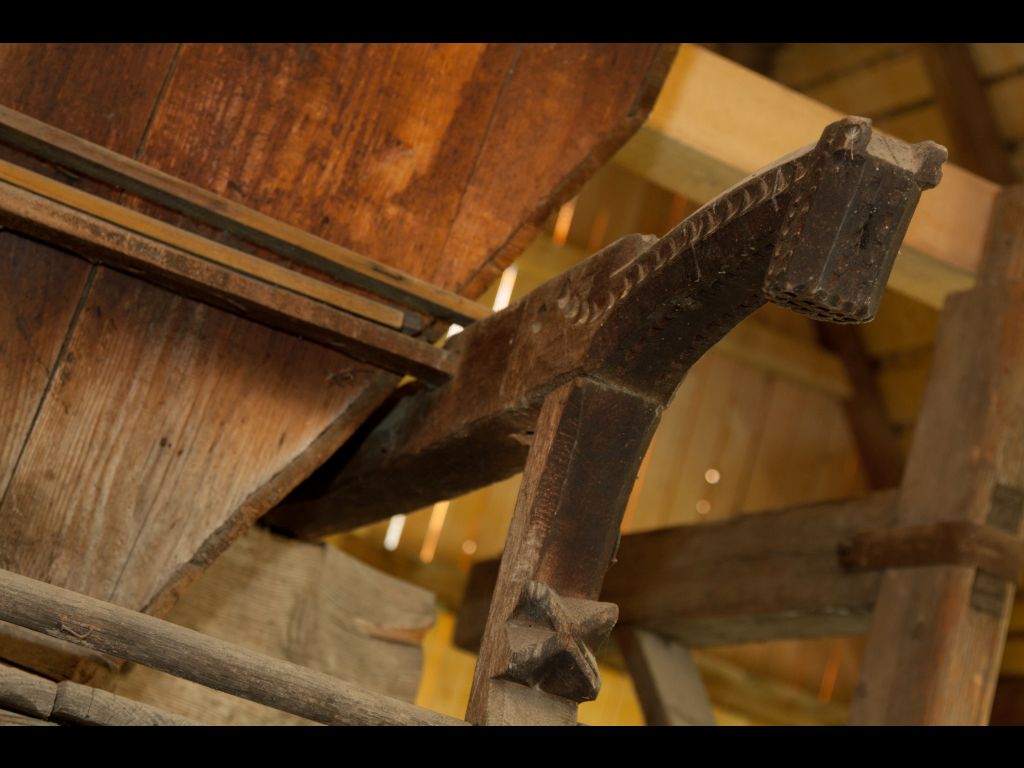
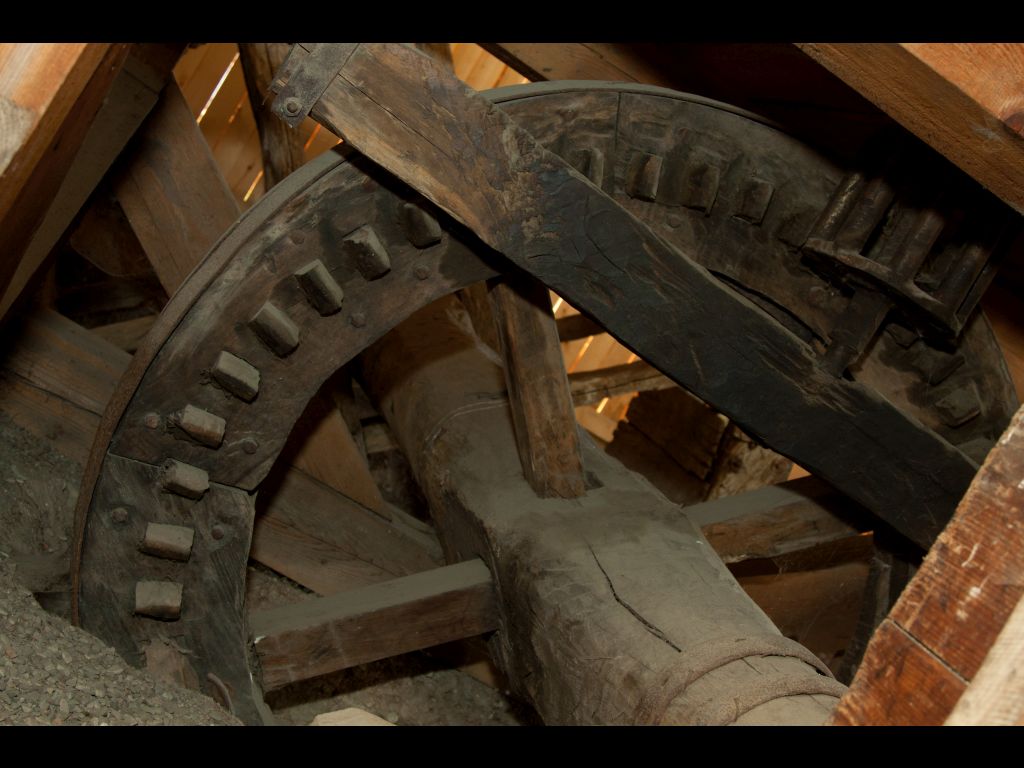
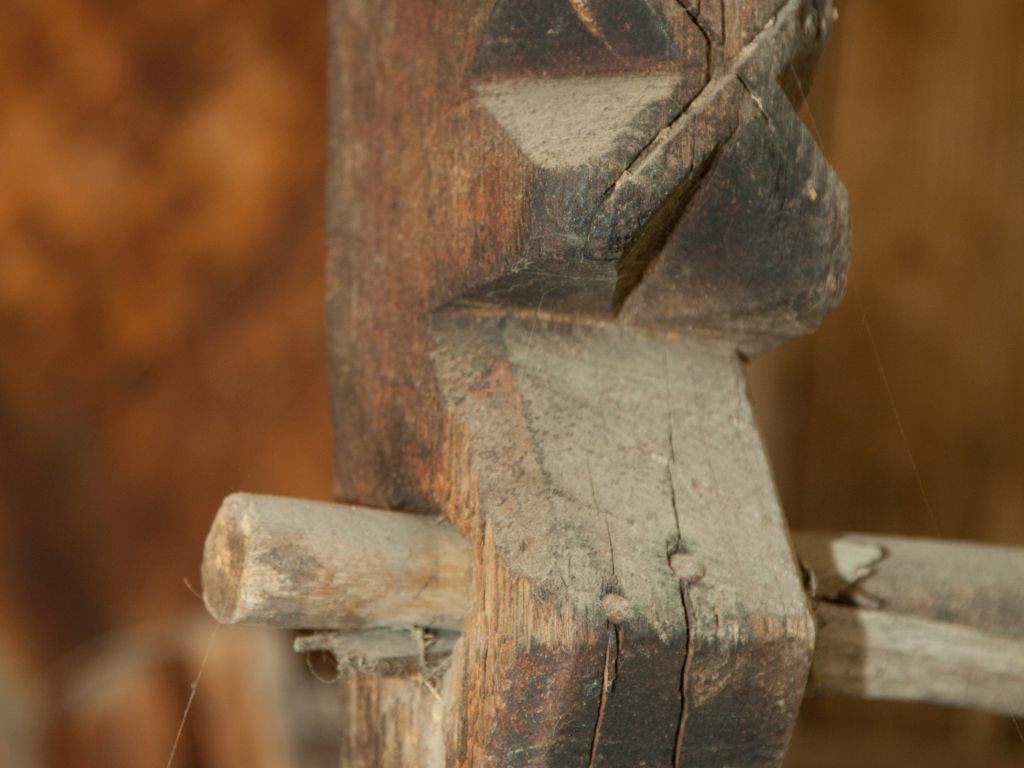
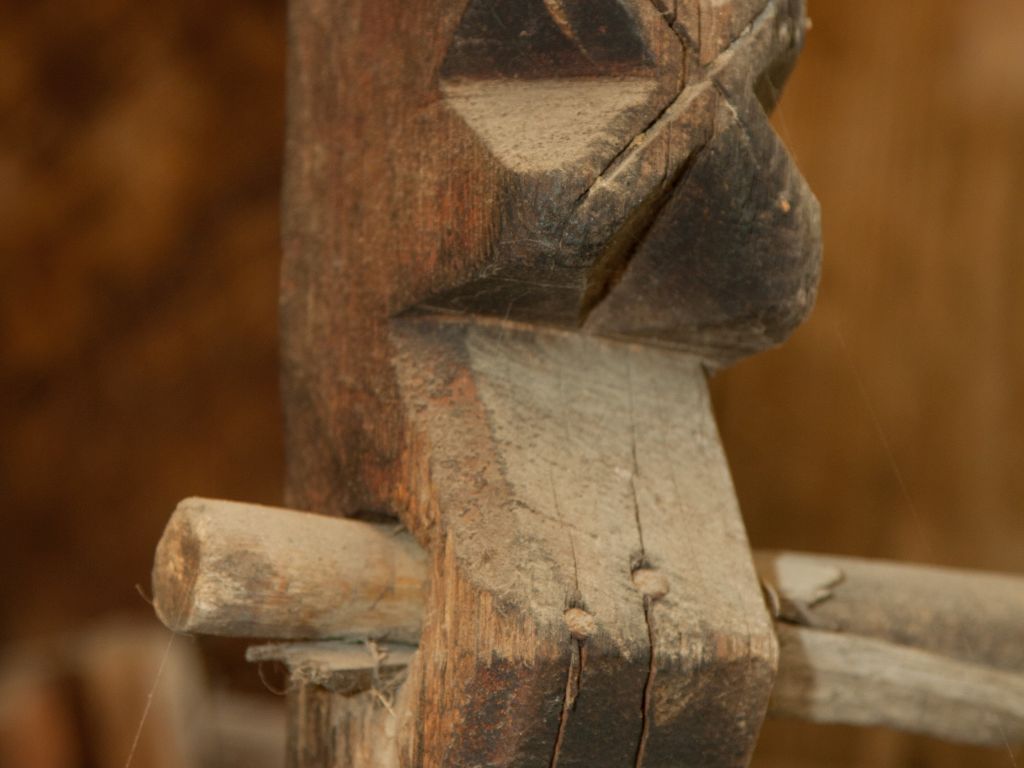
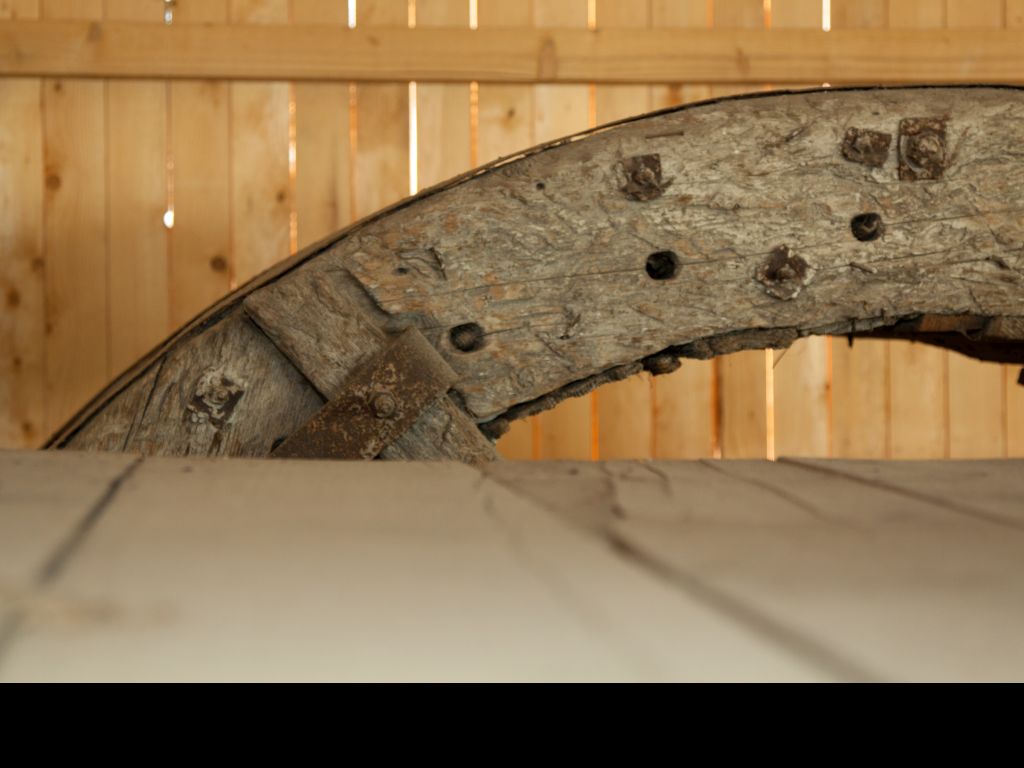
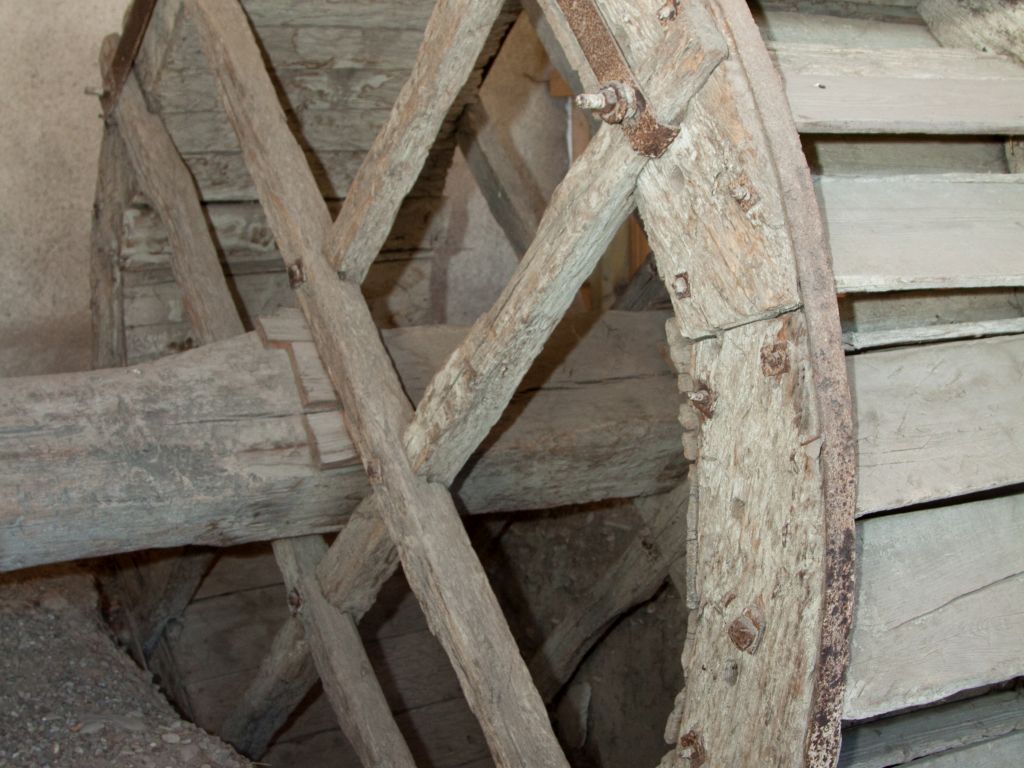
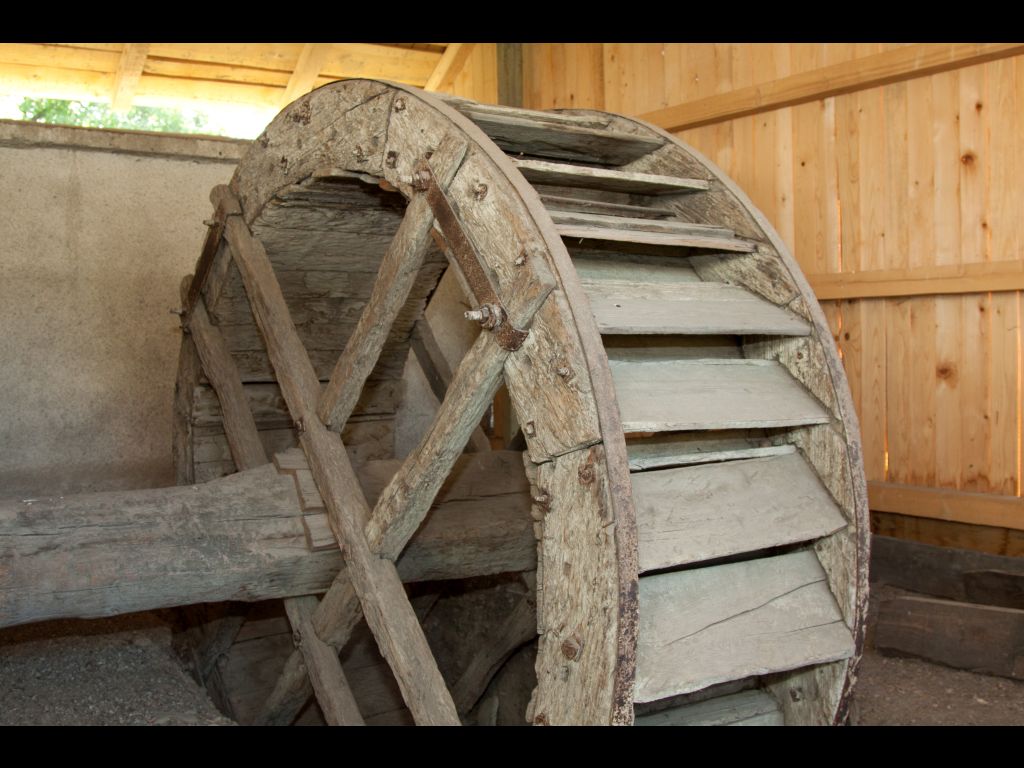
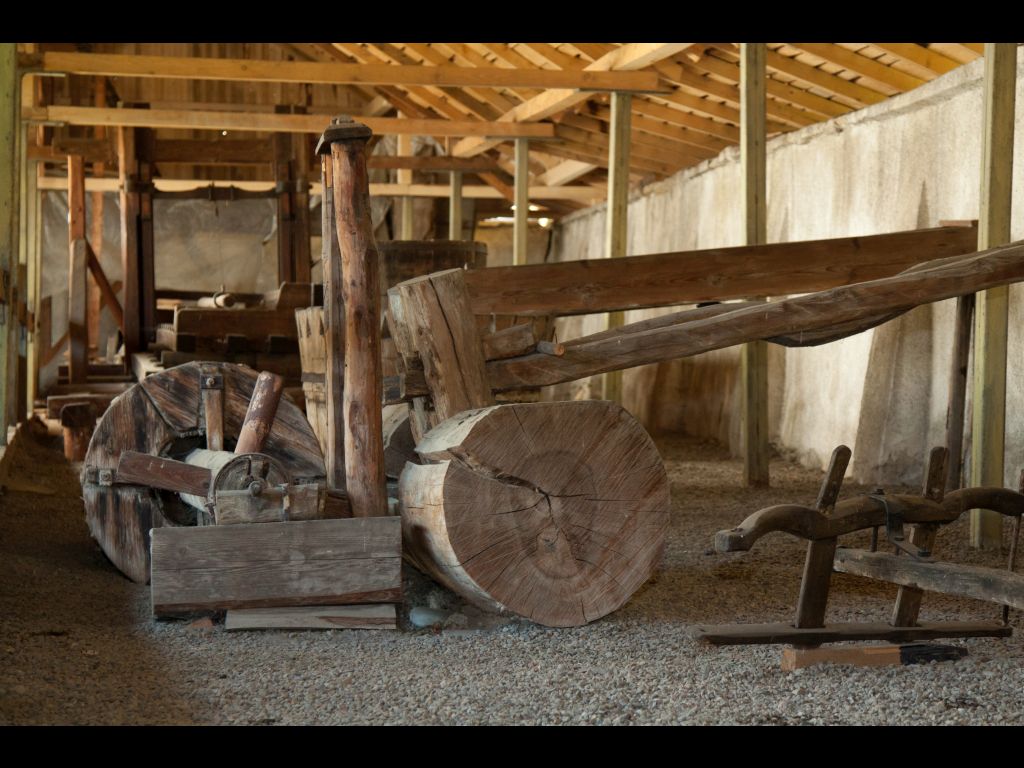
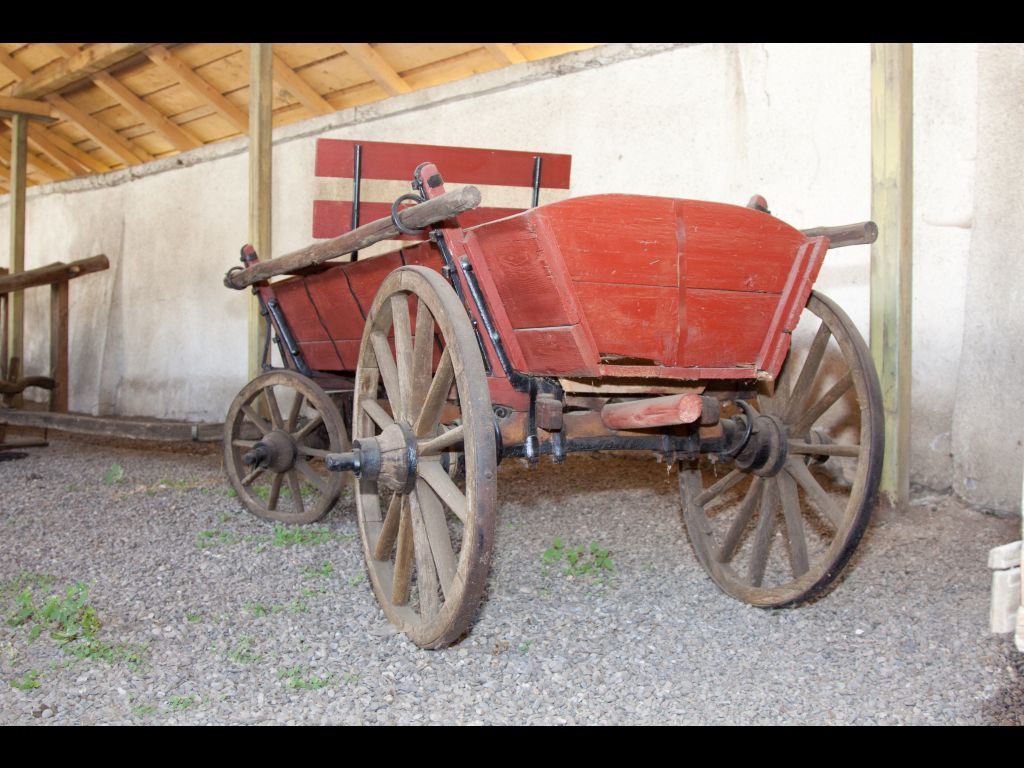
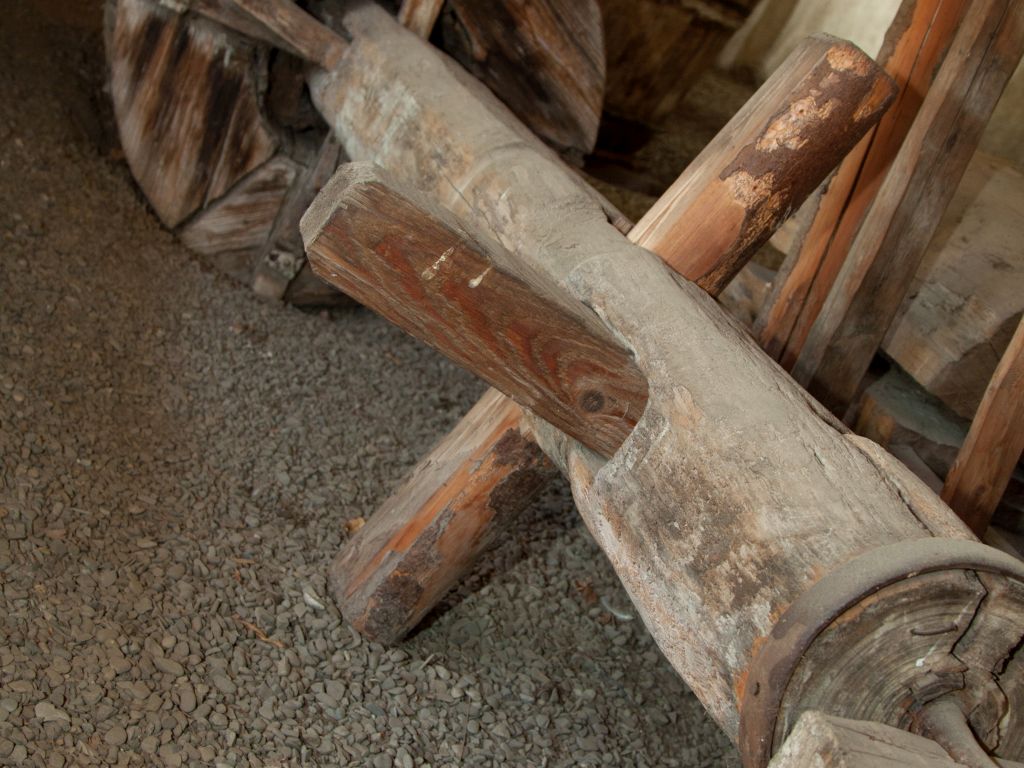
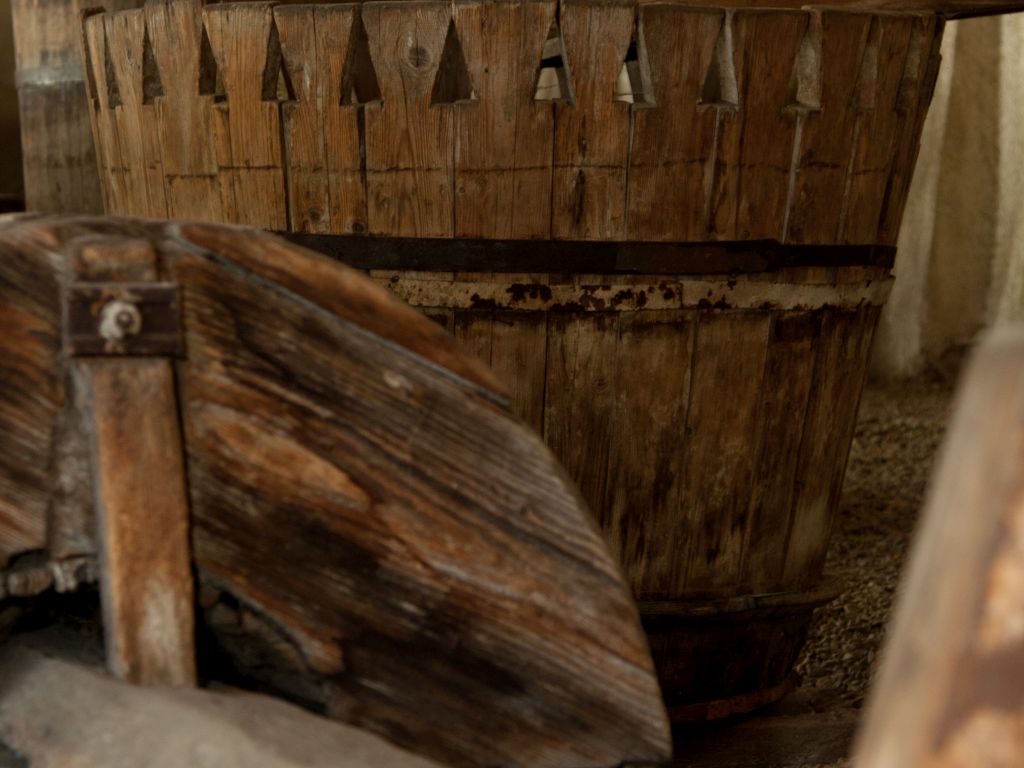
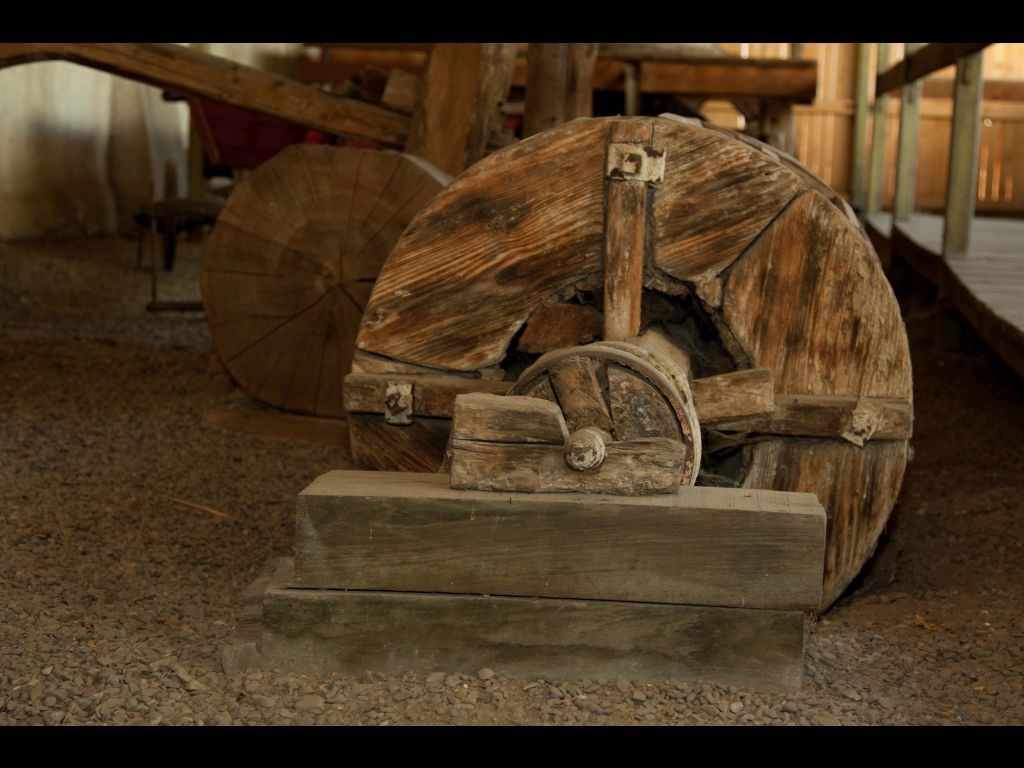
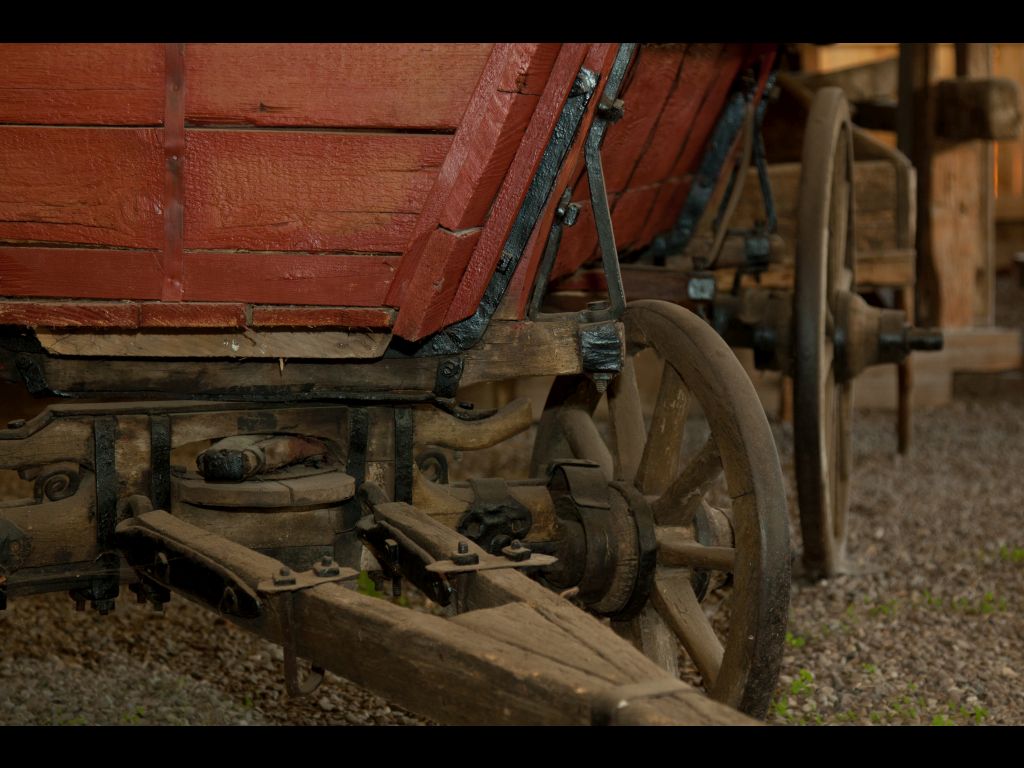
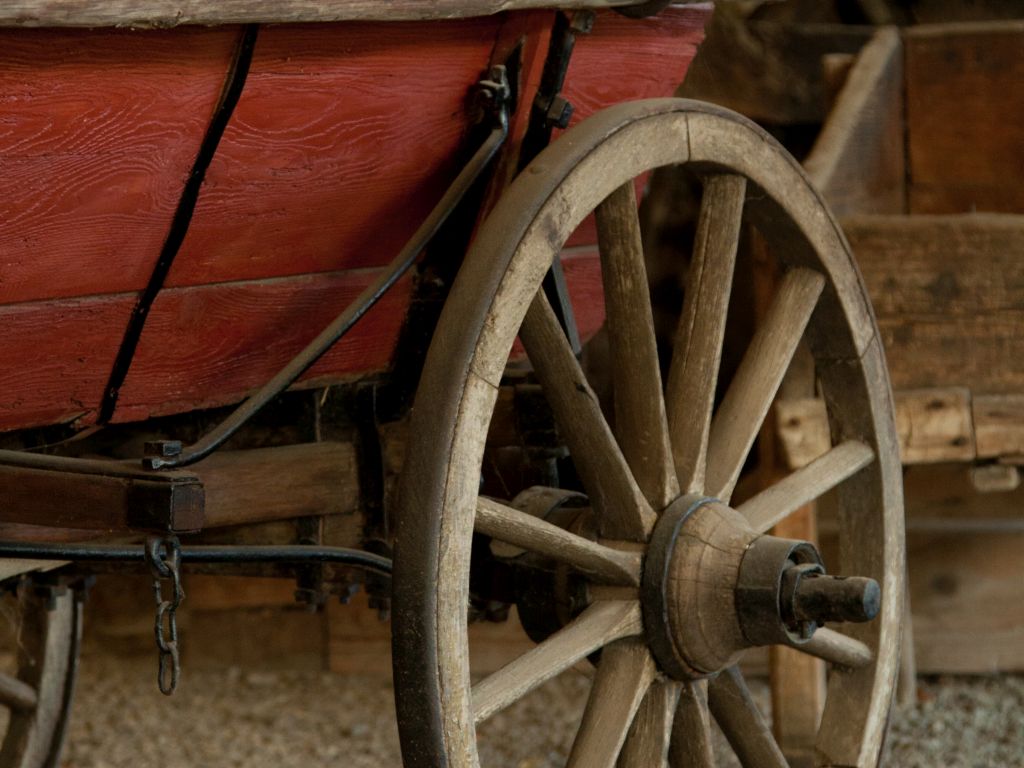
The base exhibition displayed in the pavilion in the yard contains various rural installations for processing seeds and fruit, wool, wood, etc.
Among others, Ion Creangă and the future-to-be great philosopher Vasile Conta, born in Grumăzești, close to Humulești, went to this school.
Photo Album:
Video:
More on the same topic
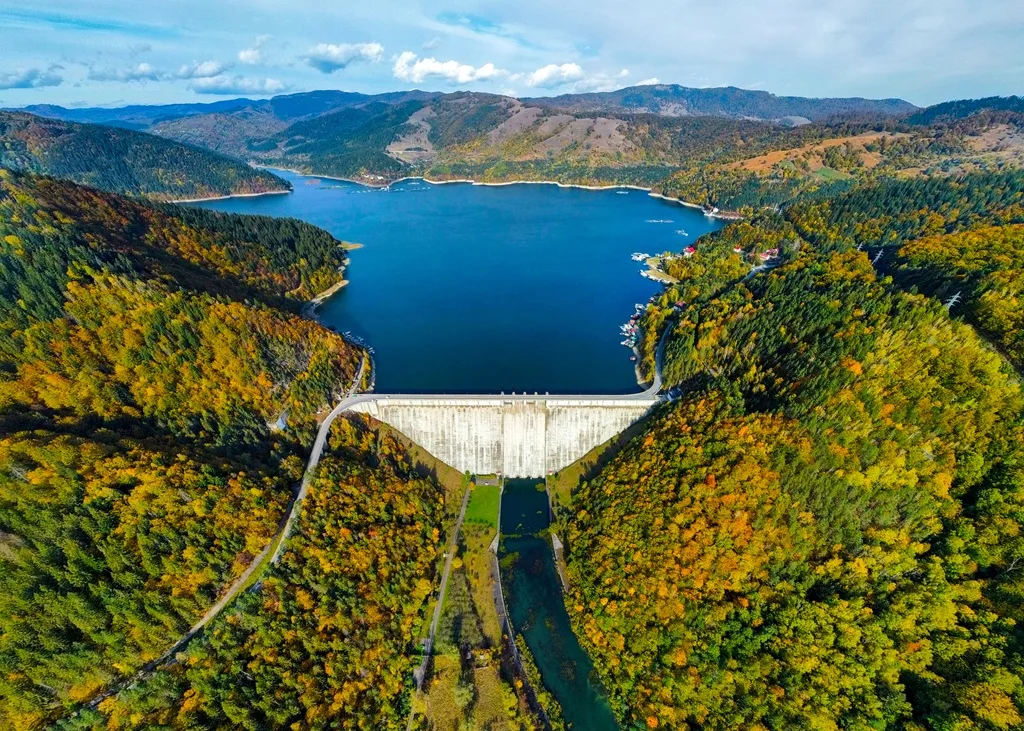
A Thousand and one stories in Neamt
Dear Traveller, wherever you come from, we invite you to discover the blessed lands of Neamț, a sacred realm once inhabited by the ancient Dacians, rich in legends and myths, with a history and roots…
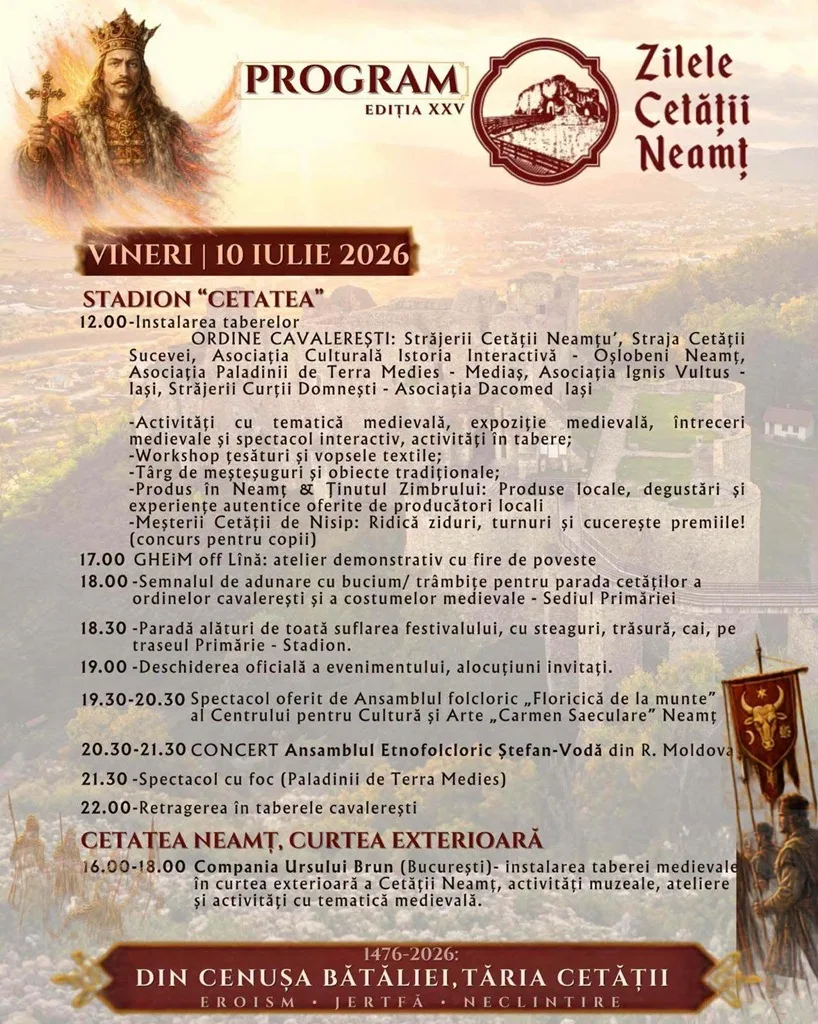
A quarter of a century of medieval events in Neamț
The Zilele Cetății Neamț Medieval Festival marks a quarter of a century. Now in its 25th edition, this year's event will open its doors from 10–12 July to a world of stories and pages of history from the time of Stephen the Great, Prince of Moldavia.
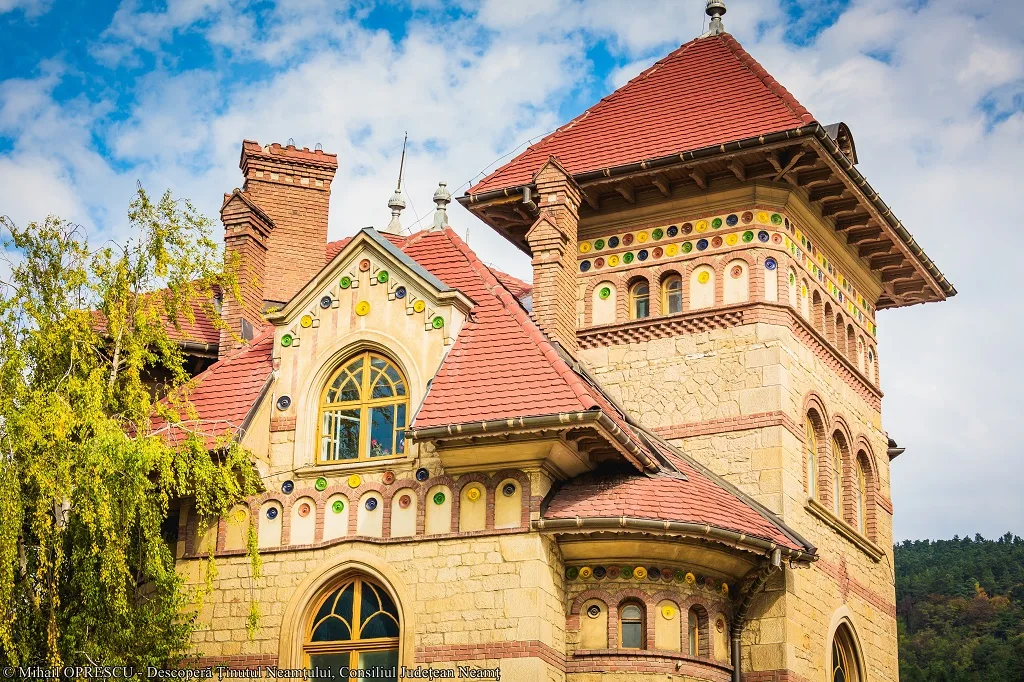
South-eastern Europe’s most important collection of Eneolithic art – a finalist in Destinația Anului 2026
The development of human communities in Neamț County, dating back to the Upper Palaeolithic, contributed to the emergence of Europe’s most remarkable and most extensively studied prehistoric…