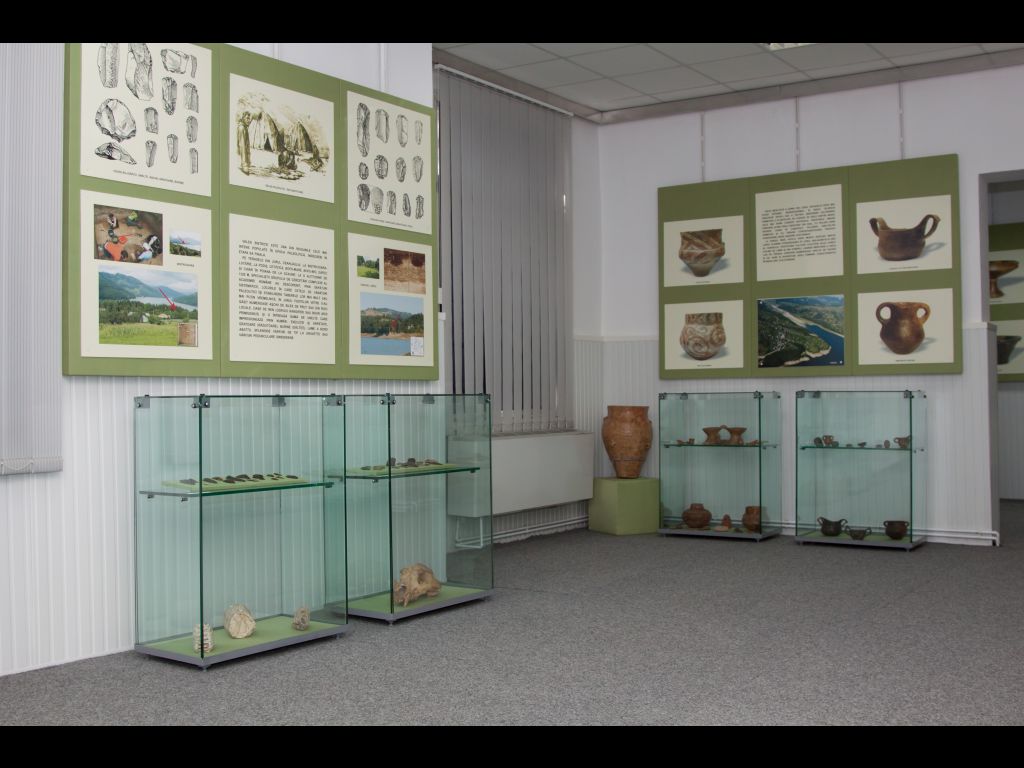
Ethnography and History Museum in Bicaz
The museum created in 1958 has been operating since 1966 in the formerly “Ion Kalinderu” Village Theatre, also known at the time by the name The Royal Theatre, because here in Bicaz, during the First World War, the Royal Family would watch performances in this hall, as they sought refuge with their suite.
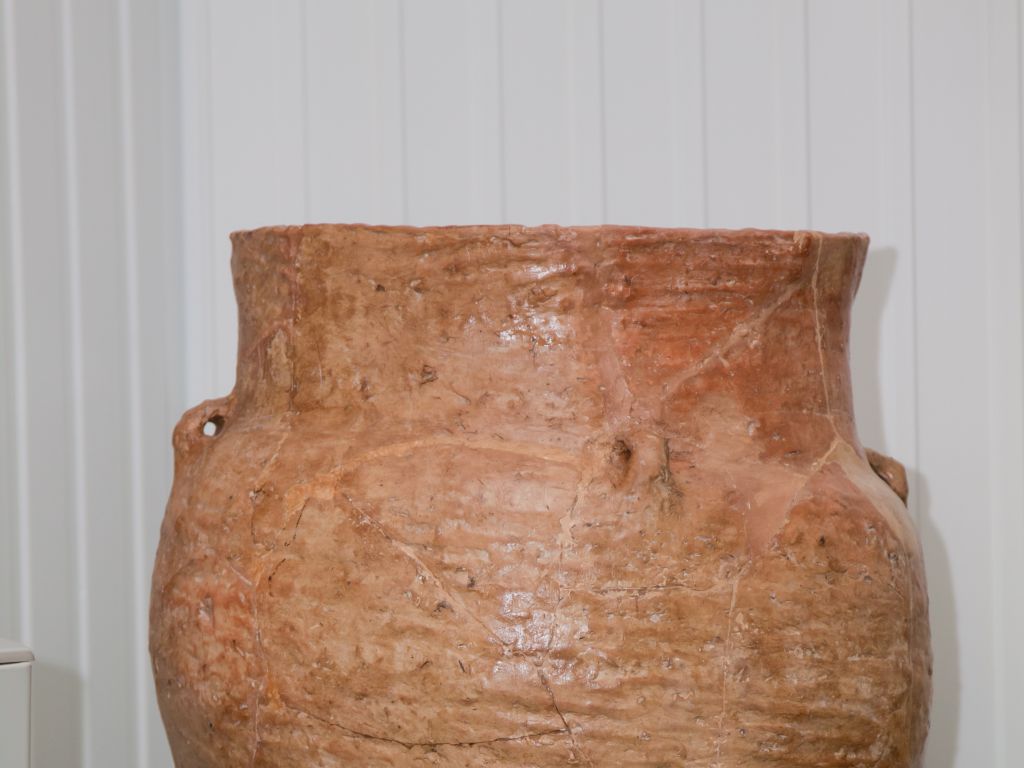
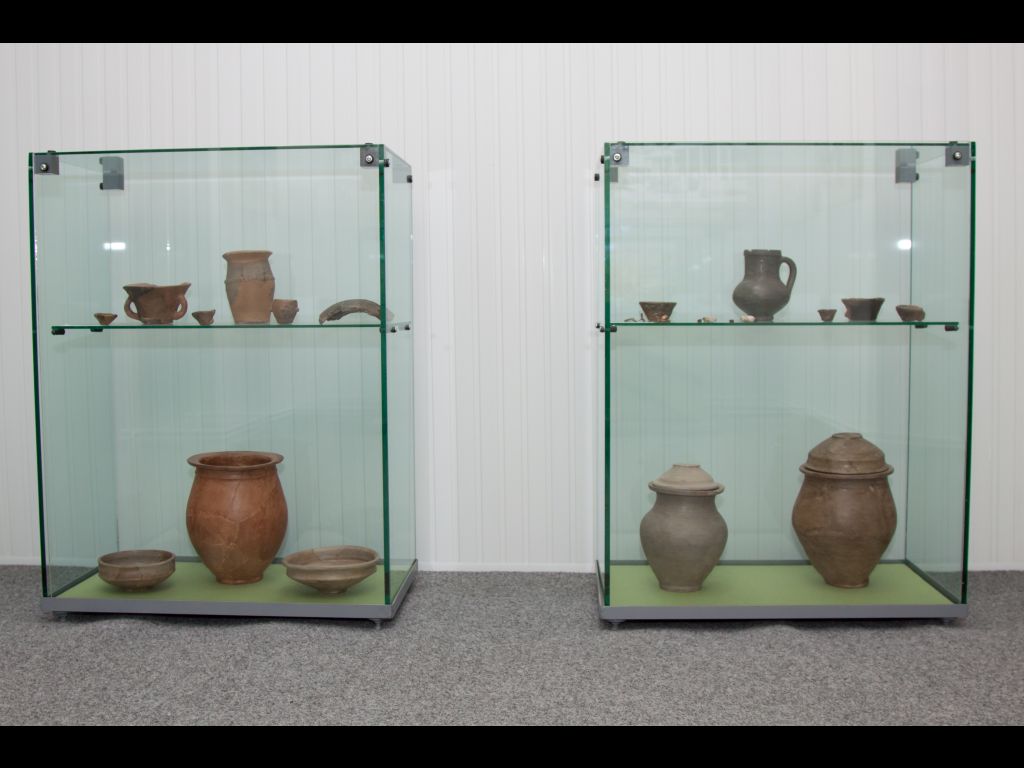
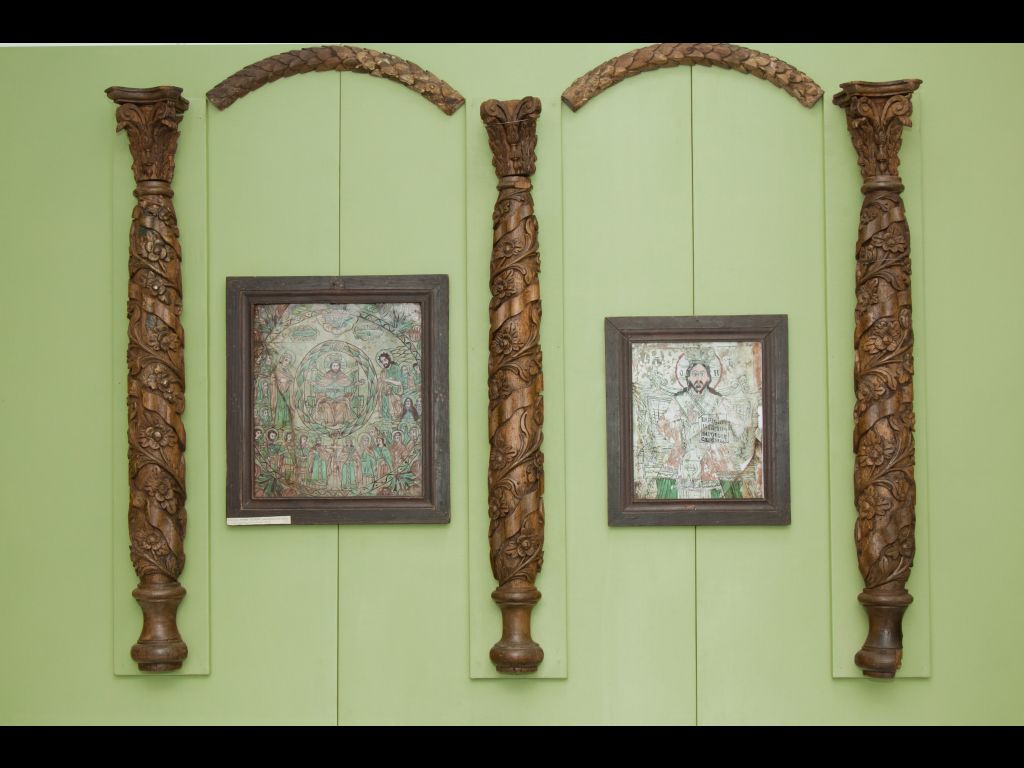
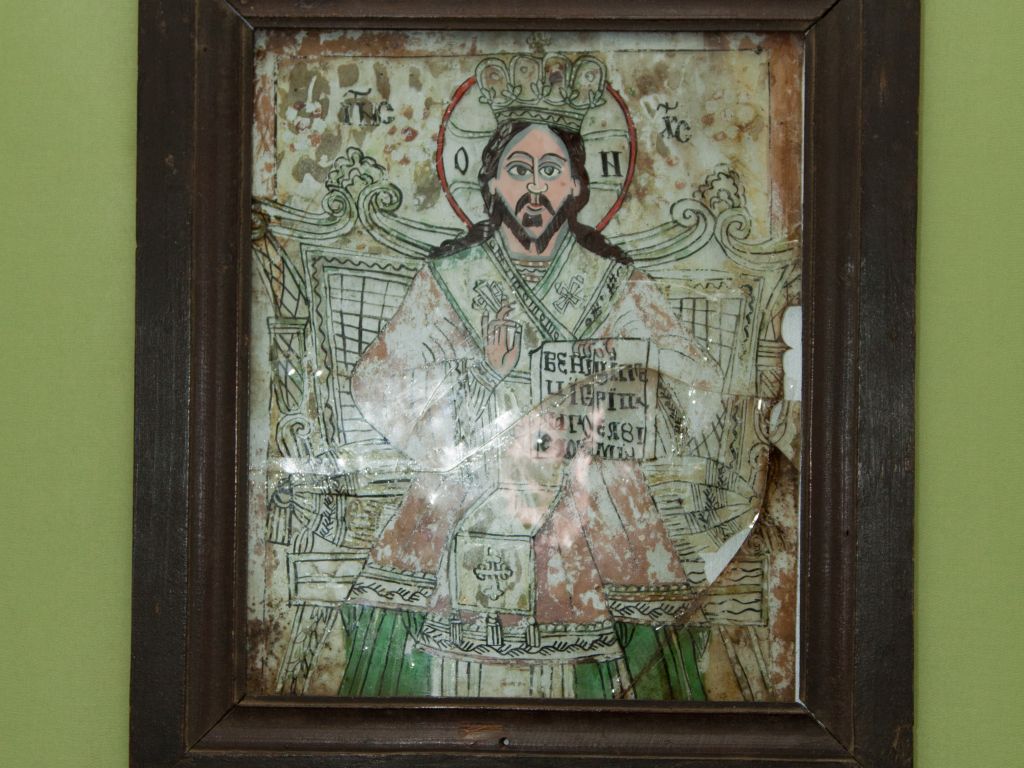
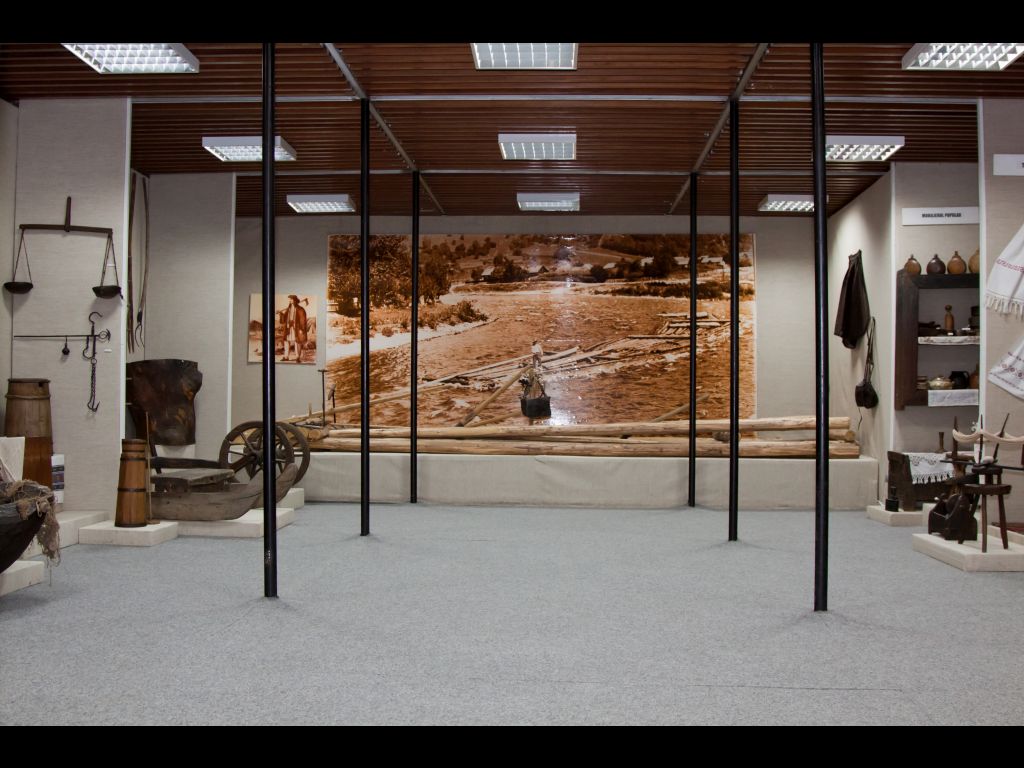
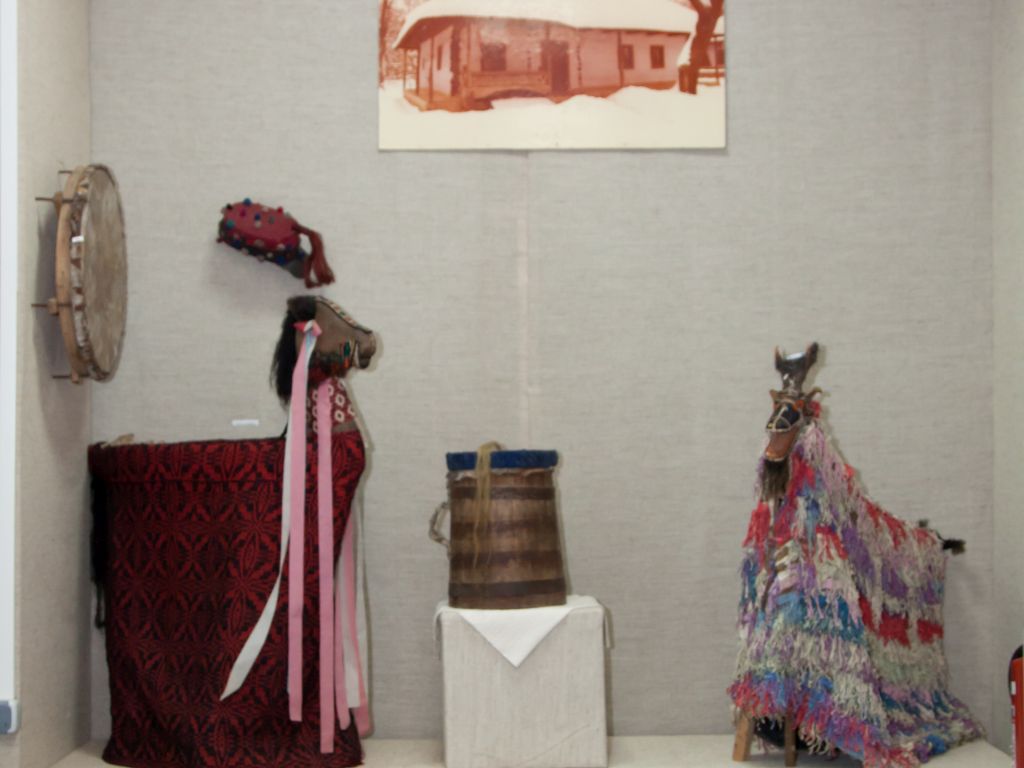
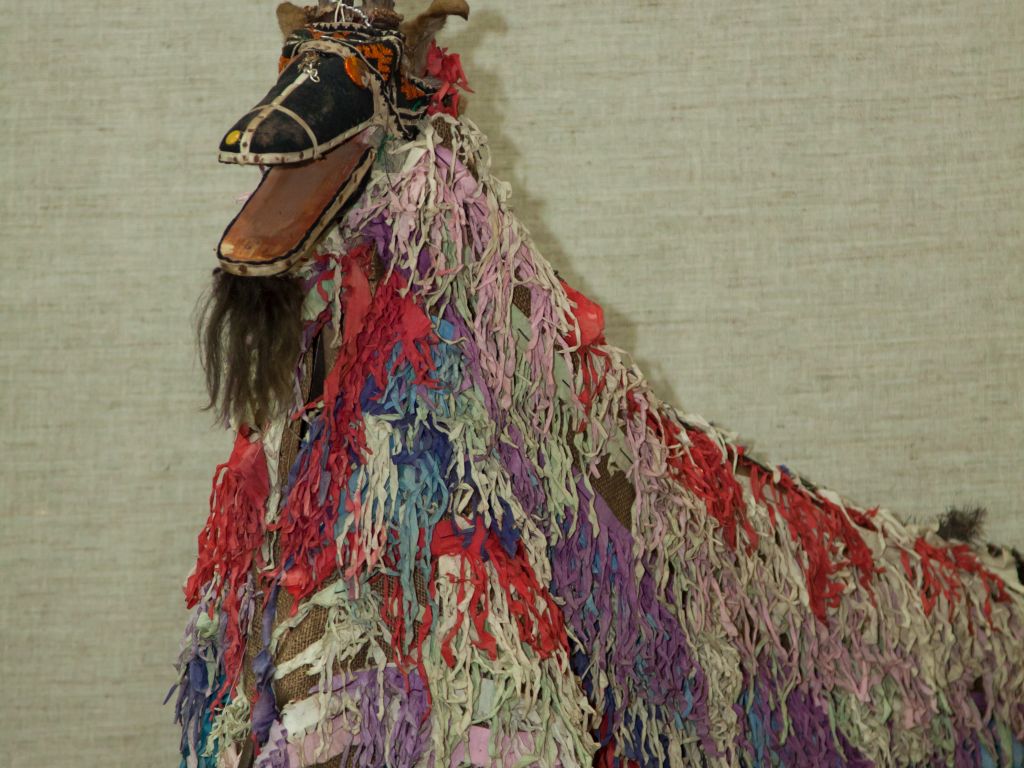
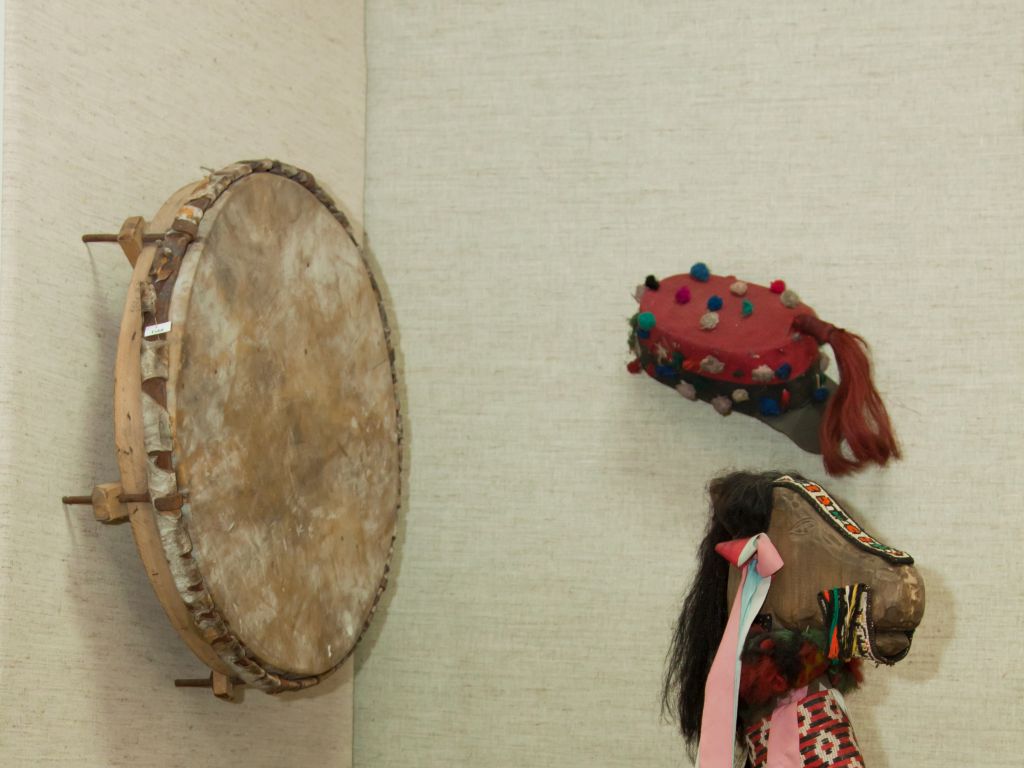
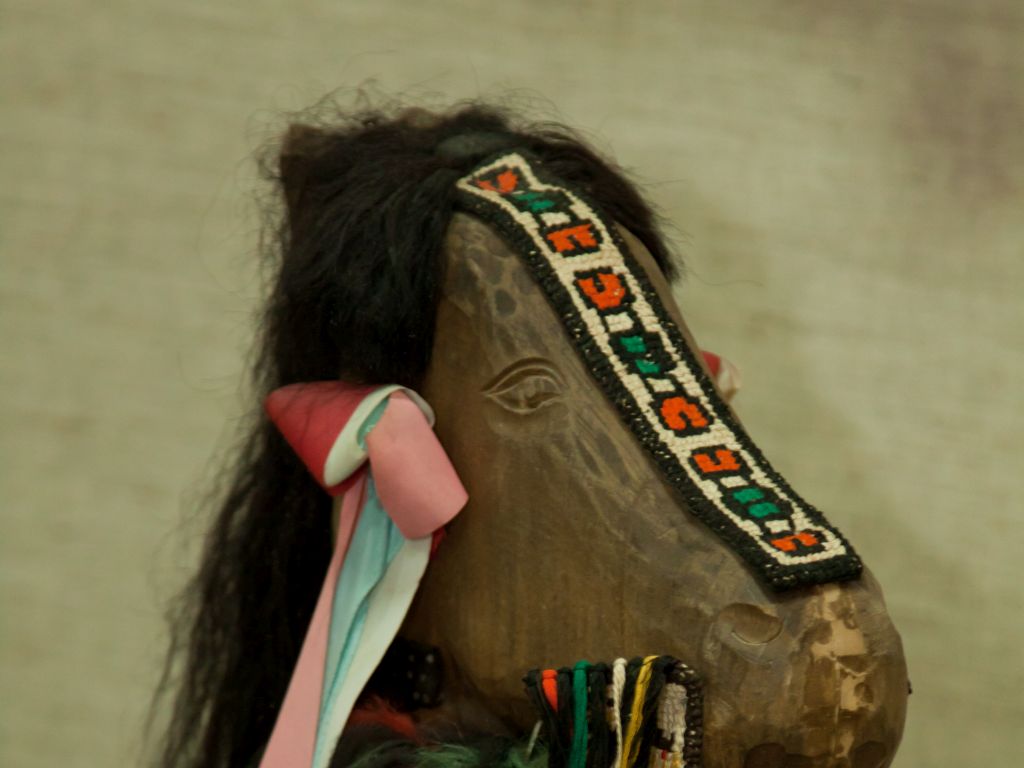
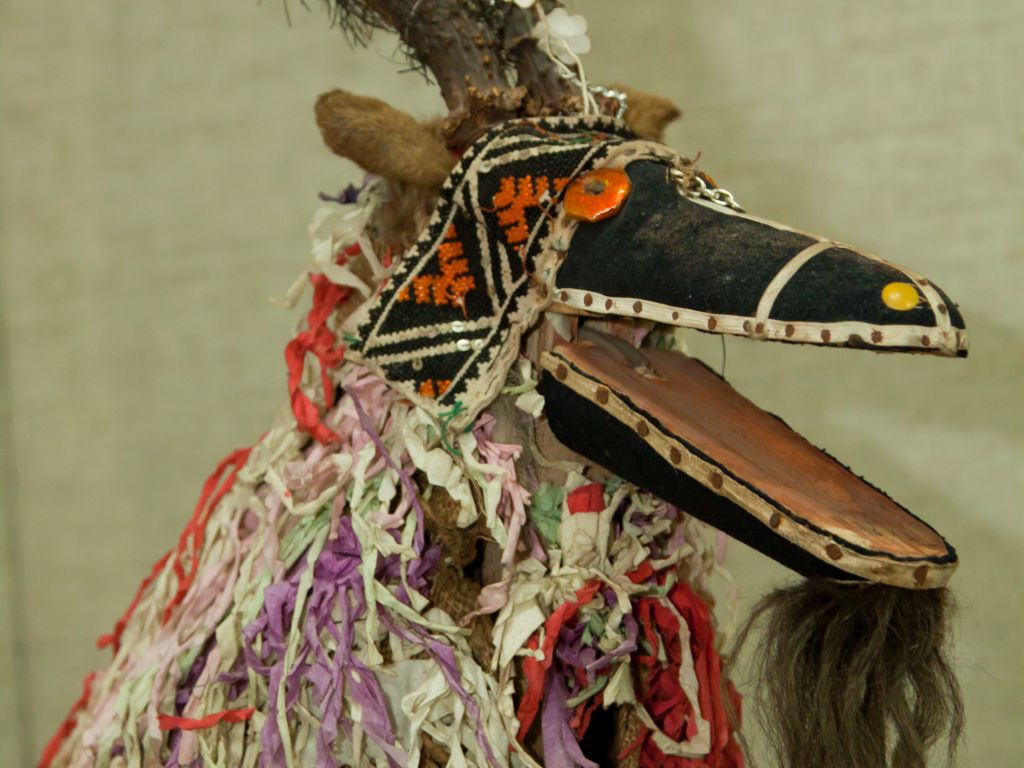
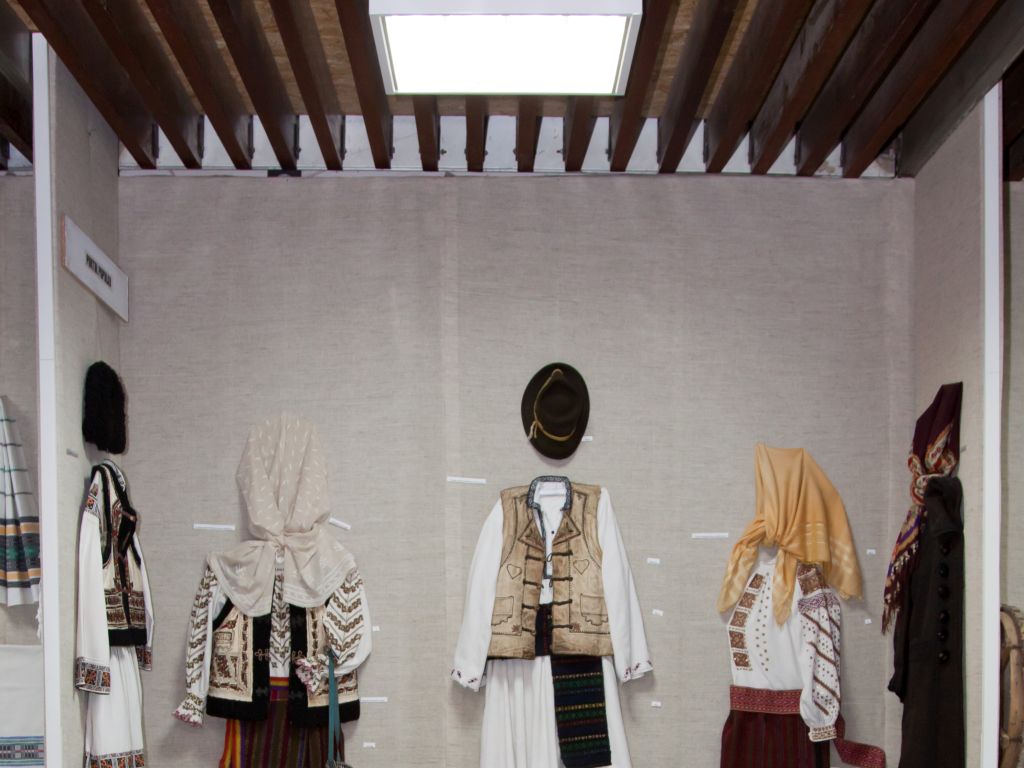
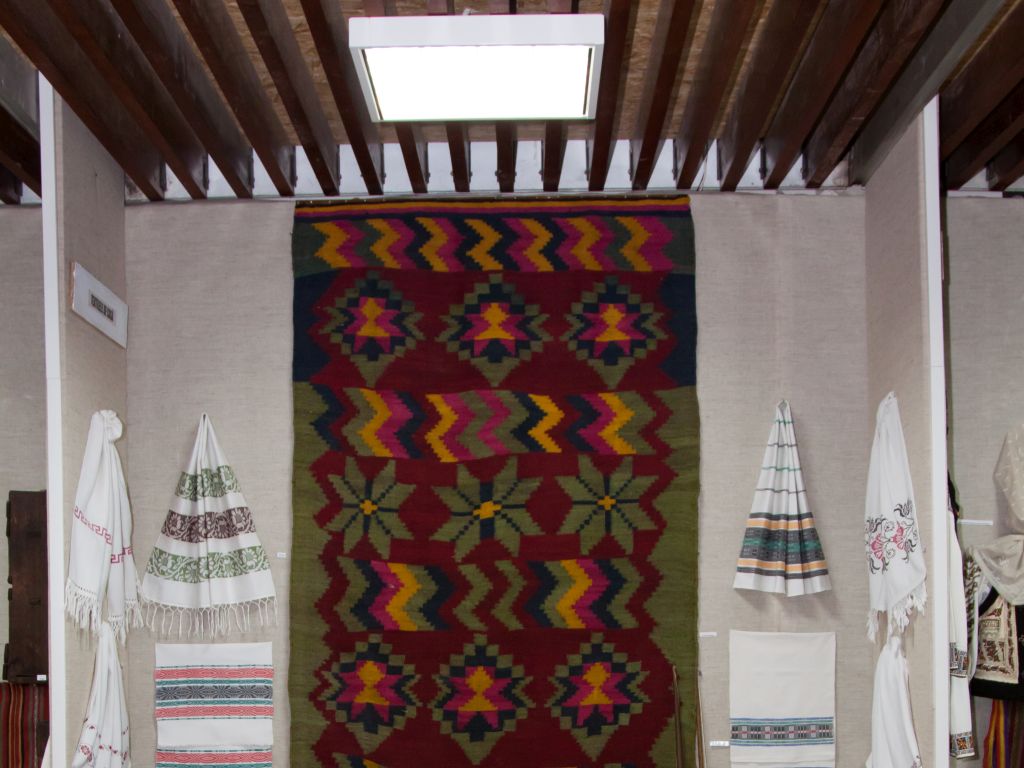
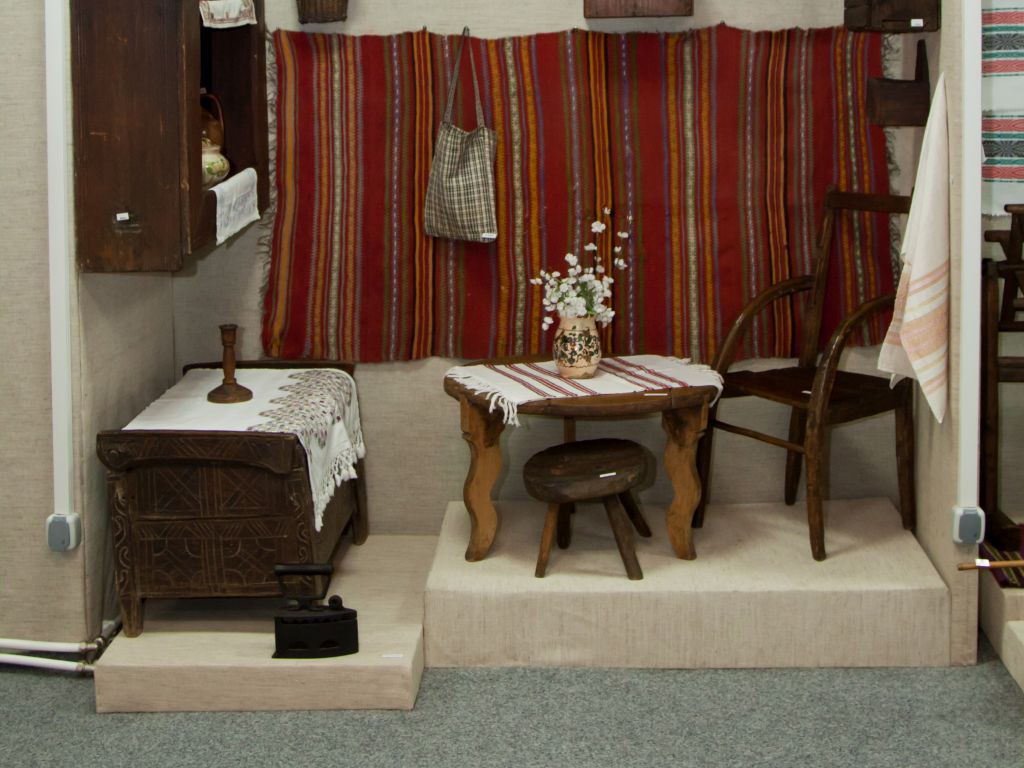
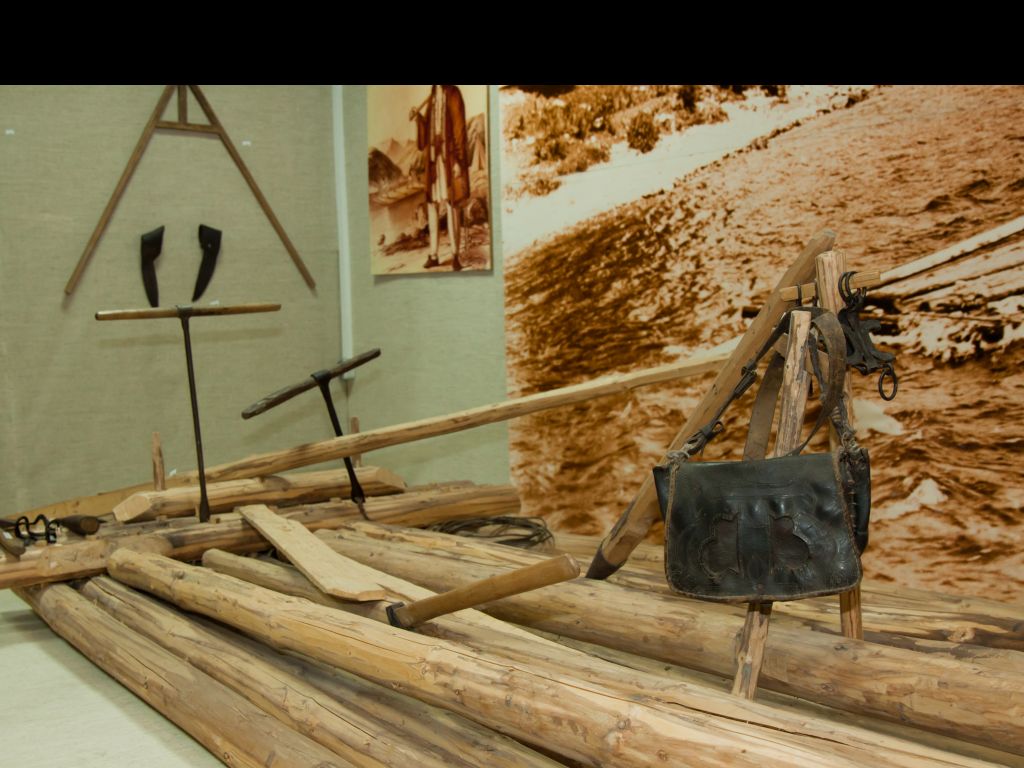
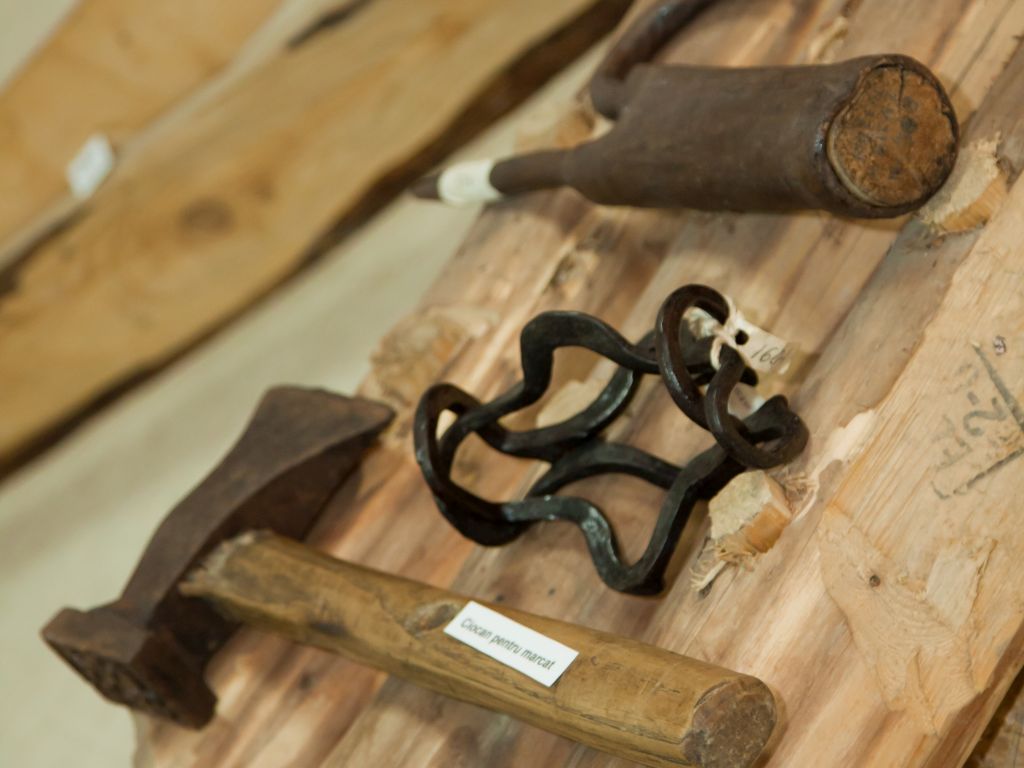
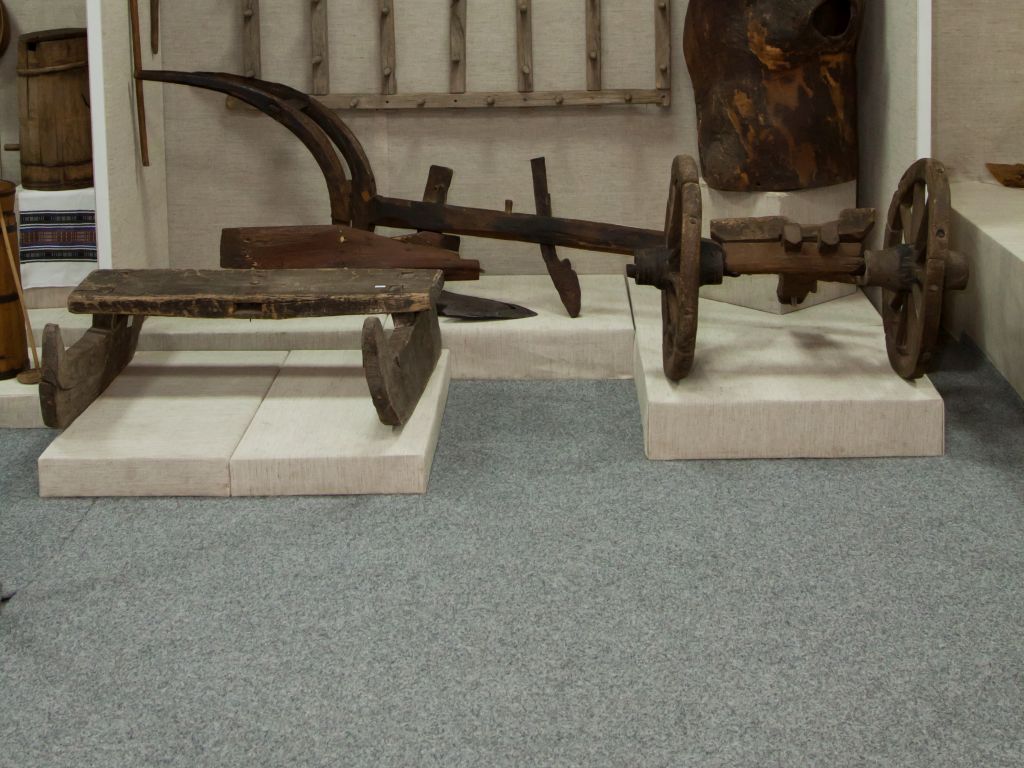
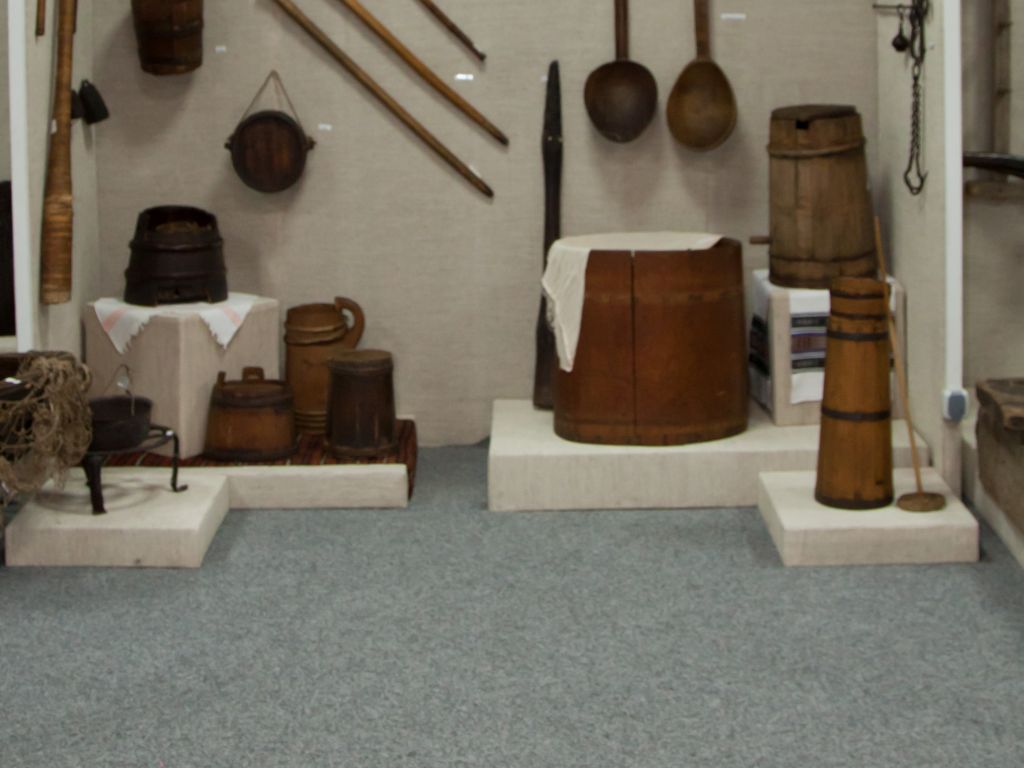
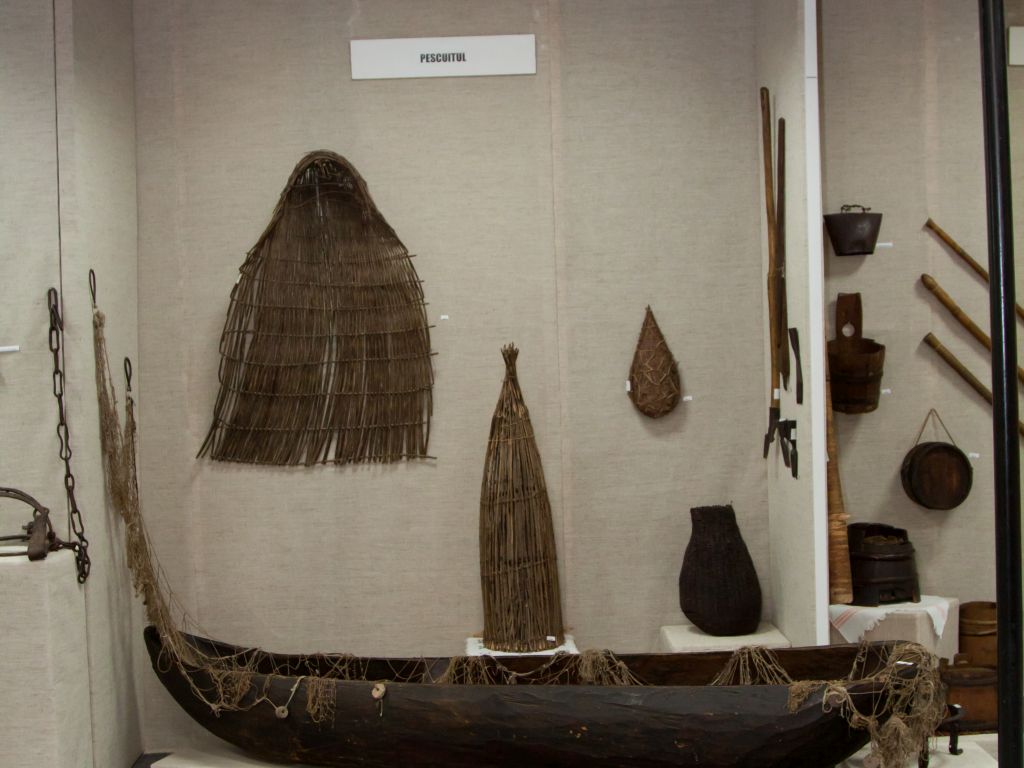
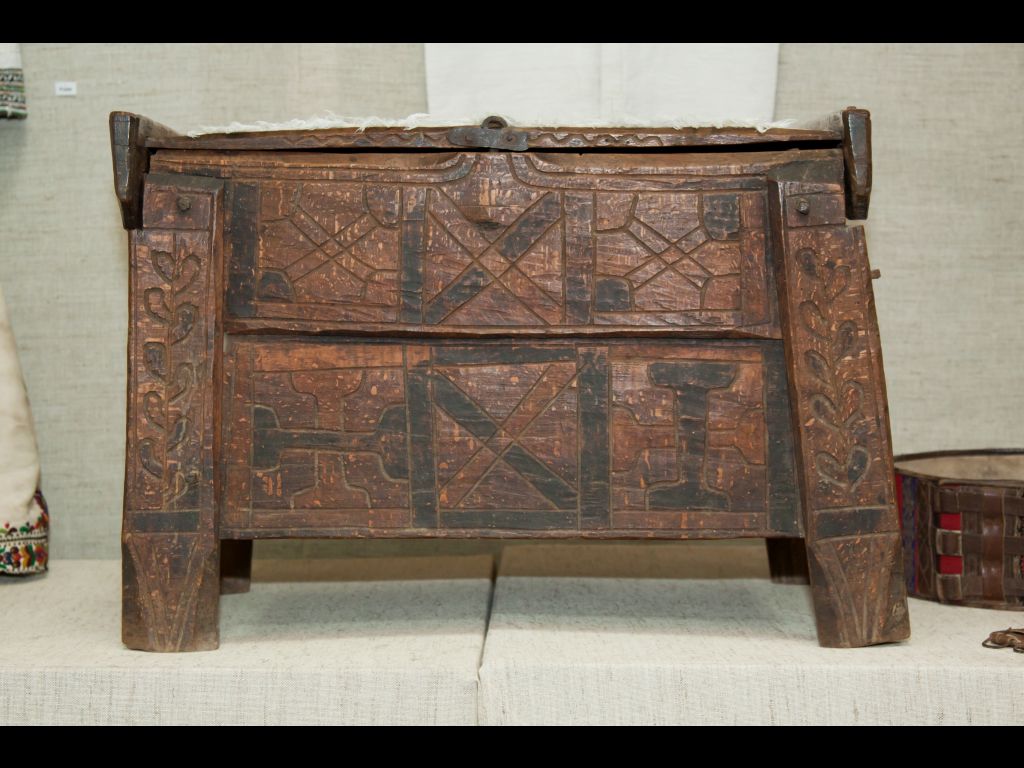
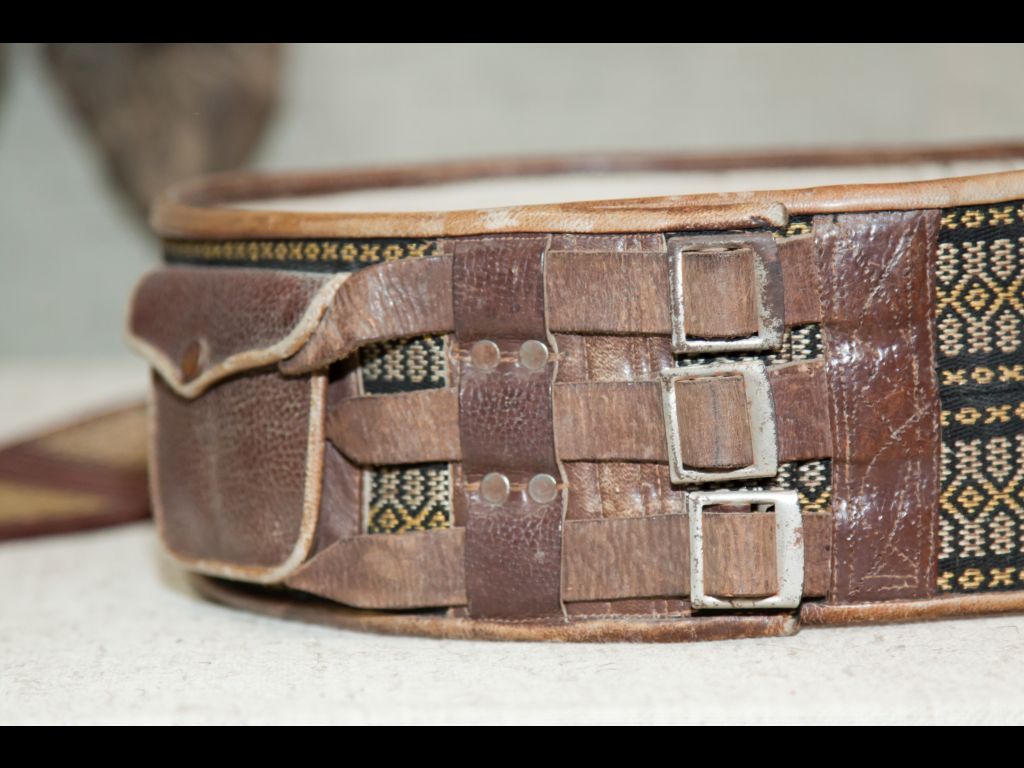
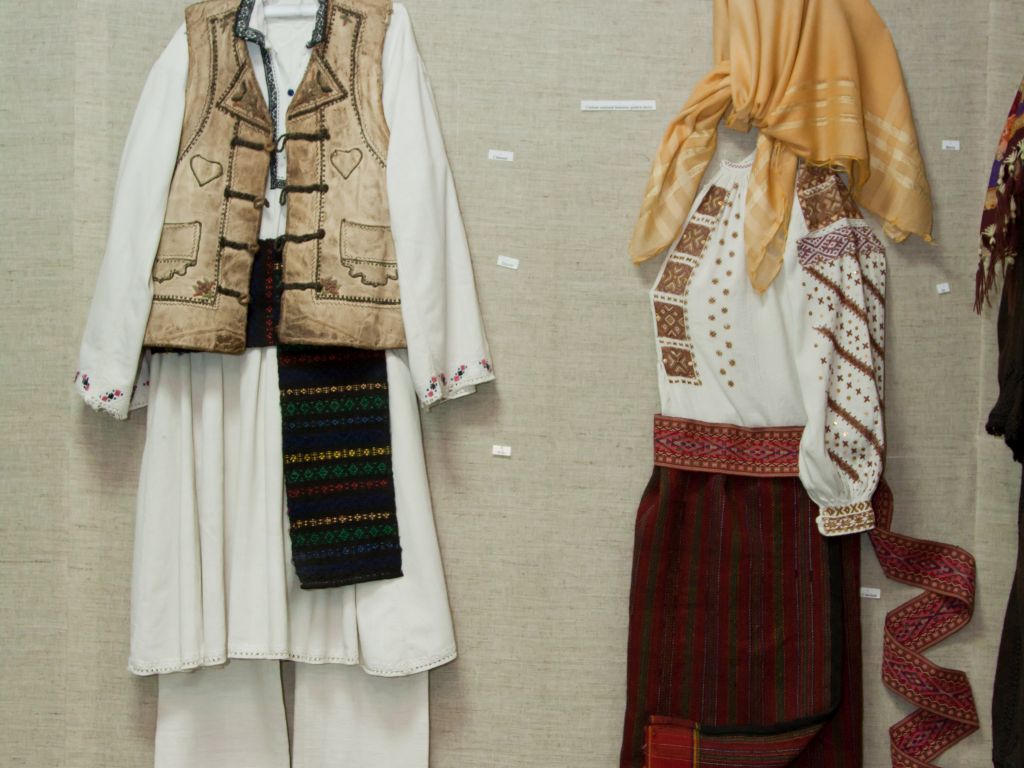
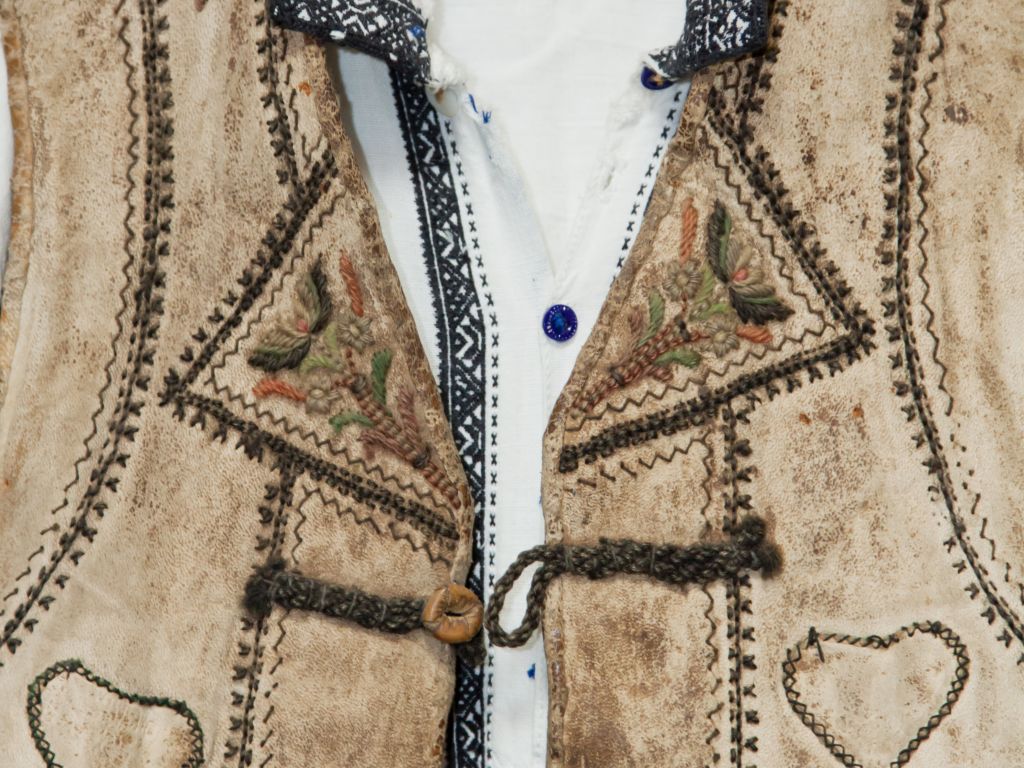
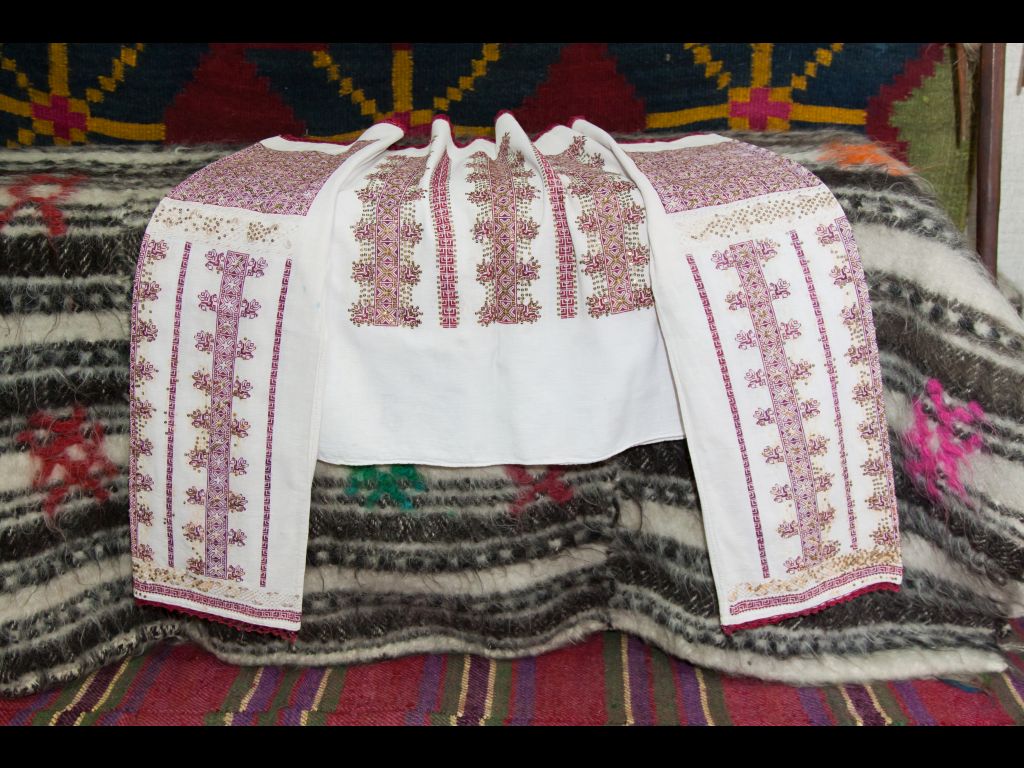
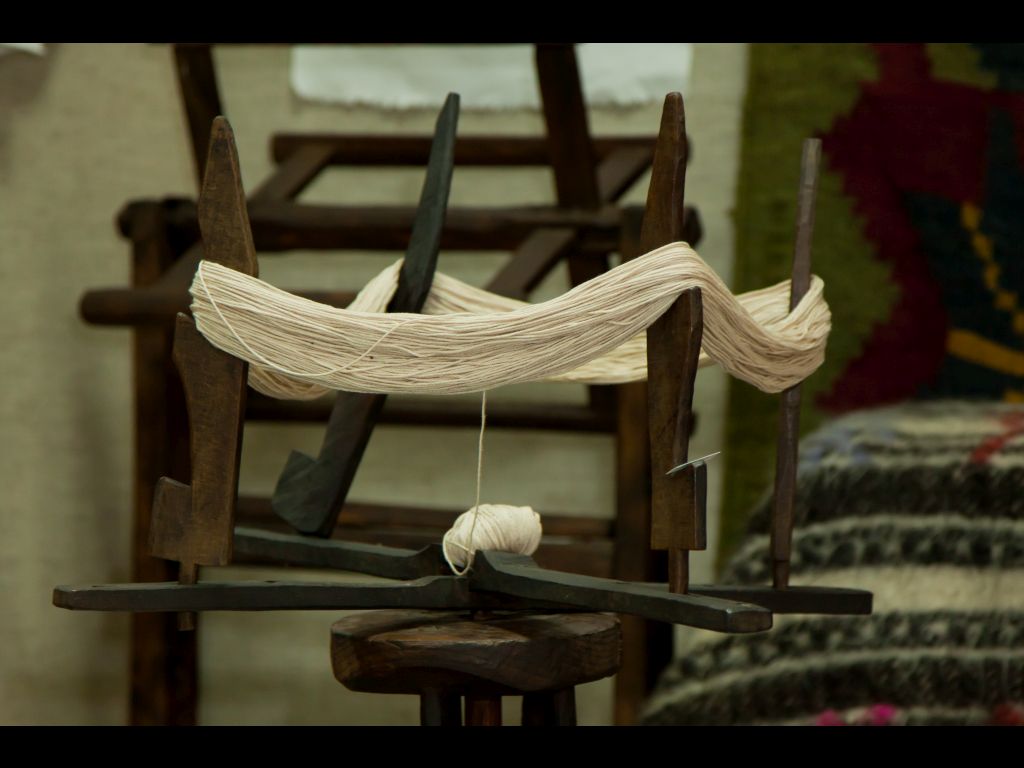
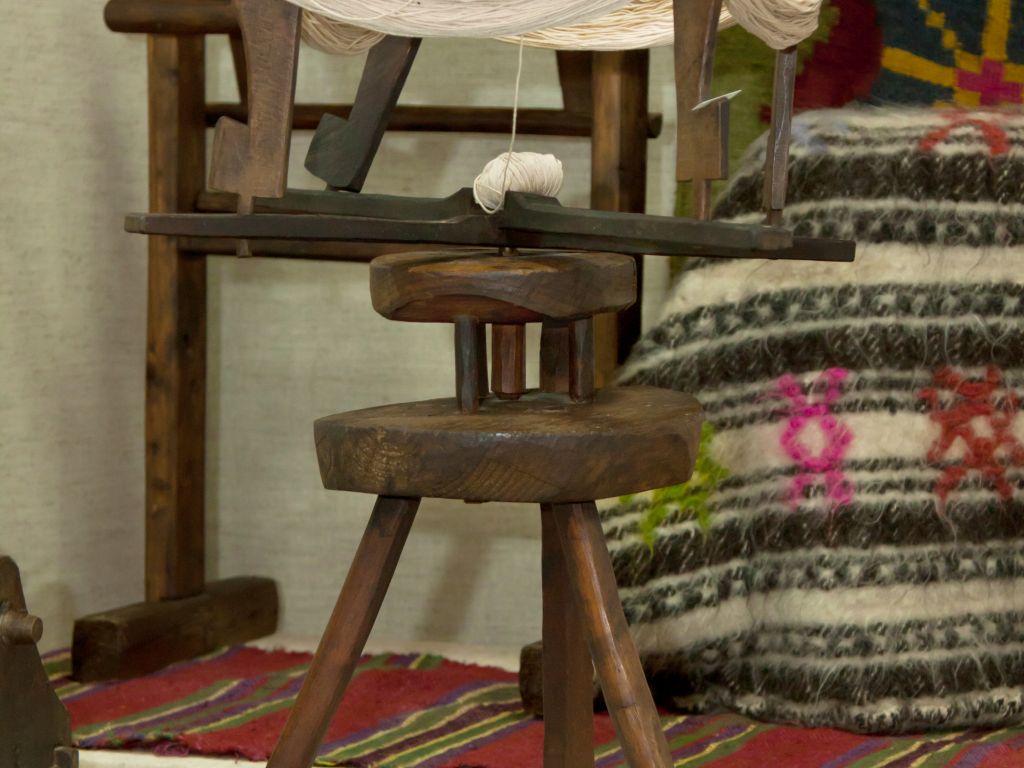
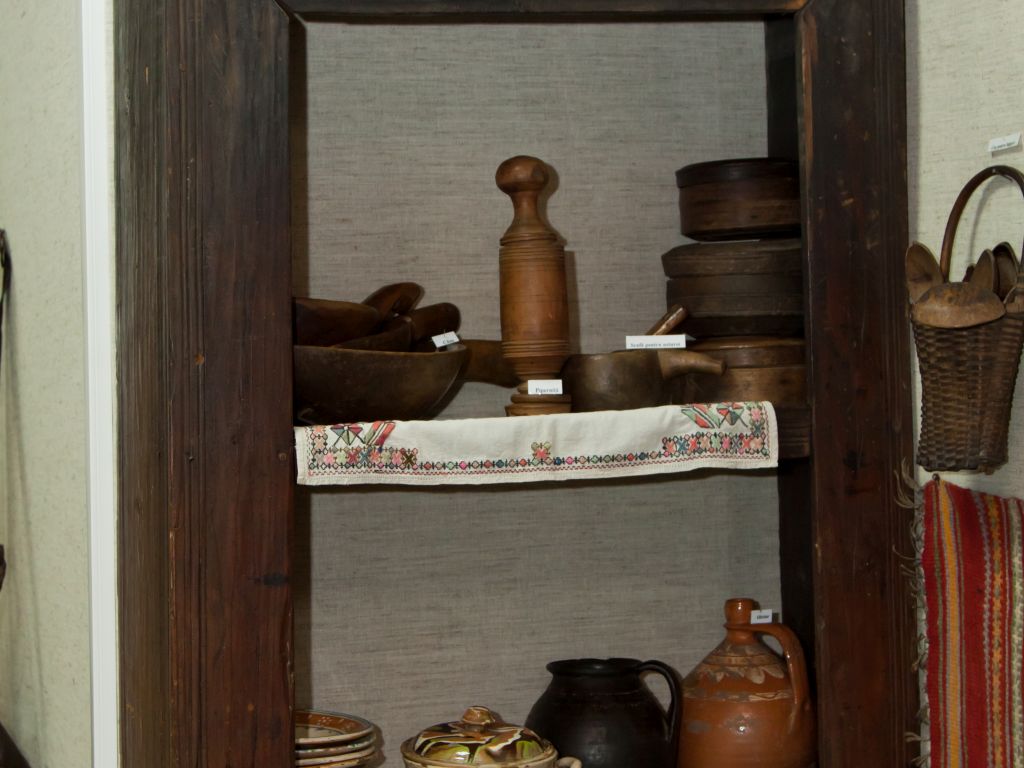
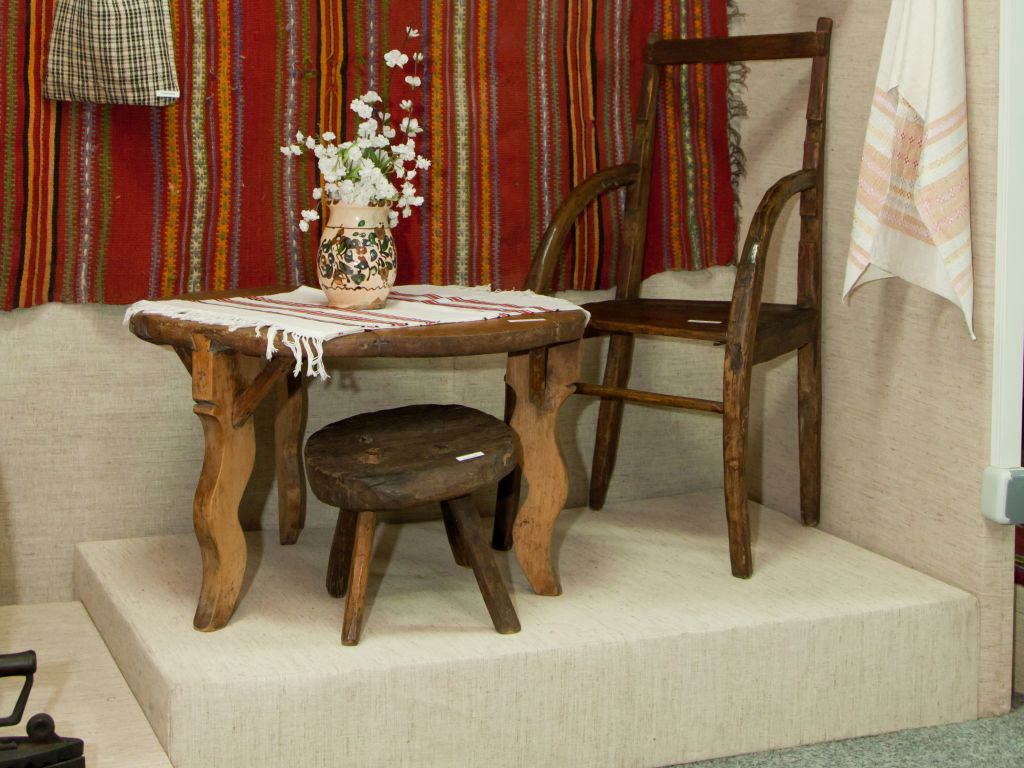
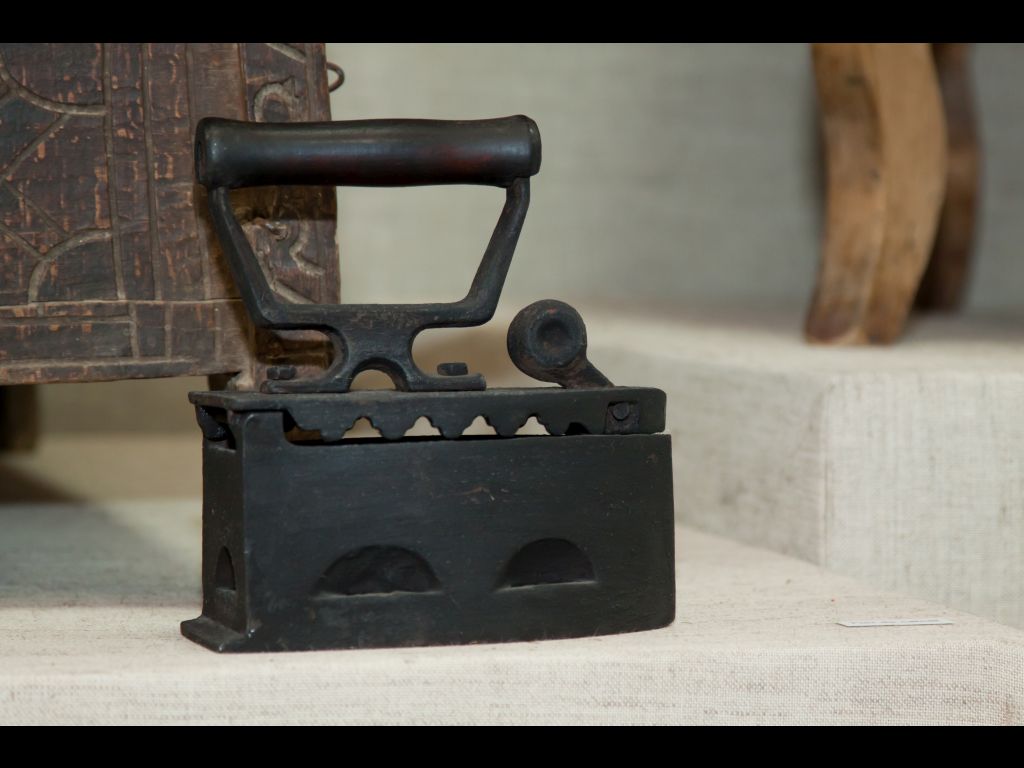
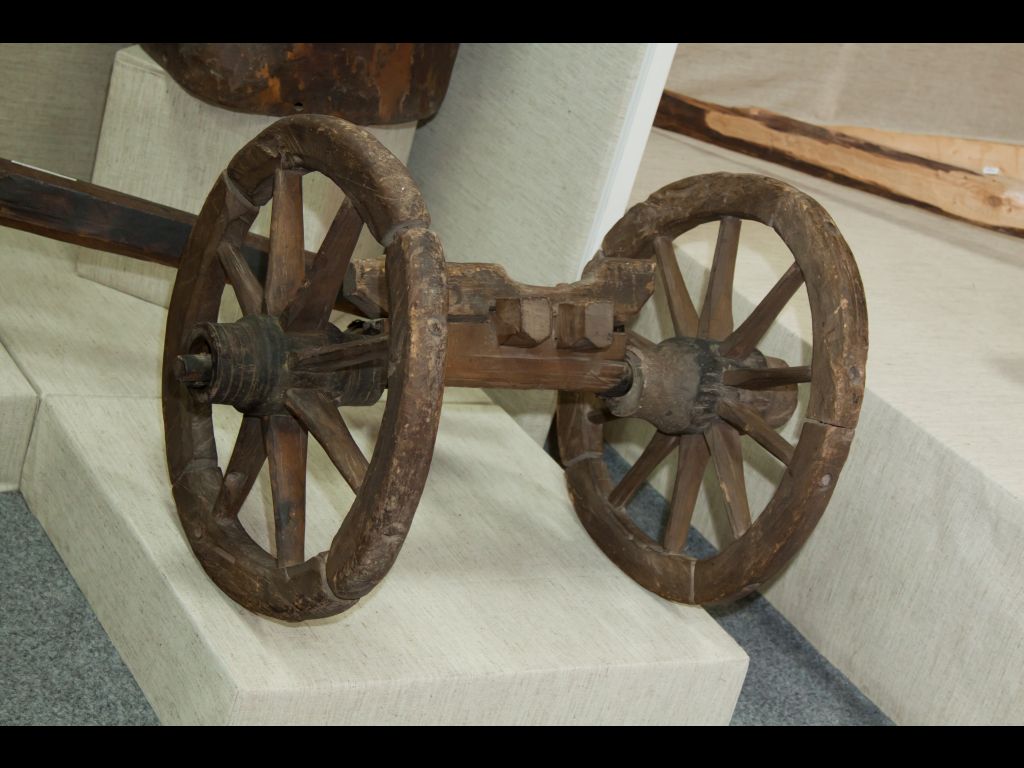
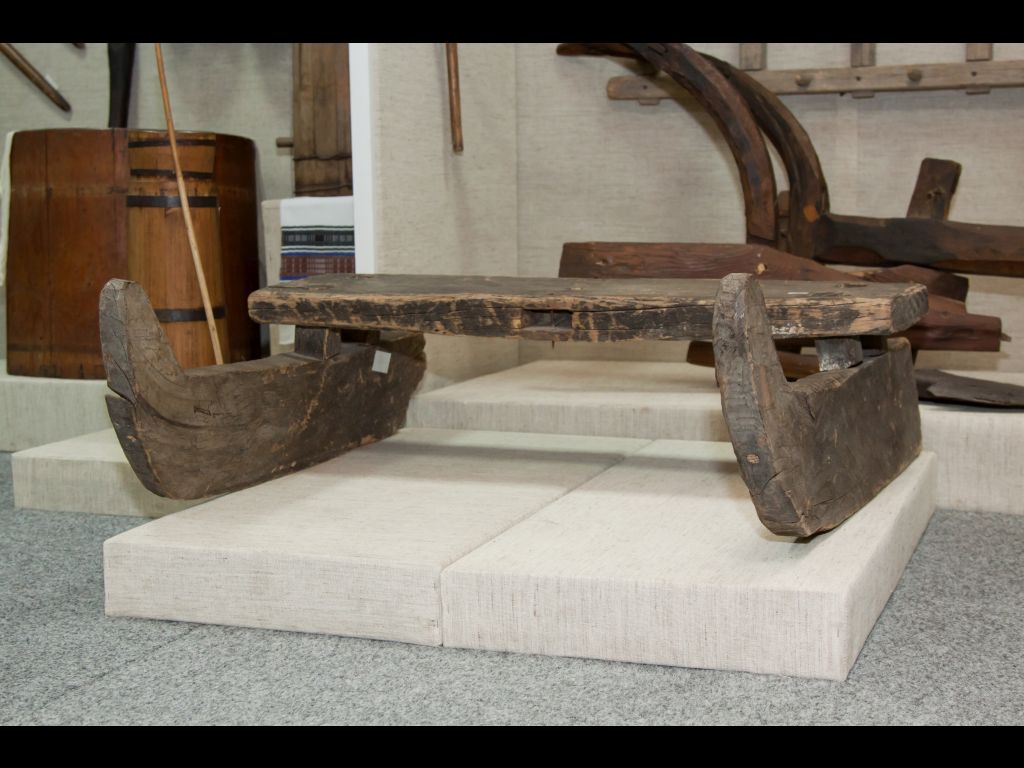
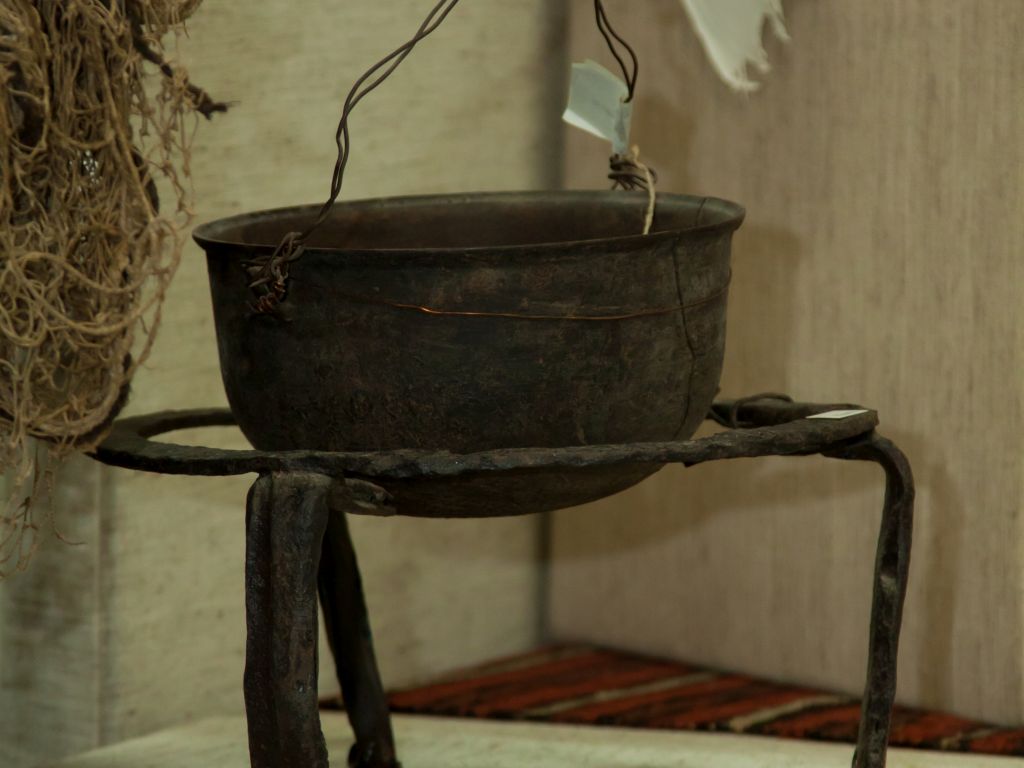
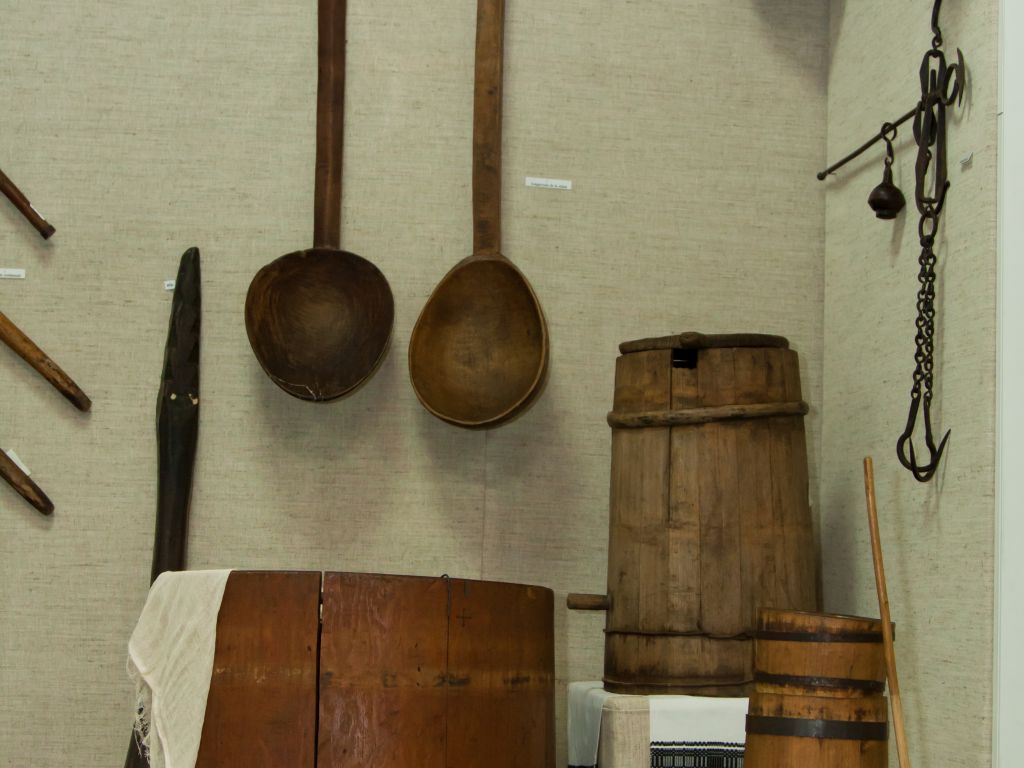
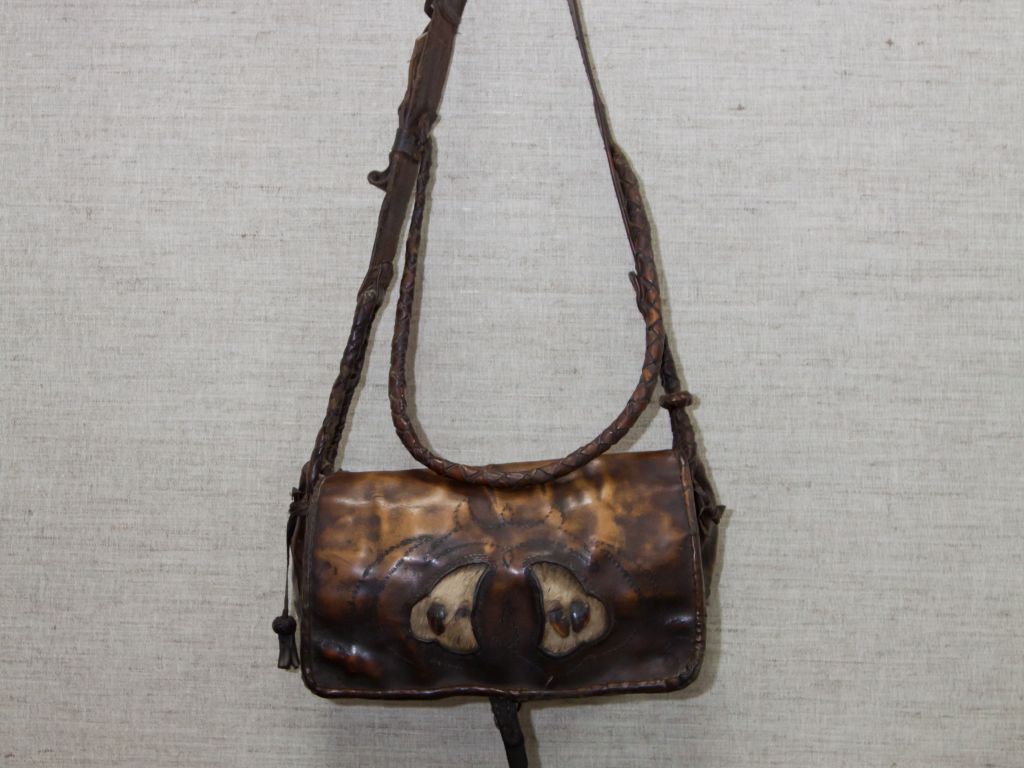
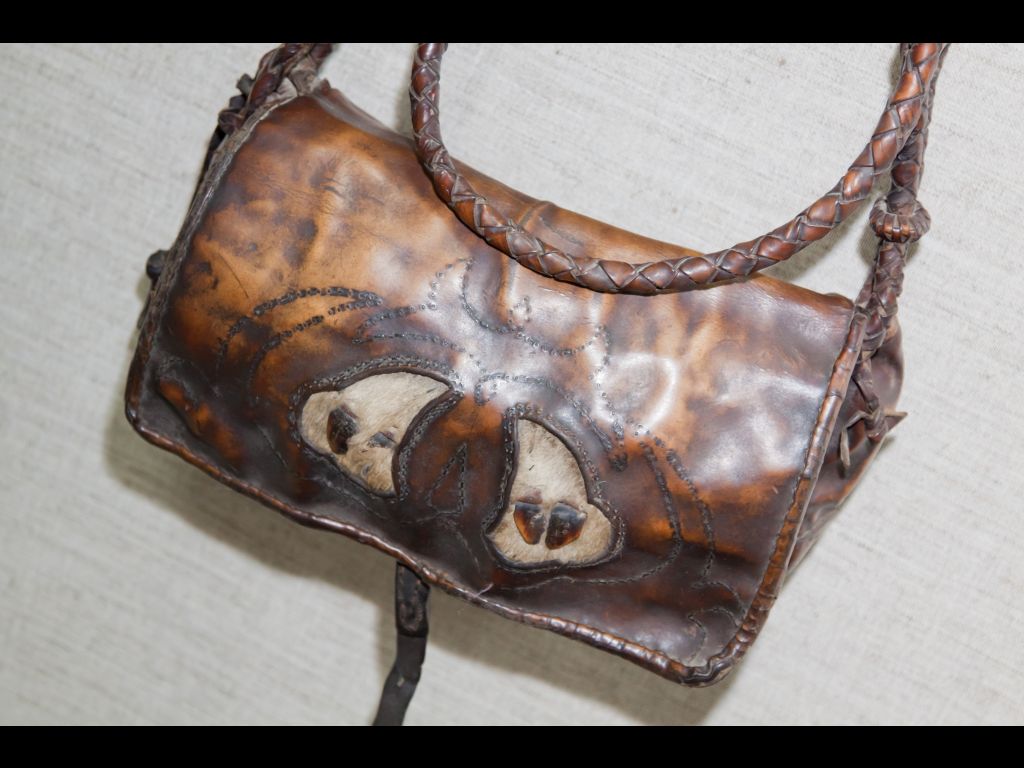
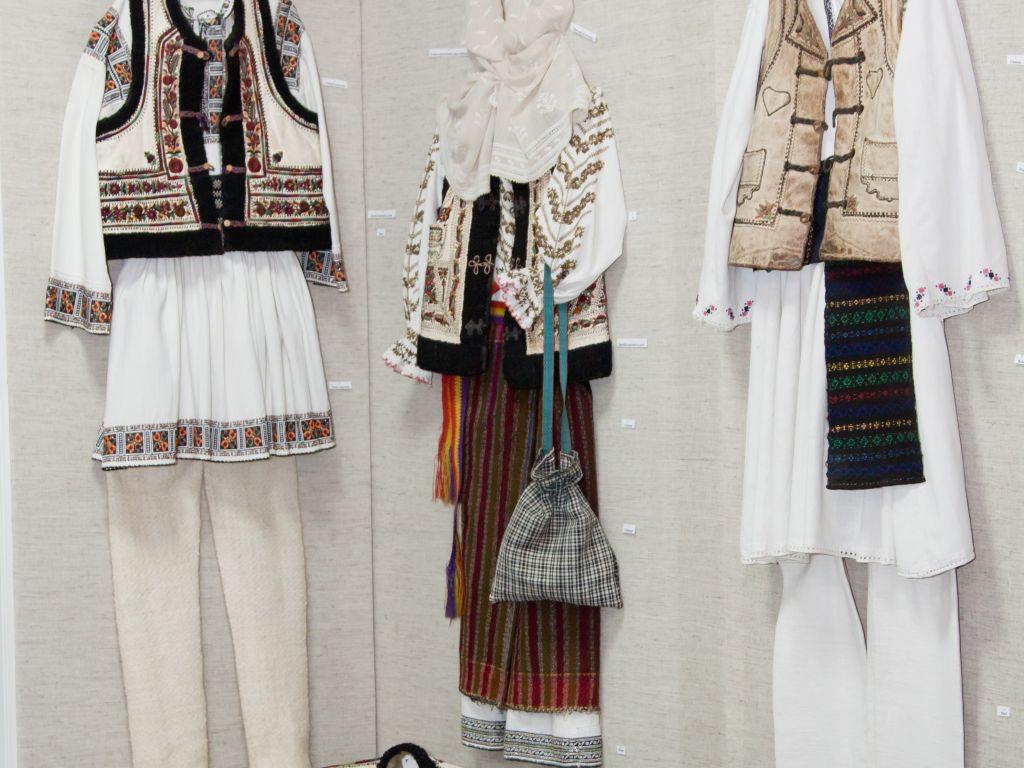
The base exhibition has three distinct areas. The first is dedicated to the history of the Bistrița Valley and illustrates the locals’ participation to great historical events, medieval churches, the foundation of the Bicaz and Borca Crown Domains. In addition, the deeds and documents belonging to the civil engineer Dimitrie Leonida (1883-1965), who designed the Bicaz dam for the hydropower system and coordinated the execution of the works, are on display. The second presents the more recent development of human settlements and the ethnographic elements specific to the Bistrița Valley area, illustrating the locals’ basic occupations, their beliefs, and Christmas and New Year’s customs. The third area of the museum is dedicated to art exhibitions.
Photo Album:
Video:
More on the same topic
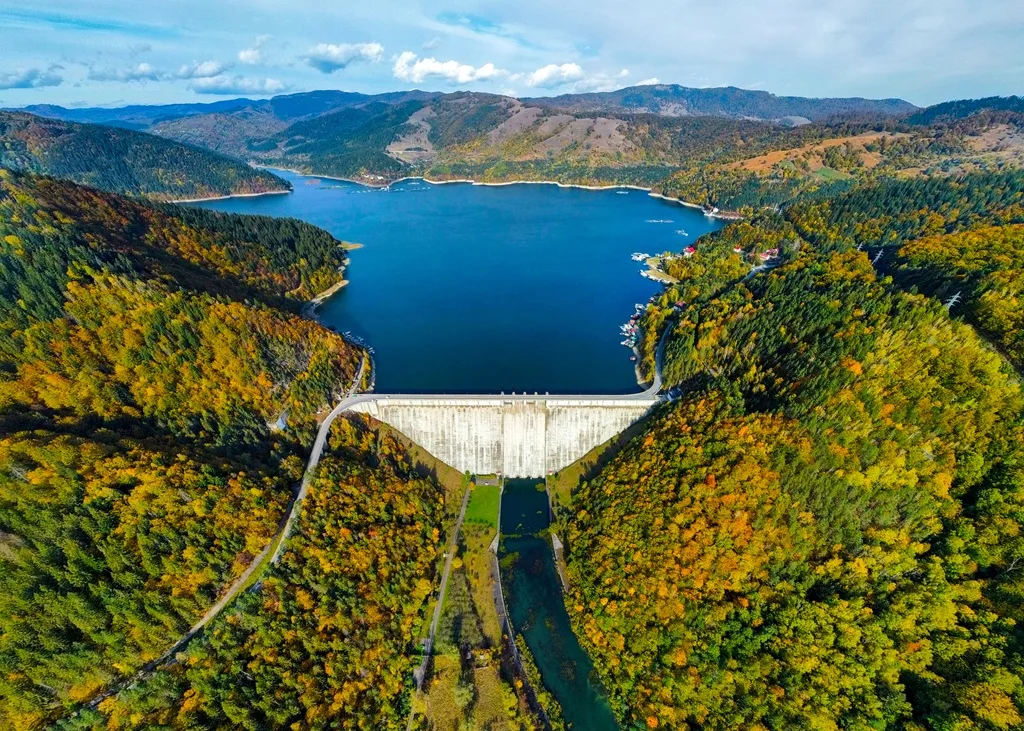
A Thousand and one stories in Neamt
Dear Traveller, wherever you come from, we invite you to discover the blessed lands of Neamț, a sacred realm once inhabited by the ancient Dacians, rich in legends and myths, with a history and roots…
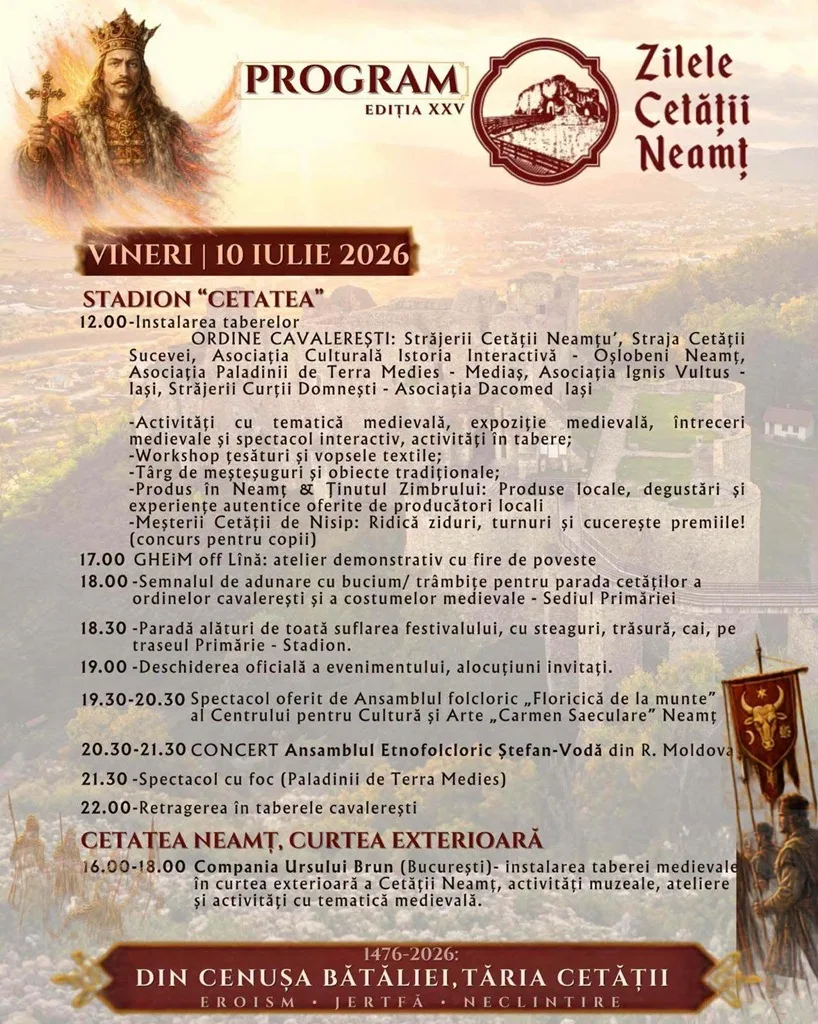
A quarter of a century of medieval events in Neamț
The Zilele Cetății Neamț Medieval Festival marks a quarter of a century. Now in its 25th edition, this year's event will open its doors from 10–12 July to a world of stories and pages of history from the time of Stephen the Great, Prince of Moldavia.
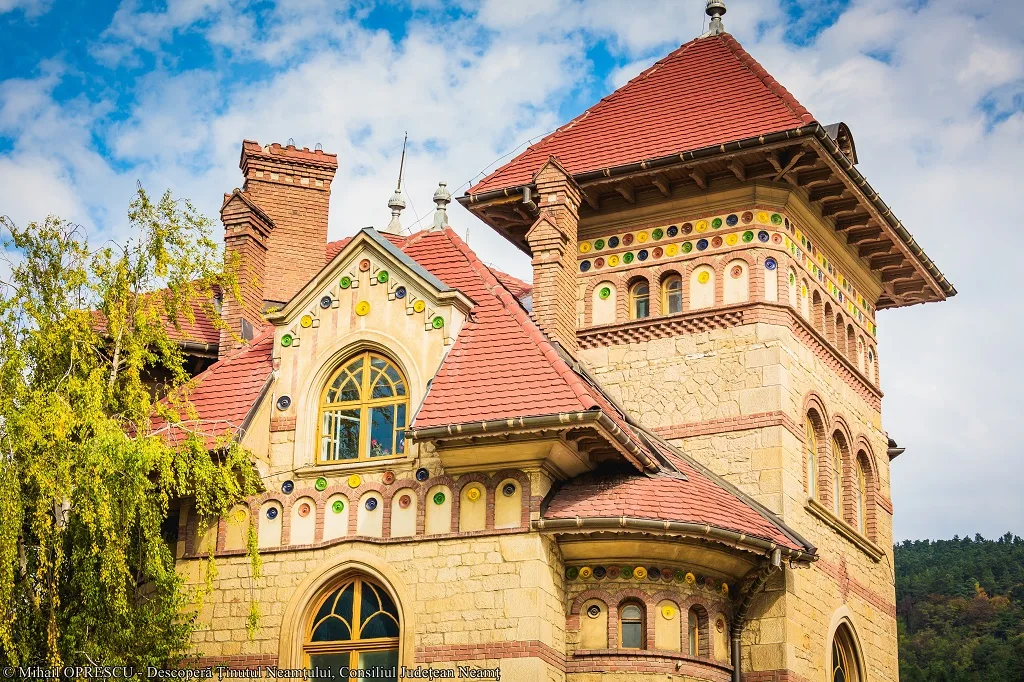
South-eastern Europe’s most important collection of Eneolithic art – a finalist in Destinația Anului 2026
The development of human communities in Neamț County, dating back to the Upper Palaeolithic, contributed to the emergence of Europe’s most remarkable and most extensively studied prehistoric…