The Piatra Neamț – Roznov – Costișa tourist route
Nestled among mountains, the town of Piatra Neamț is one of the country’s most picturesque settlements, offering visitors a wide variety of places to explore. A tour of the town and a stroll through its museums, where you can discover the history, traditions and beauty of the area, will make you feel as though you are in a little tourist paradise.
You can then continue your journey through the areas of Roznov, Piatra Șoimului and Negulesti, admiring the natural beauty and the monuments that bear living witness to the history of this region. Here are a few sights you must visit on your journey from Piatra Neamț towards Roznov and Costișa. You can also read about other tourist routes in Neamț.
Cozla Piatra Neamț Park Complex – is laid out on successive terraces, which accommodate the “Colibele Haiducilor” and “Cercul Gospodinelor” restaurants. At the foot of the park is a small zoo, a real delight for visitors, with species of local wildlife (bears, wolves, roe deer, foxes, birds, etc.). The summit of Cozla Hill, once a vast glade full of flowers and mountain grasses, is now home to the upper gondola station, the sledging slope, the starting point of the ski slope and the upper chairlift station, which allows skiers to reach the summit of Cozla Hill.
Piatra Neamț Natural Sciences Museum – The museum’s permanent exhibition offers a comprehensive study of Neamț County, covering its geology, palaeontology, flora, fauna and ecology. The museum currently holds approximately 40,000 specimens in its fauna collections and over 10,000 herbarium sheets in its flora collections. It also houses a collection of fossil fish unique in the world, as well as rare geological, animal and plant specimens from the mountains of Neamț.
Cucuteni Eneolithic Art Museum – The Cucuteni Eneolithic Art Museum opened in the summer of 2005 and is the first Cucuteni museum in Romania. It occupies modern premises in Piatra Neamț, opposite the Town Hall, and displays around 300 artefacts from the Precucuteni – Cucuteni cultures, classified in the “treasure” category of the national cultural heritage.
Calistrat Hogaș Memorial House – The memorial museum was established in 1969 in the house where the writer Calistrat Hogaș (1847-1917) lived. Built in 1885 in a distinctive architectural style, the house is listed among the architectural monuments of the National Cultural Heritage.
Roznov Dendrological Park – The park covers 3 ha and is a source of pride for the town of Roznov. Rare species found here include silver fir, the pine described in the source as “snob”, American arborvitae, Japanese pagoda tree, yellow acacia and sumac. The park formed part of the Roznovanu boyar estate and was a place where many prominent figures and boyars once came to spend a few days resting.
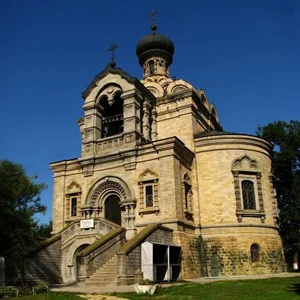
Saint Nicolae Church – Set in Roznov Park, “Saint Nicolae” Church was built in the late 19th century by the renowned landowner and politician Colonel Gheorghe Ruset Roznovanu. The church is striking for its architecture, unusual in this area, as though it belonged among the churches that dominate Russia.
The Piatra Șoimului – Luminis – Negulesti area – is a picturesque area where visitors can admire Veselaru, a naturally dammed lake formed in 1940 following landslides over an area of 3,500 m². Duras Waterfall is also here, rivalling Duruitoarea Waterfall on Mount Ceahlău for its picturesque beauty. The area also has strong historical associations through the ruins of Horodistea Dacian Fortress.
Nechit Monastery – The monastery at Nechit stands in a glade on the western edge of Nechit village, surrounded by wooded hills. This site was chosen by the hermit Nechita, who practised asceticism and prayed in these parts, and after whom the valley, mountain and stream surrounding his place of worship were named. The first building on this site was a small wooden church dedicated to “Saint Nicolae”, known as “Nechita’s Hermitage” or “Nechit Hermitage”. Documentary records indicate that the church existed in the Nechit stream valley between 1399 – 1419.
Tazlău Monastery – The monastery at Tazlău is first mentioned in a document from 30 October 1458, when Stephen the Great, at the request of Eustatie, abbot of Bistrița Monastery, confirmed the boundaries of the protected woodland belonging to Tazlău Monastery as far as Rachitis. The masonry church “Nasterea Maicii Domnului” at Tazlău was built between 1496-1497 on the site of the old wooden church built by Alexander the Good, and is one of the most monumental foundations of Voivode Stephen the Great.
More on the same topic
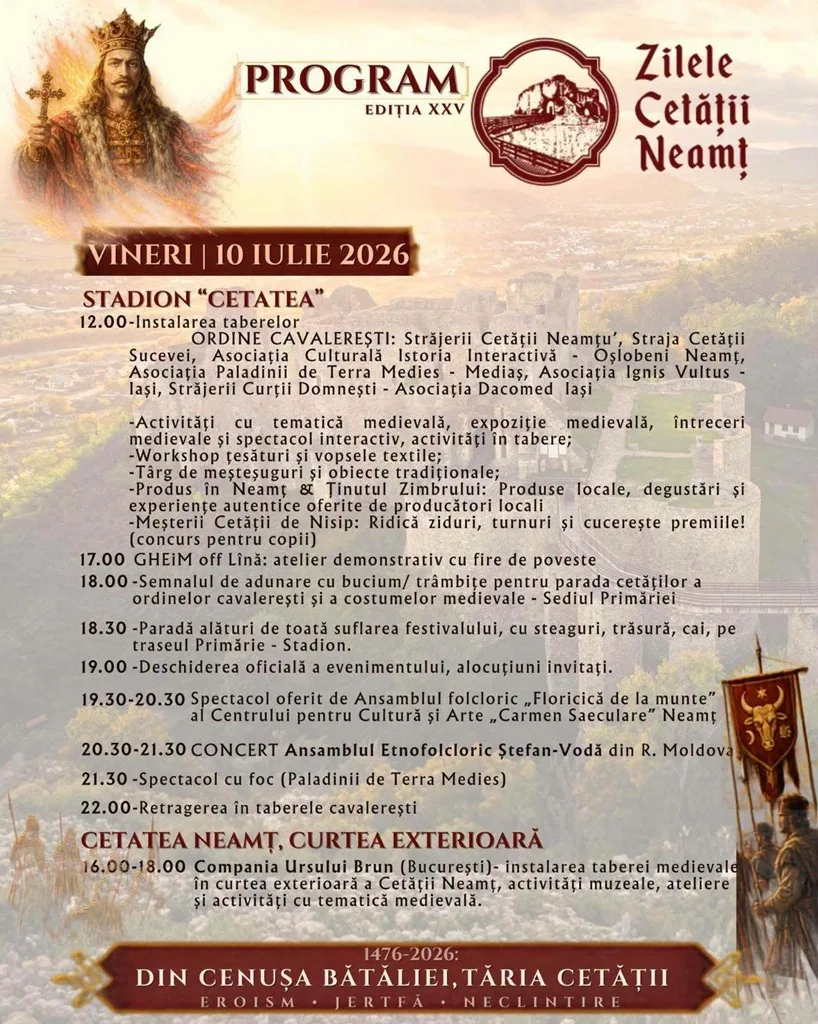
A quarter of a century of medieval events in Neamț
The Zilele Cetății Neamț Medieval Festival marks a quarter of a century. Now in its 25th edition, this year's event will open its doors from 10–12 July to a world of stories and pages of history from the time of Stephen the Great, Prince of Moldavia.
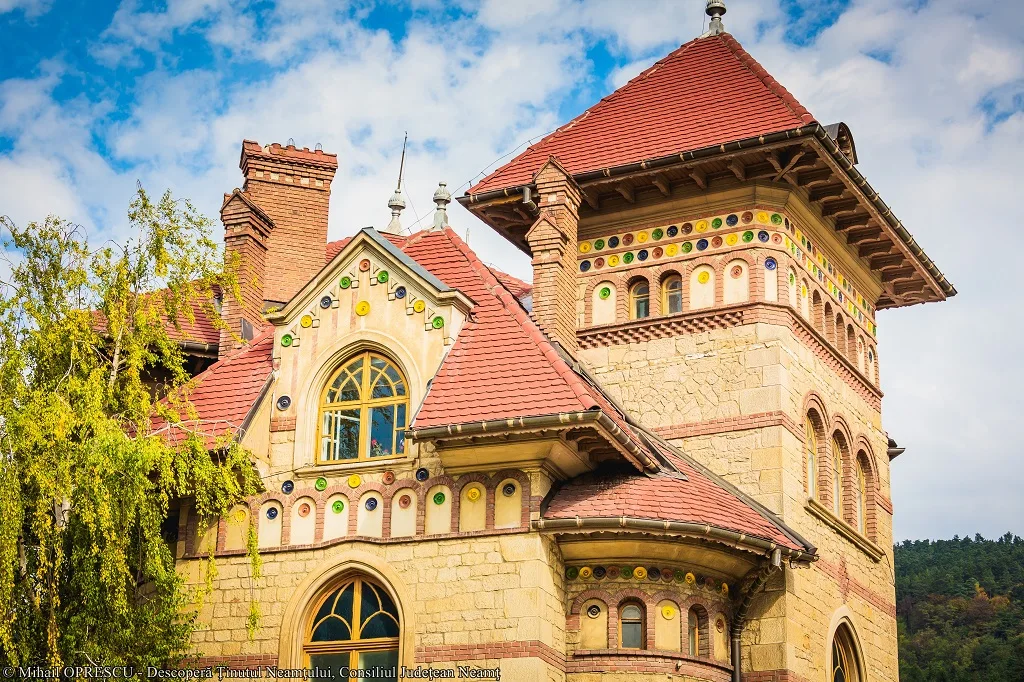
South-eastern Europe’s most important collection of Eneolithic art – a finalist in Destinația Anului 2026
The development of human communities in Neamț County, dating back to the Upper Palaeolithic, contributed to the emergence of Europe’s most remarkable and most extensively studied prehistoric…
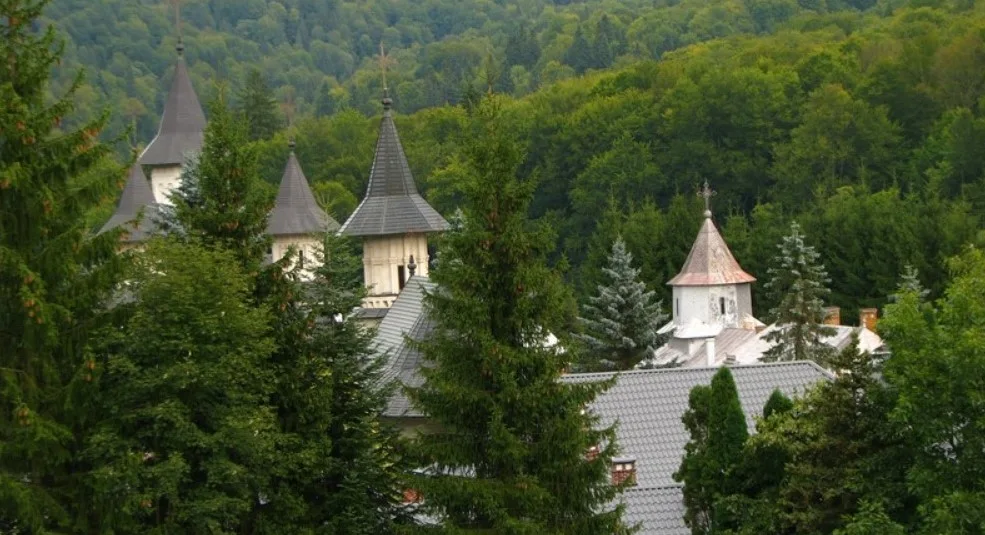
Spiritual treasure in Neamț: “In the Stânișoarei Mountains, people are the light”, a report from “România, te iubesc!”
Filmed right on the night of the Resurrection of the Lord, the report shows you that “here is the centre of Romanian monasticism!” At the foot of the mountain, where the ascent to Sihla begins, there is Agapia Monastery, beyond the mountain, at