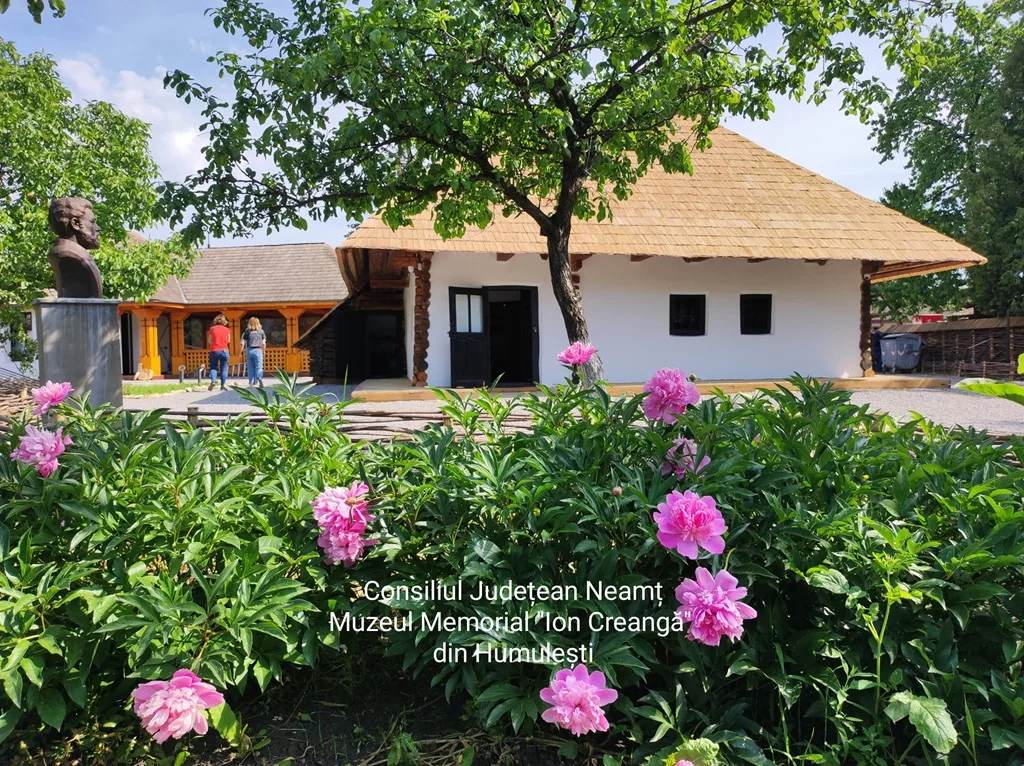
One of the country’s most visited museums reopens in Neamț
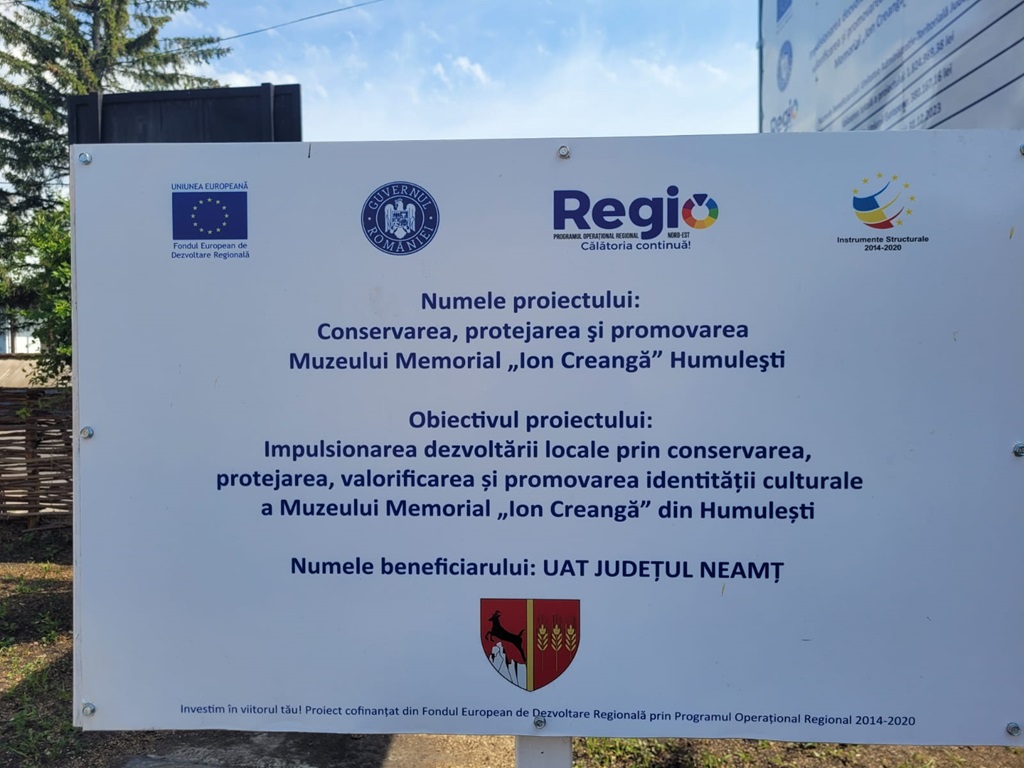
The Ion Creangă Memorial Museum in Humulești, Neamț County, opens its doors to visitors on Sunday, 2 June 2024, after 15 months and 18 days of work on the “Conservation, protection and promotion of the Ion Creangă Memorial Museum”, one of the latest projects completed by Neamț County Council, funded through Regional Operational Programme 2014-2020.
At Humulești, you will once again be able to enjoy the childhood world of Creangă, Romania’s best-loved storyteller, who left us “his childhood” as a legacy: a monumental literary masterpiece and an incomparable, indisputable and priceless intangible heritage that enriches us, makes us proud to belong to this region and inspires us to promote it so that other visitors can discover it too.
Although the building is small, conserving it was extremely difficult and demanding, but the conclusions at the final inspection confirm that the project was completed flawlessly, and this little house evokes so much emotion through the words and childhood moments that Creangă so beautifully immortalised in our collective memory:
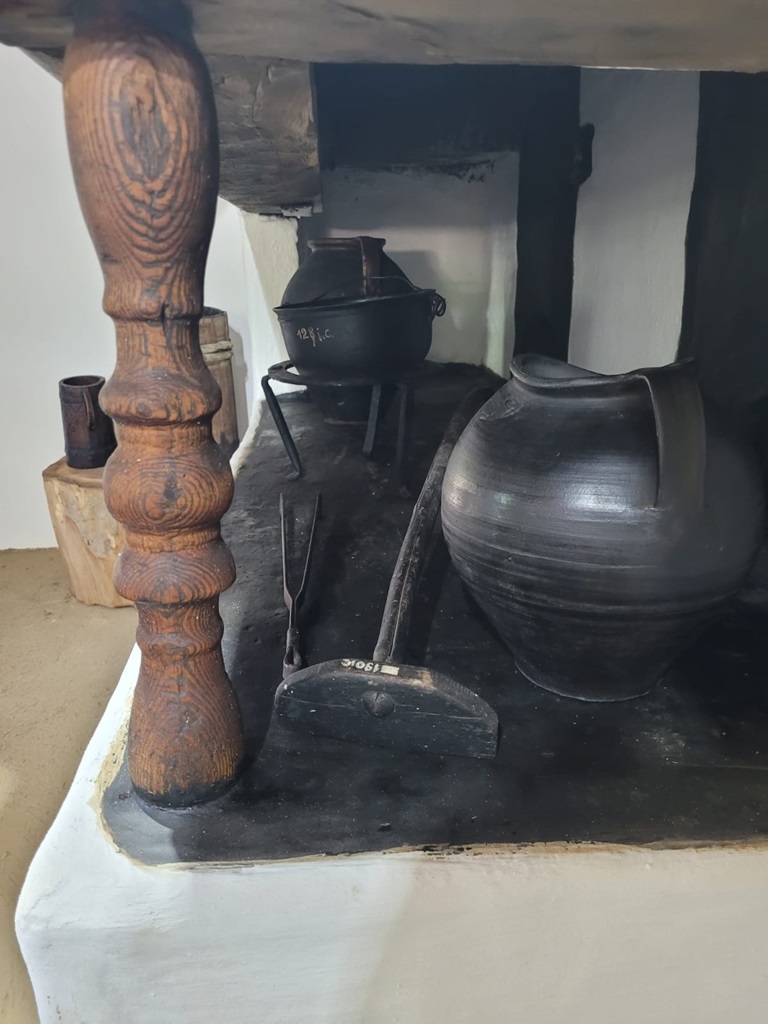
“ I do not know how others feel, but when I think of my birthplace, of my parents’ house in Humulești, of the chimney post where Mother tied a string with tassels at the end that drove the cats wild as they played with them, of the clay-plastered edge of the hearth that I held on to when I first began to toddle, of the oven I hid on when we boys played hide-and-seek, and of other games and toys full of childhood fun and charm, my heart still seems to leap with joy! And, Lord, life was lovely then, for my parents, brothers and sisters were all healthy, and our home had everything we needed, (…) And I was as cheerful as fine weather, as mischievous and childish as the blustering wind. (…)”
One of the country’s best-loved museums, “Creangă House” is truly an architectural gem and, above all, an emotional one, through the wonderful, enchanting childhood that this little house has the power to awaken in each of us. Perhaps the world the storyteller depicts does not stir the same feelings and memories in today’s children, who neither identify with nor are familiar with country life or holidays with their grandparents. Yet the world of Creangă’s stories and recollections transcends time, remaining forever alive through everything it describes, through the charm and unmistakable, authentic language of the people of Moldavia, impossible to translate, with its shades of humour and emotion that cannot carry the same meaning in any other language:
“ Just as a bear will not be dragged from its den, a mountain peasant moved to the plains, or an infant torn from its mother’s breast, so I refused to leave Humulești in the autumn of 1855, when the time came to go to Socola at Mother’s insistence. Here is why: dear Lord, I was now a young bachelor, alas! And Iașii, which I had never seen, was not close to Neamț, as Fălticenii was. From there, in late autumn and especially during the winter festive season, when the nights were long, I could occasionally dash off, slipping away just after the call to evening prayers and pressing on through the moonlit evening with my companions to communal work gatherings in Humulești, at places we knew, running all the way like carriage horses. And after a kiss from those lively girls, we would leave the village before daybreak and be back in Fălticeni by late morning, wading barefoot through the ford opposite Baia, with the Moldova frozen along its banks, both on the way there and on the way back, until the cold froze the marrow in our bones! Our hearts, though, were warm, for whatever we set our minds to, we achieved. (…) But, as the saying goes: “The bear does not dance of its own free will”. Come what may, I had to do as Mother wished, leave against my will and abandon everything I loved!”
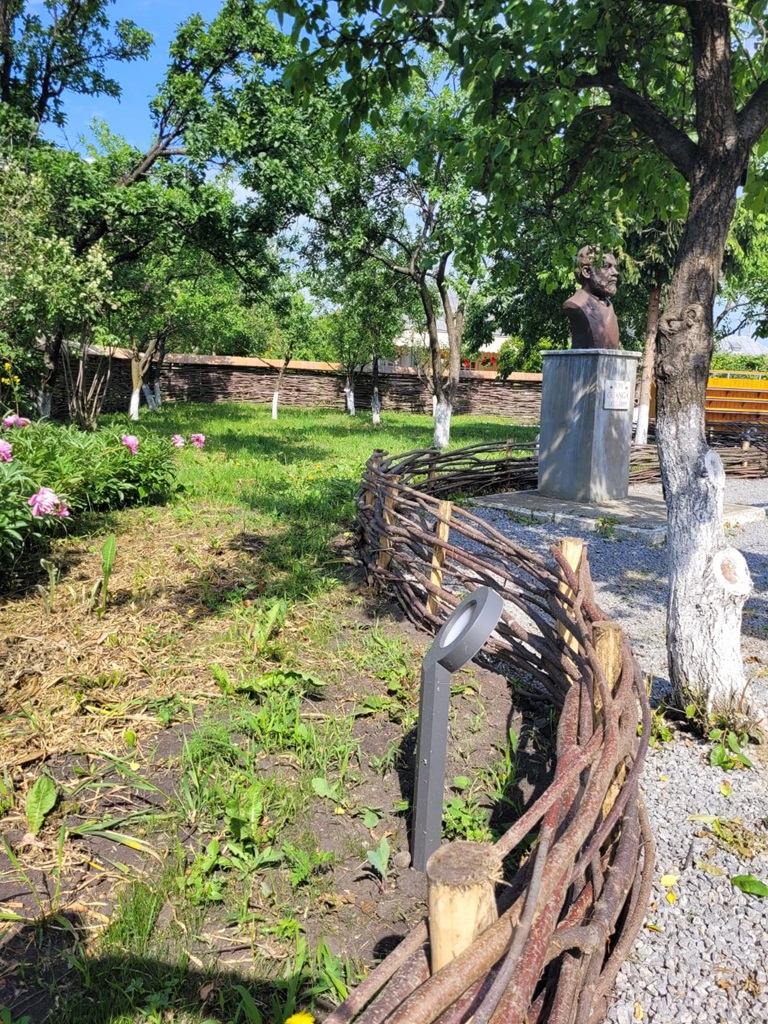
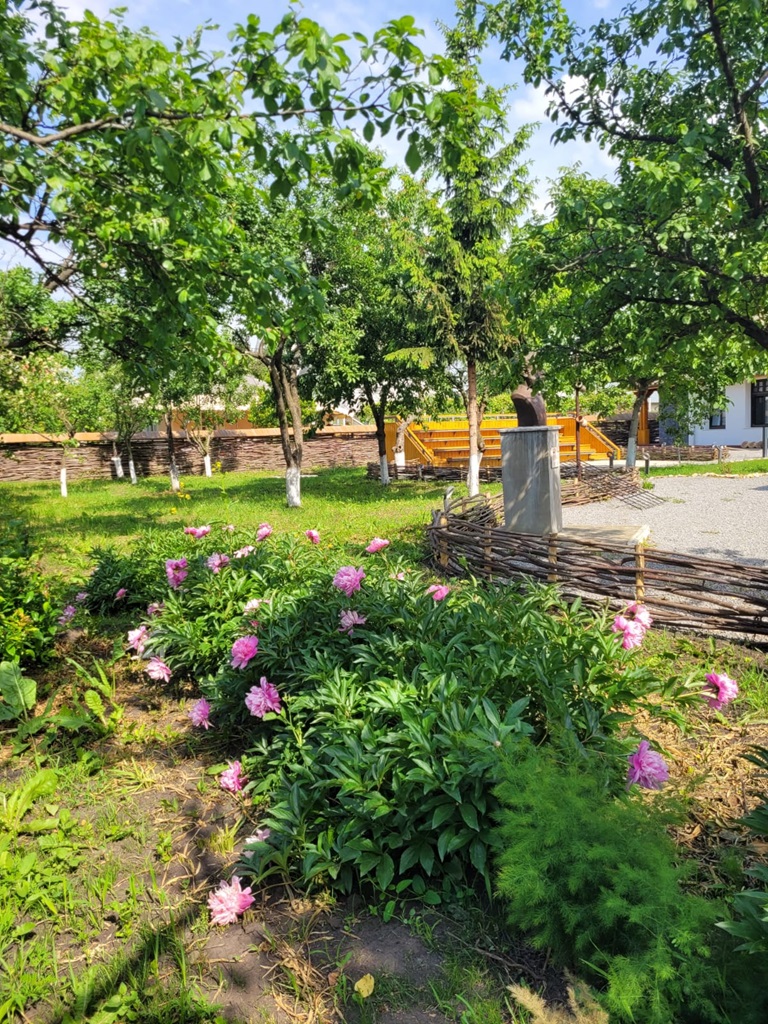
This is why we are so rich here at Neamț: we have such enduring treasures, and to preserve them, Neamț County Council restored, reinforced and conserved the existing building, as well as demolishing the exhibition space and toilets, which were in an advanced state of disrepair. A new building was also constructed to house an exhibition space, an office for museum staff and visitor toilets. The boundary fencing and entrance gates were also rebuilt, all installations inspected or replaced, the museum staff’s office connected to the natural gas network, the grounds landscaped, and tiered seating with a capacity of 40 places built for visitor groups, which museum staff can use to give organised presentations of the site and which will make it easier to hold cultural events.
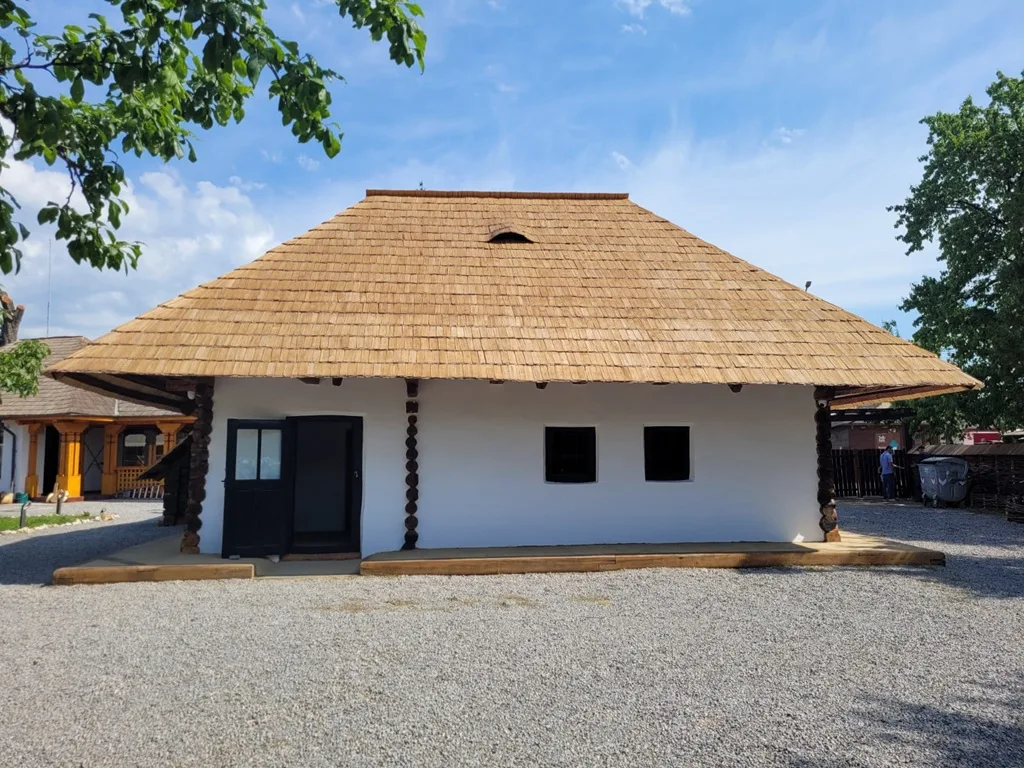
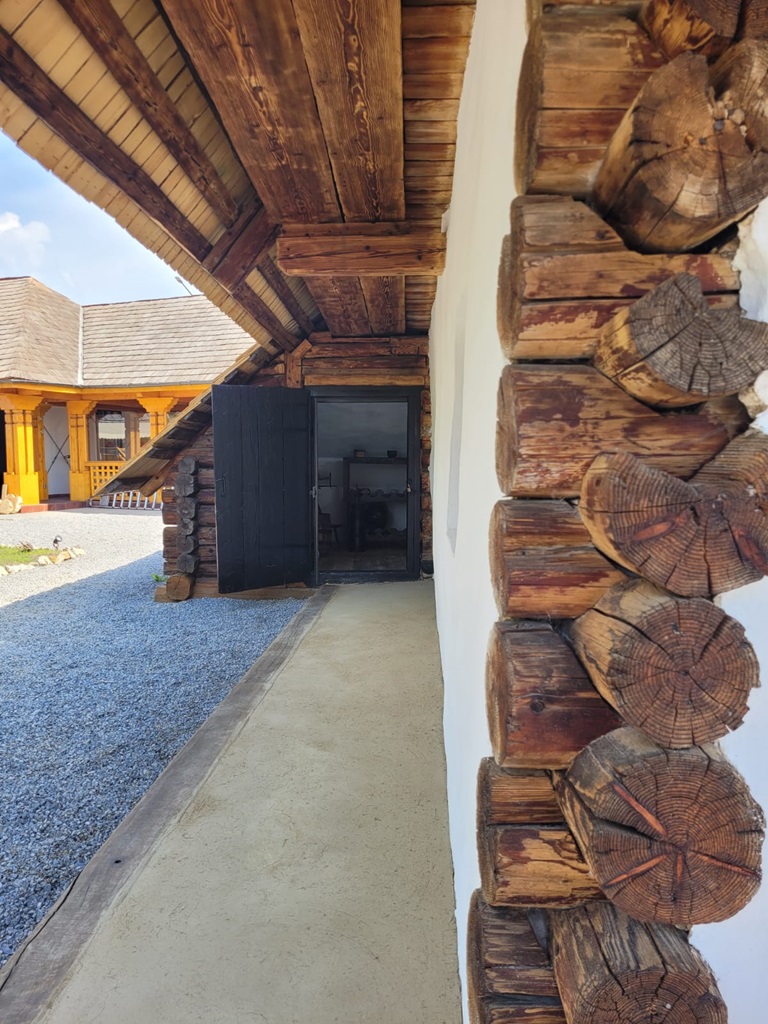
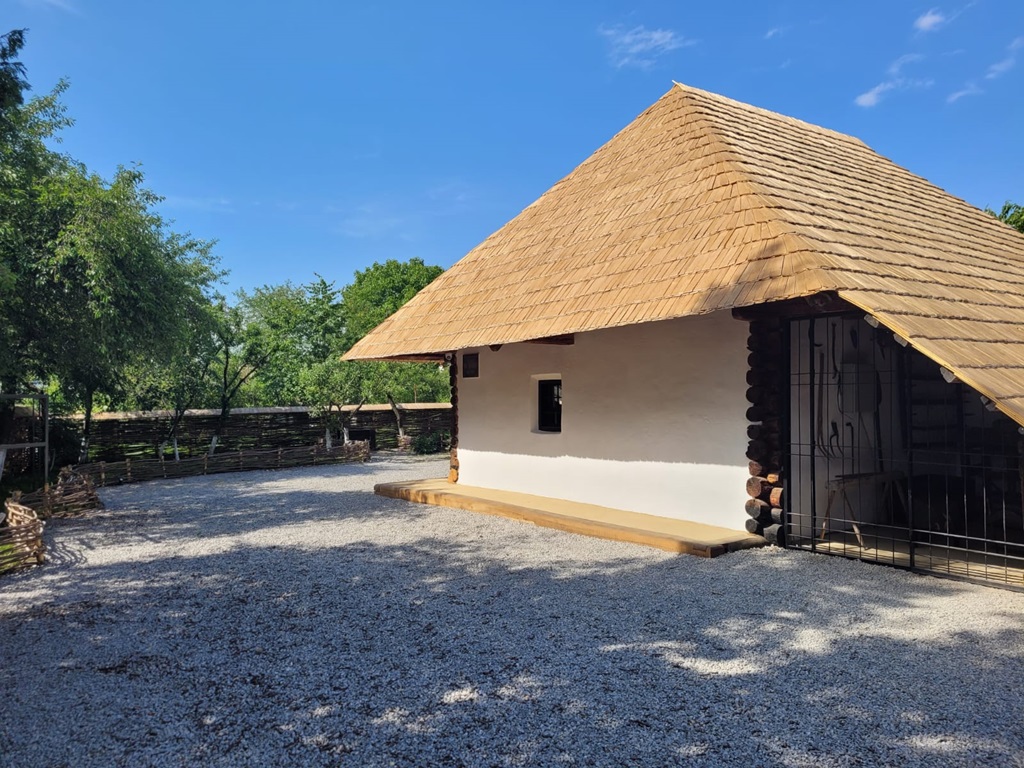
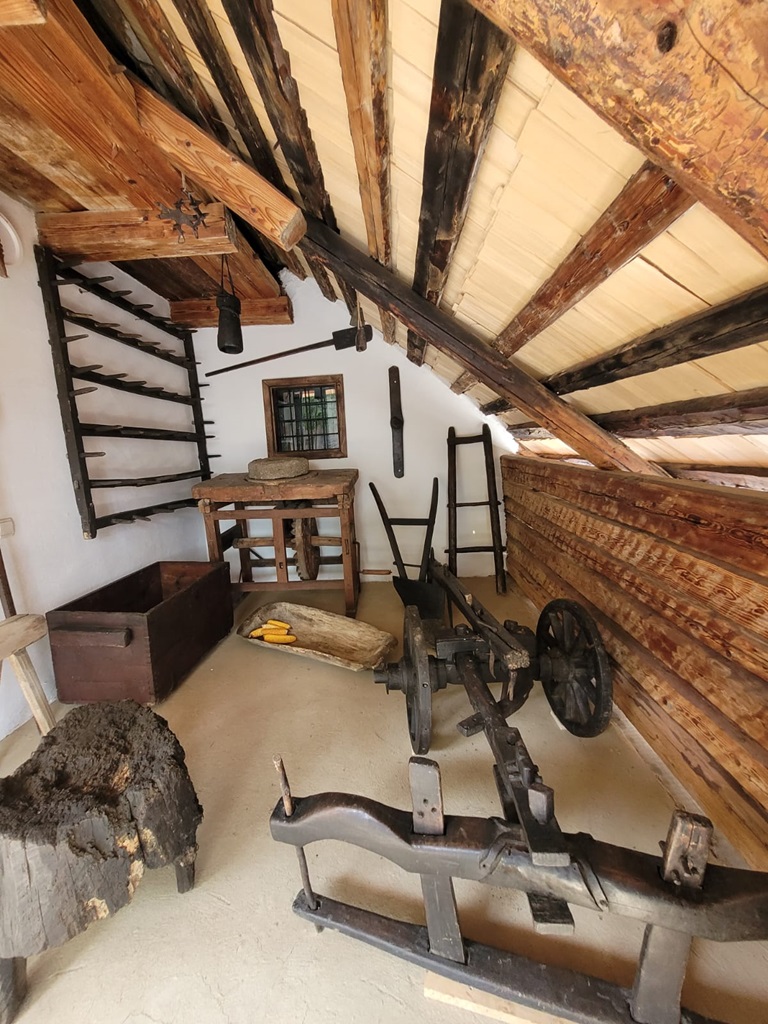
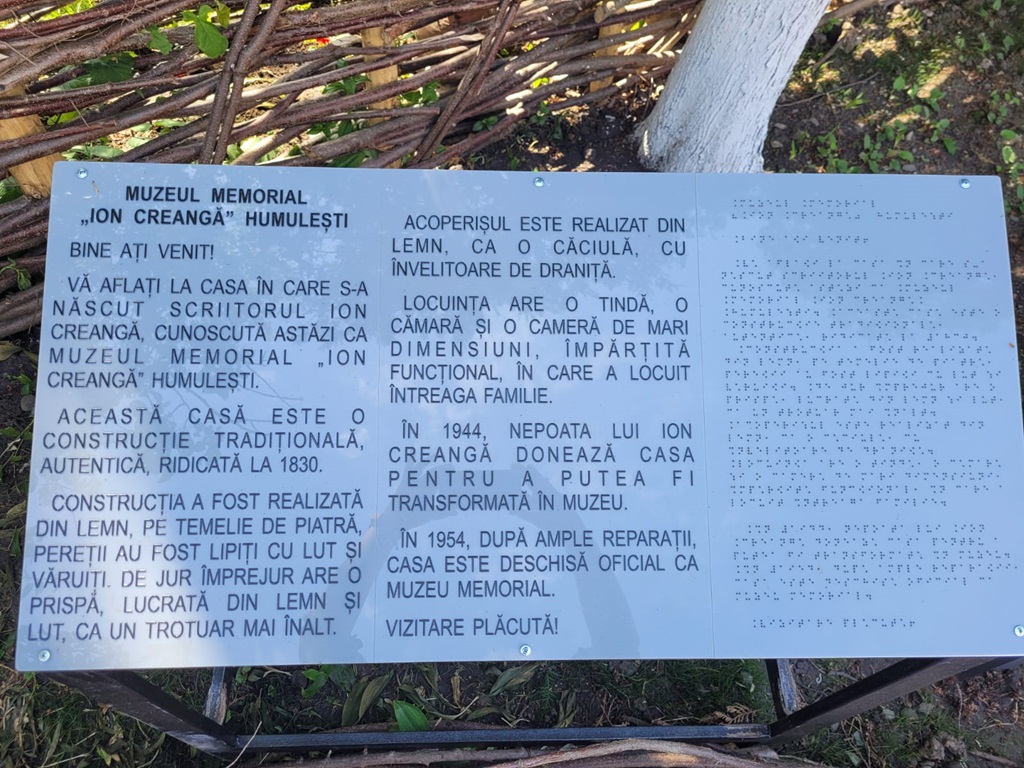
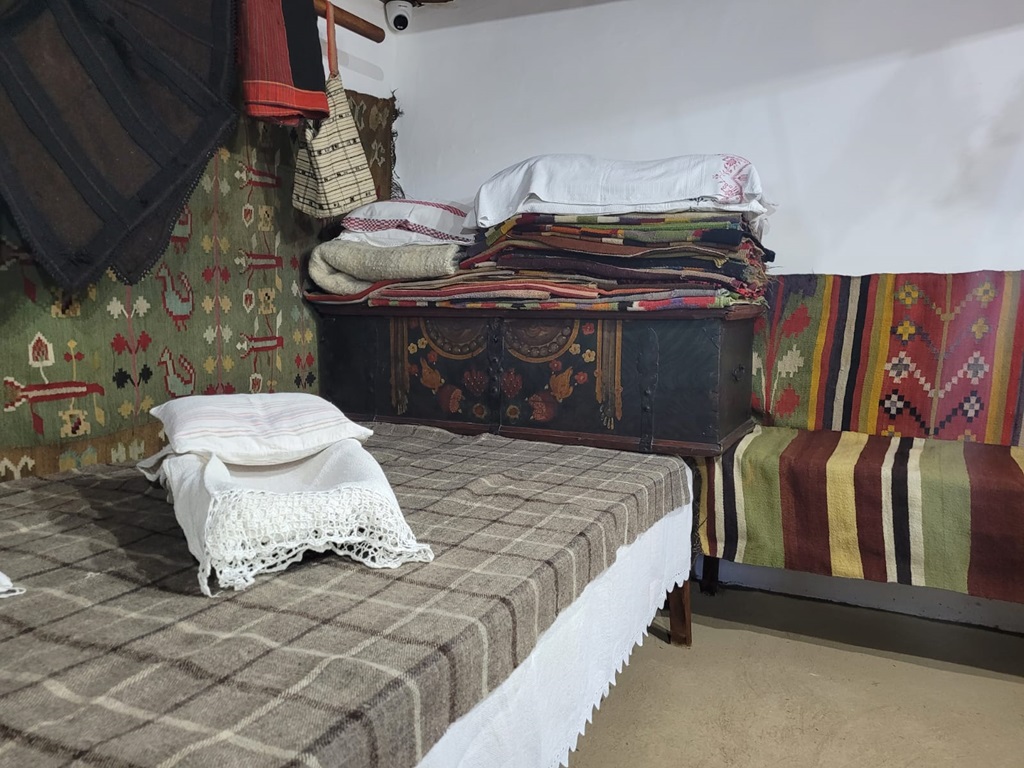
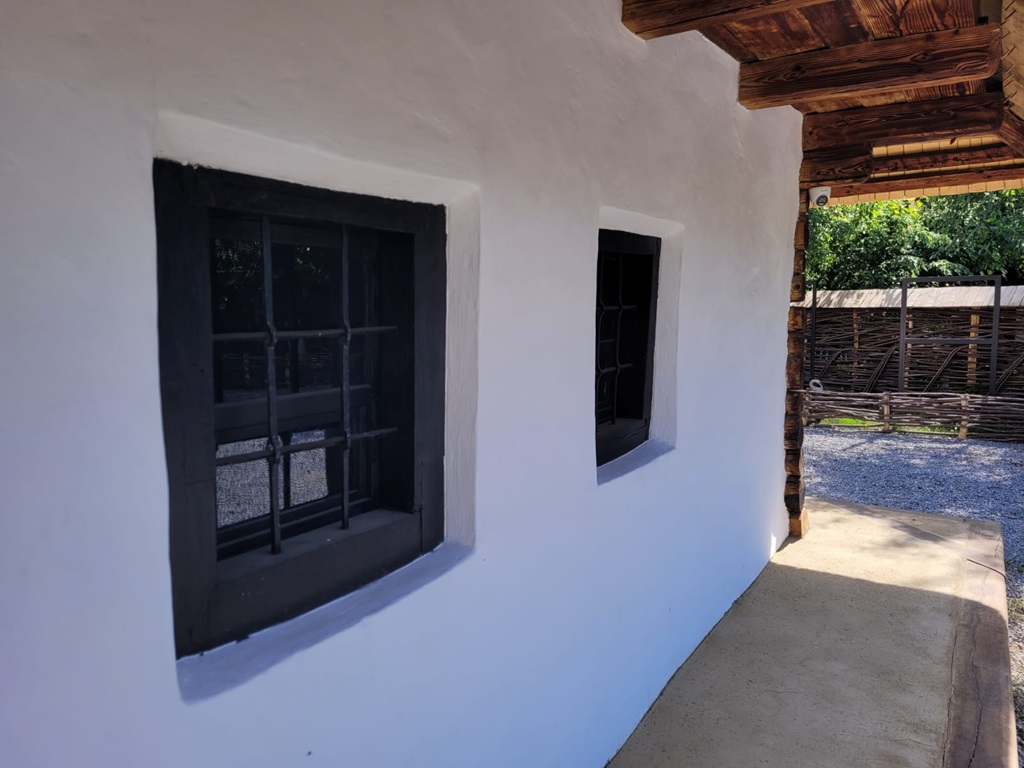
Traditional materials were used. The house walls were plastered with clay and whitewashed, the veranda is edged with wooden beams, and the floors are made of clay.
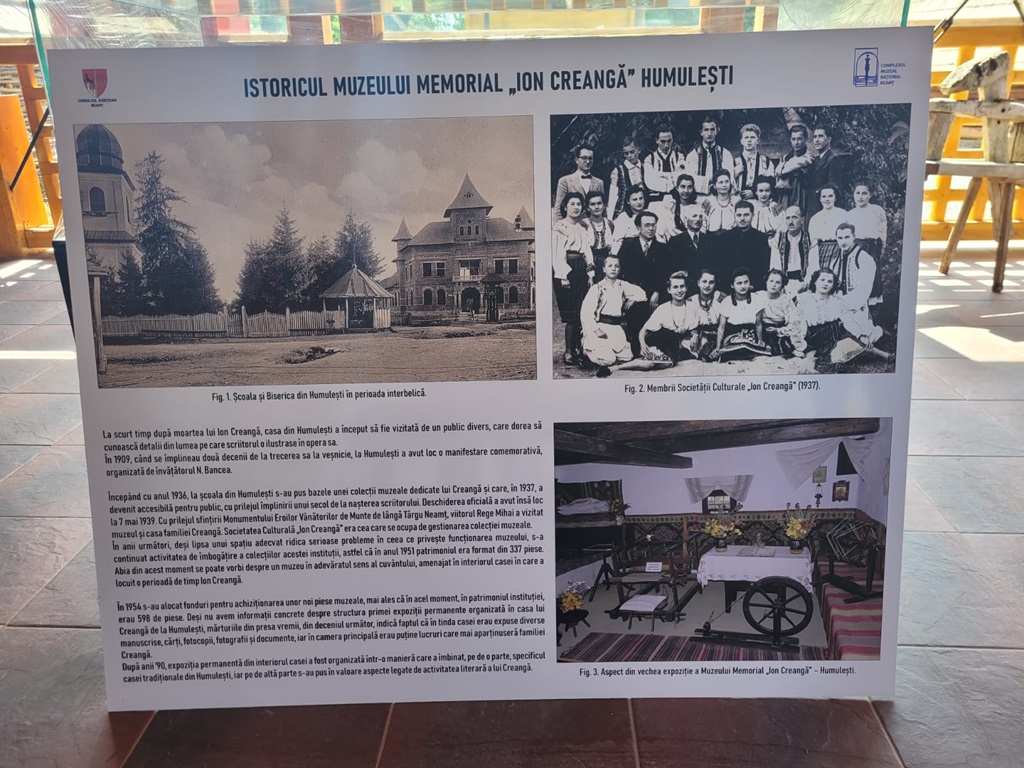
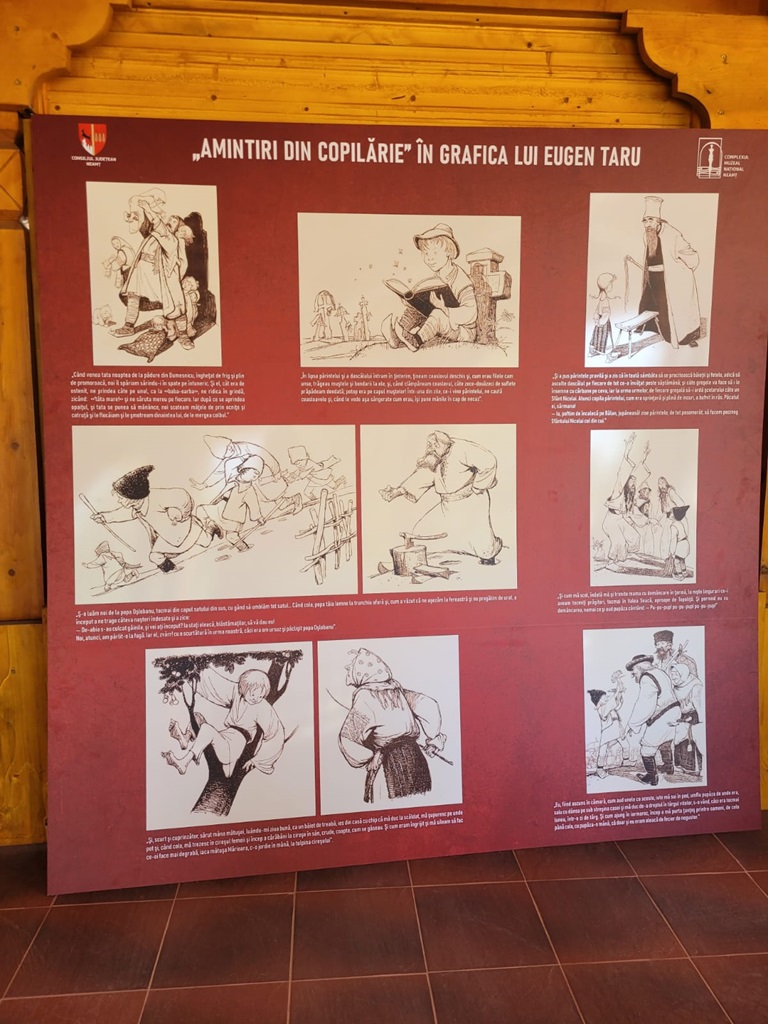
The museum is equipped with display cases for books and manuscripts by Ion Creangă, movable display panels, a computer and an information kiosk. Braille signs and information plaques were produced to assist blind visitors to the Memorial House.
“Sometimes I sit and remember the times and the people in our part of the world when I, dear Lord, was beginning to grow into a little boy in my parents’ house, in the village of Humulești, directly across the Neamț River from the town; a large, cheerful village divided into three adjoining parts: Vatra satului, Delenii and Bejenii.
And even then, Humuleștii was no mere village of rootless people, but an old village of freeholding peasants, well established in every sense: with householders second to none, sturdy young men and beautiful girls who could turn both in the circle dance and at the loom, until the clatter of loom battens rang out throughout the village; with a beautiful church and priests, church singers and parishioners who brought great honour to their village.”
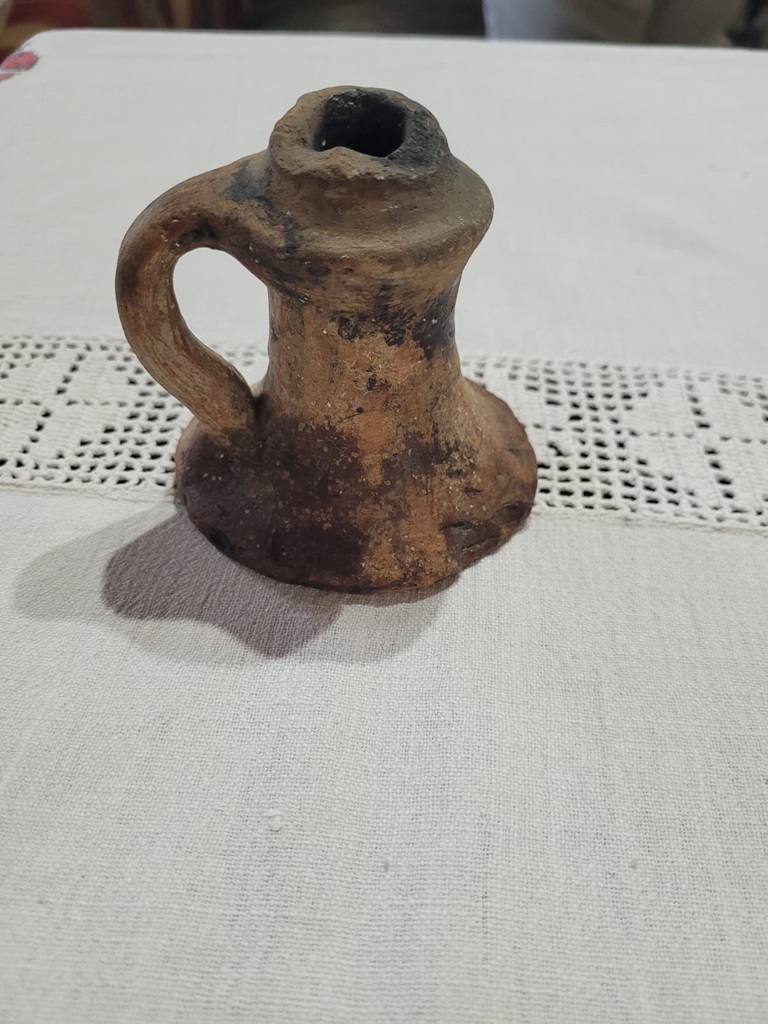
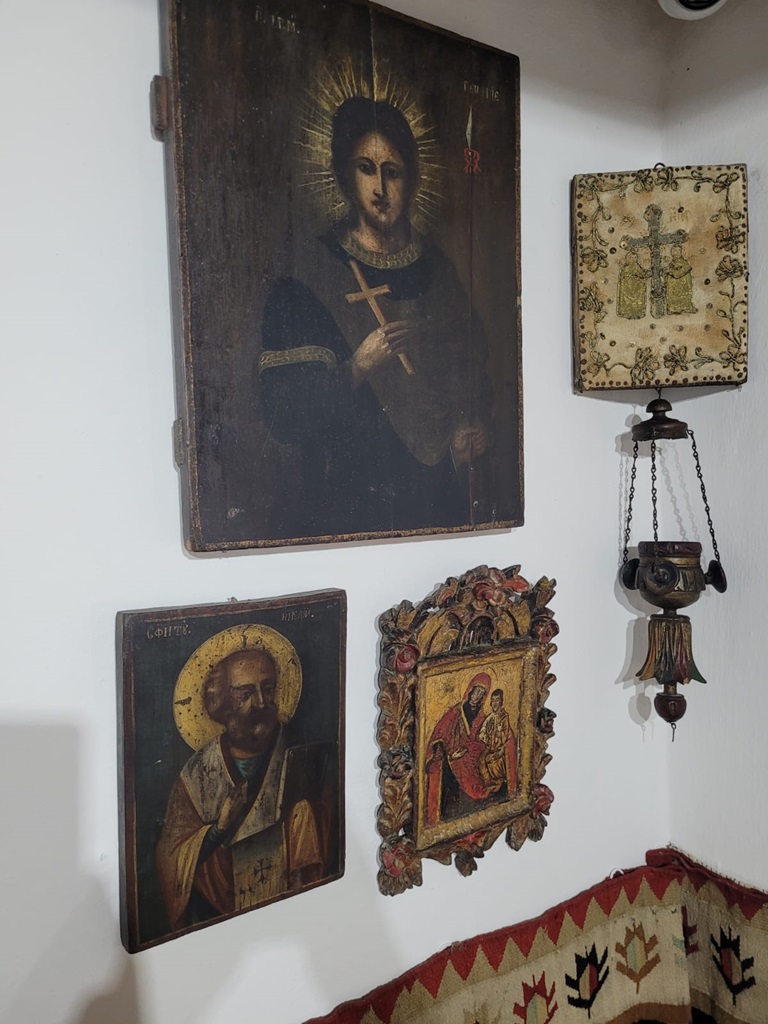
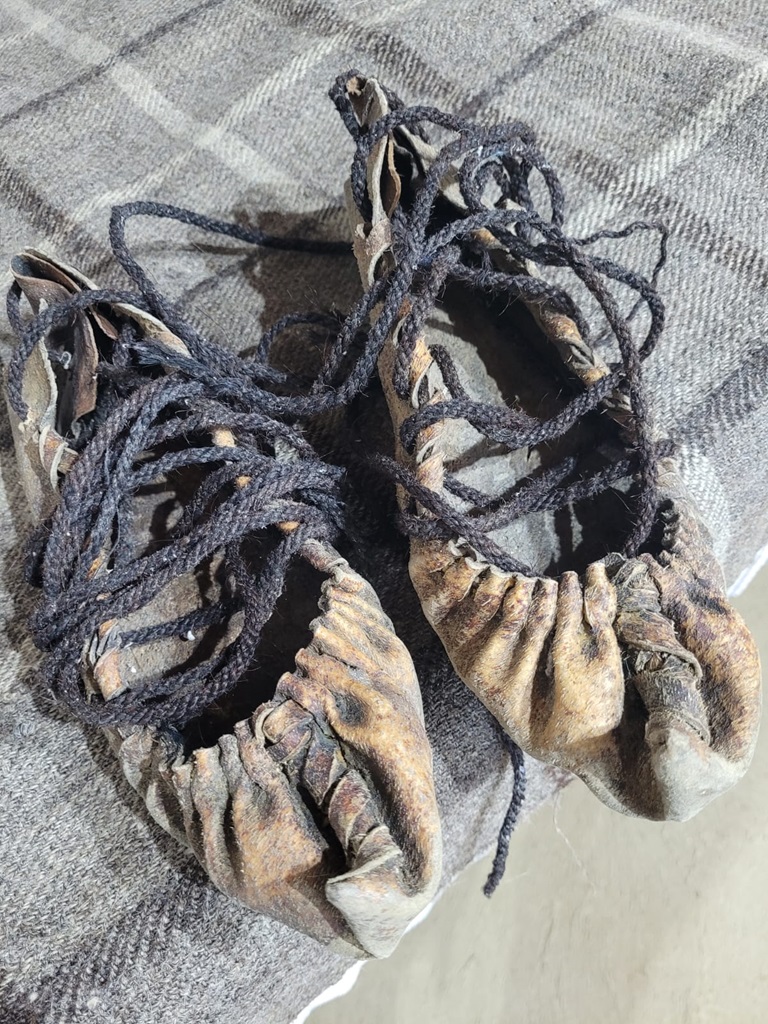
The entire effort to conserve and protect this historic monument had its share of problems and difficulties, but the results and the satisfaction at its completion more than reward the effort, making this museum one of the finest projects implemented by Neamț County Council, with a commitment to preserving, conserving and passing on the heritage embodied by this tourist attraction to future generations. Here is the result:
The total value of the funding agreement is 1,824,969.38 lei, of which 438,310.36 lei, including VAT, is provided as non-repayable financial assistance through POR 2014-2020, with the remaining 1,386,659.02 lei, including VAT, covered by the budget of Neamț County Council.
The restoration and conservation of the complex at Humulești help strengthen cultural identity and make the area’s cultural heritage more accessible to the public:
“How dear our village was to me, with the beautifully flowing, crystal-clear Ozana, in which Neamț Citadel has cast its sorrowful reflection for so many centuries! How dear Father and Mother were to me, my brothers and sisters, and the village boys, my childhood companions, with whom, on frosty winter days, I delighted in sliding on the ice and sledging, while in summer, on lovely feast days, singing and whooping, we roamed the groves and shady riverside meadows, the gravel banks with their deep pools, the fields of crops, the flower-filled countryside and the splendid hills, from behind which dawn smiled at me in the carefree days of youth!”
More on the same topic

Neamț County, an Ambassador for Local Traditions and Values in Brussels
Neamț County showcased its values, traditions and development potential on the European stage during European Week of Regions and Cities, held in Brussels from 12 to 14 October.

Solo painting exhibition – Florin Mareș
Starting Saturday, 10 October 2026, the Art Museum in Roman opens a new solo exhibition by the visual artist Florin Mareș of Roman.

Book launch: “Regina Maria a României. Din viață în eternitate” by historian Narcis Dorin Ion
Neamț National Museum Complex invites audiences in Neamț to the launch of “Regina Maria a României.