Vacation in Neamț: Route I – Piatra Neamț – Bălțătești – Târgu Neamț
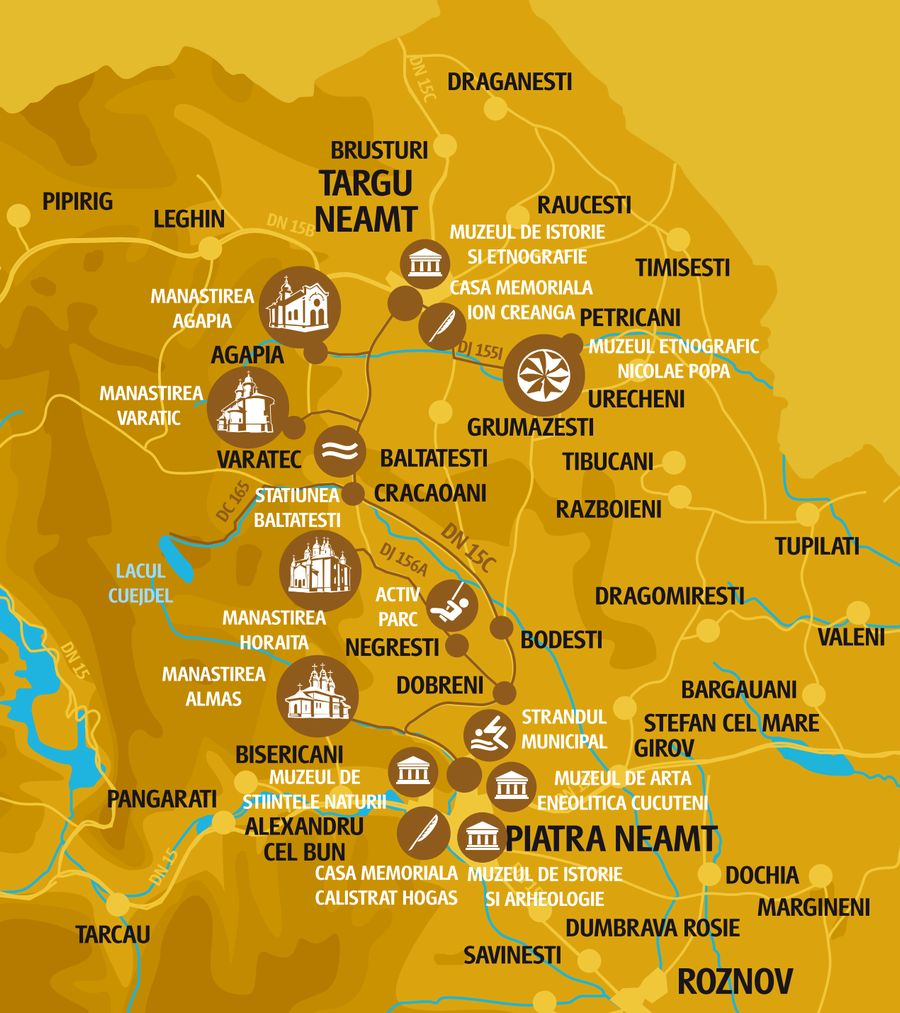
After you set foot in the town guarded by the solitary silhouette of Mount Pietricica, Piatra Neamț, and see all those things, places and people that delight you, traveller, you set off for Târgu Neamț, on a winding road among hills and valleys, constantly turning left and right to enter monastic fortresses, discover small bodies of water well hidden in the forest, step into Moldavian houses and folk museums and admire their treasures. At the end of the road, the beautifully flowing Ozana awaits you, with whispered stories from ancient times and more recent days.
Location of the sites on Google Maps
Duration of the route: 4-5 days
Route length: 43 km and can be travelled by car, motorcycle, bicycle
How to get to Piatra Neamț: from Bucharest via DN2 (E85) to Bacău and then via DN15; from the west of the country via DN17B, DN15, DN12C; from Suceava via DN 15C; from Iași via E85 to Roman and then via DN15D; by train; via the airports of Iași, Bacău, Suceava and from there by road transport.
Locations: Almaș Monastery 4 km to the left off DN15C; Horaița Monastery 14 km to the left off DN15C; Văratec Monastery 4 km to the left off DN15; Agapia Monastery 7 km to the left off DN15C; the Nicolae Popa Museum in Târpești 10 km to the right from the entrance to Târgu Neamț.
Tourist attractions:
- Cucuteni Eneolithic Art Museum Piatra Neamț
- Natural Sciences Museum Piatra Neamț
- History and Archaeology Museum Piatra Neamț
- Calistrat Hogaș Memorial House, Piatra Neamț
- Almaș Monastery
- Horaița Monastery
- Cuejdel Lake
- Văratec Monastery
- Agapia Monastery
- “Nicolae Popa” Ethnographic Museum in Târpești
- Ion Creangă Memorial House, Humulești
- History and Ethnography Museum Târgu Neamț
Cucuteni Eneolithic Art Museum Piatra Neamț
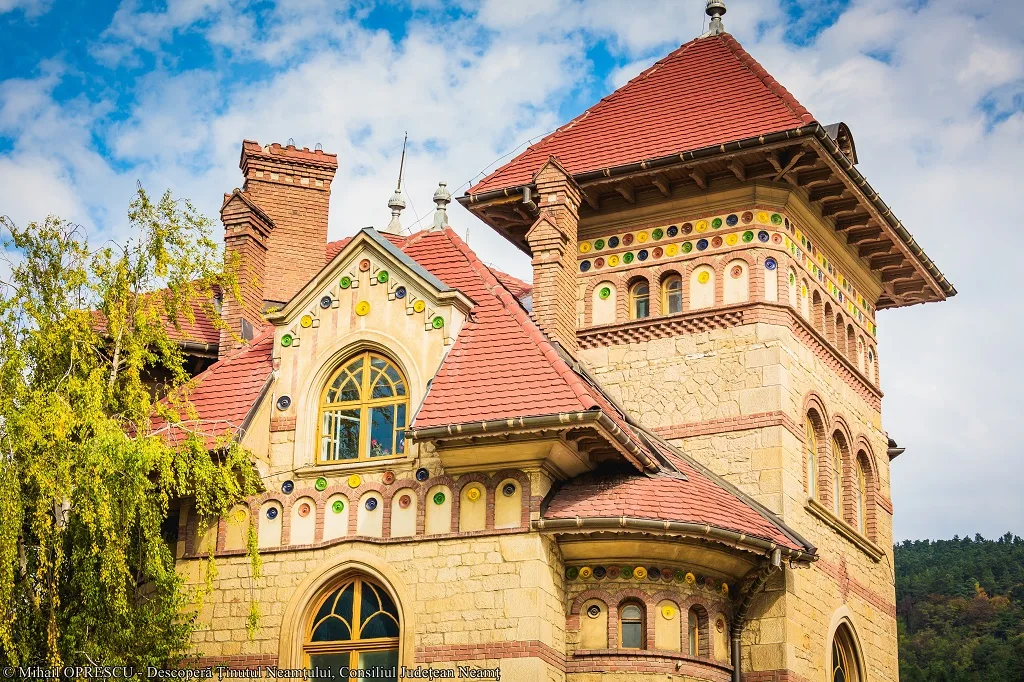
It offers the most varied and extensive collection in Romania and Europe of the Precucuteni-Cucuteni culture, which developed between 3,600 and 2,600 BC, comprising around 800 pieces, most of them classified as treasure. Here you can admire objects of incalculable value: Vasul cu colonete, Hora de la Frumușica, Vas de tip horă, the statuettes from the group Soborul zeițelor, and Gânditorul de la Târpești. The smallest statuette in the museum is only 1 cm and 2 mm high and belongs to a statuary group called Sf. Familie. Info tel. 0233 226 471
Museum of Natural Sciences Piatra Neamț
Only here can you see a collection of Oligocene fossil fish that is unique in the world, with over 600 specimens, including 31 new species. The museum’s scientific heritage comprises 45,000 items, and the core collection presents geological, paleontological, floristic, faunistic and ecological aspects from across the whole territory of Neamț County. Info tel. 0233 224 211
History and Archaeology Museum Piatra Neamț
This building presents, across 24 rooms, evidence of the evolution of human communities from Neamț, from the Upper Paleolithic (stone age) to the contemporary period, the commemorative “C. Matasă” hall, as well as temporary exhibitions from Romania and abroad. Info tel. 0233 217 496, 0233 218 108
Calistrat Hogaș Memorial House, Piatra Neamț
You are invited to immerse yourself in the family atmosphere of the writer’s later years and in his study, which will encourage you to set out on “Pe drumuri de munte” and “În Munții Neamțului”. Info tel. 0233 225 997
Almaș Monastery
Founded by Vasile and Maria Almaș in 1659 and later rebuilt by Ecaterina Cantacuzino, wife of the sword-bearer Iordache, it functioned as a hermitage until 1821, when it was destroyed by the Eterists. The present church was erected in 1821 by the family of the logothete Balș and houses the icon of Saint Ana, which has been in the monastery since its foundation and is considered miracle-working. Information by phone: 0744 694 789
Horaița Monastery
Founded in 1822, but with roots dating back to the 15th century, the monastery houses within its walls a church built in Byzantine style and painted in neo-Byzantine style, as well as a collection of valuable objects, silverware, icons and old books. Every year, on the Feast of the Life-Giving Spring, a procession takes place with the Icon of the Mother of God, traditionally considered a “deliverer from drought”. Info tel. 0233 246 210
Cuejdel Lake
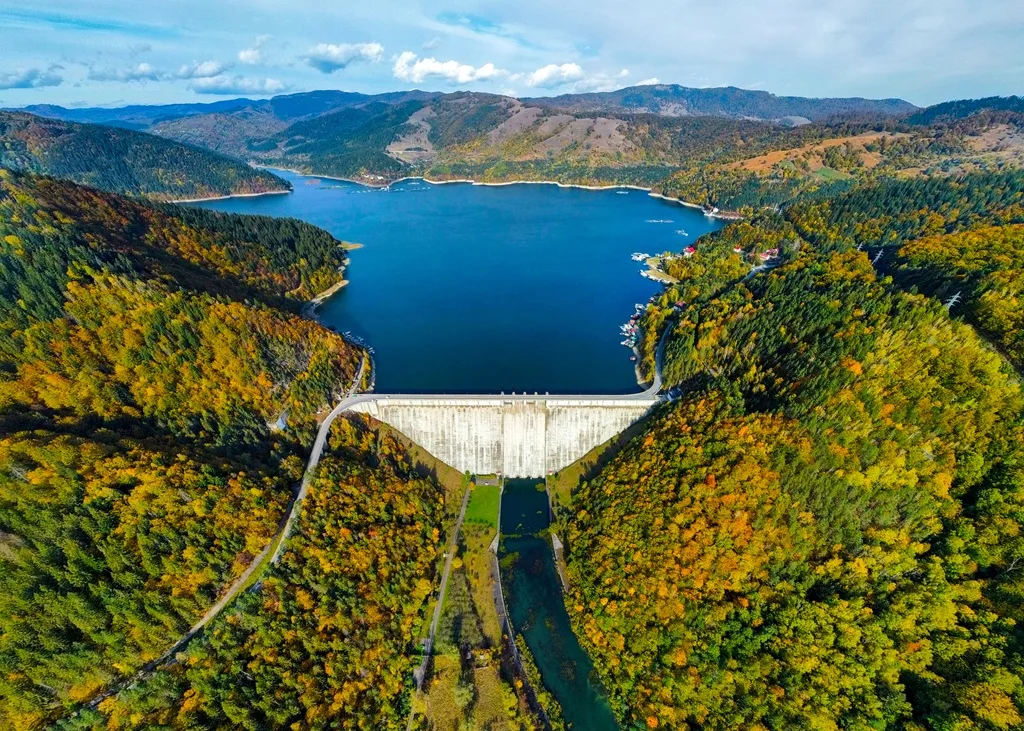
The country's largest naturally dammed lake, formed by a landslide between 1978 and 1991 (12.2 ha), offers you a spectacular and unique landscape, with numerous tree trunks piercing the water's surface in the flooded valley. You can reach the lake either by car, via the commune of Crăcăoani on a forest road, or via the commune of Gârcina, covering 25 km from Piatra Neamț by car and then 3 km on foot along a wide track through meadows and forests of deciduous and coniferous trees.
Văratec Monastery
The largest nunnery in Romania, built between 1808 and 1812 on the site of Abbess Olimpiada's original foundation of 1785, opens its doors to you, offering not only remarkable architecture but also a valuable cultural, artistic and historical heritage. Nearby, in the former monastic cemetery, lies the tomb of poet Veronica Micle. Info tel.0233 244 616
Agapia Monastery
The second largest nunnery in Romania and the only monastic settlement in the country whose name means “Christian love” (from the Greek agape), founded by Hatman Gavril, brother of Prince Vasile Lupu, in 1644, invites you to contemplate the paintings of the young Nicolae Grigorescu, created between 1858 and 1860 in a neoclassical style with many innovative elements. Info tel. 0233 244 736
Ethnographic Museum “Nicolae Popa” in Târpești
On a verdant slope, the gate opens onto a wide yard with many trees, among which stand numerous fairy-tale characters carved in wood or stone by the renowned craftsman Nicolae Popa, bringing the whole setting to life. The entire yard is designed as an open-air museum, where the harmony between nature and the naïve art displayed between the old house and the newer building delights you. But the enchantment truly begins when you step inside the house, packed like a hive with rich collections of authentic objects gathered from all the villages surrounding Târpești. Phone: 0747 134 040
Ion Creangă Memorial House, Humulești
It evokes an entire rural world from the mid-19th century, with the picturesque atmosphere of the era enveloping you from your first steps into the “house courtyard”. The exhibits here, in one of the country’s most visited memorial museums, are imbued with the aura of the recollections of Creangă, a notable son of a land steeped in historical and spiritual traditions. The clay-coated hearth ledge, the famous tassels the cats used to play with, the house’s entrance hall and the courtyard from which Nică set off on his adventures await you. Info tel. 0233 790 620
History and Ethnography Museum Târgu Neamț
In the museum courtyard, in a new shed, the largest pieces of traditional machinery are displayed – the last remaining in Neamț County, acquired three decades ago: a water mill, a fulling mill for thick woollen cloth and a water-powered cloth-washing installation, a water-powered saw, a massive press and a distillation apparatus. They are living testimonies to the ingenuity and skill of the craftsmen and the expertise of the villagers who used them. Info tel. 0233 790 594
More on the same topic
A Thousand and one stories in Neamt
Dear Traveller, wherever you come from, we invite you to discover the blessed lands of Neamț, a sacred realm once inhabited by the ancient Dacians, rich in legends and myths, with a history and roots…
A quarter of a century of medieval events in Neamț
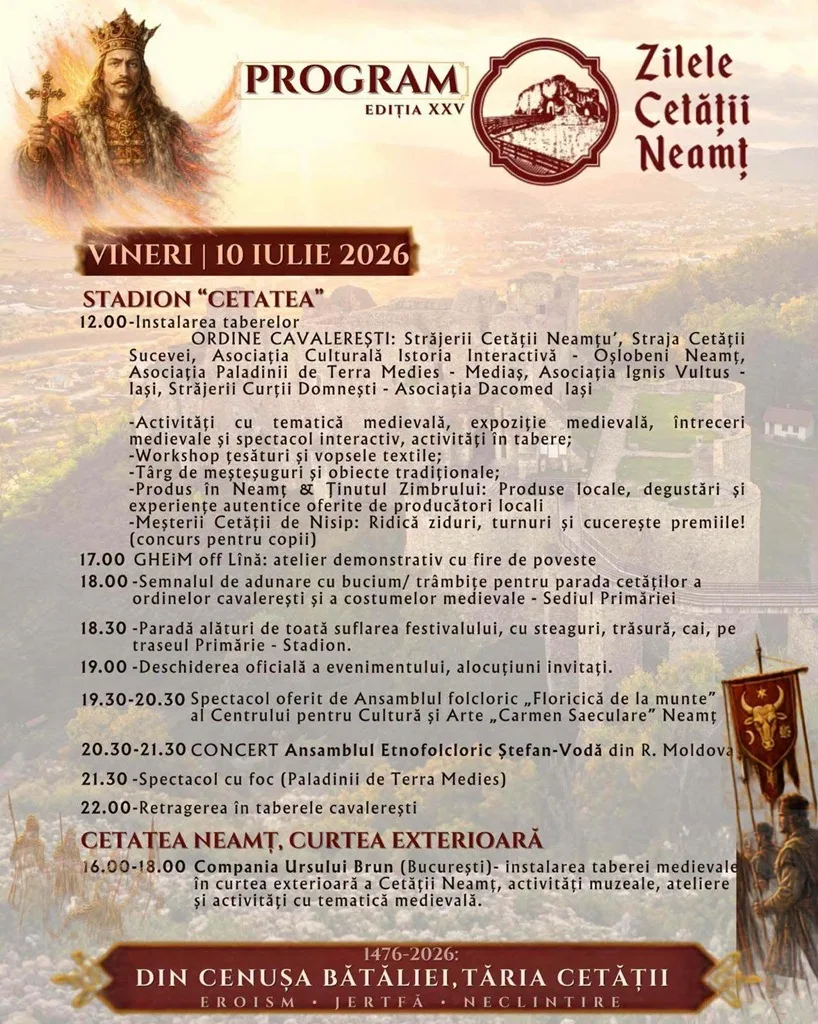
The Zilele Cetății Neamț Medieval Festival marks a quarter of a century. Now in its 25th edition, this year's event will open its doors from 10–12 July to a world of stories and pages of history from the time of Stephen the Great, Prince of Moldavia.
South-eastern Europe’s most important collection of Eneolithic art – a finalist in Destinația Anului 2026
The development of human communities in Neamț County, dating back to the Upper Palaeolithic, contributed to the emergence of Europe’s most remarkable and most extensively studied prehistoric…