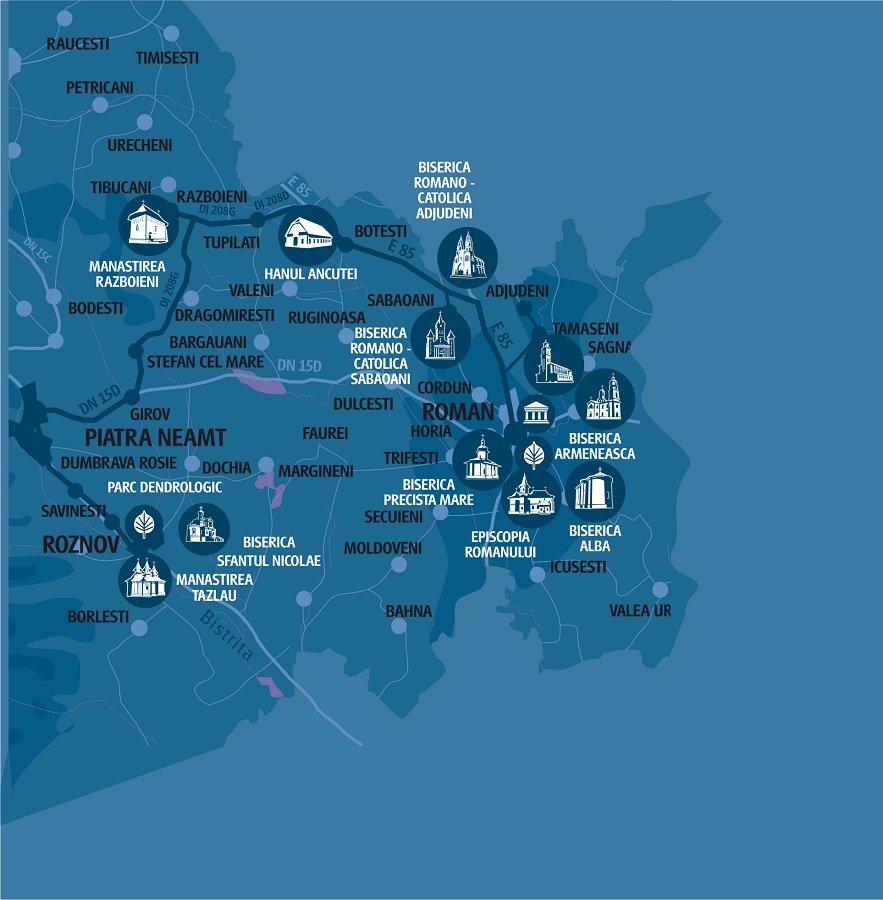
Holiday in Neamț “Spirituality and Relaxation” – Route II
Route II – Piatra Neamț – Roman
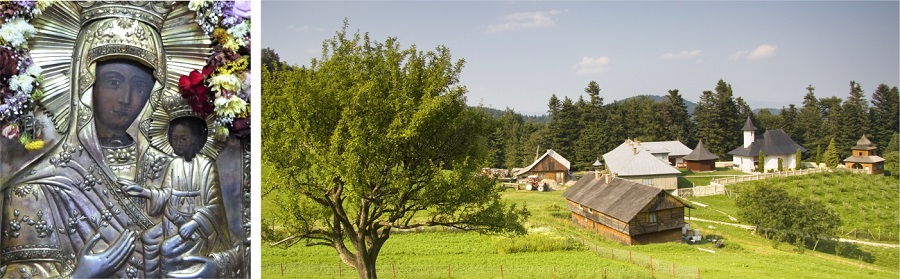
Icon of the Mother of God “with 3 eyes and 2 mouths” – Giurgeni Monastery
It is said that a third eye and a second mouth appeared overnight, by divine will, on the already painted icon. The icon is notable for the unusual appearance of the face of the Mother of God: the Most Holy Mother of God has a slightly fainter third eye just below her left eye and a second, slightly open mouth above the normal one. From a distance, these duplications and indistinct features could give the image a three-dimensional effect and create the impression of slight movement of the head, owing to the third eye.
The icon was presented to Giurgeni Monastery, then a nunnery, in 1831 on the feast of the “Transfiguration of the Lord” (6 August), a date probably chosen for its similarity to the “Transfiguration of the Face of the Mother of God in the Icon”. Twice a month, on the night from Thursday to Friday, the faithful attend services of Holy Unction, praying for relief from illness and suffering.
The monastery was founded in 1738 by the monk Ghedeon on the site of an older monastic establishment, which was rebuilt in the 19th century. The monastery is located in the village of Giurgeni, in Valea Ursului commune, 28 km from Roman (access from DN15D via DJ159). Info tel. +40 233 763 201
Photo: Icon of the Mother of God “with 3 eyes and 2 mouths”
More on the same topic
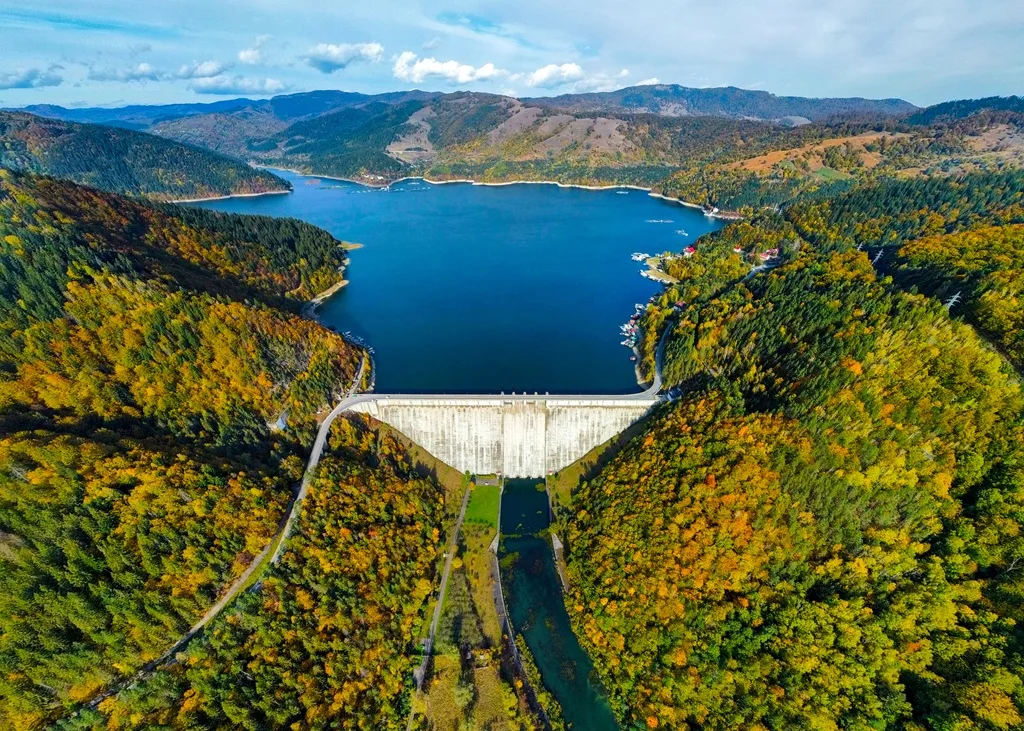
A Thousand and one stories in Neamt
Dear Traveller, wherever you come from, we invite you to discover the blessed lands of Neamț, a sacred realm once inhabited by the ancient Dacians, rich in legends and myths, with a history and roots…
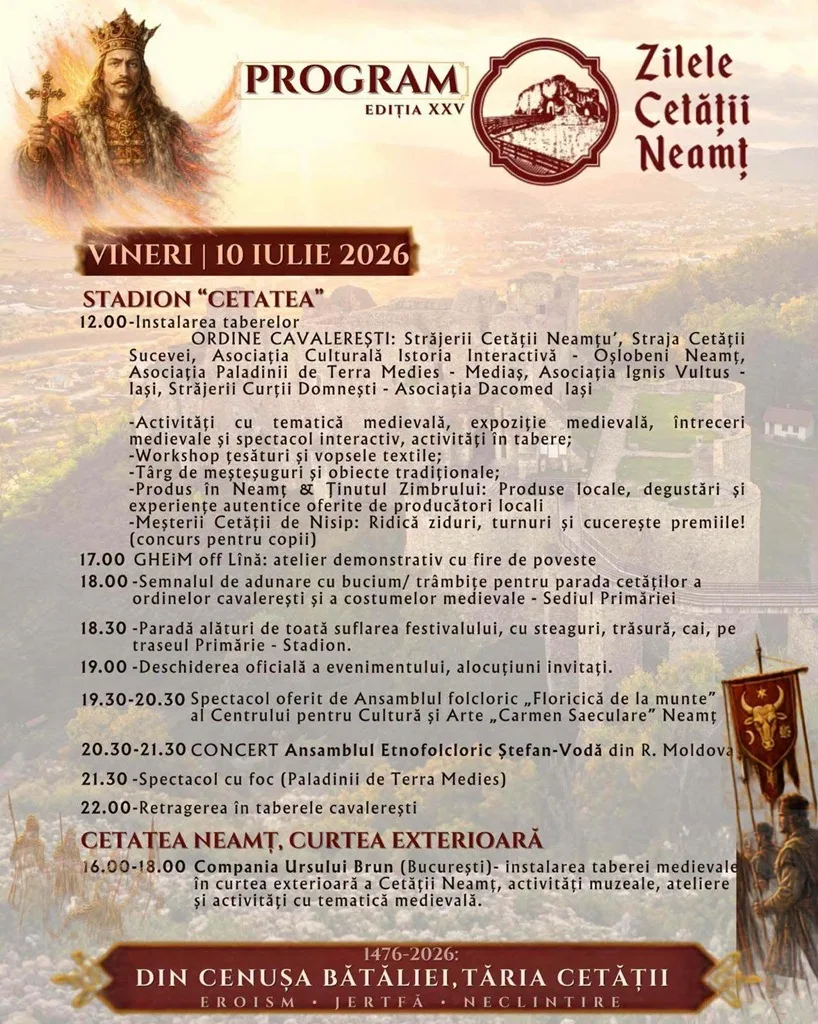
A quarter of a century of medieval events in Neamț
The Zilele Cetății Neamț Medieval Festival marks a quarter of a century. Now in its 25th edition, this year's event will open its doors from 10–12 July to a world of stories and pages of history from the time of Stephen the Great, Prince of Moldavia.
South-eastern Europe’s most important collection of Eneolithic art – a finalist in Destinația Anului 2026
The development of human communities in Neamț County, dating back to the Upper Palaeolithic, contributed to the emergence of Europe’s most remarkable and most extensively studied prehistoric…