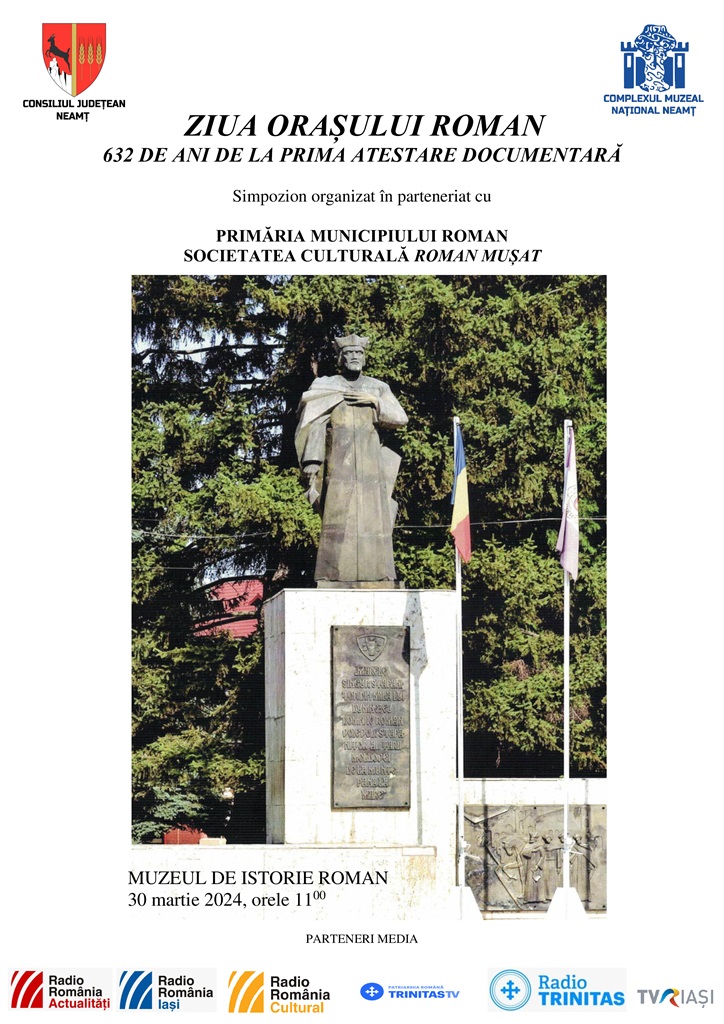
ROMAN TOWN DAY 632 years since its first documented mention
To mark 632 years since the first documented mention of the town of Roman, Neamț National Museum Complex is organising a symposium under the patronage of Neamț County Council at the History Museum in Roman on Saturday, 30 March 2024, starting at 1100, dedicated to this major event in our local history.
Following the opening welcome to the people of Roman from the organisers and local authorities, a series of papers on local history will be presented, with this year’s focus on communities and religion.
With a strategic role in the defensive system of medieval Moldavia, demonstrated by the existence of two documented fortresses, the market town of Roman experienced steady economic development, accompanied by population growth at a similar pace and strengthened by the presence of numerous minority communities, some known for their main occupations in production and trade (Jews, Armenians, Lipovan Russians and Greeks); this context also encompassed several faiths and churches, some closely linked to ethnic identity: Orthodox Christians, Jews, Catholics and Old Believers.
Studies and papers on various aspects of local history will be presented (the Very Reverend Dr Florin Aurel Țuscanu – The Diocese of Roman in the interwar period. Bishop Ilarion Băcăoanul, researcher Dr George-Dan Hânceanu – Archaeological investigations at Precista Hospital in Roman. Preliminary findings, military historian Sorin Grumuș – The Roman 7th Infantry Division in the Battle of Moldavia in 1944, Radu Kiprian, Ștefan Carpușcă – A day in the life of the Lipovan Russians of Roman, teacher Petru Flenchea – The city of Roman: interethnic and religious interactions – Lipovan Russians and Roma; changing attitudes, museum curator Relu Butnariu – Agriculture and livestock farming in the Roman area, reflected in the ethnographic collection of the Roman History Museum, museum curator Iulia Lazăr – Aspects of everyday life in interwar Roman as seen by the press of the time). These are the fruits of work by specialists from Roman, but, in the spirit of good practice, colleagues from other places are also contributing: Ionuț Florin Filip (București, UNESCO intangible heritage expert) – Roman and Bacău in the political and administrative divisions of Moldavia and România from the Middle Ages to the present day, the Very Reverend George Ouatu (Văleni Parish) – The last clockmakers of Roman, museum curator Dan Mihăilescu (Piatra Neamț) – Gen. Ernest Broșteanu – Knight of the Order of Mihai Viteazu, Dr Marius Alexandru Istina (C.M.J. Iulian Antonescu Bacău) – Melchisedec Ștefănescu – historian or chronicler, museum curator Oana Maria Bălan (CMNN – Piatra Neamț Natural Sciences Museum) – Geological and palaeontological reserves in Neamț County, Dr Otilia Mircea (CMNN – Restoration and Conservation Laboratory), researcher Dr Viorica Vasilache (Al. I. Cuza University in Iași, Interdisciplinary Research Institute, ARHEOINVEST Centre), museum curator Lavinia-Ana Axentioi (CMNN – Târgu Neamț History and Ethnography Museum) – Types of degradation and damage identified in metal artefacts using non-invasive techniques. States of preservation and restoration methods, Cristinel Ștefan Tănasă (Neamț County Directorate of the National Archives) – Priest Constantin Mihai and the struggle against the communist regime in România, museum curator Daniel Sava (Pașcani Municipal Museum) – Ten Romanian icons from the collection of the Pașcani Municipal Museum, and the list could go on. The event will also include presentations of two new publications: Eugen D. Neculau – Purpose and order in the Romanian village (Iași, 2023) and Ion Măzăreanu – Articles published about Ion Ionescu de la Brad (“Ion Ionescu de la Brad” publishing house, Iași, 2024), presented by ethnographer Marcel Lutic (Pașcani Municipal Museum) and military historian Sorin Grumuș respectively.
We are pleased to invite everyone interested to attend this event, which will take place in Building A of the History Museum in Roman (Nevruzzi Palace).
Organiser,
museum curator Adrian Ciobanu
More on the same topic
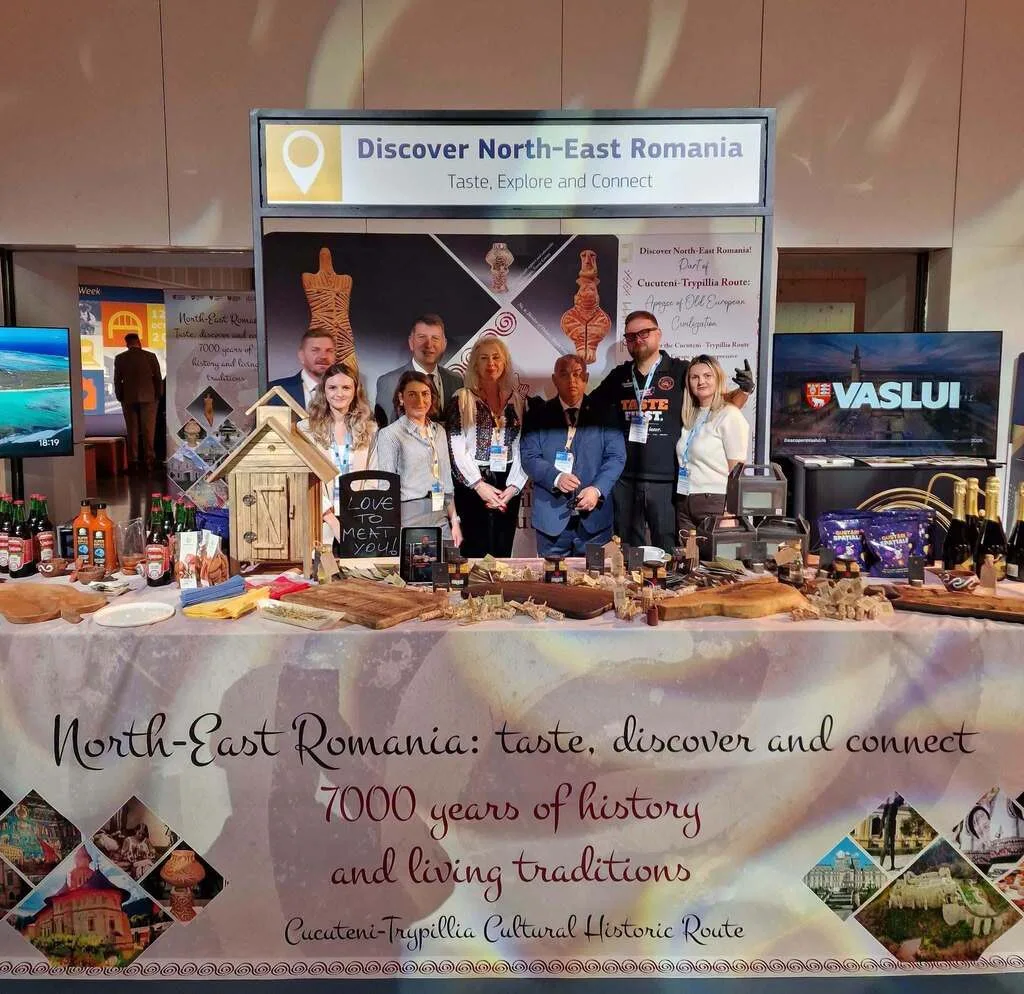
Neamț County, an Ambassador for Local Traditions and Values in Brussels
Neamț County showcased its values, traditions and development potential on the European stage during European Week of Regions and Cities, held in Brussels from 12 to 14 October.
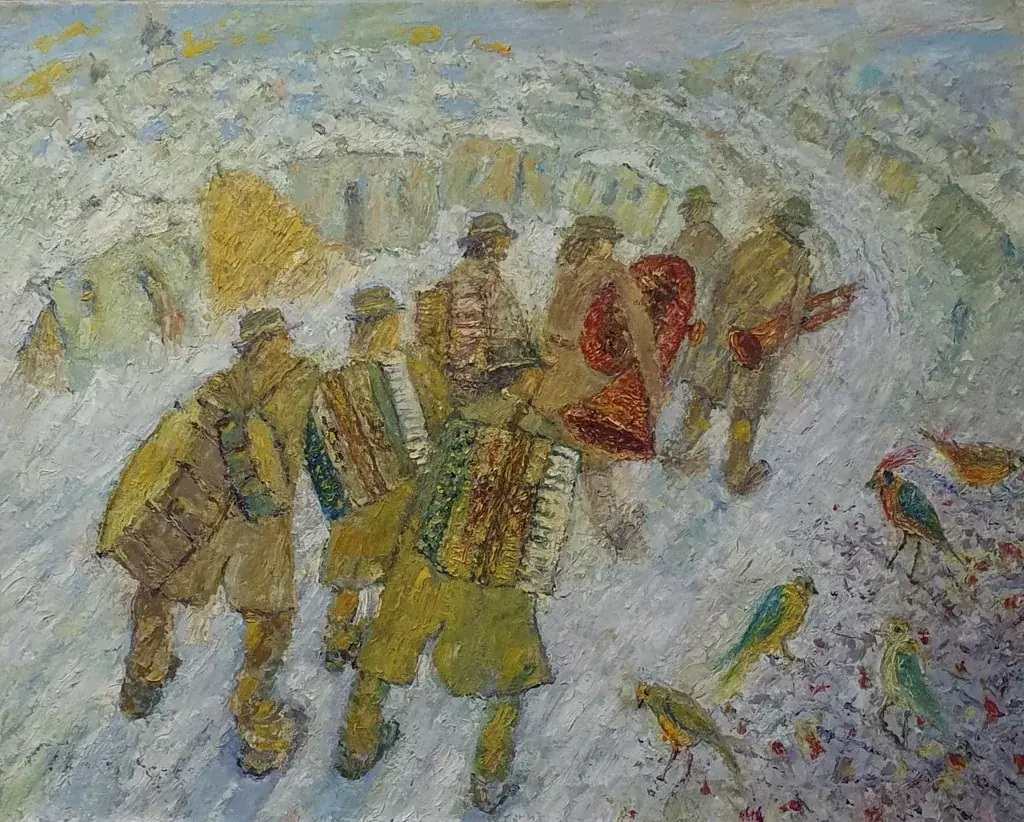
Solo painting exhibition – Florin Mareș
Starting Saturday, 10 October 2026, the Art Museum in Roman opens a new solo exhibition by the visual artist Florin Mareș of Roman.
Book launch: “Regina Maria a României. Din viață în eternitate” by historian Narcis Dorin Ion
Neamț National Museum Complex invites audiences in Neamț to the launch of “Regina Maria a României.