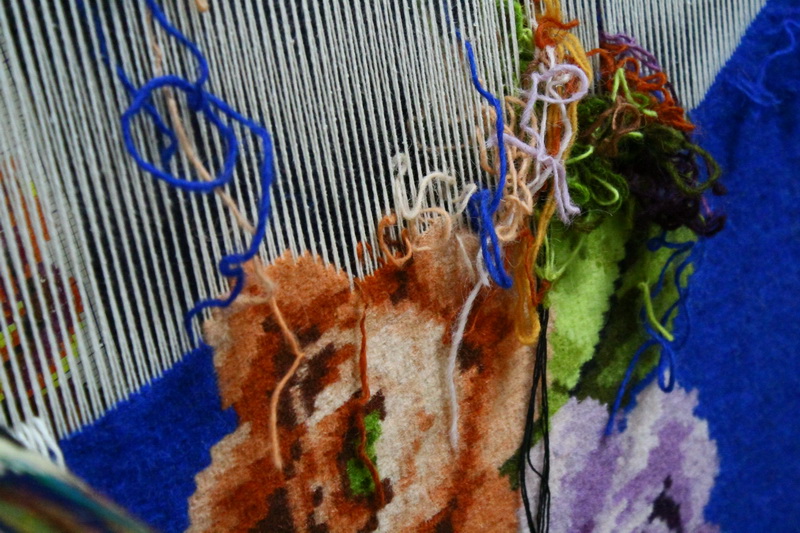
Agapia Monastery – the monastery of nuns – occupations outside religious service: carpets and pottery workshop
IMG_3219_resize
In Agapia Monastery, one of the largest monasteries of nuns in Romania, are living 400 nuns. The monastery was built between the years 1641-1643 hatman (Boyar of royal counsil in Moldova, which was commissioned by King with the command of all the army , while having the position of chief magistrate and porter of Suceava) Gavriil Goci, brother of Prince Vasile Lupu. Since then, until 1802, Agapia Monastery had community of monks. In 1803, wanting to establish a seminary priests at Socola Monastery in Iassy, Metropolitan Veniamin Costache has ordered the some 50 nuns from Socola to relocate to Agapia Monastery. By a hrisov (royal Document which served as a property title, a privilege) of Alexander Moruzi, Agapia Monastery became a convent.
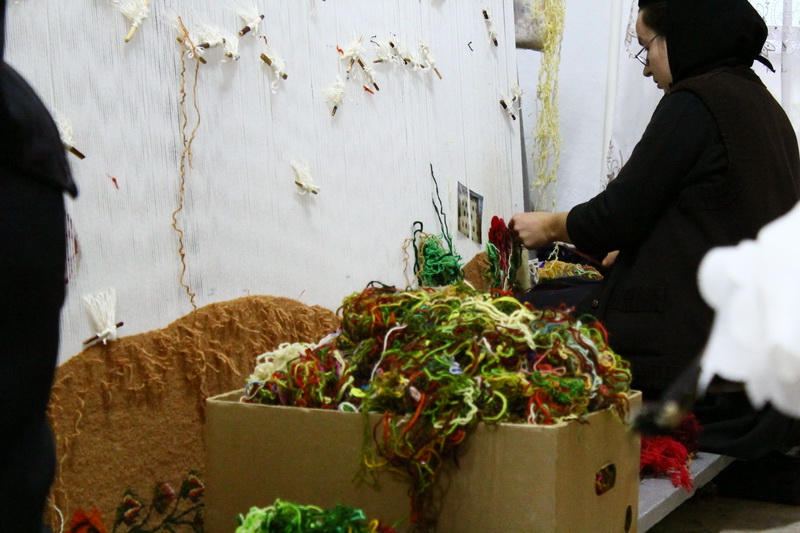
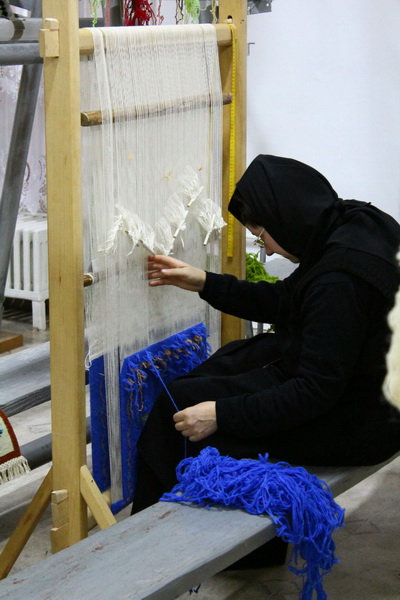
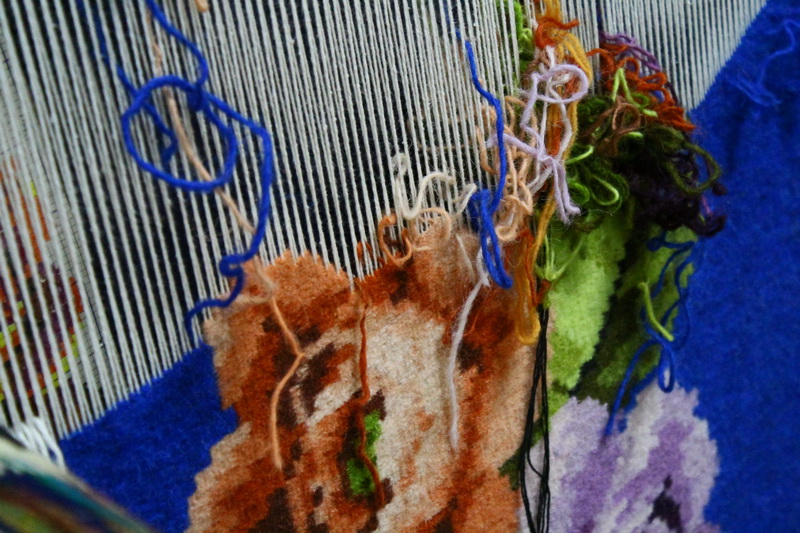
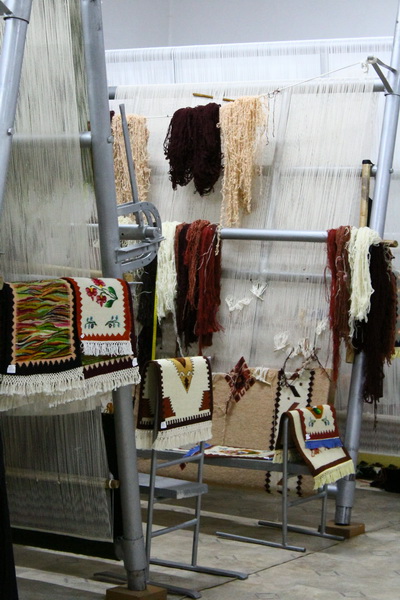
In 1862, was held in the monastery a school of four classes for young sisters, where to learn among others, psaltichia (religious vocal music) and Greek language. At the same time, there have been established a workshop of carpets and embroidery, for to learn embroidery and weaving, and a school of religious painting where taught Nicolae Grigorescu.
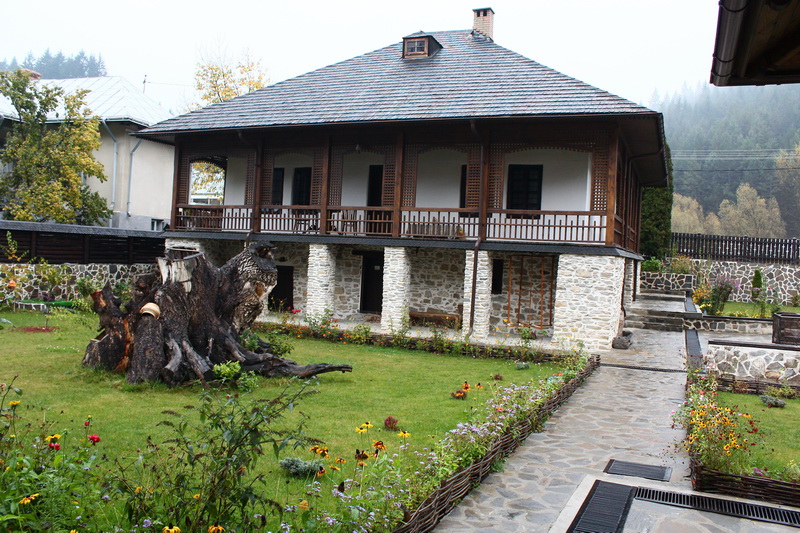
Recently, in august 2013, into a monastic house, consisted of four rooms on the first floor and two cells in the basement, built with the monastery, has been opened the Museum vivant Agapia.
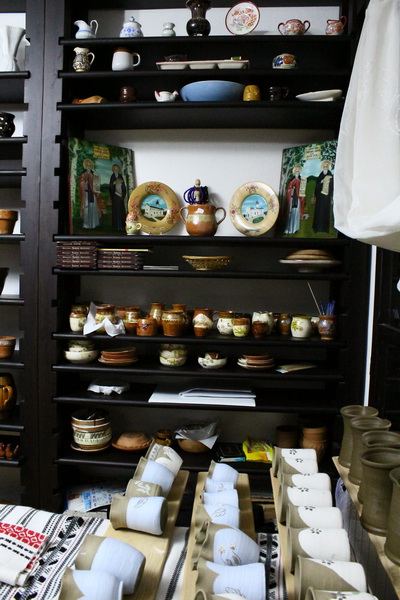
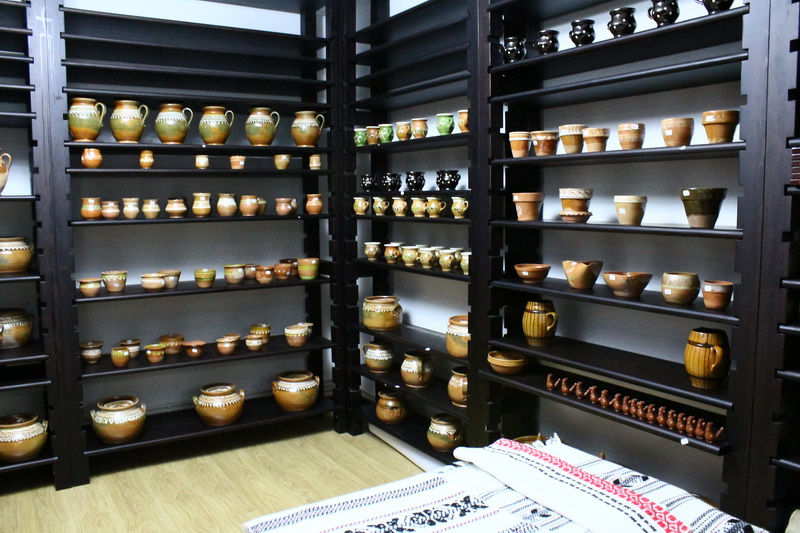
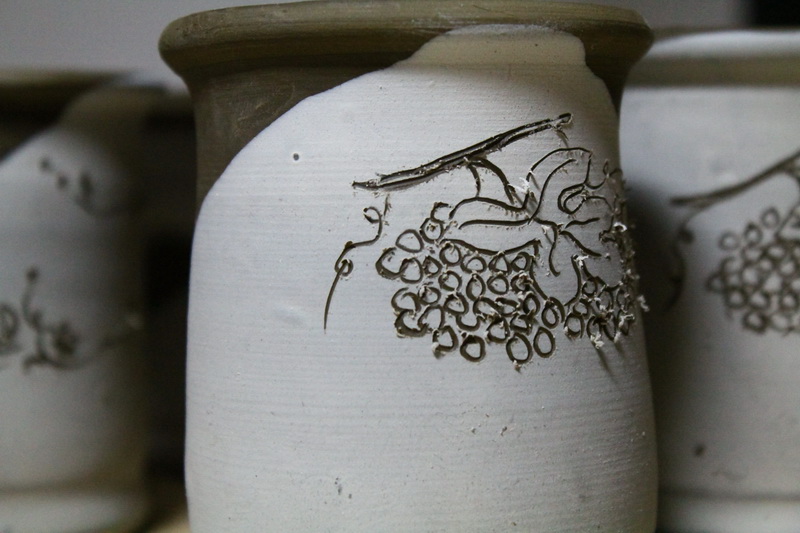
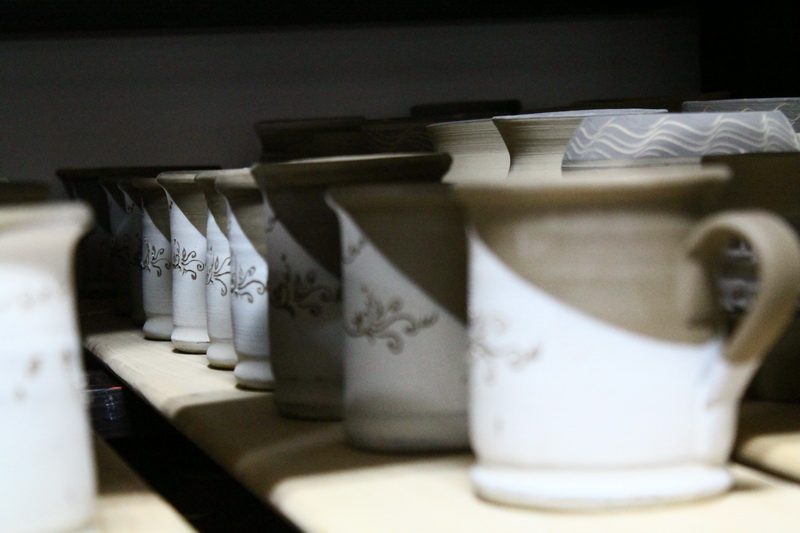
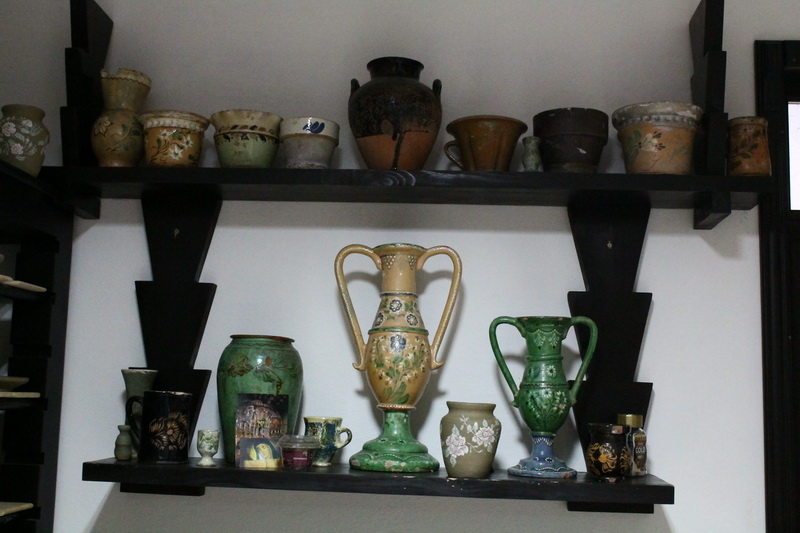
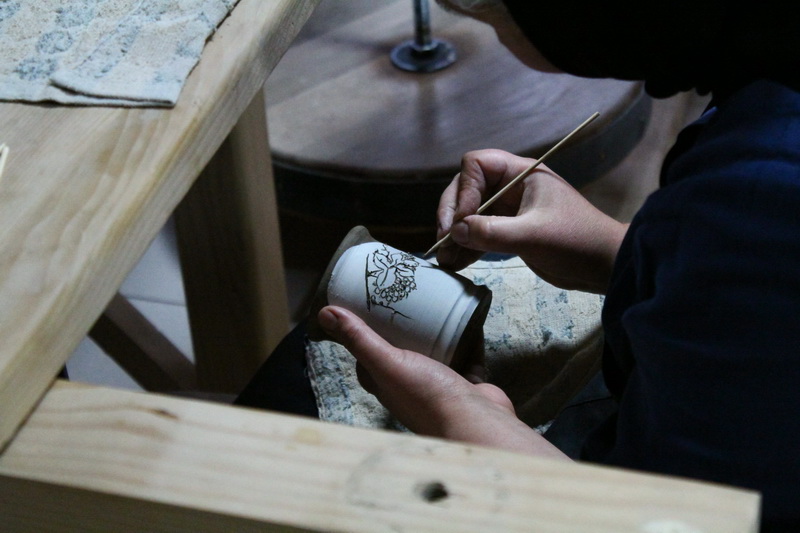
The Museum, unique in the world, has three functional workshops: workshop of weaving and embroidery, Workshop of pottery and workshop of bakery. The old workshop, functioned until 1960. The main attraction of the Museum lies in the fact that the activities are carried out in the presence of the public that can observe the various operations, including buying products from the Museum Store.
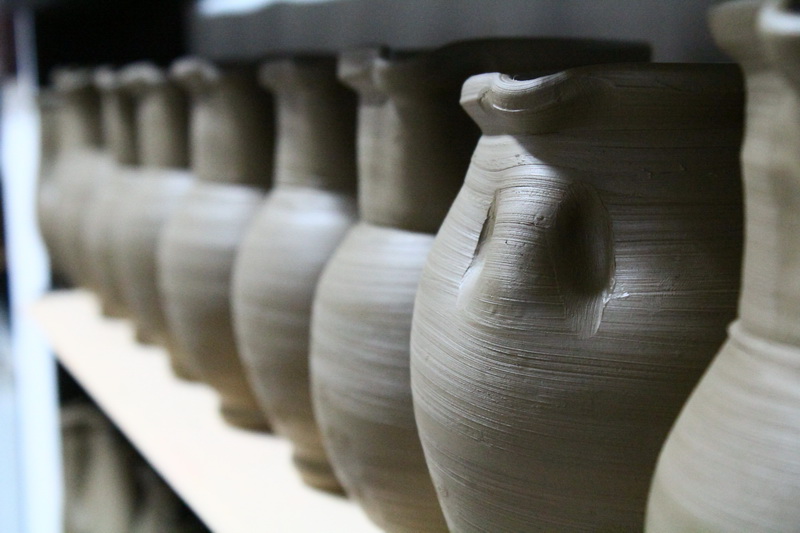
Potter’s workshop is reopened after a period of 53 years of inactivity.
More on the same topic

Ethnographic museums, treasures of local history and traditions
Ethnographic museums are true treasures and expressions of love for traditions, folklore, and spirituality of the places, and so is the Ethnographic Museum Casa Bunicilor in the village of Mitocul Bălan, Crăcăoani commune.

The Story of the Seven Miraculous Icons of the Holy Virgin and Saint Anne from Neamț Land
Renowned not only for its beauty and historical significance but also called the “Jerusalem of Romanian Orthodoxy,” Neamț Monastery houses the miraculous icon of Virgin Mary with three hands…
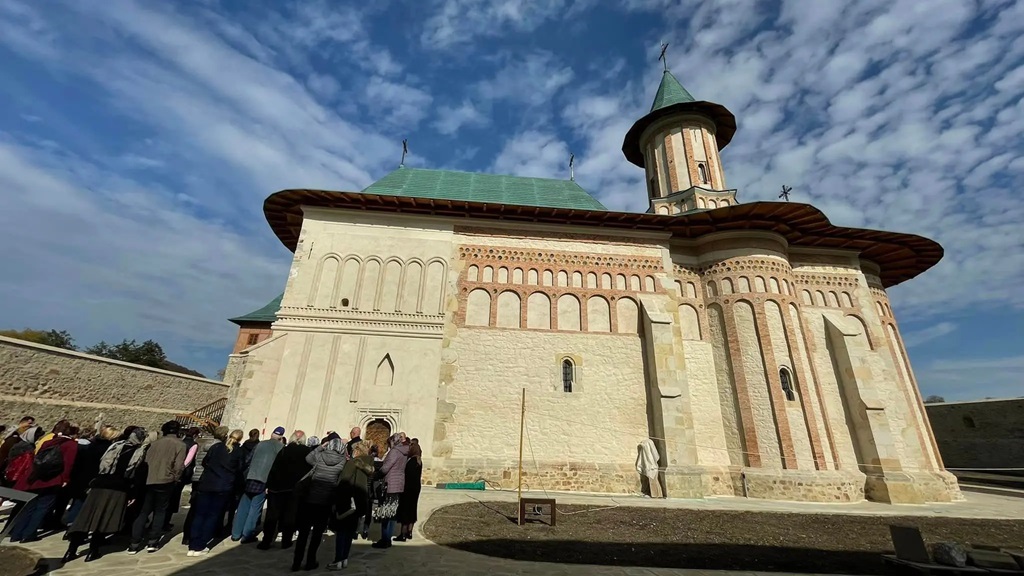
Tazlău Monastery Ensemble has been restored using European Regional Development Fund (ERDF)
After six years of hard work, the project of “reviving” one of the most prestigious establishments of Voivode Stephen the Great, in Tazlău commune, finally came to completion.