Almaș Monastery
IMG_3644_resize
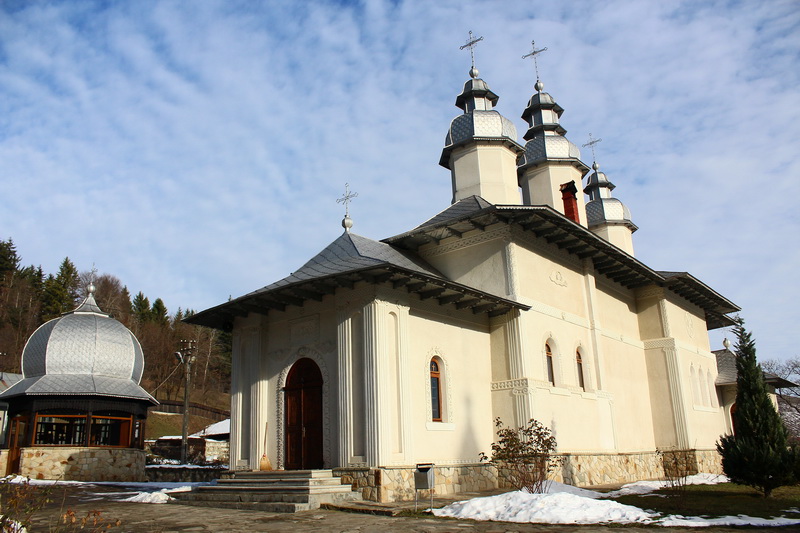
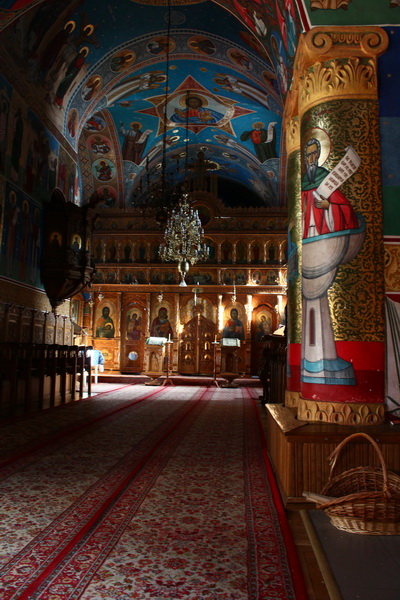
Almaș Monastery stands on the site of an older monastic settlement dating from the 15th century, in a glade in the valley of the Almaș stream, described in the writings of Calistrat Hogaș. It lies approximately 12 kilometres from the city of Piatra Neamț, towards Târgu Neamț.
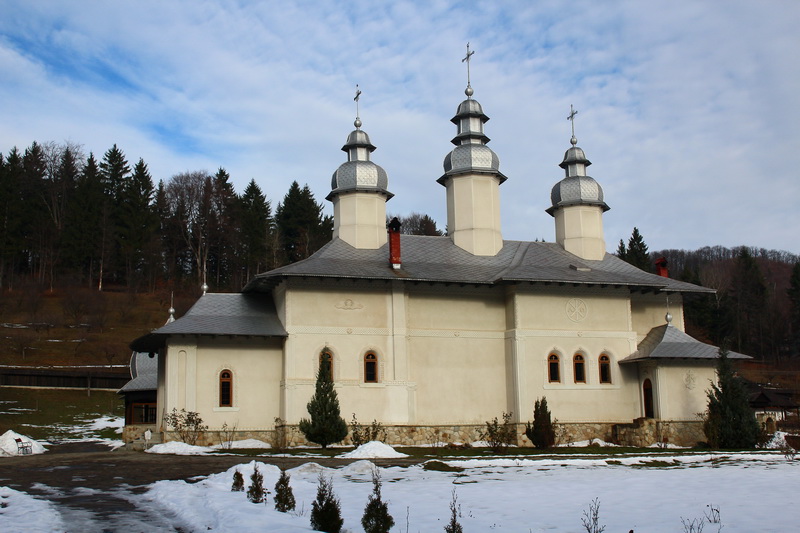
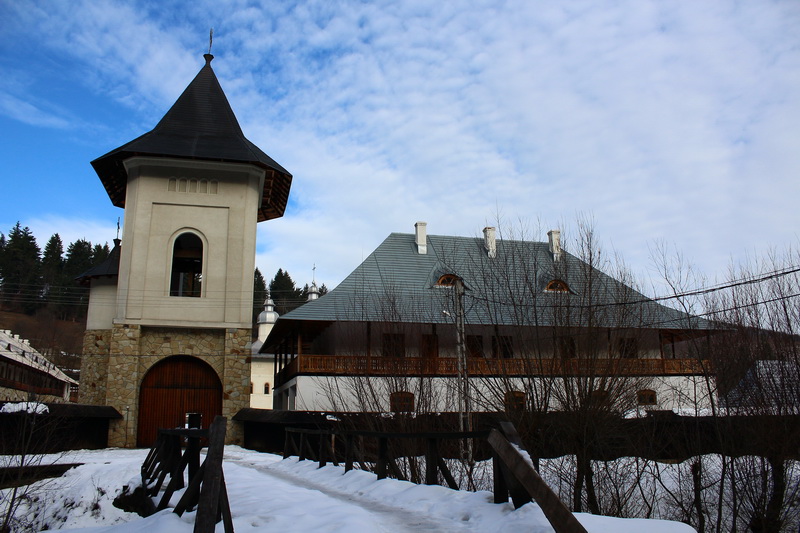
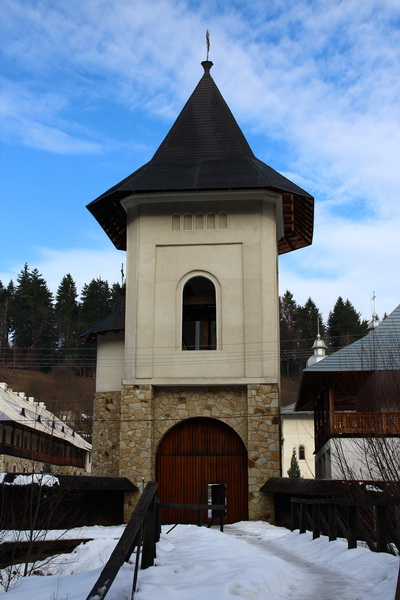
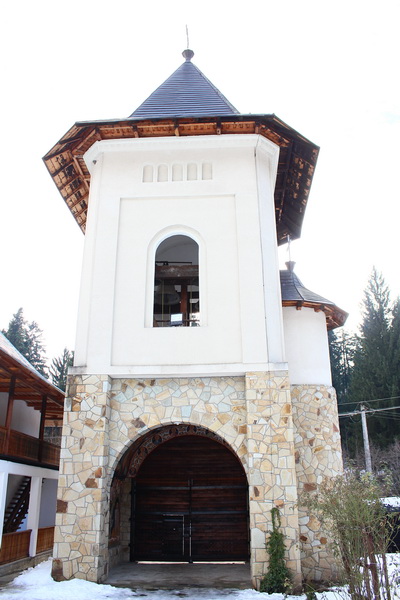
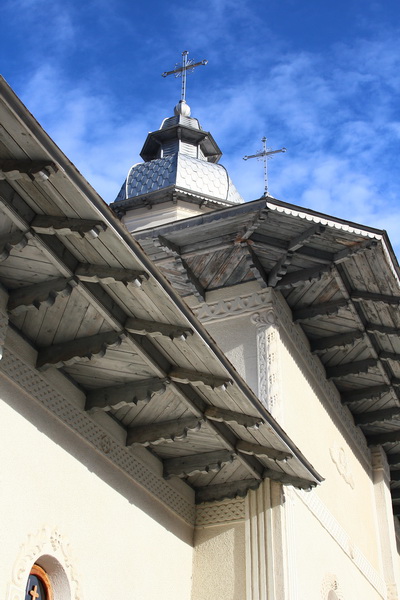
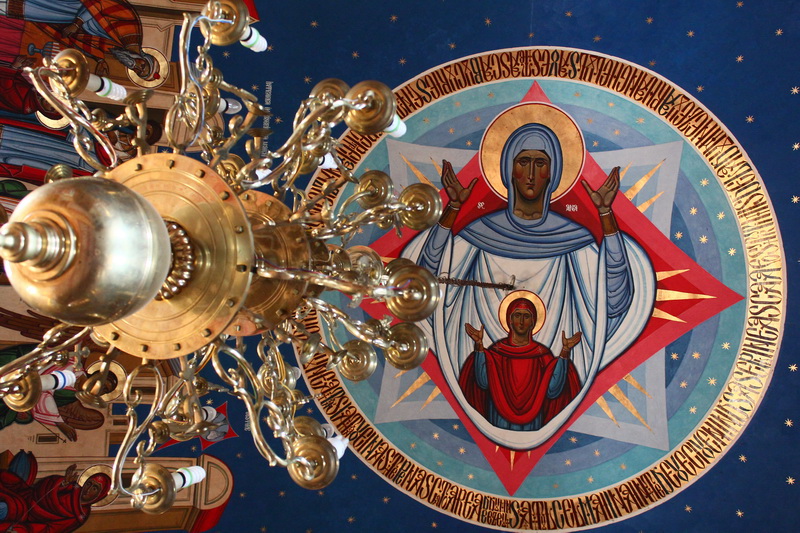
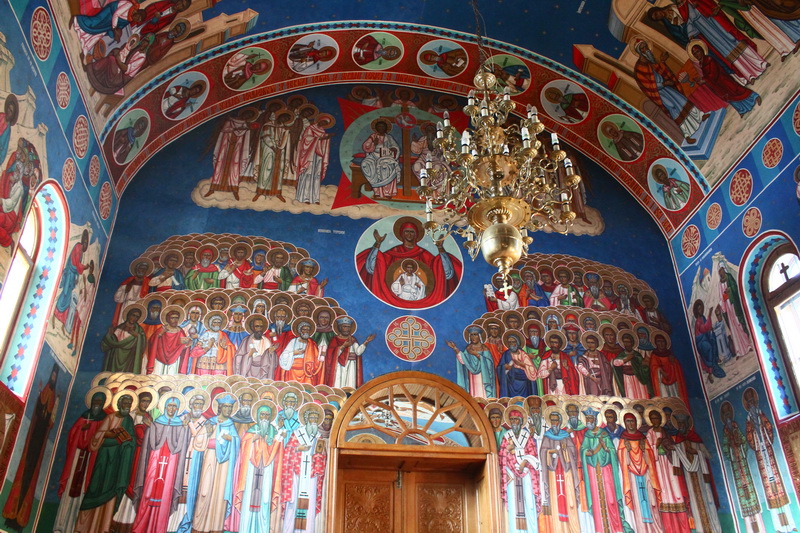
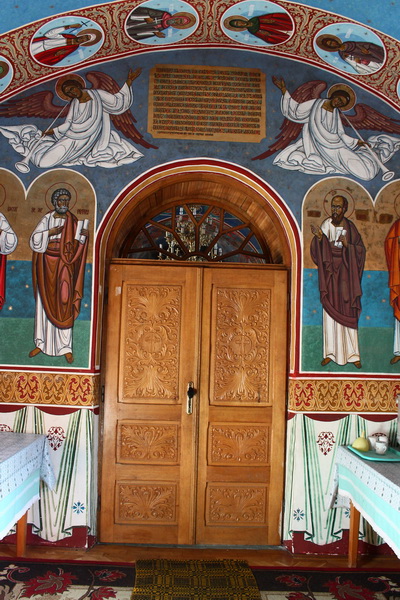
In 1659, with help from local freeholders, Vasile Almaș built a wooden chapel dedicated to Saint Nicolae, where the large icons and iconostasis from the church in the village they had been forced to leave were installed; these are now in the monastery museum. Of the old buildings, the bell tower and a small farmhouse dating from 1725, which houses the chapel, survive. The hermitage for monks in Almaș remained active until around 1821, when it was plundered by members of the Filiki Eteria. The present stone church of Almaș Monastery, built in 1821, was founded by the family of the chancellor Balș, with All Saints Sunday as its patronal feast. The church has three towers, a cruciform plan and distinctive architecture. From 1821, the hermitage was home to a monastic community of nuns, until it was closed in 1959 and the nuns were forced to move to Agapia and Văratec Monasteries. In 1987, the Metropolis of Moldavia and Suceava re-established Almaș Hermitage as a hermitage for monks under Horaița Monastery. In 1990, it was granted monastery status. Between 1988-1995, the monastery church was decorated with frescoes and was consecrated by His Eminence Metropolitan Daniel on 1 October 1995, when it was dedicated to the Protection of the Mother of God.
The icon of Saint Ana at Almaș Monastery is said to be one of the miracle-working icons of the Neamț region. One of its first miracles occurred when the monastery was plundered. When members of the Filiki Eteria saw that services were not held in Greek, as was customary at the time, they wanted to destroy the church’s most precious objects, including the icon of Saint Ana with the Virgin Maria. It is said that none of them could move the icon from its place.
Almaș Monastery, whose patronal feast is Saint Nicolae, is a historic monument.
The founders of this monastic establishment were Vasile and Maria Almaș, shepherds from Țara Hațegului.
More on the same topic

Ethnographic museums, treasures of local history and traditions
Ethnographic museums are true treasures and expressions of love for traditions, folklore, and spirituality of the places, and so is the Ethnographic Museum Casa Bunicilor in the village of Mitocul Bălan, Crăcăoani commune.

Neamț receives five nominations across four categories in Destinația Anului
We have good news for everyone who loves Neamț County and all its beauty: it is among the finalists in the Destinația Anului 2024 competition, with five nominations across four categories: Piatra Neamț in the Inspiring Cities category.

The Story of the Seven Miraculous Icons of the Holy Virgin and Saint Anne from Neamț Land
Renowned not only for its beauty and historical significance but also called the “Jerusalem of Romanian Orthodoxy,” Neamț Monastery houses the miraculous icon of Virgin Mary with three hands…