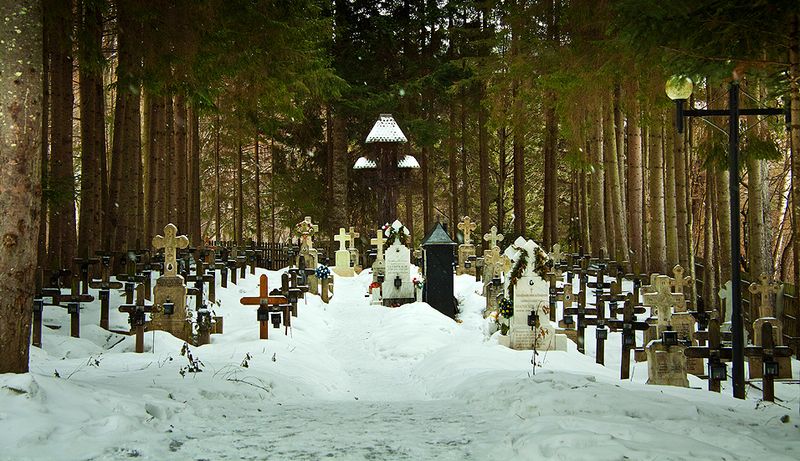
The wooden church in the cemetery of Sihăstria Monastery
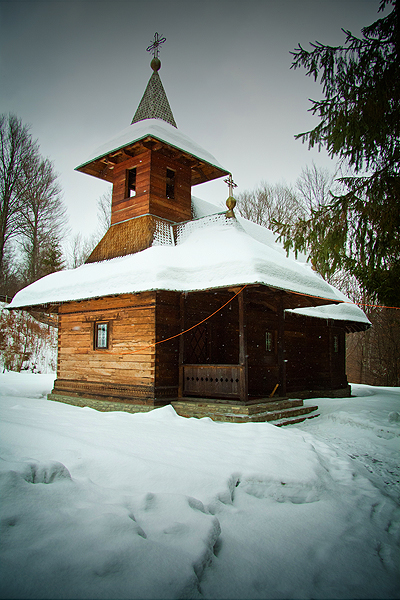
The wooden church at Sihastria Monastery
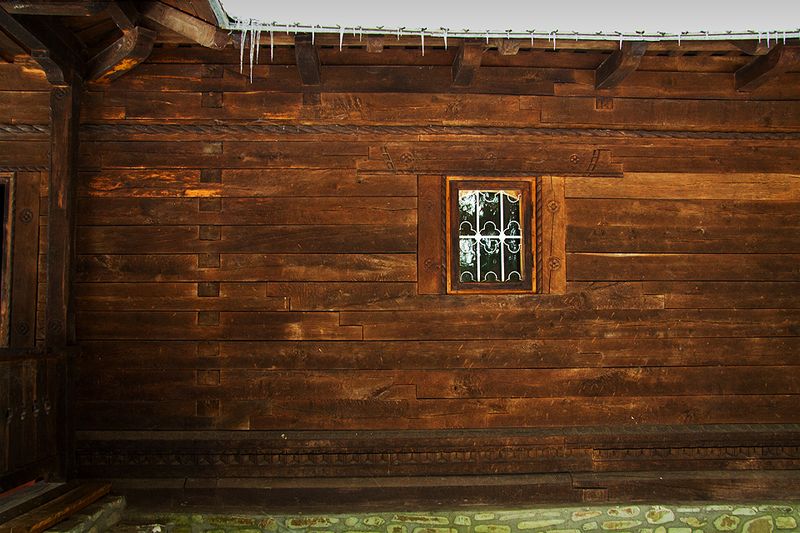
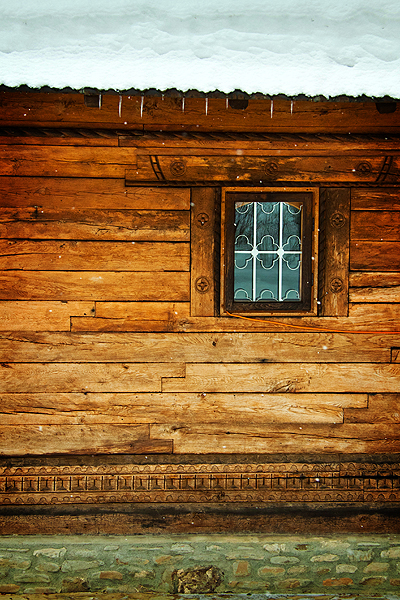
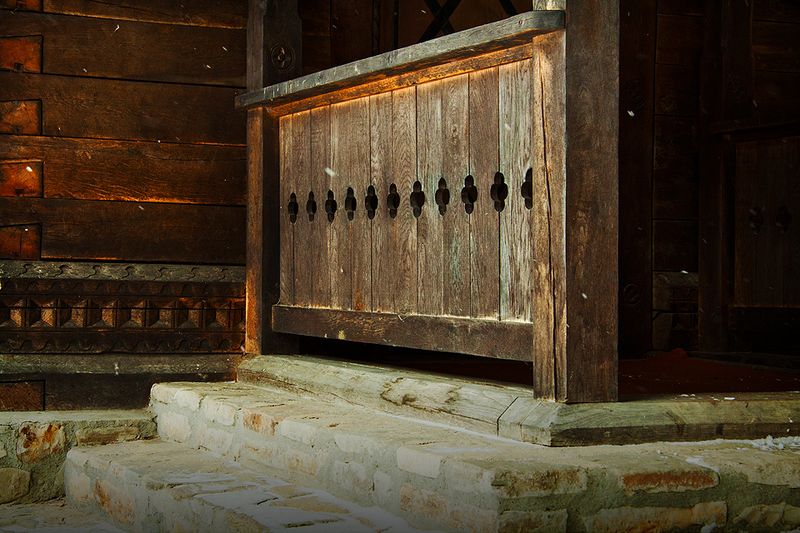
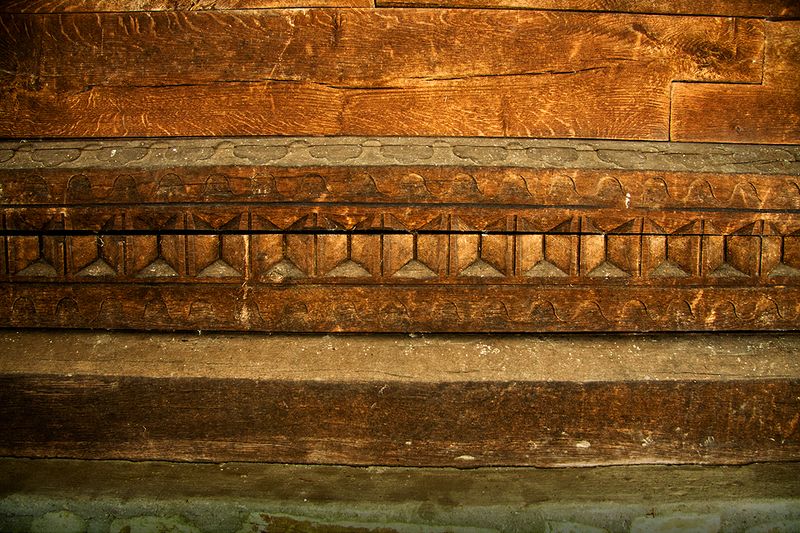
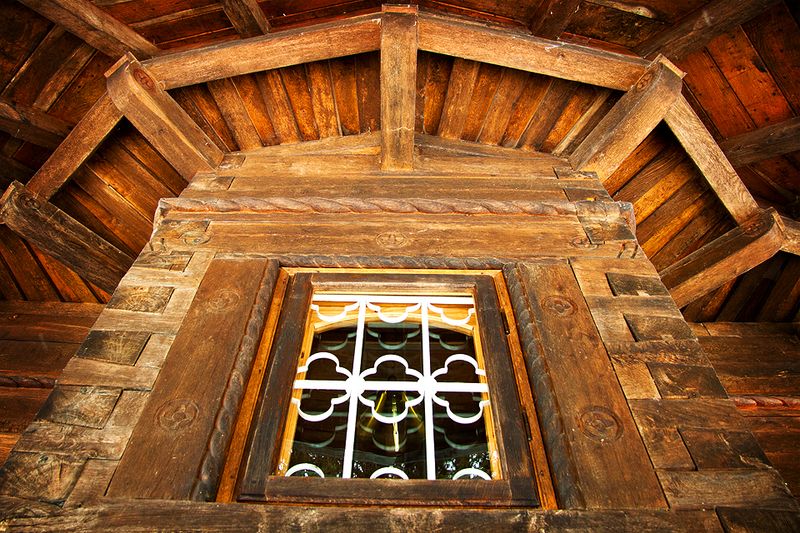
At Sihăstria Monastery, beside the cemetery, stands a wooden church of great artistic and architectural value, remarkable for the original way its craftsmen created its ornamentation. The cemetery church was built at the initiative of Father Abbot Victorin Oanele.
At the beginning of 1988, a decision was made to relocate an old wooden church dedicated to the “Holy Archangels Mihail and Gavriil” from the village of Hlăpesti in Dragomirești commune, Neamț County, to Sihăstria. Dating from the 18th century and built of wood, the church was in very poor condition, so it was decided to build a new church that would retain the old church’s layout unchanged. Work on the present wooden church therefore took place between 1988 and 1999, preserving the form and beauty of the church at Hlăpești.
The icons adorning this place of worship are the originals from the old church, while the iconostasis was painted by Archimandrite Vartolomeu Florea. The church was consecrated on 7 August 1999 and dedicated to the “Resurrection of the Lord” and “Saint Ioan the Apostle and Evangelist”. Services in this church are held only on Saturdays, from spring until late autumn, especially for the departed fathers buried in the cemetery.
The cemetery contains the tombs of Father Cleopa and Father Paisie Olaru, where dozens of worshippers pray daily.
The wooden church at Sihastria Monastery, Neamț County
Beside the church lies the cemetery of Sihăstria Monastery, established here by Father Cleopa. Between 1944-1945, he moved the monks’ remains here from the monastery’s three cemeteries.
Sihăstria Monastery is a place of pilgrimage that attracts dozens of worshippers each year, eager to visit the old wooden church and the cemetery where Father Cleopa and Father Paisie Olaru are buried.
More on the same topic

Ethnographic museums, treasures of local history and traditions
Ethnographic museums are true treasures and expressions of love for traditions, folklore, and spirituality of the places, and so is the Ethnographic Museum Casa Bunicilor in the village of Mitocul Bălan, Crăcăoani commune.

Neamț receives five nominations across four categories in Destinația Anului
We have good news for everyone who loves Neamț County and all its beauty: it is among the finalists in the Destinația Anului 2024 competition, with five nominations across four categories: Piatra Neamț in the Inspiring Cities category.

The Story of the Seven Miraculous Icons of the Holy Virgin and Saint Anne from Neamț Land
Renowned not only for its beauty and historical significance but also called the “Jerusalem of Romanian Orthodoxy,” Neamț Monastery houses the miraculous icon of Virgin Mary with three hands…