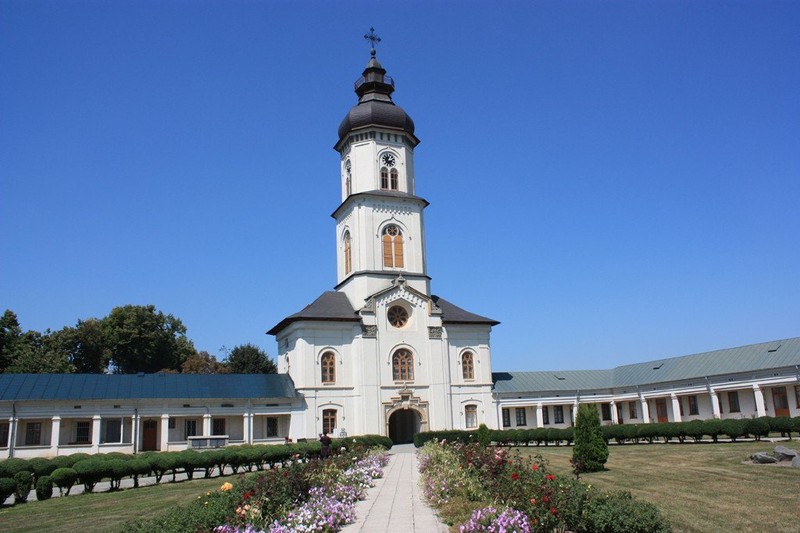
Saint Parascheva Episcopal Cathedral in Roman
Romania Tourism - Episcopal Cathedral Roman
Address: Alexandru cel Bun Street, no.5, Roman, Neamț county
Built: between 1542 – 1550 by Petru Rareș and his son, Ilas
Description:
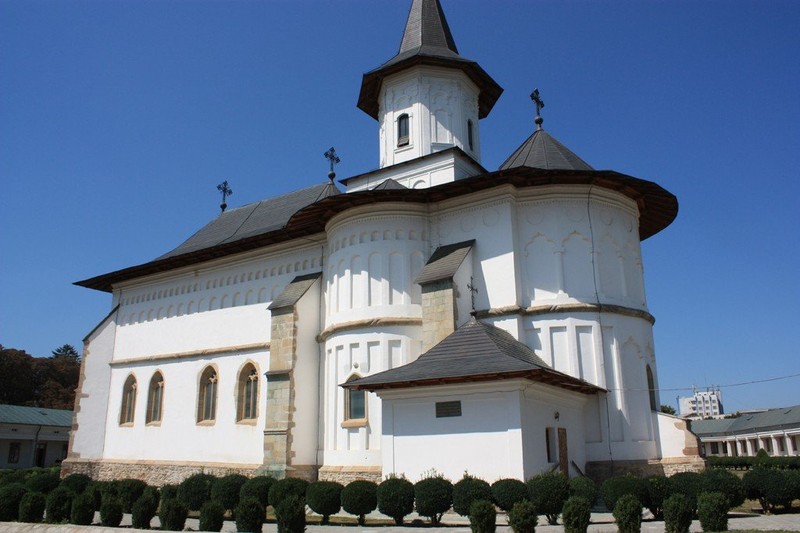
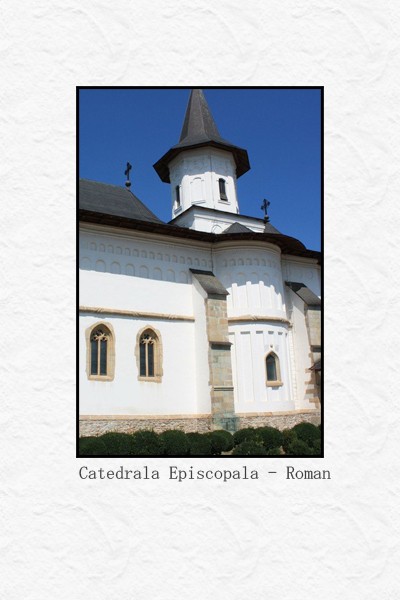
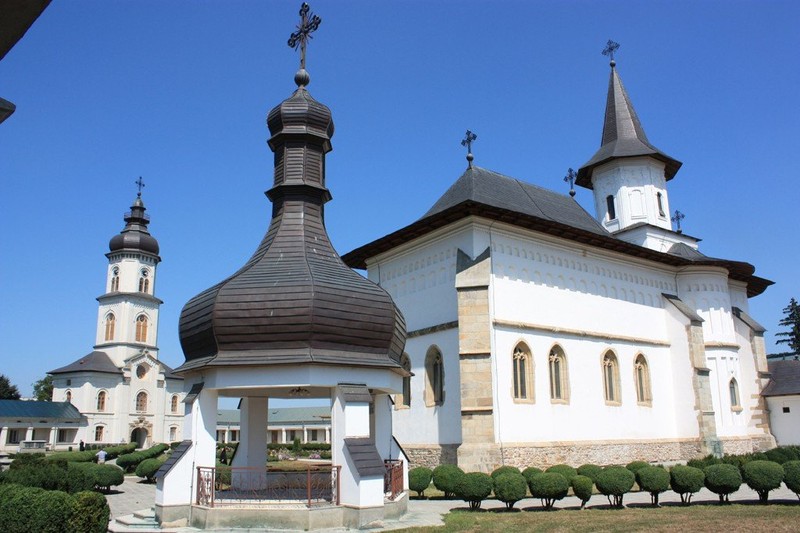
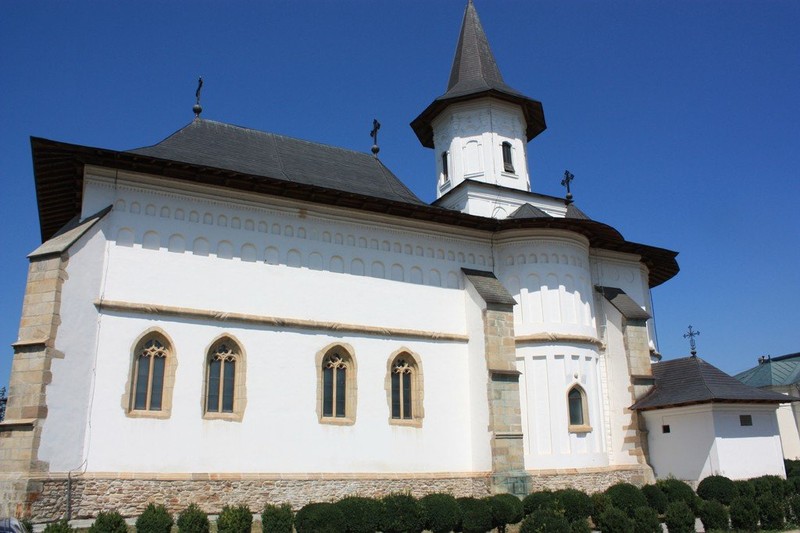
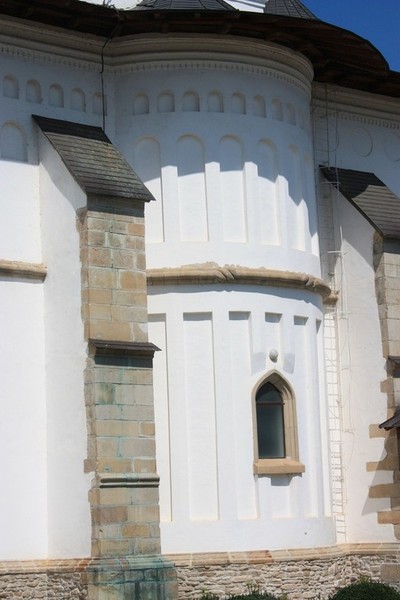
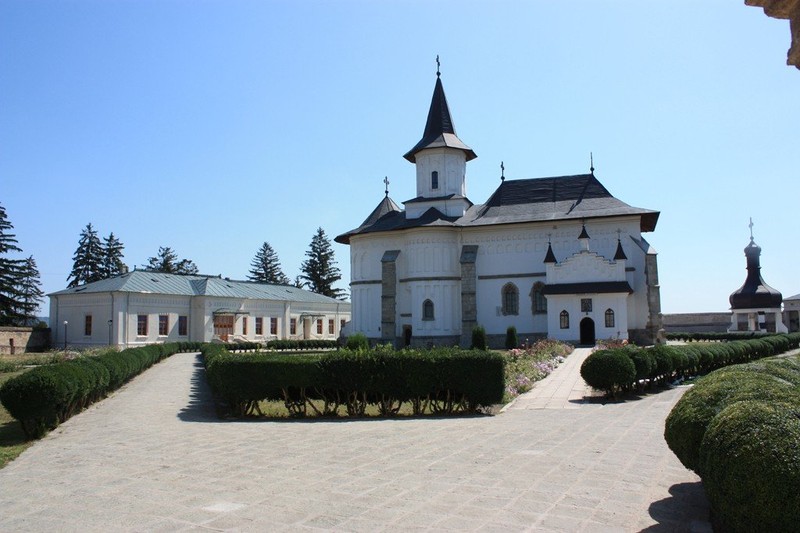
The Episcopal Cathedral in Roman, dedicated to Saint Parascheva, was built in the 16th century and has been restored several times over the years, with little alteration to its original architectural forms.
Today, the church draws many visitors with the exceptional beauty of its interior paintings, created in three main phases: the 16th century, the 18th century and the early 19th century. Only the paintings in the porch and a few areas of the narthex retain the church's original frescoes, which are almost 500 years old. The church contains unique painted depictions and icons of the Protectress of Moldavia, which can be admired above the entrance door.
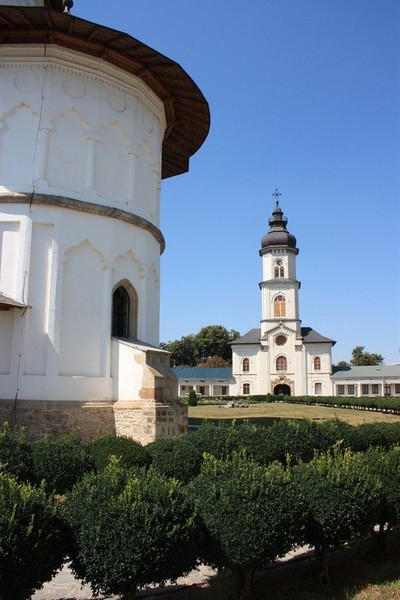
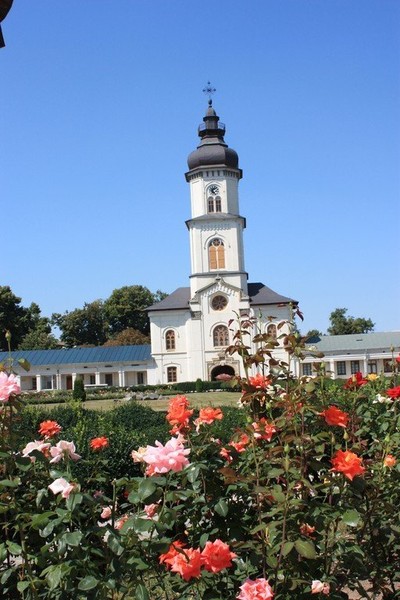
Alongside this place of worship, the monastic complex also includes a chapel, monastic cells and office buildings, the Bell Tower and the Episcopal Palace, built in 1870. It has 5 levels: the first two house the diocesan archives, while the next three house one of the most extensive research libraries (approximately 20,000 volumes).
The bells in the tower are very old; five are large and the others are smaller. Three inscribed bells donated by Voivode Stephen the Great are particularly noteworthy.
A monument of history and religious architecture, the Diocese of Roman has been an important centre of Romanian culture and education over the years. Early schools held in monastic cells operated within this monastic establishment, playing an important role in training its own clergy and later young laypeople. Through its long and eventful history, the Diocese of Roman also helped establish the town as an important centre of economic and political life and Orthodox faith east of the Carpathians. Photo Album Click to view larger versions of the images
The Bell Tower has a rich history and was built in two stages, in the 18th and 19th centuries.
Click to view all photo albums
More on the same topic

Ethnographic museums, treasures of local history and traditions
Ethnographic museums are true treasures and expressions of love for traditions, folklore, and spirituality of the places, and so is the Ethnographic Museum Casa Bunicilor in the village of Mitocul Bălan, Crăcăoani commune.

Neamț receives five nominations across four categories in Destinația Anului
We have good news for everyone who loves Neamț County and all its beauty: it is among the finalists in the Destinația Anului 2024 competition, with five nominations across four categories: Piatra Neamț in the Inspiring Cities category.

The Story of the Seven Miraculous Icons of the Holy Virgin and Saint Anne from Neamț Land
Renowned not only for its beauty and historical significance but also called the “Jerusalem of Romanian Orthodoxy,” Neamț Monastery houses the miraculous icon of Virgin Mary with three hands…