The Monastic Collection at Agapia Monastery, Neamț County
In 1927, the first monastic museum was established at Agapia Monastery, housing not only liturgical objects and religious art, but also secular artworks: textiles, needlework, woodcarvings, jewellery and other works of art from different parts of the country. The museum exhibition at Agapia Monastery was arranged in 4 spacious rooms and 2 connecting rooms, with exhibits selected and grouped according to the collection’s themes. The monasteries in Neamț also have other museums that pilgrims can visit, such as the museum at Neamț Monastery, the museum at Secu or the collection at Văratec
Agapia Monastery Museum: an overview
The first room displays old icons dating from the 16th–18th centuries, a collection of old carved and filigree crosses, early manuscripts and printed works, vessels for blessed bread, censers and tabernacles, icon lamps, candlesticks and other objects of historical value.
The second room is dedicated to the great painter Nicolae Grigorescu. It displays 29 original works by the painter, created during the period when he also painted the interior of Agapia Monastery. These comprise icons, processional banners, an embroidered burial shroud and five paintings on secular subjects.
Images of the Museum at Agapia Monastery
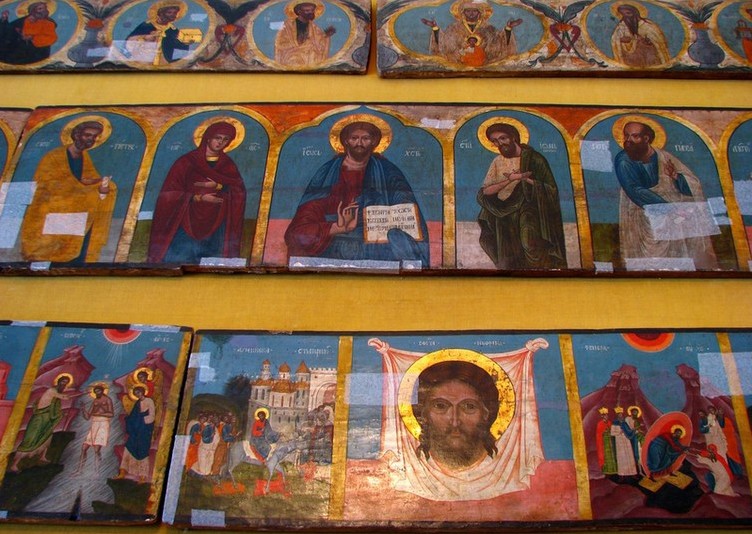
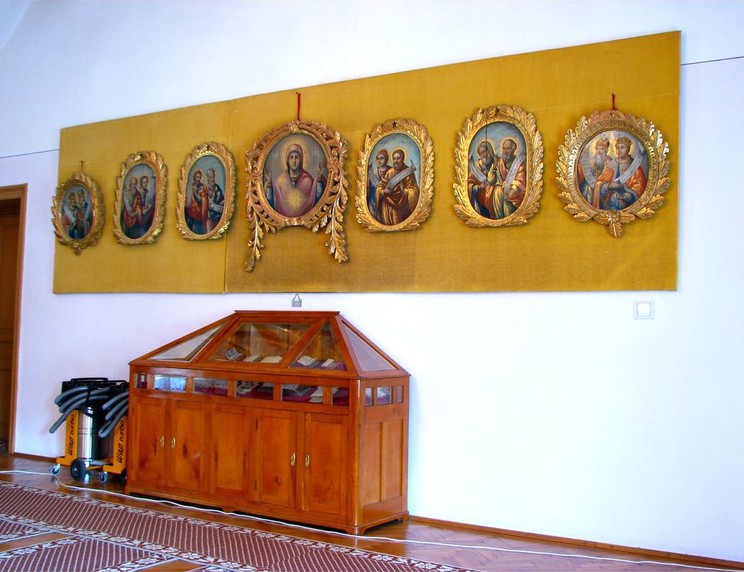
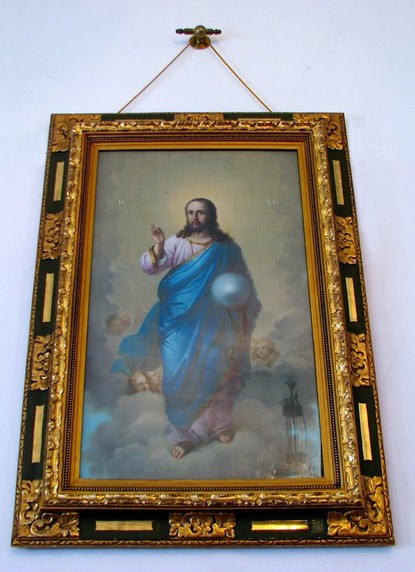
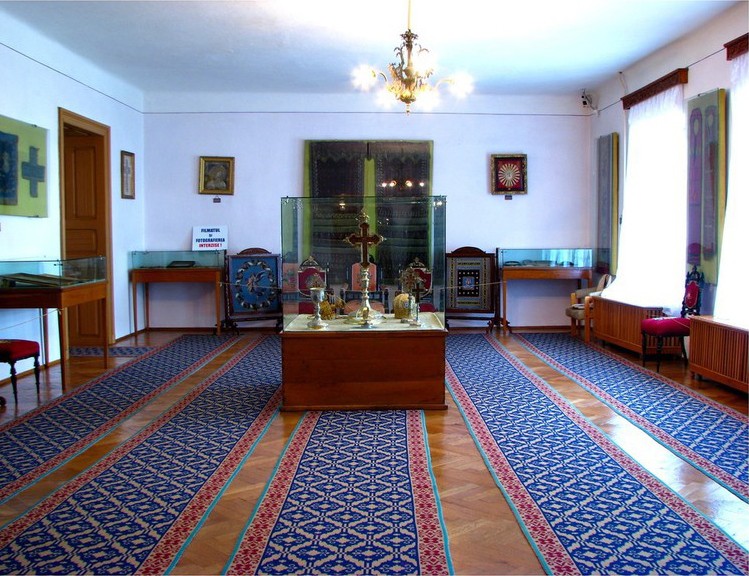
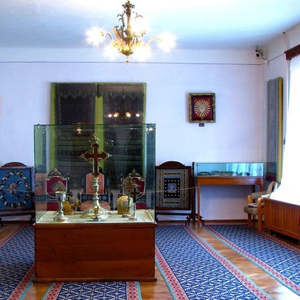
The third room of the museum at Agapia Monastery contains objects such as embroideries, coverings for sacred vessels, liturgical thigh shields, embroidered icons, priestly stoles, a curtain for the icon of the Mother of God, an embroidered burial shroud, silver objects, sacred vessels, crosses, icon lamps and a holy water vessel.
The fourth room is the writers’ room, displaying paintings of the houses where several classic Romanian writers lived, painted and photographic portraits of the writers, letters from various writers, photographs and photocopies of selected manuscripts, recalling Agapia Monastery and what it meant to them.
This monastic collection at Agapia, displayed in large, bright rooms and rich in exhibits of great cultural and historical value, leaves a lasting impression on visitors.
More on the same topic

Ethnographic museums, treasures of local history and traditions
Ethnographic museums are true treasures and expressions of love for traditions, folklore, and spirituality of the places, and so is the Ethnographic Museum Casa Bunicilor in the village of Mitocul Bălan, Crăcăoani commune.

Neamț receives five nominations across four categories in Destinația Anului
We have good news for everyone who loves Neamț County and all its beauty: it is among the finalists in the Destinația Anului 2024 competition, with five nominations across four categories: Piatra Neamț in the Inspiring Cities category.

The Story of the Seven Miraculous Icons of the Holy Virgin and Saint Anne from Neamț Land
Renowned not only for its beauty and historical significance but also called the “Jerusalem of Romanian Orthodoxy,” Neamț Monastery houses the miraculous icon of Virgin Mary with three hands…