Collections of historic ecclesiastical art in Neamț
Religious art collections in Neamț
The collections of historic ecclesiastical art in Neamț are among the most important cultural attractions you should not miss when visiting the monasteries in Neamț. All these exhibits bear living witness to an ancient culture, a people’s piety and their creative abilities.
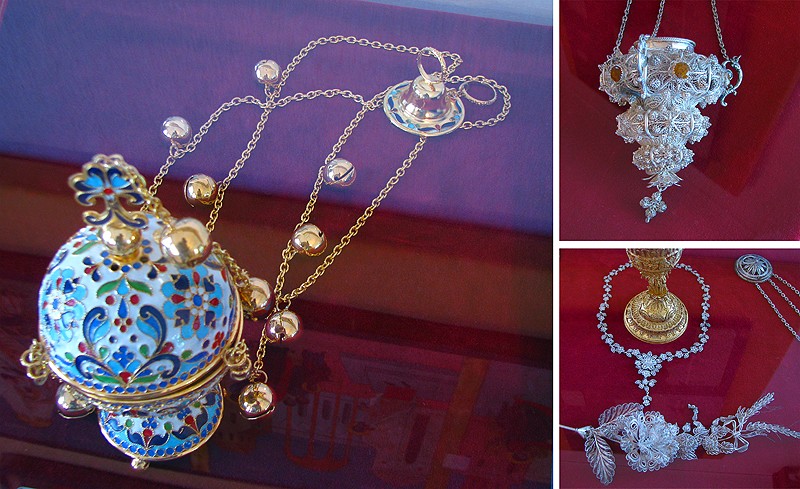
The museum at Neamț Monastery – the monastery’s treasury contains religious objects made of precious metals, embroidery, textiles and wood carvings, either made in the monastery or donated by voivodes and other benefactors. All these objects and documents have provided new historical information that enriches our understanding of the Romanian people’s turbulent history. Over time, the wealth of Neamț Monastery made it a target of repeated raids and disputes, yet Neamț Monastery remained an important centre of medieval culture, preserving a substantial part of the National Cultural Heritage in its museum.
The most representative collections are those in the museums of Văratec, Agapia and Neamț monasteries.
Collections of religious art in Neamț, Neamț County
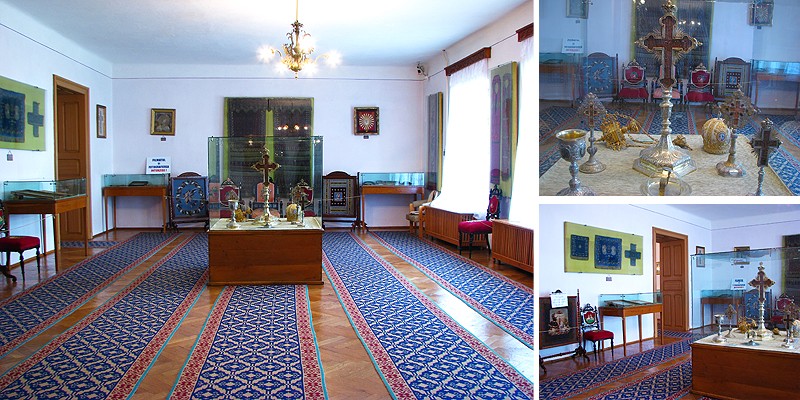
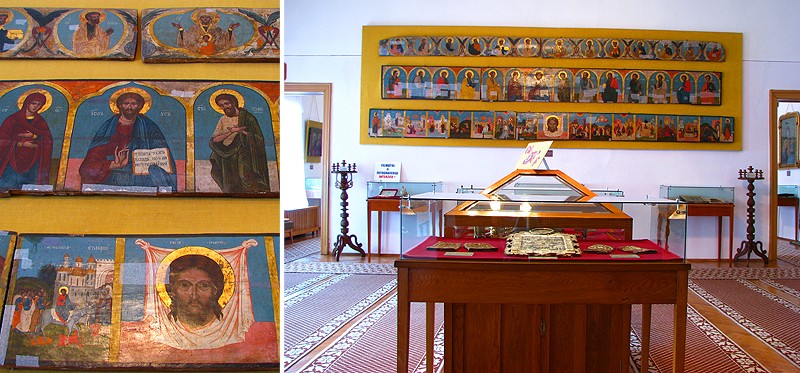
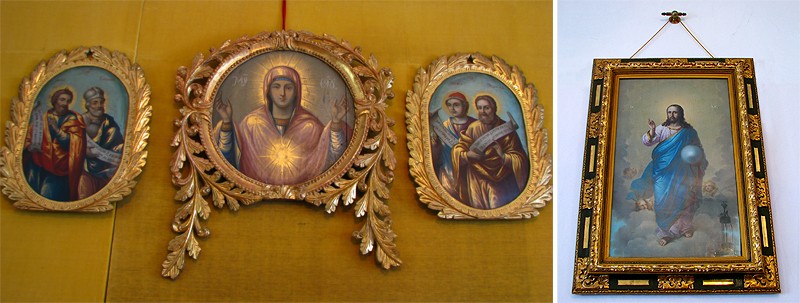
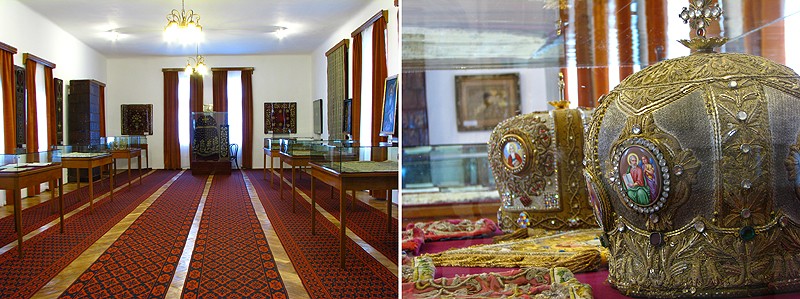
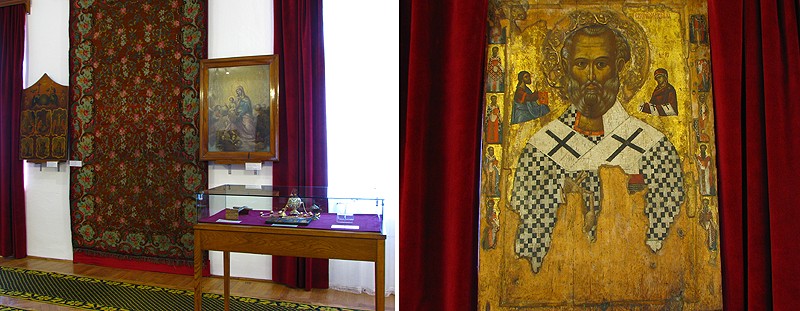
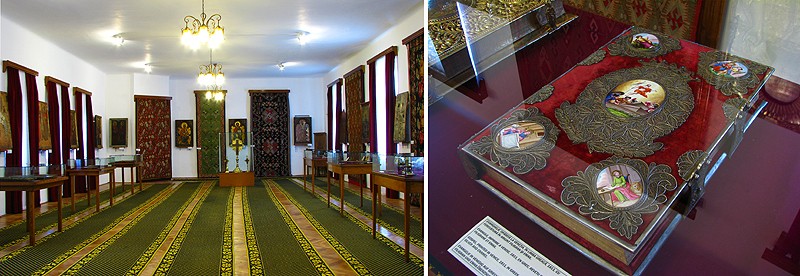
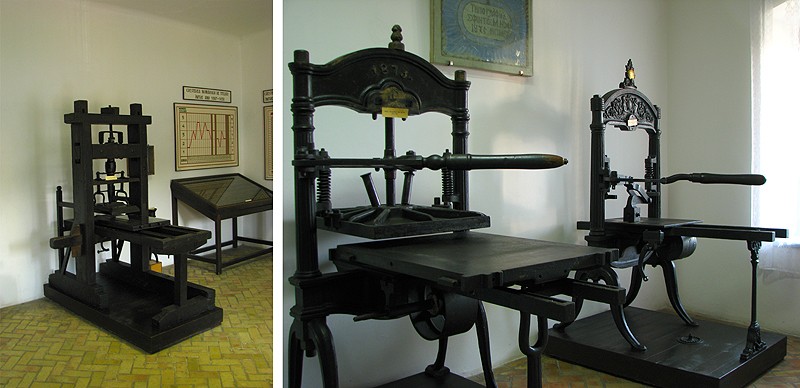
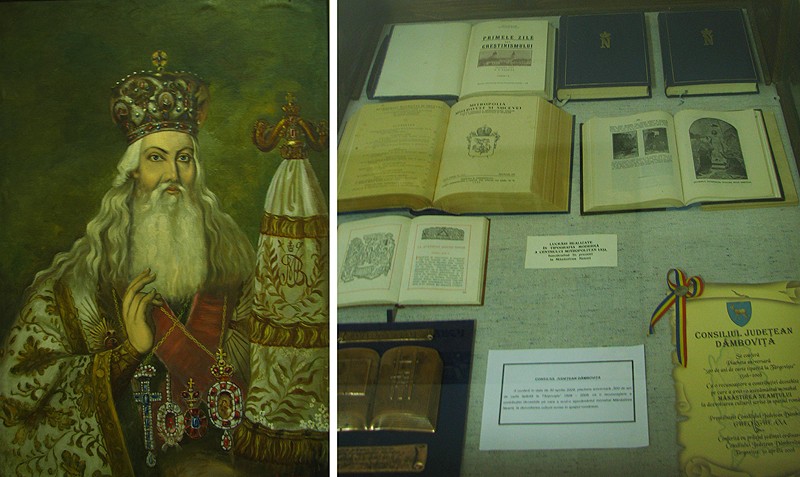
The Monastic Collection at Agapia Monastery, Neamț County – In 1927, the first monastery museum was established at Agapia Monastery, housing not only liturgical objects and religious art but also secular works of art: textiles, embroidery, wood carvings, jewellery and other art objects from various parts of the country. Displayed in large, bright rooms, the monastic collection at Agapia, with its wealth of exhibits of great cultural and historical value, leaves a lasting impression on visitors.
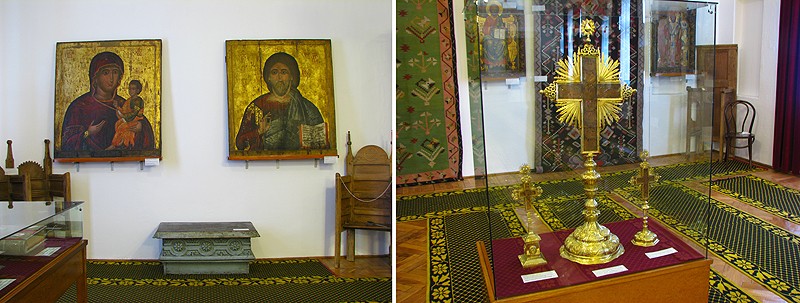
The Collection of Historic Ecclesiastical Art at Văratec Monastery – contains the oldest icons painted in tempera on wood, dating from the 15th century and depicting Saint Nicolae or the Archangels Mihail and Gavril, brought from Râșca Monastery – Fălticeni. A pair of principal icons from Văleni – Neamț, one depicting the Saviour Isus Hristos and the other the Mother of God with the Child, together with the icon “Schimbarea la Față”, date from the 16th century. Painted in tempera on wood, they display classic Byzantine stylisation. A series of small icons also from Văleni date from the 17th century, as does the icon “Maica Domnului Dolorosa”, painted in tempera by Eftimie. The icons depicting the Saviour and the Mother of God from Topolița Hermitage were painted by Hieromonk Tiufan in 1697.
More on the same topic

Neamț receives five nominations across four categories in Destinația Anului
We have good news for everyone who loves Neamț County and all its beauty: it is among the finalists in the Destinația Anului 2024 competition, with five nominations across four categories: Piatra Neamț in the Inspiring Cities category.

Military firefighters bring competition and lots of adrenaline to Târgu Neamț
Târgu Neamț is hosting the 3rd zonal stage of the professional emergency situation competitions, in which representative teams from several counties of the country will participate: Bacău, Botoșani, Iași, Neamț, and Suceava.
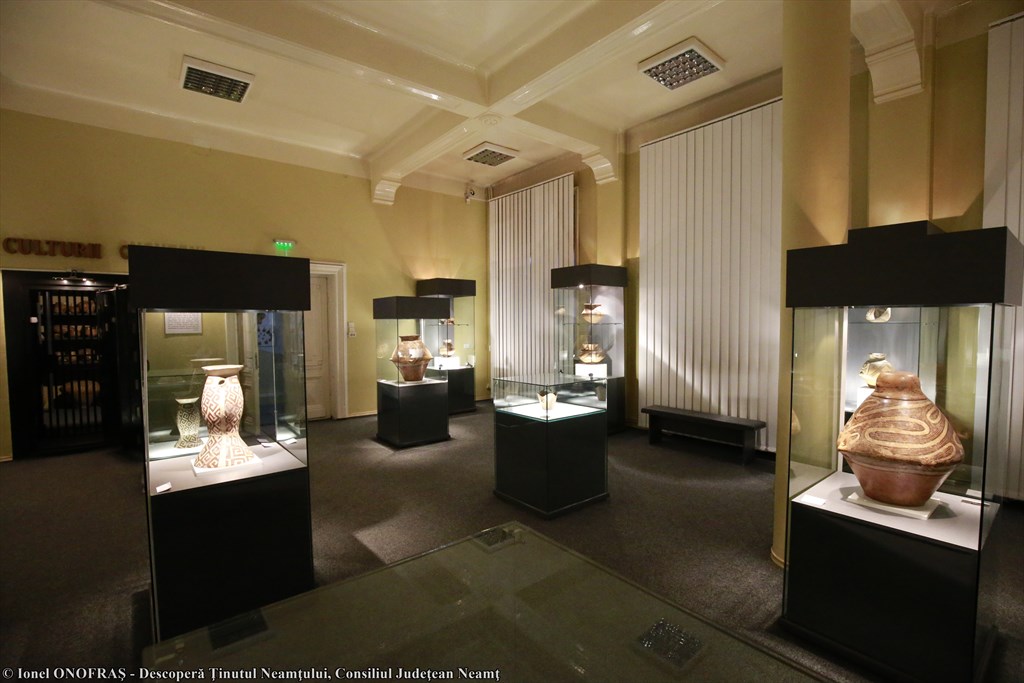
Discover, in Piatra Neamț, the most important Eneolitic art collection from the South-East of Europe
Photo Gallery: Nationally one of the kind, both history and art museum, it currently hosts the most spectacular artefacts, famous objects that belong to the Cucuteni–Trypillia Culture, which is in…