Travel Guide: The Town of Roman
The Town of Roman
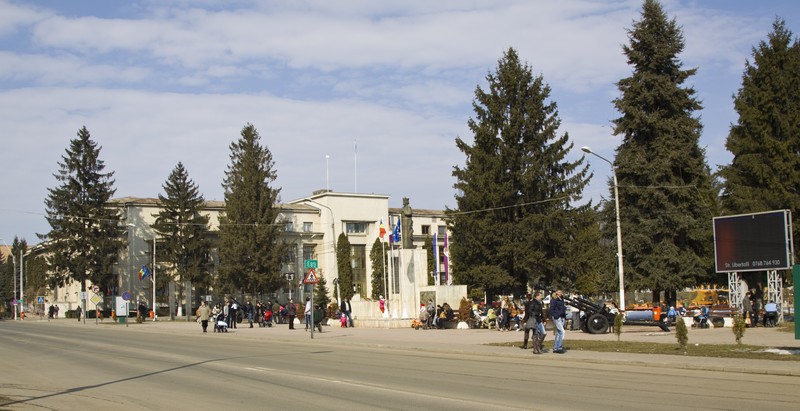
The town of Roman lies in the central part of the Moldavian Plateau, at the confluence of the Siret and Moldova rivers, in Neamț County, approximately 46 km east of the town of Piatra Neamț.
Getting here: By road DN15 D – from Piatra Neamț (47 km) E 85 – from Bacău (46 km)
By rail Rail access is from Bacau or Pașcani. The town is served by the București – Dornești – Cernăuți – Varșovia main railway line.
By air Iași International Airport – has scheduled flights to Vienna, Budapest, Bucharest, Constanța and Timișoara. Bacău International Airport – has scheduled flights to cities in Italy (Bologna, Milan, Rome, Turin), Bucharest and Timișoara.
Historical information about the town of Roman Tourist attractions in the town of Roman Guesthouses in the Roman area
Administrative offices: Address: Piața Roman Vodă Street, no. 1, locality: Roman, county: Neamț, postcode 611022 Tel: 0233741651, 0233741119 Fax: 0233741604 Email: comunicare@primariaroman.ro Web: www.primariaroman.ro
The Roman region is a treasure trove of historical relics, with remains from various periods (Palaeolithic, Neolithic, etc.) attesting to settlements dating back to the Bronze Age and demonstrating the importance of this centre of Moldavia. The first mention of the town of Roman appears in Letopisețul Novgorodului in 1387, while the earliest written document is a deed of donation dated 30 March 1392, which is also the oldest known record of the town’s foundation.
The town was founded by Prince Roman I Mușat, from whom it took its name. The town of Roman developed around Mușatinilor Fortress, built by the prince between 1392-1394 on the site now occupied by the Archdiocese of Roman and Bacău. The town’s second fortress, known as Roman’s New Fortress, was built by Stephen the Great at the confluence of the Moldova and Siret rivers.
The archiepiscopal church of Roman, together with other monasteries and places of worship belonging to the Orthodox Church and other denominations, represents a wealth of architectural treasures characteristic of medieval architecture. All bear witness to the level of development the town had reached at that time.
46km
The town of Roman lies in the central part of the Moldavian Plateau, at the confluence of the Siret and Moldova rivers, in Neamț County, approximately 46 km east of the town of Piatra Neamț.
The Town of Roman, Neamț County
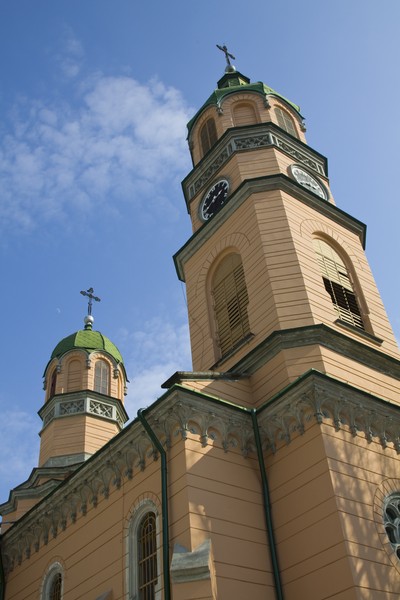
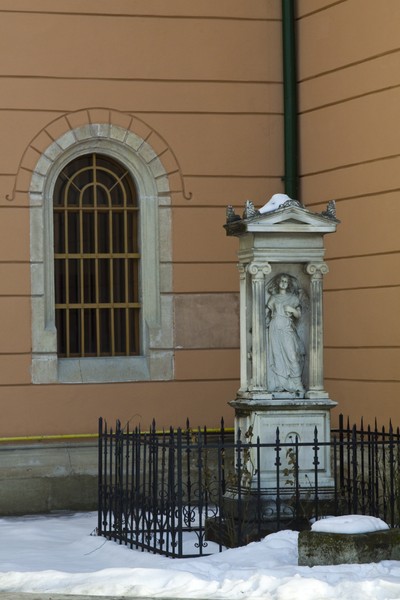
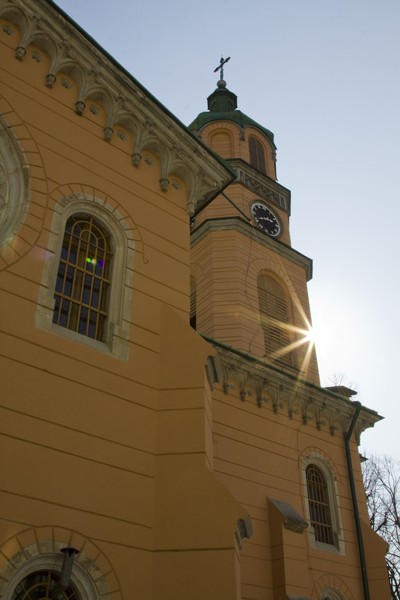
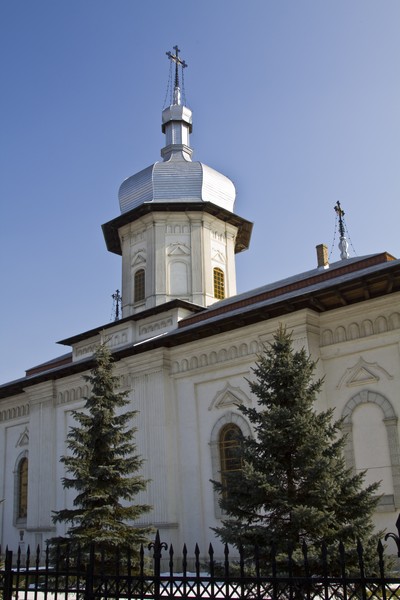
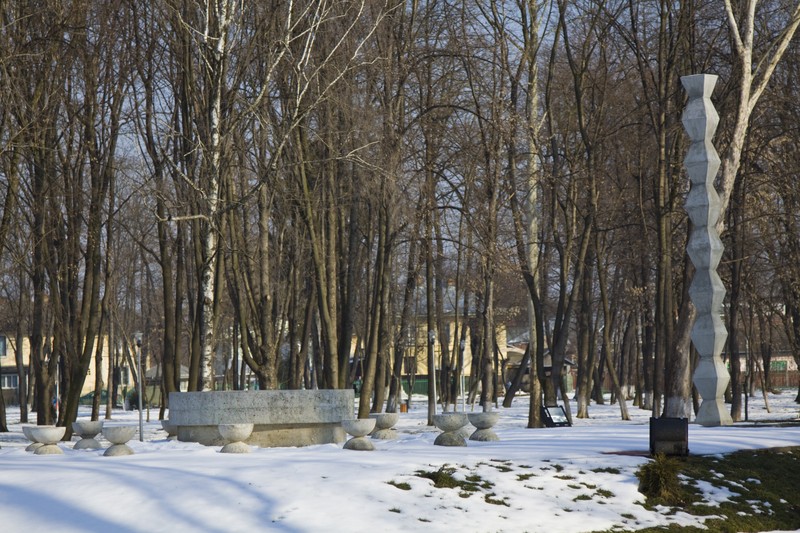
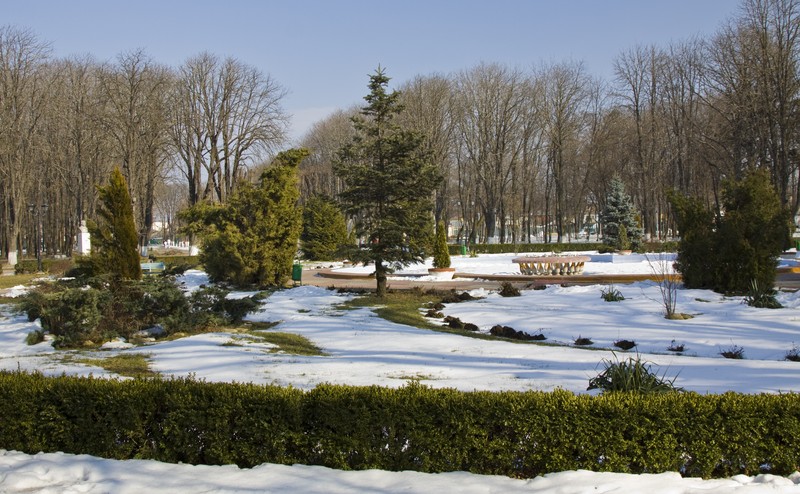
Tourist attractions Art Museum – the museum’s collection showcases Romanian art through works by artists connected in one way or another with the Roman area, including paintings, graphic art, sculpture and decorative art.
History Museum – housed in Negruzzi Palace, a listed Baroque architectural monument dating from the second half of the 19th century, distinguished by ceiling ornamentation created by Ludwig Branner in 1884.
Natural Sciences Museum – the museum’s exhibition presents the geography, palaeontology and soil science of the Roman area.
Ancuța's Inn – built in 1718 at a crossroads on the estate of the Catargi boyars, Ancuța's Inn was a stopping place for merchants travelling towards Roman, Iași or Suceava.
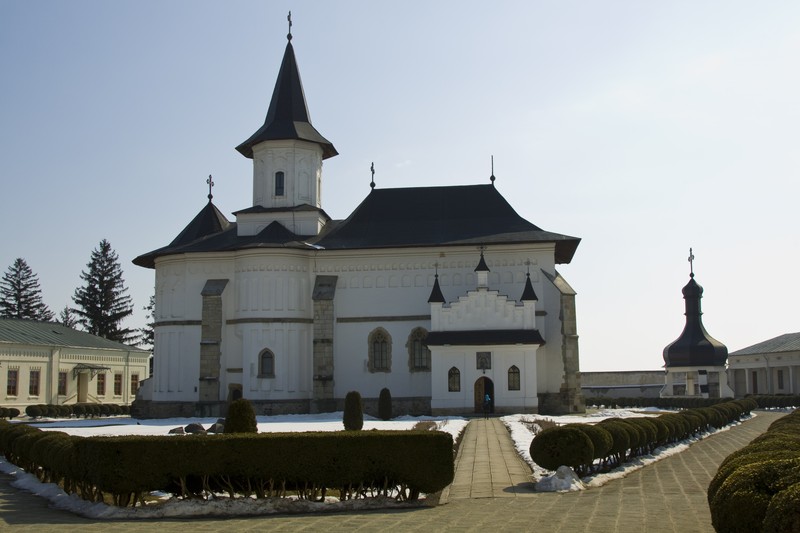
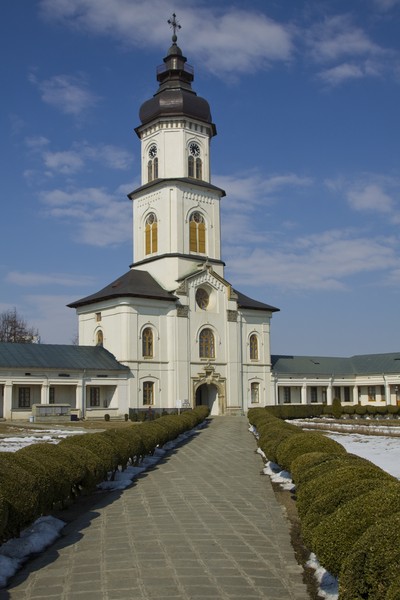
“St Parascheva” Archiepiscopal Cathedral – built in the 16th century, it draws the attention of many visitors with the exceptional beauty of its interior paintings, executed in three main stages: the 16th century, the 18th century and the early 19th century.
“Sfinții Voievozi” White Church – built in 1615 by Prince Ștefan II Tomșa and rebuilt in 1695 by sword-bearer Vasile Cantacuzino, the church stands in the centre of the city of Roman and impresses with its imposing size.
Precista Mare Church – situated on the outskirts of Roman, near the bishopric, it was built in 1569 and holds an important and valuable collection of cultural and artistic heritage, mainly dating from the 18th-19th centuries.
Armenian Church – built in 1609, it has distinctive architecture that is striking for its beauty and elegance
More on the same topic

Neamț receives five nominations across four categories in Destinația Anului
We have good news for everyone who loves Neamț County and all its beauty: it is among the finalists in the Destinația Anului 2024 competition, with five nominations across four categories: Piatra Neamț in the Inspiring Cities category.

Military firefighters bring competition and lots of adrenaline to Târgu Neamț
Târgu Neamț is hosting the 3rd zonal stage of the professional emergency situation competitions, in which representative teams from several counties of the country will participate: Bacău, Botoșani, Iași, Neamț, and Suceava.
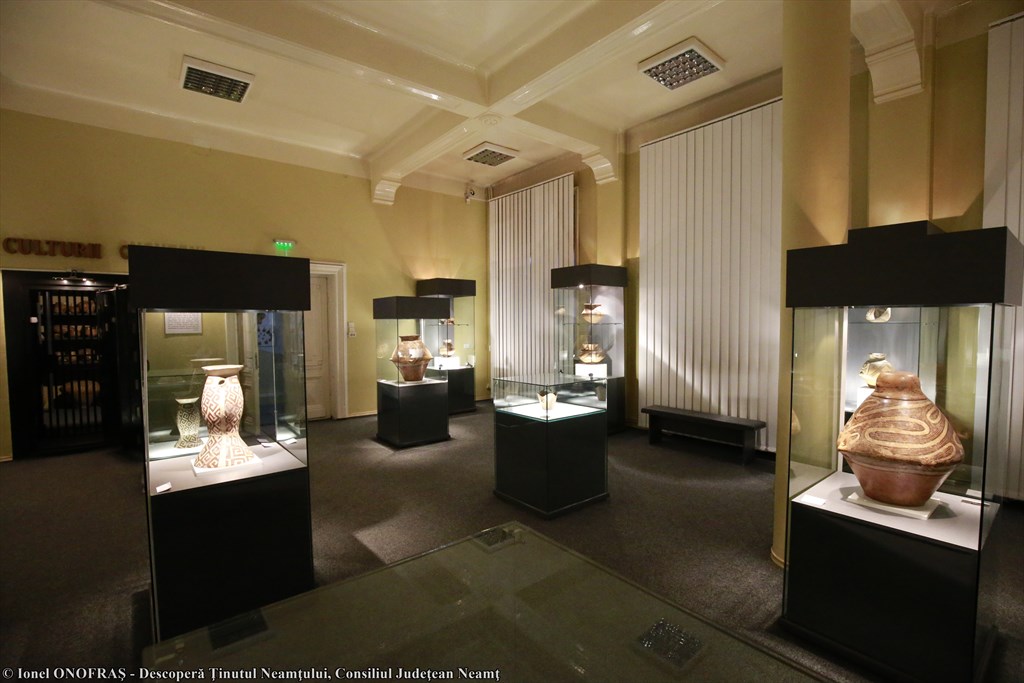
Discover, in Piatra Neamț, the most important Eneolitic art collection from the South-East of Europe
Photo Gallery: Nationally one of the kind, both history and art museum, it currently hosts the most spectacular artefacts, famous objects that belong to the Cucuteni–Trypillia Culture, which is in…