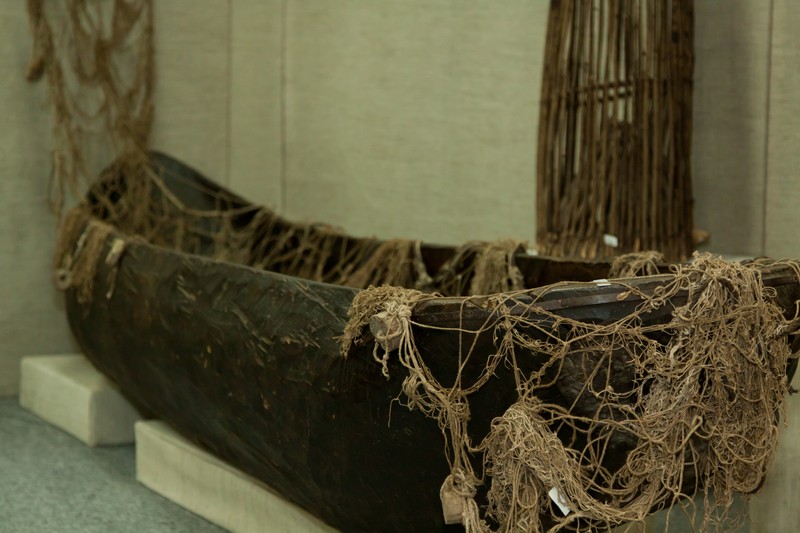
History and tradition in Ceahlau area
Bicaz - Ceahlau area
Ceahlau area is a place where tourists can witness a glimpse of our history and also enjoy the trails from Ceahlau Mountain.
The main attraction from this place is represented by the marked trails from Ceahlau Mountain that is accessible all year long. From Ceahlau commune you can reach the top of Ceahlau Mountain and you can also visit Durau Monastery, the ruins of “Palatul Cnejilor” or the ethnographic museum.
Durau Monastery is an art monument built in 1835. The beautiful interior painting was made by Nicolae Tonitza. The ruins of “Palatul Cnejilor” (The Palace of the Cnej) are what remained from once a great palace that was once visited by Wilhelm von Kotzebue and Alexandre Dumas. In 1852 the building is auctioned because of some debts and bought by Smaranda Sturza.
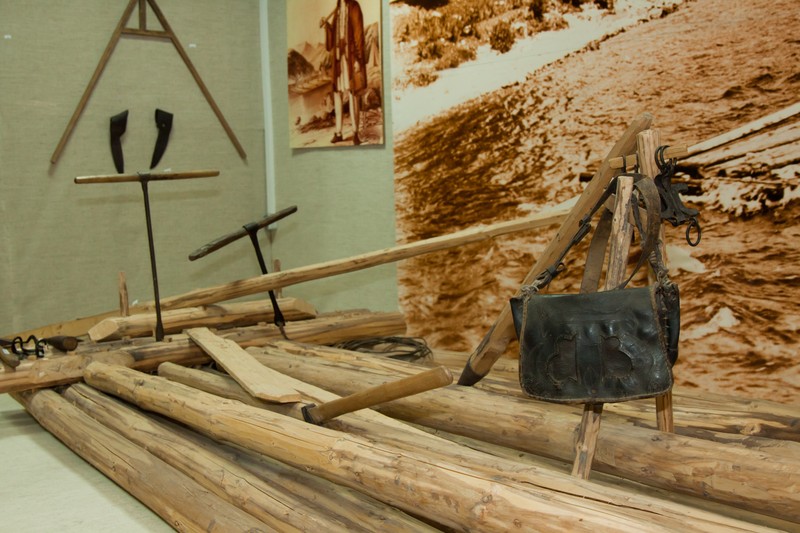
In Ceahlau commune you can see many historic and art monuments, religious settlements and memorial houses.
Bicaz – Ceahlau area, Neamt County
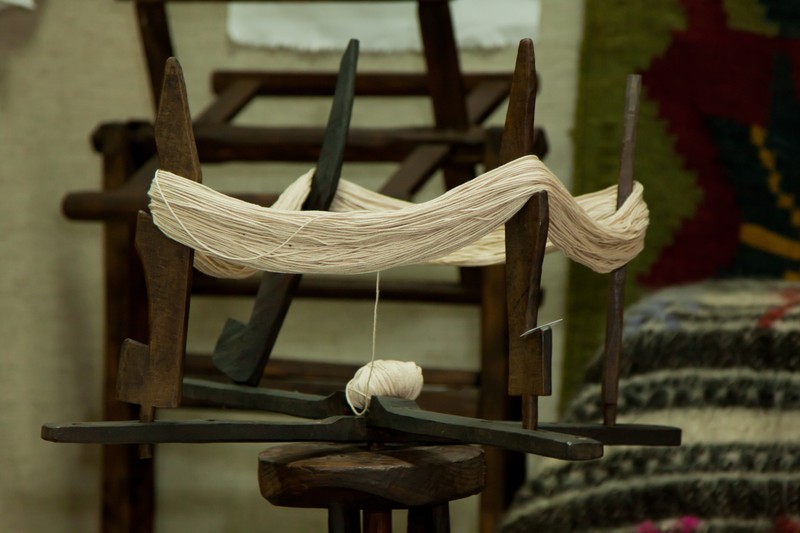
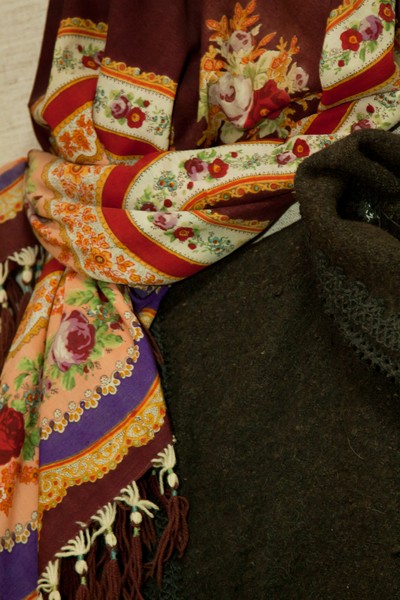
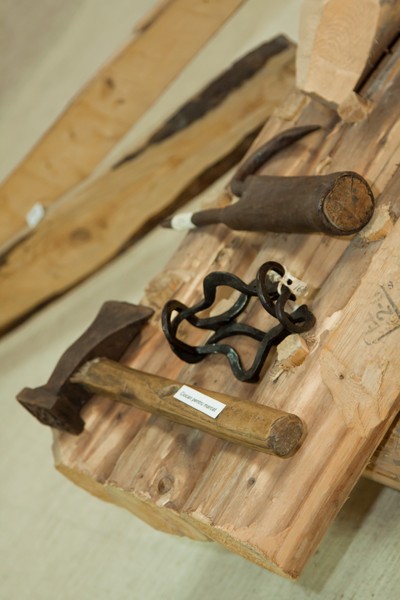
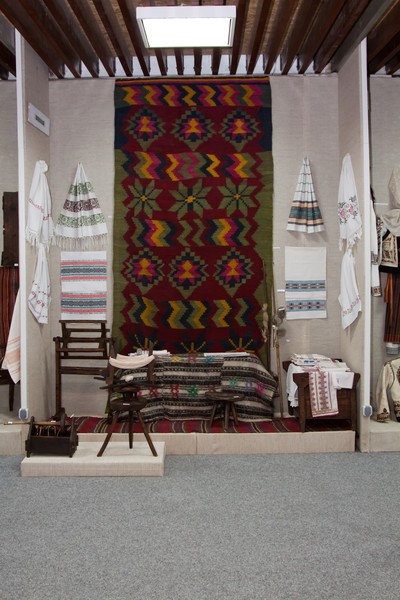
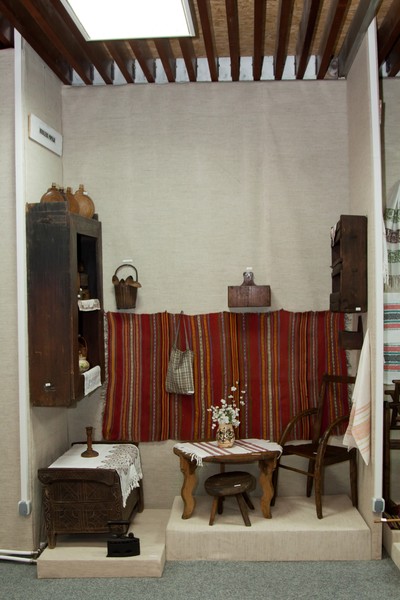
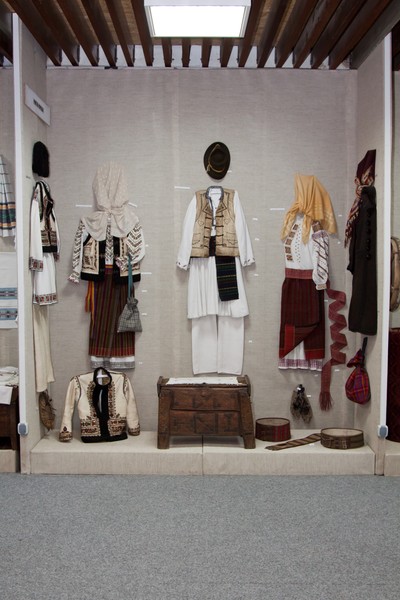
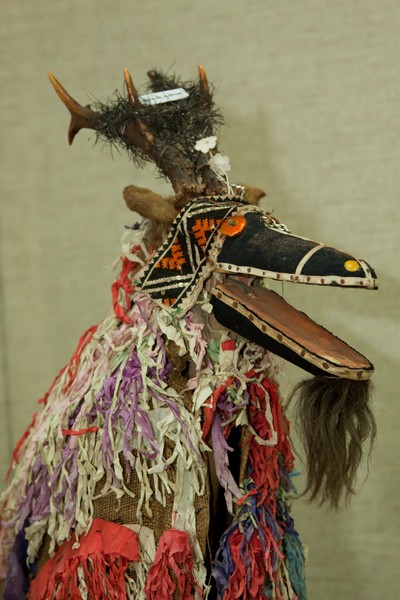
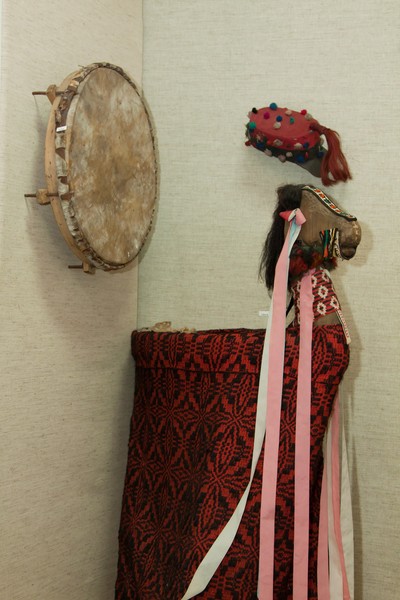
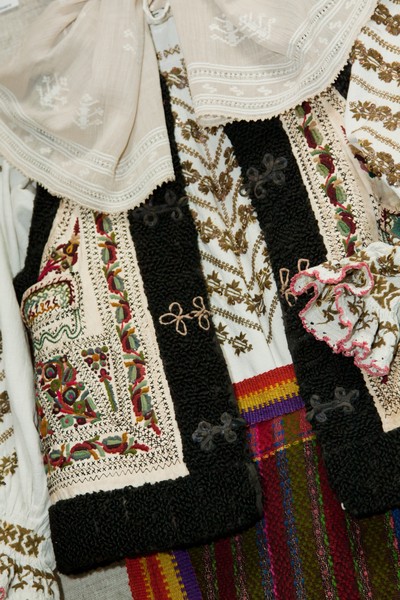
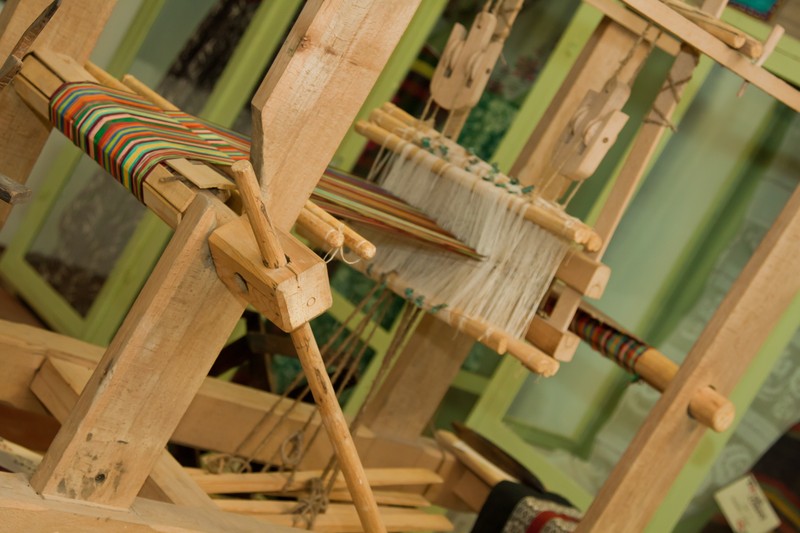
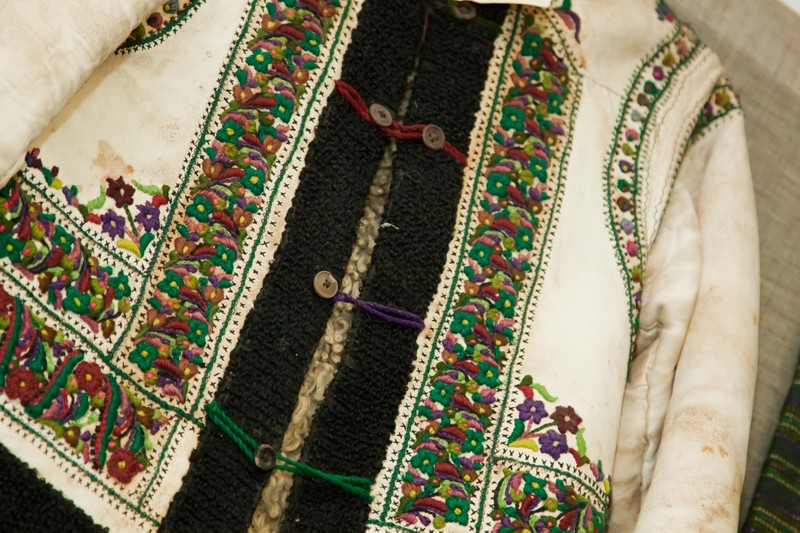
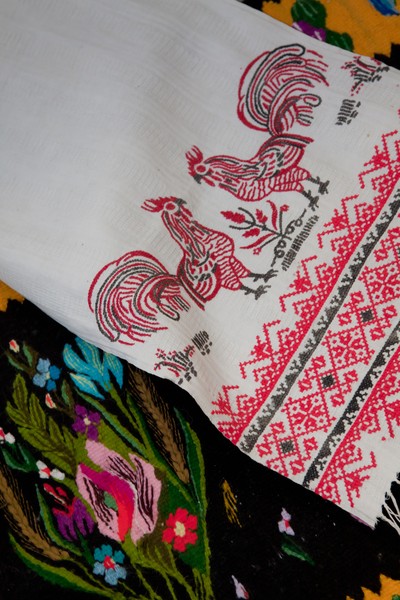
The ethnography museum from Ceahlau village is organized in a building located near “Palarul Cnejilor” and the permanent exhibition presents evidence of local traditions and customs.
More on the same topic

Neamț receives five nominations across four categories in Destinația Anului
We have good news for everyone who loves Neamț County and all its beauty: it is among the finalists in the Destinația Anului 2024 competition, with five nominations across four categories: Piatra Neamț in the Inspiring Cities category.

Military firefighters bring competition and lots of adrenaline to Târgu Neamț
Târgu Neamț is hosting the 3rd zonal stage of the professional emergency situation competitions, in which representative teams from several counties of the country will participate: Bacău, Botoșani, Iași, Neamț, and Suceava.
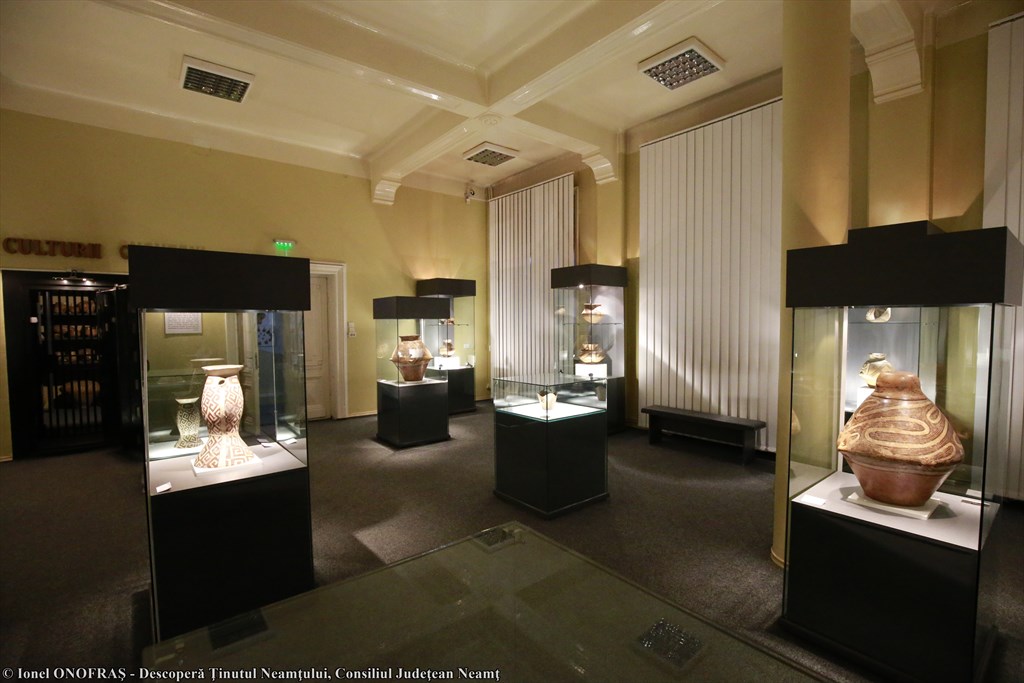
Discover, in Piatra Neamț, the most important Eneolitic art collection from the South-East of Europe
Photo Gallery: Nationally one of the kind, both history and art museum, it currently hosts the most spectacular artefacts, famous objects that belong to the Cucuteni–Trypillia Culture, which is in…