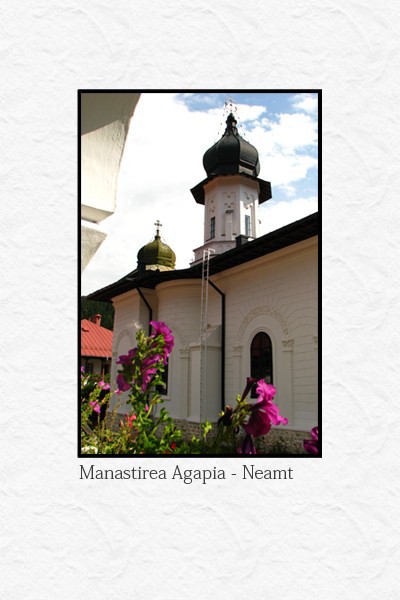
Agapia Monastery – Neamț County
Agapia Monastery is an Orthodox monastery for nuns, situated 9 km from the town of Târgu Neamț, 43 km from the town of Piatra Neamț and approximately 7 km from DN 15 C, at an altitude of 480 m. The monastic settlement at Agapia consists of 2 building complexes: Old Agapia, built in 1585 by Petru Schiopul, and New Agapia, built in 1642 with funds provided by Hetman Gavril, the brother of Prince Vasile Lupu, and rebuilt by Prince Sutu after the fire of 1821.
The road to Old Agapia is particularly picturesque, and many pilgrims walk it, singing as they pass through the forest. Painted by Nicolae Grigorescu in 1858, Agapia Monastery became a true architectural jewel, combining features of the Byzantine and neoclassical styles with Romanian art. Address: village of Mănăstirea Agapia, Agapia commune, Neamț County, postcode 617010 Tel: 0233244736 Patronal feast of Agapia Monastery: “Holy Archangels Mihail and Gavriil” – 8 November
Agapia Monastery – a brief history
Situated in the valley of the Agapia – Topolita stream, at the foot of Magura Ridge, near Văratec Monastery, Agapia Monastery is the only Orthodox monastic settlement in Romania whose name means “Christian love”, deriving from the Greek “agapis”. Both the monastery and the surrounding area took their name from the monk Agapie, who built a small wooden church in this part of Neamț in the 14th century. The first documentary reference defining the boundary between the estates of Agapia Monastery and Neamț Monastery appeared in the boundary charter issued by Ilies Voda in 1437.
The first princely founders of the holy Agapia Monastery were Petru Rareș and Elena Doamna, recorded in the monastery’s Vechiul Pomelnic, who commissioned the first stone church.
An inscription in the narthex of the main church at Agapia din Vale also names Petru Schiopul and Ruxandra Doamna as its first princely founders, in 1585. Because of the unstable ground on which the church was built and the limited room for expansion, around 1600 some of the monks moved down into the valley, where they built a small church. Around it grew today’s Agapia Monastery, also known as New Agapia, Agapia din Vale or Great Agapia, the successor to Old Agapia.
Photos of Agapia Monastery
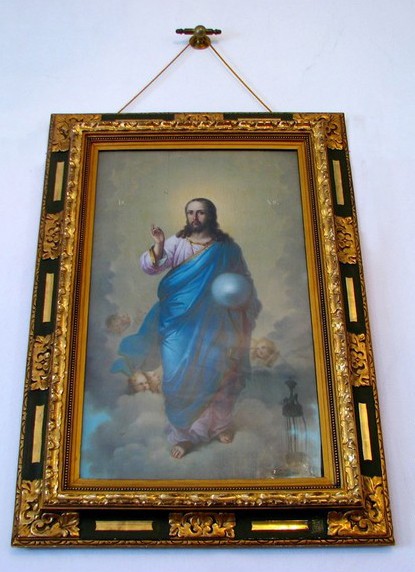
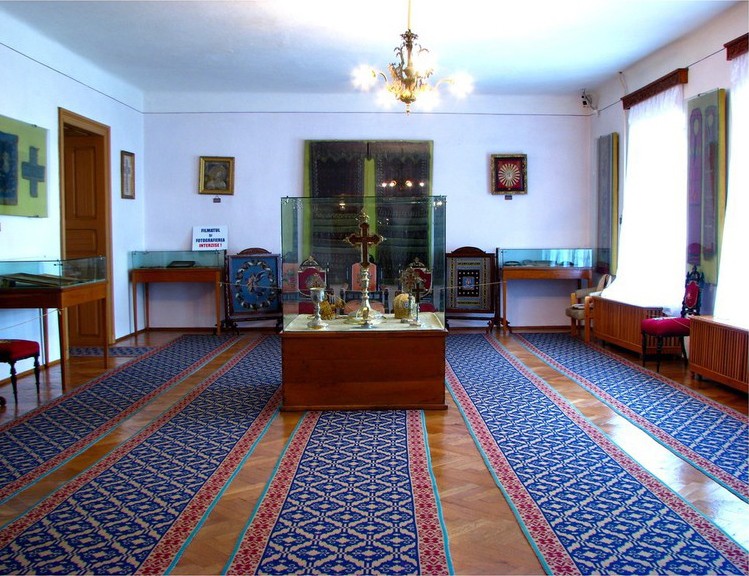
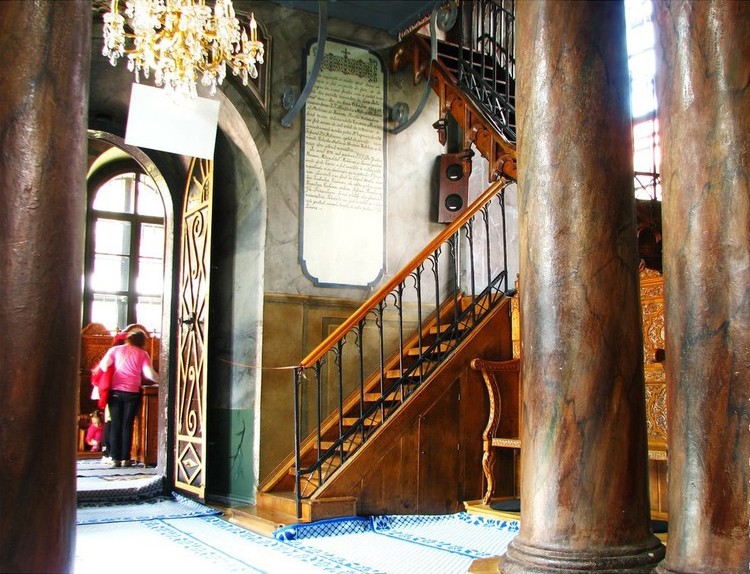
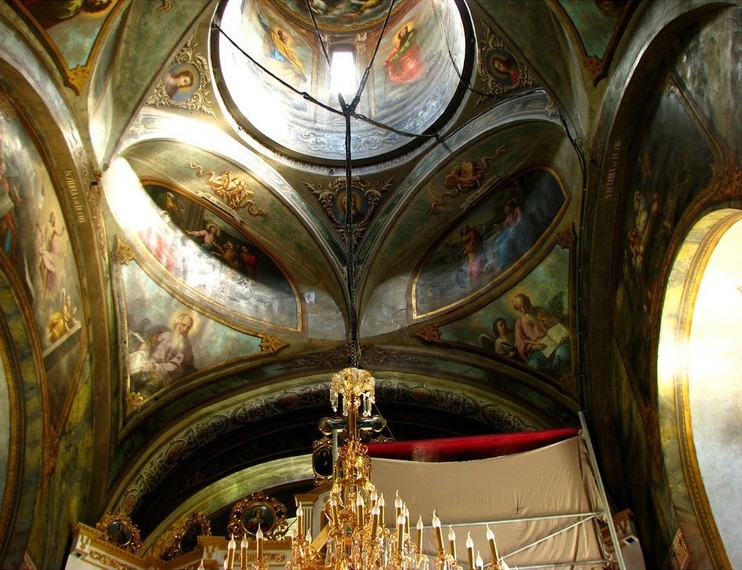
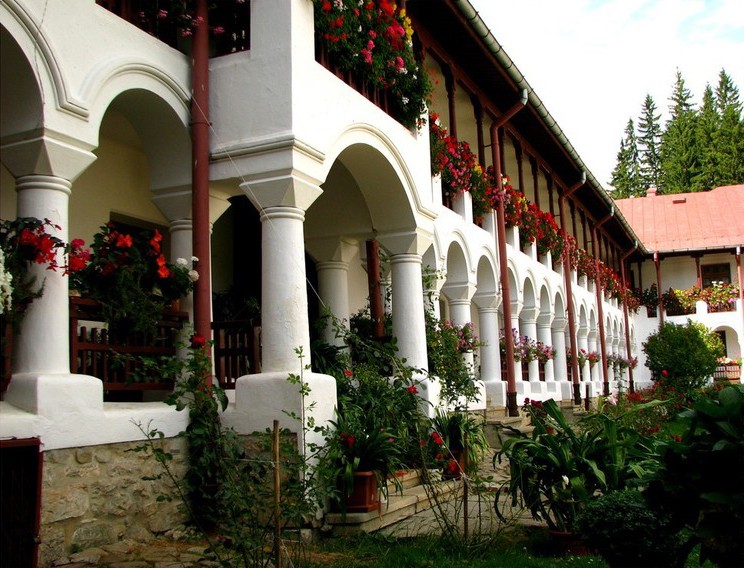
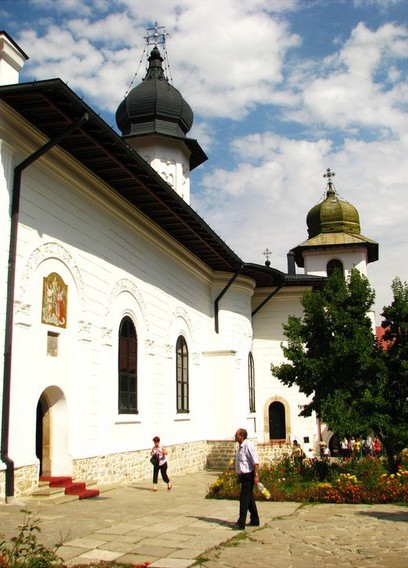
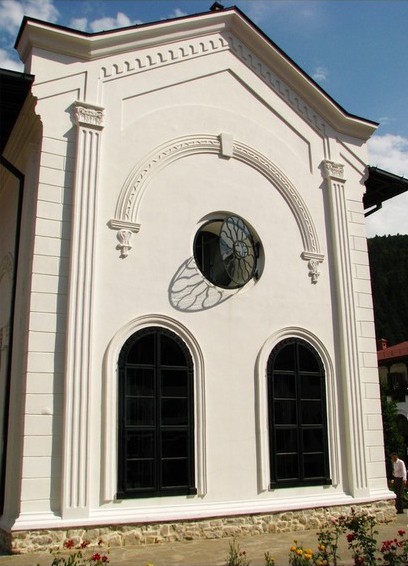
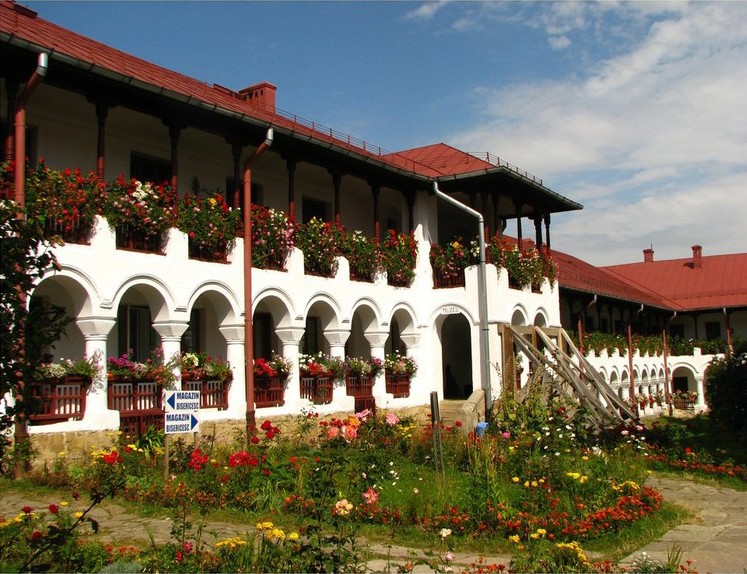
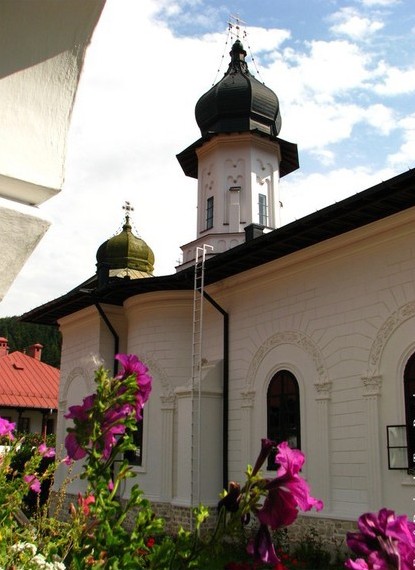
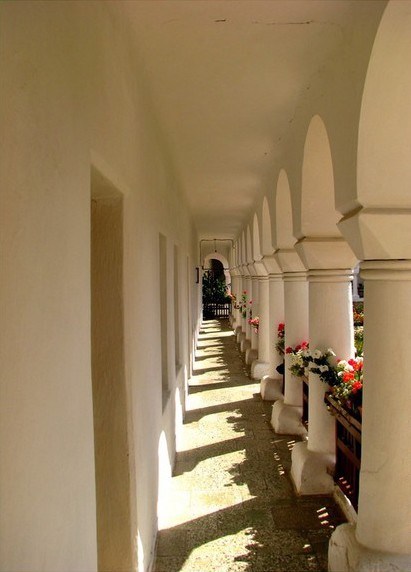
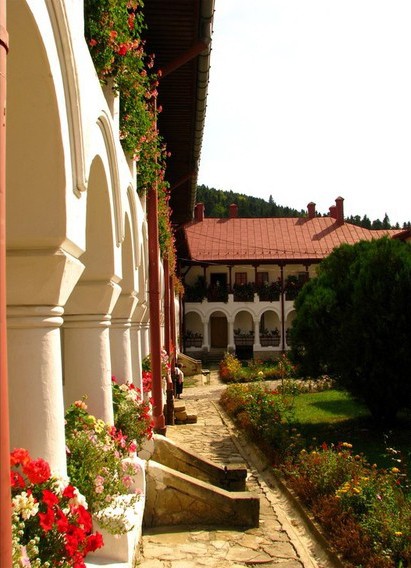
Click here to view all the albums
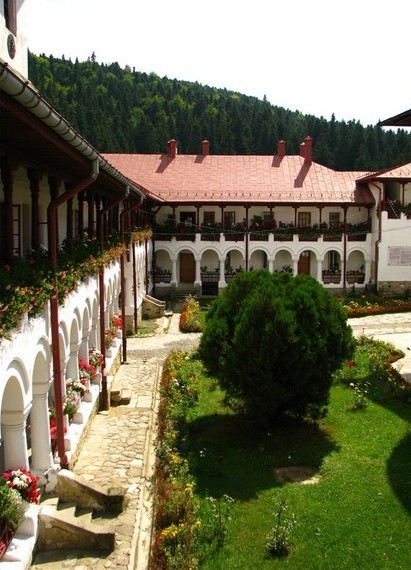
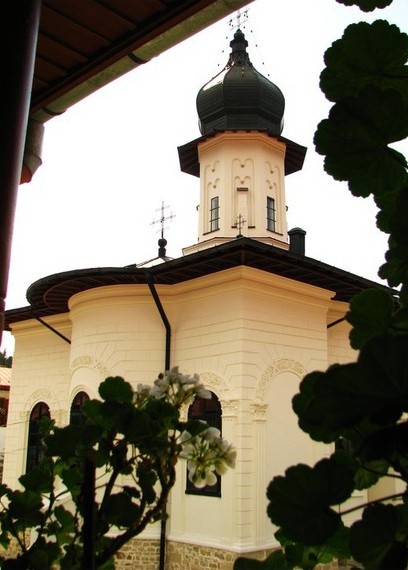
Designed by the architect Ionasc Ctisi, the church within Agapia Monastery was built of stone and brick to a trefoil plan, with a tower above the nave, between 16 October 1642 and 3 September 1644, during the reign of Prince Vasile Lupu, at the expense of Hetman Gavriil and his wife Liliana. Between 1644 – 1647, the monastic cells enclosing the monastery grounds were built, along with the bell tower to the east, a massive granite structure.
The consecration service for Agapia Monastery was conducted by Metropolitan Varlaam Motoc, accompanied by an assembly of priests and monks, on 12 September 1647, and was also attended by Prince Vasile Lupu and all the boyars of Moldavia. For the day of the consecration, Prince Vasile Lupu’s brother, Hetman Gavriil, commissioned and donated to the church at Agapia a Gospel book written on parchment, bound in gold and decorated with miniature portraits of the Evangelists, as well as an eight-armed cross covered in silver gilt filigree, carved with depictions of the twelve great feasts of the year.
Agapia Monastery was initially inhabited by monks, but in 1803 Metropolitan Veniamin Costache turned it into a monastery for nuns. The first abbess of Agapia Monastery was the metropolitan’s sister, the schema-nun Elisabeta Costache, who built the chapel on the south side of the building, consecrated in 1847, whose principal patronal feast is the “Nativity of the Mother of God”.
A dedicatory inscription at the monastery records that it suffered a fire in 1821 and was rebuilt with the help of Prince Ioan Sandu Sturza Voievod, His Eminence the Metropolitan of Moldavia, Chirio Chir Veniamin Costache, and His Eminence’s sister, the schema-nun Elisabeta.
The Heritage of Agapia Monastery
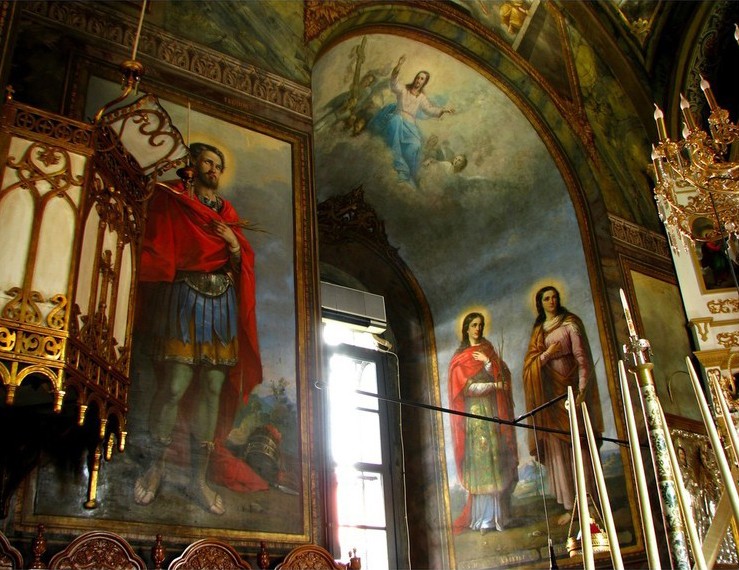
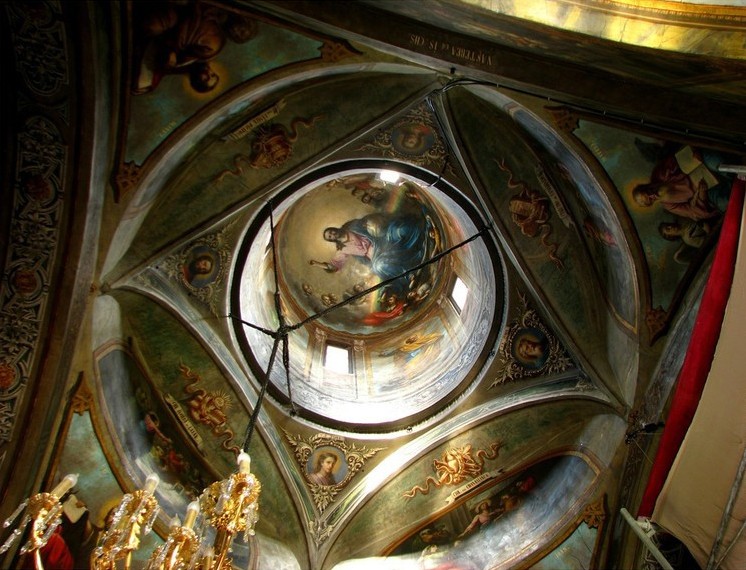
In 1858, the interior of the church at Agapia was painted by Nicolae Grigorescu, who, although only 18 years old, created a remarkable series of murals and icons full of movement, realism and light. The painter successfully combined Byzantine tradition with neoclassical style and Romanian art. Drawing inspiration for his compositions from the great Renaissance masters, Grigorescu used carefully chosen live models to create his portraits.
On the left door of the sanctuary, he painted the standing figure in the Icon of Saint Gheorghe, drawing inspiration from Donatello’s sculpture in Florence, while for the prophet Daniel, on the left of the upper tier of the iconostasis, he painted his own portrait. The paintings at Agapia Monastery have exceptional artistic value, imbued with a powerful sense of realism, authenticity and life. Grigorescu’s masterpiece at Agapia Monastery consists of three paintings: Portretul Sfantului Gheorghe on the sanctuary door, Intrarea in Ierusalim and Maica Domnului cu Isus in brate. Jesus Pantocrator is painted in the dome above the nave, enthroned on a rainbow that highlights the Romanian tricolour. The paintings of the Apostles Petru, Andrei, Pavel and Ioan on the drum of the dome, between four windows, use thickly applied oil paint and confident lines.
Grigorescu's saints at Agapia Monastery are unique – extraordinary. So extraordinary that they have been the subject of many works by celebrated writers. But reading about them is not enough. You must come here to Agapia Monastery to feel the divine beauty of the paintings, the simplicity of their lines, the perfection of their proportions and forms. Stillness. This is what you will feel as you stand before the walls decorated by Grigorescu – before the icons. You will speak in whispers, as though reluctant to disturb any part of the perfection created 150 years ago. And when you leave, you will feel a sense of regret that only your return can ease.
Nicolae Grigorescu established the painting workshop at Agapia, a school where nuns with artistic talent were trained. Today, the nuns who paint have moved away from the great painter's realist style, producing paintings with Byzantine influences.
Today, of all the Orthodox monasteries for nuns in Romania, Agapia Noua Monastery has the largest number of nuns, alongside the students of the “Cuvioasa Paraschiva” Monastic Theological Seminary for girls, founded during the time of Patriarch Iustinian Marina and unique among the monasteries in Moldavia. The monastic village is particularly picturesque in every season. In summer, the houses are filled with colourful flowers, while the lanes of Agapia in winter, covered in snow, lend the place an air of bygone times.
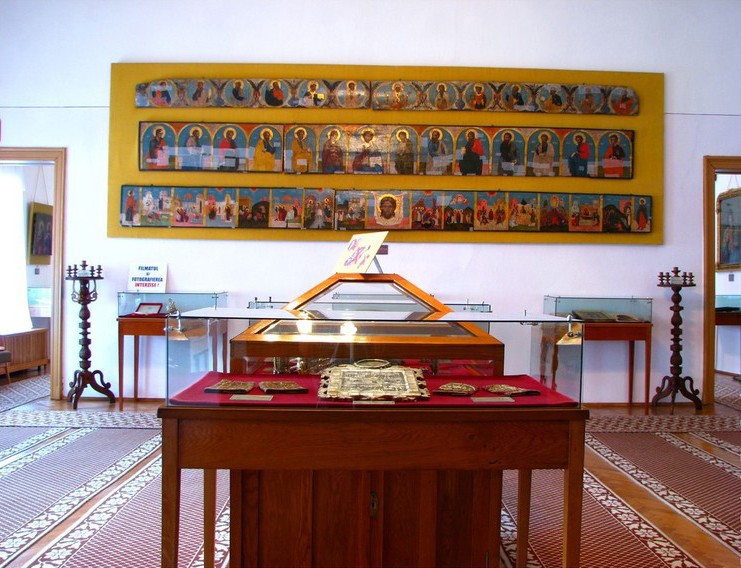
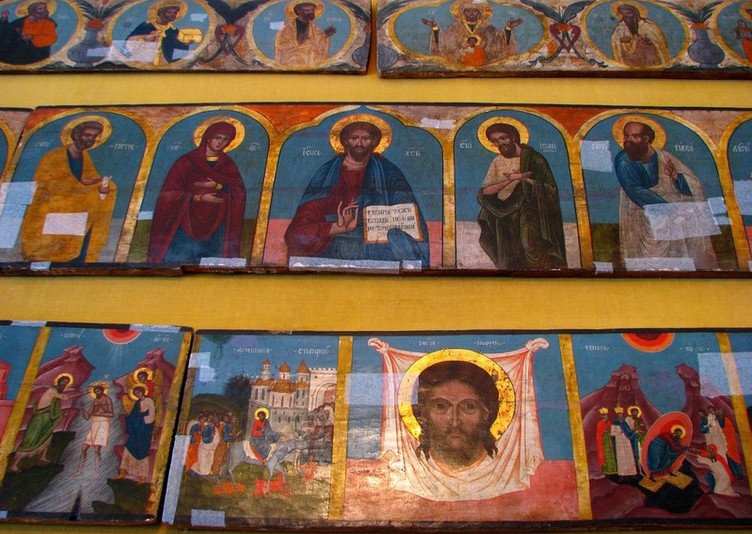
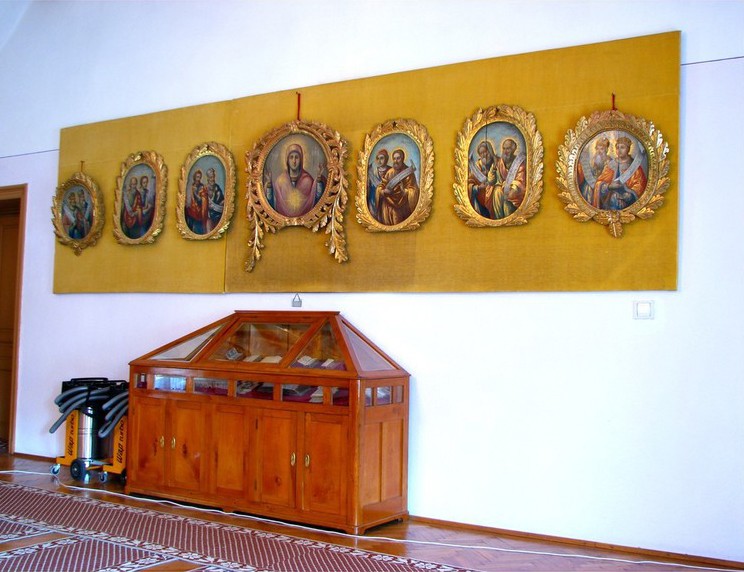
At the holy Agapia Monastery, there is an impressive museum collection of medieval and religious art, as well as a library containing old books and manuscripts. The Alexandru Vlahuță Memorial House stands behind the monastery and is open to visitors. The forest road that skirts Al Vlahuta Memorial House leads directly through the forest to Sihla Monastery (known for the cave where Saint Teodora lived for almost 40 years), and then to Sihastria Monastery (a place of pilgrimage to the tombs of the priests Cleopa Ilie and Paisie Olaru).
More on the same topic

Ethnographic museums, treasures of local history and traditions
Ethnographic museums are true treasures and expressions of love for traditions, folklore, and spirituality of the places, and so is the Ethnographic Museum Casa Bunicilor in the village of Mitocul Bălan, Crăcăoani commune.

Neamț receives five nominations across four categories in Destinația Anului
We have good news for everyone who loves Neamț County and all its beauty: it is among the finalists in the Destinația Anului 2024 competition, with five nominations across four categories: Piatra Neamț in the Inspiring Cities category.

The Story of the Seven Miraculous Icons of the Holy Virgin and Saint Anne from Neamț Land
Renowned not only for its beauty and historical significance but also called the “Jerusalem of Romanian Orthodoxy,” Neamț Monastery houses the miraculous icon of Virgin Mary with three hands…