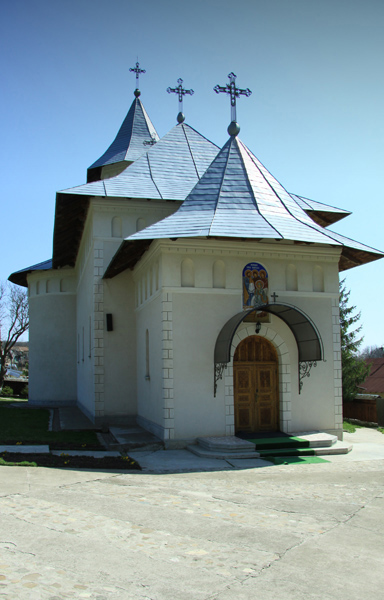
Dumbravele Monastery – Neamț County
Location: Dumbravele Monastery is situated in the village of Oslobeni, in Bodesti commune, 27 km south of the town of Targul Neamț and 23 km north of the city of Piatra Neamț.
Address: Oslobeni village, Bodesti commune, Neamț County, postcode 617073
The monastery’s patronal feasts: “Holy Apostles Petru and Pavel”, celebrated on 29 June, and “Nativity of the Mother of God”, celebrated on 8 September
Year of construction: built between 1994 – 2002 by Abbot Pavel Todirita
History of the monastery:
Dumbravele Monastery has its origins in a hermitage built by a few monks in 1712 in the middle of an oak forest. For a time, the small settlement in the area also took the name Dumbrava, by which this forest was known.
The church within this monastic establishment was initially built from wood. In 1900, the monastic cell building and bell tower were erected. During the communist period, the hermitage served as a parish church, before coming under the care of Bistrița Monastery in 1991. In 1993, a short circuit caused the church at Dumbravele Hermitage to burn to the ground. The church’s icons survived the fire as if by a miracle and can still be admired today in the new chapel. Photo Album Click to view the full-size images
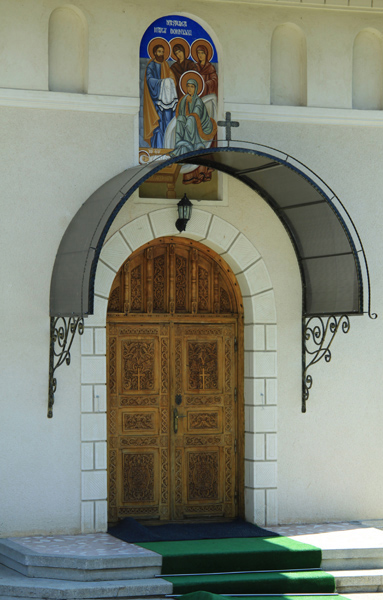
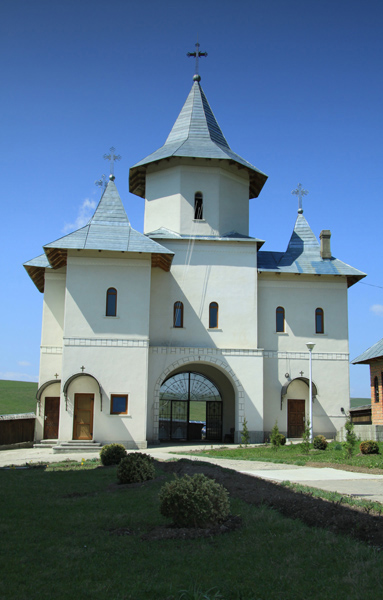
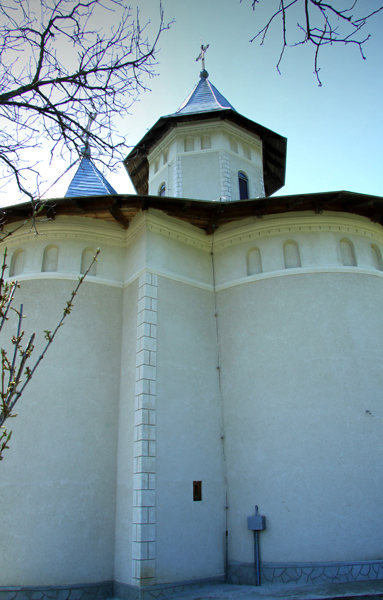
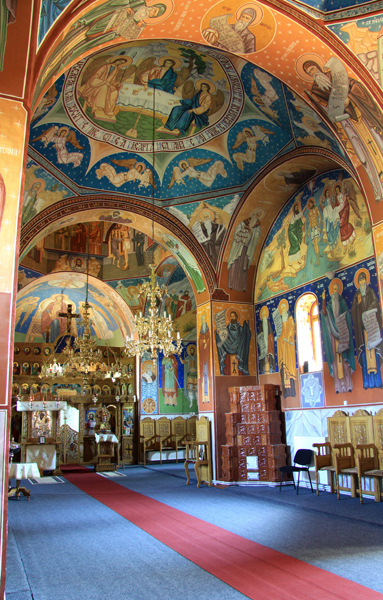
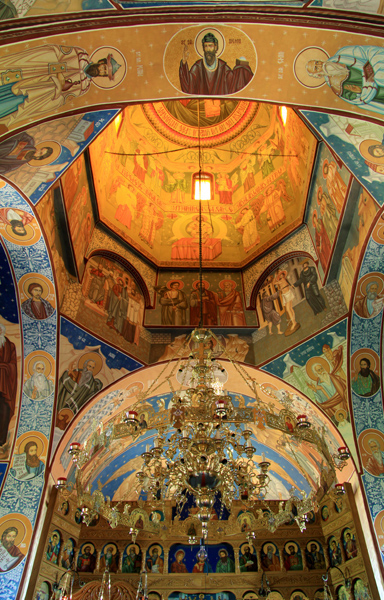
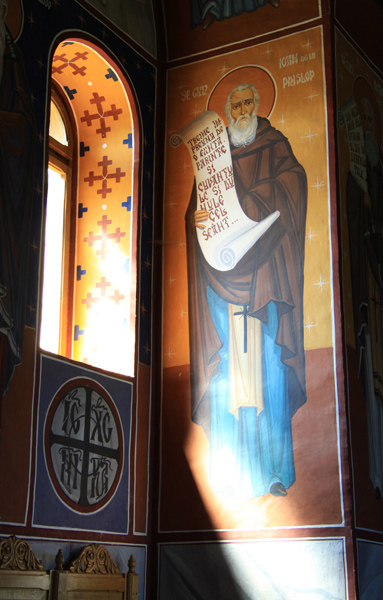
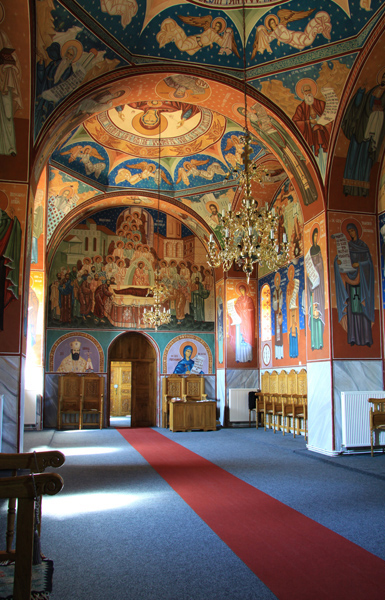
Appointed abbot of the hermitage in 1993, Protosyncellus Pavel Todirita worked to build a new church. In 1994, he succeeded in pouring the foundations for the new building, followed by its base in 1995. Built from brick on a cruciform plan, the church retains the Moldavian style and has a single tower above the Holy Sanctuary. Construction of the church was completed in 1998, after which the interior paintings, furnishings and iconostasis were created between 1998-2002. The church was painted by Ciprian Istrate and his apprentices.
At its consecration service, Dumbravele Hermitage was elevated to the status of a monastery, dedicated to the “Nativity of the Mother of God” and the “Holy Apostles Petru and Pavel”.
More on the same topic

Ethnographic museums, treasures of local history and traditions
Ethnographic museums are true treasures and expressions of love for traditions, folklore, and spirituality of the places, and so is the Ethnographic Museum Casa Bunicilor in the village of Mitocul Bălan, Crăcăoani commune.

Neamț receives five nominations across four categories in Destinația Anului
We have good news for everyone who loves Neamț County and all its beauty: it is among the finalists in the Destinația Anului 2024 competition, with five nominations across four categories: Piatra Neamț in the Inspiring Cities category.

The Story of the Seven Miraculous Icons of the Holy Virgin and Saint Anne from Neamț Land
Renowned not only for its beauty and historical significance but also called the “Jerusalem of Romanian Orthodoxy,” Neamț Monastery houses the miraculous icon of Virgin Mary with three hands…