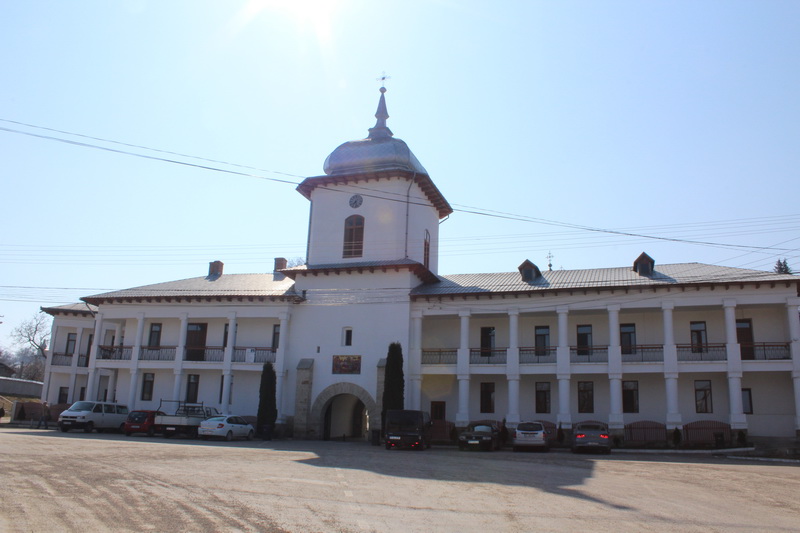
Văratec Monastery
IMG_8297_resize
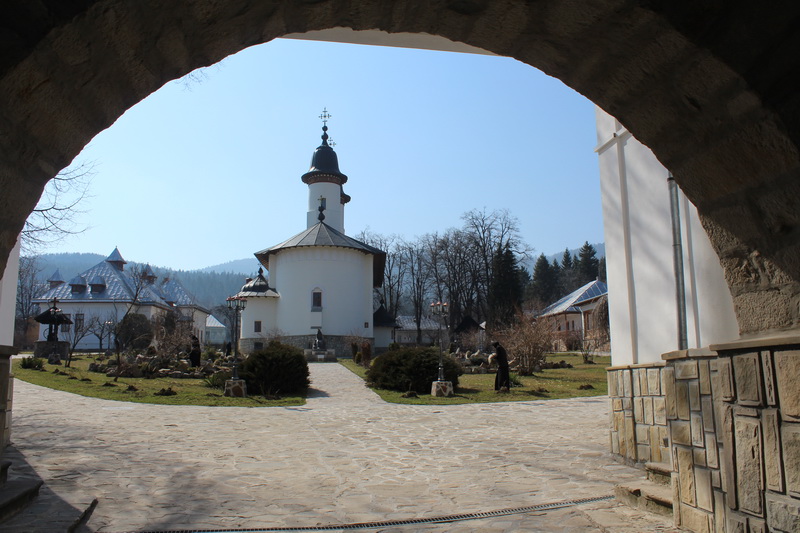
It is recognised as the largest monastery of nuns in Romania. More than 400 nuns are known to pursue their monastic calling at Văratec Monastery.
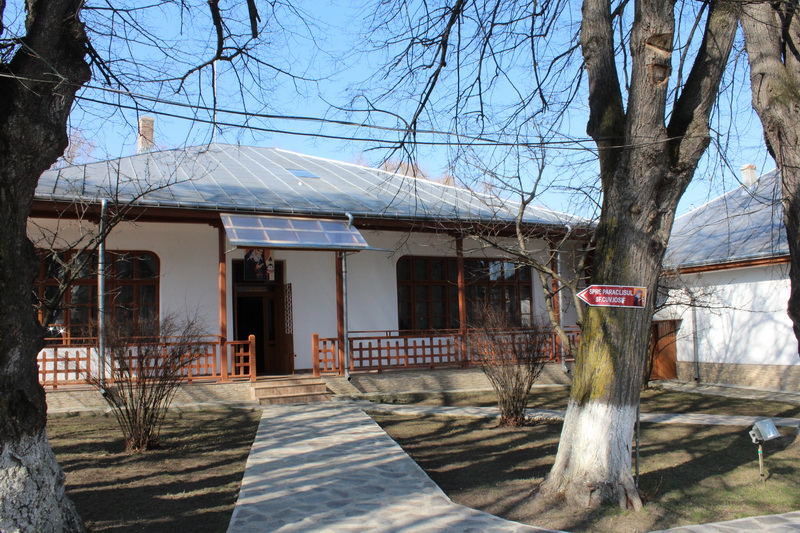
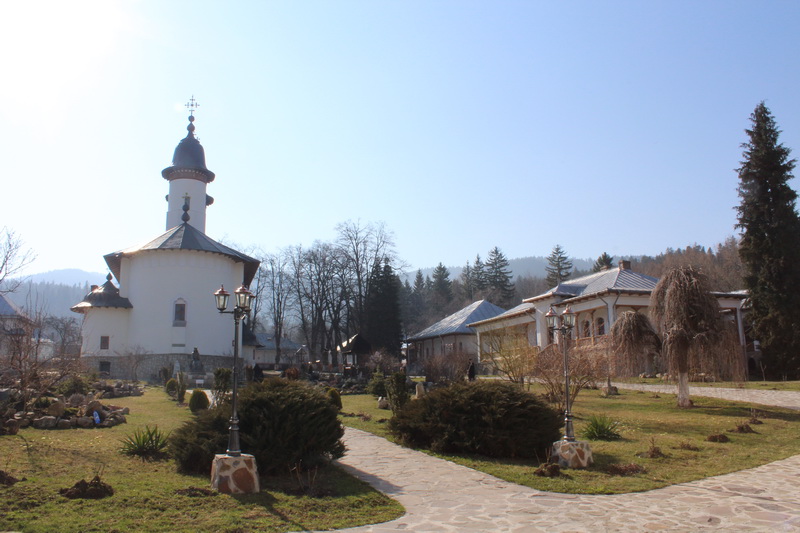
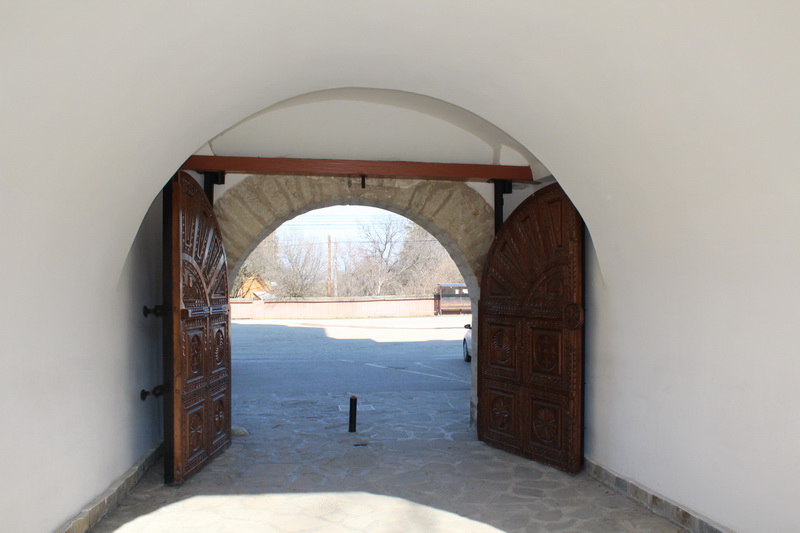
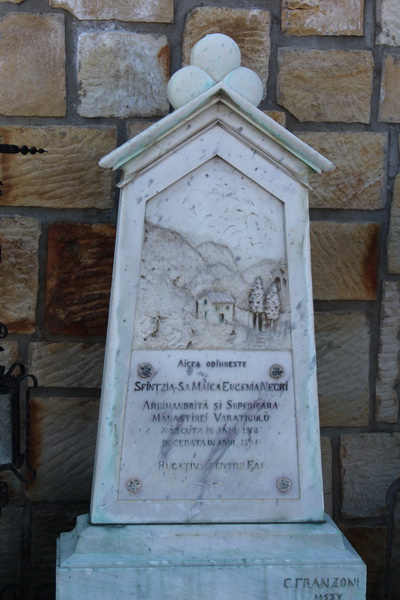
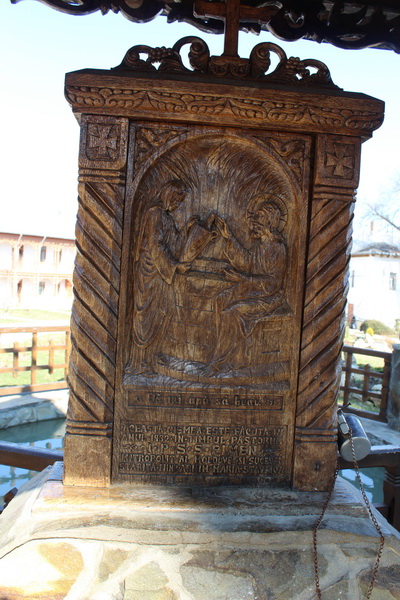
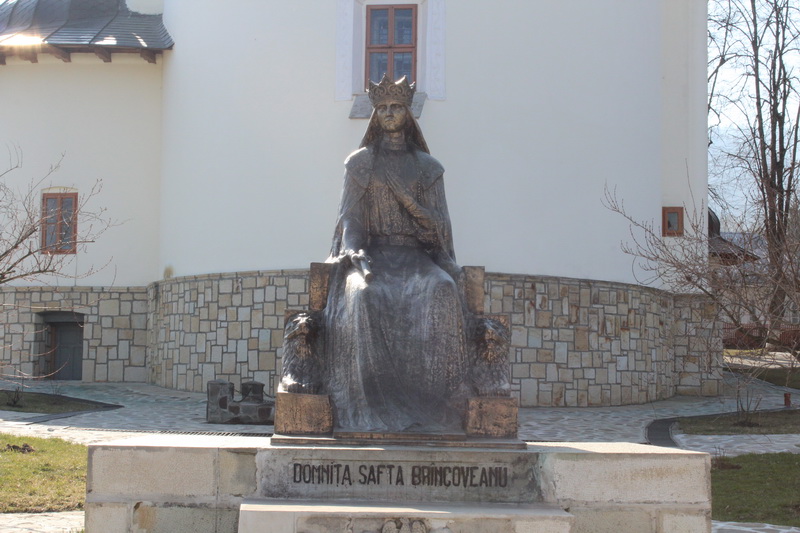
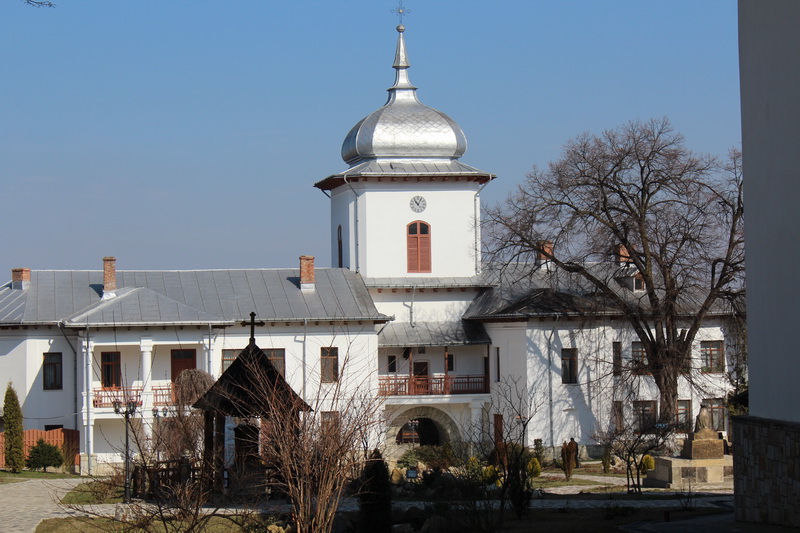
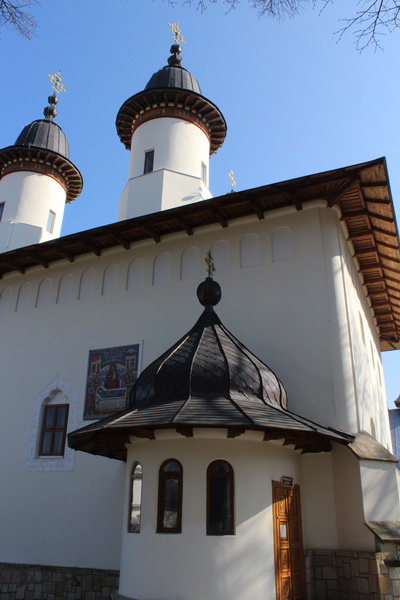
The monastery was founded not, as one might imagine, by princes or high-ranking advisers, but through the efforts of the faithful, at the initiative of the nun Olimpiada. Although founded in 1785, it was only documented as an independent monastery more than 50 years later, in 1839. Construction of the stone walls enclosing the grounds of the Dormition of the Mother of God Church (1812) began in 1808 and was completed around 1850, together with the three-storey bell tower, begun in 1840. These were followed by Saint Ioan Botezătorul Church (1844), Schimbarea la Față Church (1847), the abbess's residence, the administrative buildings and the Regina Maria Workshop. Outside the enclosure lies a monastic village of traditional rural houses lining narrow lanes, with the interesting and picturesque detail that the nuns live here in monastic cells built in the 19th and 20th centuries. The monastic complex also includes the monastery museum, within the grounds of the main church, which holds a valuable collection of cultural, artistic and historical heritage and which we recommend visiting. You can also visit the nearby tomb of Veronica Micle (about 100 m away), who lived at the monastery for a short time.
Among the first writers to stay here was Dimitrie Bolintineanu, who describes the monastery and the village (a town of nuns) in his memoir Călătorii în Moldova (1859). Ion Creangă described the area where he grew up at the beginning of Part III of Amintiri din copilărie. Mihail Sadoveanu wrote about the monastery in Oameni și locuri (1908), while Calistrat Hogaș described it in the story De la Văratic la Săcu in Pe drumuri de munte (1912). These literary references may encourage us to include Văratec Monastery, a historic monument and sacred place near the Codrii de aramă Nature Reserve and the Pădurea de Argint, on our journey through Neamț County.
More on the same topic

Neamț receives five nominations across four categories in Destinația Anului
We have good news for everyone who loves Neamț County and all its beauty: it is among the finalists in the Destinația Anului 2024 competition, with five nominations across four categories: Piatra Neamț in the Inspiring Cities category.

Military firefighters bring competition and lots of adrenaline to Târgu Neamț
Târgu Neamț is hosting the 3rd zonal stage of the professional emergency situation competitions, in which representative teams from several counties of the country will participate: Bacău, Botoșani, Iași, Neamț, and Suceava.
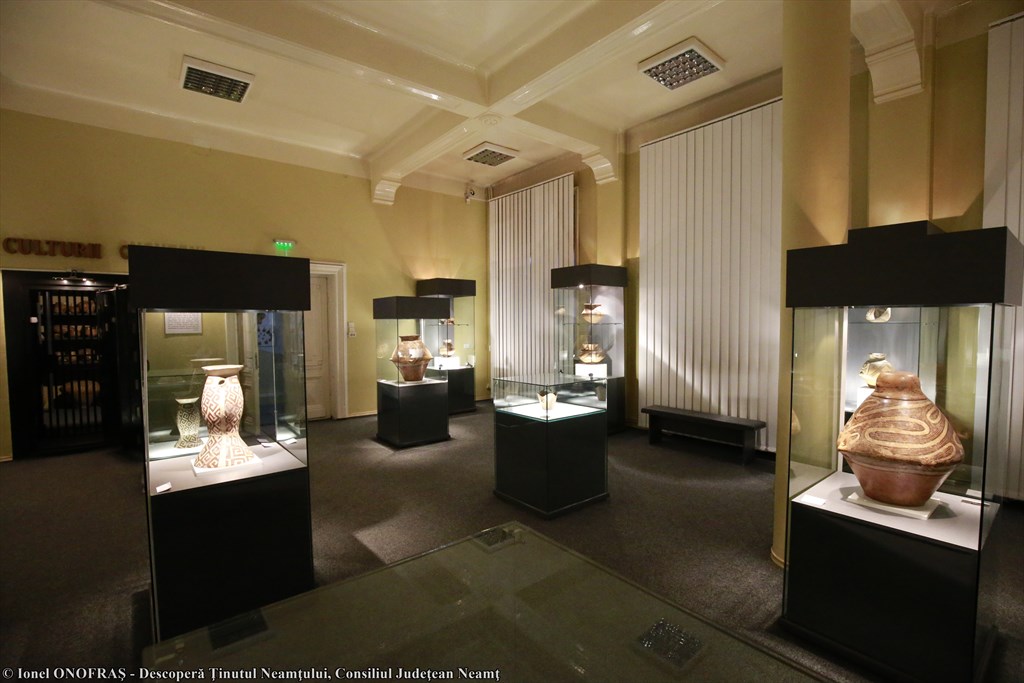
Discover, in Piatra Neamț, the most important Eneolitic art collection from the South-East of Europe
Photo Gallery: Nationally one of the kind, both history and art museum, it currently hosts the most spectacular artefacts, famous objects that belong to the Cucuteni–Trypillia Culture, which is in…