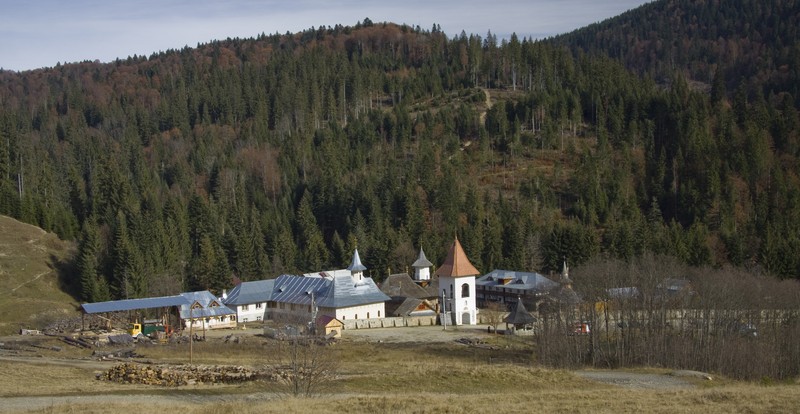
Monasteries Full of History from the Neamț Region
Famous monasteries in the Neamț region
There is no place in our country with a monastic life as rich and fruitful as that of the Neamț region. The wilderness of the mountains, the dense forests, the tranquillity of the glades and the beauty of the valleys have provided havens where faith in God has never waned.
Throughout their existence, the monasteries of Neamț have been landmarks of morality, piety and spiritual life, faith and devotion. We invite you to visit and discover four famous monasteries, true architectural monuments with a turbulent history.
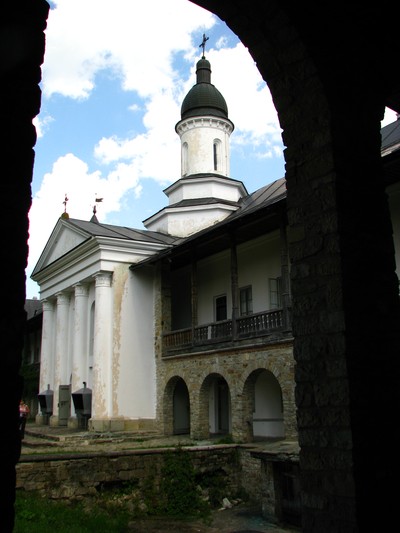
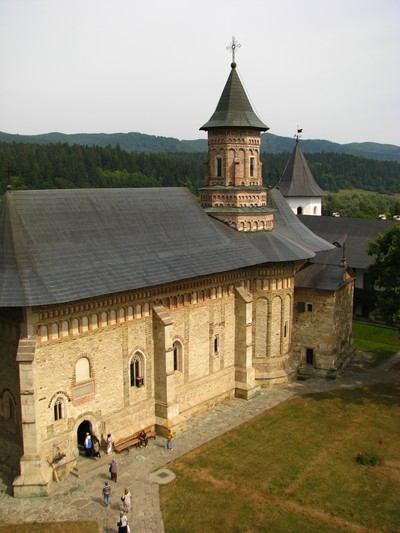
Neamț Monastery, according to documents, dates from the 14th century and is the oldest and most significant monastic settlement in Moldavia, also called “the Jerusalem of Romanian Orthodoxy”. Today, within the monastery grounds are two churches, two chapels, a bell tower with 11 bells, the “Veniamin Costache” The church was founded by voivode Stephen the Great and is regarded as the most interesting and representative monument of the period’s architecture, its façades richly decorated with ornamental motifs. The settlement also houses the oldest monastic library, with 18,000 volumes, thus contributing to the development of medieval Romanian culture and art.
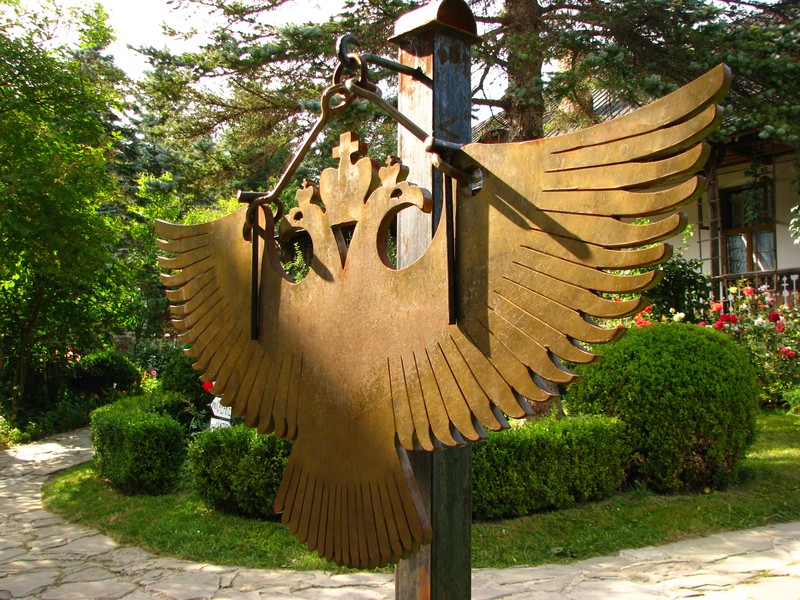
Theological Seminary, as well as a museum with a collection of ecclesiastical art and the Printing Hall.
Famous monasteries in the Neamț region
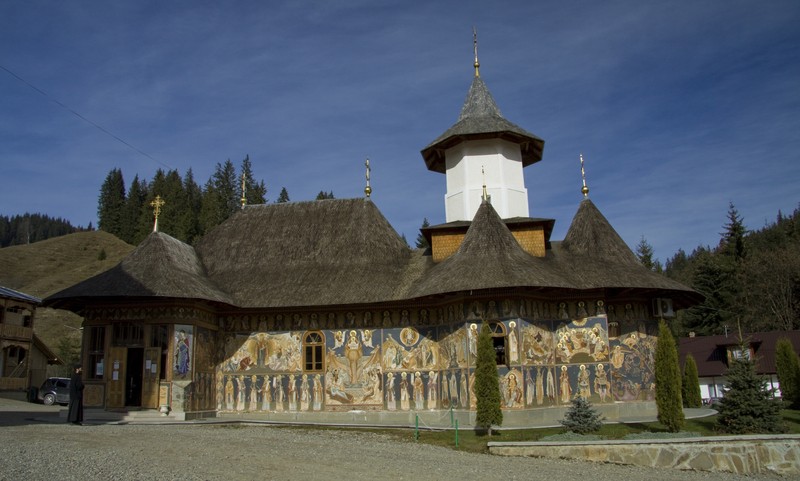
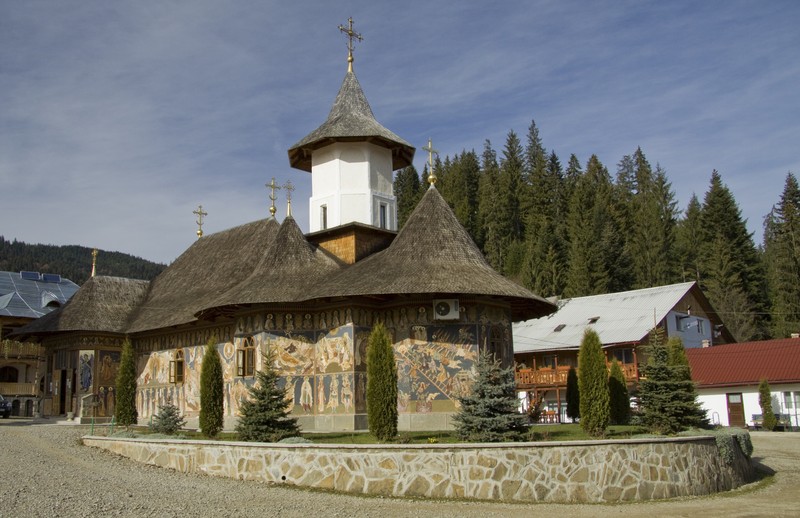
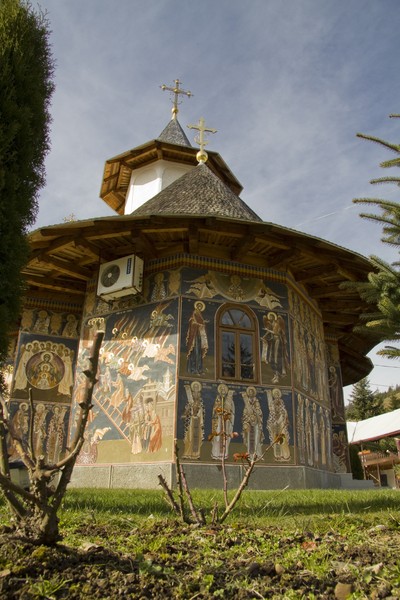
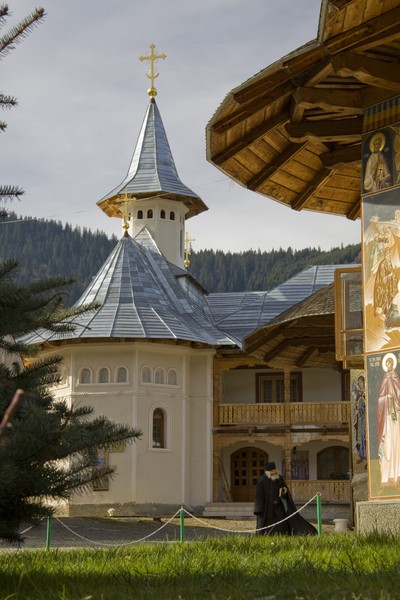
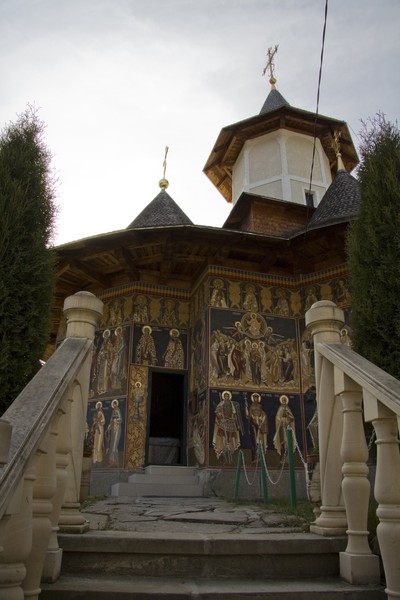
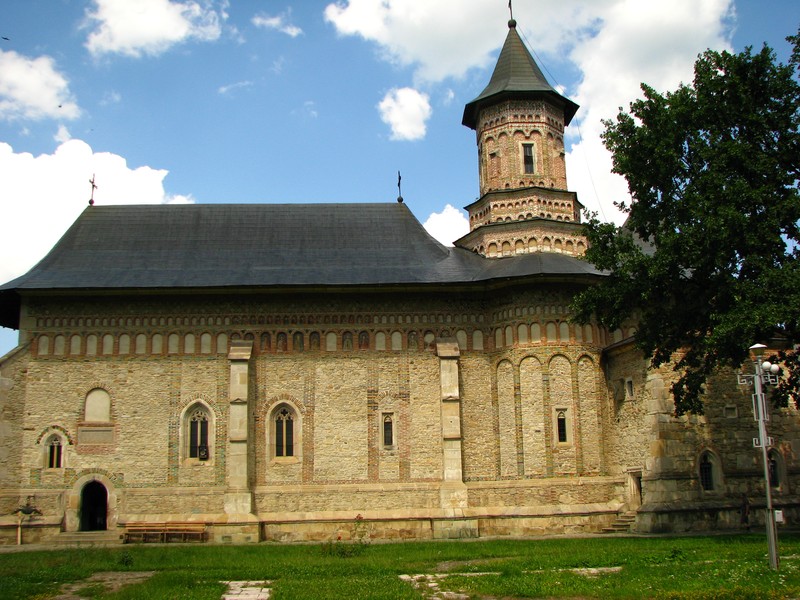
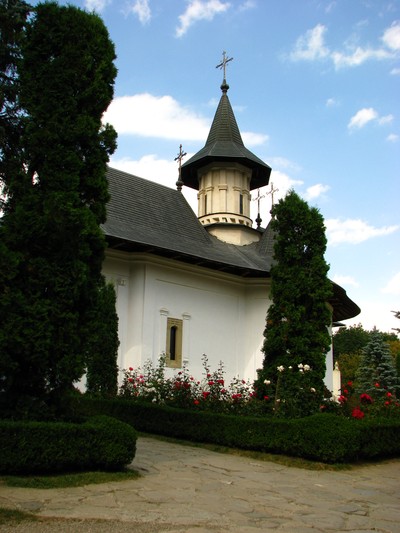
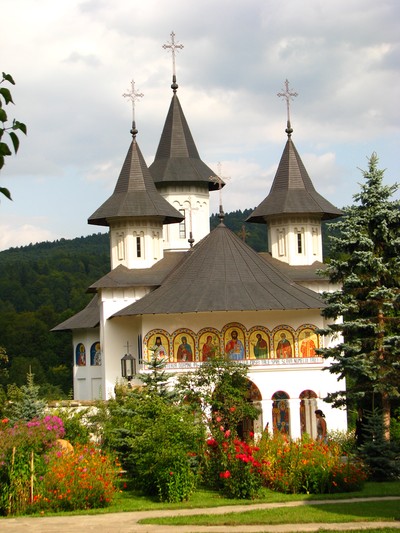
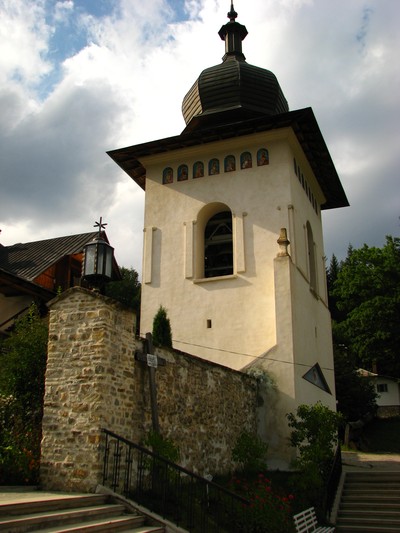
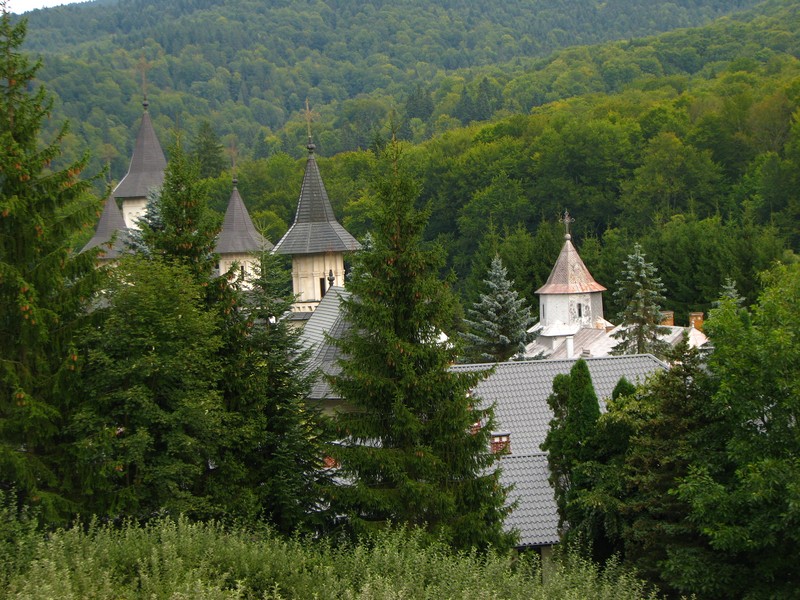
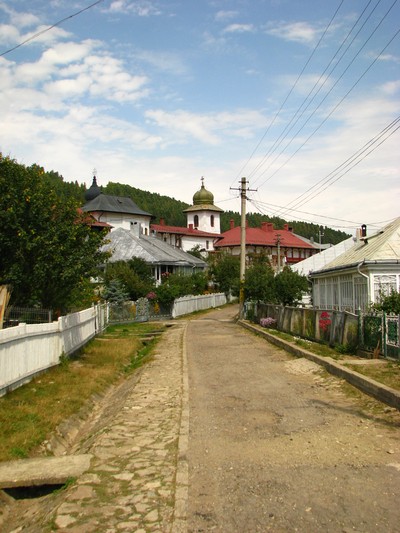
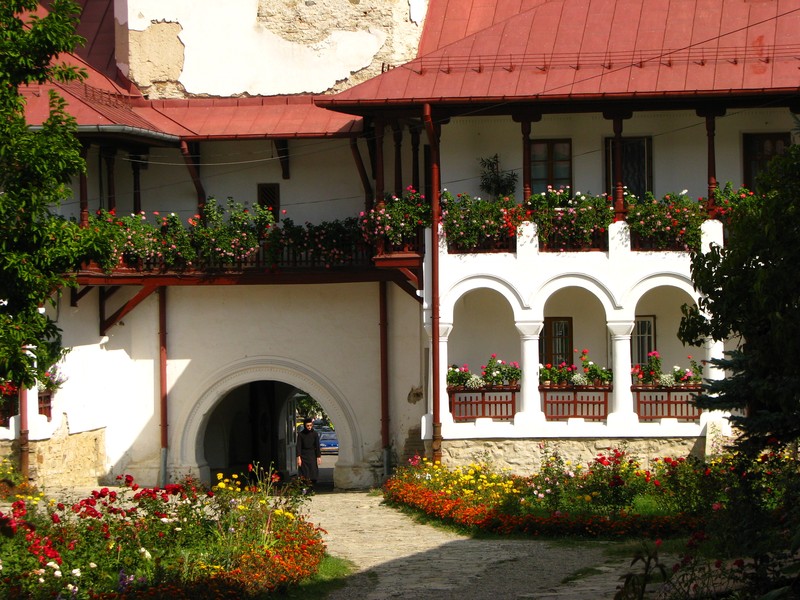
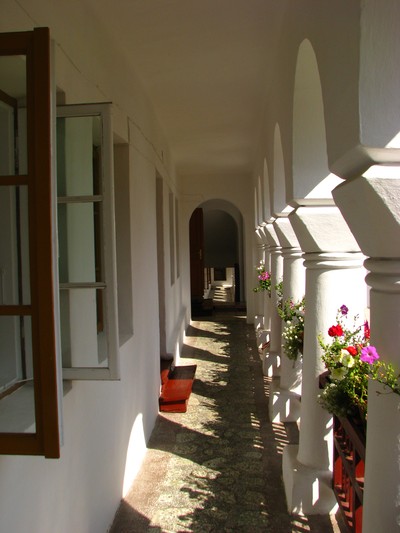
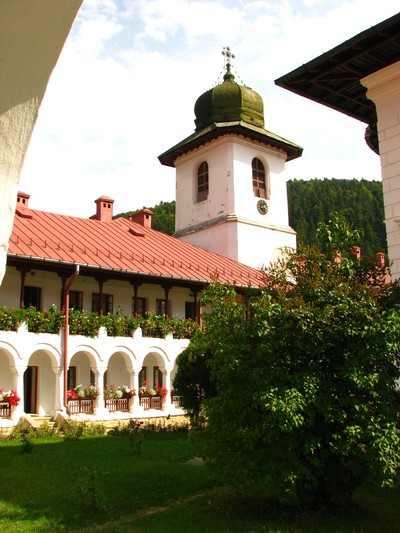
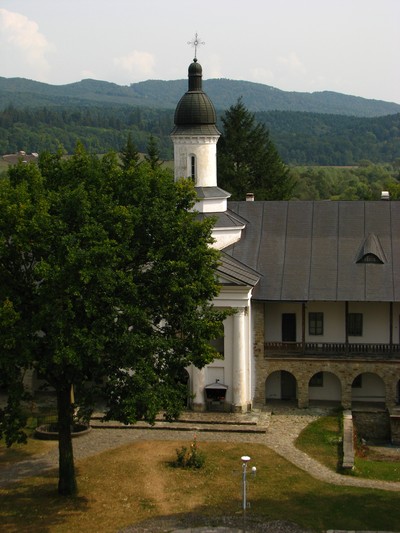
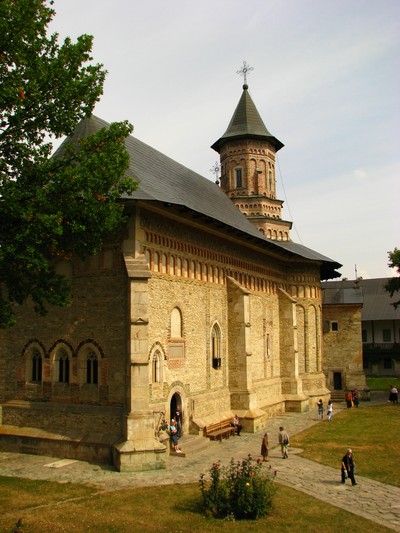
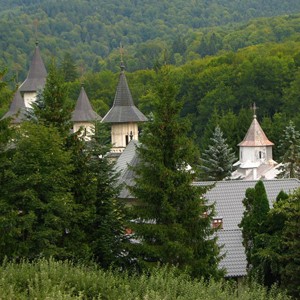
Sihăstria Monastery is one of the places of worship that played an important role in the history of Moldavia. Situated at the edge of ancient forests, on a sunny plateau set into the mountainside, the monastery is where some of the country’s greatest spiritual fathers lived their monastic lives, namely: Father Cleopa, Hieroschemamonk Paisie Olaru, Schemamonk Irineu Protcenco and Archimandrite Ioanichie Balan. Within the monastic complex, “Saint Teodora” Cathedral was built in 1998 and has distinctive architecture.
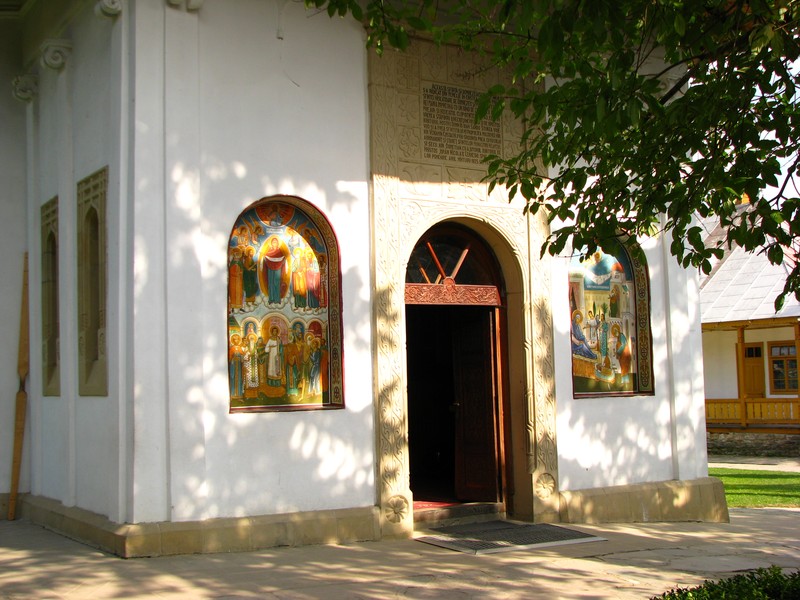
Agapia Monastery was founded by the brother of voivode Vasile Lupu and is renowned for its interior painting by the artist Nicolae Grigorescu. He succeeded in blending the neoclassical style with Byzantine tradition and Romanian art, creating 29 original works that established a Romanian style of religious painting. The monastery houses a library with very old books and a museum of medieval religious art. In the monastic village, visitors can also see the memorial house of the Romanian writer, Alexandru Vlahuță.
Petru Vodă Monastery was built at the end of the 20th century, at the request of the faithful from the village of Petru Vodă and through the goodwill of the local authorities who provided, in Hașca clearing, the land needed for the construction. In 2003 construction began on the church “Dormition of the Mother of God”, which was crafted by Maramureș craftsmen in the Maramureș style. This place of worship is also known to the faithful as the site where Father Iustin Pârvu spent his final years of monastic life, regarded as one of the country’s greatest spiritual fathers.
More on the same topic

Ethnographic museums, treasures of local history and traditions
Ethnographic museums are true treasures and expressions of love for traditions, folklore, and spirituality of the places, and so is the Ethnographic Museum Casa Bunicilor in the village of Mitocul Bălan, Crăcăoani commune.

The Story of the Seven Miraculous Icons of the Holy Virgin and Saint Anne from Neamț Land
Renowned not only for its beauty and historical significance but also called the “Jerusalem of Romanian Orthodoxy,” Neamț Monastery houses the miraculous icon of Virgin Mary with three hands…
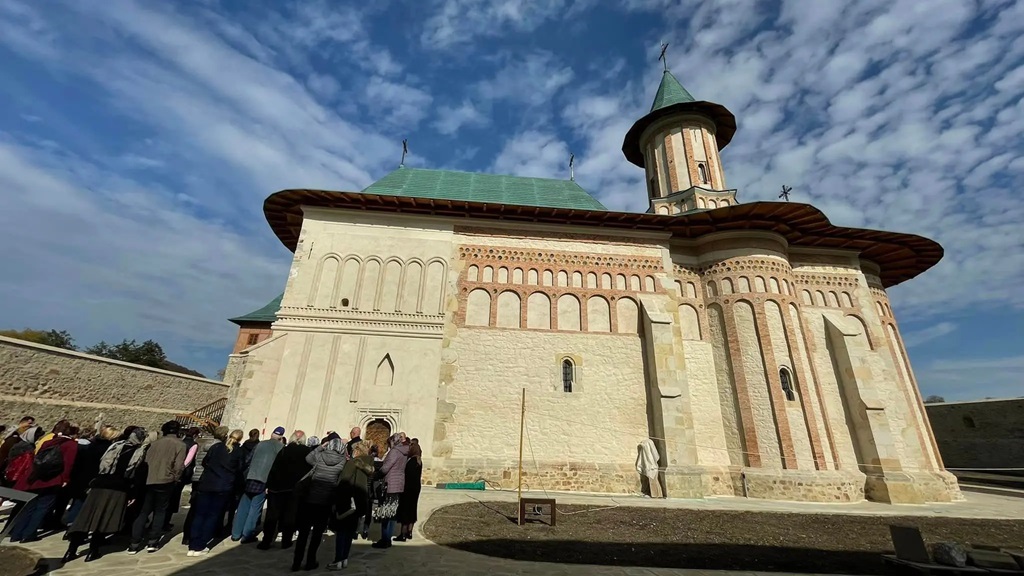
Tazlău Monastery Ensemble has been restored using European Regional Development Fund (ERDF)
After six years of hard work, the project of “reviving” one of the most prestigious establishments of Voivode Stephen the Great, in Tazlău commune, finally came to completion.