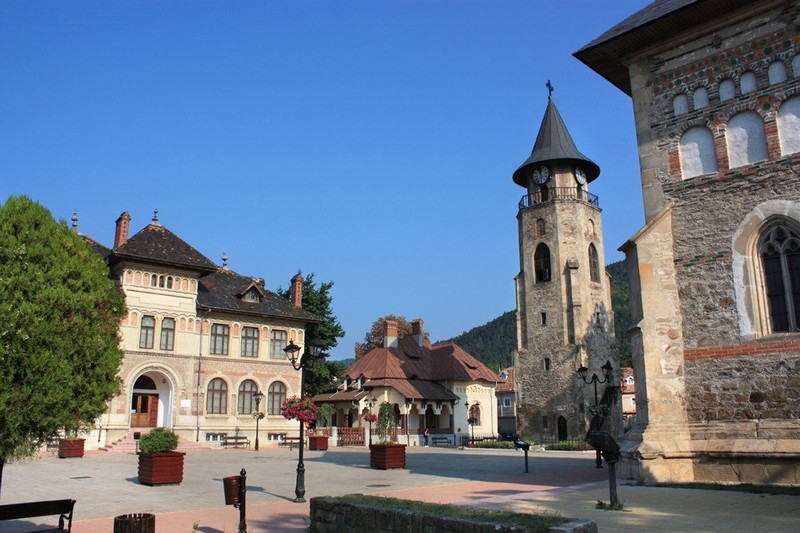
Princely Court Museum in Piatra Neamț
Romania Tourism - Princely Court Piatra Neamț
Address: The Princely Court Museum is situated on Piata Libertatii Street, Piatra Neamț, Neamț County
Tel: 0233218108
Established: 1986
Category: History
Museum opening hours:
daily: 9-17 (October – March)
10-18 (April – September)
Monday: closed.
Description:
The Princely Court exhibition in Piatra Neamț opened in 1986 and includes three-dimensional objects and documents relating to the Princely Court, documented on 20 April 1491.
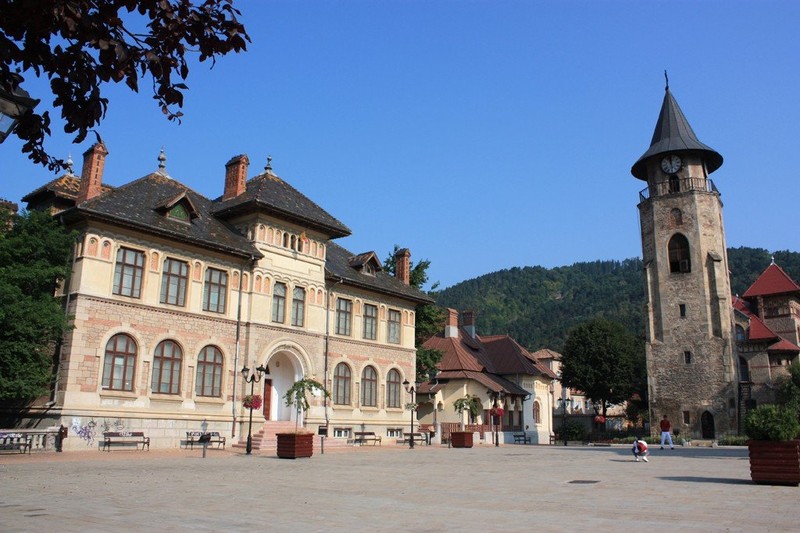
Situated on a small plateau in the town centre, the Princely Court – founded by the Holy Voivode Stephen the Great – dates from 1468 – 1475. It forms part of an architectural ensemble that also includes the Bell Tower (1499) and “Saint Ioan Domnesc” Church (1498).
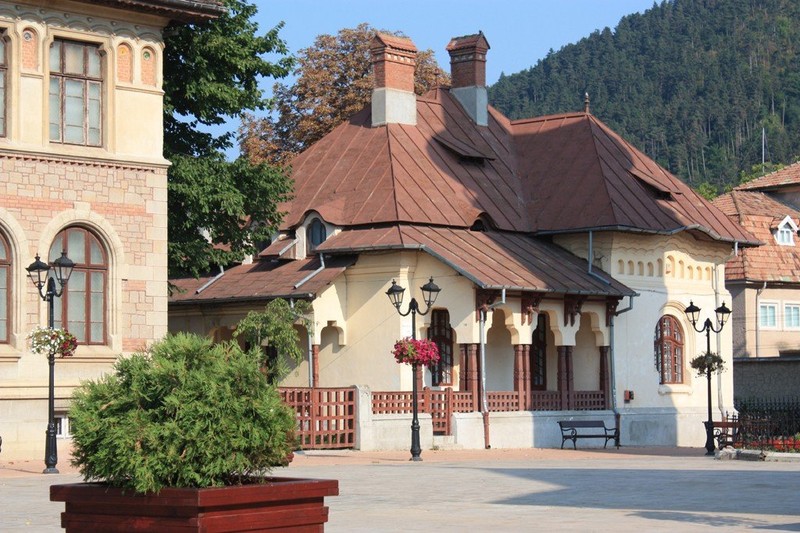
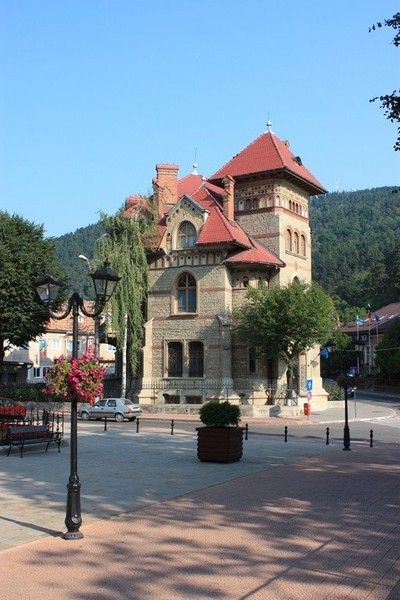
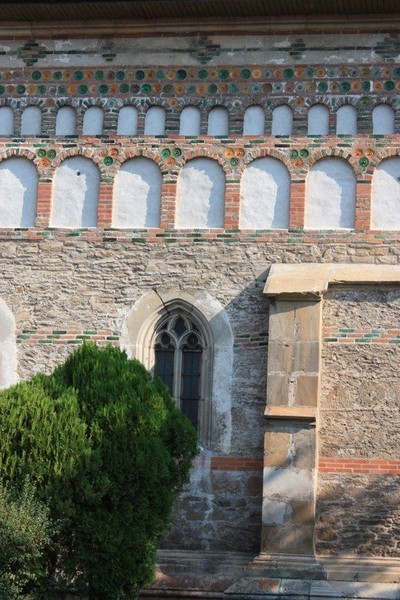
The museum’s permanent exhibition includes three-dimensional archaeological objects and documentary materials discovered around the Princely Court or at other sites in the Piatra Neamț area. Photo Album Click to view larger versions of the images
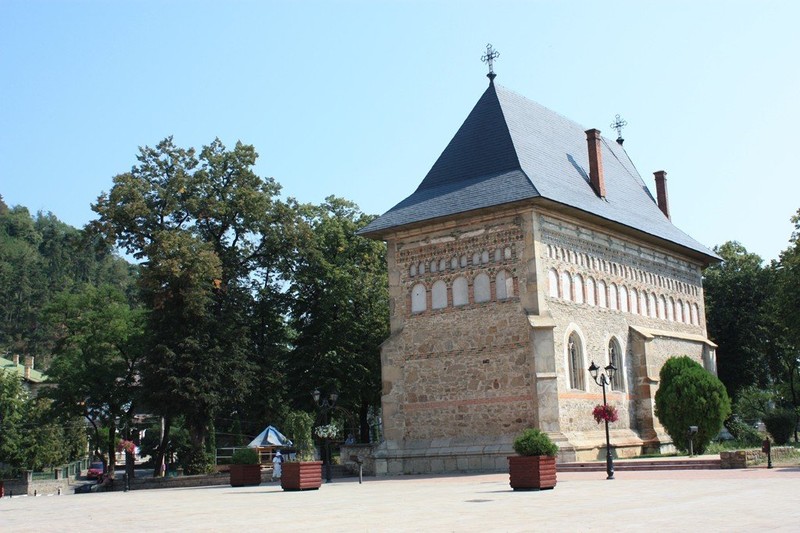
Only part of the cellars of the princely residence and sections of the enclosing wall survive today.
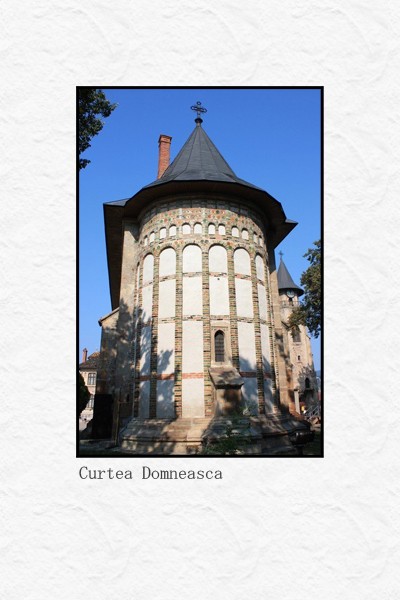
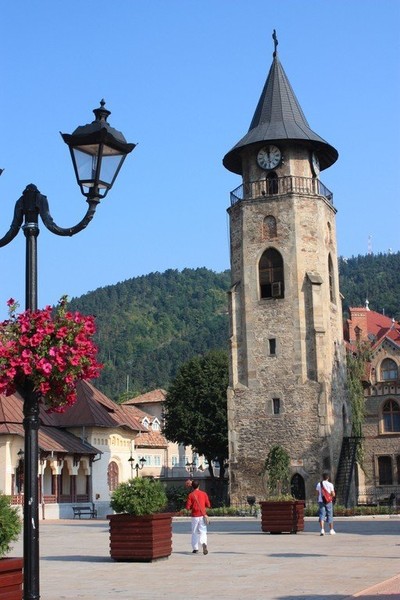
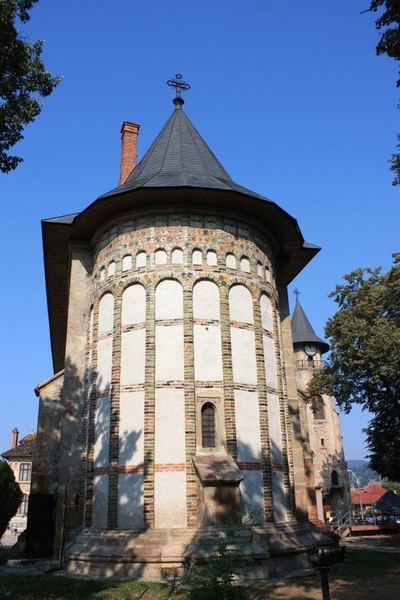
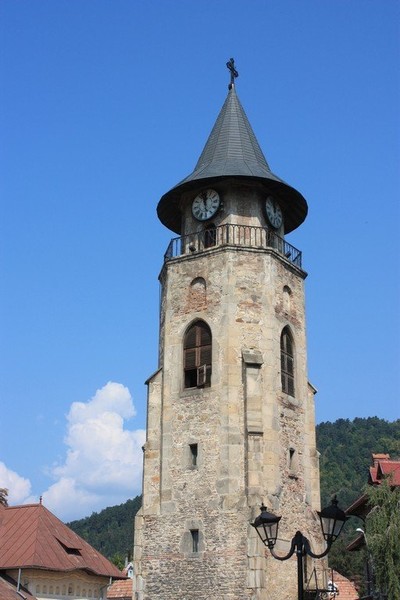
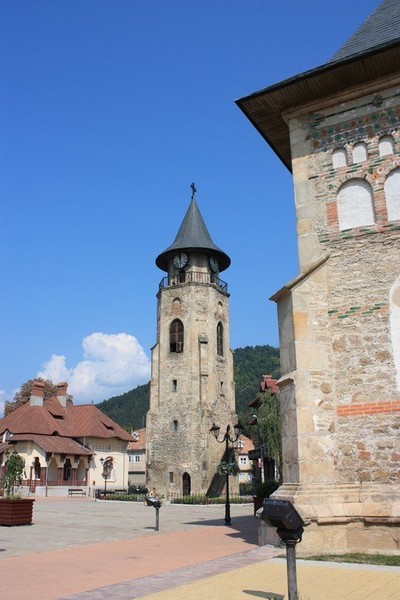
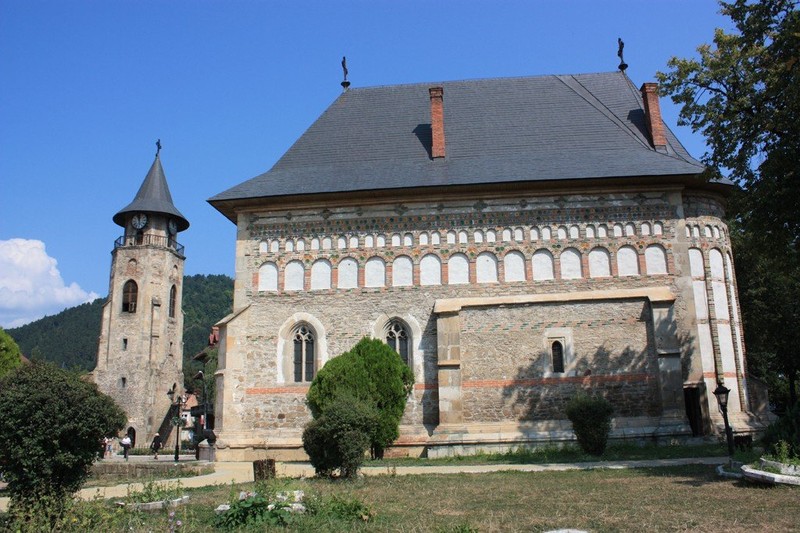
Click to view all photo albums
More on the same topic

Neamț receives five nominations across four categories in Destinația Anului
We have good news for everyone who loves Neamț County and all its beauty: it is among the finalists in the Destinația Anului 2024 competition, with five nominations across four categories: Piatra Neamț in the Inspiring Cities category.

Military firefighters bring competition and lots of adrenaline to Târgu Neamț
Târgu Neamț is hosting the 3rd zonal stage of the professional emergency situation competitions, in which representative teams from several counties of the country will participate: Bacău, Botoșani, Iași, Neamț, and Suceava.
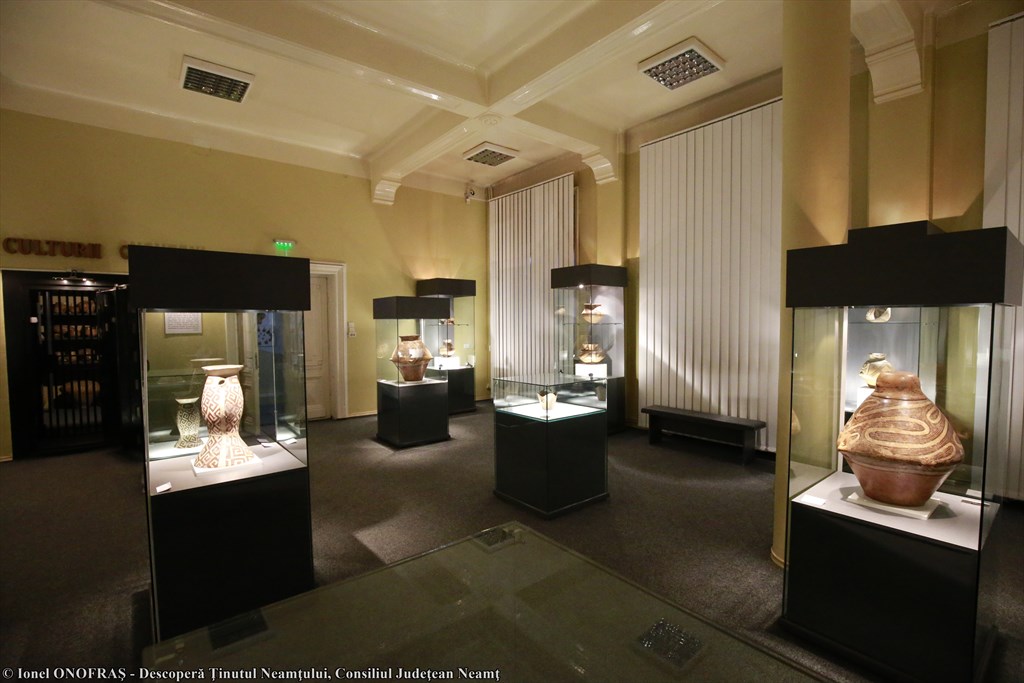
Discover, in Piatra Neamț, the most important Eneolitic art collection from the South-East of Europe
Photo Gallery: Nationally one of the kind, both history and art museum, it currently hosts the most spectacular artefacts, famous objects that belong to the Cucuteni–Trypillia Culture, which is in…