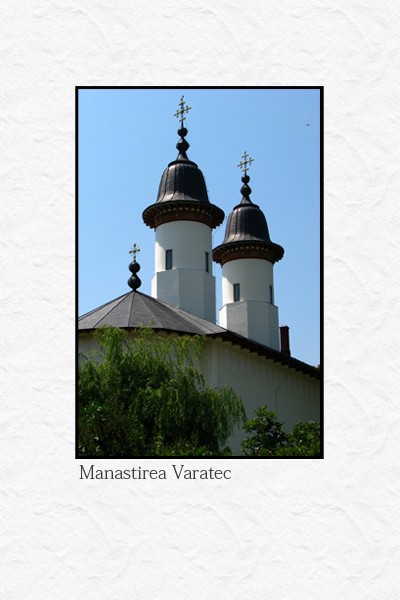
Văratec Monastery – Neamț County
Văratec Monastery is in Agapia commune, near Agapia Monastery, 12 km south-west of the town of Târgu Neamț and 40 km from the town of Piatra Neamț, in a small depression at the foot of the Stanisoara Mountains, sheltered by the Dealul Mare ridge, at an altitude no higher than 460 m.
Year of construction: founded in 1785 by Nun Olimpiada Address: Văratec village, Agapia commune, Neamț county, postcode 617013 Tel: 0233416333
Patronal feast of Văratec Monastery: “Dormition of the Mother of God” (15 August)
Văratec Monastery – a brief history
Nun Olimpiada, who took her vows at the former Topolita Hermitage, established a small contemplative retreat in Văratec Glade between 1781-1785. The first abbess appointed at Văratec Monastery was Nun Nazaria from Durău. In 1808, as the number of monastics grew, construction began on the present stone church dedicated to the “Dormition of the Mother of God” and its surrounding walls, which were completed in 1812. In 1821, Văratec Monastery was plundered and the nuns driven out or killed; Nun Olimpiada herself barely escaped, taking refuge at Secu Monastery.
Văratec Monastery: photos
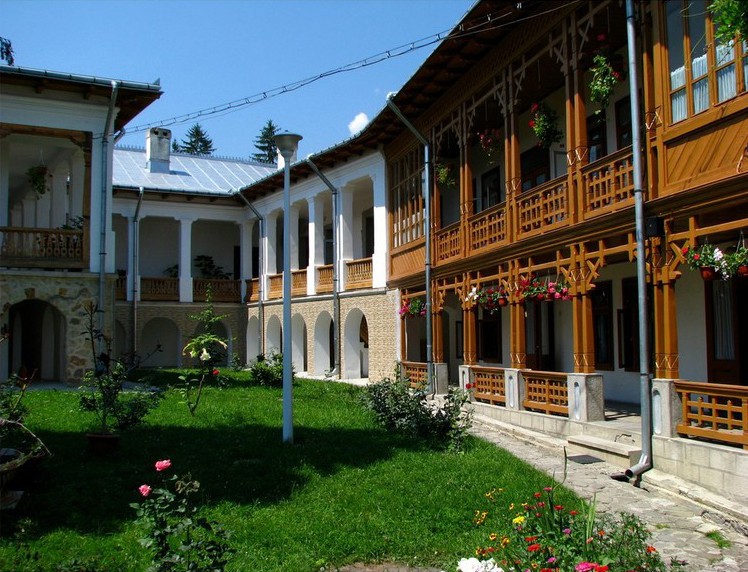
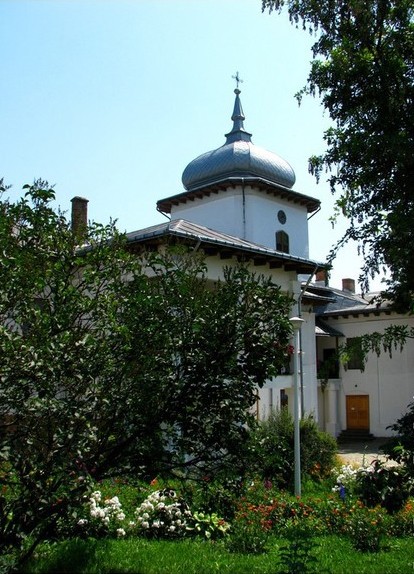
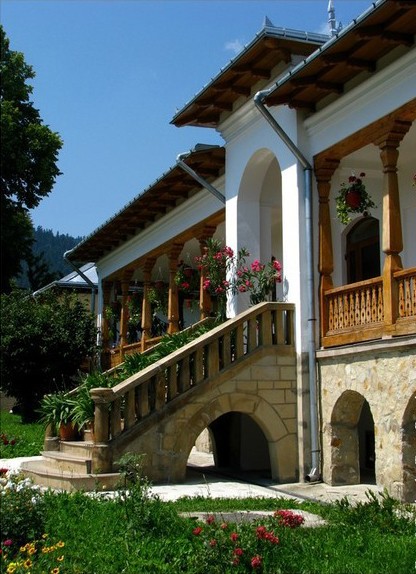
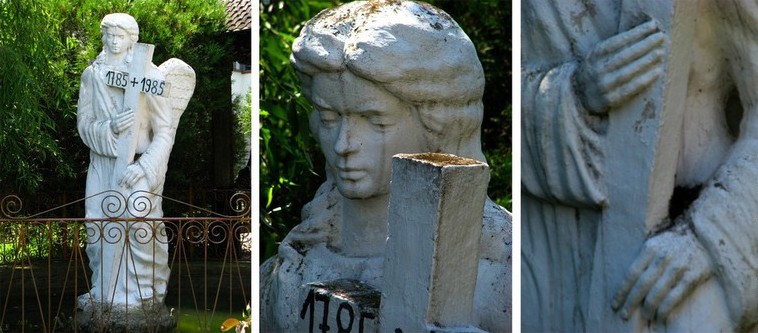
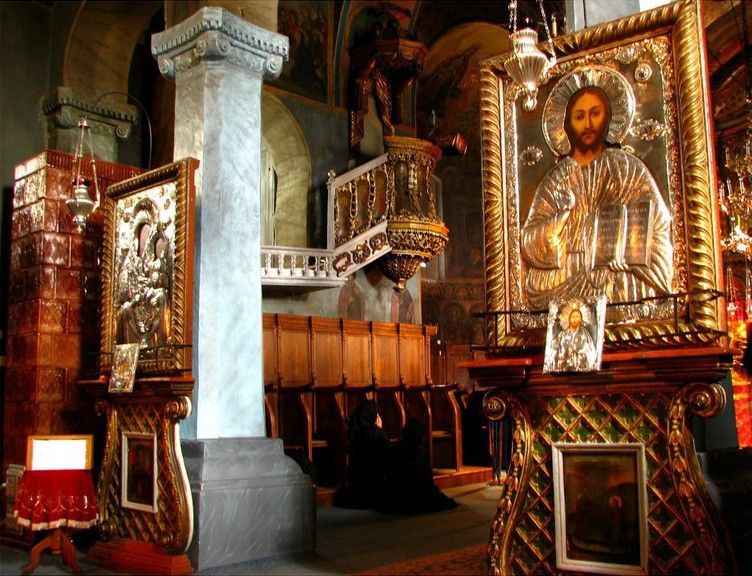
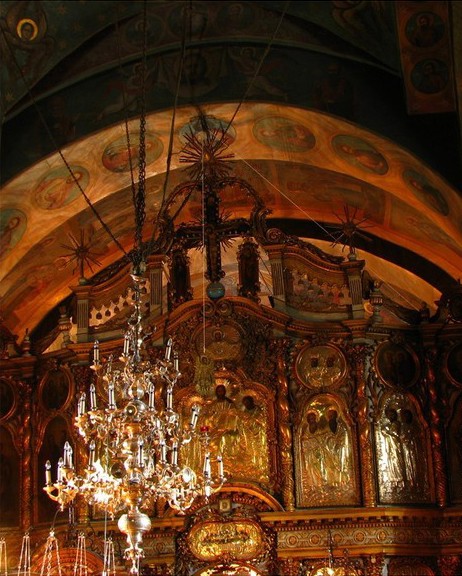
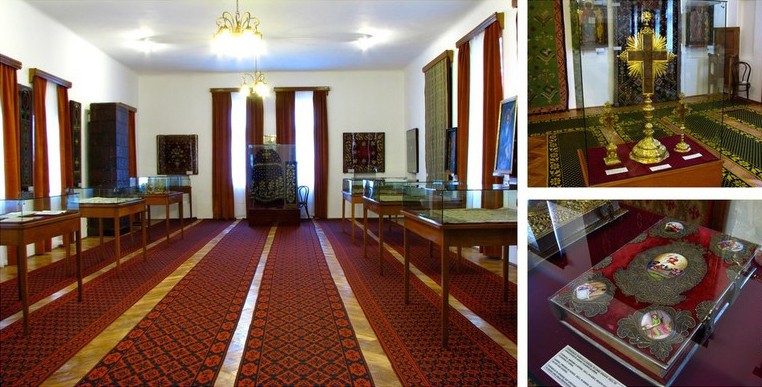
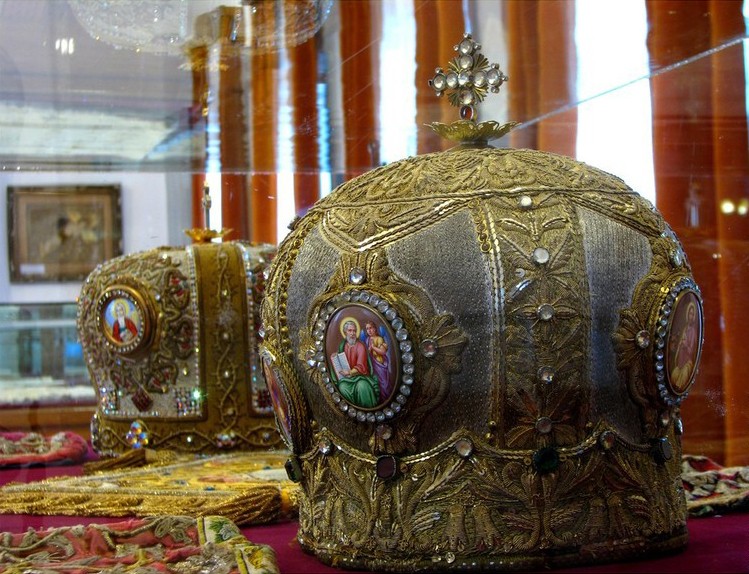
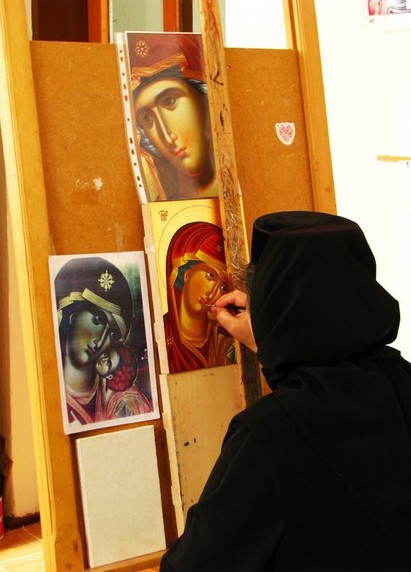
Click here to view all photo albums
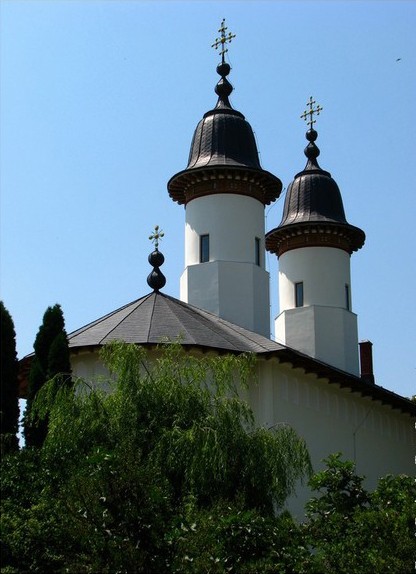
The architecture of the church at Văratec Monastery combines traditional elements of the Moldavian style from the 15th–16th centuries with foreign influences from the 17th–19th centuries. The church has a ship-shaped plan, with two very tall, round towers with bell-shaped roofs and polygonal bases. The façades of the church at Văratec are smooth and simple, with a band of blind niches running beneath the eaves. The church has an exonarthex above the treasury, a narthex, a nave and a sanctuary, with two small round porches with bulbous roofs on either side of the exonarthex.
The original fresco inside the church at Văratec was completed in 1841 and repainted in 1882 in the Neo-Byzantine style by the painters I. Ioan and D. Iliescu. The church's iconostasis was carved from yew wood and gilded, while the monastery walls were built in the first half of the 19th century, with a stone refectory, new monastic cells and a gate tower added later.
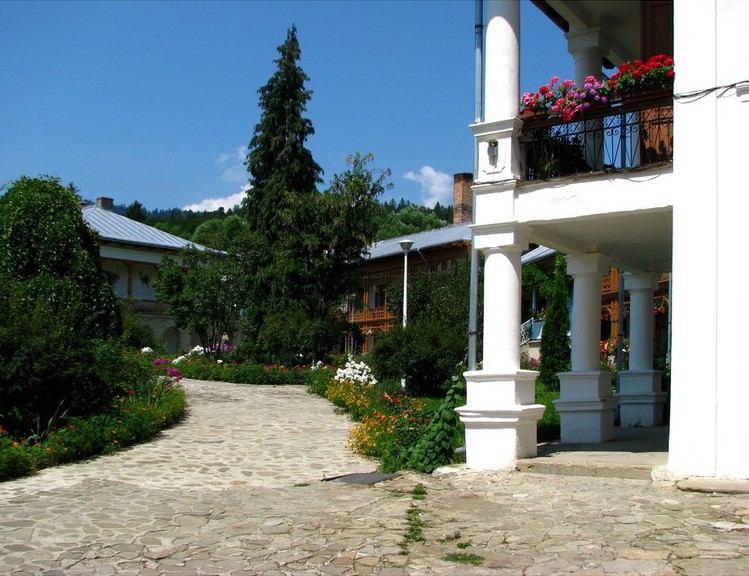
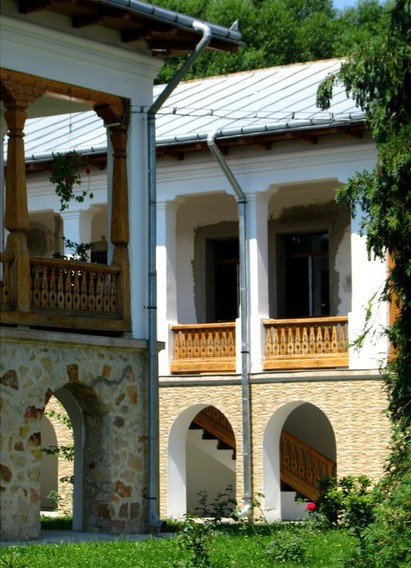
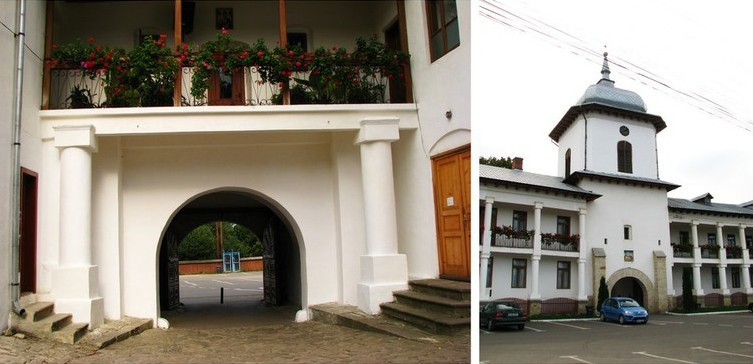
In 1900, a major fire destroyed the church roof and its two wooden towers, which were never rebuilt, as well as many of the monastic cells. The buildings now standing within the grounds of Văratec Monastery were built after the fire of 1900. Only the walls surrounding the monastery, built in 1808-1812, survive in their original form. Entry to the monastic complex at Văratec is through the vaulted passage beneath the bell tower: ahead is the church, to the left is the museum of Văratec Monastery, which houses the Collection of Old Ecclesiastical Art at Văratec Monastery, and to the right are the monastic cells and guest rooms.
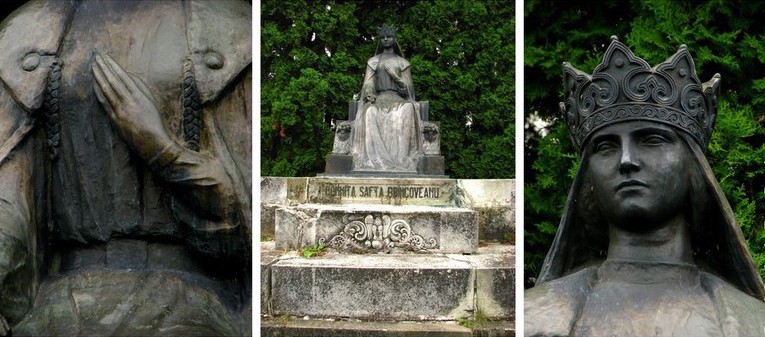
The monastic complex at Văratec also includes the “Saint Ioan the Baptist” Church – 19th century, beside which lies the tomb of Veronica Micle, and the “Transfiguration” Church – 19th century. Văratec Monastery stands alongside the famous monasteries of northern Moldavia, and although it dates from a later period than Bistrița, Neamț or Agapia, Văratec Monastery has its own clearly defined role in Romanian history.
More on the same topic

Ethnographic museums, treasures of local history and traditions
Ethnographic museums are true treasures and expressions of love for traditions, folklore, and spirituality of the places, and so is the Ethnographic Museum Casa Bunicilor in the village of Mitocul Bălan, Crăcăoani commune.

Neamț receives five nominations across four categories in Destinația Anului
We have good news for everyone who loves Neamț County and all its beauty: it is among the finalists in the Destinația Anului 2024 competition, with five nominations across four categories: Piatra Neamț in the Inspiring Cities category.

The Story of the Seven Miraculous Icons of the Holy Virgin and Saint Anne from Neamț Land
Renowned not only for its beauty and historical significance but also called the “Jerusalem of Romanian Orthodoxy,” Neamț Monastery houses the miraculous icon of Virgin Mary with three hands…