The paintings in the church at Tazlău Monastery
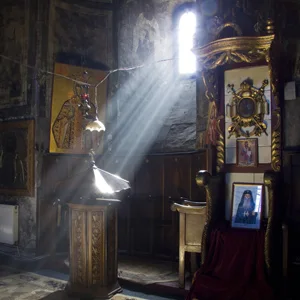
Founded by Voivode Stephen the Great, the church at Tazlău Monastery was painted both inside and out in 1496, the year its construction was completed. The inscriptions above the door between the narthex and the porch indicate that the church’s original paintings were renewed in 1858-1859. During this period, the church interior was restored, and the paintings were to be executed in oils under the supervision of an inspection committee.
The painters used oils only for the icon of the Mother of God holding the Child in the narthex portal, and for Saint Martyr Varvara and Venerable Parascheva in the narthex; the remaining paintings were executed in tempera.
The church’s iconostasis was painted in 1852 by Greek painters. It features beautiful paintings on wood, created with fine oils and generous quantities of gold dust. The icons painted in this way depict Christ the Lord, the Mother of God, the Nativity of the Mother of God and Saint Nicolai. Above the holy doors are paintings of “the Last Supper”, the Annunciation, the Nativity of Christ the Lord and the Baptism of Isus.
The Holy Trinity is painted inside the tower, while the four Evangelists are depicted on the four curved pendentives supporting it. The holy archangels Mihail and Gavril are painted in oils on the arch of the wall dividing the nave from the narthex; this painting dates from 1927. A characteristic work at Tazlău Monastery is the founders’ portrait, painted in oils and placed on the west wall of the narthex. It depicts Ștefan with Maria, daughter of Radu cel Frumos, between their two sons, Bogdan on the right and Alexandru on the left.
All the paintings inside the church are in a realistic style, and some icons are so accomplished that they possess a rare beauty. Visit Tazlău Monastery and feel a trace of this area’s history!
More on the same topic
Ethnographic museums, treasures of local history and traditions
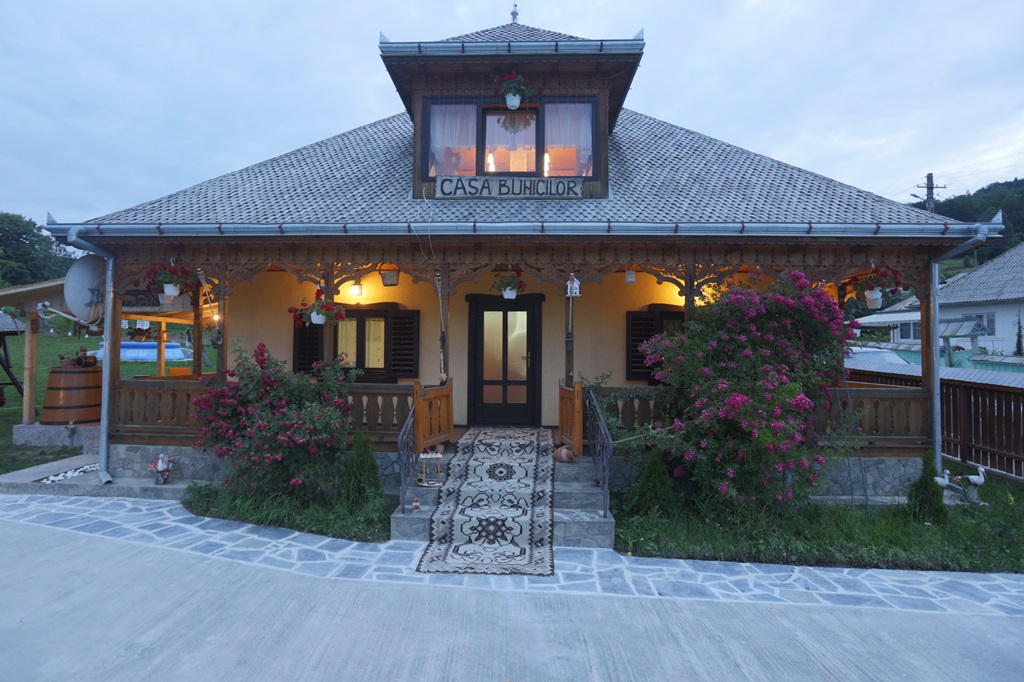
Ethnographic museums are true treasures and expressions of love for traditions, folklore, and spirituality of the places, and so is the Ethnographic Museum Casa Bunicilor in the village of Mitocul Bălan, Crăcăoani commune.

Neamț receives five nominations across four categories in Destinația Anului
We have good news for everyone who loves Neamț County and all its beauty: it is among the finalists in the Destinația Anului 2024 competition, with five nominations across four categories: Piatra Neamț in the Inspiring Cities category.
The Story of the Seven Miraculous Icons of the Holy Virgin and Saint Anne from Neamț Land
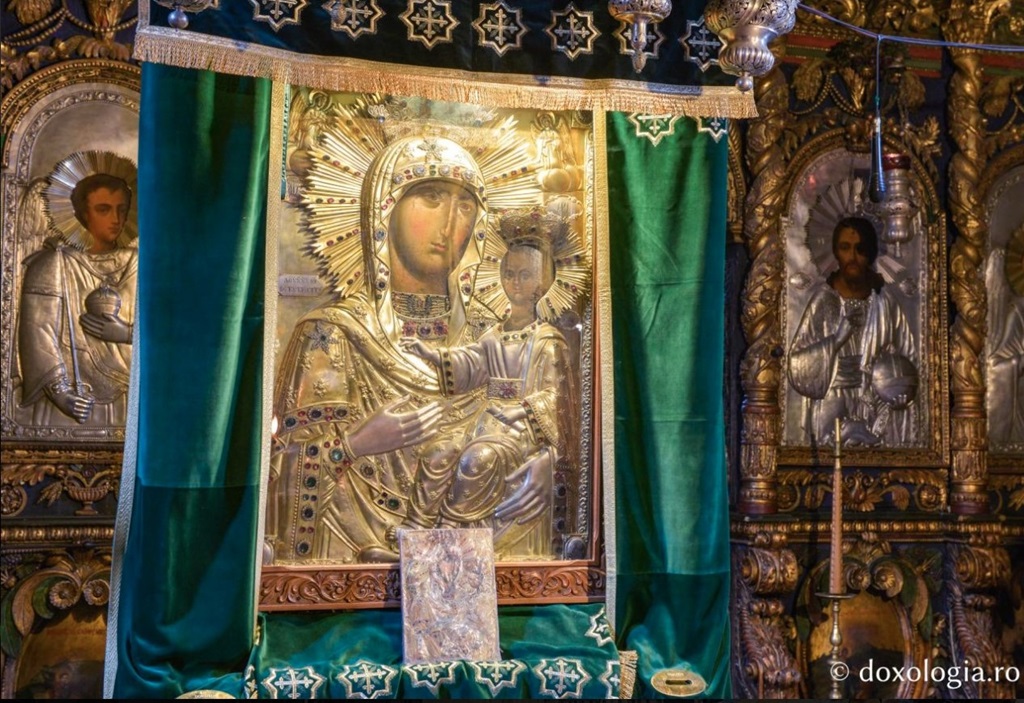
Renowned not only for its beauty and historical significance but also called the “Jerusalem of Romanian Orthodoxy,” Neamț Monastery houses the miraculous icon of Virgin Mary with three hands…