Traditional mask-dances from the night of New Year’s Eve
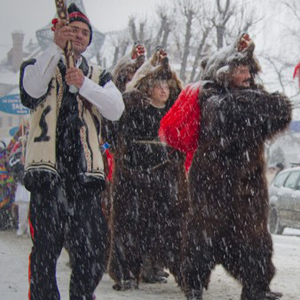
The traditional mask-dances from the night of New Year’s Eve represent the celebration of “all madness” in the night when a “new order is installed and when life is reborn”. For centuries traditions like “Capra” (The Goat), “Ursul” (The Bear) or “Calutii” (The Small Horses) are highly appreciated by people that witness these dances. Around these “animals” there are bands that wear masks representing humans in all their diversity. You’ll see masks representing elders, old ugly women, devils, goats and so on. These characters are called either “Uratii”, which means the Ugly Ones or “Frumosii”, meaning the Beautiful Ones.
Here are some of the traditional mask dances from Neamt County:
“Capra” (The Goat) – according to tradition, the goat is a mask made out of carved wood, with a jaw that moves up and down to make a clamping noise. The wood is covered with rabbit or goat fur. The person wearing the goat costume has to dance in the rhythm of the dance. The mask also has horns made out of wood or from a real goat. The horns are decorated with colorful pieces of paper, ivy and basil. The body of the goat is made out of a colorful carpet. The dance signifies death and birth of The Goat.
“Ursul” (The Bear) – the legends tell about the bear as an animal that offers protection and that predicts weather. The symbol of this dance is the death and birth of nature. In Neamt County the bear mask is truly beautiful: it’s made out of sheep fur and in many cases the head of a real bear. The band that dances around the bear has a leader called “ursar” (the person that leads the bear).
“Calutii” (The Small Horses) – is the dance of eternal youth. Young men are dressed as small horses and dance to express the connection between humans and horses (the animal that helped humans in different tasks over years). The head of the mask is carved in wood and covered with a red piece of cloth. The band members also wear traditional costumes.
“Uratii” (The Ugly Ones) or “Frumosii” (The Beautiful Ones) – these are the characters surrounding the goat or the bear. Their masks represent the diversity of humans and different funny moments in life. You’ll see masks of elders, old women, uncles, gypsies and so on.
“Sorcova” (performed on January 1st) – this custom is performed on January 1st, on the day that we celebrate St Vasile. “Sorcova” is an object that used to be made of blossomed branches. Now days it’s made of colorful paper on a wood stick. This custom is performed by children that wish you health and a rich crop in the new year by throwing in your hose grains of wheat, corn and beans.
More on the same topic
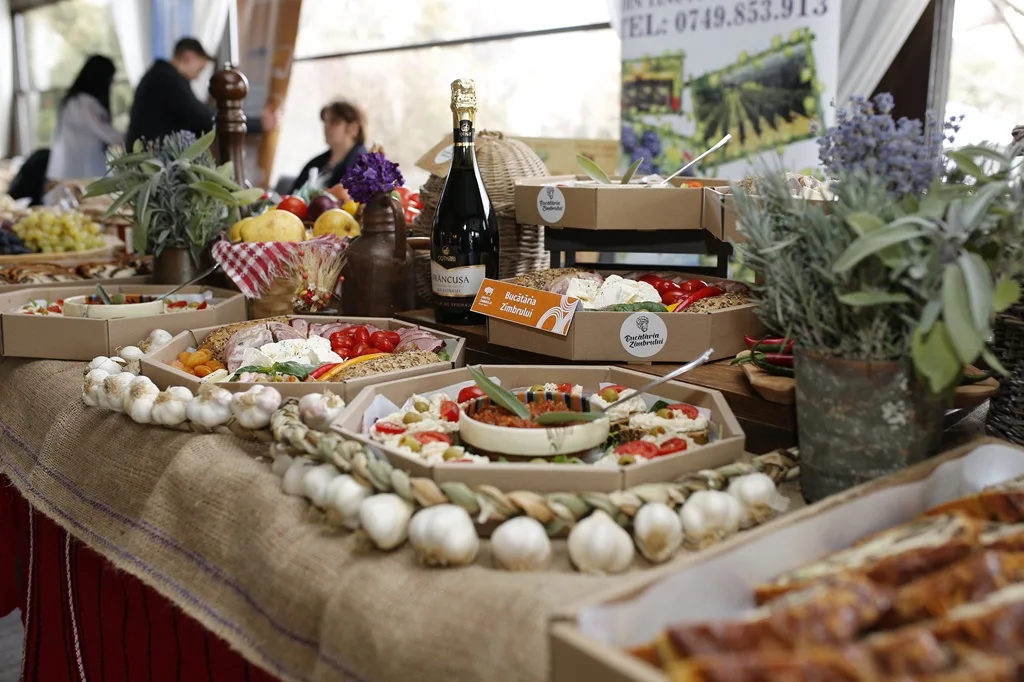
Attractive Romania presents “Neamțul în Bucate”
The culinary story of Neamț County invites travelers on a fantastic journey, a tour of its four picturesque regions, filled with tales and flavors that combine tradition, ecotourism and fresh, delicious dishes.
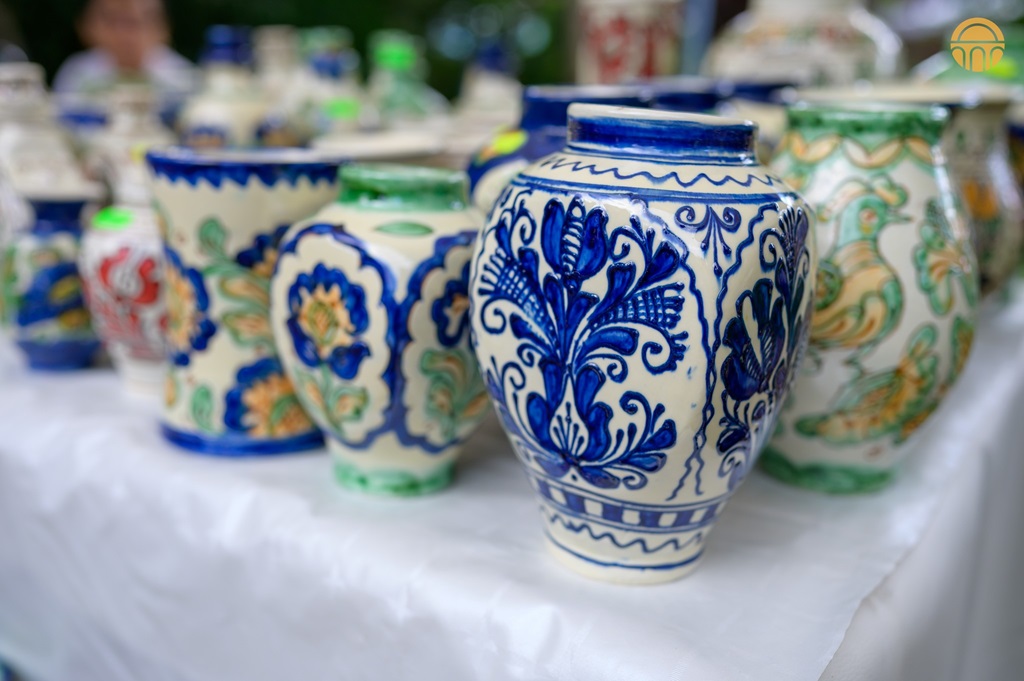
Craft Fair for the Feast of the Assumption in Piatra-Neamț
This weekend, local residents and tourists will be able to enjoy folk art and objects crafted with great talent and flair by traditional craftspeople from ten counties, who will come to keep local…
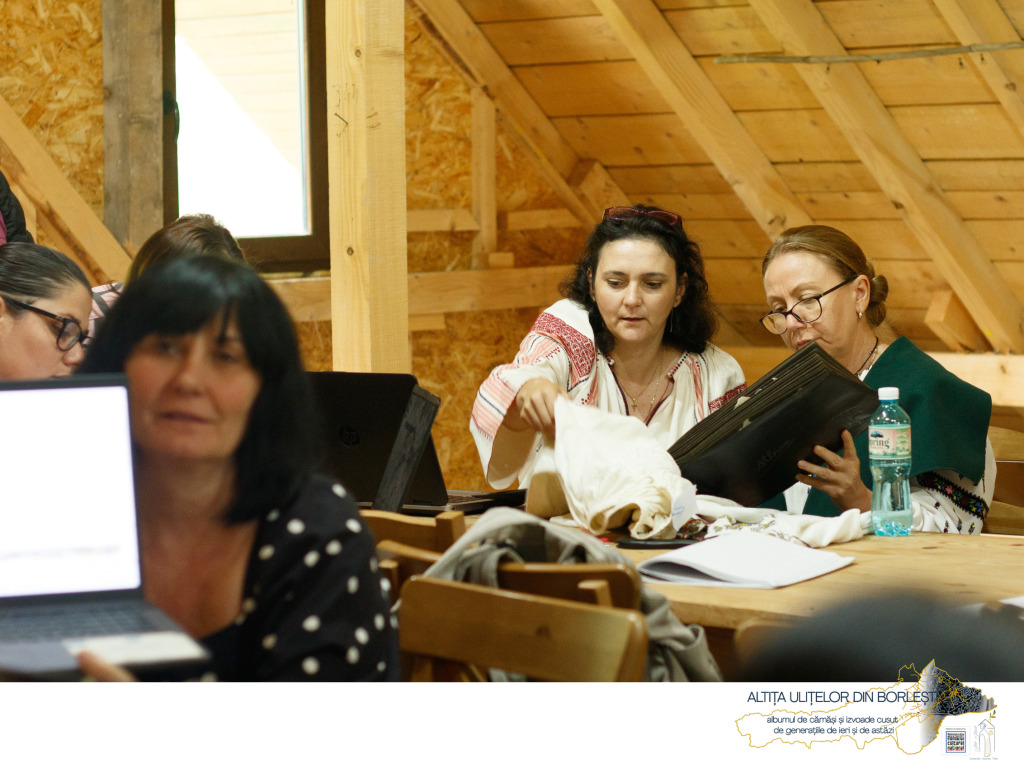
” Altița ulițelor din Borlești” at the AFCN Awards
At the ninth edition, the AFCN (National Cultural Fund Administration – NCFA) Awards has nominated “Altița ulițelor din Borlești” in the Activation of Intangible Cultural Heritage Category.