Visit the Moldavian Foundations of Neamț County
The Neamț region is where, over the centuries, many princes built fortifications and places of worship that survive to this day. Here, in Neamț, thriving centres of culture emerged, supported and enriched over time by many prominent figures in Romanian spiritual life.
With a past rich in historical events, this region, unique in Romania, delights us with its many remarkable monuments and enchanting scenery. Here are some of the Moldavian foundations to visit in Neamț County:
The Princely Court and Church in Piatra Neamț, in the town centre, form a medieval architectural complex built during the reign of Stephen the Great. Only part of this Princely Court survives today: “Sfântul Ioan” Church, the Bell Tower, parts of the walls and cellars, and an extensive collection of cultural heritage items.
Neamț Citadel, which enjoyed its golden age during the reign of Stephen the Great. This medieval fortress played a decisive role throughout Moldavia.
Neamț Monastery dates from the 14th century and is the oldest and most important monastic settlement in Moldavia. It is an important centre of culture and art, with its monastery church, library, school of calligraphers and miniaturists, printing house, wood engraving workshops, painting school and museum of historical art.
Bistrița Monastery dates from the late 14th century and is the burial place of Prince Alexander the Good. It houses the “Sfânta Ana” icon and the Museum of Historical Art, while mural paintings survive in the chapel.
Războieni Monastery was built by Prince Stephen the Great after the battle of Valea Albă. This church – a mausoleum – was built over the mass grave of the heroes who fell in the battle.
Tazlău Monastery is one of the most monumental foundations of Voivode Stephen the Great. This monastery is a true fortress, surrounded by walls with battlements and defensive towers and decorated with glazed ceramics and exposed brickwork.
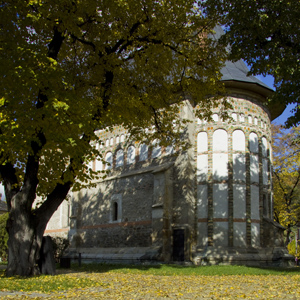
Pângărați Monastery dates from the 15th century and has a unique architectural design. The old church building houses two churches, one above the other, with separate entrances. It also houses a collection of historical art comprising religious objects, vestments and printed works.
Durău Monastery comprises “Buna Vestire” Church, Metropolitan Veniamin Costachi’s House, Varahil Moraru House, the abbot’s residence, the masonry bell tower and the wooden bell tower. The church interior was painted by Nicolae Tonitza and his apprentices using the encaustic wax technique.
Agapia Monastery is famous for the paintings of Nicolae Grigorescu, who created an exceptional work here, as well as for the collection of the Museum of Medieval Art and the monastic village of nuns.
Văratec Monastery comprises the Church of the Dormition of the Mother of God, “Sfântul Ioan Botezatorul” Church – dating from the 19th century, beside which lies Veronica Micle’s tomb, “Schimbarea la Fata” Church – dating from the 19th century, the Museum of Historical Art and the monastic village of nuns.
Sihăstria Monastery dates from 1655 and is where the great spiritual fathers of Moldavia, Father Cleopa and Father Paisie Olaru, lived and were buried.
Secu Monastery is over 500 years old and takes the form of a rectangular fortress. The church stands within the massive stone walls, beside the Museum of Historical Art, which displays religious objects.
Horaița Monastery is distinctive for its church, which combines elements of Roman-Byzantine architecture with Russian influences and has eight towers above it. The church paintings and iconostasis are in the Neo-Byzantine style.
Visit the Neamț region and enjoy the beauty of these Moldavian foundations, which have endured through the centuries.
More on the same topic

Neamț receives five nominations across four categories in Destinația Anului
We have good news for everyone who loves Neamț County and all its beauty: it is among the finalists in the Destinația Anului 2024 competition, with five nominations across four categories: Piatra Neamț in the Inspiring Cities category.

Military firefighters bring competition and lots of adrenaline to Târgu Neamț
Târgu Neamț is hosting the 3rd zonal stage of the professional emergency situation competitions, in which representative teams from several counties of the country will participate: Bacău, Botoșani, Iași, Neamț, and Suceava.
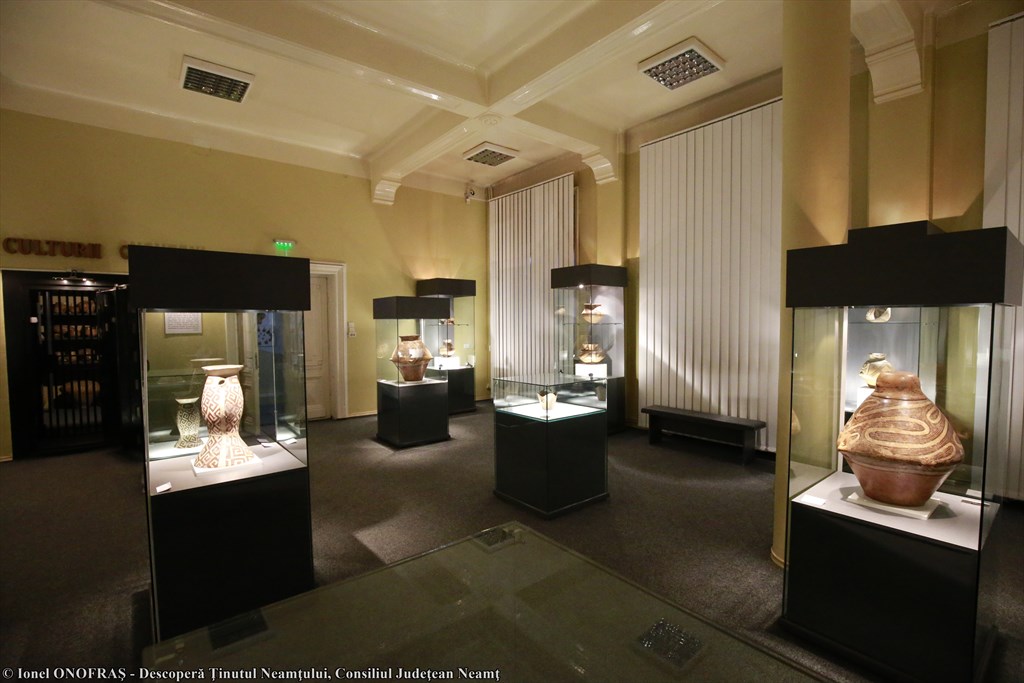
Discover, in Piatra Neamț, the most important Eneolitic art collection from the South-East of Europe
Photo Gallery: Nationally one of the kind, both history and art museum, it currently hosts the most spectacular artefacts, famous objects that belong to the Cucuteni–Trypillia Culture, which is in…