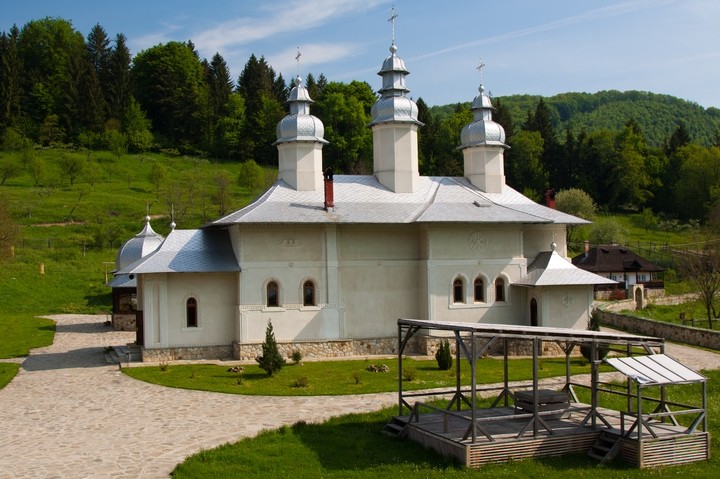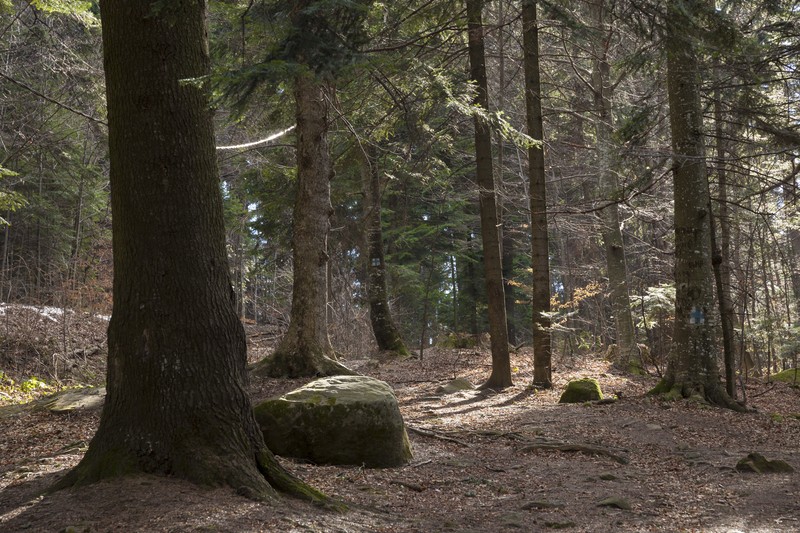
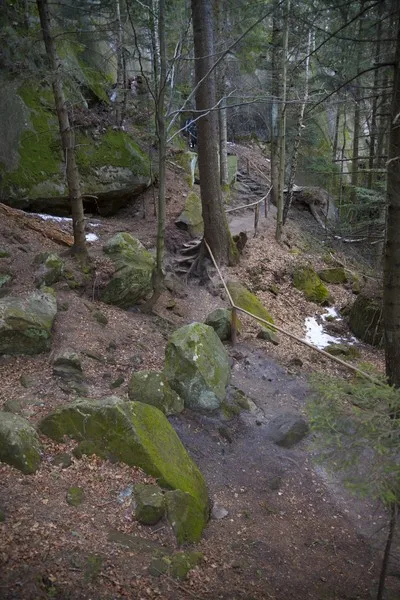
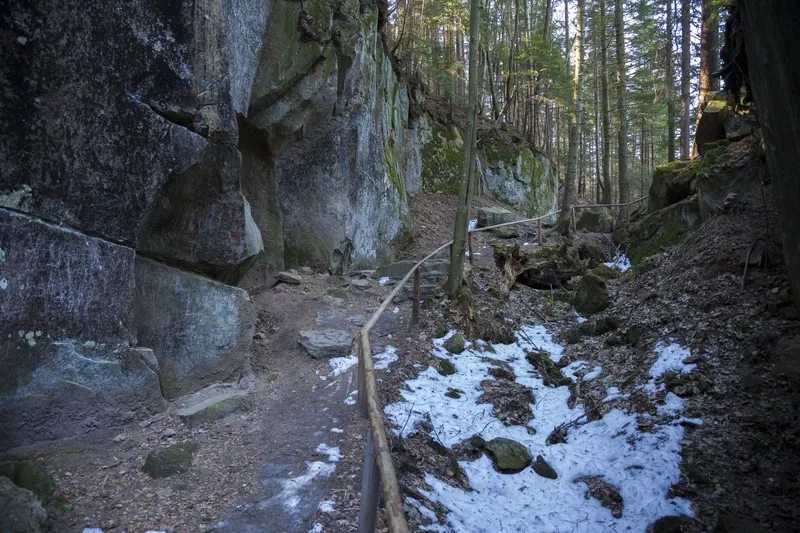
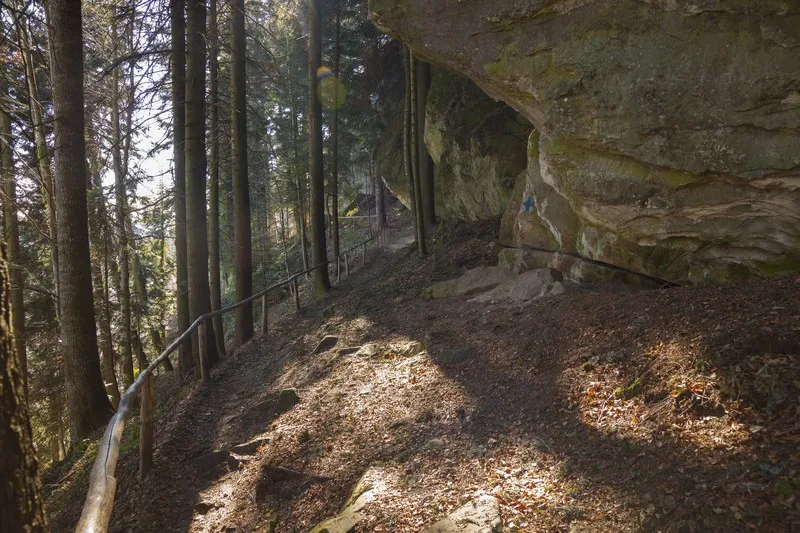
Over time many monks and nuns lived and prayed in the forests near monasteries like Neamt, Secu, Sihastria or Agapia and they always considered the forest from Sihla as the “strongest wilderness”. In these forests only the most pure monks and nuns lived, some of them in absolute loneliness for decades.
The first mention of a monk in these forests is found in a document from 1326 where it talks about a hermit in these forests. The ruler Stefan cel Mare, after the battle from Orbic in 1457 while crossing the forest to reach Neamt Monastery encountered an old monk that talked about other monks that preceded him in that place. This is the way in which we can say that in the forest from Sihla the religious life exists from the early XIII century and who knows, maybe even long before that.
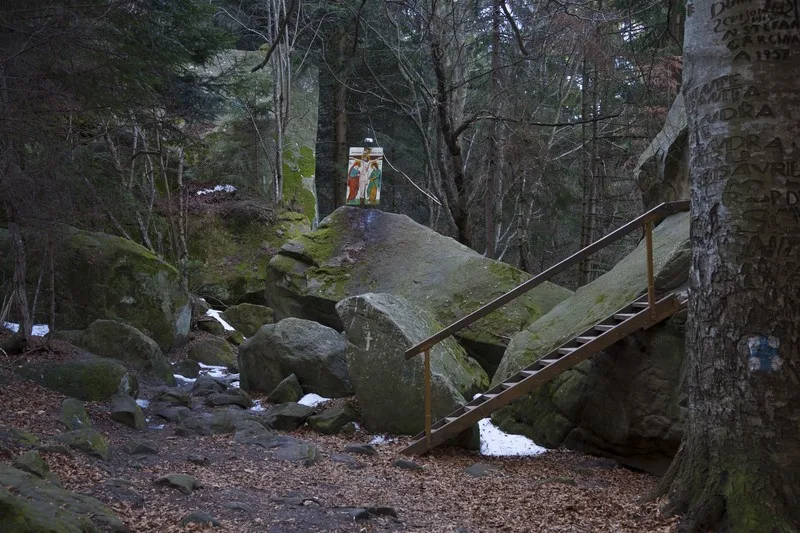
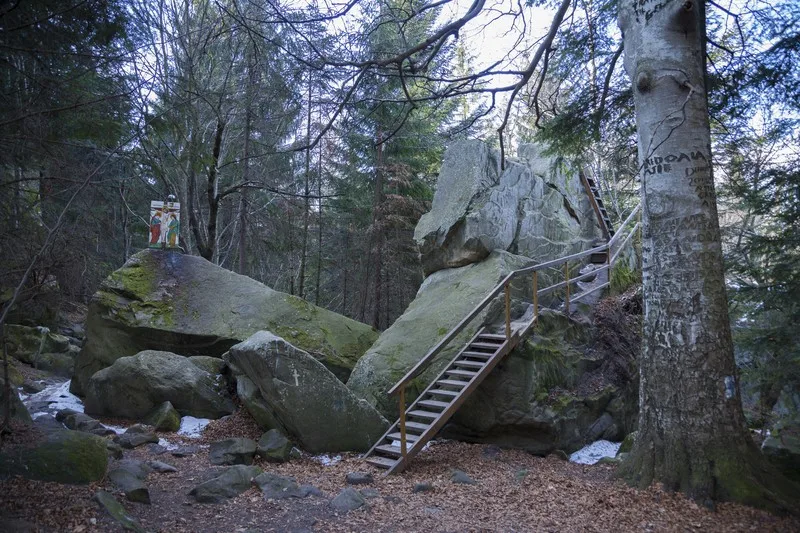
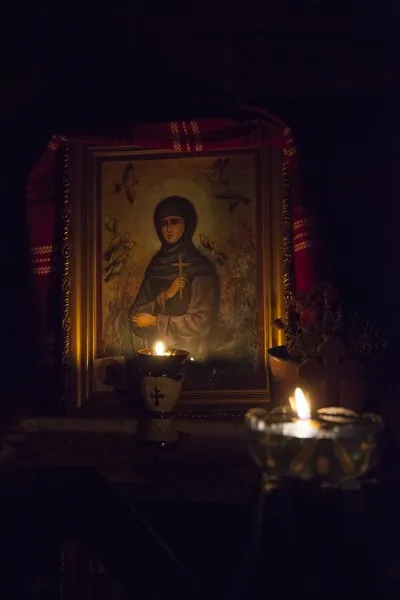
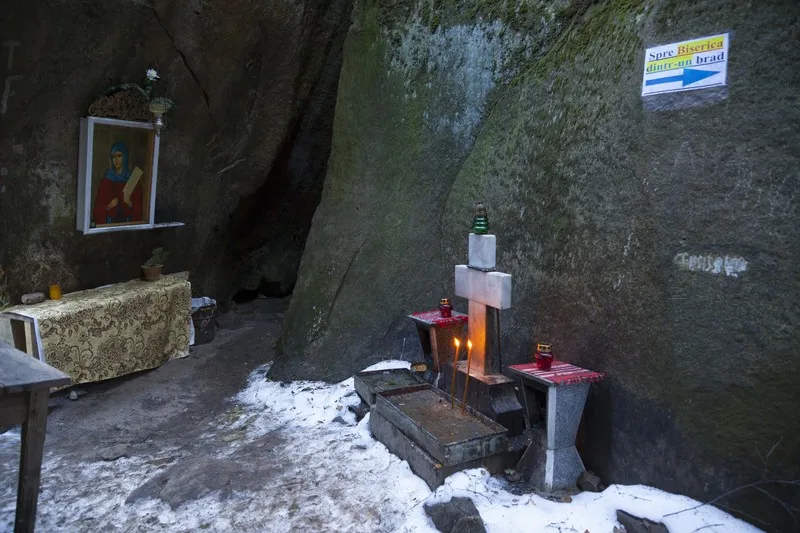
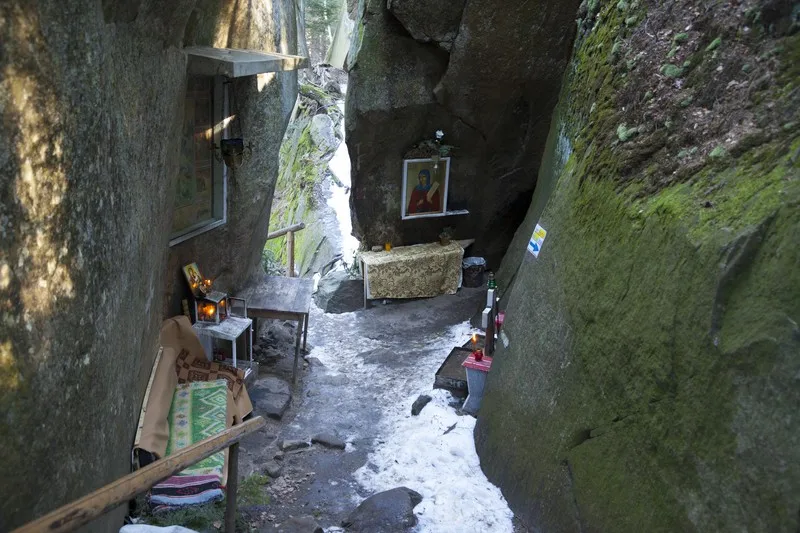
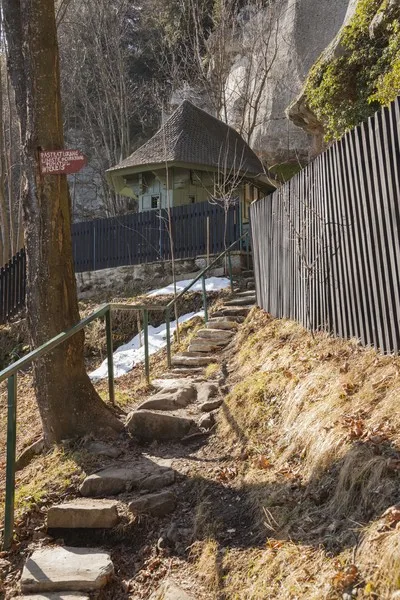
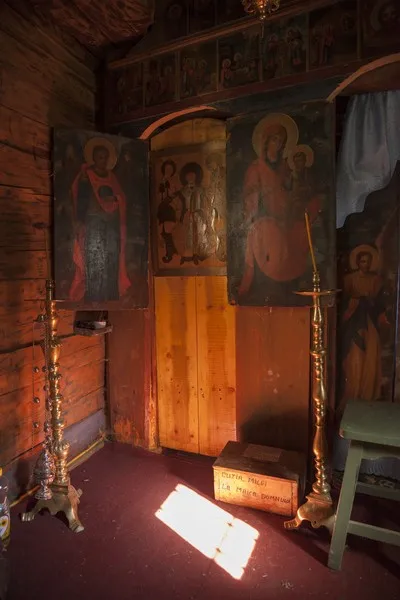
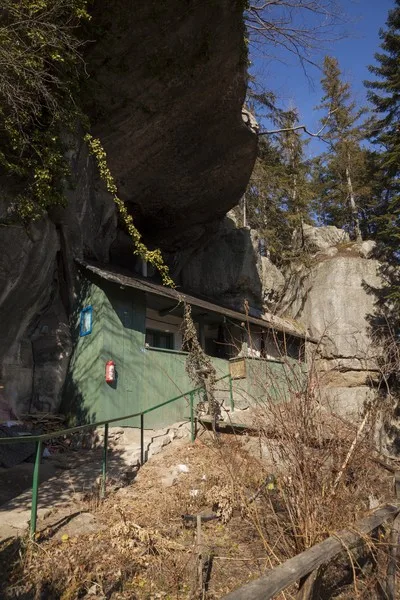
In the second half of the XVII century and the beginning of the XVIII century at Sihla lived for over 40 yearsSt Teodora from Sihla. She retired in this place after living as a nun for 10 years in Vrancea Mountains. At Sihla, St Teodora lived as a nun in a small church hidden under a big rock. Toward the end of her life she moved intothe cave that can be visitedand that is also the place where she died. Her relics are at Pecerskaia Lavra from Kiev. Toward the end of the XVII century Pavel the Hermit, the confessor of St Teodora also retired in the wilderness from Sihla where he died after 10 years of living in solitude.
More from the collection
Open the collection