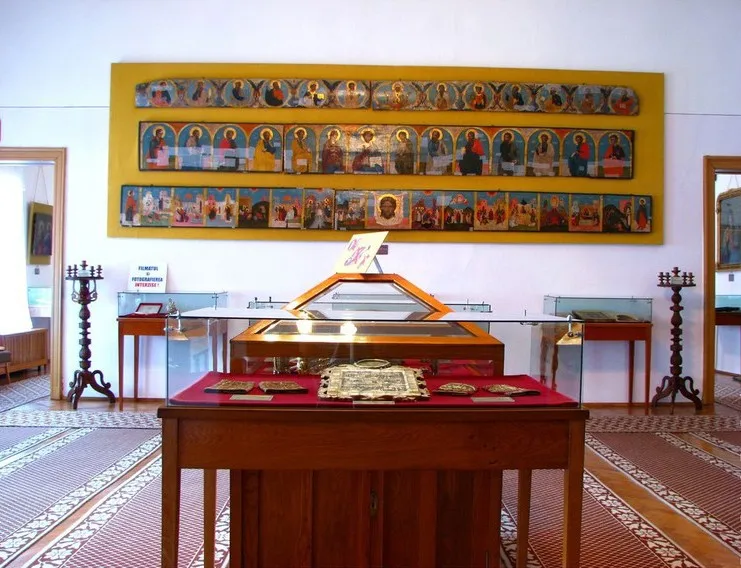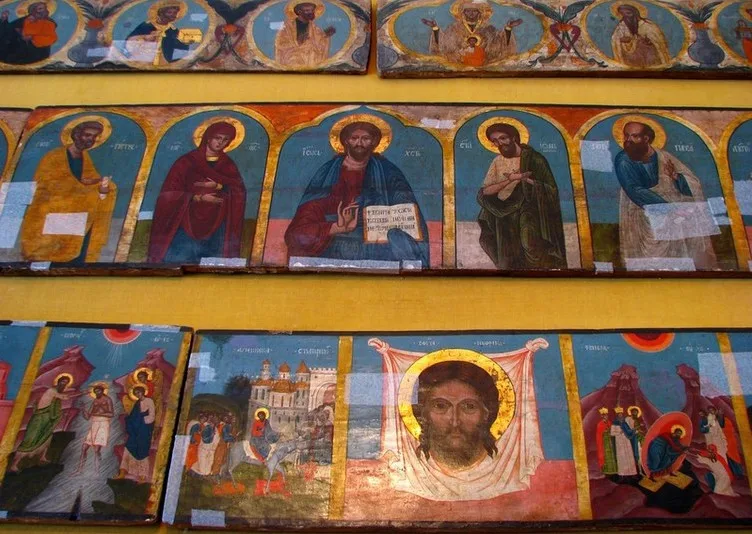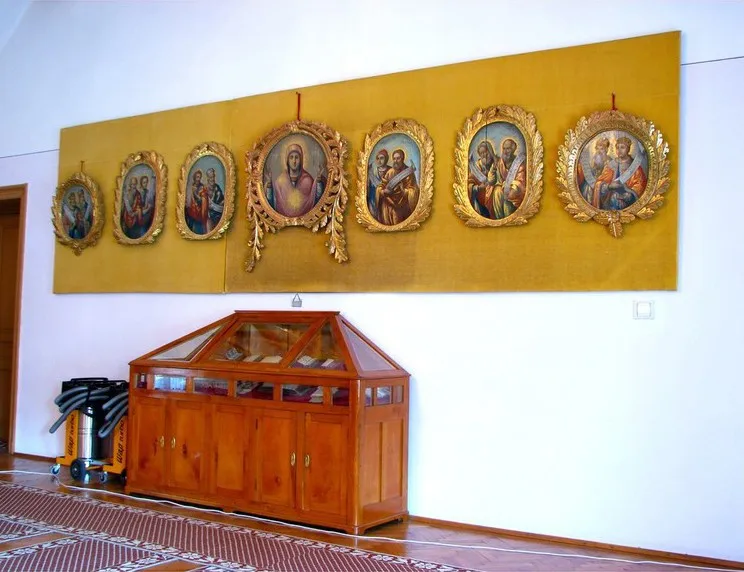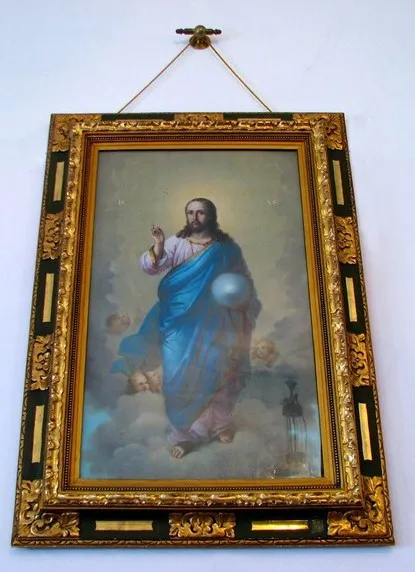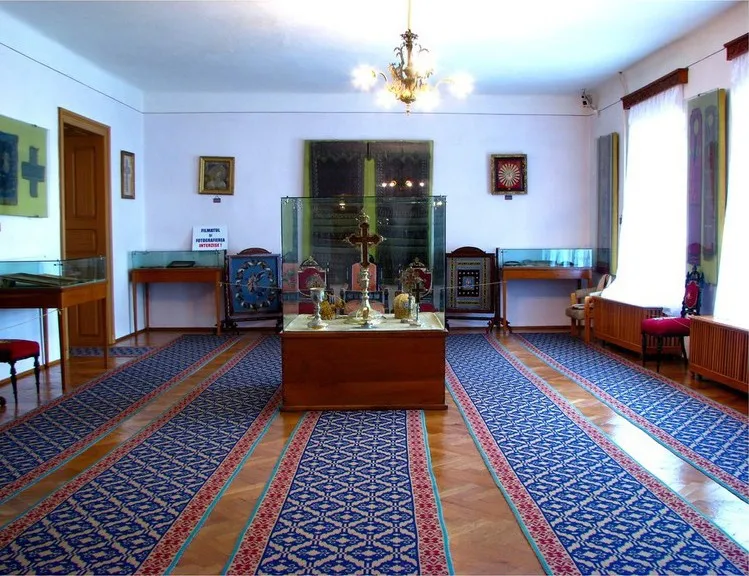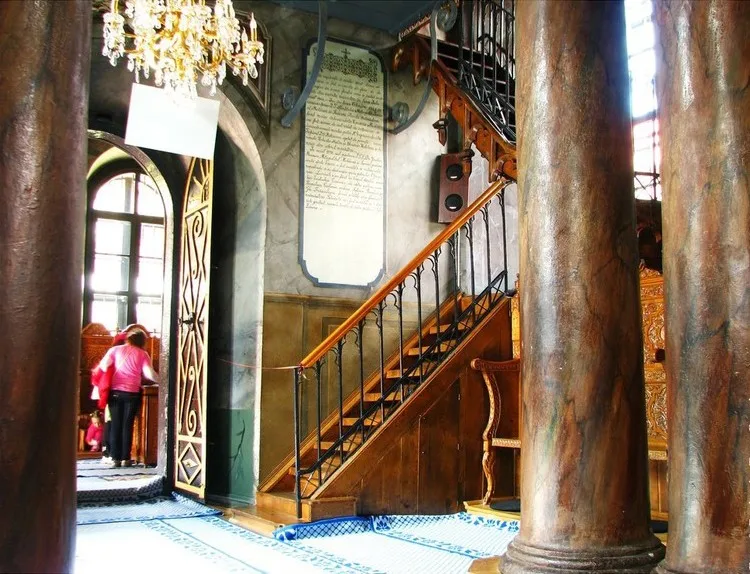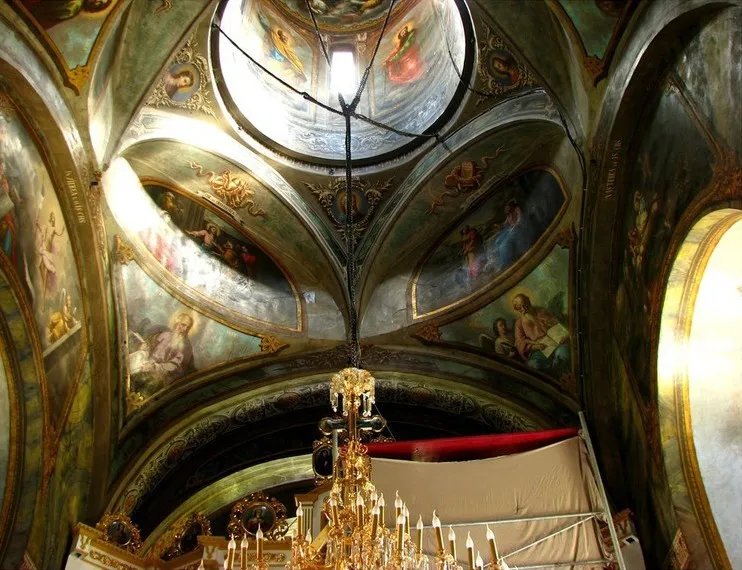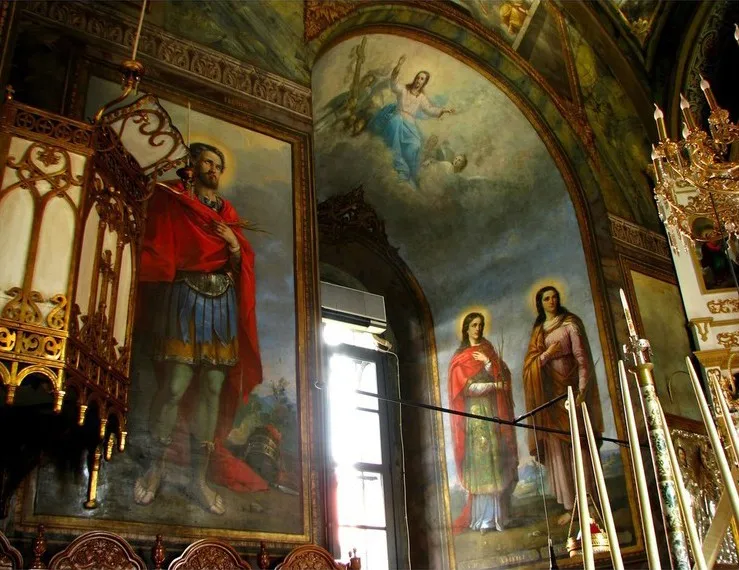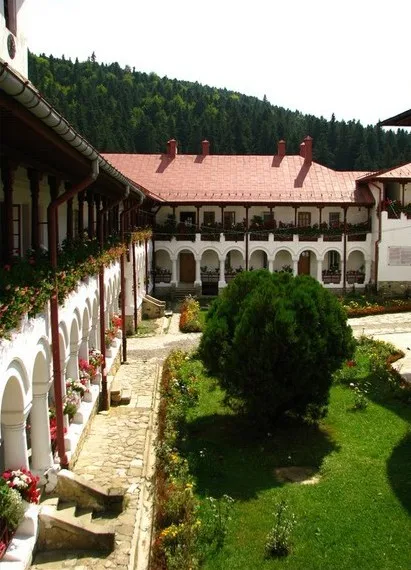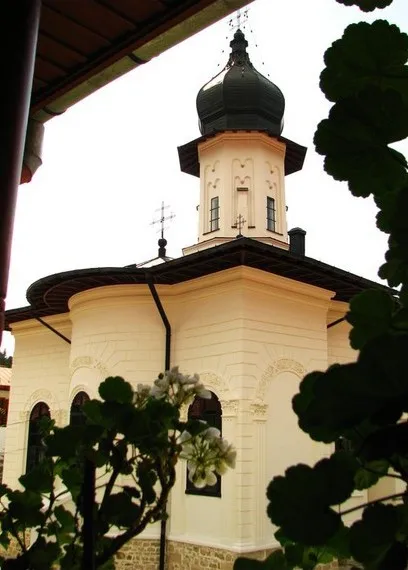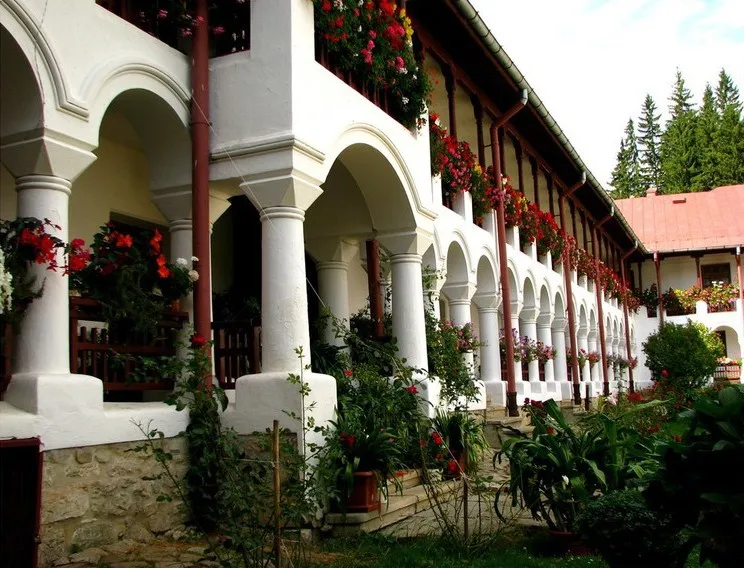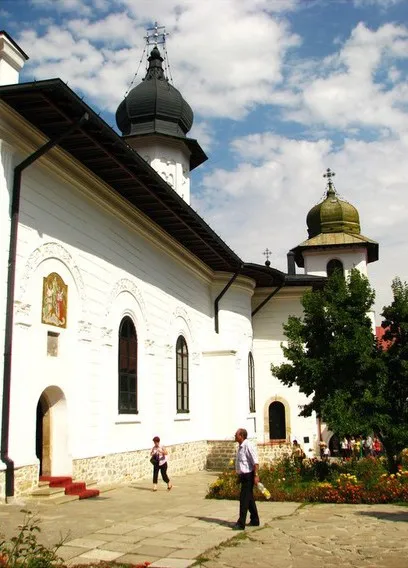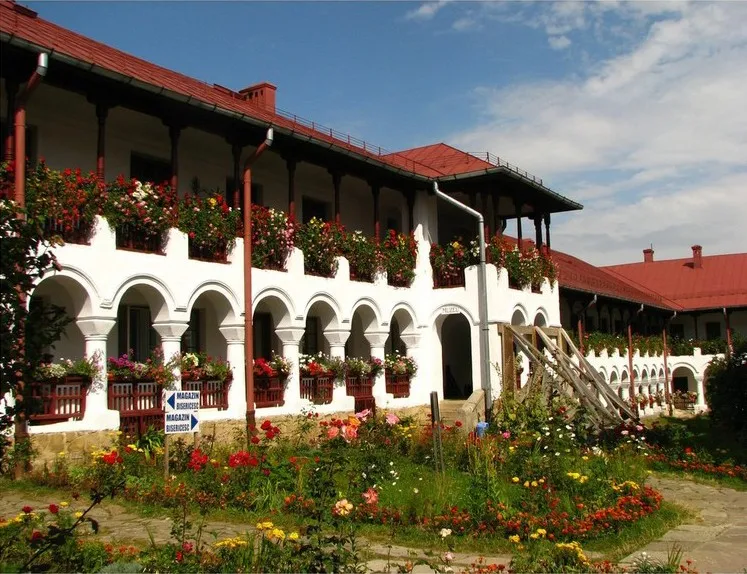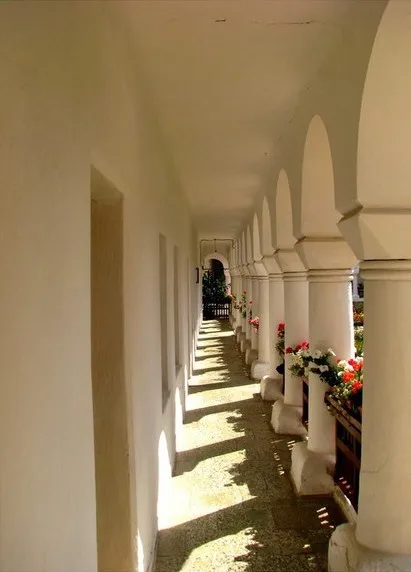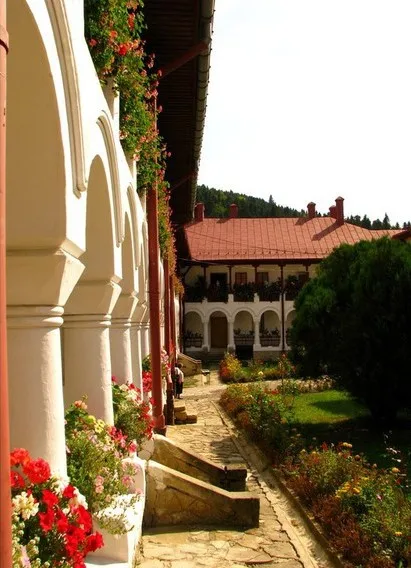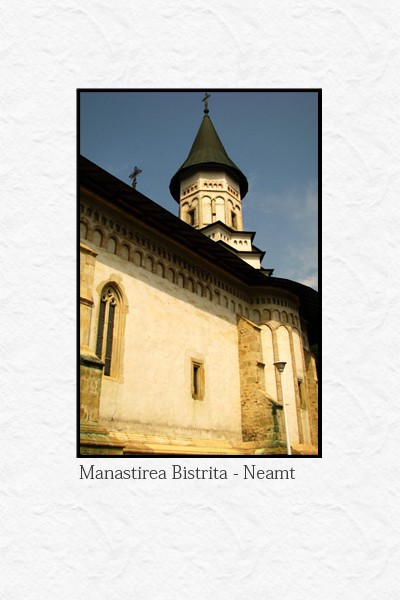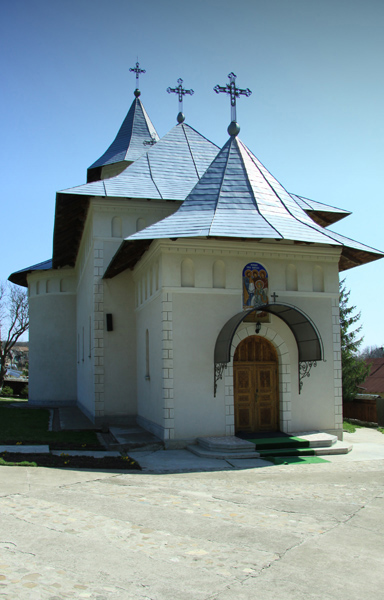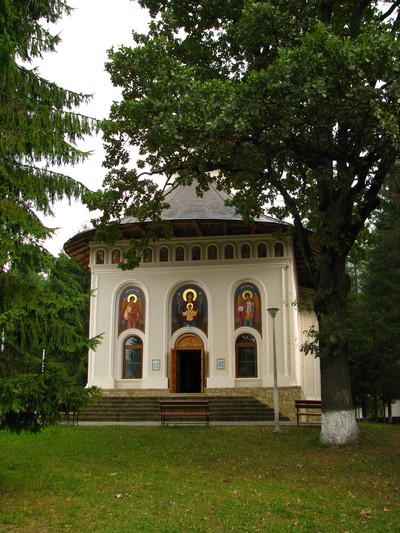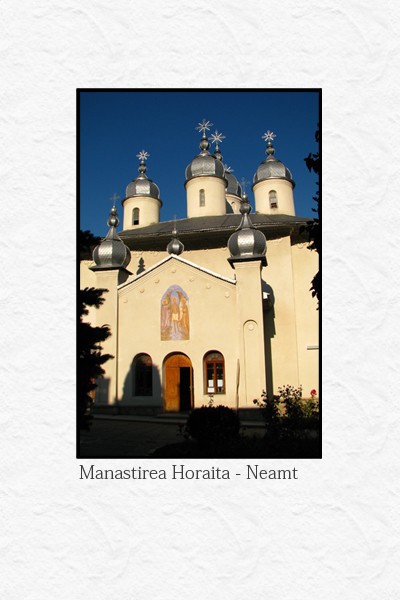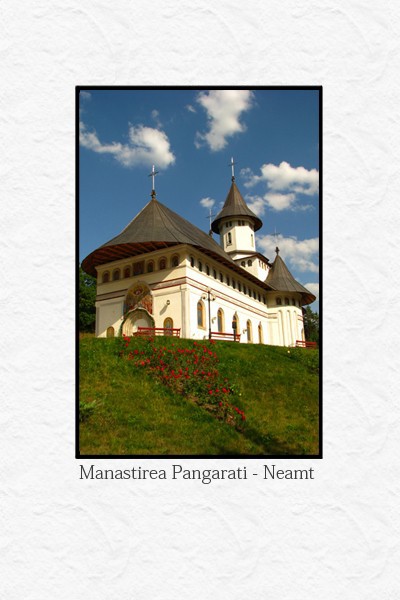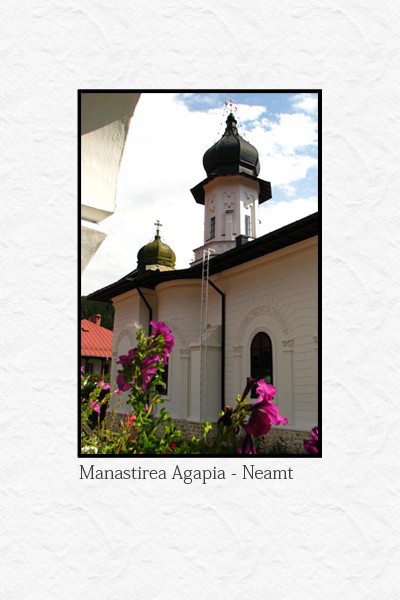
Agapia Monasteryis an Orthodox monastery for nuns, situated 9 km fromthe town of Târgu Neamț, 43 km from the town of Piatra Neamț and approximately 7 km from DN 15 C, at an altitude of 480 m. The monastic settlement at Agapia consists of 2 building complexes:Old Agapia, built in 1585 by Petru Schiopul, and New Agapia, built in 1642 with funds provided by Hetman Gavril, the brother of Prince Vasile Lupu, and rebuilt by Prince Sutu after the fire of 1821.
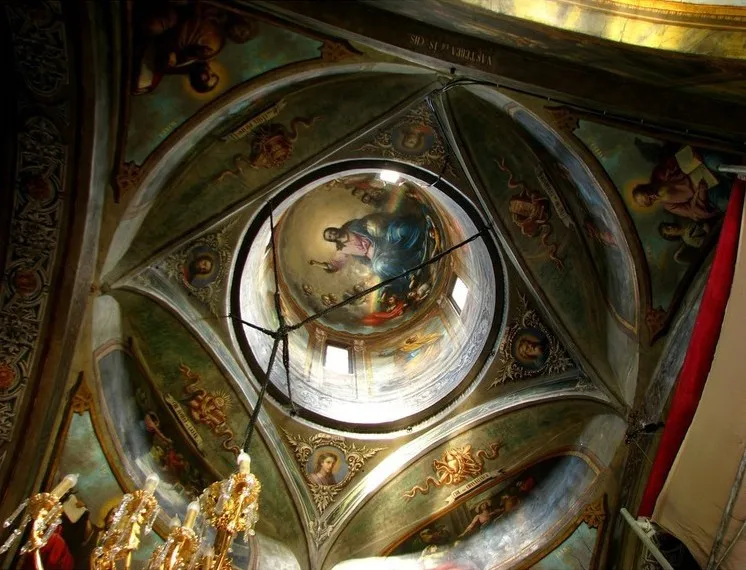
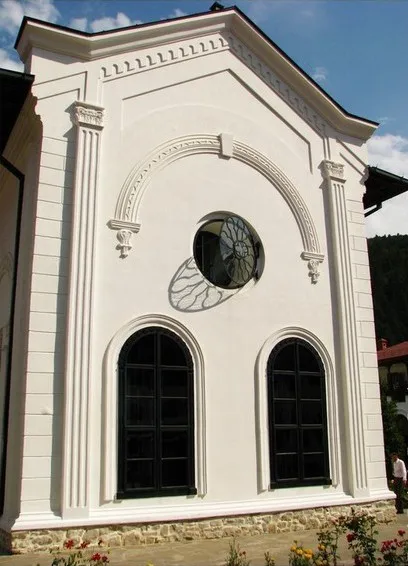
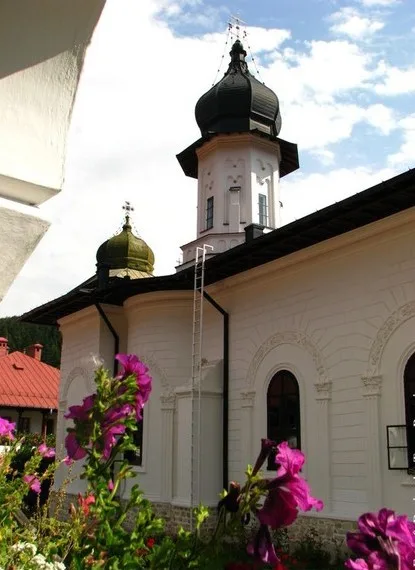
The road to Old Agapiais particularly picturesque, and many pilgrims walk it, singing as they pass through the forest. With paintings by Nicolae Grigorescu dating from 1858, Agapia Monastery is an architectural jewel combining features of the Byzantine and neoclassical styles with Romanian art. Address: village of Manastirea Agapia, Agapia commune, Neamț County, postcode 617010 Tel: 0233244736 Patronal feast day of Agapia Monastery: “The Holy Archangels Mihail and Gavriil” – 8 November
Situated in the valley of the Agapia – Topolita stream, at the foot of Magura Ridge, nearVăratecMonastery,Agapia Monasteryis the only Orthodox monastic settlement in Romania whose name means “Christian love”, derived from the Greek “agapis”. Both the monastery and the surrounding area took their name from the monk Agapie, who built a small wooden church in this part of the Neamț region in the 14th century. The first documentary reference defining the boundary between the estates of Agapia Monastery andNeamțMonastery appears in the boundary charter issued by Ilies Voda in 1437.
The first princely founders of the holy Agapia Monastery were Petru Rareș and Elena Doamna, recorded in the monastery’s Vechiul Pomelnic, under whose patronage the first stone church was built. An inscription in the narthex of the main church at Agapia in the Valley also names Petru Schiopul and Ruxandra Doamna as the first princely founders, in 1585. Because the church had been built on unstable ground and there was limited room for expansion, around 1600 some of the monks moved into the valley, where they built a small church. Around it grew present-day Agapia Monastery, also known as New Agapia, Agapia in the Valley or Great Agapia, the successor to Old Agapia.