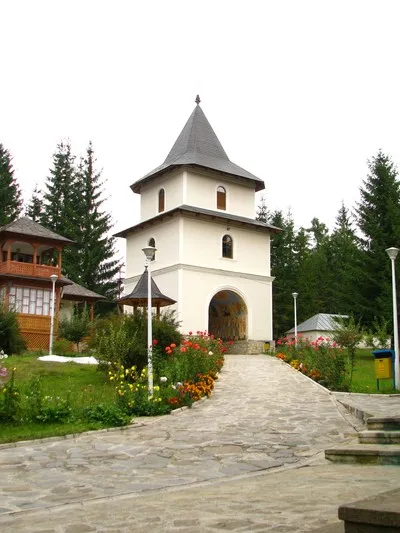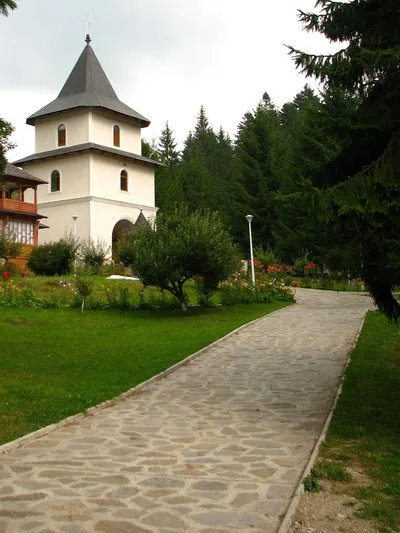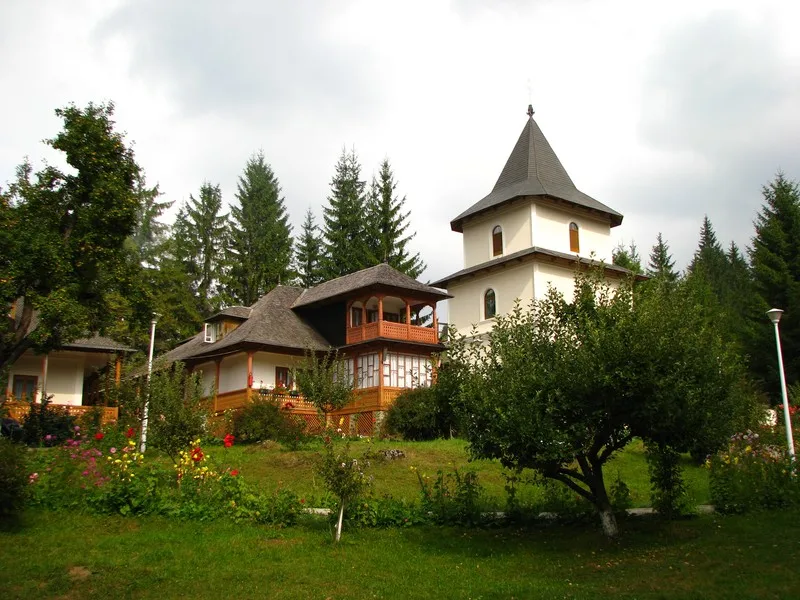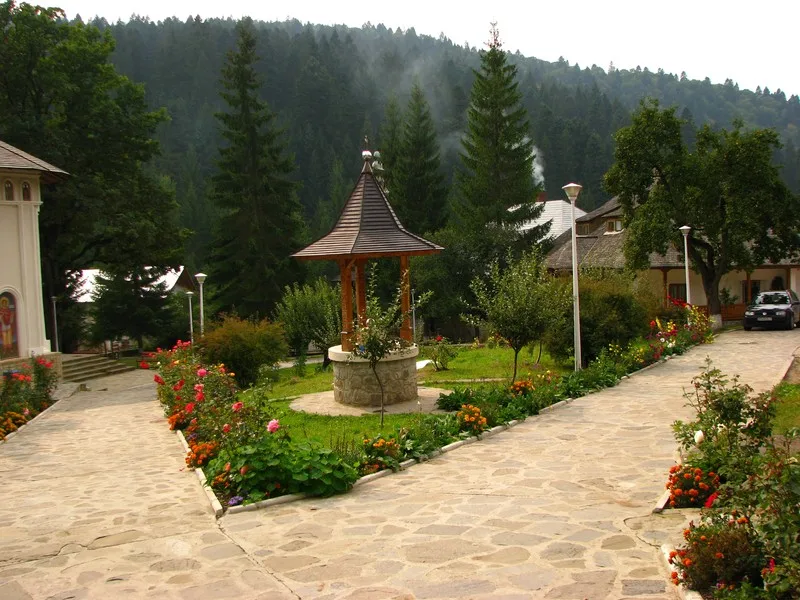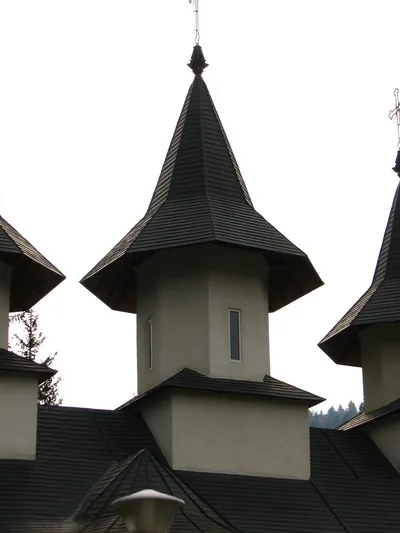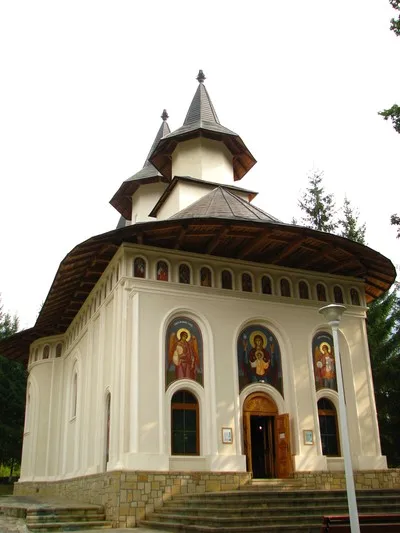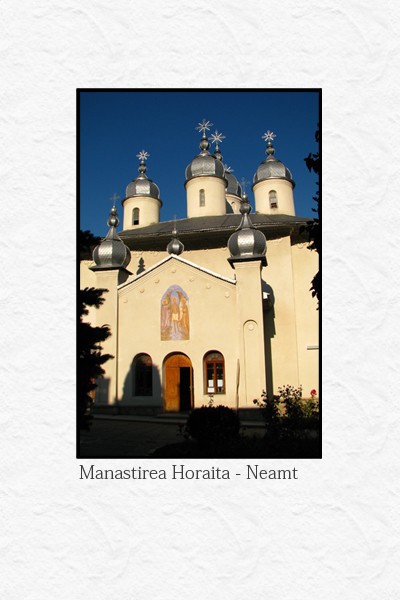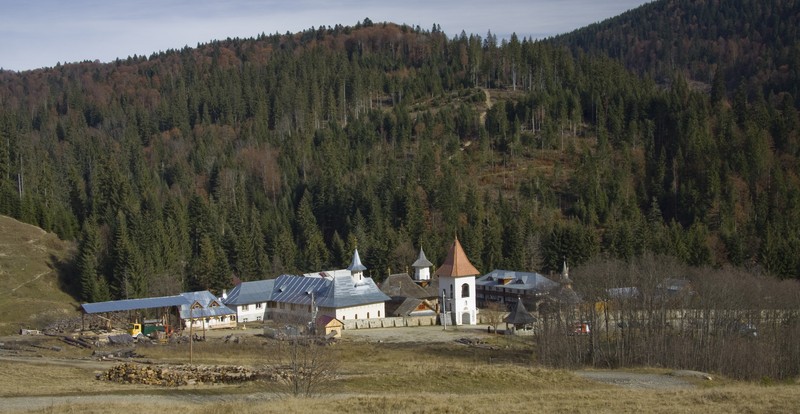
Durău Monasteryis in the resort of Durău, 88 km north-west of the town of Piatra Neamț and 65 km west of the town of Târgu Neamț.Duruitoarea Waterfalllies 5 km from the monastery and, according to tradition, gave the monastery its name. Also nearby, in Ceahlău commune, are the ruins ofPalatul Cnejilor, which offer an impressive panoramic view ofCeahlău.
Address: Durău resort, Ceahlău commune, Neamț County, postcode 617130 Tel: 0233428391 Patronal feast day of Durău Monastery: the Annunciation (25 March) Year of construction: built in 1830-1835 by a few monks, with the help of schema-nun Safta Brancoveanu and funded by three wealthy merchants from the market town of Piatra
Durău Monasterywas built on the site of a hermitage for nuns founded in the 17th century by one of Prince Vasile Lupu's daughters. The first documentary record of Durău Monastery dates from 1779, when schema-nun Nazaria was abbess. The nuns from Durău then withdrew to Văratec Glade, wherethey foundedVăratec Monastery. In 1802, hieroschemamonk Petru revived the hesychast settlement at Durău by bringing several monks from nearby hermitages.
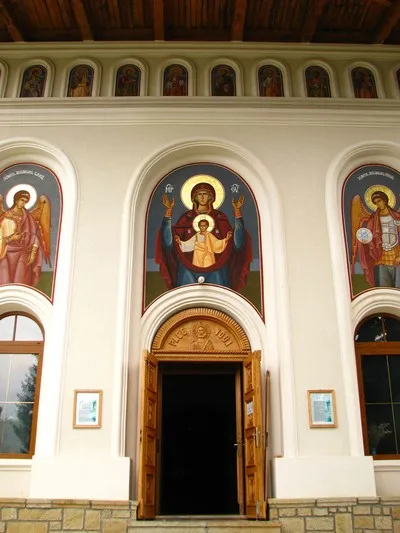
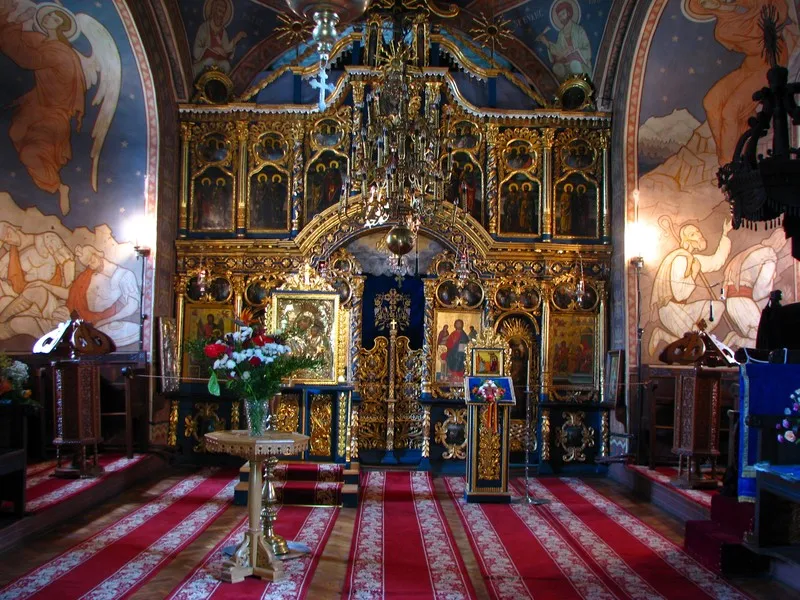
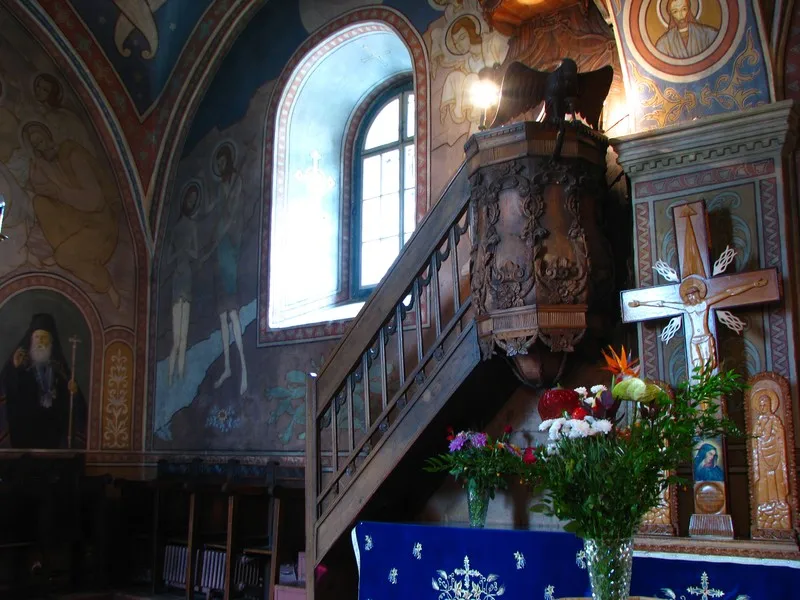
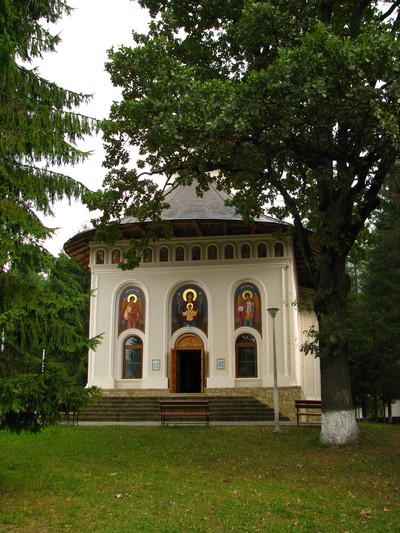
Construction of the present church on the site of the old wooden church began in 1830, undertaken by a few monks from Neamț Monastery and Secu Monastery, with the help of schema-nun Safta Brancoveanu and funded by wealthy merchants from the market town of Piatra. The porch of the church at Durău Monastery, which can still be admired today, was painted in oils in 1835 by the monks Pimen, Macarie and Ghervasie. The church's iconostasis, carved from limewood and gilded, was painted in Constantinople in 1835. Completed in 1835, the church was dedicated to the Annunciation and consecrated by Metropolitan Veniamin Costachi.
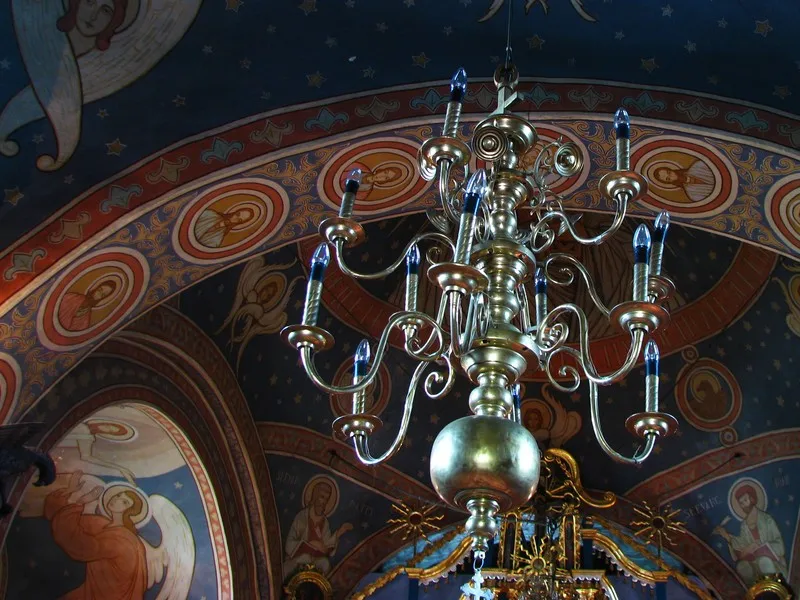
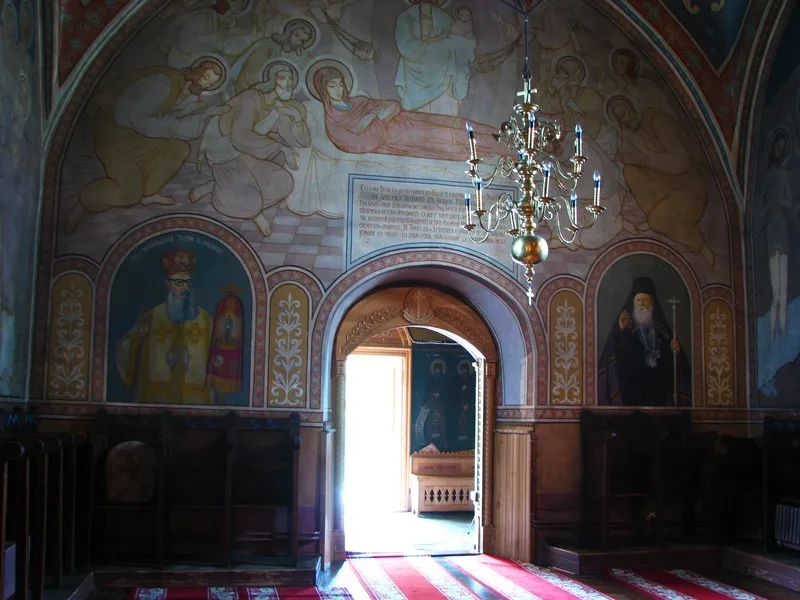
The narthex, nave and sanctuary of Durău Monastery remained unpainted from 1835 until 1935, when Nicolae Tonitza and his pupils, students and graduates of the Academy of Fine Arts in Iasi – including Corneliu Baba – decorated them using the encaustic wax painting technique. Under the master's guidance, the students gave the figures a distinctly human character, also incorporating elements of Romanian folk culture. After the paintings were completed in 1937, the church was consecrated again on 14 September.