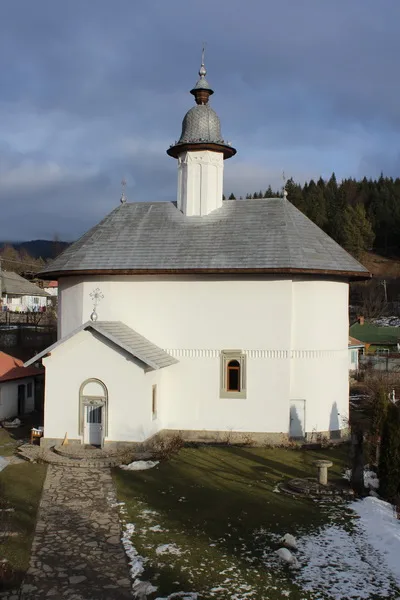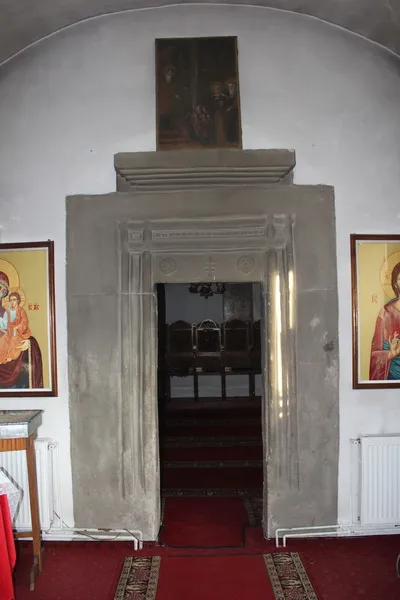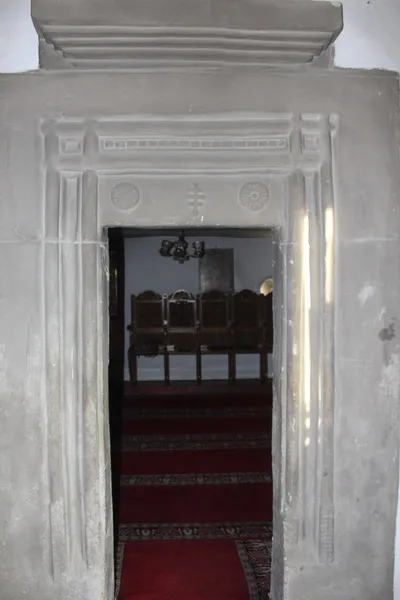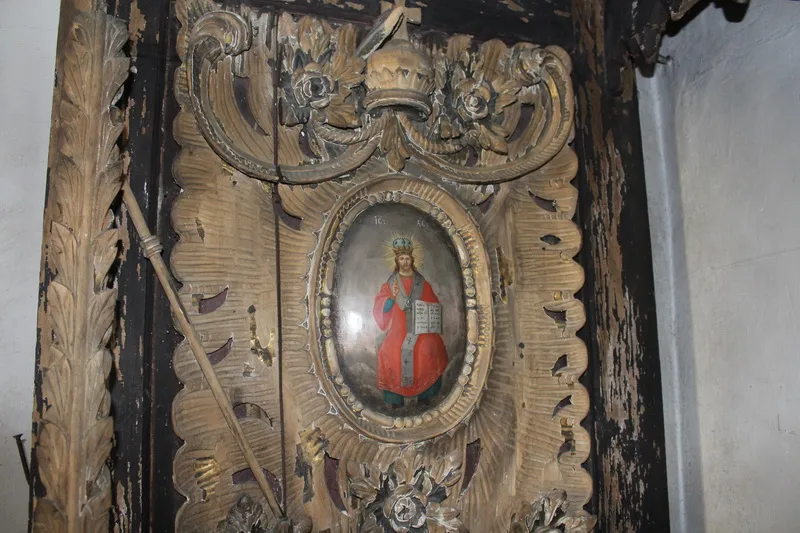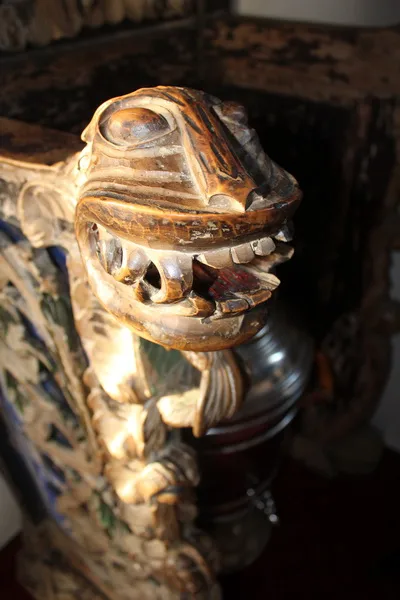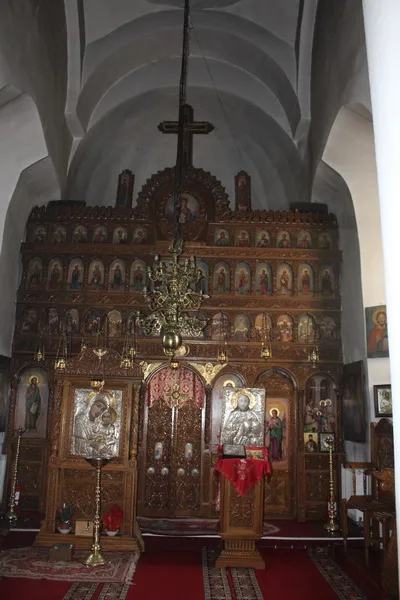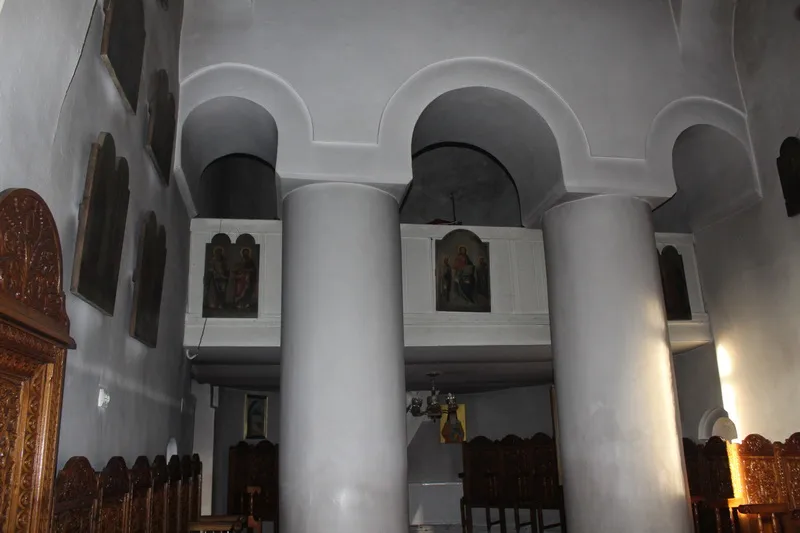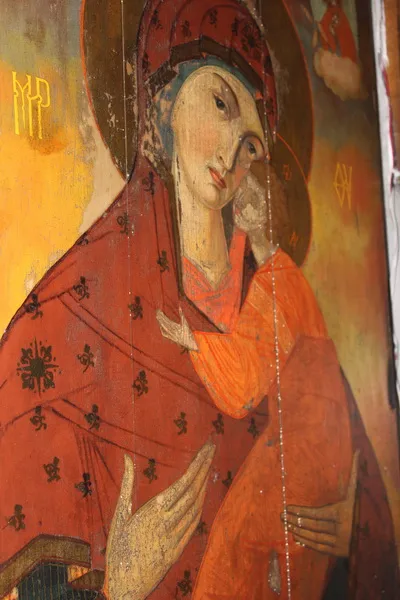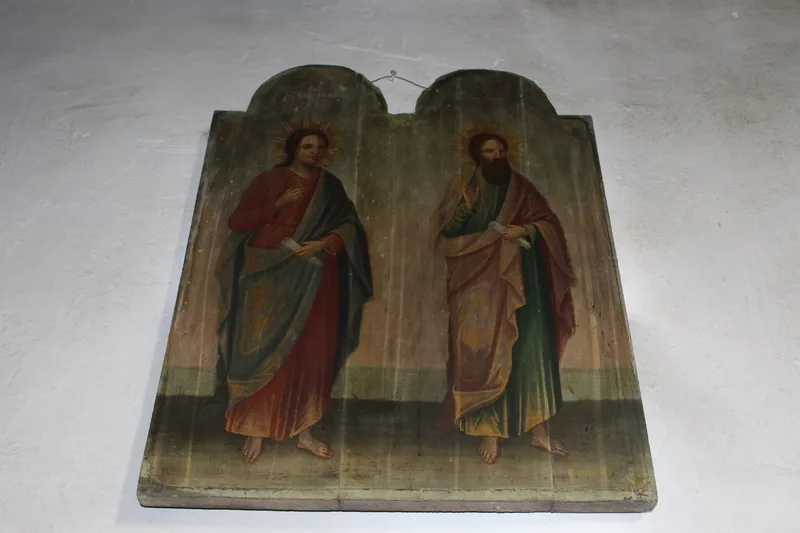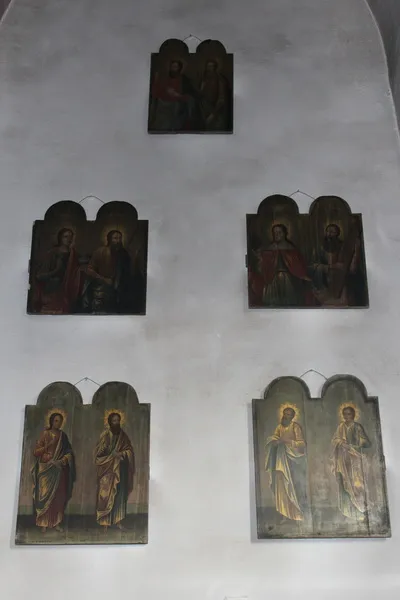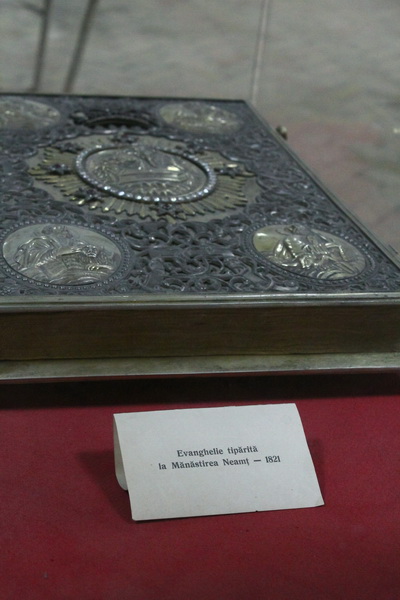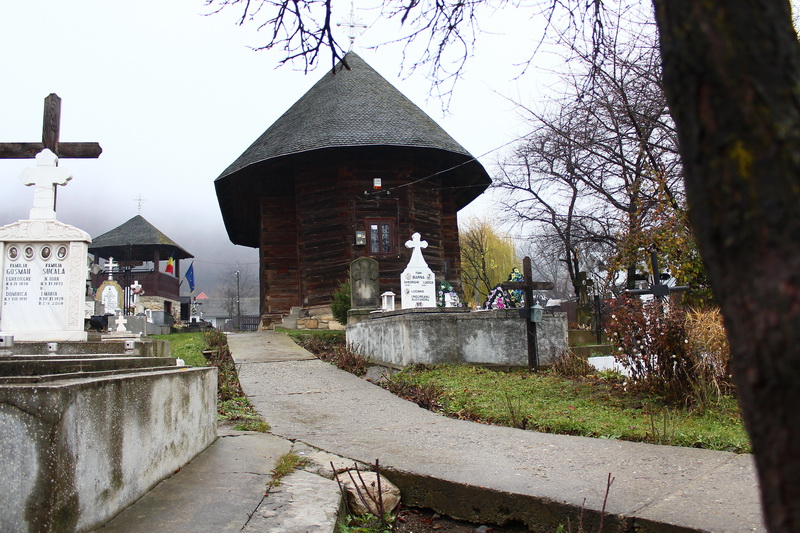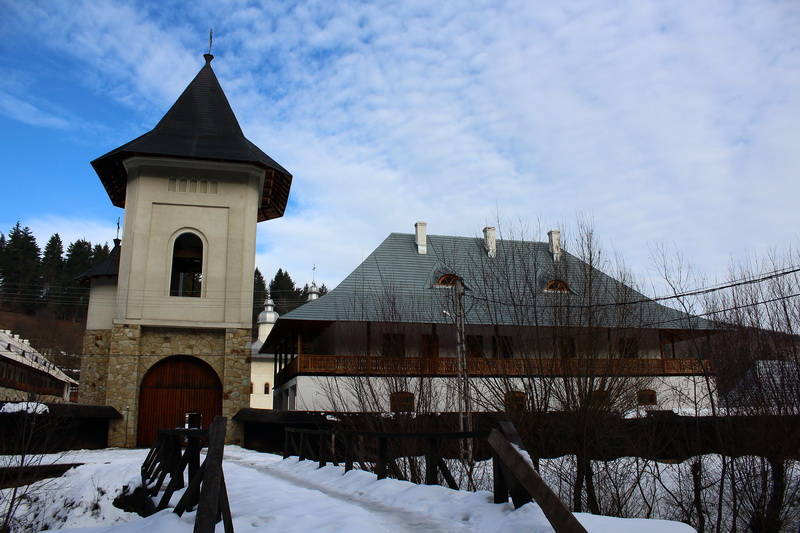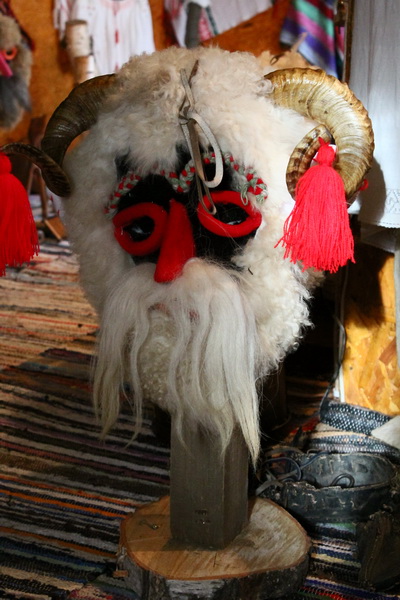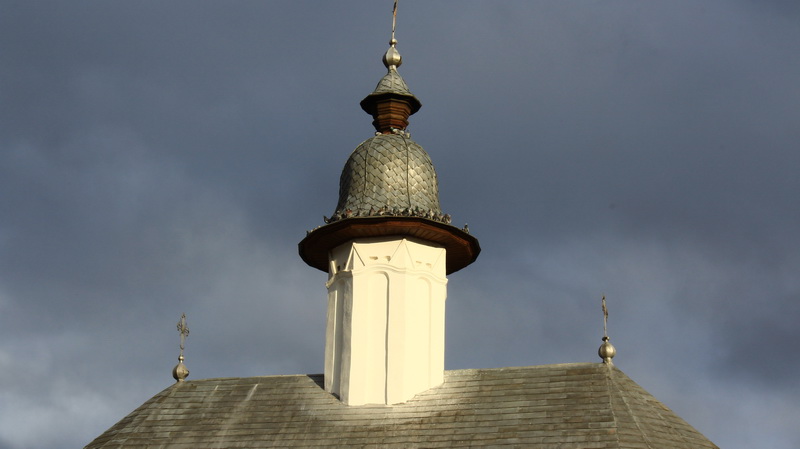
Buhalnița Monastery is in Hangu commune, about 50 km from the city of Piatra Neamț, on DN 15, beyond the town of Bicaz towards Vatra Dornei. A place of worship, Buhalnița Monastery has two patronal feasts: the Entry into the Temple of theMother of GodandSaint Ioan cel Nou de la Suceava, and was founded by Prince Miron Barnovschi (1626 -1629 and 1633). An earlier place of worship is documented from 1458; it was built by Stephen the Great and given to Neamț Monastery. It was probably in an advanced state of decay when Miron Barnovschi, as an expression of devotion to the monks of Sihăstria Buhalniței, built the new masonry church in 1627. After 1640, Prince Vasile Lupu (1634 -1653) endowed the monastery with extensive estates, mills and fishponds, making it one of the most prosperous monastic settlements in Moldavia. From 1715, the monastic community faced a difficult period, as the Prince of Moldavia, Nicolae Mavrocorat (1709 – 1710 and 1711 – 1716), placed the monastery and all its income under the Patriarchate of Alexandria (Egypt). The situation changed in 1863, when secularisation took place during the reign of Alexandru Ioan Cuza and the monastery became a parish church. Also under the secularisation law, a primary school for local children began operating here in 1865. In 1958, because of the construction of the hydroelectric power station, dam and reservoir at Bicaz, the church was dismantled and moved to where it stands today, on a mountainside in the present-day village of Buhalnița in Neamț County. As its founder had no time to attend to its decoration, the monastery remained white, both outside and inside. In time, an iconostasis with beautiful, expressive icons was brought from Egypt; these icons survive today, alongside choir stalls dating from 1600, carved with animal motifs by the priest Grigore and regarded as unique works of art. Some wooden pieces from the original furnishings have also survived and can be admired, including the bishop’s choir stall, inlaid with animal motifs inspired by the masks used in the folk theatre of the Bistrița Valley. The church is unique in Moldavia because its tower stands exactly halfway along the roof and its architectural form resembles a goose egg. The entrance doorway retains its original stone surround, decorated with mouldings that intersect at the corners, and is unique in Romanian church architecture. Regarded as a source of support for the Christian East suffering under Islamic conquest, the monastery was one of the few foundations placed under another religious institution that both sent gifts to the East and received them: the Greek abbots brought the church’s iconostasis from Egypt, and its animal motifs and plants characteristic of the Nile Delta make it unique in the country.
Photo: Marius Chiriac