In archaeology, the term culture encompasses every aspect of material and spiritual life: settlements, dwellings, tools, weapons, pottery, ornaments, funerary rites, religious rituals and artistic expression. In first-century BC Europe, beyond the Roman state, the Geto-Dacians were undoubtedly another important people who had reached a high level of material and socio-political development, so mutual influences between the two cultures were natural. The ancient writer Dio Chrysostom said: “The Getae are wiser than almost all barbarians and more like the Romans.” Geto-Dacian culture is an original synthesis rooted in the local environment and beliefs.
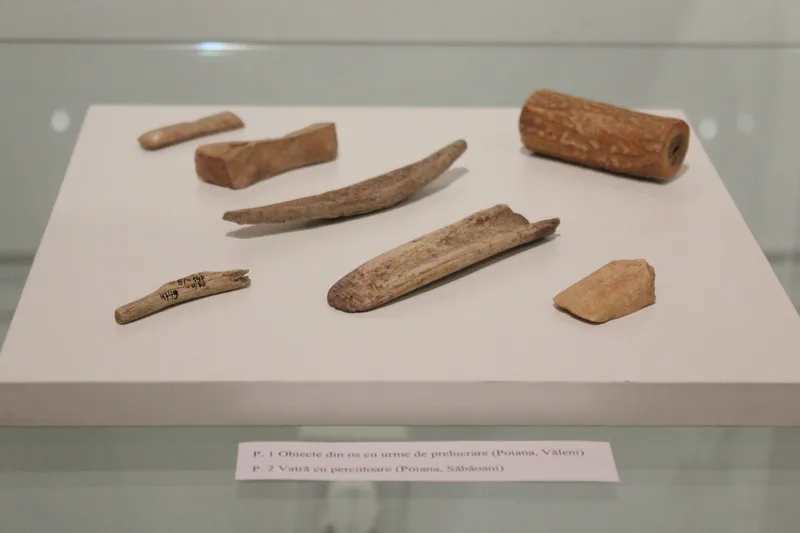
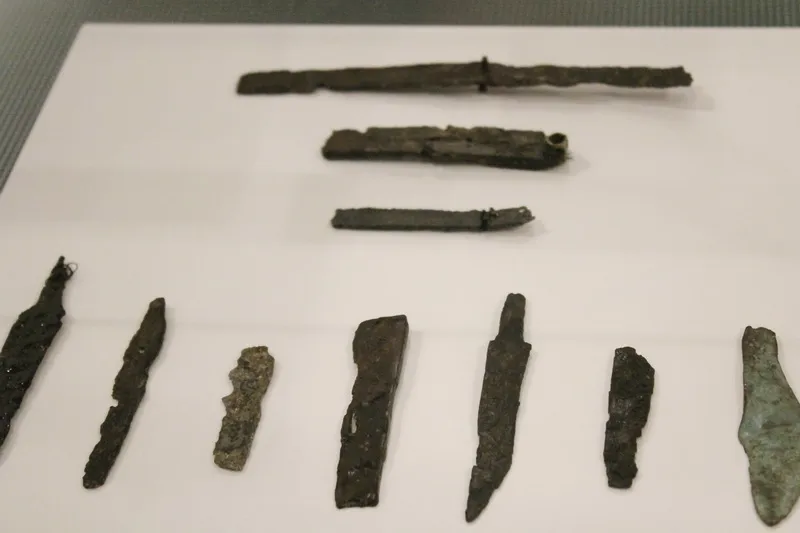
From20 June – 31 August 2014, the Museum of History and Archaeology Piatra Neamț hosts the exhibitionDacii liberi de la confluența Moldovei cu Siretul. The exhibition showcases new archaeological material from the assemblages of Dacian settlements and necropolises of the Roman period (2nd–3rd centuries) on the terraces of the Moldova and Siret rivers. From archaeological sites dating to this period, objects have been selected from excavations atGabăra – Moldoveni, Văleni, Poiana – Dulcești, Butnărești, Aldești, Izvoare – Bahna, David – Văleni, Săbăoani and Roșiori – Dulcești,in Neamț County
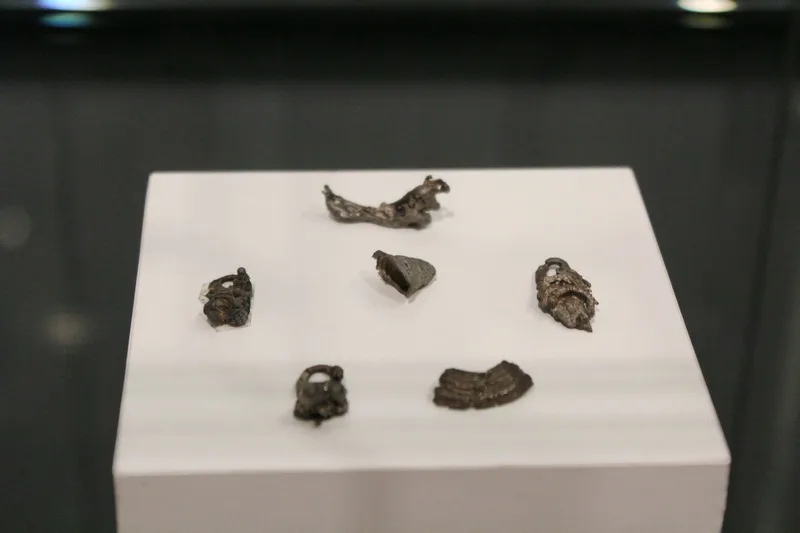
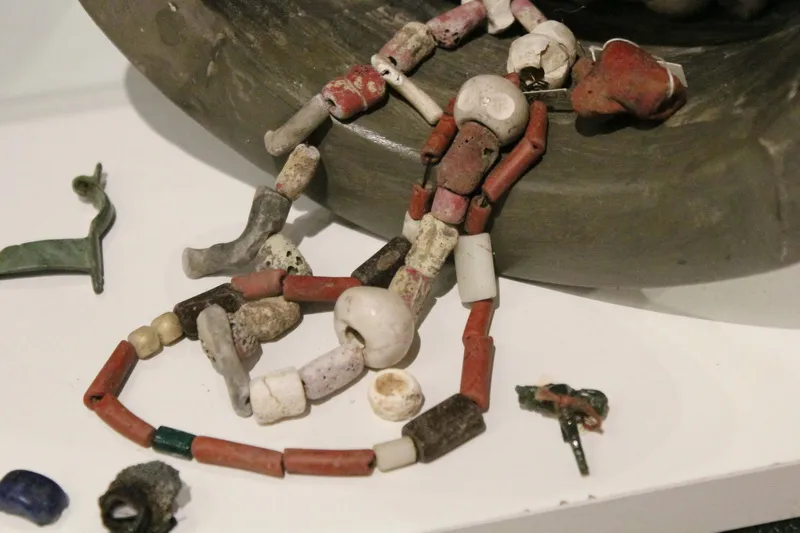
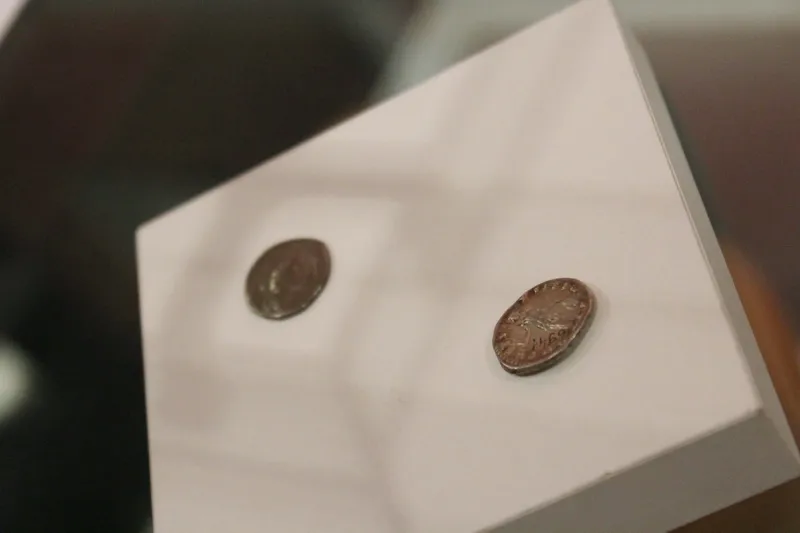
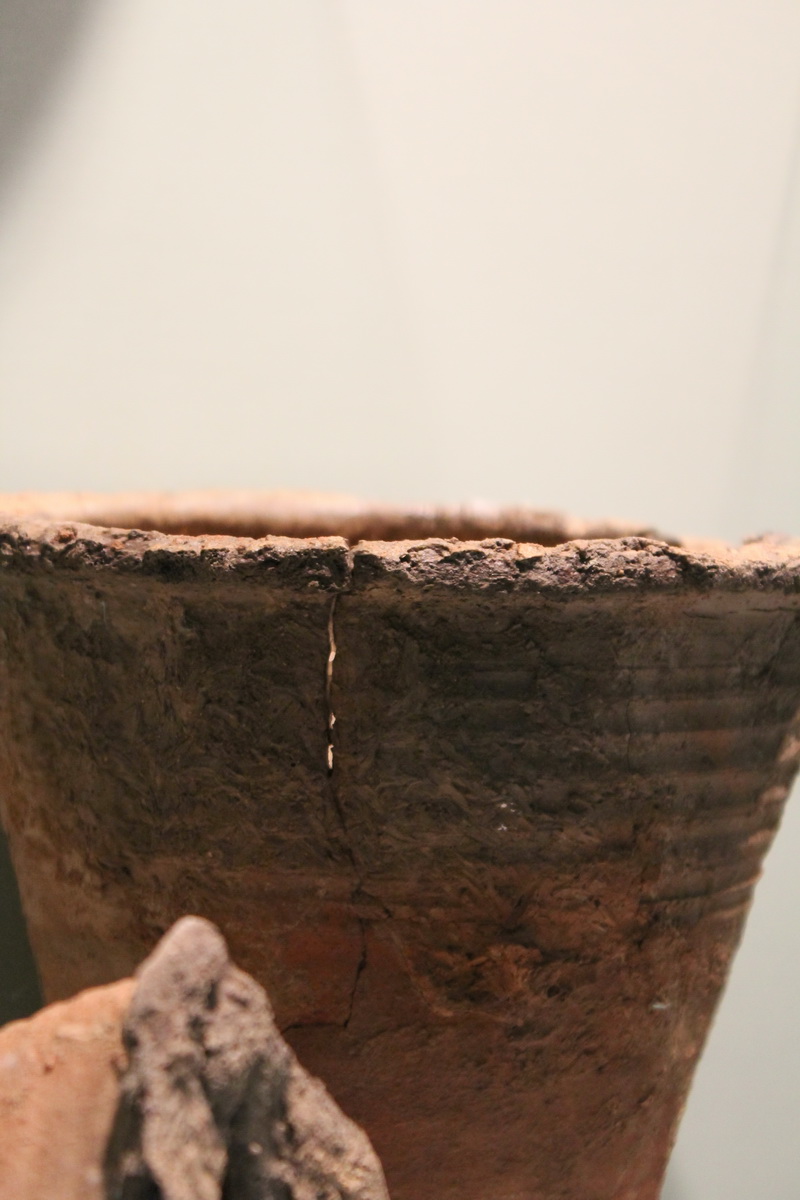
The objects on display introduce us to the daily and spiritual lives of the free Dacians who lived in this region, whose main occupations were farming, animal husbandry, fishing, hunting, pottery, spinning and weaving. We see that the Dacians did more than simply borrow elements of material culture from other peoples. They adopted, transformed and often enriched them, incorporating them into their traditional creations and forging a profoundly original civilisation. In their funerary rites and rituals, the free Dacians practised both cremation and burial, placing objects alongside the deceased. Among the objects found in graves and displayed in this distinctive exhibition are brooches, buckles, pendants, coins, rings, earrings, bracelets and, in particular, clay, bone or glass beads in round, tubular and spherical shapes and a variety of colours: white, green, red and blue.
With its varied, modern presentation methods, supporting materials and rigorously researched information, the exhibition at the Museum of History and Archaeology Piatra Neamț ranks among the notable achievements of Romanian museum practice in recent decades.