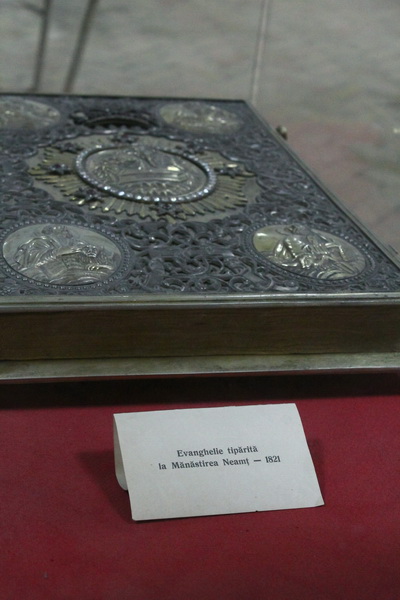
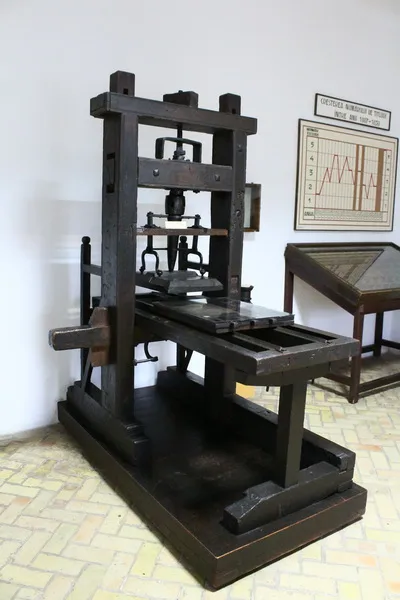
This museum is of particular interest to visitors to the monastery, offering important evidence of the religious life of its residents, as well as the historical development of the Moldavian lands within their regional context. The gifts bestowed on the monastery by various voivodes enabled it to develop into a major cultural and spiritual centre during the medieval period and into the modern era. A school of calligraphers and scribes and a printing press operated here, supplying remarkable works to the monastery library, which now holds over 18,000 volumes, as well as to other important museums around the world.
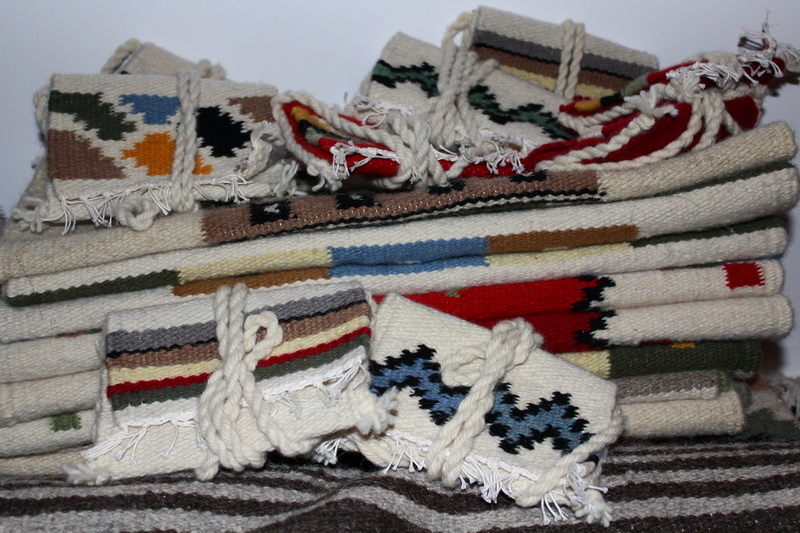
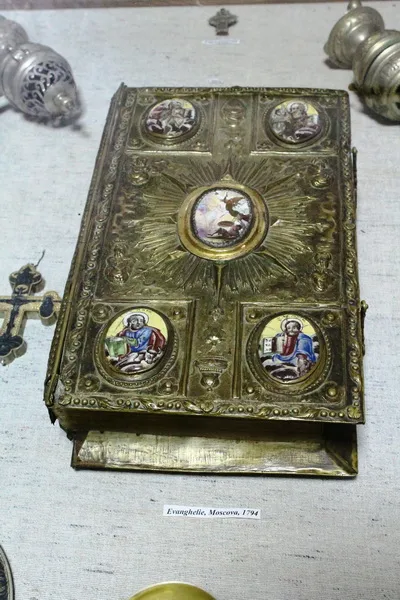
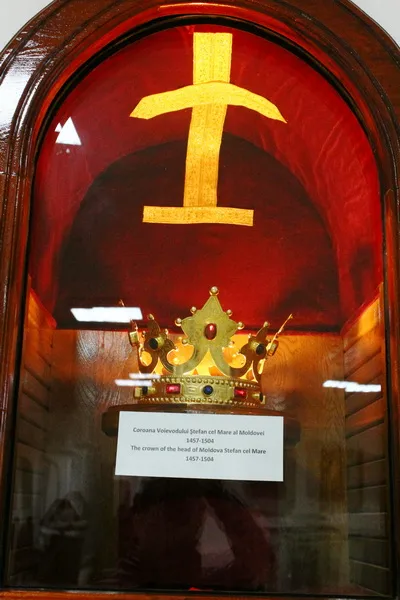
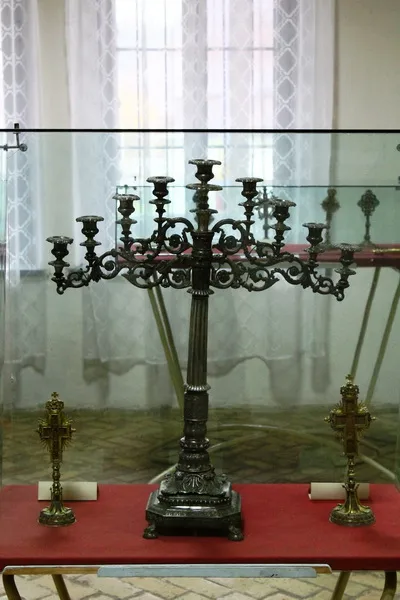
The museum houses an extensive collection of gold and silver objects used in religious ceremonies, sculptures, stone and wood engravings, embroidery, textiles, manuscripts, translations from Greek and Slavonic, documents and other printed works that have provided historical information about the lives and activities of voivodes and abbots. Some of these treasures were made by the monastery’s monks, while others were donated by princes or other benefactors. Objects from the treasuries of other places of worship were also brought here for safekeeping, either to protect them or because those places had fallen into decline. Evanghelia Slavonă (1759) and the iconostasis of the old church in Neamț Citadel, whose paintings date from the 15th century, are remarkable for their appearance and craftsmanship.
The collection now held in the museum represents only part of the monastery’s former treasury, as the monastery also endured difficult periods marked by destruction and looting.
Photo: Marius Chiriac
More from the collection
Open the collection