Folk Costume from Neamț County
Folk dress
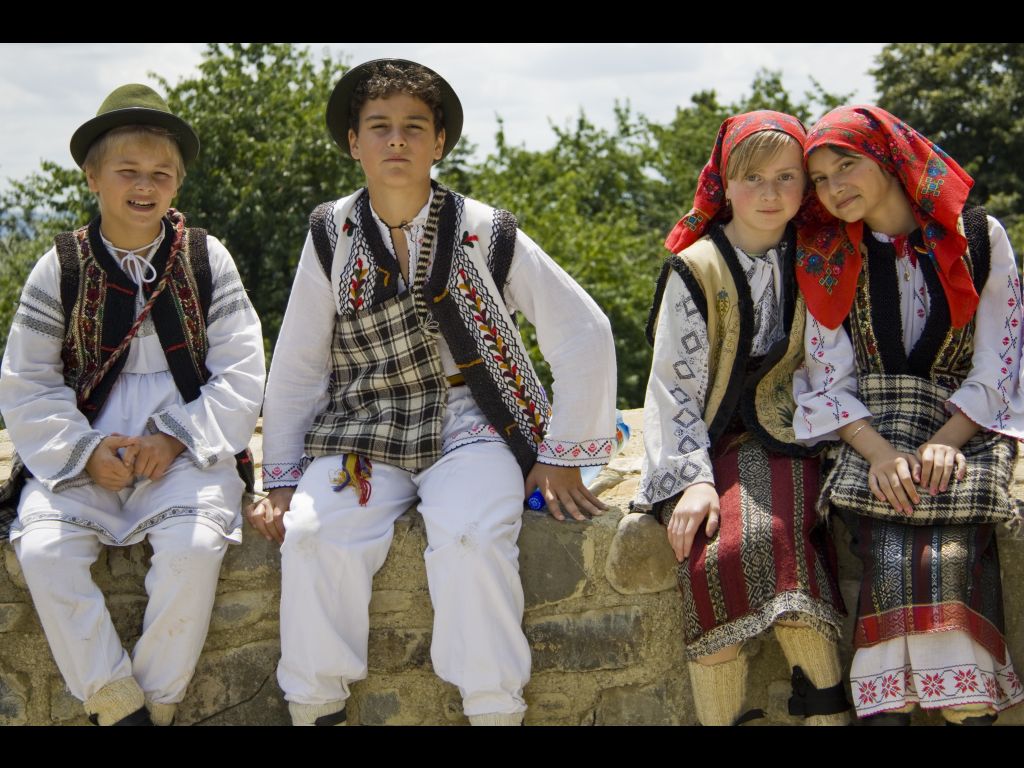
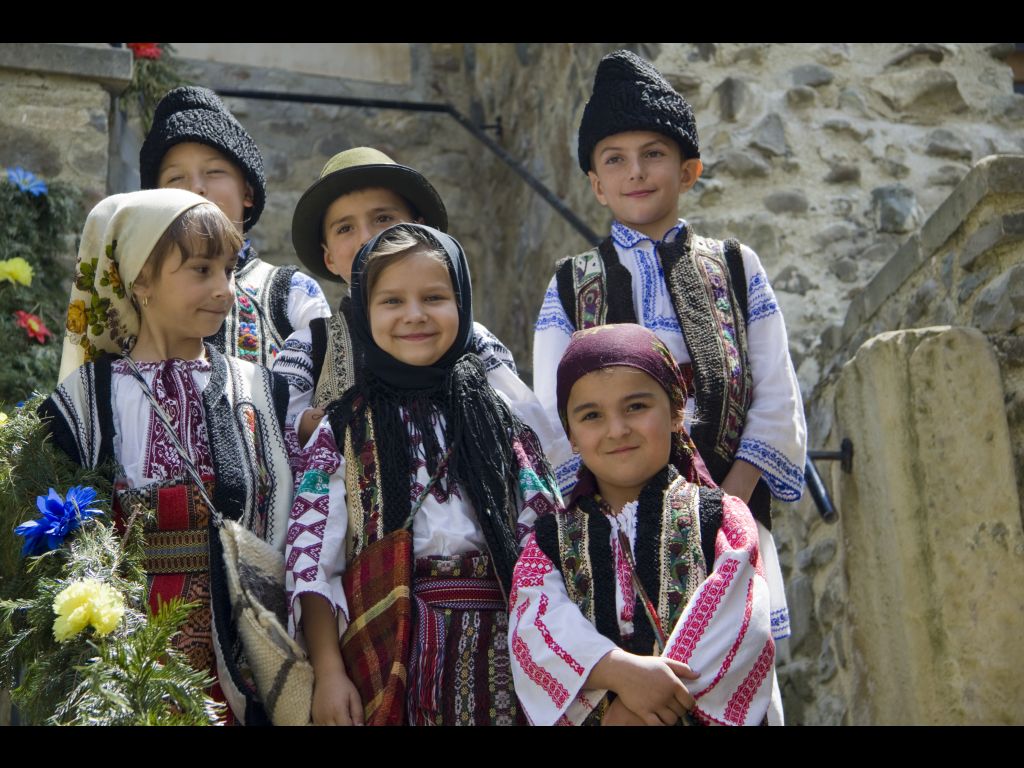
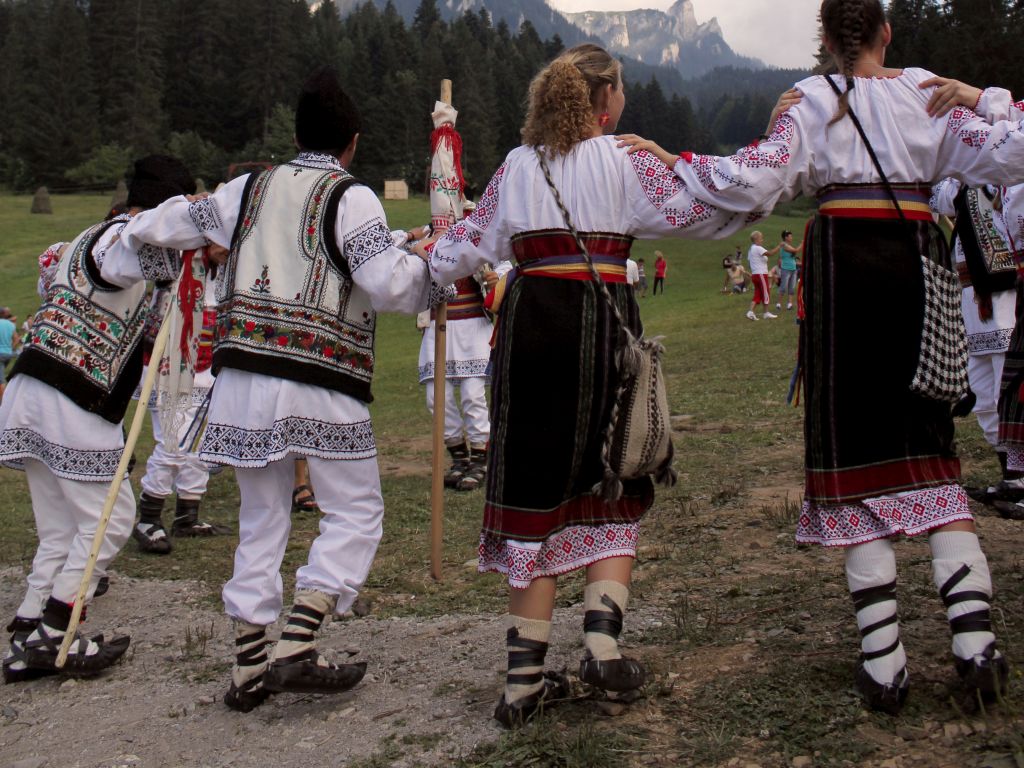
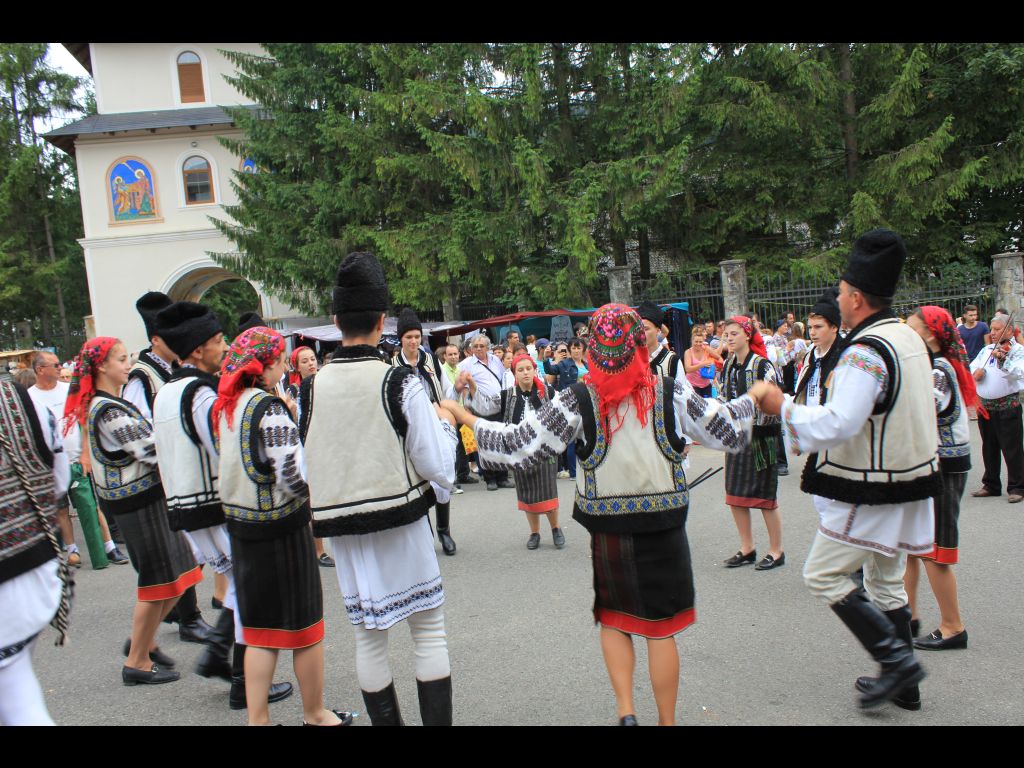
Traditional folk costume was one of the most representative elements of folk culture. They borrowed patterns and decorations, but never copied them exactly, leaving their own imprint on each piece. It is known that many girls sewed their blouses in secret so they would look their finest when they joined the village hora dance.
The folk costume from Neamț County falls within the general characteristics of the Moldavian traditional dress, with some regional and local morphological and aesthetic particularities.
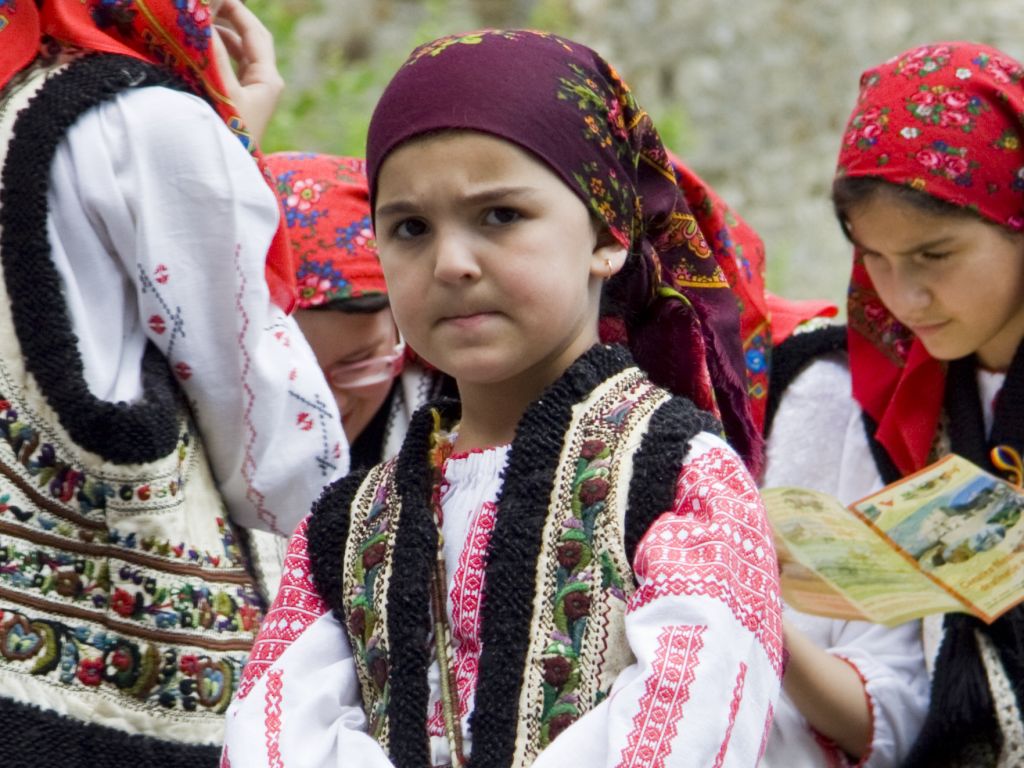
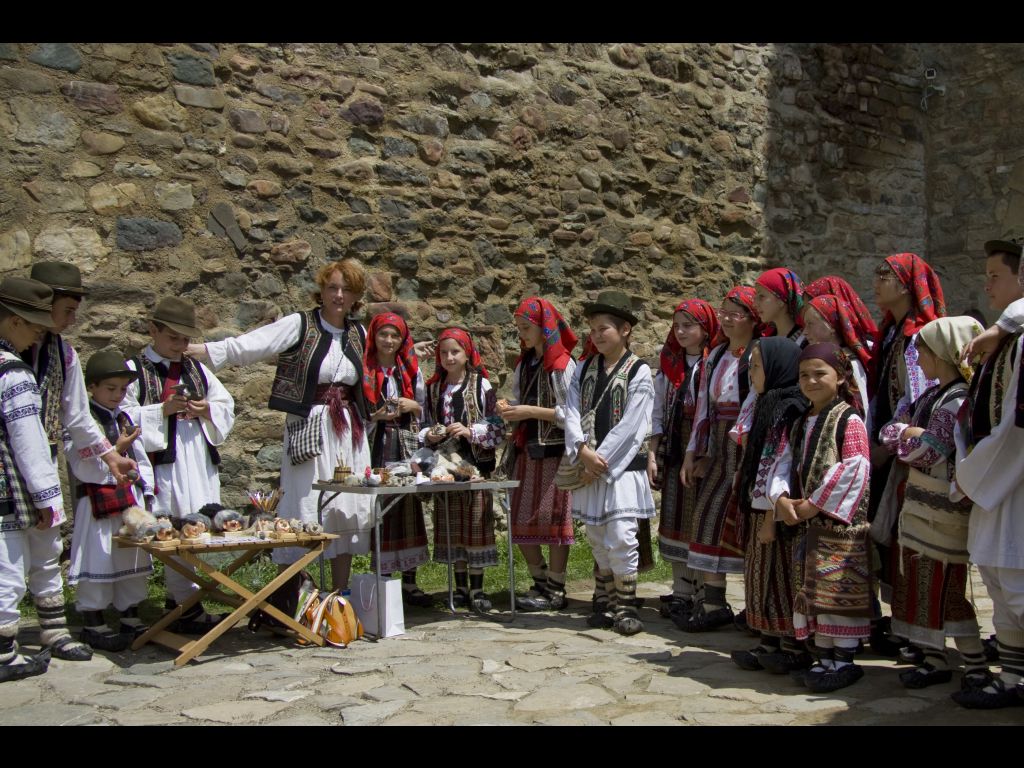
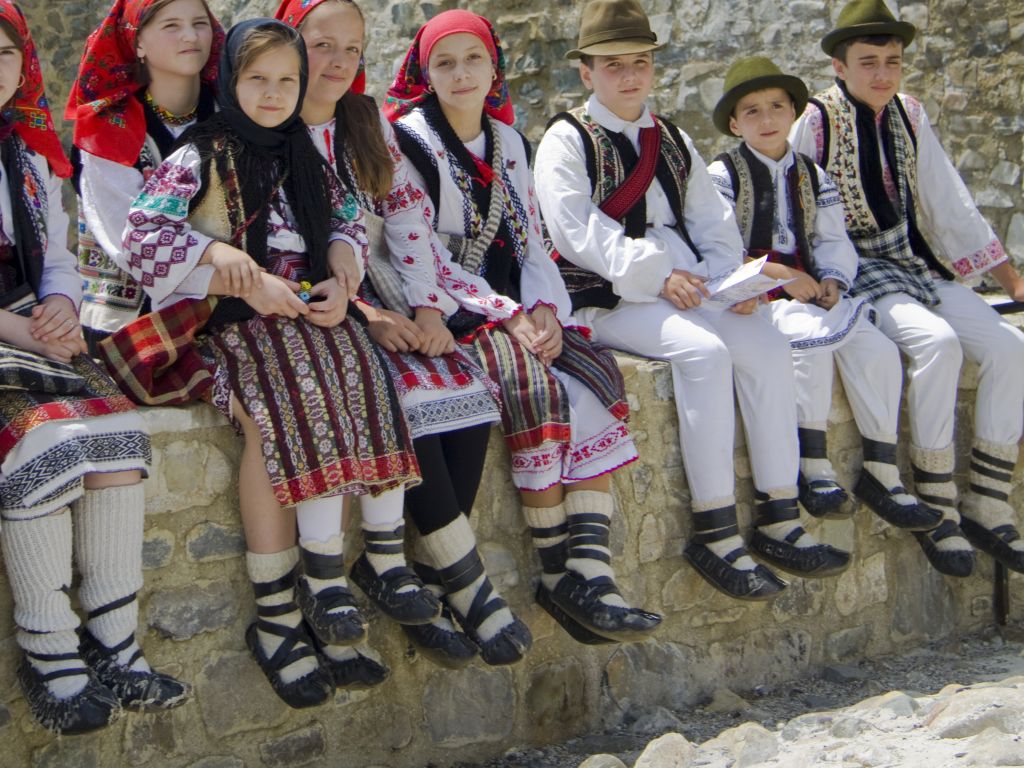
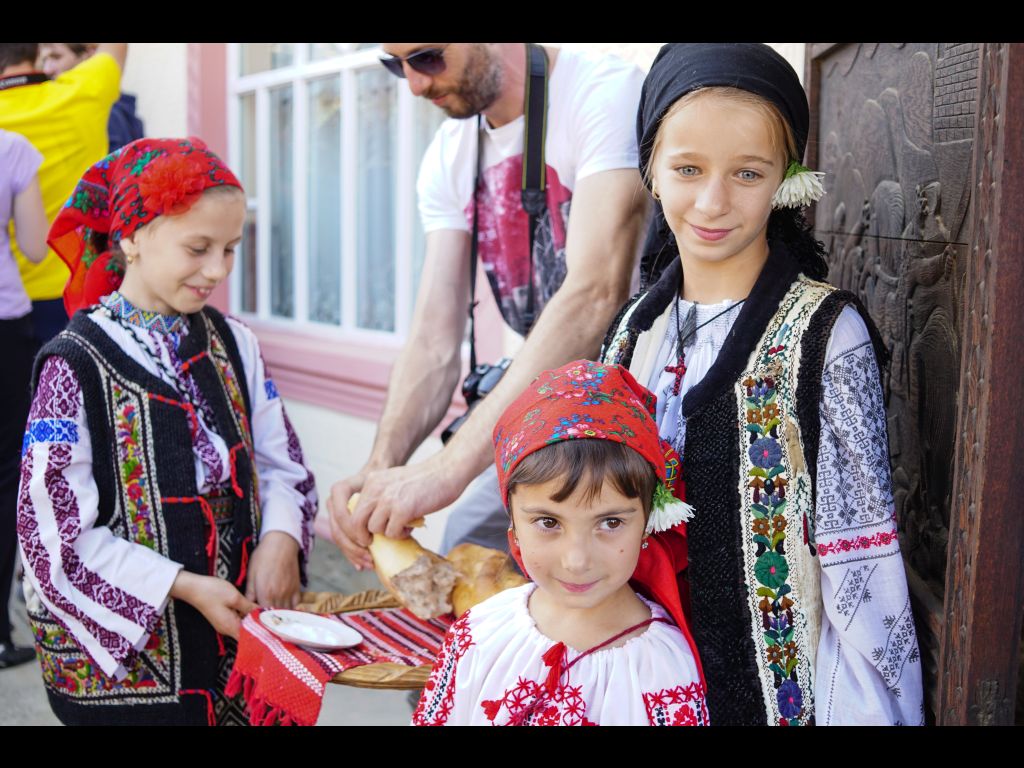
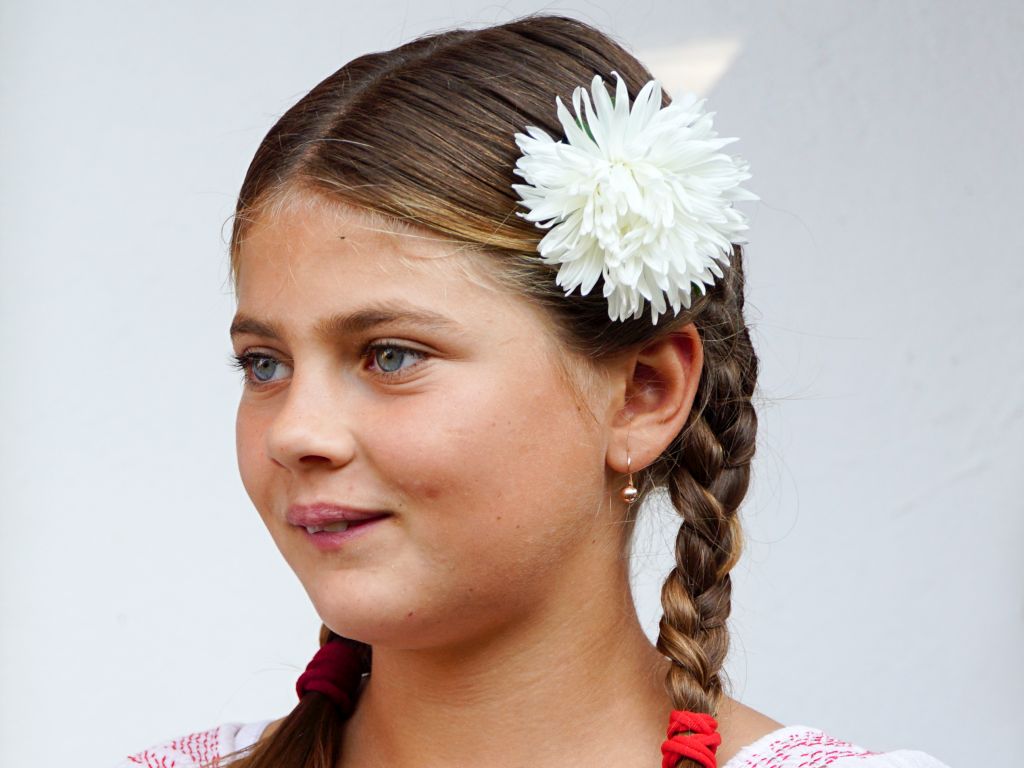
Traditional women’s dress has ancient origins and is distinguished by the simplicity of its components: a headscarf, a wraparound skirt, a long shirt with a skirt section, a sash and a narrow woven belt, a sheepskin waistcoat, a woollen coat, leather peasant shoes and the ever-present shoulder bag.
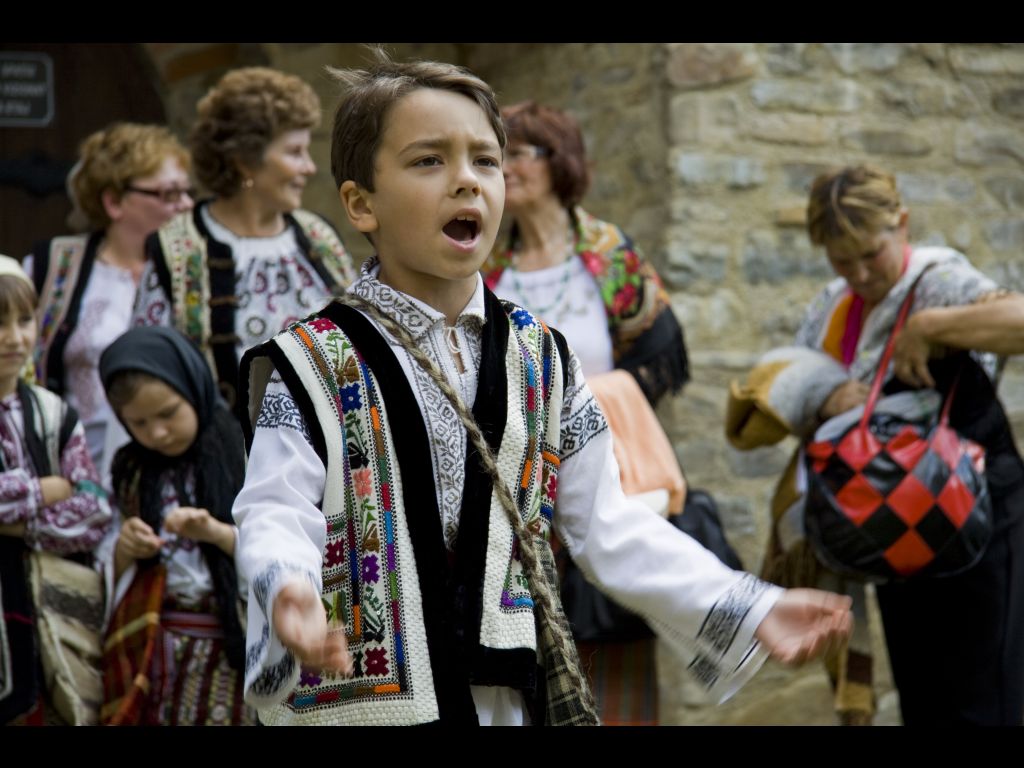
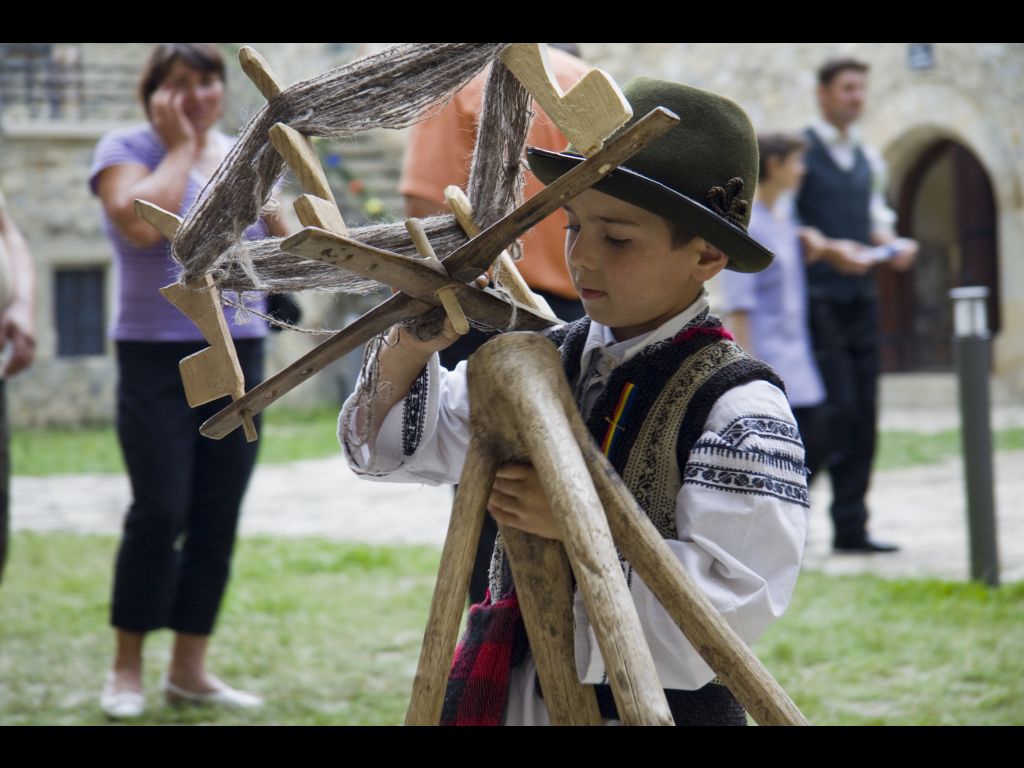
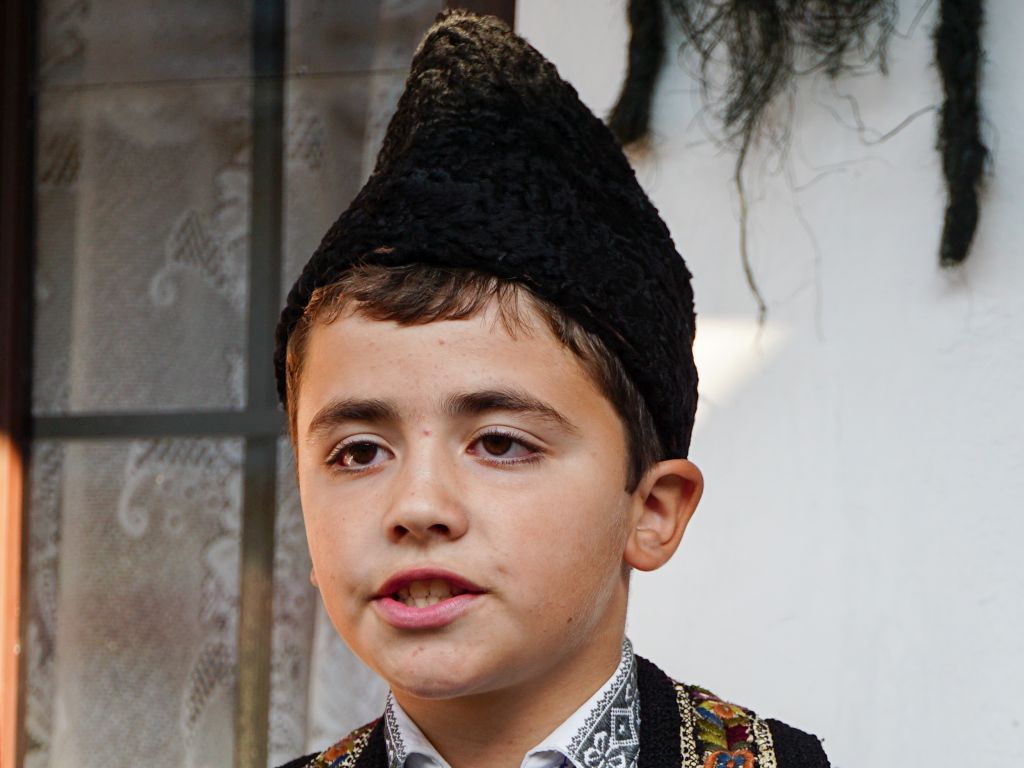
Traditional men's costume was more uniform, simpler and easier to make. The work attire consisted of archaic garments and was entirely white: close-fitting trousers woven from cotton or sheep’s wool, or “bernevecii” trousers made of thick woollen cloth, a long shirt made of “tort” (hemp yarn), fastened at the waist with a sash or a broad leather belt, leather peasant shoes gathered with thongs and a shepherd’s hood. The festive costume was made from higher-quality materials, was more elaborate and featured decoration that varied by region and age. Men wore broad-brimmed hats in summer, which young men adorned with tassels, feathers or flowers. In winter they wore a cap made of thick woollen cloth or a lamb-fur hat, either grey or black.
At present, traditional costumes are still worn at church by some inhabitants of the villages in the Bicaz Valley, but generally they are used by members of folk dance groups and folk music performers. Nevertheless, many elderly women in the Neamț villages still keep in their wardrobes a costume made by their mother or grandmother, as a sign of respect for the work, love and ancestral tradition.
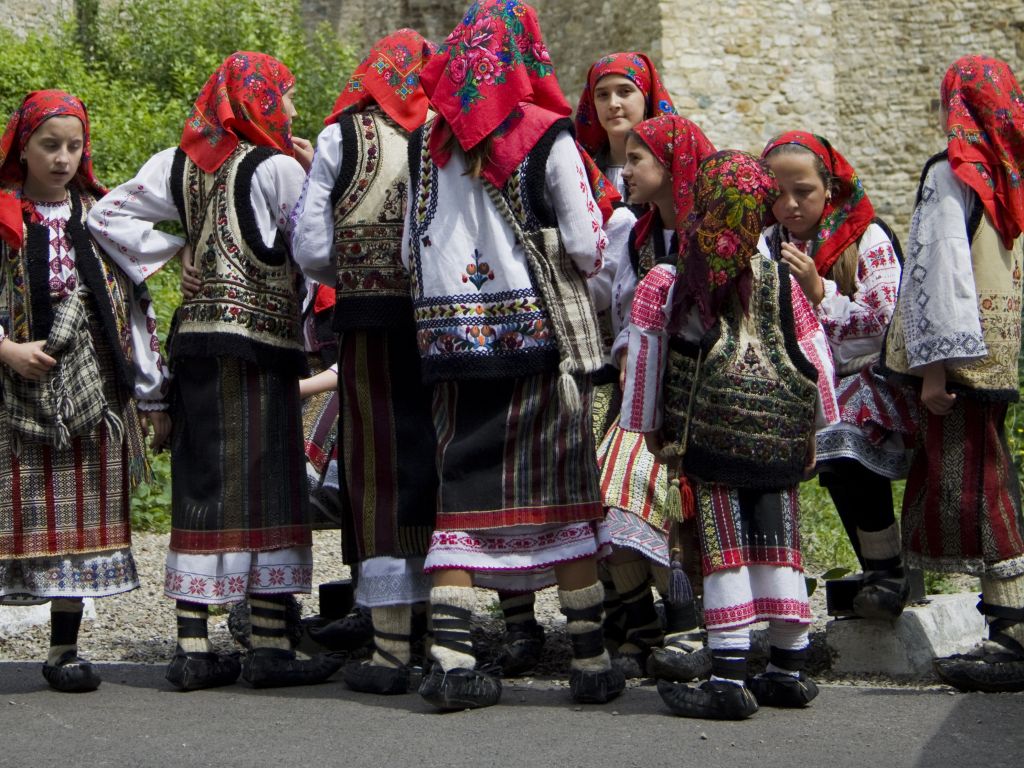
Women ensured the diversity and originality of the costumes, making the majority of the garments themselves.
Photo gallery:
More on the same topic
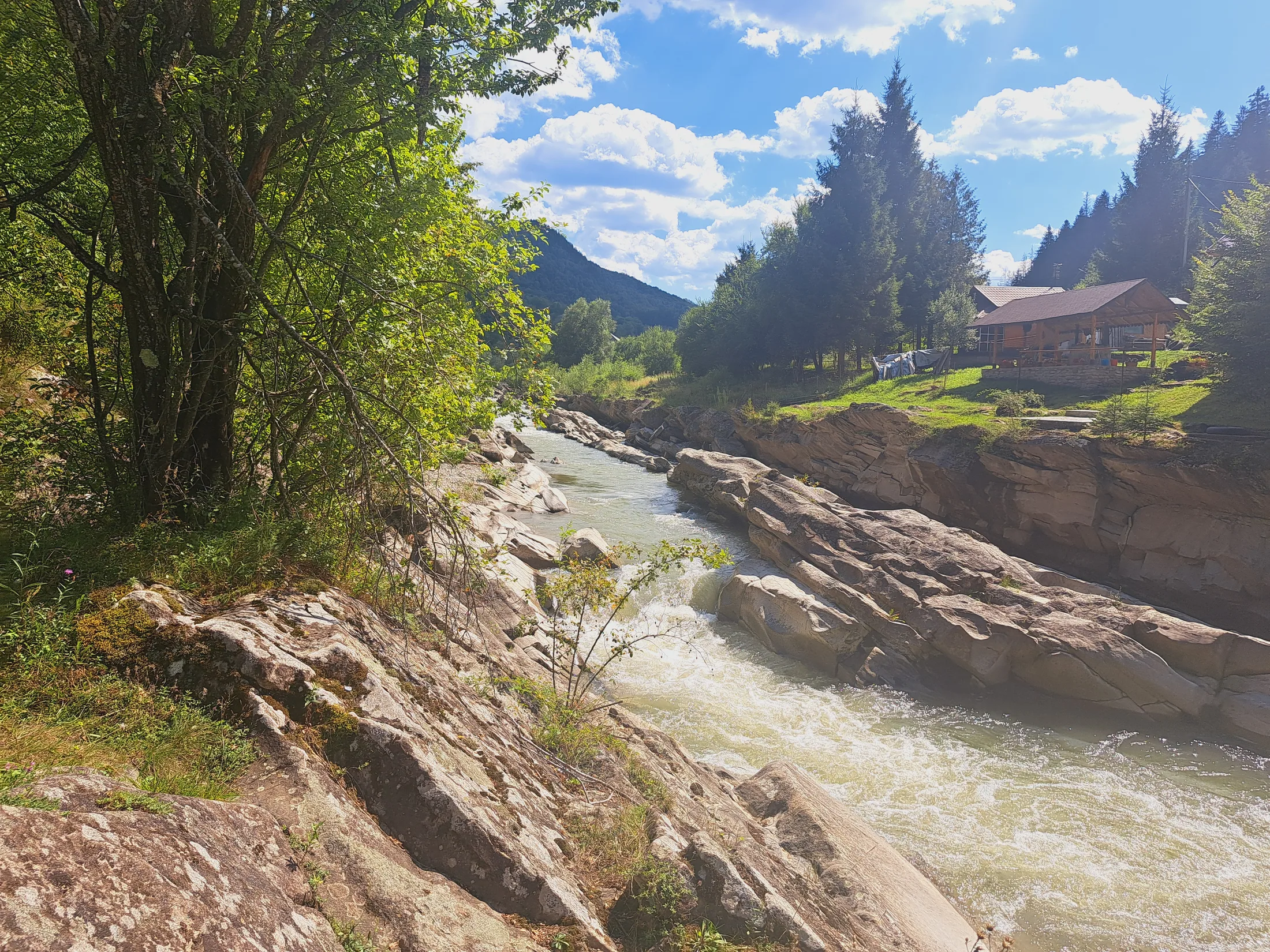
THE WATERS OF NEAMȚ – Following the Stories of River Bistrița
Neamț is not only a land of mountains. It is a land of waters. Water that mirrors the sky. Water that carries legends. Water that welcomes swans. Water that becomes a sea between the mountains.
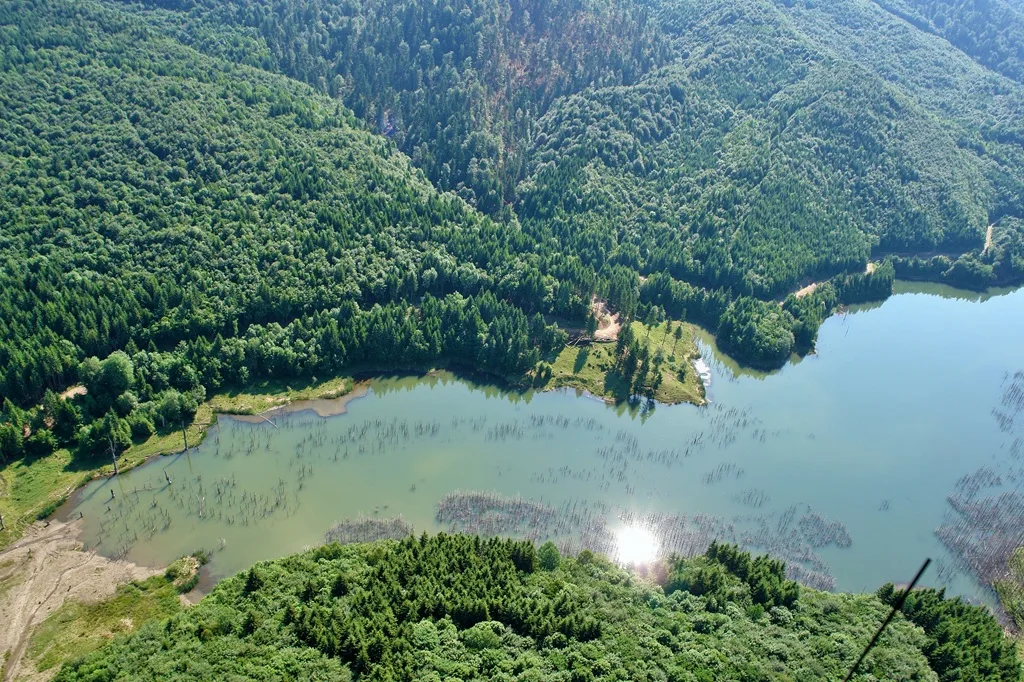
Cuejdel – a sanctuary of nature where time flows differently
“People rarely remember every place they visited. Still, they always remember how a place made them feel.” There are places that fill your phone with photos, and there are places that quietly empty your mind of noise.
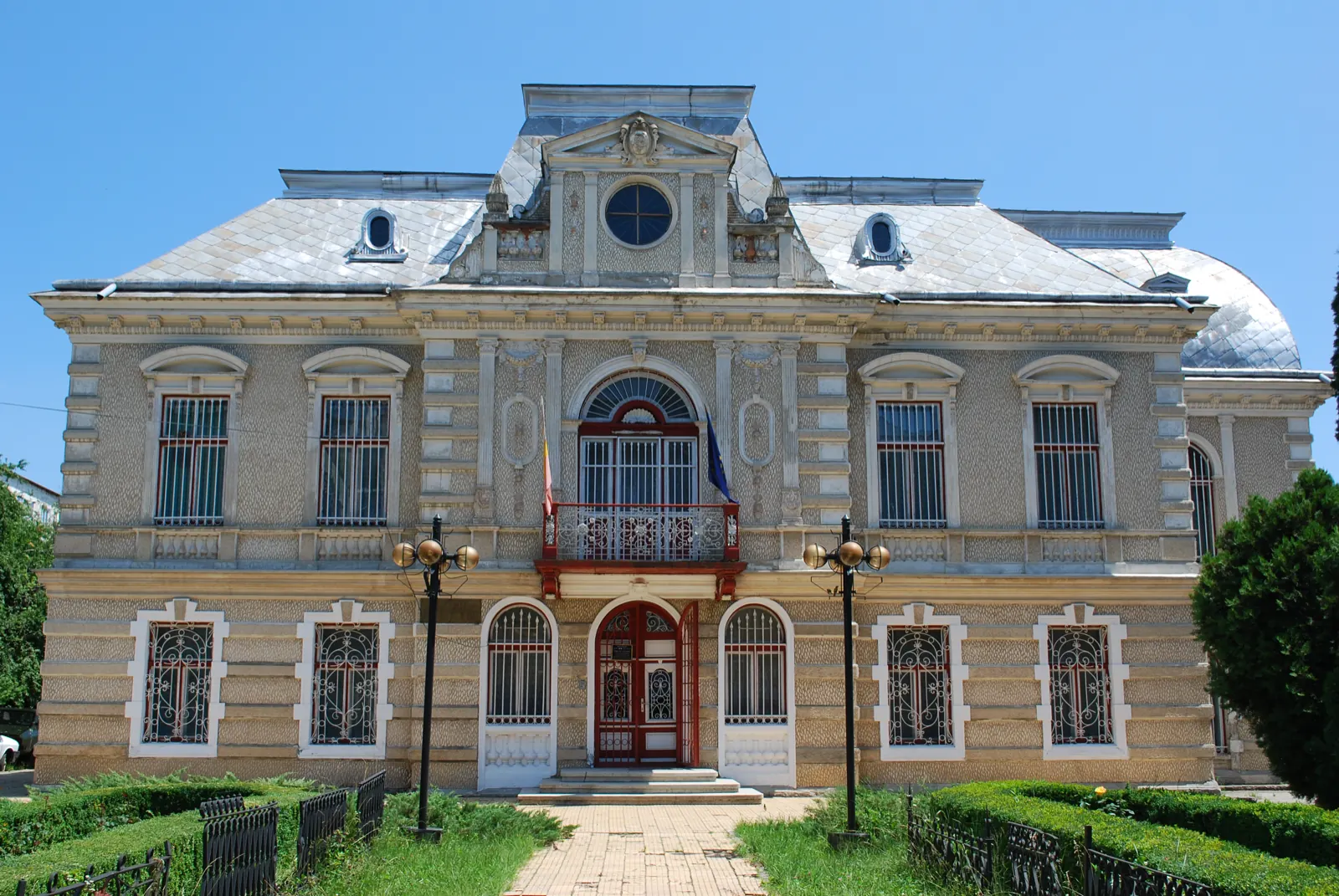
Trout Festival in Țara Ceahlăului, 18–19 July 2026
Get ready for a weekend that brings traditions, music, food and natural beauty together in one place!