Fauna of the Ceahlău Massif
The fauna of Ceahlău is also remarkable for its richness and variety. The 1,286 species, of which 186 are vertebrate species, harmoniously complete the “earthly paradise” aspect of this wondrous and blessed land, reinforcing – organically and spectacularly – the biogeographical grandeur of the massif.
In the various vegetation zones of the massif, both the invertebrate fauna (especially insects) and the vertebrate fauna (from frogs to mammals) are represented by a great variety of species spread from the lower mixed forest up to the alpine meadow, occurring in different densities and associations. In addition, the diversity of flowering plants and other vegetation that make up the mixed forest, together with characteristic biotopes – groves, glades, forest edges with stands of trees and thickets – creates particularly favourable conditions for numerous and varied bird species to nest here.
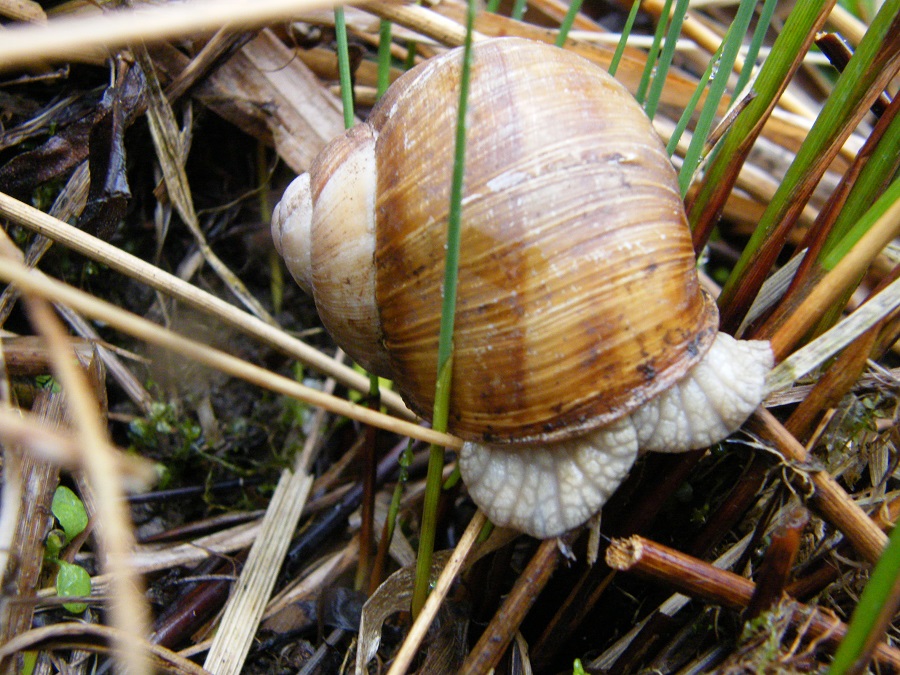
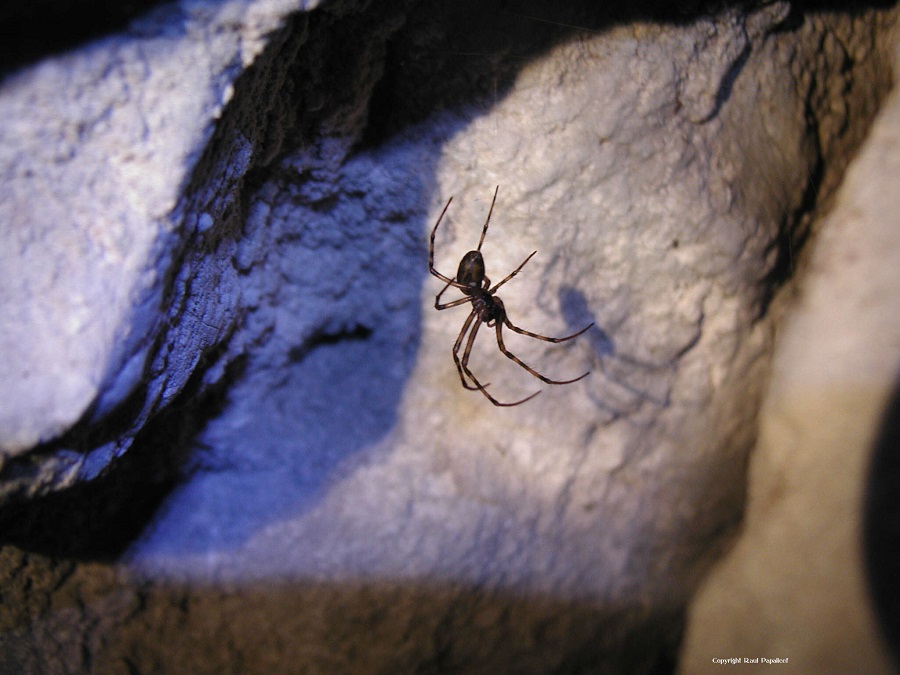
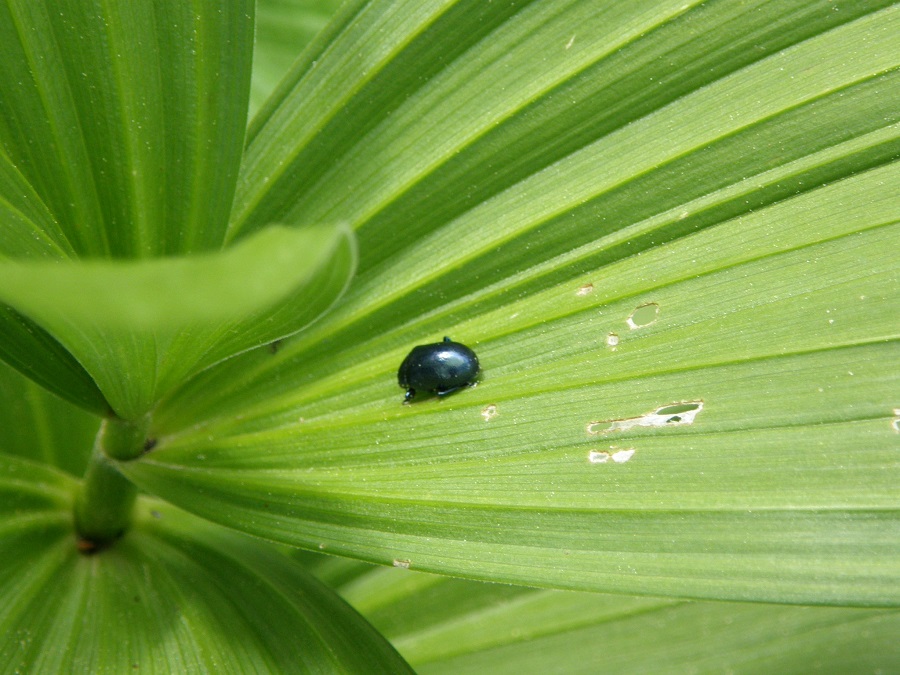
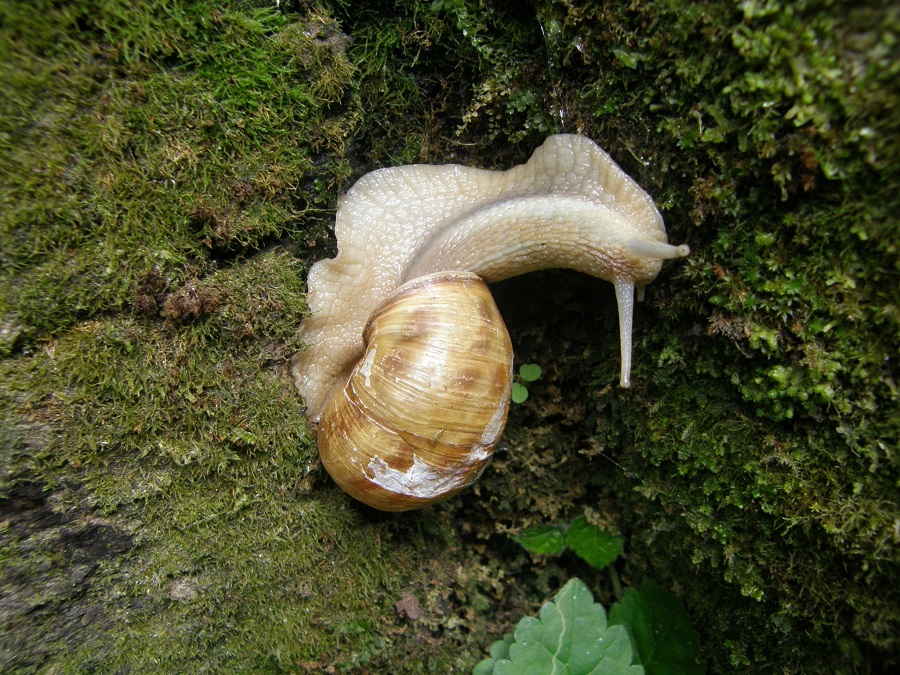
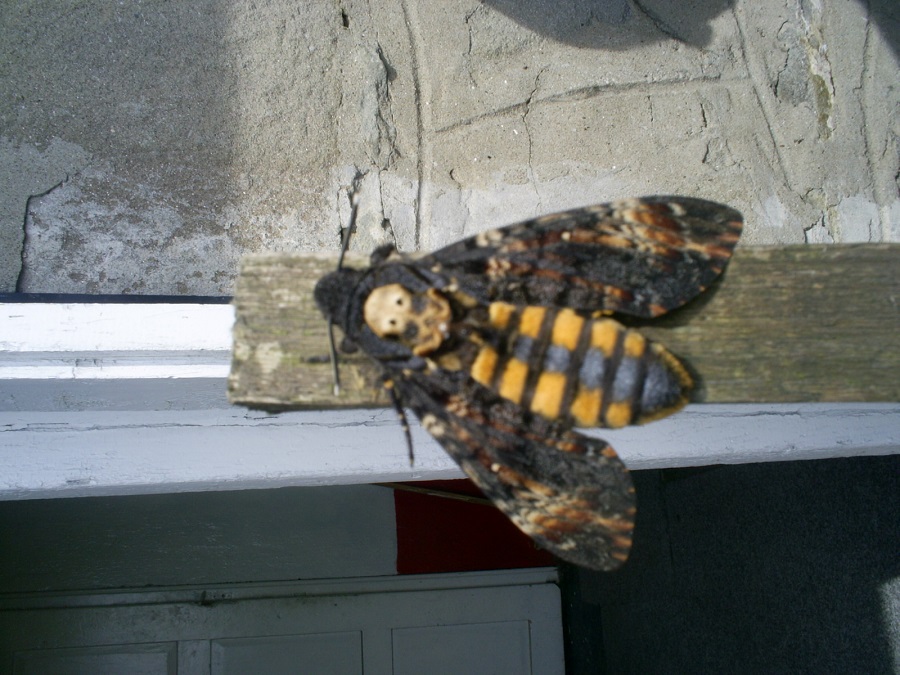
Invertebrates are abundant and diverse across the massif's ecosystems, but – of the approximately 1,100 species belonging to the groups of worms, molluscs, crustaceans, myriapods, arachnids and insects – over 1,000 are insects. These therefore make up the overwhelming majority of this world of tiny creatures, which, sadly, people know far too little about. For those with a passion for this fascinating form of life, we can say that, in Ceahlău, the miniature world of insects is inhabited by interesting – and sometimes particularly useful – groups, each with its own habits or “routines”.
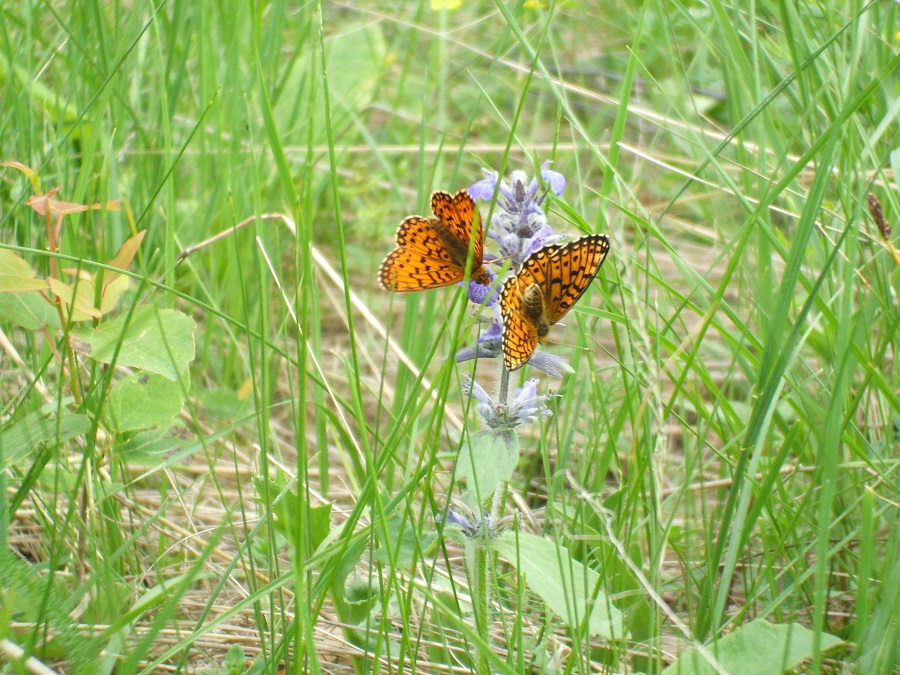
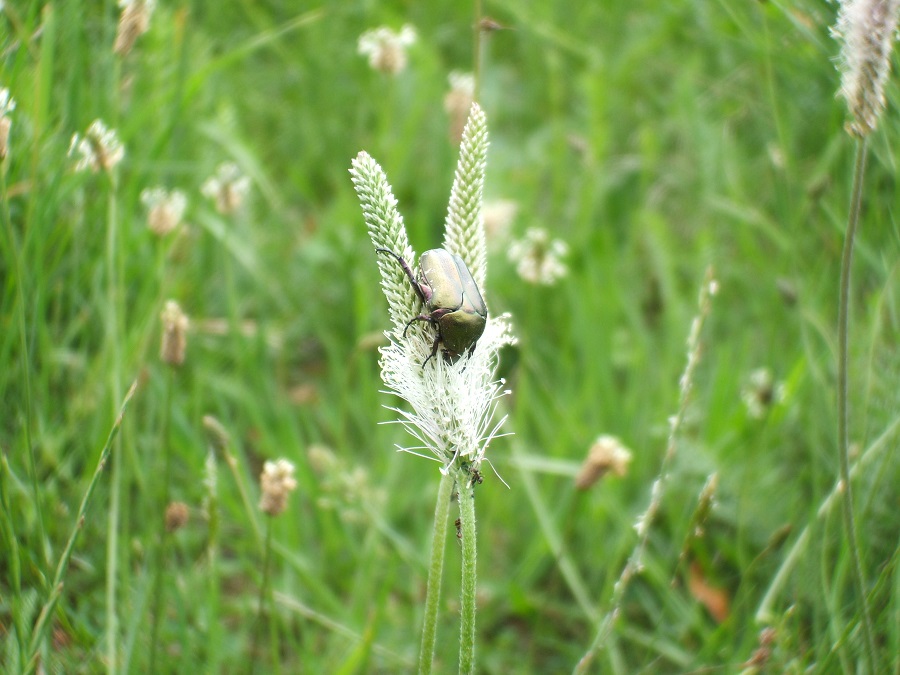
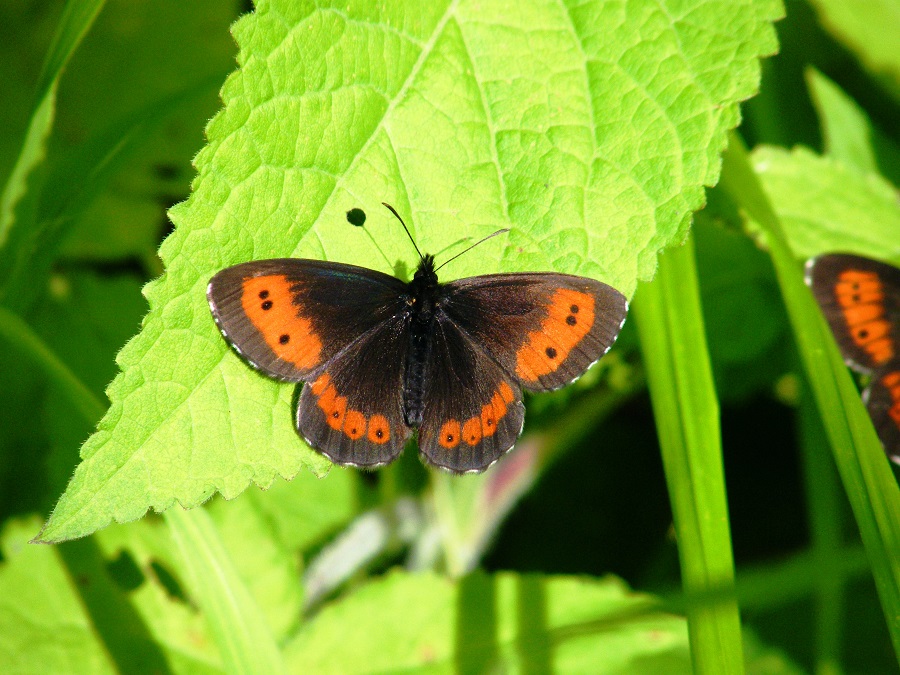
As we briefly introduce these creatures, it is worth understanding that they are not merely part of the more or less visible “decor” of the massif but, above all, part of its ecosystems. Most invertebrates are predators, a category represented by 231 species of beetles (insects with two pairs of wings, the upper ones hardened with chitin), one species of Hymenoptera (the red wood ant) and 30 species of Diptera (in other words, insects with two wings and – note – mouthparts adapted for sucking and piercing!). Next come aquatic invertebrates, which we are therefore less likely to encounter and which – particularly for readers familiar with the subject – are represented by 115 species of stoneflies, mayflies, caddisflies, chironomid flies and aquatic mites. Much more pleasantly and frequently seen are, of course, the plant-eating insects, with 94 species of butterflies and 60 species of Hymenoptera, as well as 52 species of grasshoppers and bush-crickets. Our list ends with the damaging category of bark- and wood-eaters, among which 50 species of longhorn beetles, weevils and bark beetles “work silently”.
Vertebrates are clearly favoured by the multitude of habitats present in the massif, so structurally the 186 species living here are represented by: 17 species of fish, 10 species of amphibians, 8 species of reptiles, 121 species of birds and 30 species of mammals.
The presence of fish is especially favoured by the Izvorul Alb and Schitu streams, whose waters most often contain the eastern bullhead, gudgeon, Mediterranean barbel, minnow, stone loach (hidden under stones), chub (in slower-flowing areas) and… delicious trout. Occasionally, knowledgeable tourists familiar with the art of fishing will also notice fish migrating from the lake into the streams that flow into Lake Izvoru Muntelui, such as bleak, spirlin and rainbow trout.
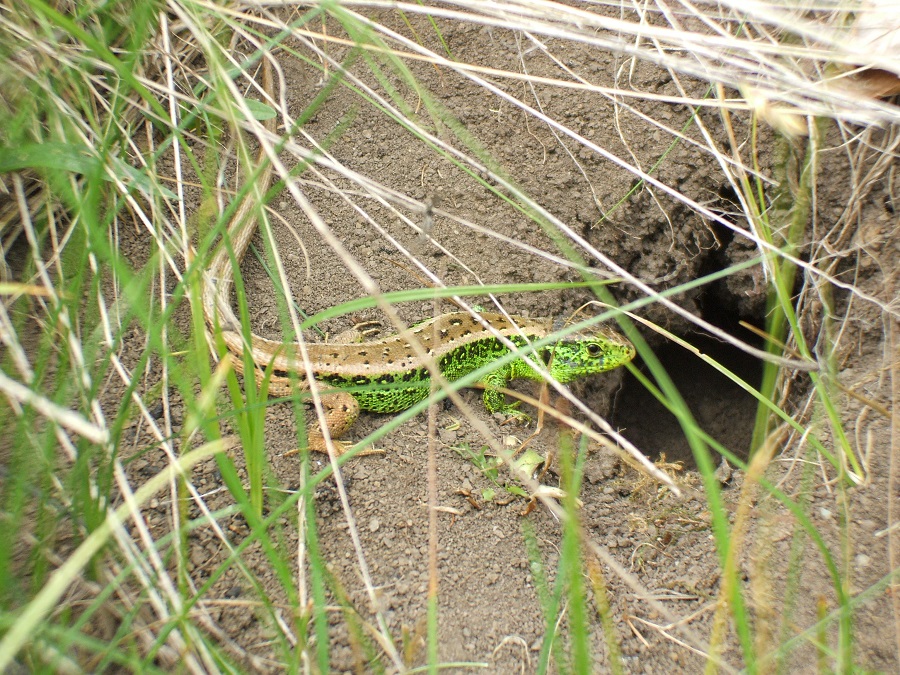
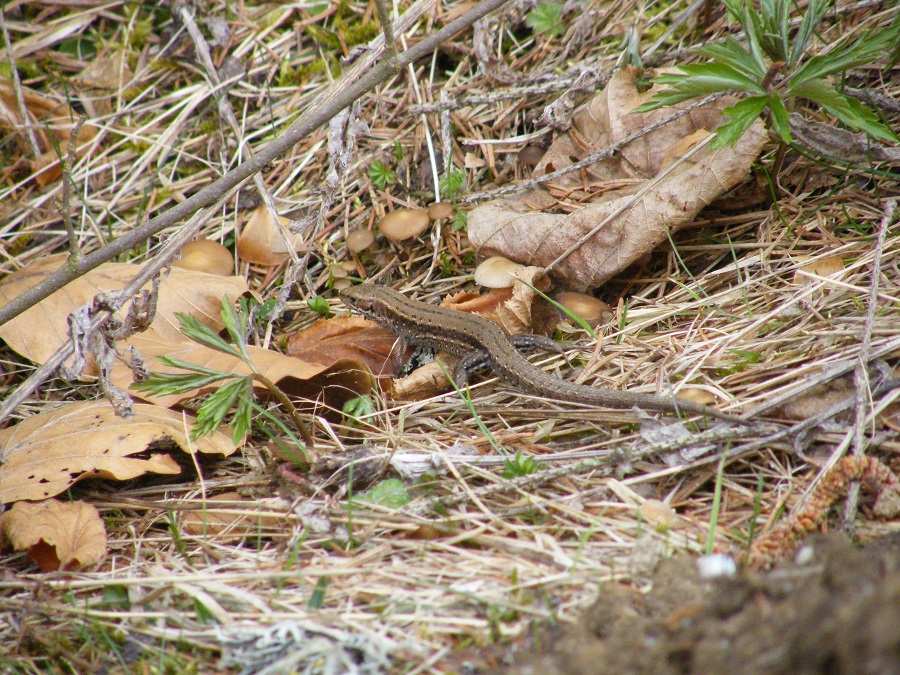
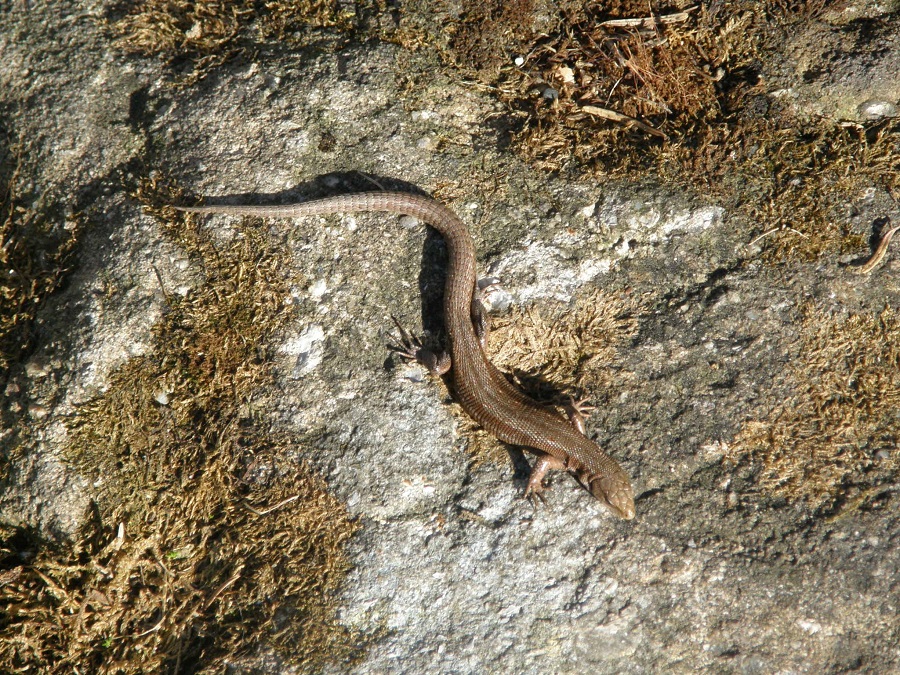
Regarding amphibians and reptiles, we must first inform you (or simply remind you) that all their species in Romania are protected and included in Annex 3 of Law no. 13 of 11 March 1993 (the Bern Convention). It is also good to know that, of the roughly 40 species of amphibians and reptiles known in the country’s fauna, almost a third can also be found in Ceahlău. Among the amphibians you can find the common frog (Rana temporaria), the mountain red frog (Rana temporaria), the yellow-bellied toad (Bombina variegata), the salamander (Salamandra salamandra), the crested newt (Triturus montandoni) and the mountain newt (Triturus alpestris); among the reptiles, especially the lizards (Lacerta viridis and Lacerta agilis), as well as the slow worm (Anguis fragilis), the smooth snake (Coronella austriaca), and sometimes even the adder (Vipera berus), the most dangerous reptile in Romania.
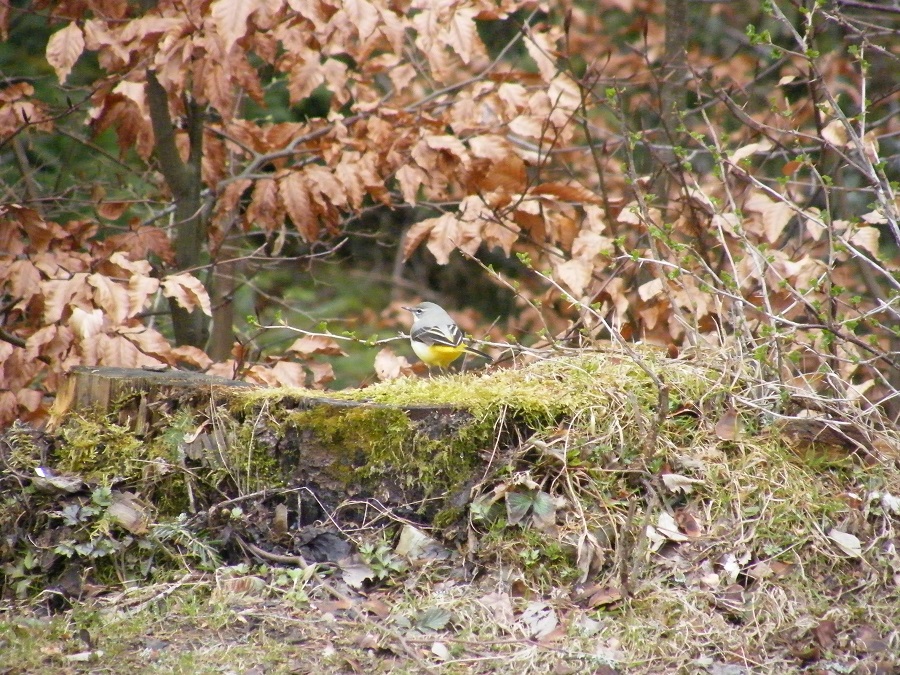
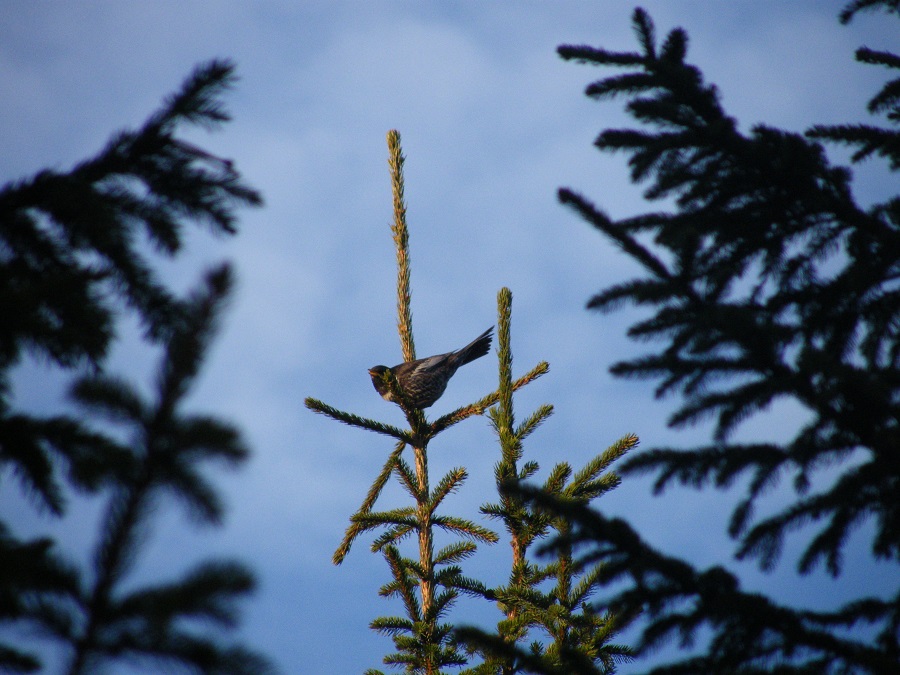
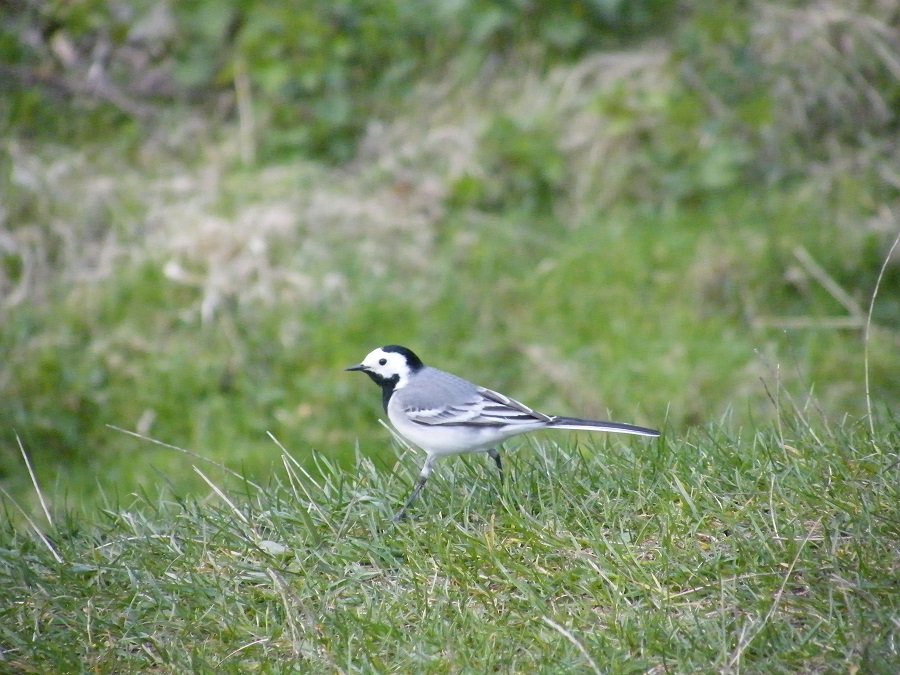
The birds of Ceahlău form one of the most diverse bird communities in Romania’s mountain regions. They benefit fully from the natural food resources available in this massif and represent its most interesting faunal element, adding colour, sound and variety to the entire habitat of the Natural Park.
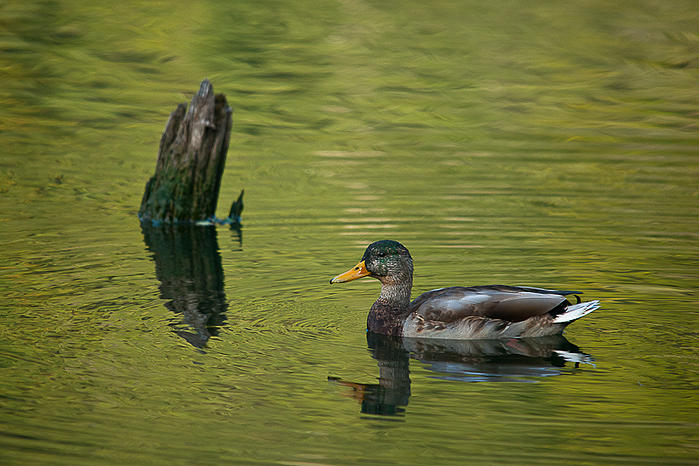
The diversity of plants in the mixed forest, together with its characteristic habitats – groves, glades, woodland edges and thickets – provides highly favourable conditions for numerous and varied bird species to nest in Ceahlău. A variety of bird species from widely separated geographical regions coexist here, with their numbers and presence shifting with the seasons, from European species (eastern, central and northern) to Asian species (Siberian, Mongolian and Tibetan). To satisfy your curiosity, we will also introduce the groups of birds commonly found in this massif, according to their feeding habits…
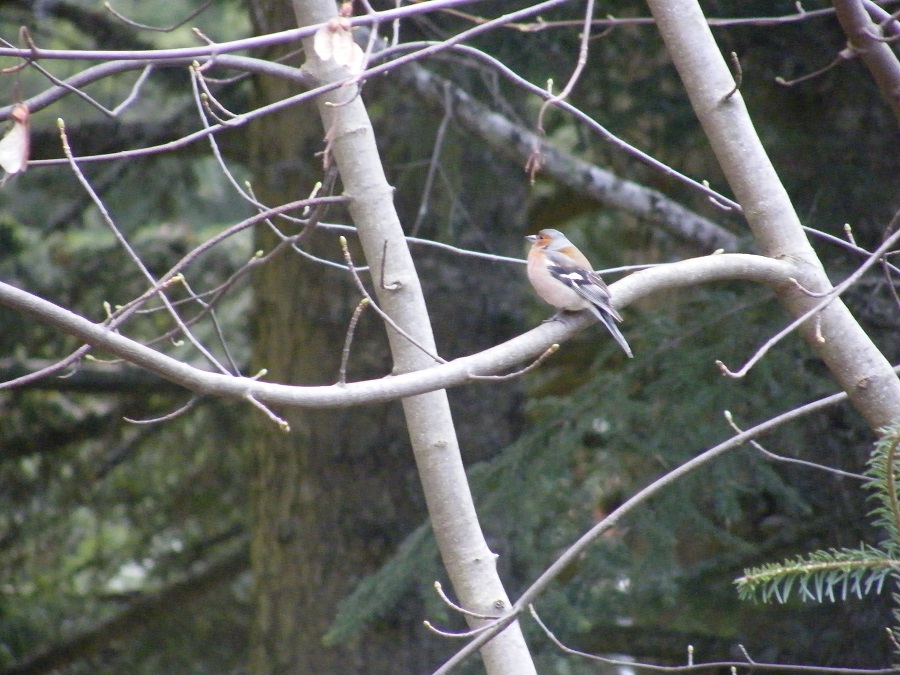
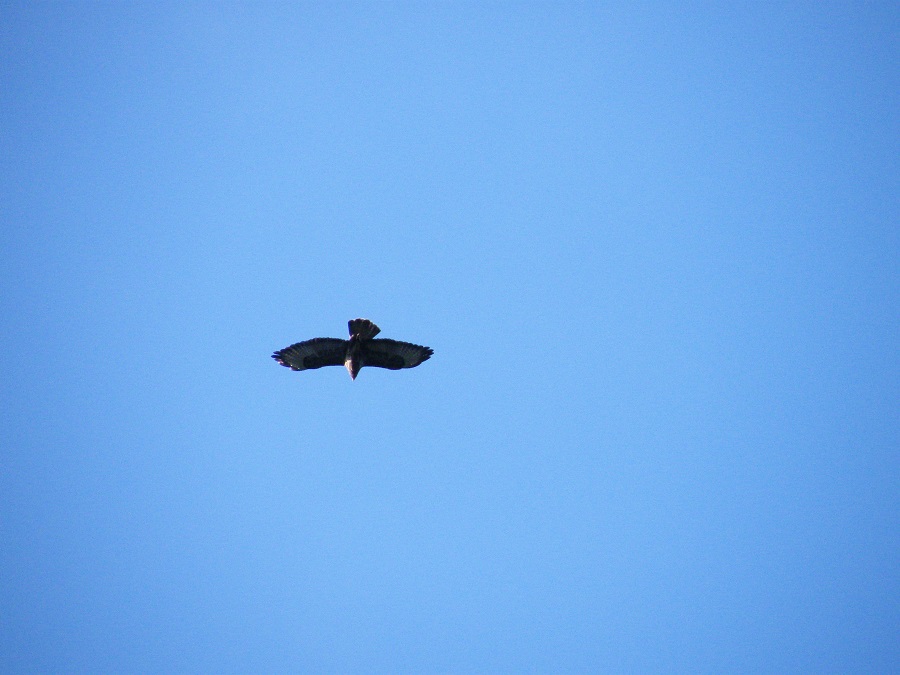
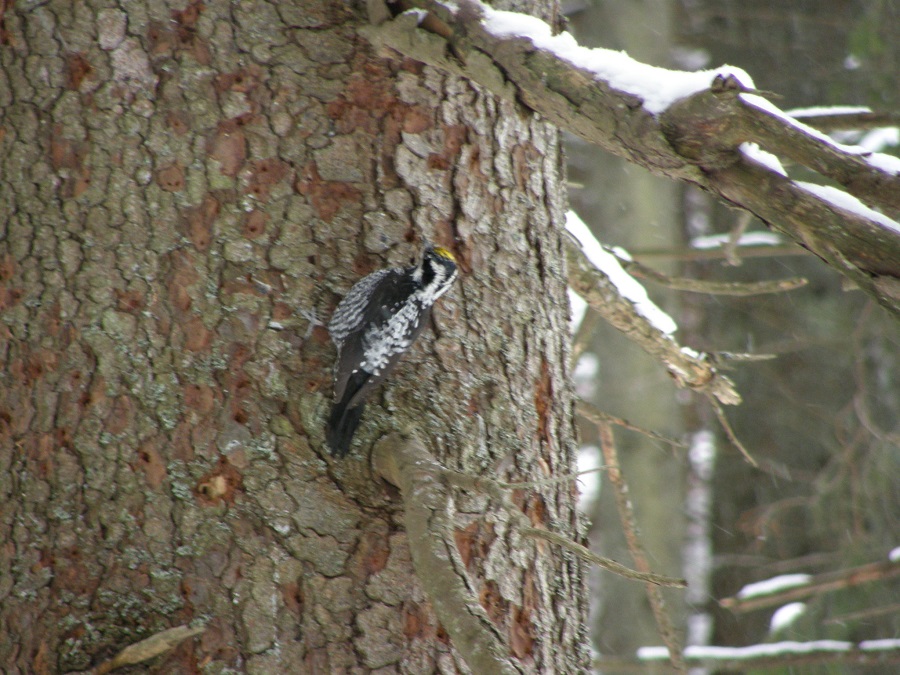
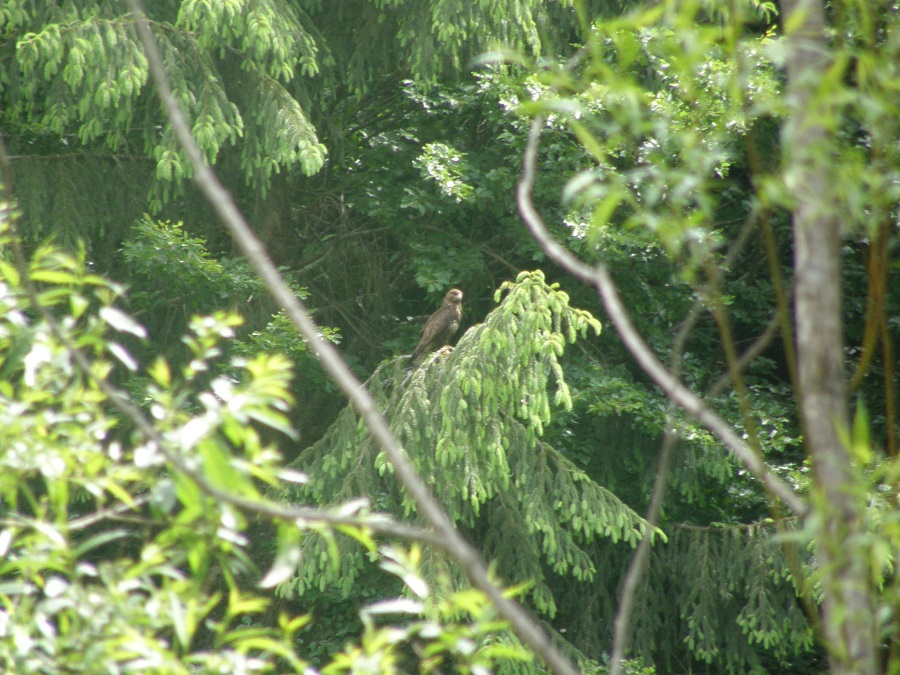
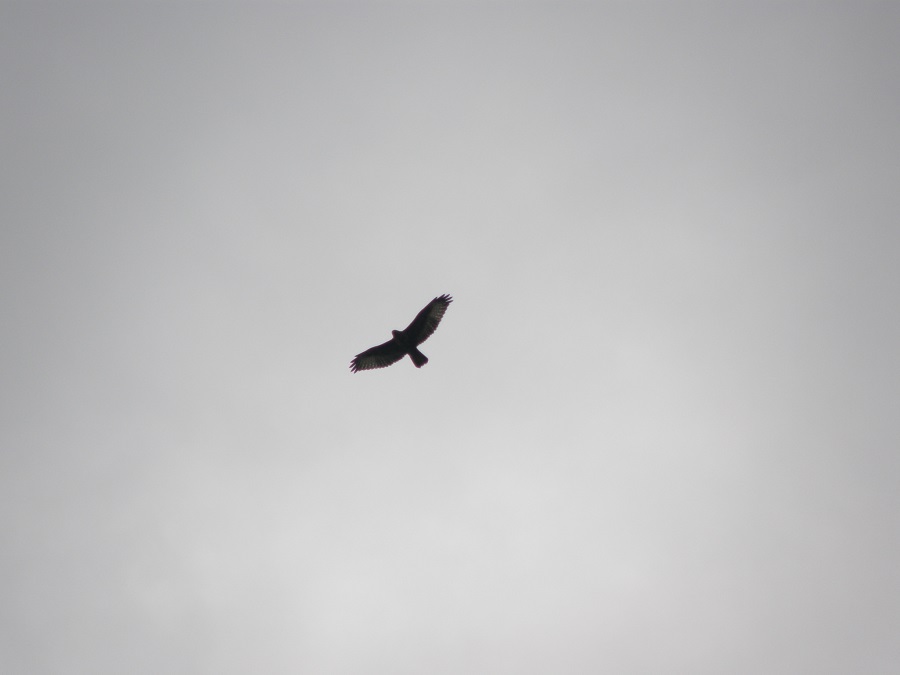
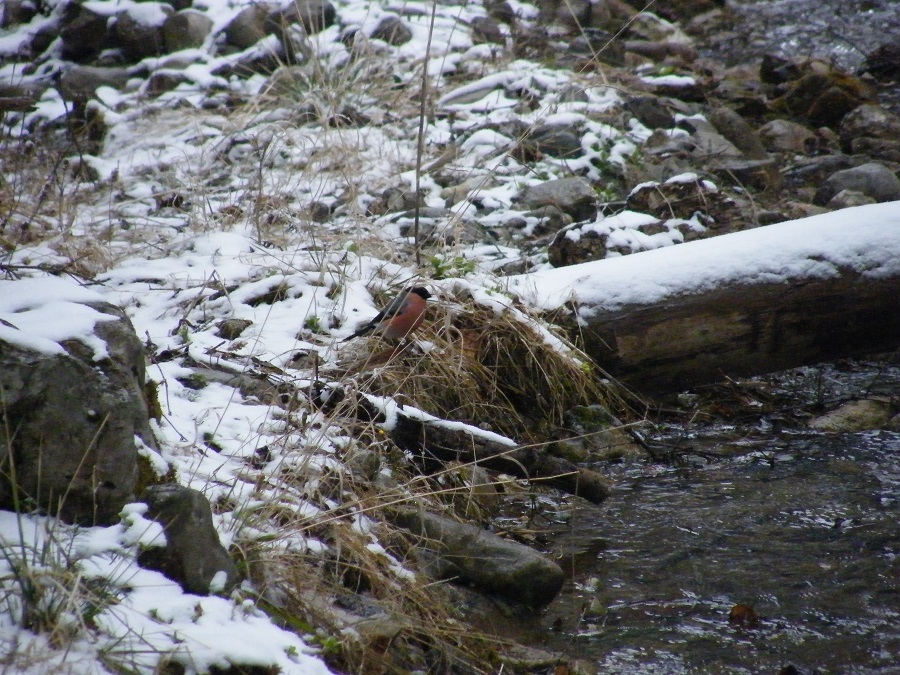
There is thus a category of “vegetarian” birds that feed on seeds and fruit, including the chaffinch, linnet, redstart, robin, bullfinch and song thrush; there are also “pseudo-carnivores” that feed on insects: the wryneck, black woodpecker, great spotted woodpecker and Eurasian treecreeper. Of course, truly “carnivorous” birds are birds of prey, and according to their period of activity they include diurnal birds, such as the shrike, buzzard, common kestrel and raven (which is a scavenger and either subsists on carrion or steals prey from other raptors), and nocturnal birds: the little owl, tawny owl, boreal owl and others.
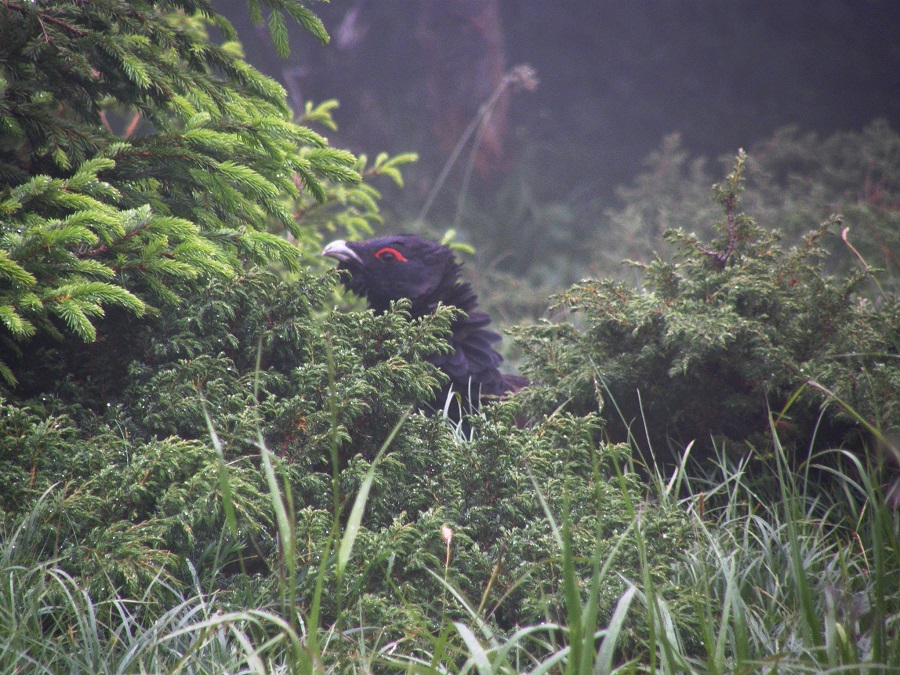
Of course, mountain lovers and supporters of its whole ecosystem must also be reminded of the birds in Ceahlău that are rare or threatened with extinction and – for this reason – protected by law: golden eagle, alpine accentor, eagle owl, nightjar, woodlark, capercaillie, white-backed woodpecker, three-toed woodpecker, mountain woodpeckers, water pipit, wallcreeper, red kite, wood pigeon, flycatchers and shrikes.
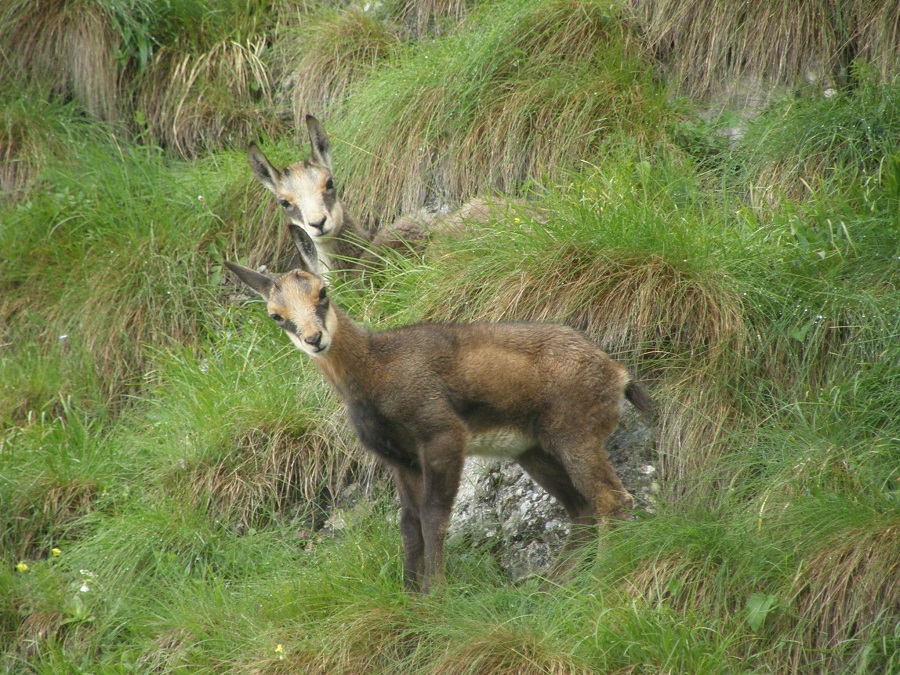
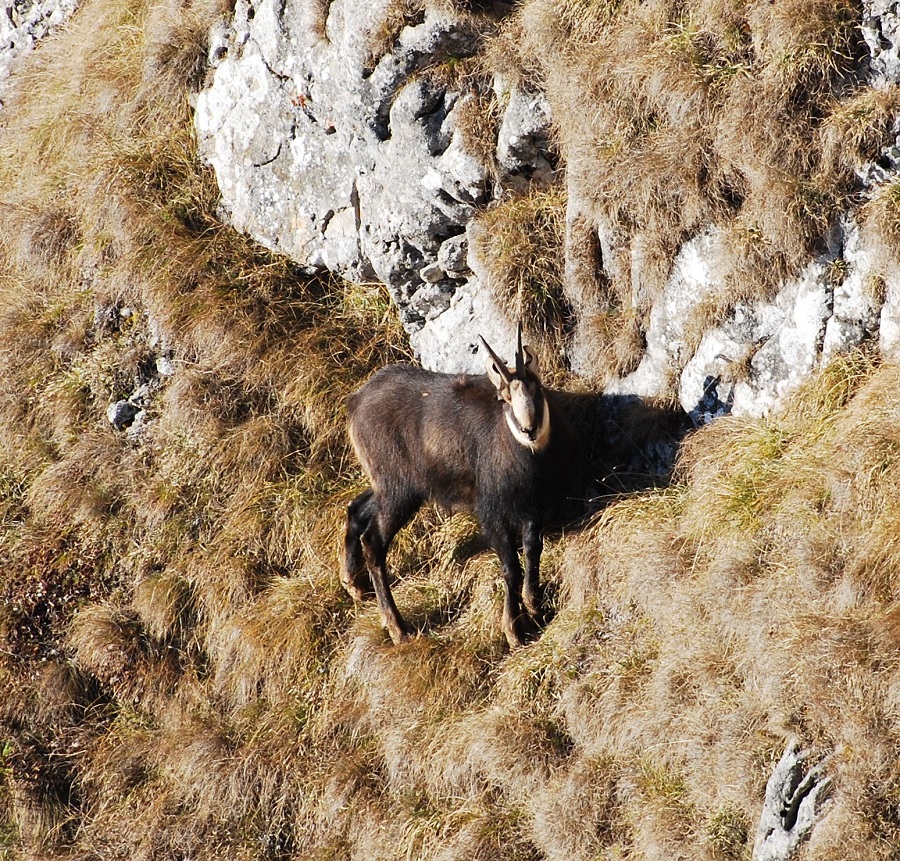
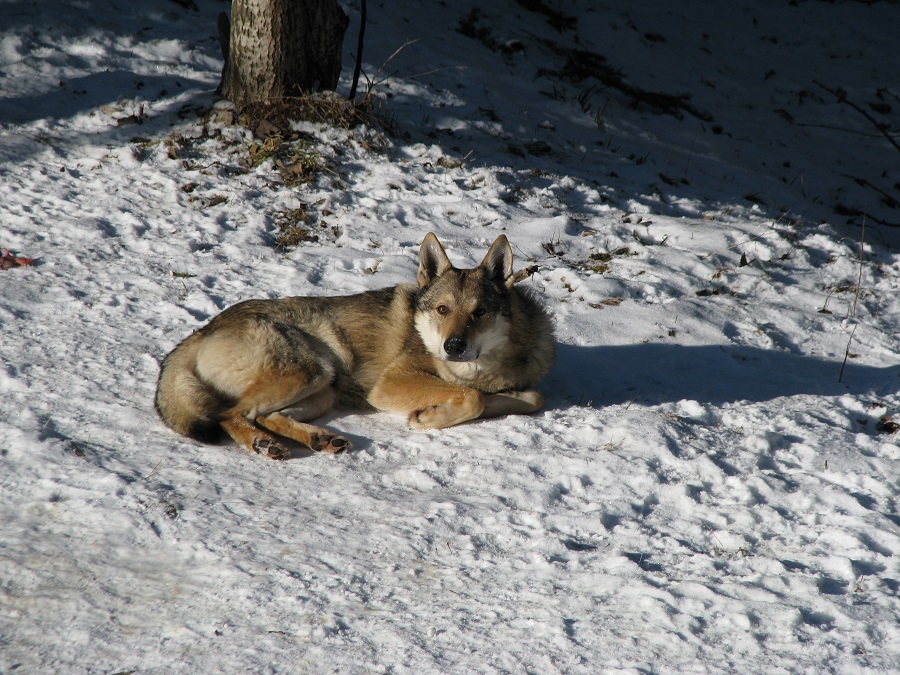
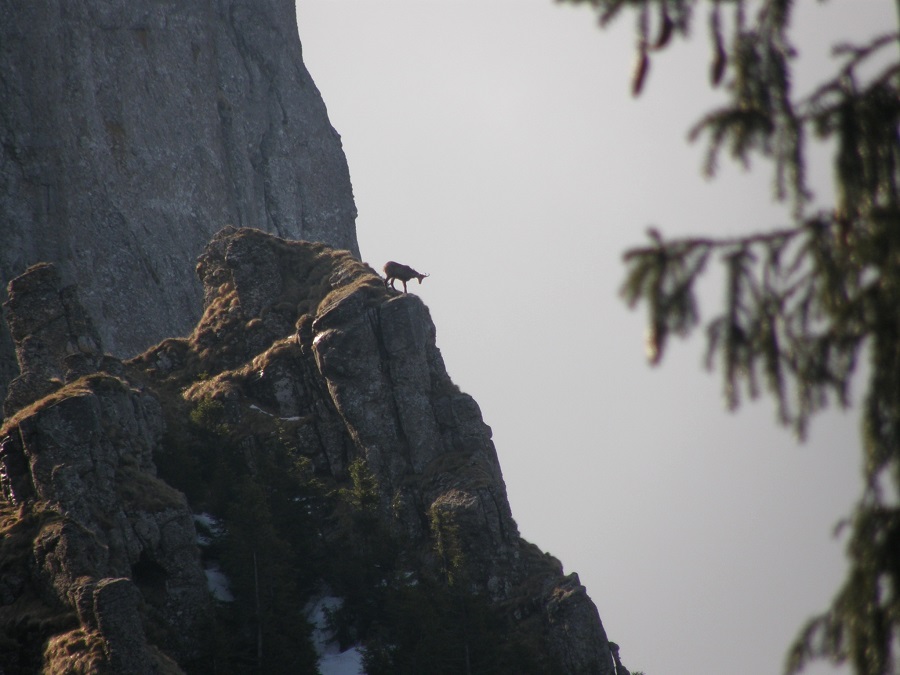
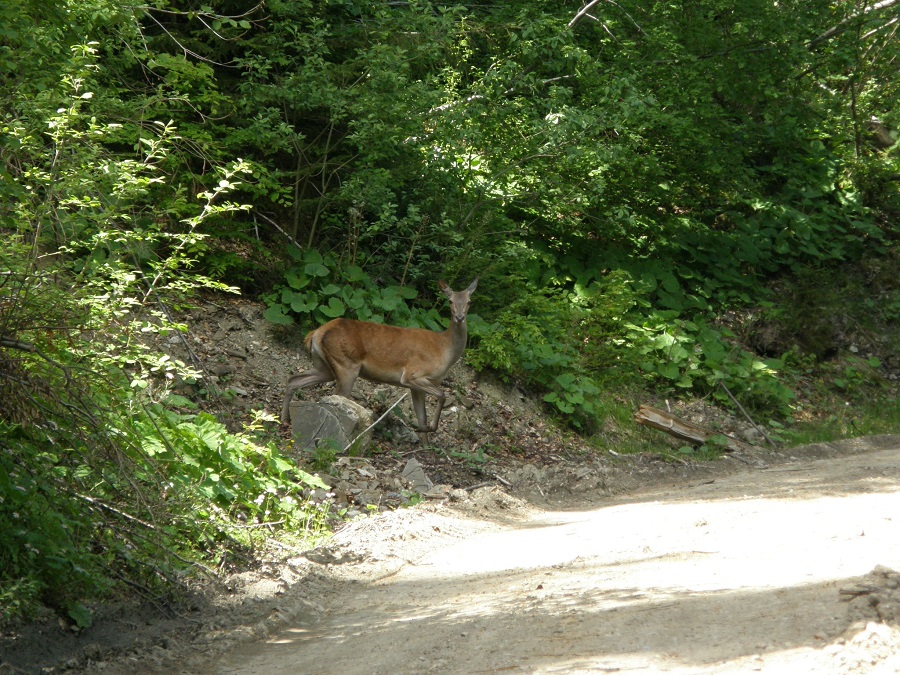
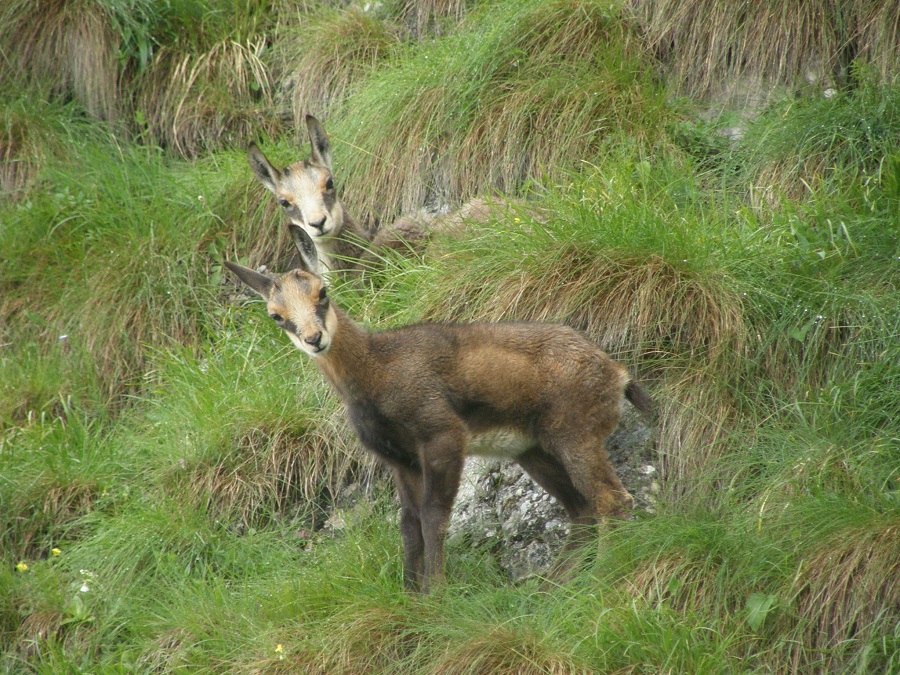
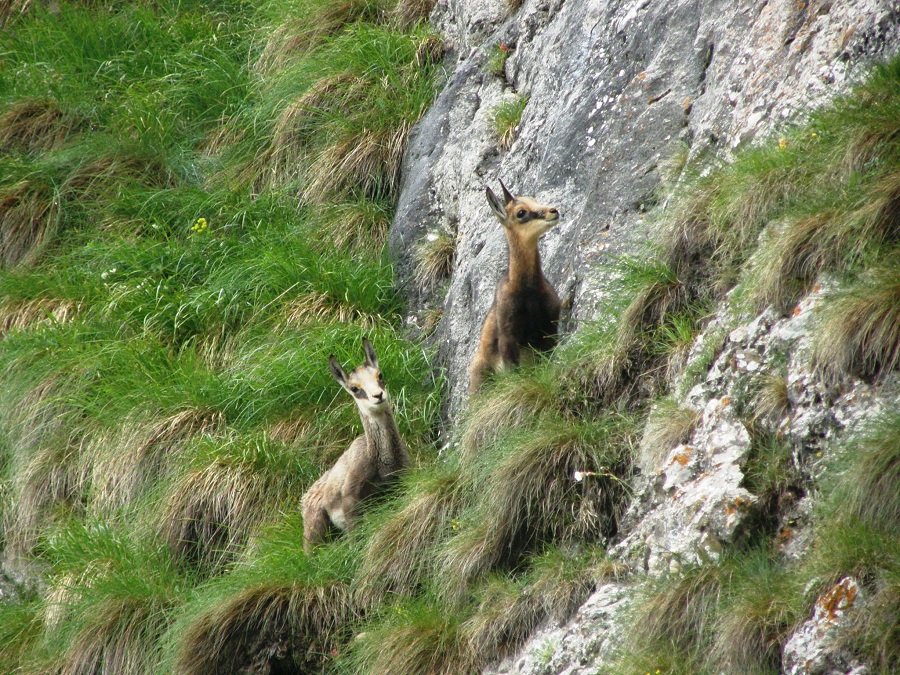
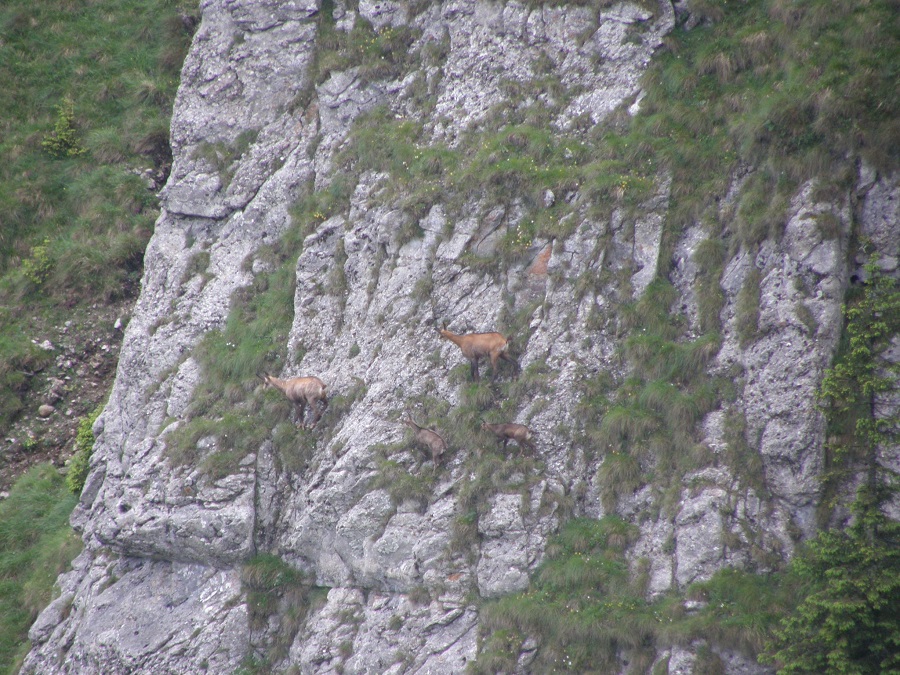
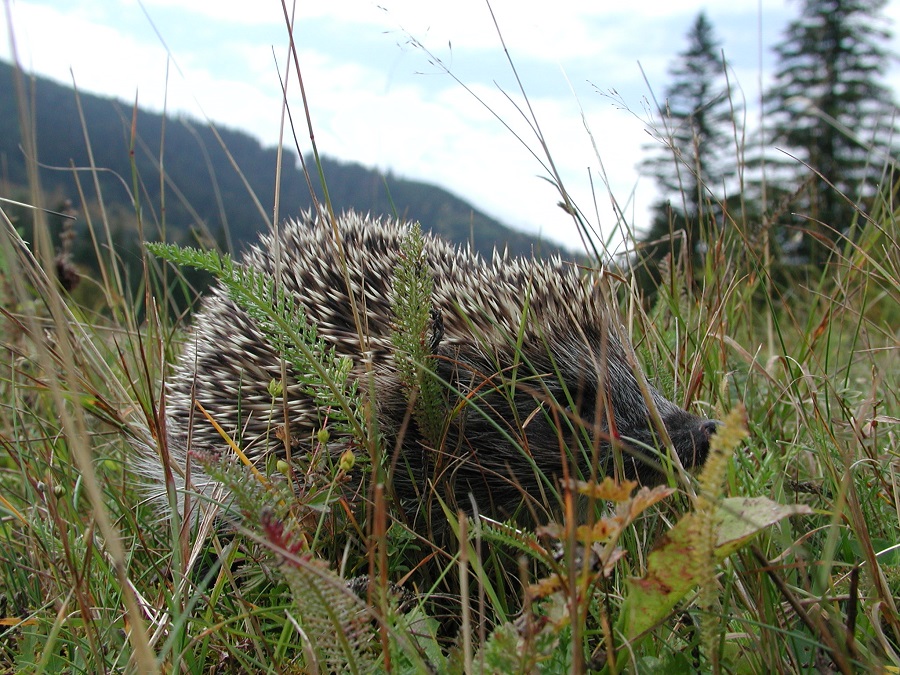
Mammals complete the massif's wildlife picture and, although there are relatively few species (just 45, mostly rodents), some – including those valued as game animals (chamois, roe deer, red deer, bears and wild boar) – have sizeable populations. As for the chances of spotting them, apart from a few species that live across a range of altitudes, terrain and habitats, such as wolves, foxes and hares, the other species found in this massif are confined to habitats suited to their way of life. The small mammals are well represented but little known; those found in Ceahlău include hedgehogs, moles, shrews, bats, dormice, wood mice and squirrels; among the felines, wildcats and lynx live here, while the mustelids include badgers, polecats, stoats and weasels.
Naturally, the gradual decline in the populations of certain birds and mammals over time has led to strict protection for some species. Thus, the huchen, golden eagle, eagle owl, capercaillie, wallcreeper, chamois, red deer and lynx have been designated monuments of nature, while other animals must be protected for their important role in maintaining the balance of nature. The category of protected animals includes birds of prey active by day and by night, some of which are very rare: the pygmy owl, raven (an industrious cleaner of the forests) and boreal owl; songbirds (which consume large quantities of insects); and, among mammals, the hedgehog, mole, shrew and bats, which also consume large quantities of insects.
Photo gallery:
More on the same topic
The Beloved Mountain, Explored in Every Season
No matter which season you choose to visit, the Ceahlău Massif offers a vibrant spectacle of untamed nature, inviting you to discover its fascinating natural richness, history, stories, and the legends that surround the entire mountain.

Neamț County Council – new steps for the Creangă’s Land holiday village project
The second round of discussions with stakeholders identified through the impact assessment following the initial consultations focused on presenting the consultation findings, the annual activity…

Days Dedicated to the Via Mariae Pilgrimage
A walking pilgrimage from Văratec Monastery to Voroneț Monastery in honour of the Holy Virgin Mary was organised recently, from 31 August to 3 September, by the Neamț and Suceava County Councils…