Orchids from Ceahlău Massif
“Ceahlău – the ancient and majestic massif of the Moldavian Carpathians, known and beloved by all for the spell with which it draws them towards its spectacular peaks – is the keeper of a remarkable treasure of flora and fauna.
Through its geological structure, the variety of its landforms and its predominantly limestone substrate, Ceahlău Massif offers favourable living conditions for the 1,097 species (plus 21 hybrid species) and 206 subspecies of vascular plants that populate it, i.e. almost 65% of the flora of Neamț County and 36% of Romania’s entire flora. It shelters 37 orchid species (of which three are protected by law), belonging to 21 genera.
Members of a particularly large family (Orchidaceae) (approximately 25,000 species), orchids are found across the entire planet (except in arid desert areas and at Earth's two frozen poles) and occupy one of the highest ranks on the scale of plant evolution.
Perennial herbaceous species, orchids can be terrestrial or epiphytic, autotrophic or heterotrophic, but they necessarily – through adventitious roots – live in symbiosis with the mycelium of certain fungi, forming specific associations (mycorrhizae), which explains the difficulties encountered in cultivating and acclimatising them in habitats other than their original ones (Toma and Nita, 1996).”
„Particularitățile și diversitatea speciilor de orhidee terestre din Masivul Ceahlău” – Tatiana Onisei, Manuela Rascol INCDBA-IBA Bucharest
Its conservation and sustainable use are essential because of the decline of orchids, species that are particularly sensitive to human activities.
For most terrestrial orchid species the aerial part develops from autumn, the winter period being spent in a rosette stage; others appear after the frosts, developing in spring a stem, sometimes bearing leaves, which invariably terminates in an inflorescence, most often striking because of the very individual appearance of the flowers that compose it.
The seeds, extremely numerous and mainly dispersed by wind, are minute—comparable in size to specks of dust—and achieve the distinction of being the smallest of any plant family. The only way a plant can develop from an embryo is if at least one filament from a microscopic fungus (from the *Basidiomycetes* group) compatible with the species penetrates it and supplies the nutrients and water it needs to grow.
The enormous number of seeds produced by orchids thus provides an additional opportunity for them to encounter symbiotic fungi. Consequently, the flower probably also possesses incredible adaptations for insect pollination, which ensures fertilisation.
The recent decline of wild orchid species in Europe, caused by their intensive collection for elegant, fragrant flowers and their use in folk medicine for aphrodisiac properties, means that an ever-increasing number of species are regarded as rare and even threatened with extinction.
Generally speaking, the orchid species in Ceahlău have very diverse ecological requirements and seem to adapt to all the living conditions it offers. They are distributed from the areas around the foot of the mountain up to the summit of the massif, in numerous habitats (shaded forests, damp hay meadows, forest edges, clearings and open woodland, alpine meadows, peat bogs and marshy places) which nevertheless share some common features related to the calcareous nature of the substrate, its acidity, moisture, light regime and local microclimate.
Ceahlău Massif has, however, benefited in the last 15 years from consistent support from local and central administration authorities, from European assistance and especially has enjoyed the contribution of the scientific community, civic solidarity and the enthusiasm of young people who have been actively involved in biodiversity conservation activities, environmental protection and the safeguarding of the mountain’s cultural heritage.
We can only express our joy at the visible progress recorded in Ceahlău National Park, a protected natural area, which is arousing a growing interest among tourists in discovering these true wonders of nature, and we express our hope that future generations will also enjoy our wild orchids.
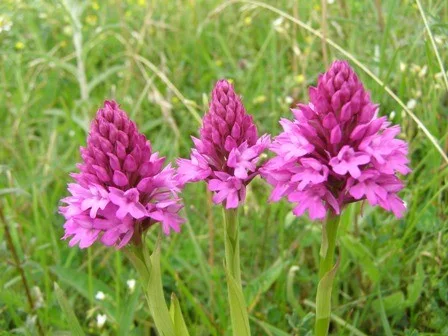
Anacamptis pyramidalis
Cephalanthera rubra
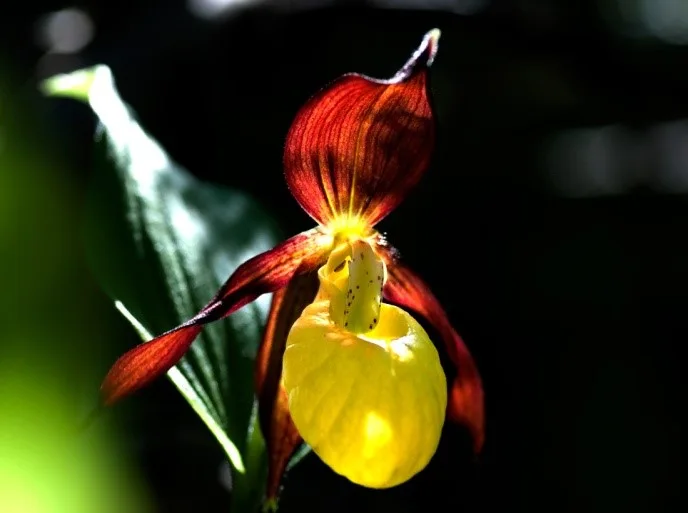
Cypripedium calceolus
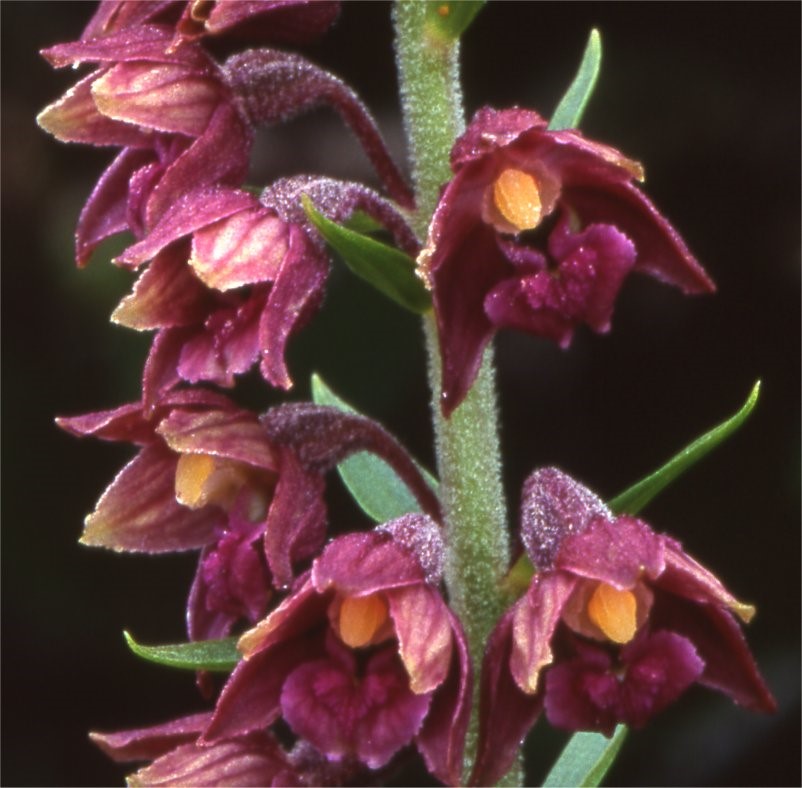
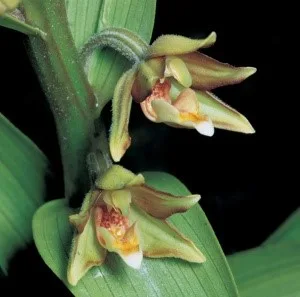
Epipactis atrorubens
Epipactis helleborine
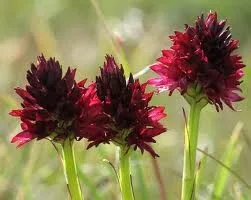
Nigritella rubra
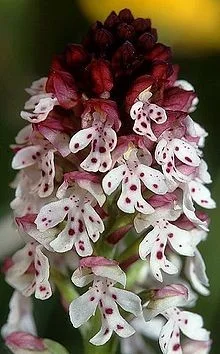
Orchis ustulata
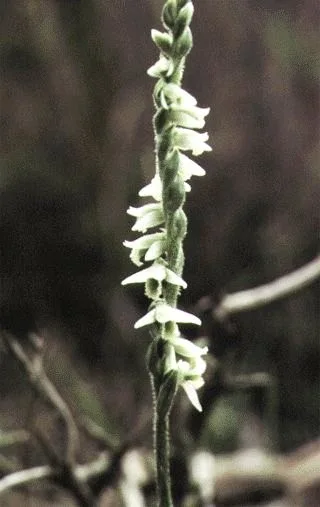
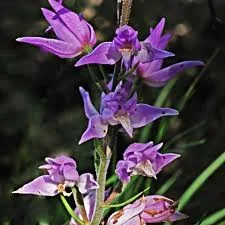
Spiranthes spiralis
More on the same topic
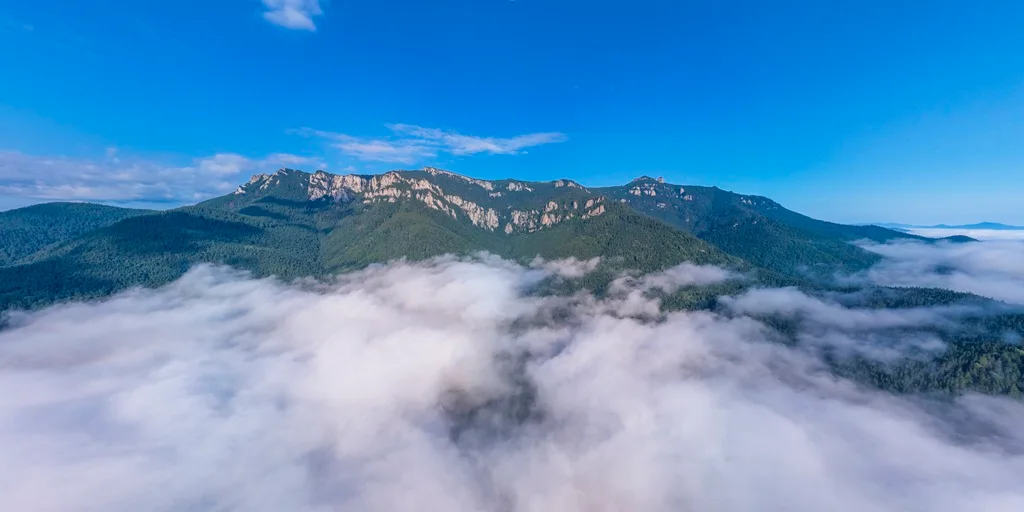
The Beloved Mountain, Explored in Every Season
No matter which season you choose to visit, the Ceahlău Massif offers a vibrant spectacle of untamed nature, inviting you to discover its fascinating natural richness, history, stories, and the legends that surround the entire mountain.

Neamț County Council – new steps for the Creangă’s Land holiday village project
The second round of discussions with stakeholders identified through the impact assessment following the initial consultations focused on presenting the consultation findings, the annual activity…
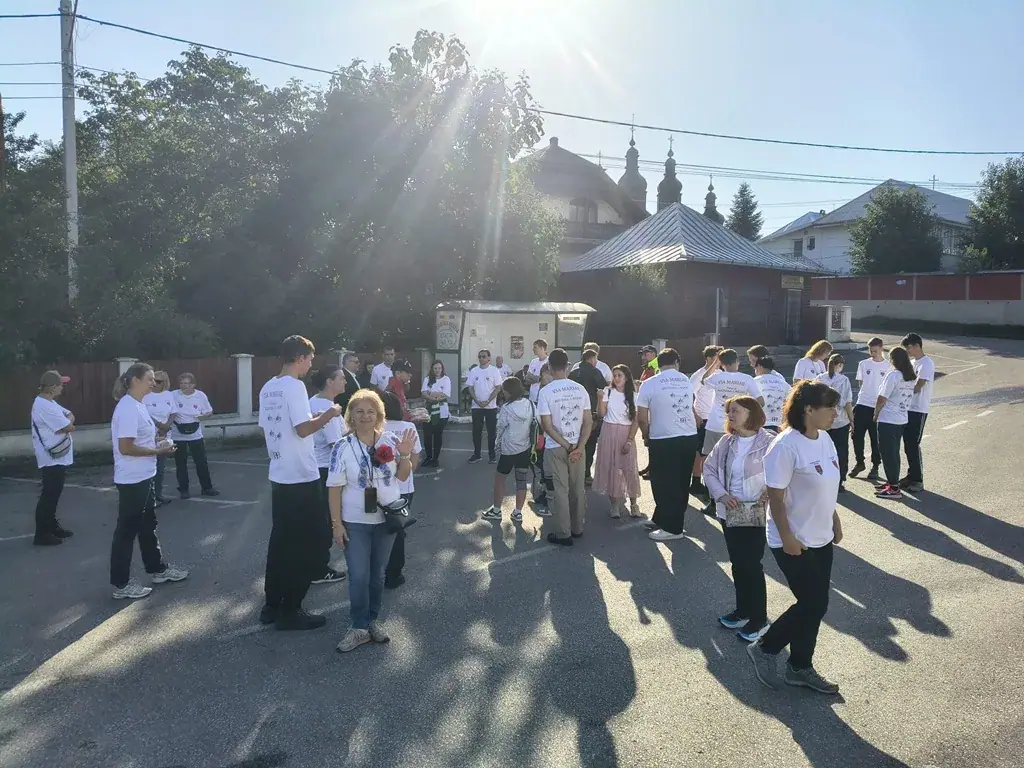
Days Dedicated to the Via Mariae Pilgrimage
A walking pilgrimage from Văratec Monastery to Voroneț Monastery in honour of the Holy Virgin Mary was organised recently, from 31 August to 3 September, by the Neamț and Suceava County Councils…