History of Neamț Citadel
Neamț Citadel, a genuine medieval fortress in Neamț, is located at 1 Arcașului Street in Targu Neamț and was built during the reign of Petru Mușat (1374-1391)
This tourist attraction in Neamț County is open to visitors daily from 09:00 to 19:00.
Cetatea Neamț or Cetatea Neamțului (Neamț Citadel) is a medieval fortress in Moldavia located near the town of Targu Neamț and about 46 km from the town of Piatra Neamț. Its strategic position and its role in the landmark events experienced by this part of the country demonstrate that Neamț Citadel was one of the best-fortified strongholds of the medieval Moldavian state.
The name Neamț Citadel derives from “Neamț”, the name of the river flowing at the foot of the mountain. The nearby town and monastery took their names from this river, followed later by the county and the town of Piatra, which became Piatra-Neamț only after the middle of the 19th century.
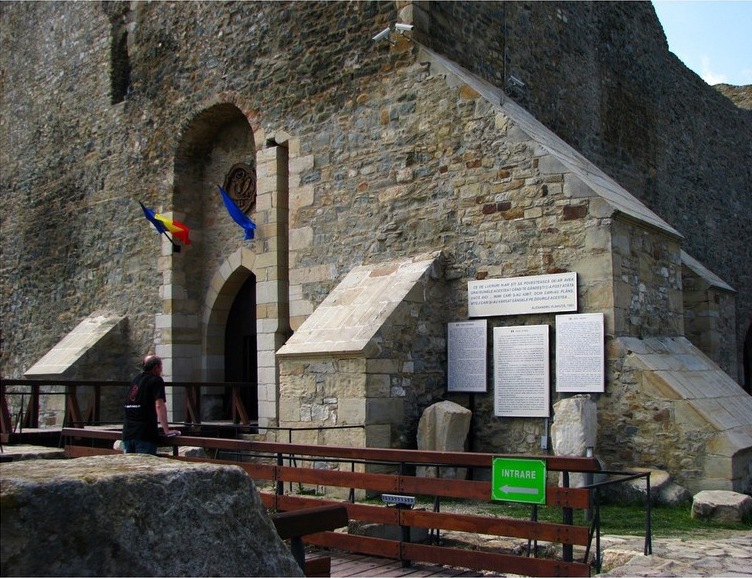
On the entrance walls of the tourist site Neamț Citadel, the name by which it is known locally, we discover the history of this Moldavian creation, namely:
“Neamț Citadel was built during the reign of Petru Mușat (1375-1391), in the period of the consolidation of the medieval Moldovan state. The first documentary attestation dates from 1395, the year in which the King of Hungary, Sigismund of Luxembourg, before being defeated by the troops of Ștefan I Mușat at Hândău, issued a chancellery act “Ante Castrum Nempch”.
Photos of Neamț Citadel
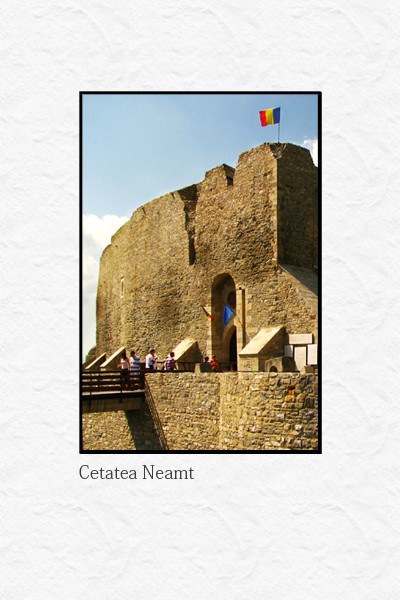
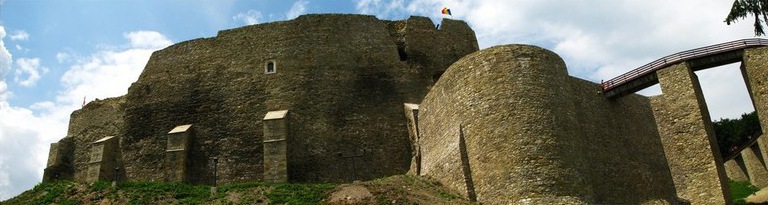
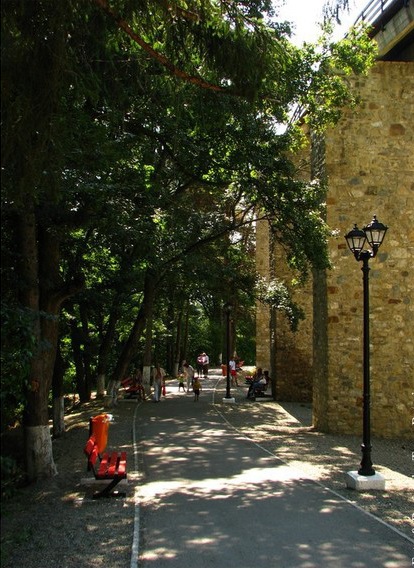
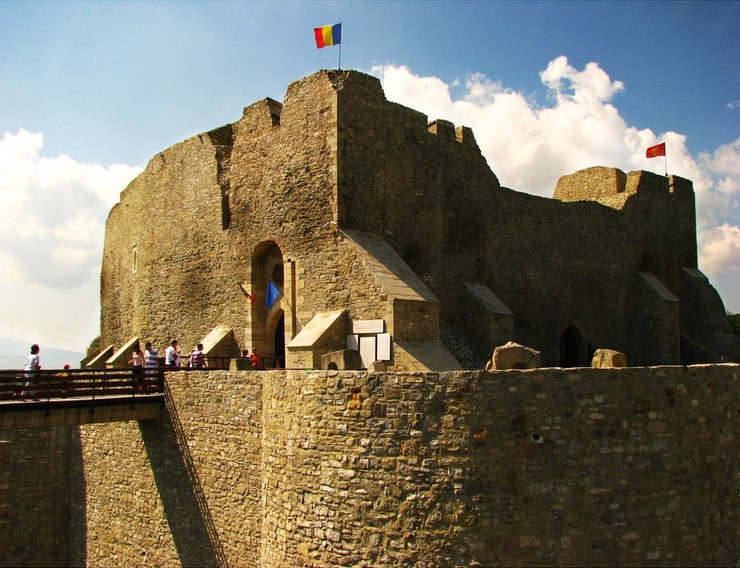
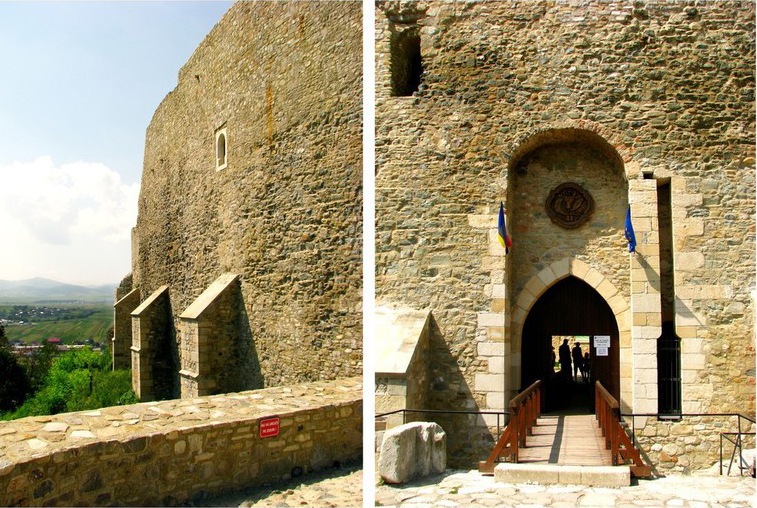
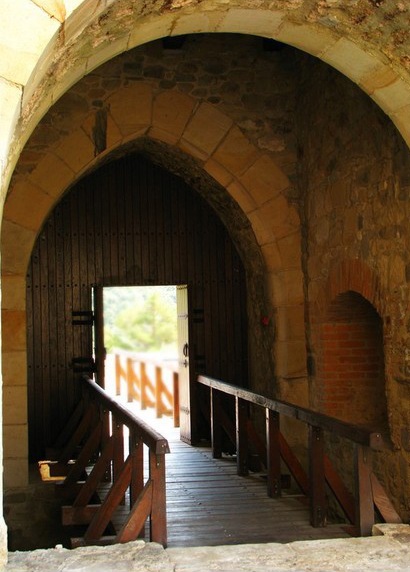
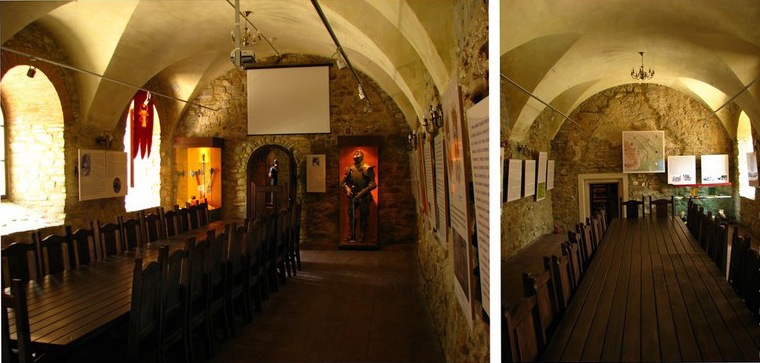
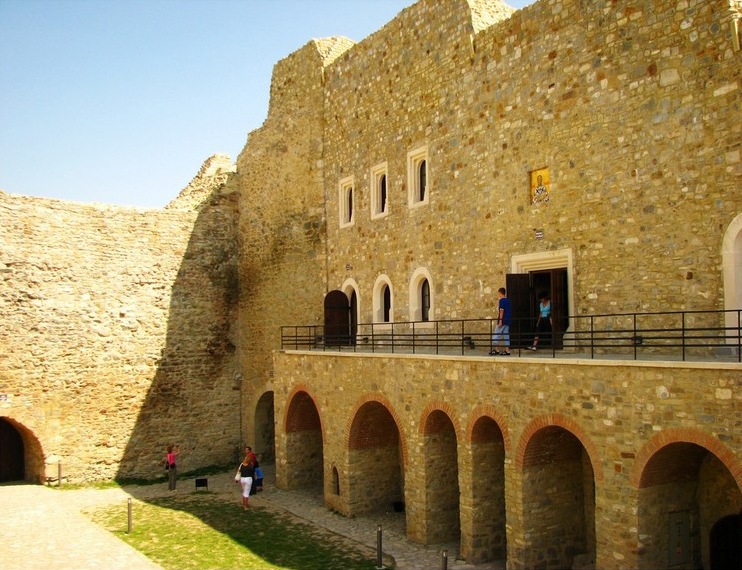
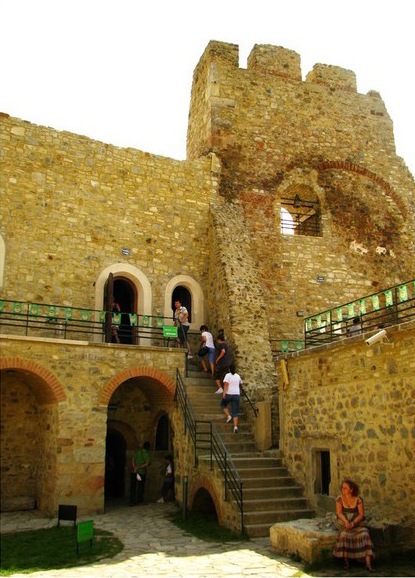
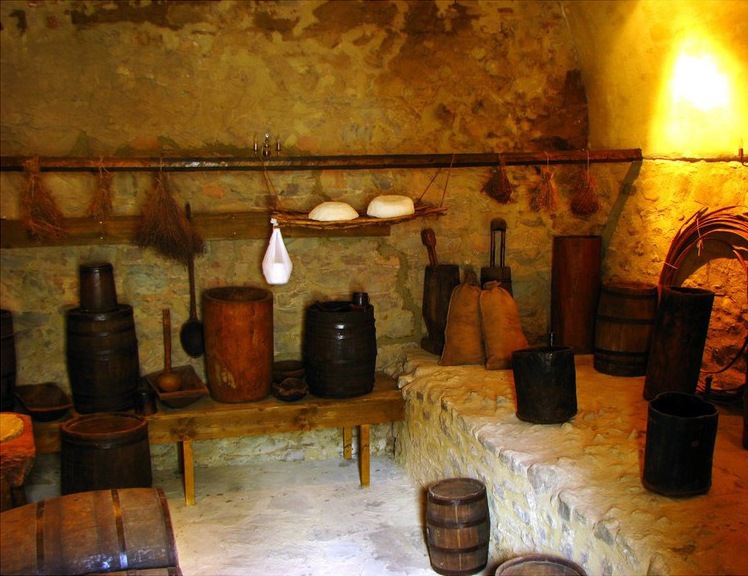
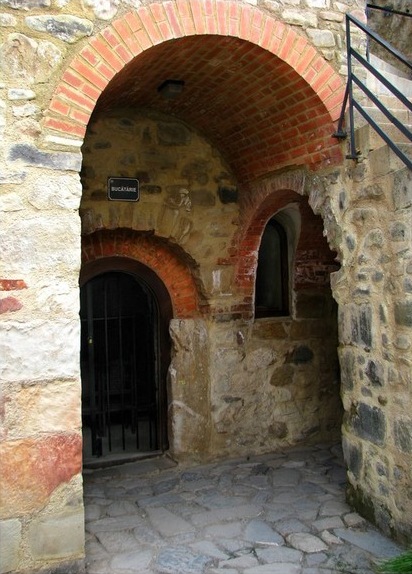
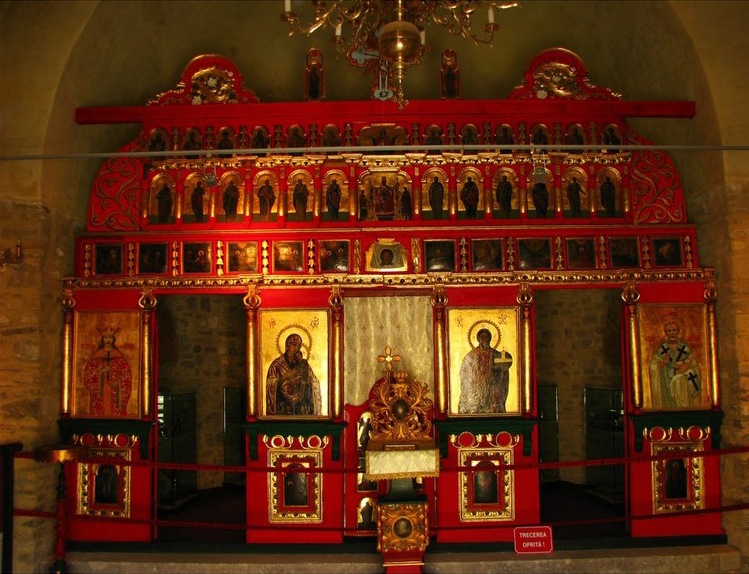
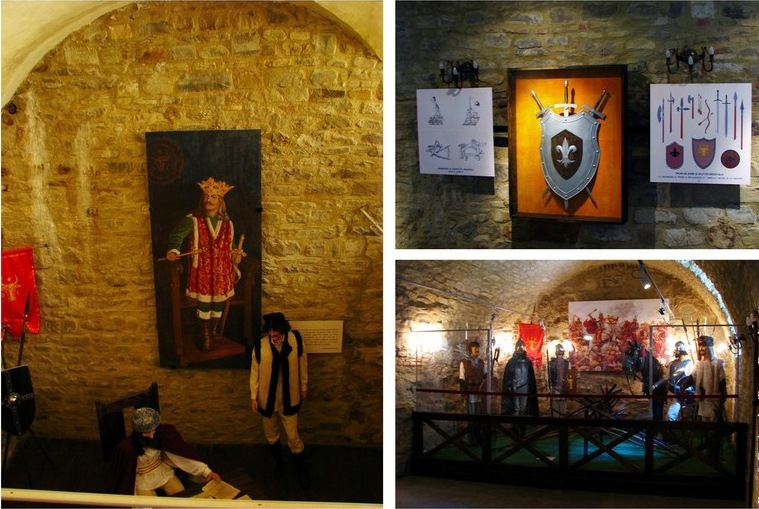
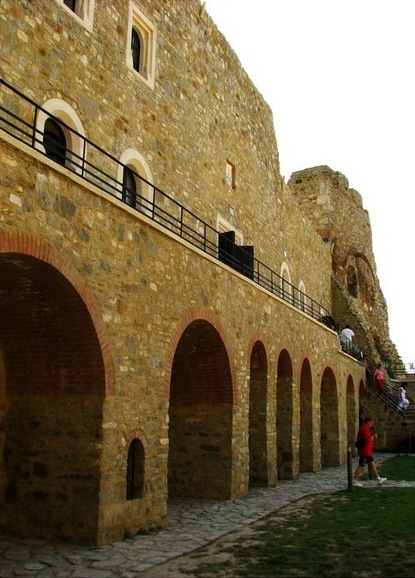
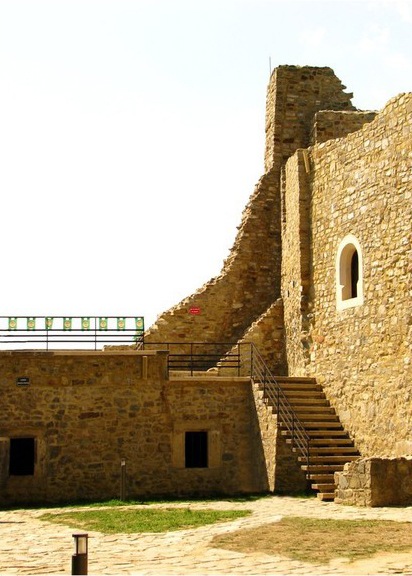
Click here to see all photo albums
The glorious era of the medieval fortress at Neamț corresponds to the reign of Stephen the Great (1457-1504), an exceptional organiser and military leader who, fully understanding the role of fortifications in enhancing the country’s defensive capabilities, reinforced the fortresses inherited from his predecessors and built new ones, with the whole of Moldavia being guarded by a strong defensive system.
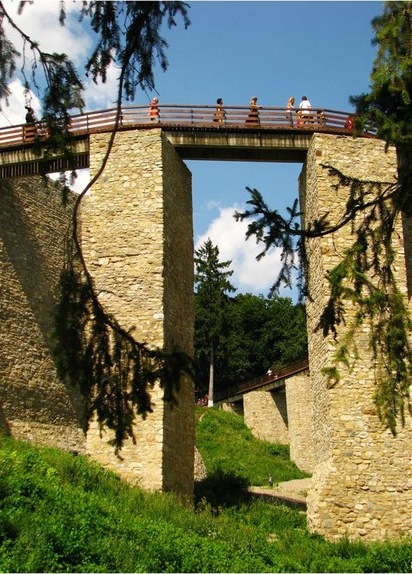
The works undertaken in his time consisted of raising the old walls of the fortress, building the four bastions of the outer courtyard and constructing the arch-shaped bridge supported on 11 stone pillars. Strengthened thus, in 1476 the fortress Neamț withstood the siege imposed by Mohamed II after the battle of Valea Albă-Razboieni.
As Turkish domination tightened and advances were made in military technology, the role of Moldavian fortresses declined from the second half of the 16th century. After the partial destruction of some interior structures during the reign of Alexandru Lăpușneanu (1564) and the restorations ordered by Ieremia Movilă, in 1600 Neamț Citadel opened its gates to the armies of the man who achieved the first political union of all Romanians: Mihai Viteazul.
Converted into a monastery by Vasile Lupu (1646) and then partially destroyed by Dumitrașcu Cantacuzino in 1675, Neamț Citadel would again have the strength to write a new page of heroism in 1691, when, defended by a small group of frontier guards, it resisted the siege of the Polish army led by King Ioan Sobietski. After the destruction ordered by Mihai Racoviță in 1717, Neamț Citadel lost its military importance completely.”
From 1718, Neamț Citadel, a historically significant monument for the town of Targu Neamț and Neamț County, lay in ruins and suffered damage from the passage of time and from locals who used stone from the citadel in construction. The removal of stone from the citadel was prohibited in 1834 by the Department of Internal Affairs of Moldavia. In 1866 it was declared a historic monument, and work to consolidate the walls began only between 1968 and 1972, under the direction of architect Stefan Balș. Due to a lack of precise information, only a few terraces needed to allow visitors to explore the site comfortably were built, focusing solely on preserving and maintaining the monument without reconstructing the missing parts.
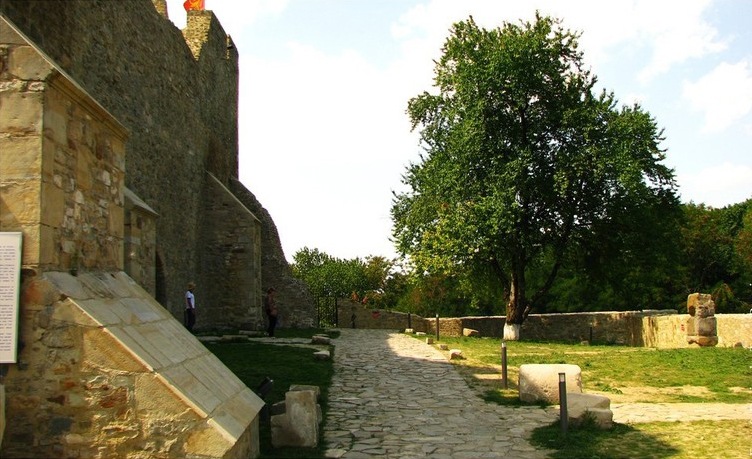
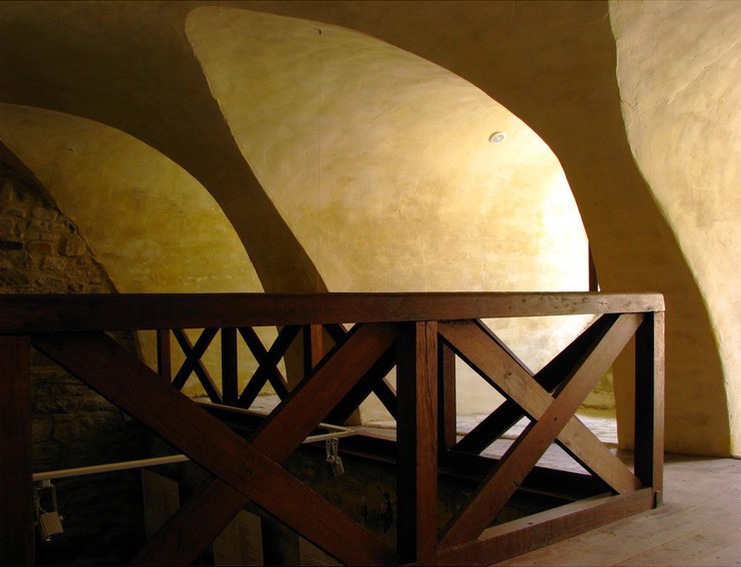
Restoration of the citadel continued after 1992 as part of UNESCO’s programme for the restoration and renovation of historic monuments, during which work on the citadel and its walls was carried on. Between 2007 and 2009 Neamț Citadel was closed for rehabilitation and restructuring works funded by European funds. After two years of hard work, the old citadel rose from its own ashes, allowing visitors to admire the various halls of the citadel, the old chapel, the kitchen, the mint and the bedrooms. Thus we have a remarkable historic site, located in the town of Târgu Neamț: the medieval citadel of Neamț or Neamț Citadel, as locals call it.
More on the same topic
A Thousand and one stories in Neamt
Dear Traveller, wherever you come from, we invite you to discover the blessed lands of Neamț, a sacred realm once inhabited by the ancient Dacians, rich in legends and myths, with a history and roots…

A quarter of a century of medieval events in Neamț
The Zilele Cetății Neamț Medieval Festival marks a quarter of a century. Now in its 25th edition, this year's event will open its doors from 10–12 July to a world of stories and pages of history from the time of Stephen the Great, Prince of Moldavia.
South-eastern Europe’s most important collection of Eneolithic art – a finalist in Destinația Anului 2026
The development of human communities in Neamț County, dating back to the Upper Palaeolithic, contributed to the emergence of Europe’s most remarkable and most extensively studied prehistoric…