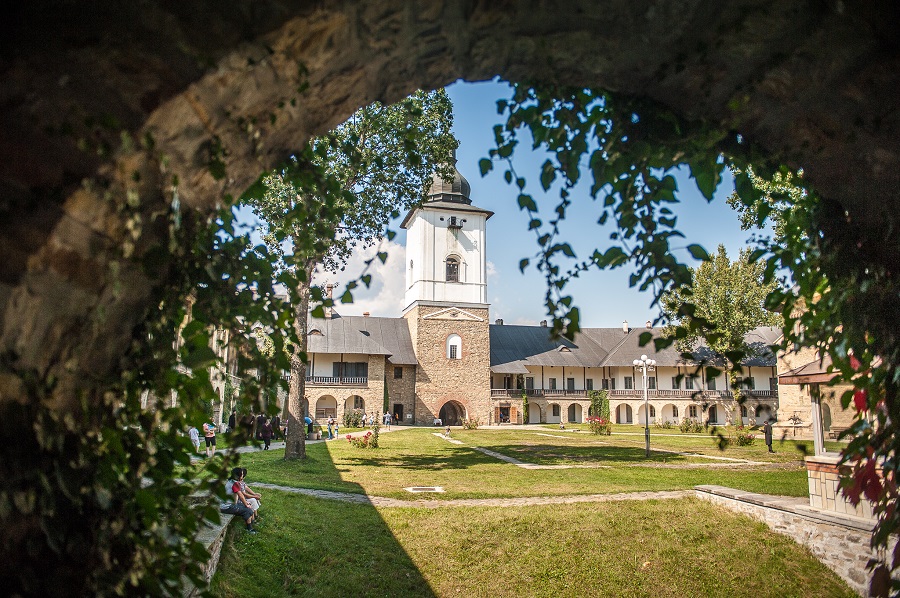
Neamț Monastery – “The Jerusalem of Romanian Orthodoxy”
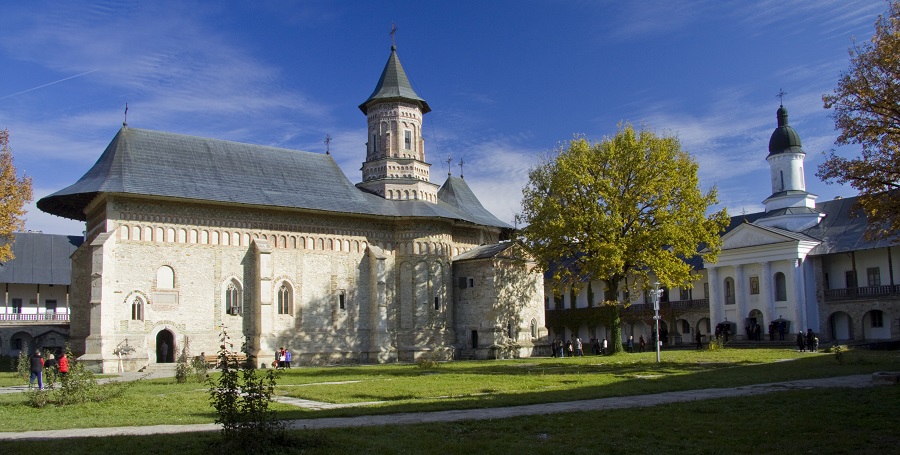
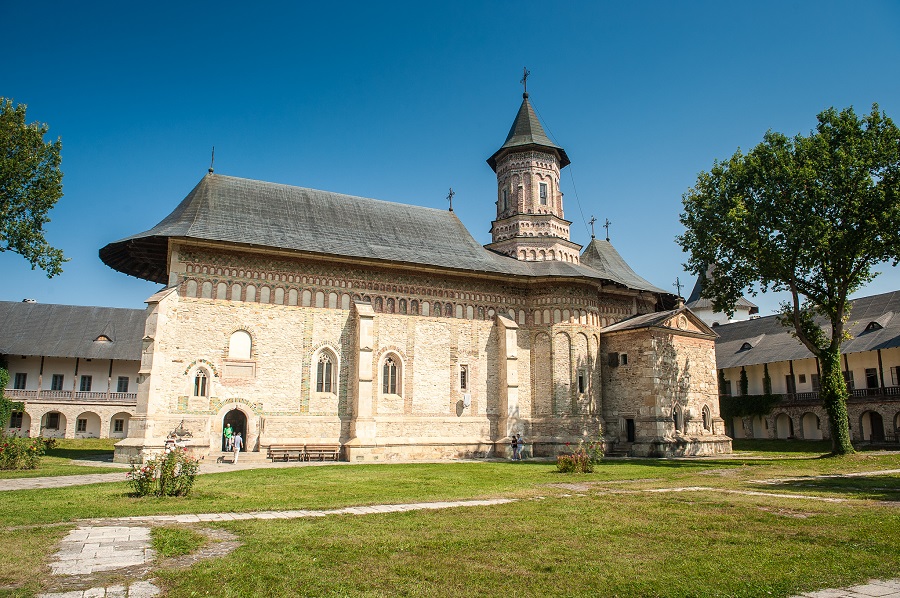
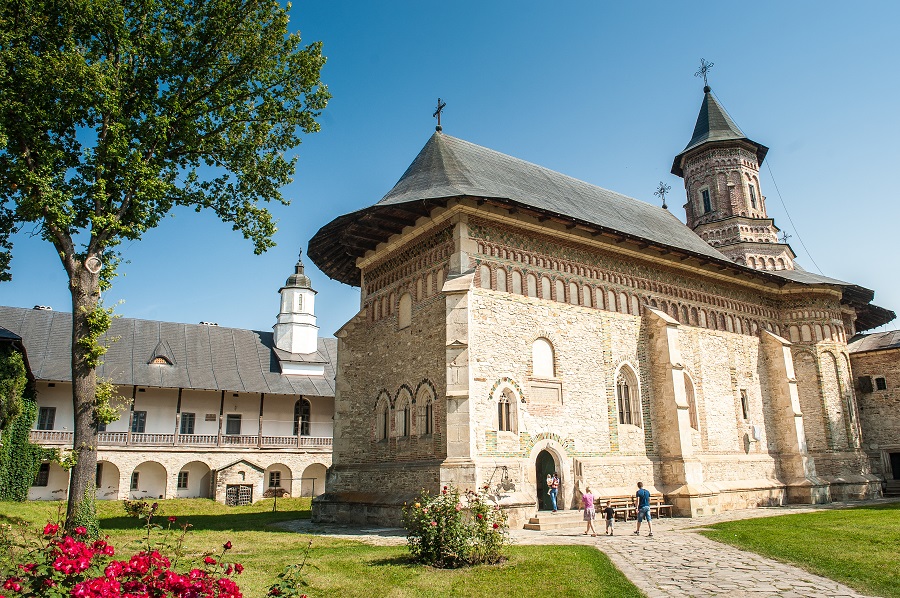
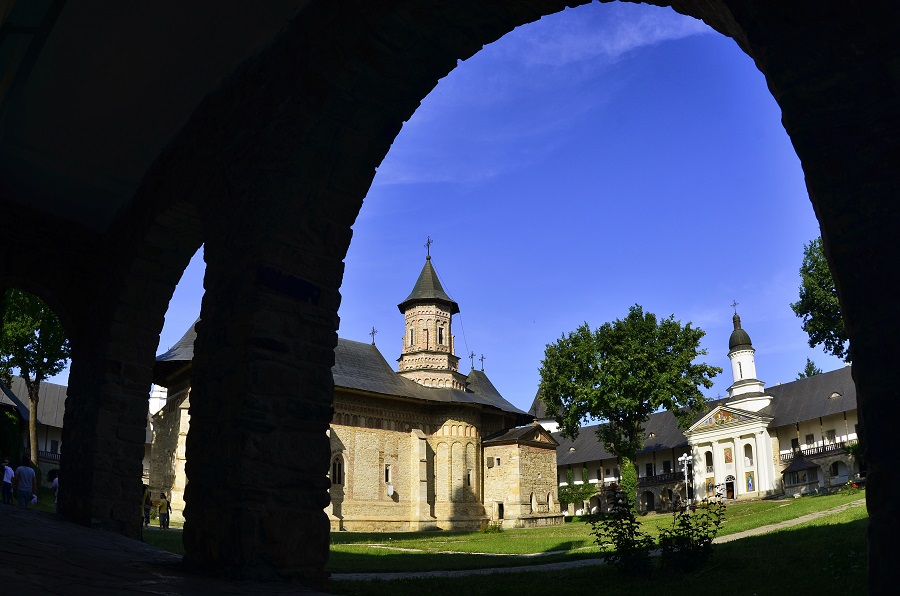
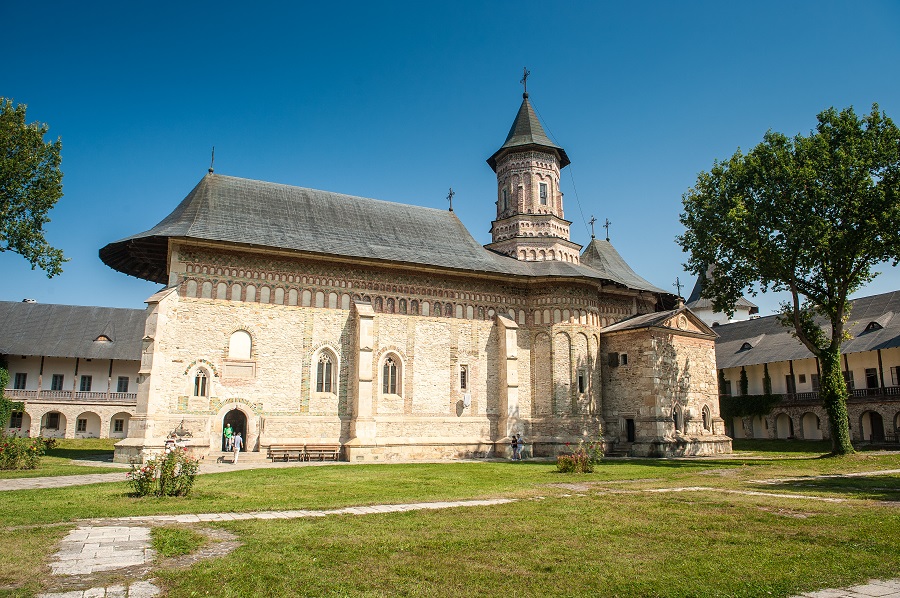
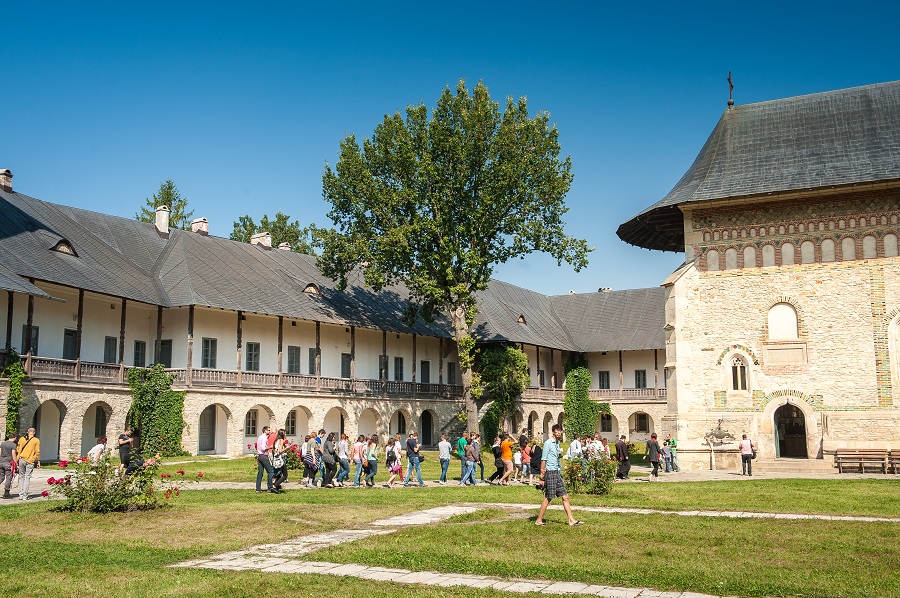
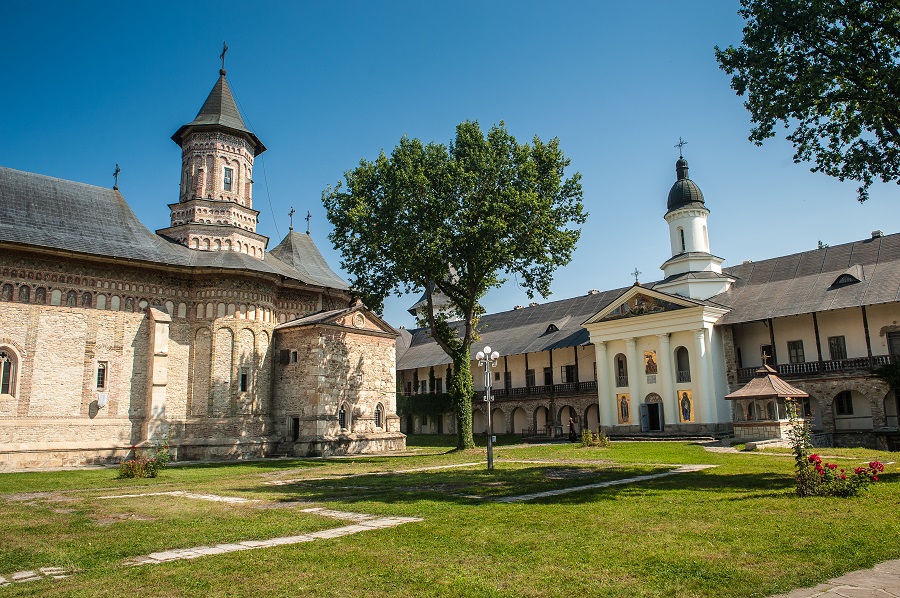
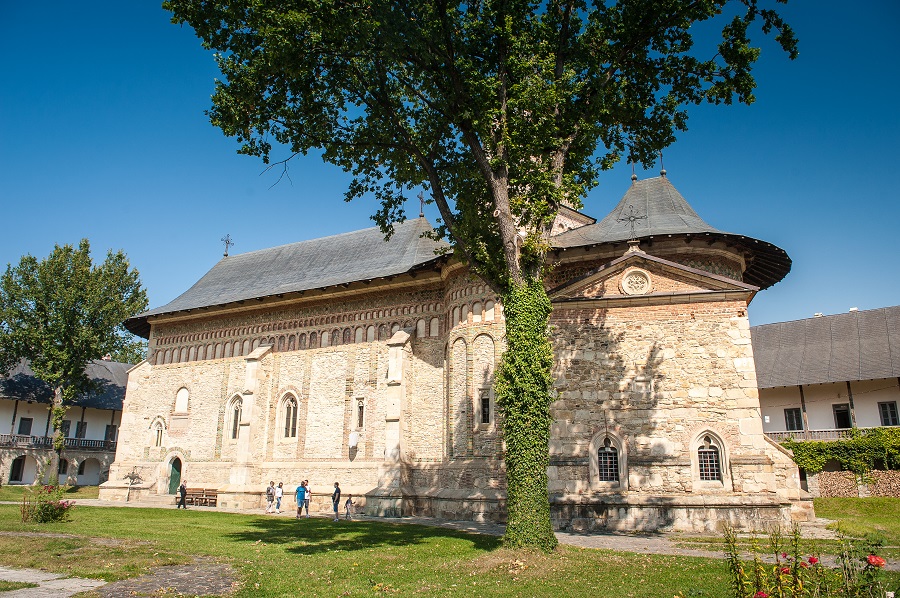
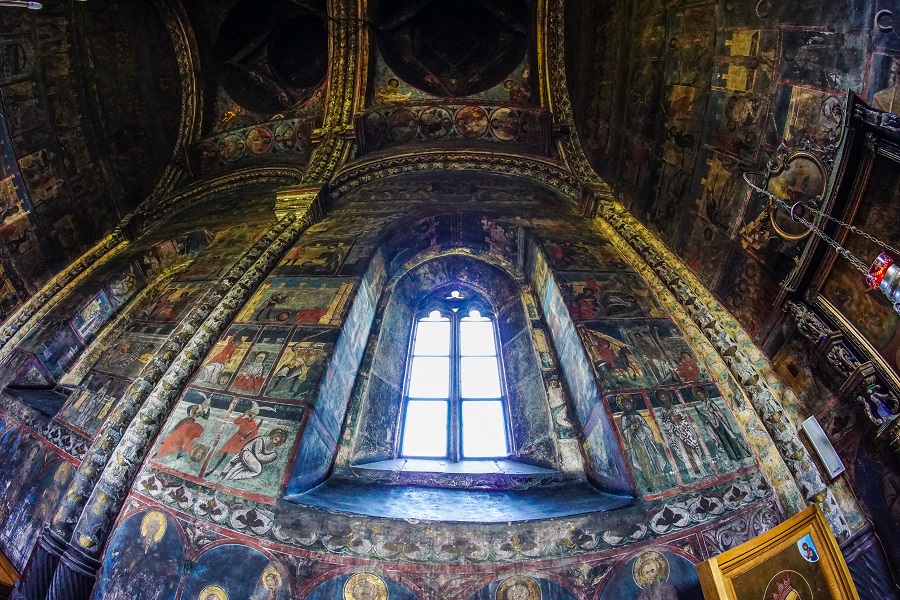
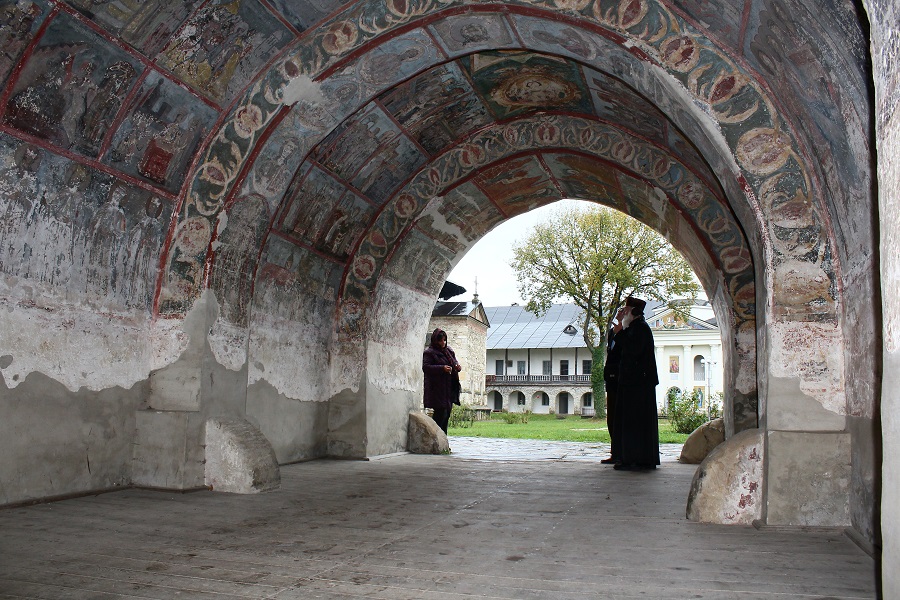
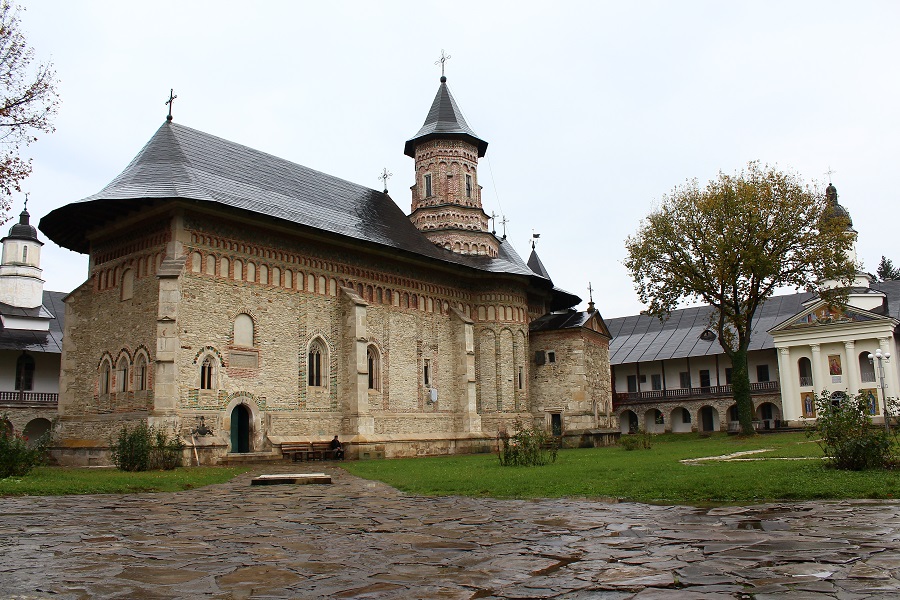
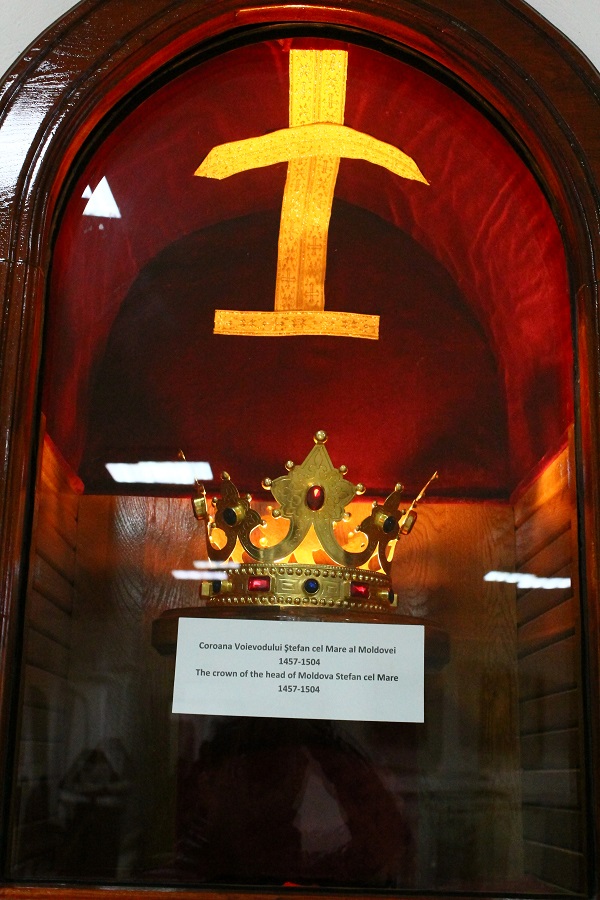
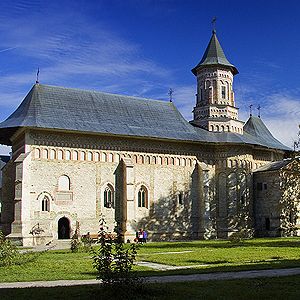
The first documentary attestation of the monastery dates from 1210. According to the documents, Petru Mușat erected a stone church on the site of an old wooden church in 1375, which was destroyed in the earthquake of 1471. Between 1486 and 1497, Ștefan cel Mare, considering it impossible to rebuild the old church, built a new church dedicated to the Ascension of the Lord, a truly unique architectural work of exceptional elegance and beauty. The altar apse and the nave were painted during the last years of Ștefan cel Mare’s reign, and the narthex and enclosed porch during the reign of Petru Rareș. The layers of the old paintings in the altar apse and nave became visible after the restoration in 2000.
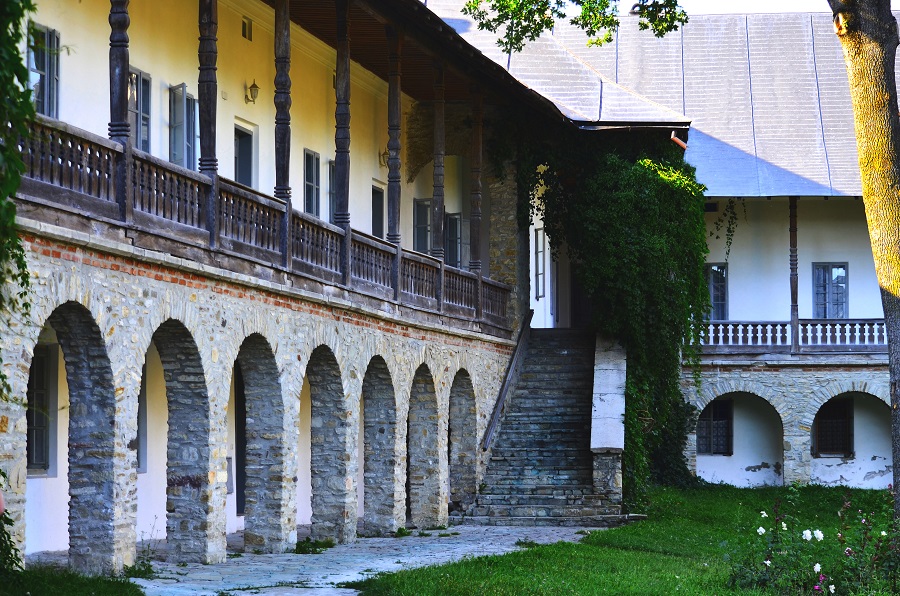
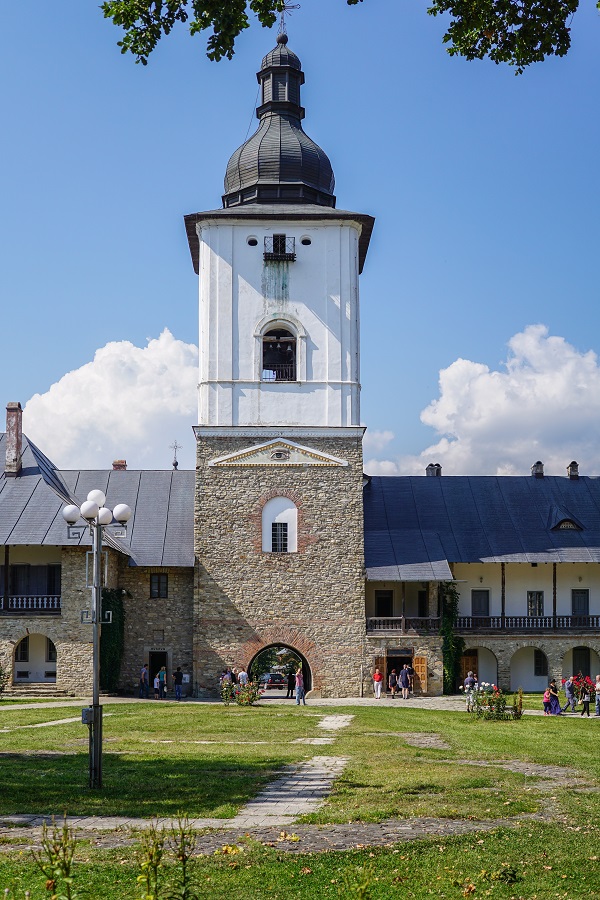
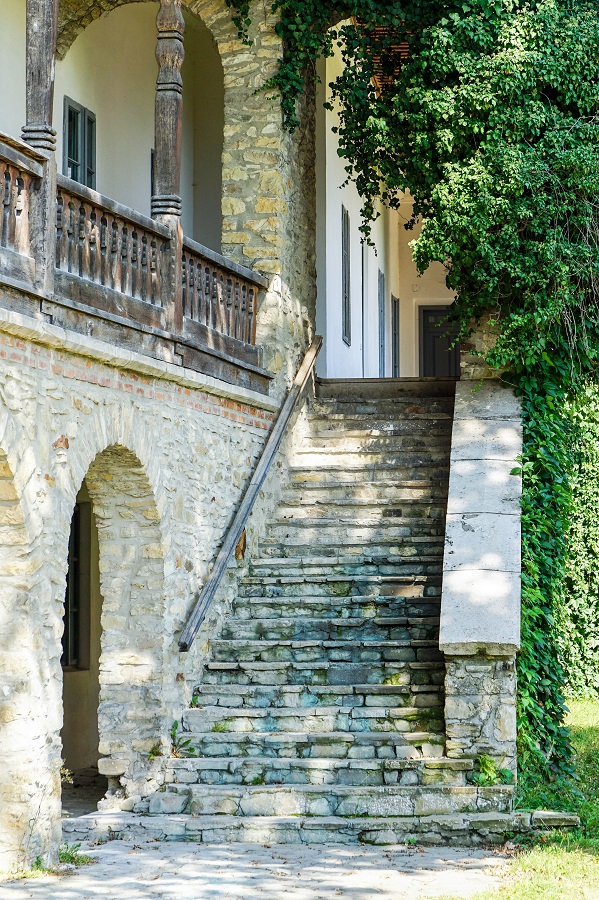
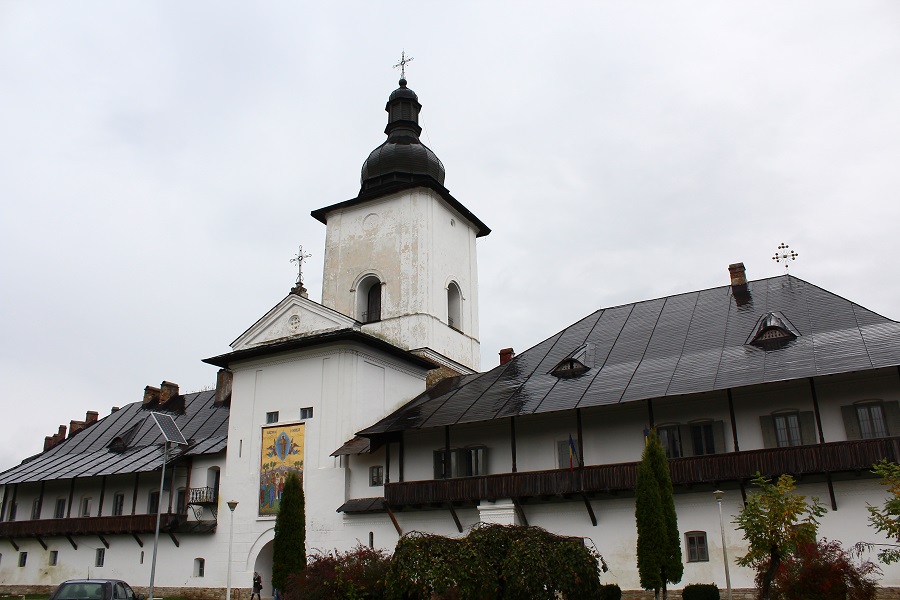
The church is also an important necropolis, where voivodes, dignitaries, as well as bishops and abbots (Pimen, Siluan and Silvestru, 14th century; Saint Paisie of Neamț) are buried. Within the monastery grounds there is also a bell tower (erected by Alexandru cel Bun at the beginning of the 15th century). Metropolitan Venianim Costache completed the work on the bell tower, installing the bells in the upper chamber of the tower and creating the Annunciation Chapel in the chamber where the bells had originally been located. Metropolitan Venianim Costache also completed the work on the monastic cells within the monastery grounds, and in the northern part he established the Dormition of the Mother of God Chapel.
Between 1820 and 1830, the church dedicated to St George was erected; following restoration works (1956–1960), it was demolished and rebuilt on the eastern side, between the monastic cells. The infirmary and the Chapel of St John the New of Suceava were built between 1843 and 1846.
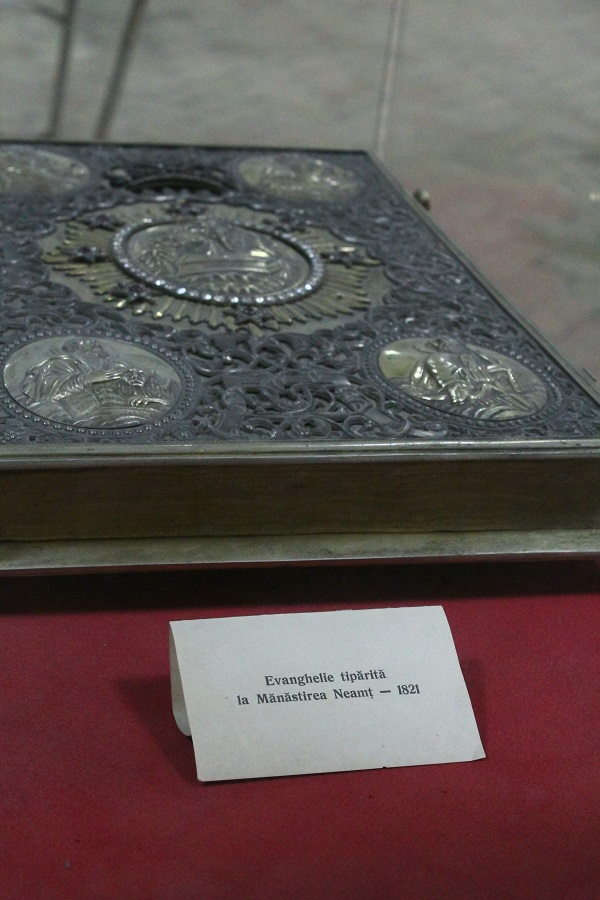
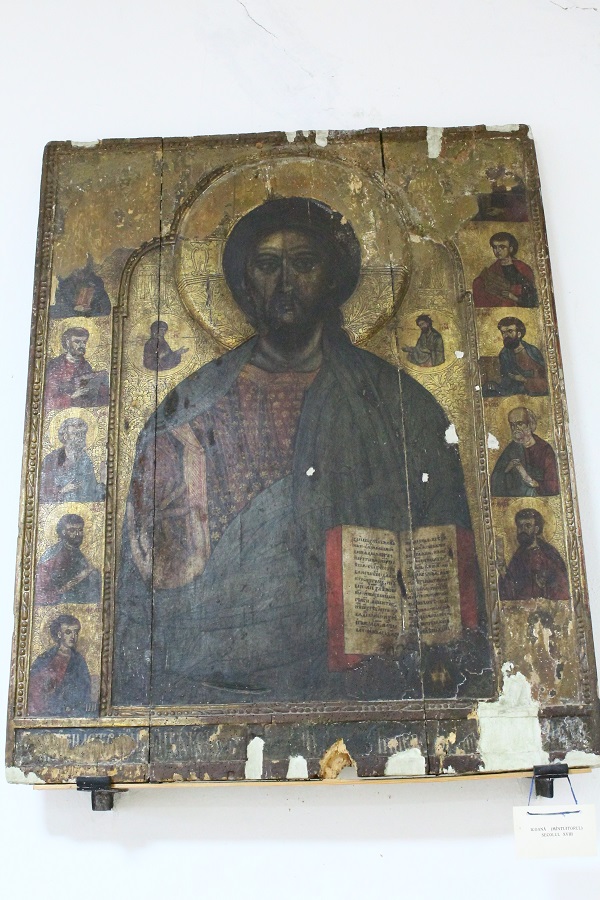
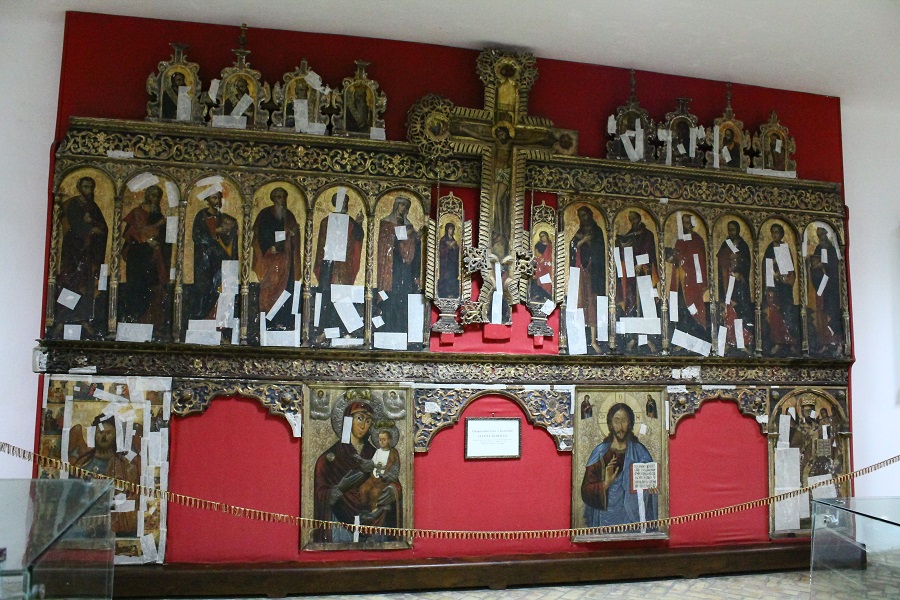
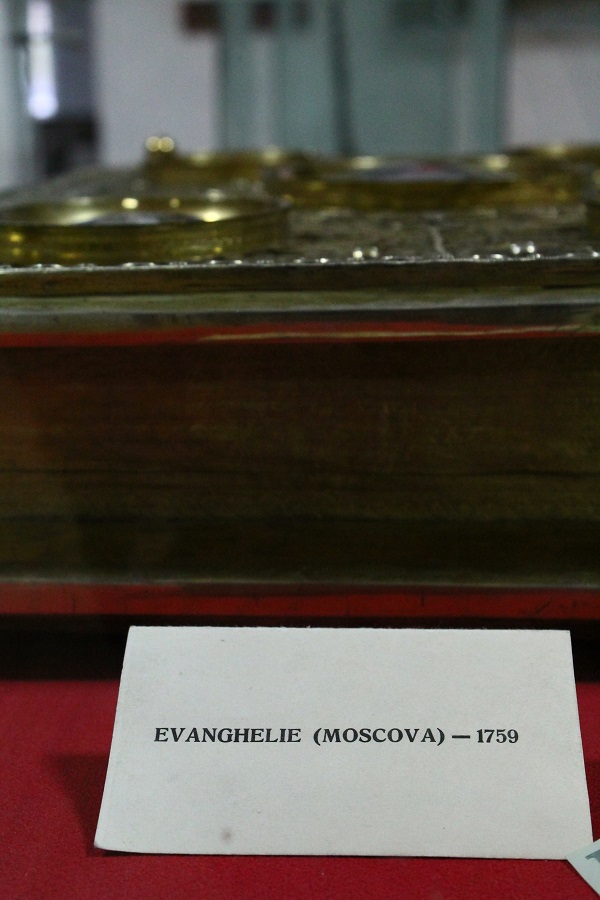
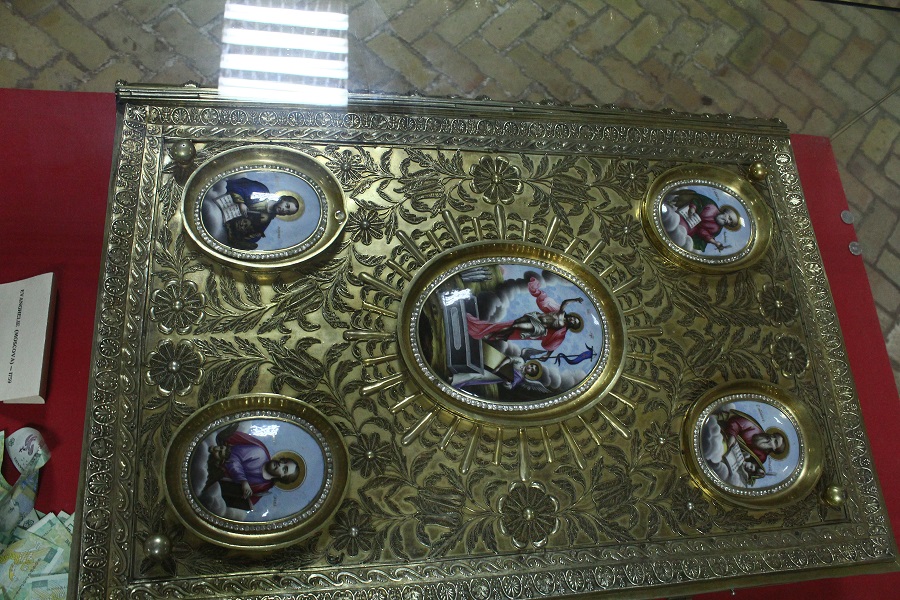
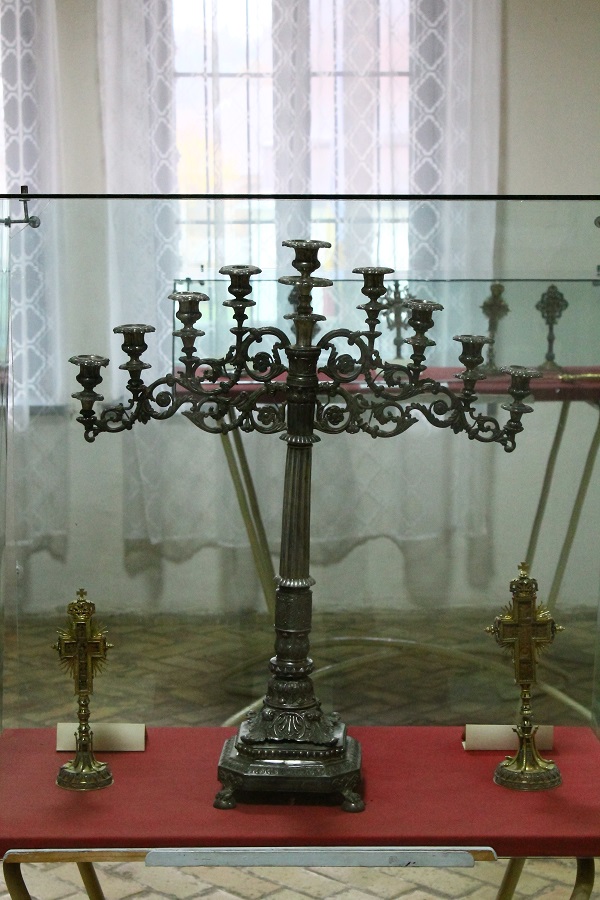
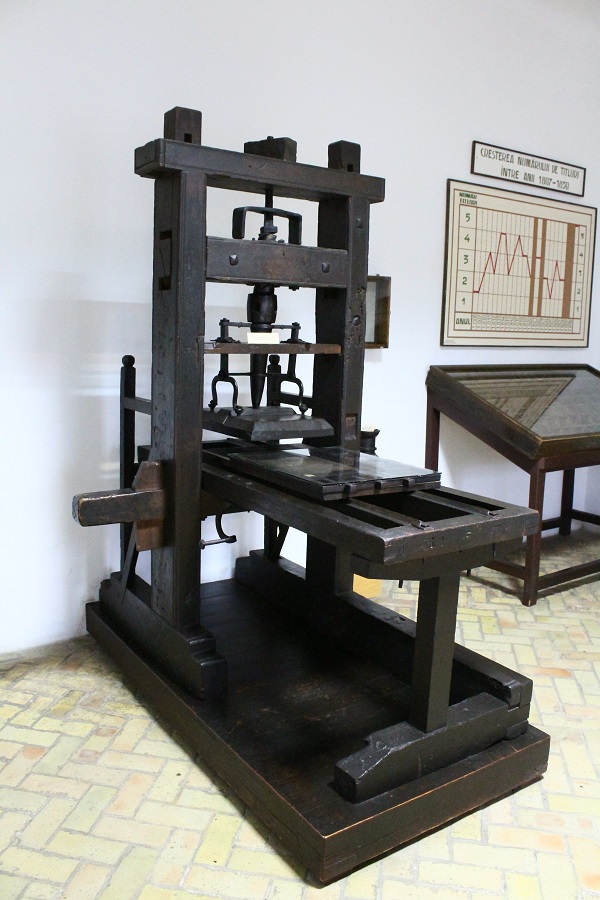
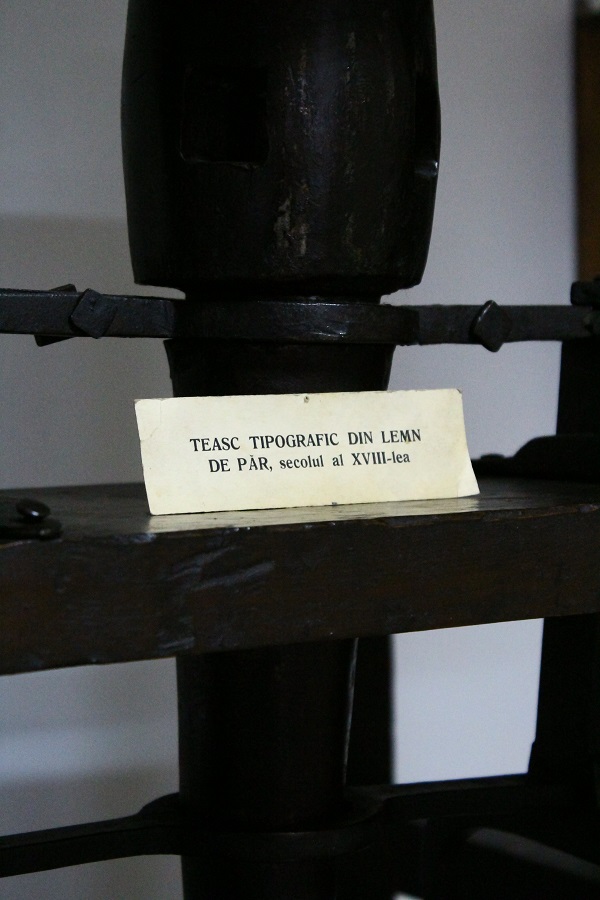
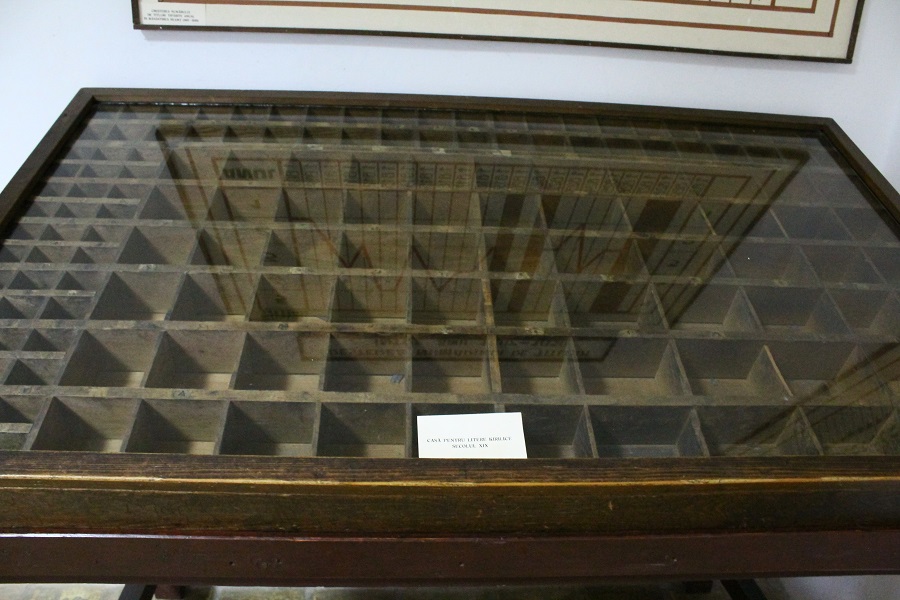
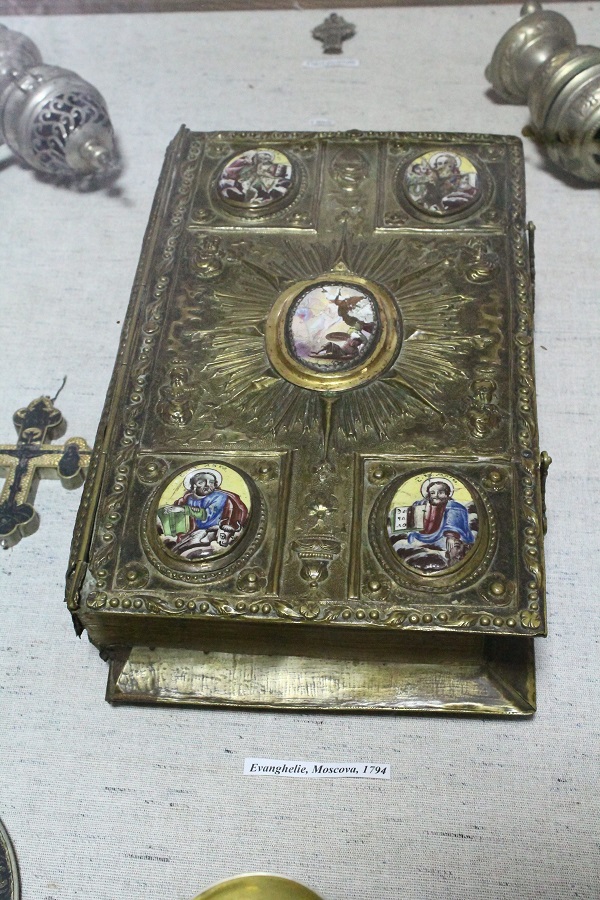
The monastery reached its greatest flourishing in the 18th century, when Saint Paisie Velicikovski settled at Neamț with 60 disciples and undertook extensive scholarly work, translating Filocalia into Slavonic (printed in Moscow in 1793). The more than a thousand monks who gathered around the abbot from all Orthodox countries would spread the fame of Neamț Monastery to the furthest corners of Russia, Bulgaria and Serbia, and to the Holy Mountain. In 1794, the great restorer of the Philokalic hesychast tradition at Neamț passed away and was buried in the church. The monastery housed a school of calligraphers, copyists and miniaturists, a school of sculptors and engravers, a printing press (established by Venianim Costache in 1807 and still operating today) and a library holding over 15,000 volumes and over 500 manuscripts (the oldest dating from the 17th–18th centuries), of great importance to Romanian culture. The monastery museum, dating from 1916, preserves the iconostasis from Neamț Citadel Chapel, an epitaphios from 1821, carved wooden crosses, several icons painted by Nicolae Grigorescu, various liturgical objects and vestments.
The oldest manuscript preserved at Neamț Monastery is a book of the four Gospels written on parchment at the end of the 14th century. Many others, copied and illuminated at Neamț, are held in the Romanian Academy Library or in other libraries and museums in Romania and abroad. The renowned Epitaf, created in 1437 by Abbot Silvan, is held in the Museum of Art of Romania, while the book of the four Gospels written by Gavriil Uric in 1429 travelled as far as the other side of the English Channel, becoming one of the landmark items in the Bodleian Library in Oxford.
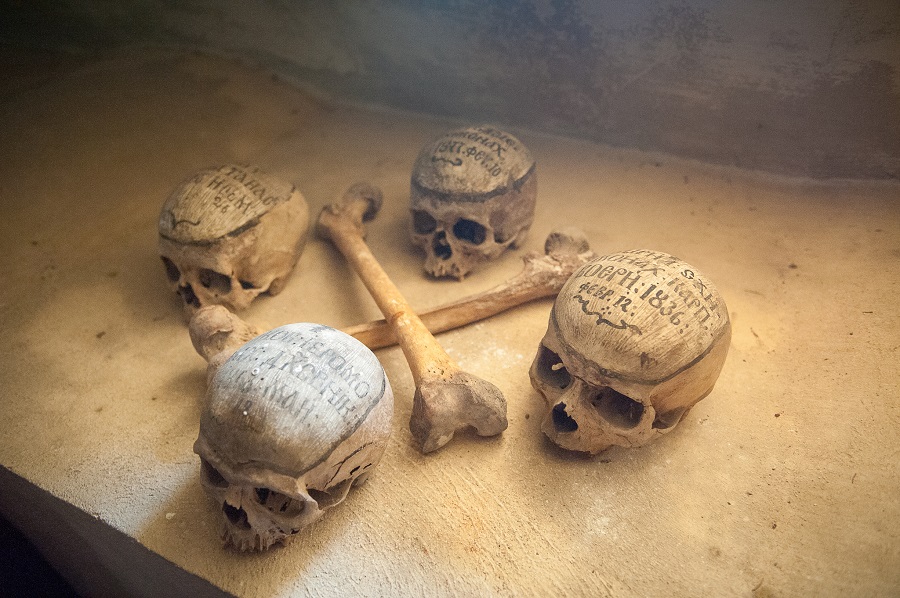
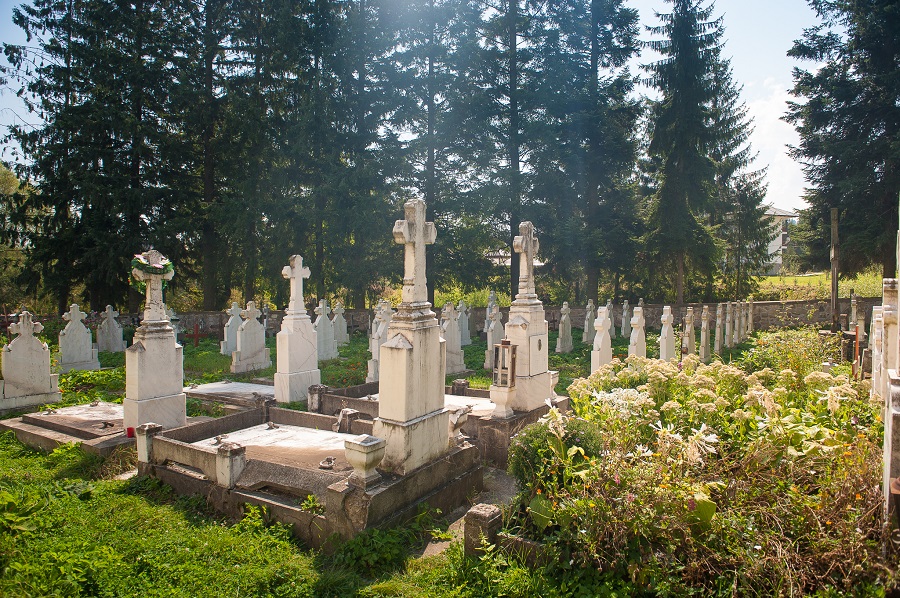
Within the cemetery grounds stands the Church of St. John the Theologian (19th century), and in its basement there is a crypt that holds the remains of the monks who lived here. Next to the monastery a theological seminary operates.
At Neamț Monastery, the relics of the “Unknown Saint of Neamț”, the head of St. Simeon “from the Wonderful Mountain”, and the icon of the Mother of God with Child from Neamț (7th century) are also kept and venerated. In the early 20th century, St Ioan Iacob Hozevitul came to Neamț; his intact holy relics are kept at the Monastery of St George in the Hozeva wilderness.
In March 1855, Prince Grigore Ghica signed the “charter” establishing a Seminary at Neamț Monastery, an institution of recognised prestige, which made a remarkable contribution to the thorough training of so many generations of scholars and priests.
Photo gallery:
Video:
More on the same topic
A Thousand and one stories in Neamt
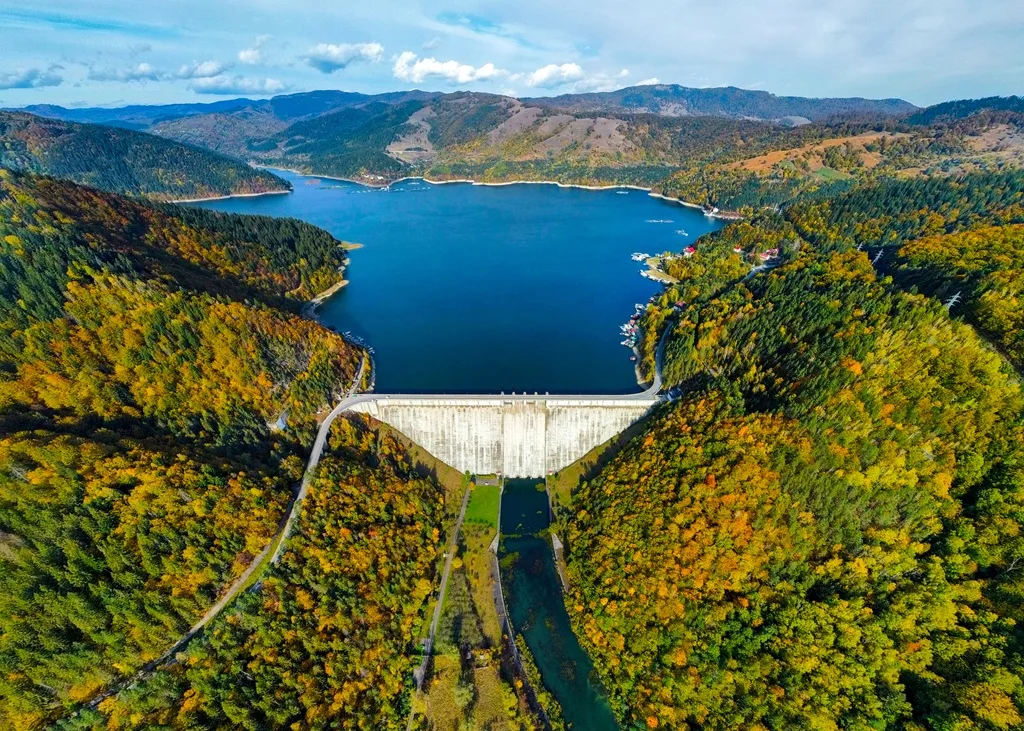
Dear Traveller, wherever you come from, we invite you to discover the blessed lands of Neamț, a sacred realm once inhabited by the ancient Dacians, rich in legends and myths, with a history and roots…
The Beloved Mountain, Explored in Every Season
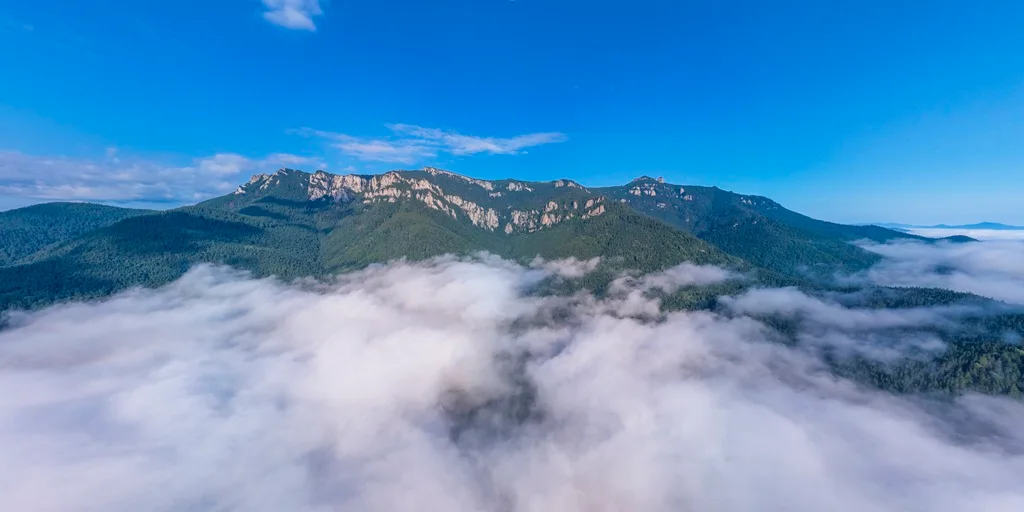
No matter which season you choose to visit, the Ceahlău Massif offers a vibrant spectacle of untamed nature, inviting you to discover its fascinating natural richness, history, stories, and the legends that surround the entire mountain.

Days Dedicated to the Via Mariae Pilgrimage
A walking pilgrimage from Văratec Monastery to Voroneț Monastery in honour of the Holy Virgin Mary was organised recently, from 31 August to 3 September, by the Neamț and Suceava County Councils…