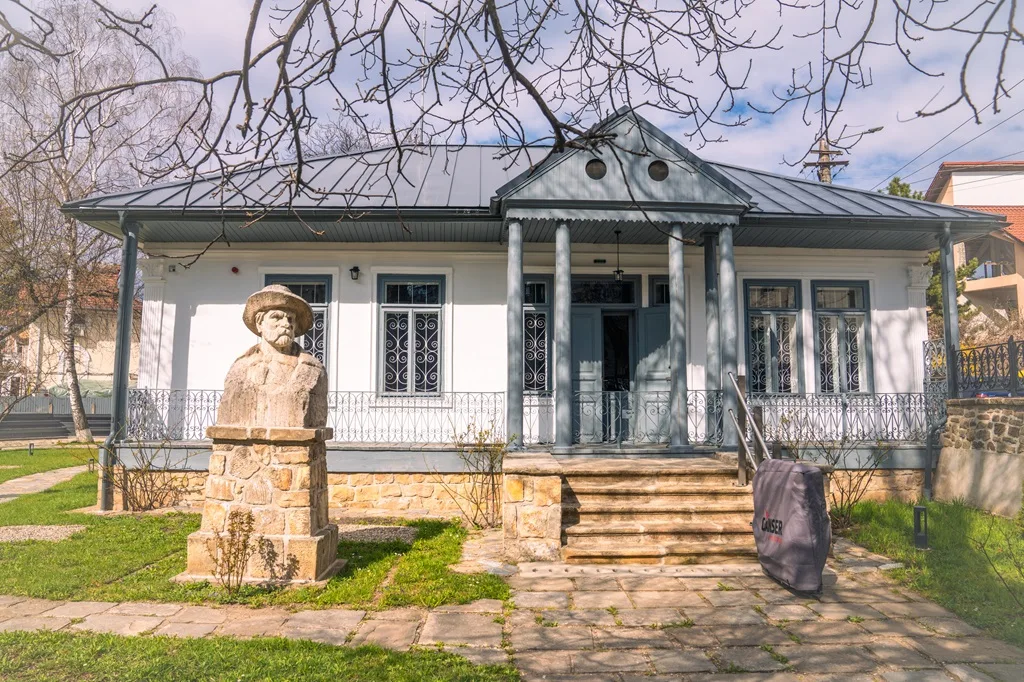
In the footsteps of Calistrat Hogaș, “a miraculous prose writer”
The most important exponent of travel literature in our country, Calistrat Hogaș, loved outings in nature which were also his main moments of literary inspiration.
The most important exponent of travel literature in our country, Calistrat Hogaș, loved outings in nature which were also his main moments of literary inspiration, leaving a remarkable legacy through his works such as “Pe drumuri de munte” in two volumes, the second, “În Munții Neamțului”, prefaced by Mihail Sadoveanu.
The way Calistrat Hogaș lived and his works, which abound in descriptions of the places in Neamț and the mountains he traversed with his horse “Pisicuța”, are a warm and direct invitation to walk the paths of Neamț to feel the joy of discovering amazingly beautiful landscapes at every step, as the writer knew how to convey all these feelings and emotions through his writings.
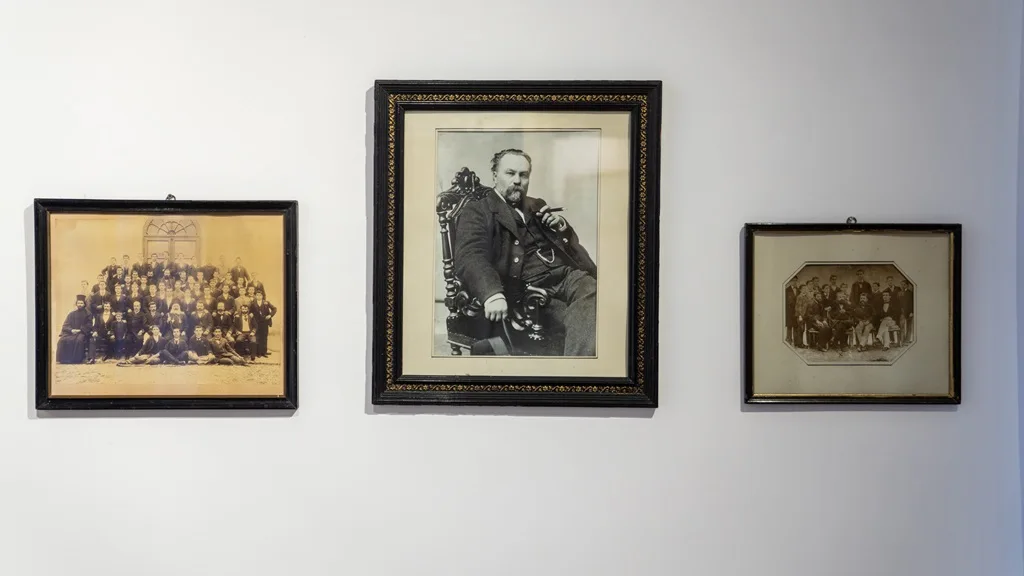
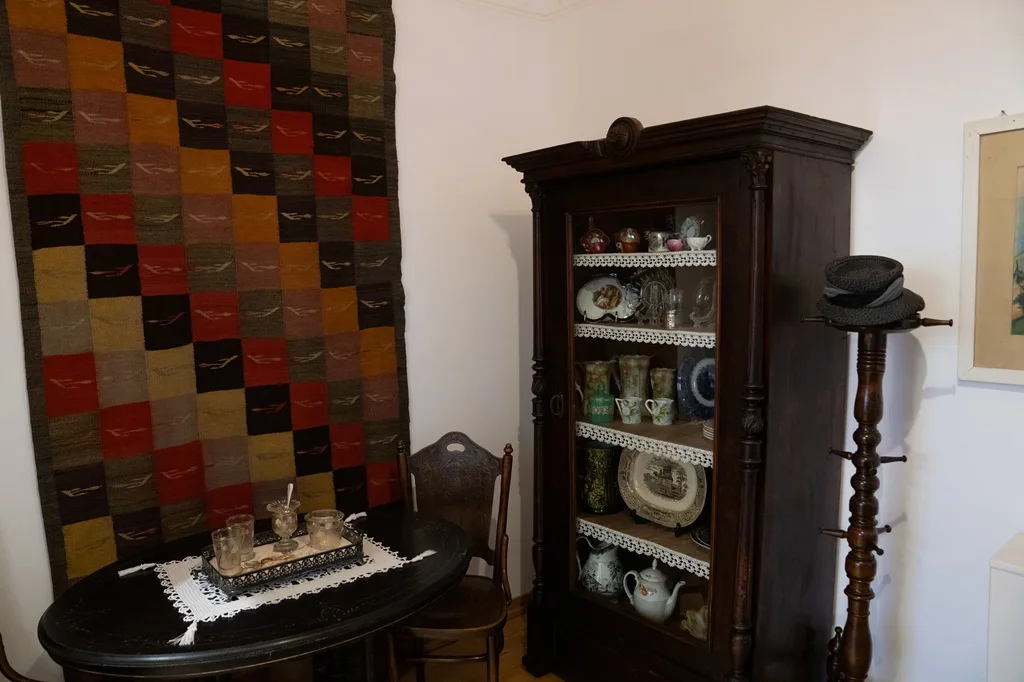
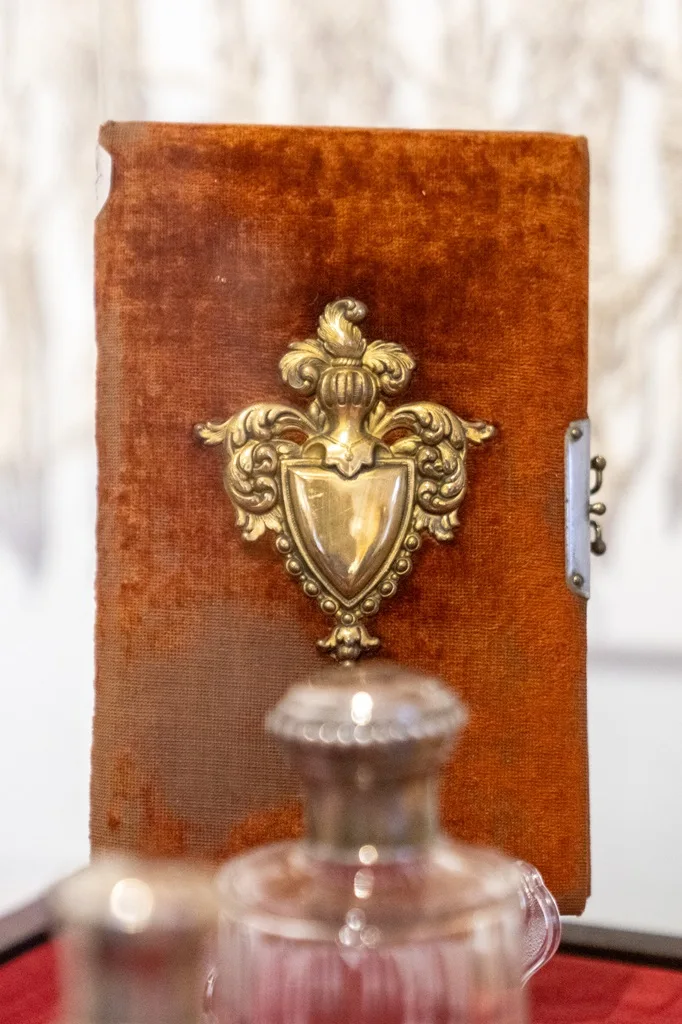
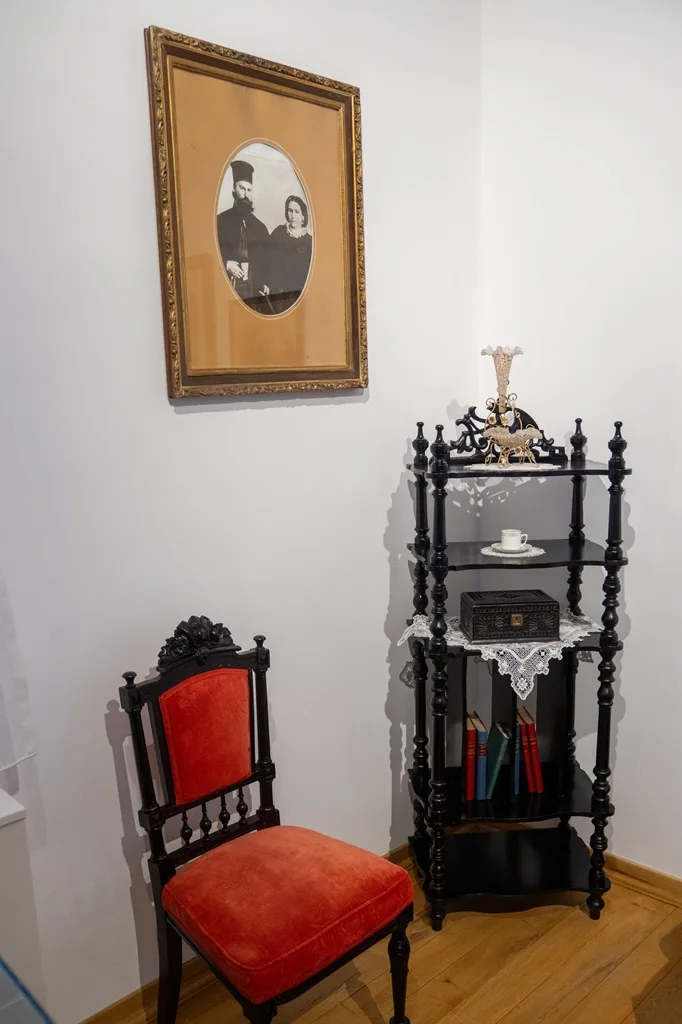
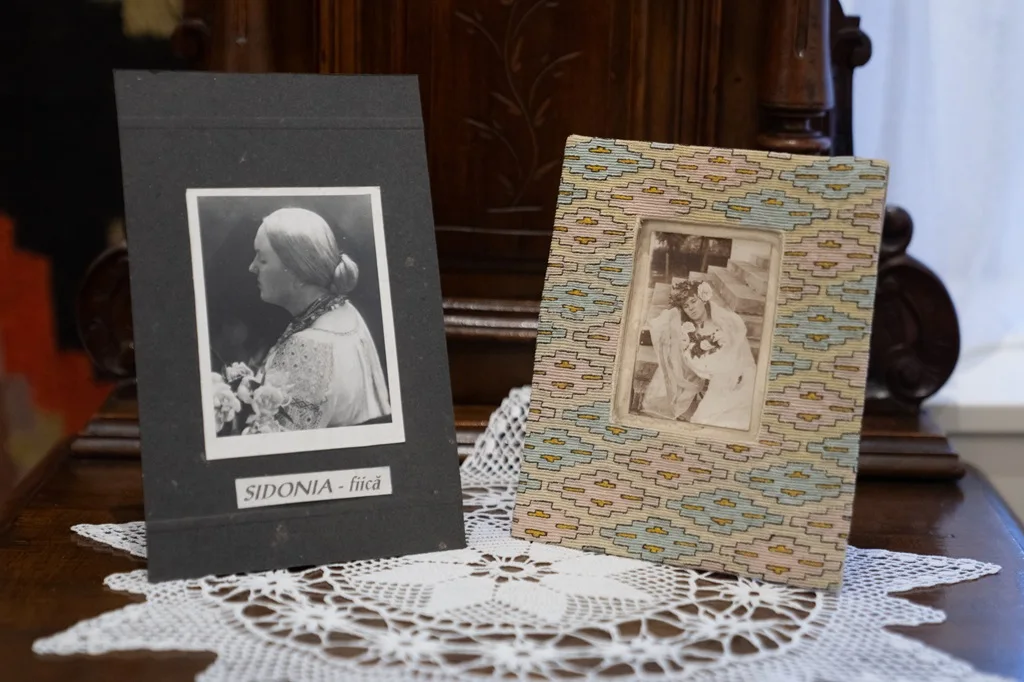
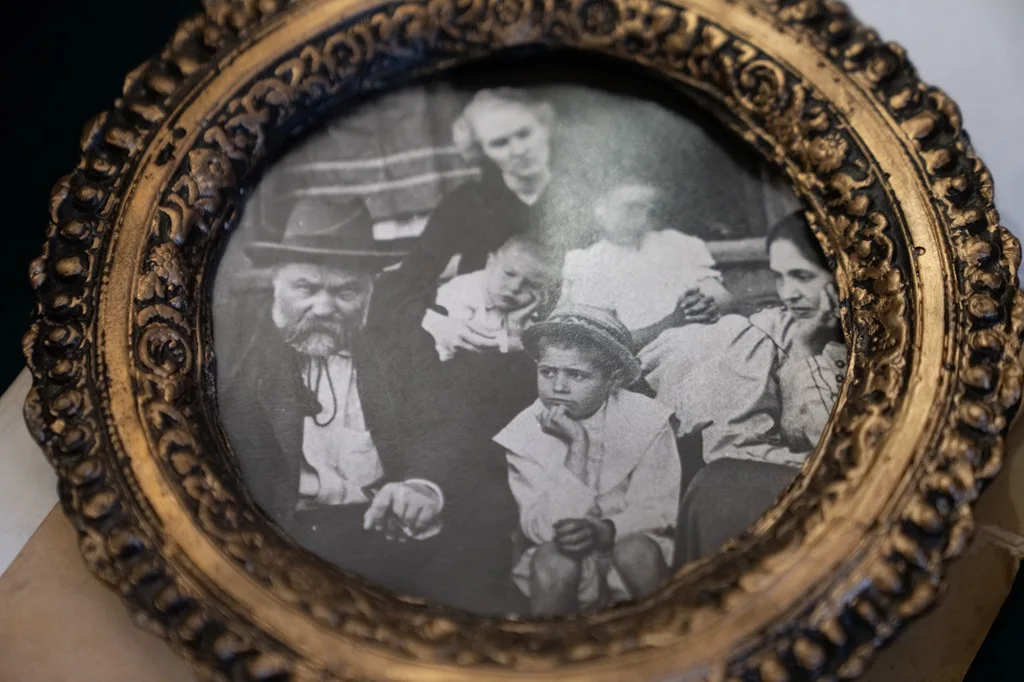
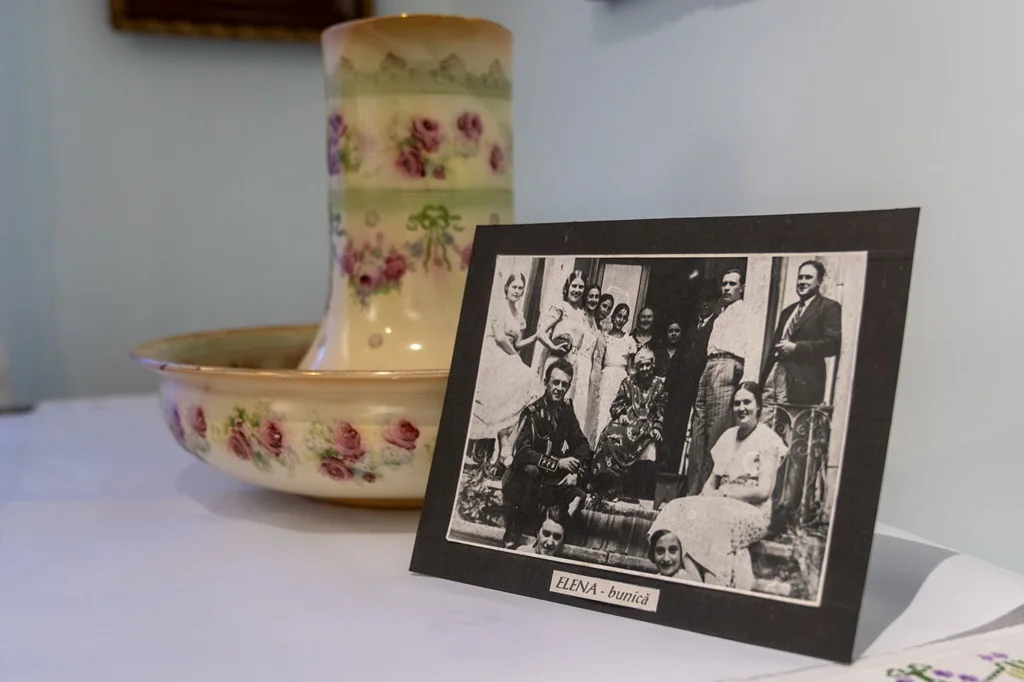
The authenticity and originality of the collection give the museum a special distinction even among other similar institutions in Romania; Sidonia Hogaș, the writer’s youngest daughter, offered for sale, in two instalments, over 300 memorial objects. Here visitors can admire the hat, compass, cloak, a mug with a moustache guard, period furniture, monumental-looking stoves, photographs and original paintings of the writer, some family members and his favourite animals, tapestries, rugs, the manuscripts of Calistrat Hogaș’s work, correspondence and other items that belonged to the writer.
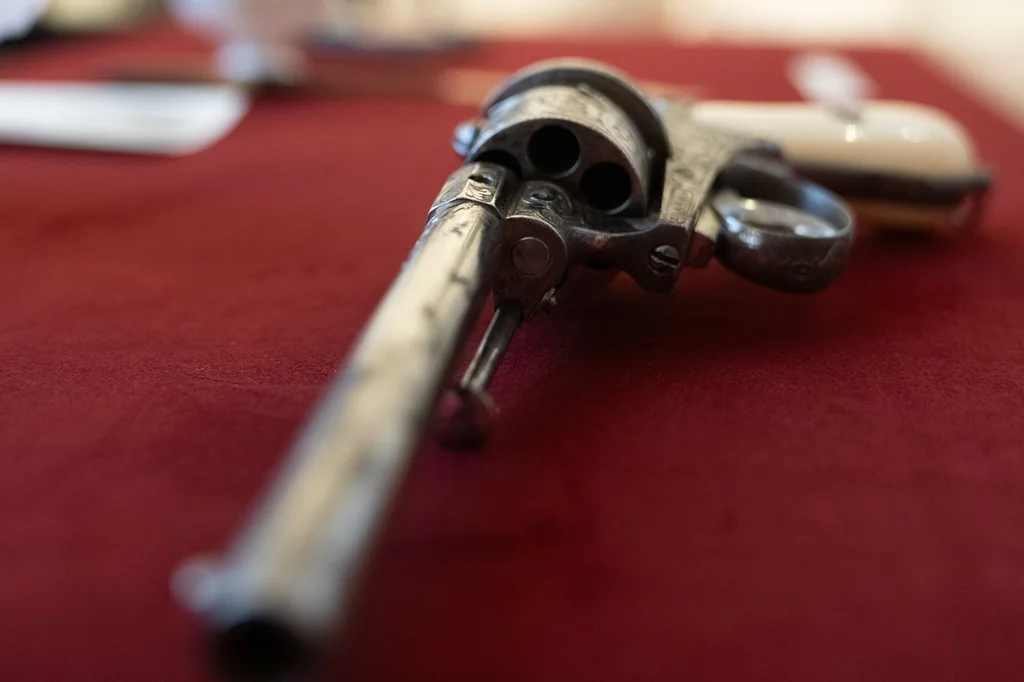
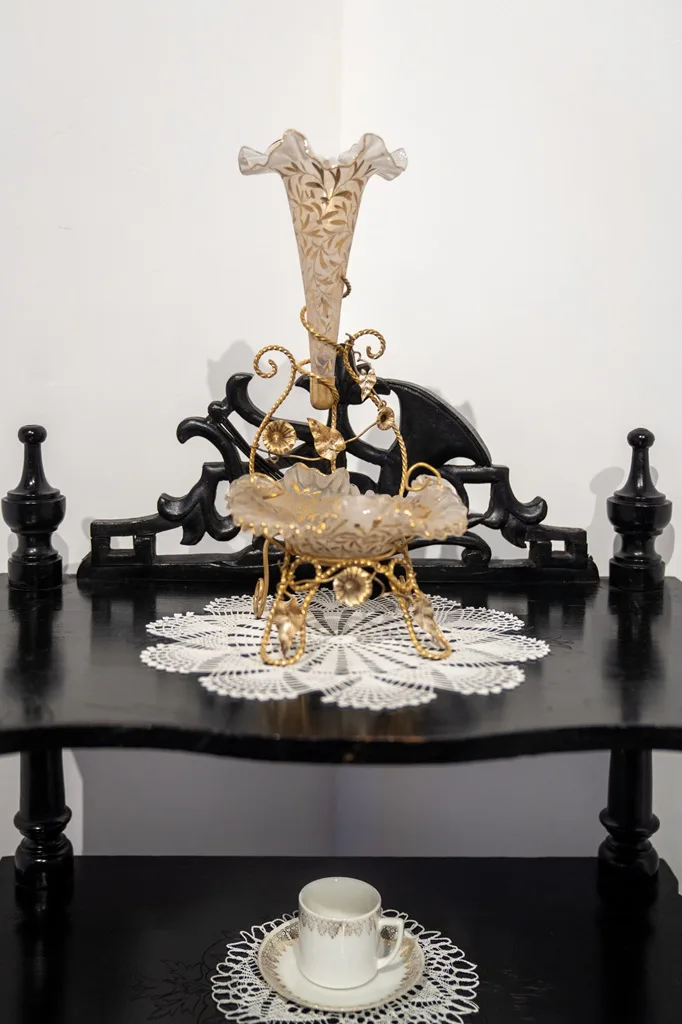
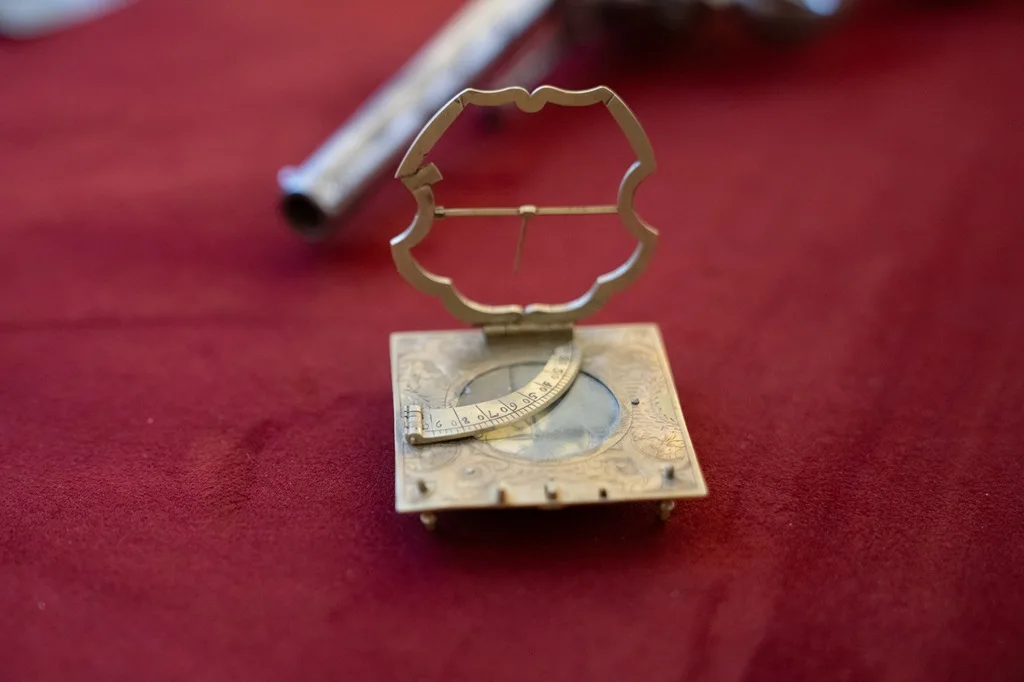
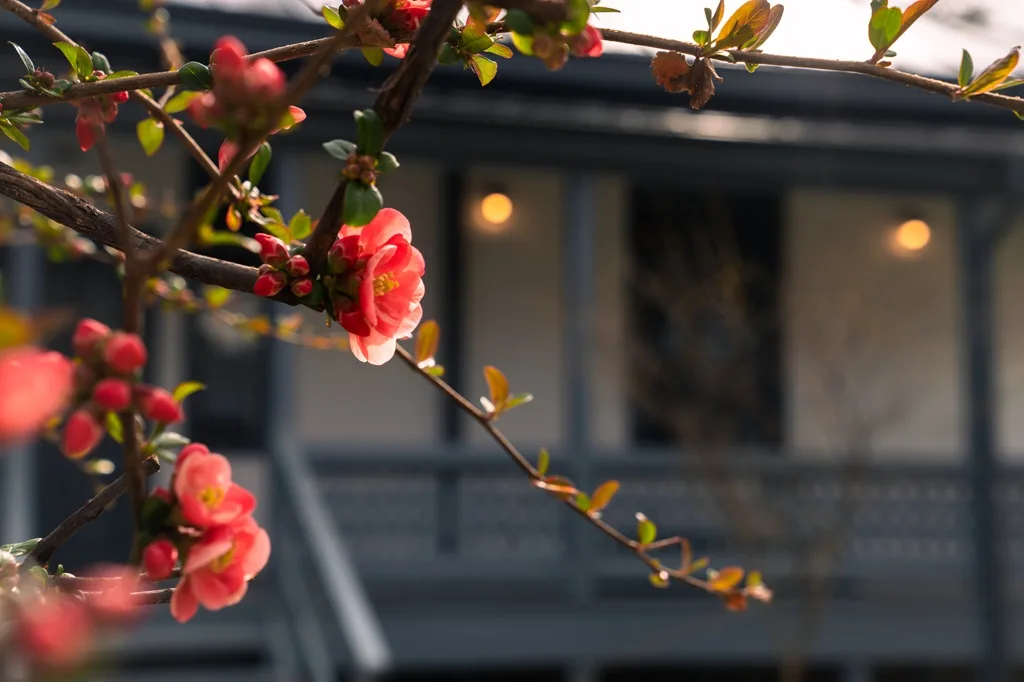
Calistrat Hogaș described the natural landscape in pages of rare beauty, perceiving it with the utmost attention and fully awakened senses, and his seminal work, “Pe drumuri de munte”, reveals a “Creangă shaped by culture”, as Tudor Vianu calls him: a Hogaș sometimes hard to follow but, most of the time, a brilliant storyteller and observer, with a continuous, almost obsessive admiration for nature and closely attuned to the desire many of us share to travel through mountain scenery straight out of fairy tales.
As a teacher, Calistrat Hogaș was also remarkable. His achievements in education were recognised even by King Carol I, who awarded him the “Răsplata muncii pentru învățământ” medal, first class, and Metropolitan Visarion Puiu, who had been his pupil at the Theological Seminary in Roman, painted a fine portrait of him in the book “Însemnări din viața mea”, describing Hogaș as a “teacher who turned Romanian language lessons into a genuine celebration”.
Selection of critical references
“Born of the Moldavian landscape, fused, we might say, with the mountains of Neamț, drawing on distinctly Romanian characters, and written in a language and with a humour reminiscent of Creangă, Hogaș’s work belongs not to the present but floats above race and time. It dates back at least three thousand years, to the age of the Homeric poems, and, in the lyrical fervour with which it worships the forces of nature, further still, to the age of the great Indian epics. Hogaș was not a great lyric poet of Romanian nature, as Sadoveanu was, for instance, but a bard from the dawn of the world, when the sun was a true deity and its rising a universal transfiguration, when all natural phenomena appeared as the tangible expression of celestial forces, when the human mingled with the divine, when everything was myth […] rocks turn into monsters, and groves and mountains, waters and plains naturally fill with nymphs, oreads and hamadryads, and dragons, in a world where every gesture, however simple, is magnified and projected majestically against the solitude of the sky.” – Eugen Lovinescu, “Istoria literaturii române contemporane (1900 – 1937)”, București, Editura Librăriei Socec & Co. S.A., București, 1937
“The work of Calistrat Hogaș is not read and a true legend surrounds it. Some regard the author as a miraculous prose writer, a rival of Creangă and Sadoveanu. A certain critic, who discovers Homeric qualities in it, considers him an isolated phenomenon. In fact, nothing is more characteristically Romanian, and in that sense more commonplace, than Hogaș’s literature, which Eminescu and Sadoveanu rival in that very specificity. Hogaș writes independently of Sadoveanu and has his own particular nuance. The genre is the same. Just as Sadoveanu sets out hunting and fishing, in search of fresh air, simple healthy food and wild scenery, Hogaș heads into the mountains of Moldavia. Hiking and feasting – that is the whole of his work. Objective creation is entirely absent, even in the epic manner practised by Sadoveanu. Between the two collections, În munții Neamțului and Amintiri dintr-o călătorie there is absolutely no difference in level. Hogaș could not have written anything else through invention. He is a superior dilettante, with a single string, and as such a minor writer. Yet a great minor one.” – George Călinescu, “Istoria literaturii române de la origini până în prezent”, Bucharest, Royal Foundation for Literature and Art, 1941.
“Hogaș is a Creangă shaped by culture. The whole artistic technique of Calistrat Hogaș unfolds from the perspective of this attitude. […] A great lover of long journeys through the wildest nature, Hogaș brings the soul of a civilised man into his wanderings. Hogaș does not belong to nature. He discovers it, not with the sorrow or melancholy of a consciousness that would feel forever separated from nature’s riches, but with the warm joy of a rediscovery. A guest of monasteries and hermitages lost in the wilderness, a companion of monks, he is an opponent of monasticism, whose guilty or hypocritical distancing from nature he repeatedly castigates. If, however, his humour ultimately draws the hermitage dweller into his circle of sympathy, he does so because, beneath the man’s deceptive appearance, he finds the man of nature, endowed with strong instincts, of the kind that, in other circumstances, he has described as people cast in one piece in gigantic moulds.” – Tudor Vianu, “Arta prozatorilor români”, Bucharest, Editura Contemporană, 1941.
“Comparisons with Homer and Rabelais remain, of course, valid when approximating the essence of Hogaș’s work, but they are, in any case, literary in nature, scholarly analogies that do not amount to complete identification; however, the portrayal of the people who cross Hogaș’s path on his travels conveys a definite sense of the gigantic. This feeling comes neither from the fabulous world of Homer nor from the Rabelaisian grotesque, but certainly from our own fairy tales. Hogaș is not an ostentatious folklorist and does not aim to recreate folkloric themes and visions as Creangă did; yet his spiritual affinity with the writer from Humulești is undeniable. The fantastic, stronger in Creangă, and the gigantic, more characteristic of Hogaș, are two projections that arise from the same ethnic and spiritual source, from the fairy tale. In the story of Harap-Alb everything is gigantic and fantastic; the appetites of Setilă and Flămânzilă are elemental, like the forces of nature, and fabulous, like everything else that happens in fairy tales; everything that seems exaggerated, grotesque or implausible in the instincts and appearance of Hogaș’s characters, although we are not in the realm of fantasy but in pure reality, is, as in Creangă, an effect of the folkloric vision, a projection of fairy-tale proportions.” – Pompiliu Constantinescu, “Scrieri”, 3, Bucharest, Editiura pentru Literatură, 1969.
“Hogaș’s talent for portraiture is innovative above all in caricature, a definite contribution by this descriptive writer and humorist to the development of our prose. The Baroque painter, with his intensely primitivist vision, discovers in a hermit in the Săhăstria clearing (De la Văratec la Săcu) an indistinct creature on the boundary between man and beast, with a thick mass of hair that turns heavily like an old hinge on a rusted pivot, and with a moustache tangled into a beard as yet untouched by any comb, which covered his face, leaving only two whitish eyes dimmed by age visible; so rich and bushy was this growth of hair that the writer thought the beard, hair and eyebrows had sprung not from human skin but from a layer of black, fertile mud that must have covered his entire being for ages. To this admirable formulation is added the equally felicitous defining expression: this forefather of humanity. The caricature portraits are highly effective, capturing the face of the moustachioed, wrinkled old woman and that of her daughter, the one with a goitre, with the Wagnerian symphony of snoring sleep (Spre Nichit). Alongside these broad compositions, mention should be made of the fine scholarly irony in the portrayal of the dapper, Frenchified Mr Georges, with its witty caricature of his distinguished behaviour as a dining companion (Floricica).” – Șerban Cioculescu, “Varietăți critice”, Bucharest, Editura pentru Literatură, 1966.
“In our literature, Odobescu is the only classical writer with whom Hogaș shares a spiritual kinship. Both are passionate landscape writers, humanistically educated minds, interspersing their descriptive writing with mythological allusions, verses from Latin poets and the divine Dante, city dwellers with the same bookish humour, though drawn to folk art, deeply familiar with the language of books as well as peasant speech. Within Eminescu’s great generation, Odobescu and Hogaș form the classical pair of descriptive writers. Anywhere, we could insert descriptions of nature from one writer’s work into the other’s without noticing the insertion, were the names of the places they describe not different […] Nor do their styles differ, usually featuring periodic sentences, refined through successive versions and an accumulation of ornamental epithets […].” – Vladimir Streinu, “Calistrat Hogaș”, București, Editura Tineretului, 1968.
The History of the Memorial House
The house was opened to the public as early as 1939, the year in which Sidonia, the youngest child in the family, organised the first exhibition of the writer’s personal belongings in one of the offices. In memory of her father, Sidonia wrote the memoir “Tataia. Amintiri despre C. Hogaș”.
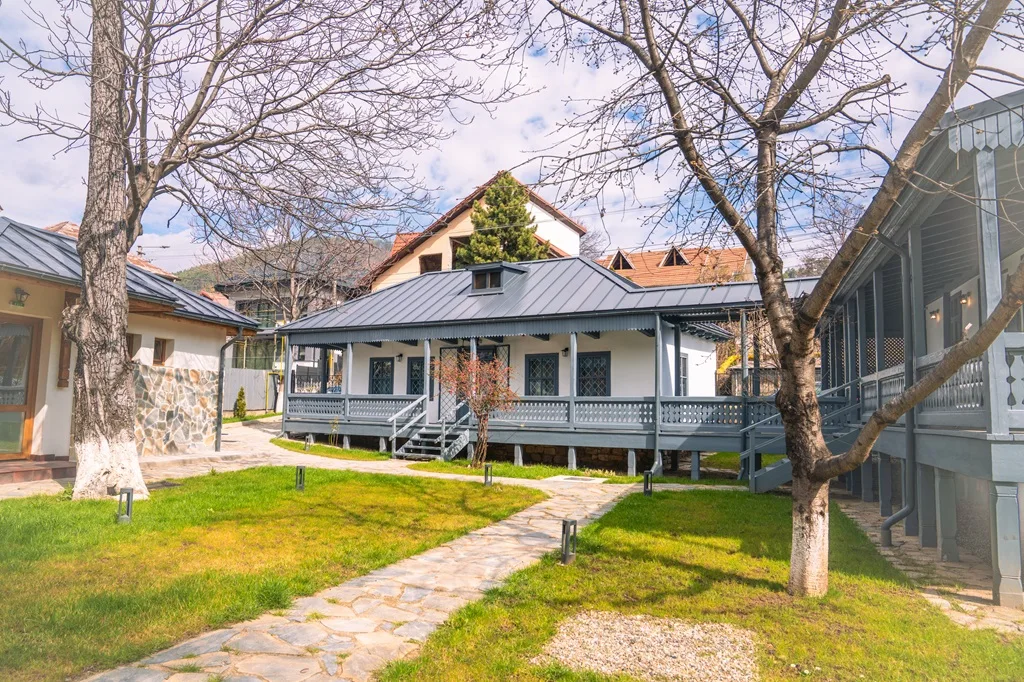
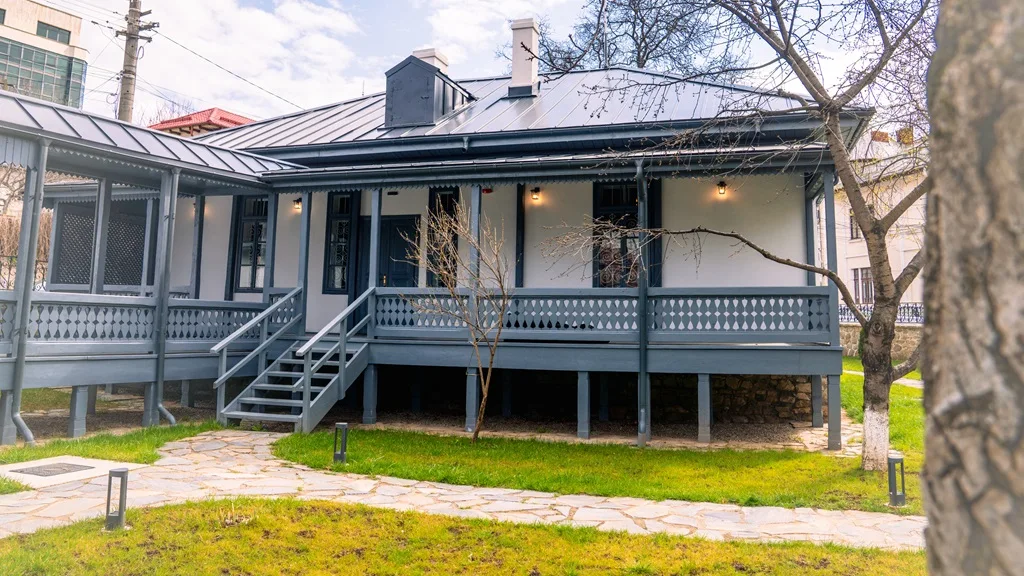
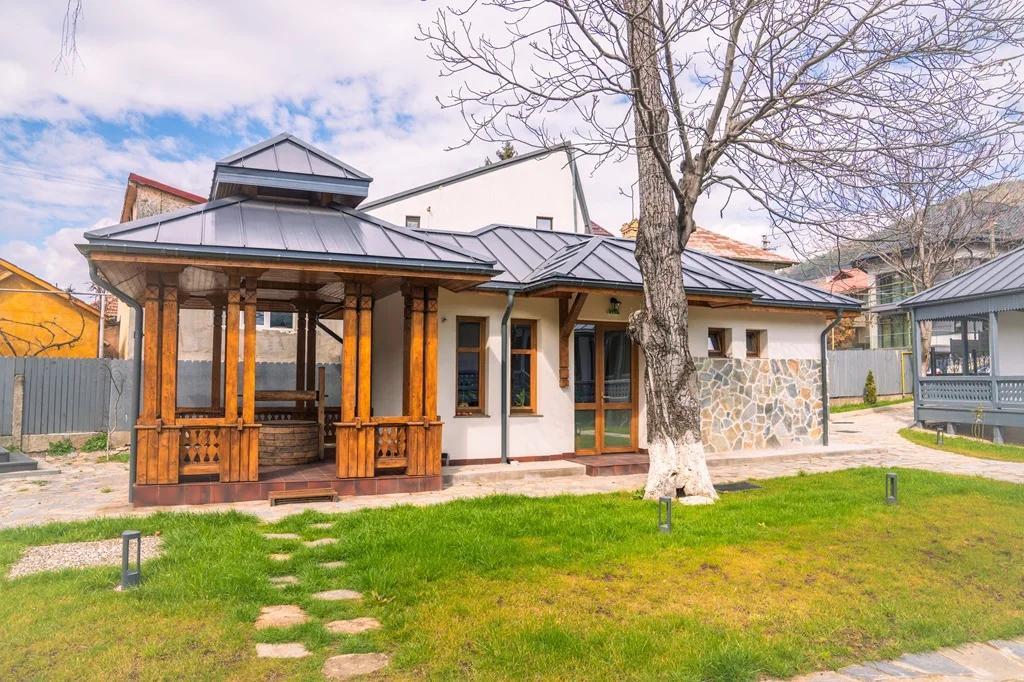
In 1967, at the age of 85, wishing to keep the original structure of the house unaltered, Sidonia Hogaș donated to the state (by will, with special clauses prohibiting any alteration) the entire property, which also included a summer kitchen connected to the main house by a raised veranda, a garden pavilion and a well. Sidonia spent her final years in a flat in an apartment block and died in 1976, at the age of 94.
An architectural monument partially reconstructed and modernised by the writer in 1880, the building, which was the home of Calistrat Hogaș and his family, underwent two restorations in 1967–1968 and 1990–1994, during which major repairs were carried out and it was declared a historic monument, bearing the code NT-II-m-B-10565.
The museum was officially opened in 1969, and the permanent exhibition created in 1994 followed Sidonia’s descriptions in her memoir Tataia, recreating the atmosphere of the early 20th century.
Re-opening of the Memorial House, 17 April 2025, at 11.00, at the museum premises on Calistrat Hogaș Street no. 1, after the completion of the project launched in 2017
The investment project “Conservation, protection and promotion of the Memorial Museum “Calistrat Hogaș” Piatra Neamț” – code SMIS 116528 was implemented by U.A.T. Neamț County and funded through Regional Operational Programme 2014-2020, Priority Axis 5 – Improving the urban environment and the sustainable conservation, protection and utilisation of cultural heritage, Investment Priority 5.1 – Conservation, protection, promotion and development of natural and cultural heritage, Project call POR/2016/5/5.1/1.
The project was carried out between 2017 and 2024 and had a total financing contract value of 3,144,499.44 lei, comprising non-repayable financial assistance of 1,333,093.28 lei and a contribution of 1,811,406.16 lei from the beneficiary.
The implementation of the project “Conservation, protection and promotion of the Memorial Museum “Calistrat Hogaș” Piatra-Neamț” – SMIS code 116528 will contribute to expanding activities with high added value: conserving the memorial museum; developing tourism activities in the area; diversifying the tourism offering by showcasing the monument; increasing awareness at local, regional and national levels of the cultural heritage of the Piatra-Neamț area; increasing the number of Romanian and foreign tourists in the area; and increasing the volume of tourism investment. In addition, the project included the digitisation of the cultural heritage site.
Over almost six decades of existence, the museum has earned a well-deserved national reputation, primarily because of the prestige of the personality it represents, of course. A cultural project inspired by the image of “the traveller” Calistrat Hogaș has, over time, attracted important names of our contemporary literature to the museum’s cultural evenings: Octavian Paler, Alexandru Paleologu, Constantin Ciopraga, Al. Piru, Ana Blandiana, Romulus Rusan, Alexandru Ivasiuc, Ioan Grigorescu, Eugen Simion, Mihai Urasachi, Nora Iuga, Mircea Dinescu, Constantin Călin etc.
Over time, a pedagogical aspect has been added to the literary activities hosted by the Memorial Museum “Calistrat Hogaș” (which have often brought together established generations and newcomers to Romanian literature, or writers from all parts of the country and those living in Neamț). Professor Calistrat Hogaș has never been forgotten and remains a role model in the memory of his former students (see Cezar Petrescu, Păstorel Teodoreanu, etc.). Consequently, alongside what visiting school groups learn about the writer’s teaching career, teachers from Neamț have also had opportunities to debate the need to retain or reintroduce Hogaș’s work in the school curriculum, its adaptation to new teaching methods, and so on. Book launches, chamber-theatre performances, public readings, film screenings and small concerts are other regular activities intended to establish the Memorial Museum “Calistrat Hogaș” in public consciousness as a dynamic cultural space adapted to modern life.
Moreover, as part of the event marking the museum’s reopening on 17 April 2025, a team of students from the National College “Petru Rareș”, where the illustrious Calistrat Hogaș once taught and was director, in collaboration with Youth Theatre actor Andrei Merchea Zapotoțki, will pay tribute to the renowned teacher by presenting the short artistic film “Tataia”, created on the basis of the writer’s daughter Sidonia Hogaș’s book.
More on the same topic
A Thousand and one stories in Neamt
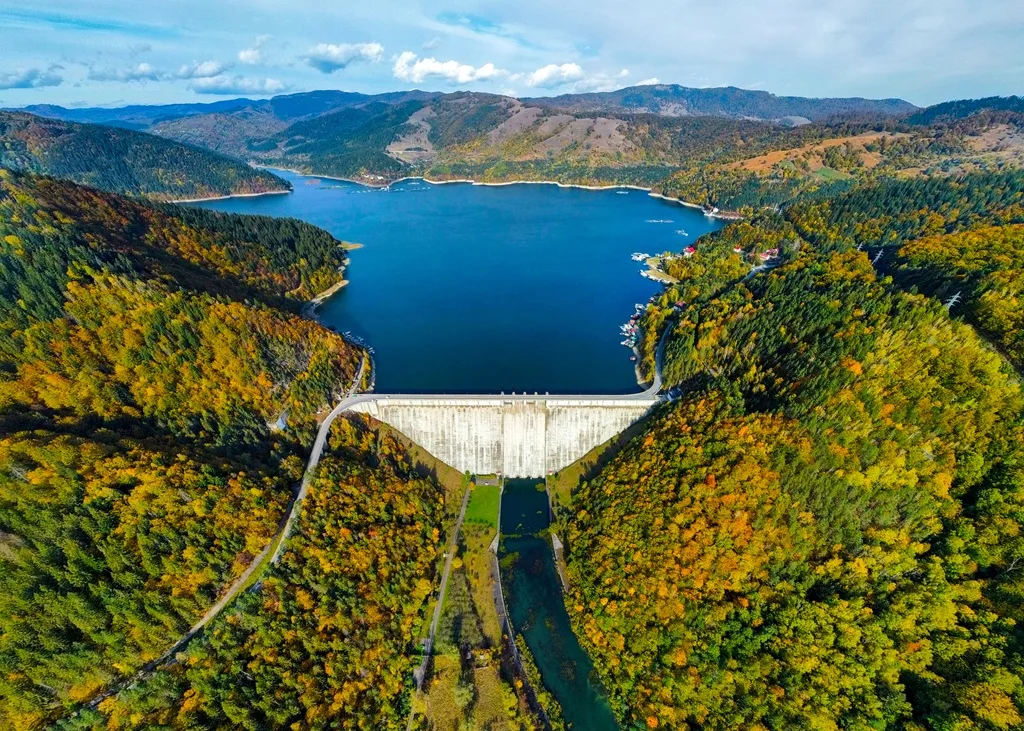
Dear Traveller, wherever you come from, we invite you to discover the blessed lands of Neamț, a sacred realm once inhabited by the ancient Dacians, rich in legends and myths, with a history and roots…
Neamț County, an Ambassador for Local Traditions and Values in Brussels
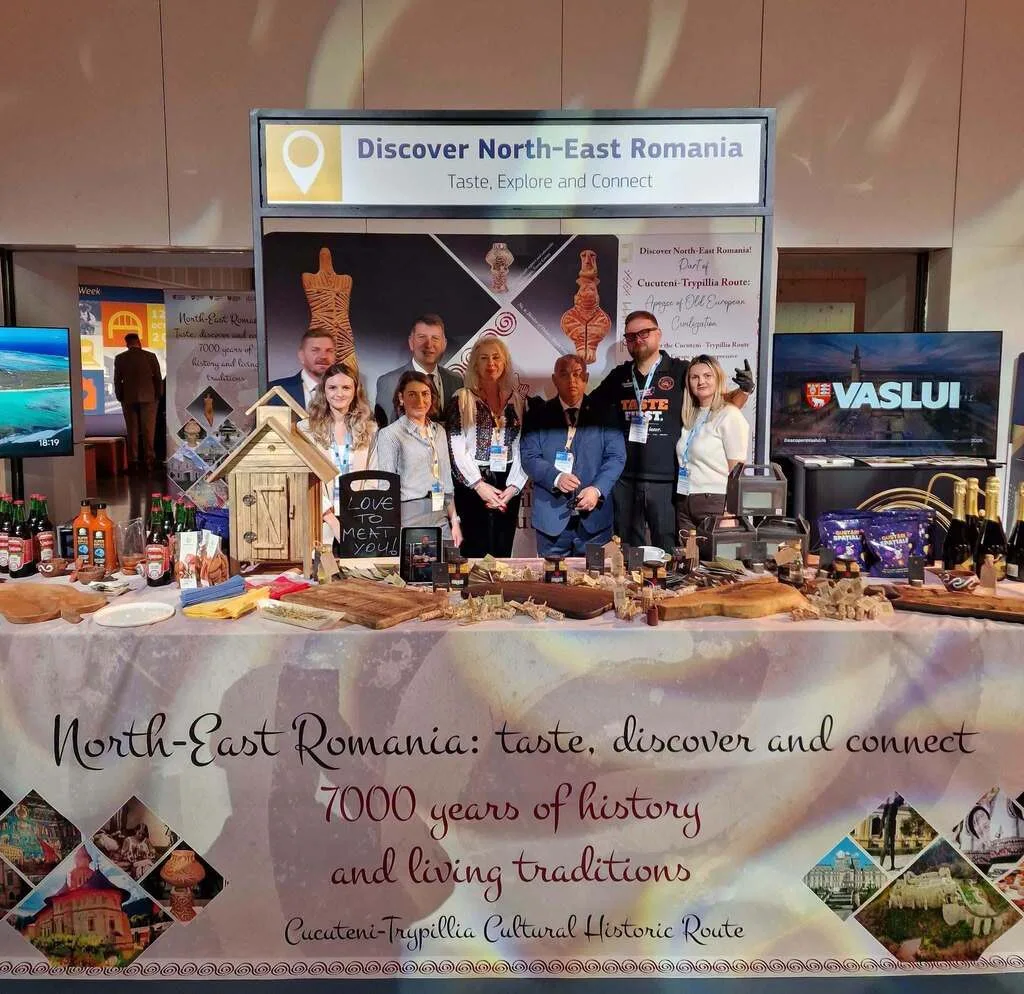
Neamț County showcased its values, traditions and development potential on the European stage during European Week of Regions and Cities, held in Brussels from 12 to 14 October.
Solo painting exhibition – Florin Mareș
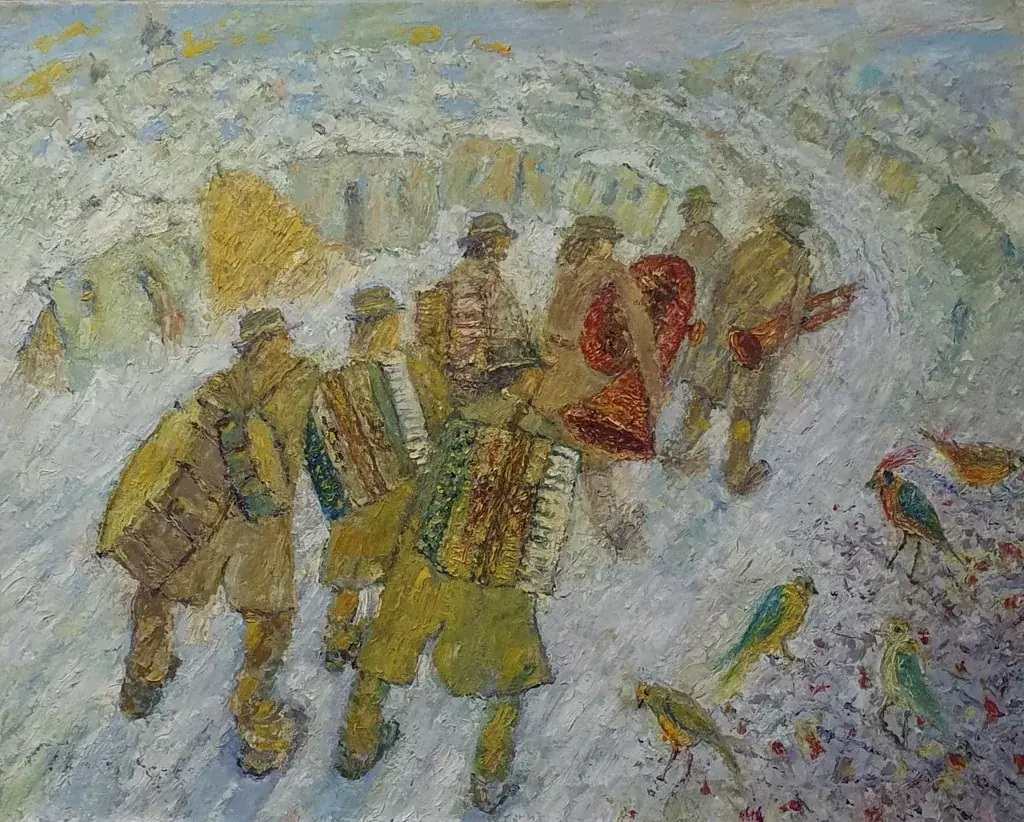
Starting Saturday, 10 October 2026, the Art Museum in Roman opens a new solo exhibition by the visual artist Florin Mareș of Roman.