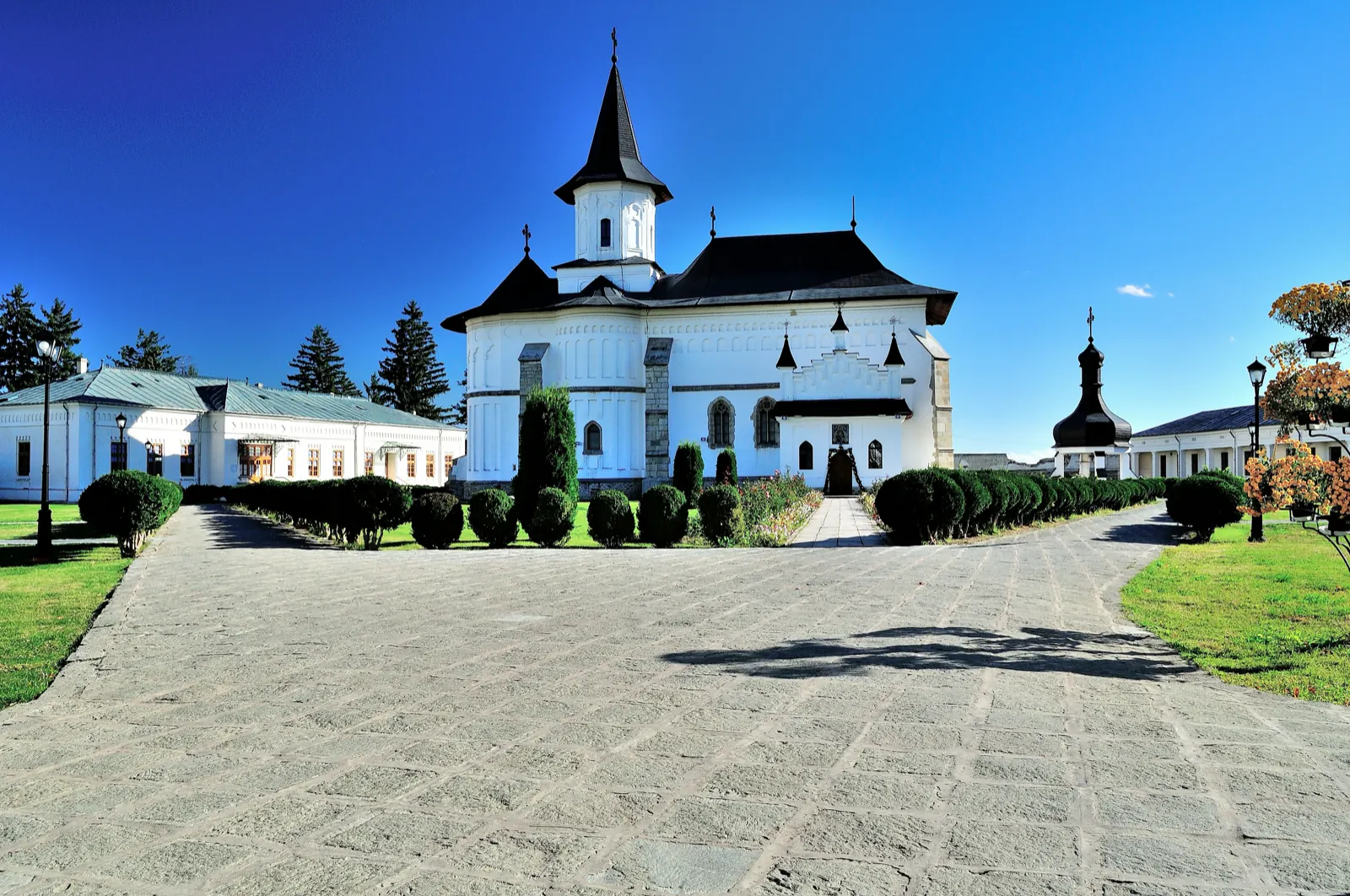
Stage 18: Izvoare – Racova (Bacău)
- Length
- 11 km
- Ascent
- 114 m
- Descent
- 176 m
- Altitude
- 219–378 m
- Start
- Izvoare
- Finish
- Racova (jud. Bacău)
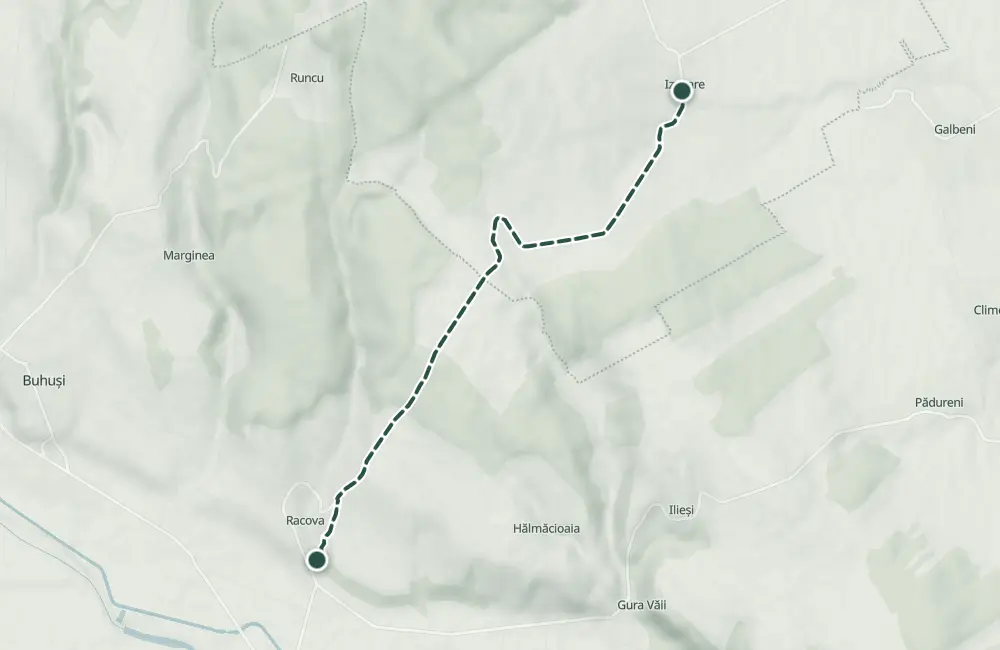
Stage 18 of the Camino de România connects the village of Izvoare in Neamț County to Racova in Bacău County.
The indicated length for this walking pilgrimage stage is 11 km. Izvoare is the crossing point from Bahna commune towards Bacău County.
Complete route: Camino de România – Neamț County
Map of the route
 © OpenStreetMap · OpenFreeMap · EU-DEM / Copernicus
- The route
- Start
- Finish
- 1Stops along the way
↑ 114 m↓ 176 m219–378 m
The stages
Stage 1
Izvoare
In the locality are the archaeological sites "La Cenușărie" and "La Cioate".
Stage 2
Racova (jud. Bacău)
Nearby
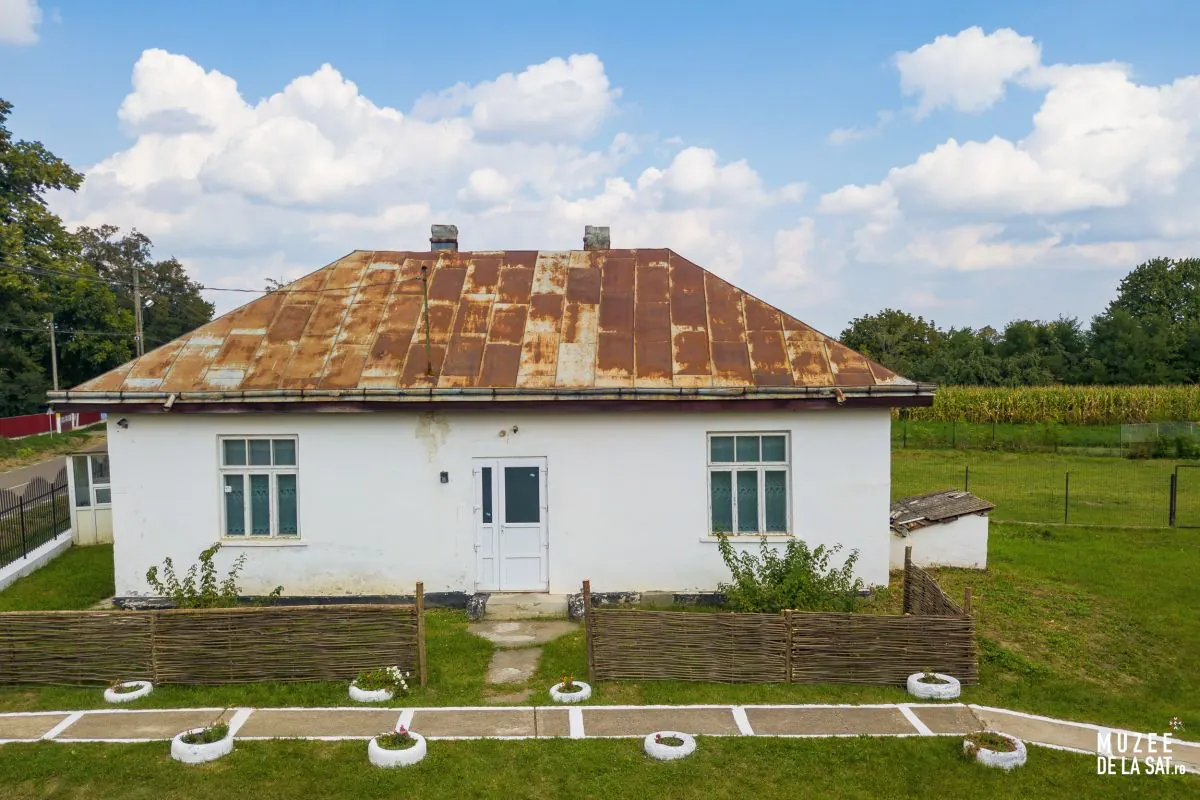
Other trails
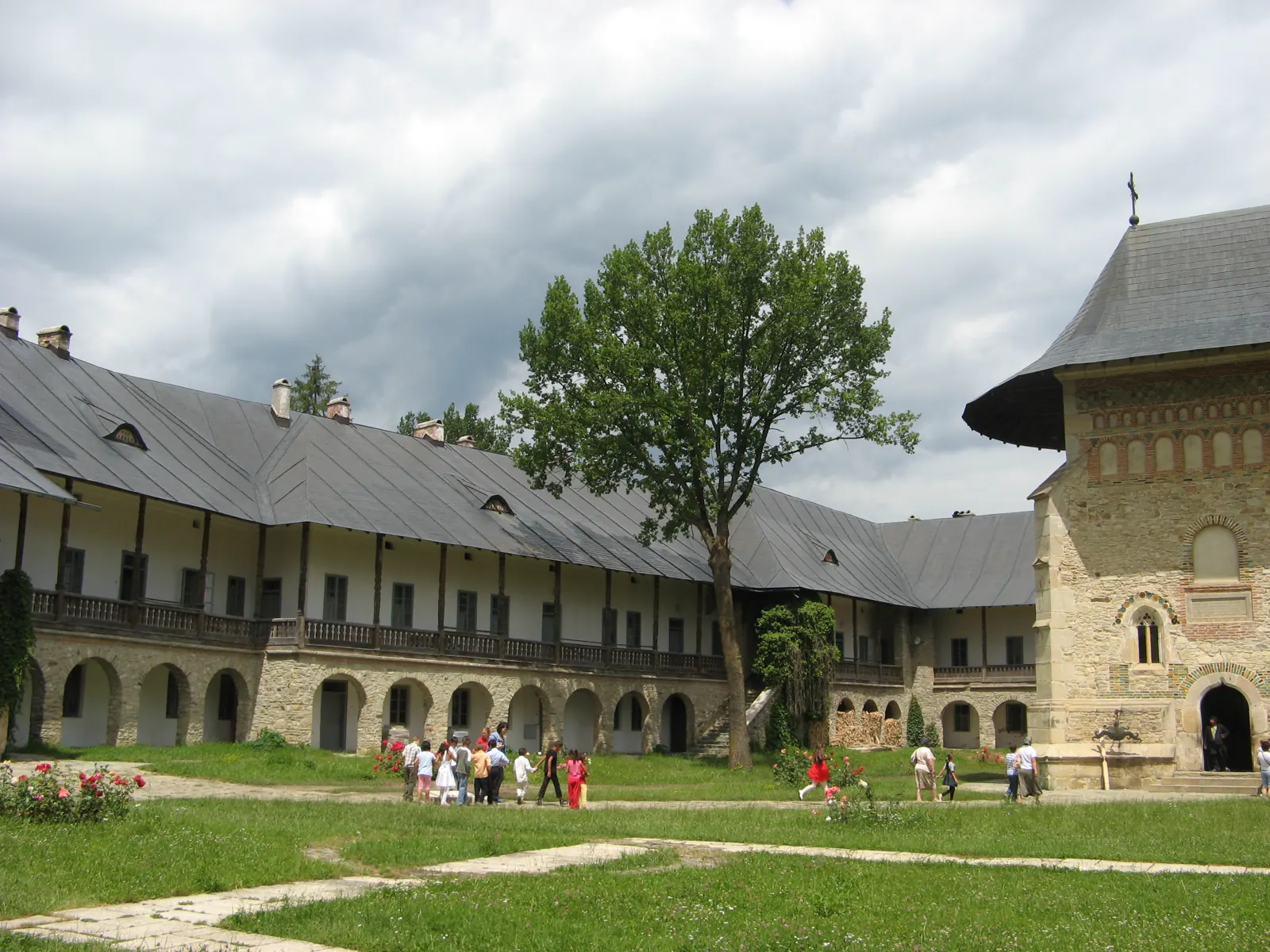
Stage 1: Iugani (Iași) – Gherăești
3 km↑ 6 m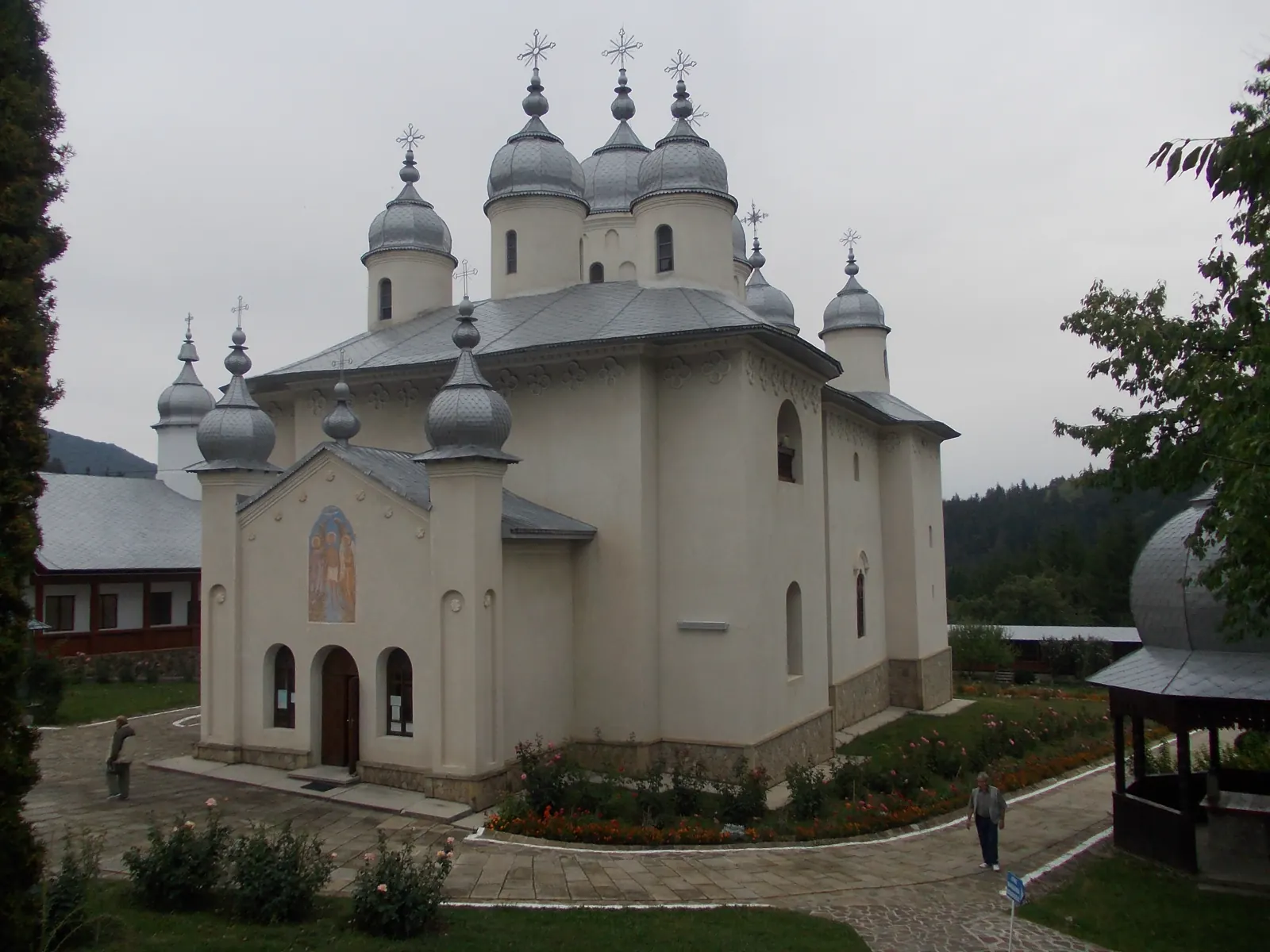
Stage 13: Moldoveni – Hociungi
3 km↑ 71 m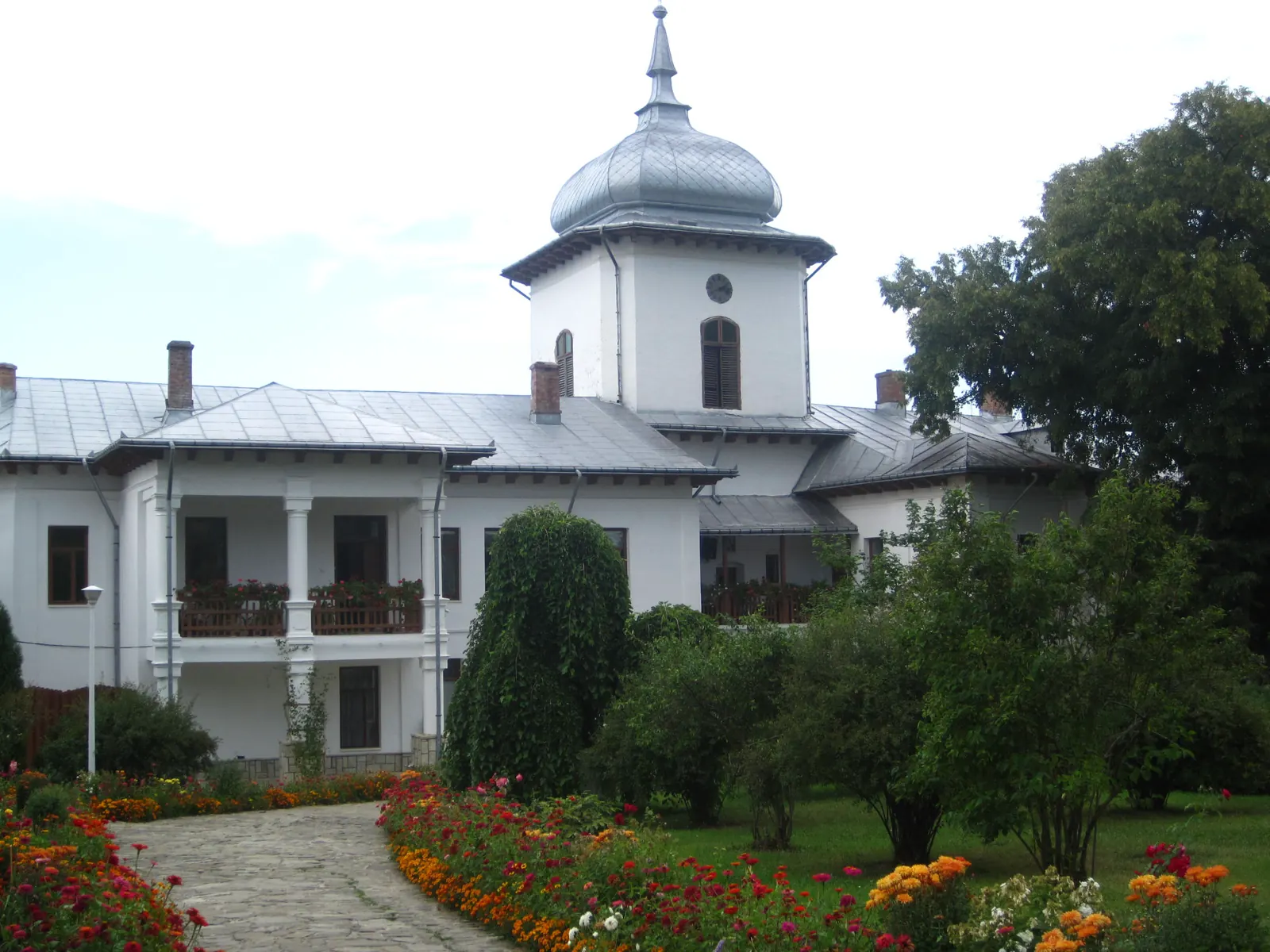
Stage 14: Hociungi – Broșteni
4 km
Stage 15: Broșteni – Bahna
2 km↑ 31 m
Stage 16: Bahna – Băhnișoara
3 km↑ 44 m
Stage 17: Băhnișoara – Izvoare
2 km
Photo credits4
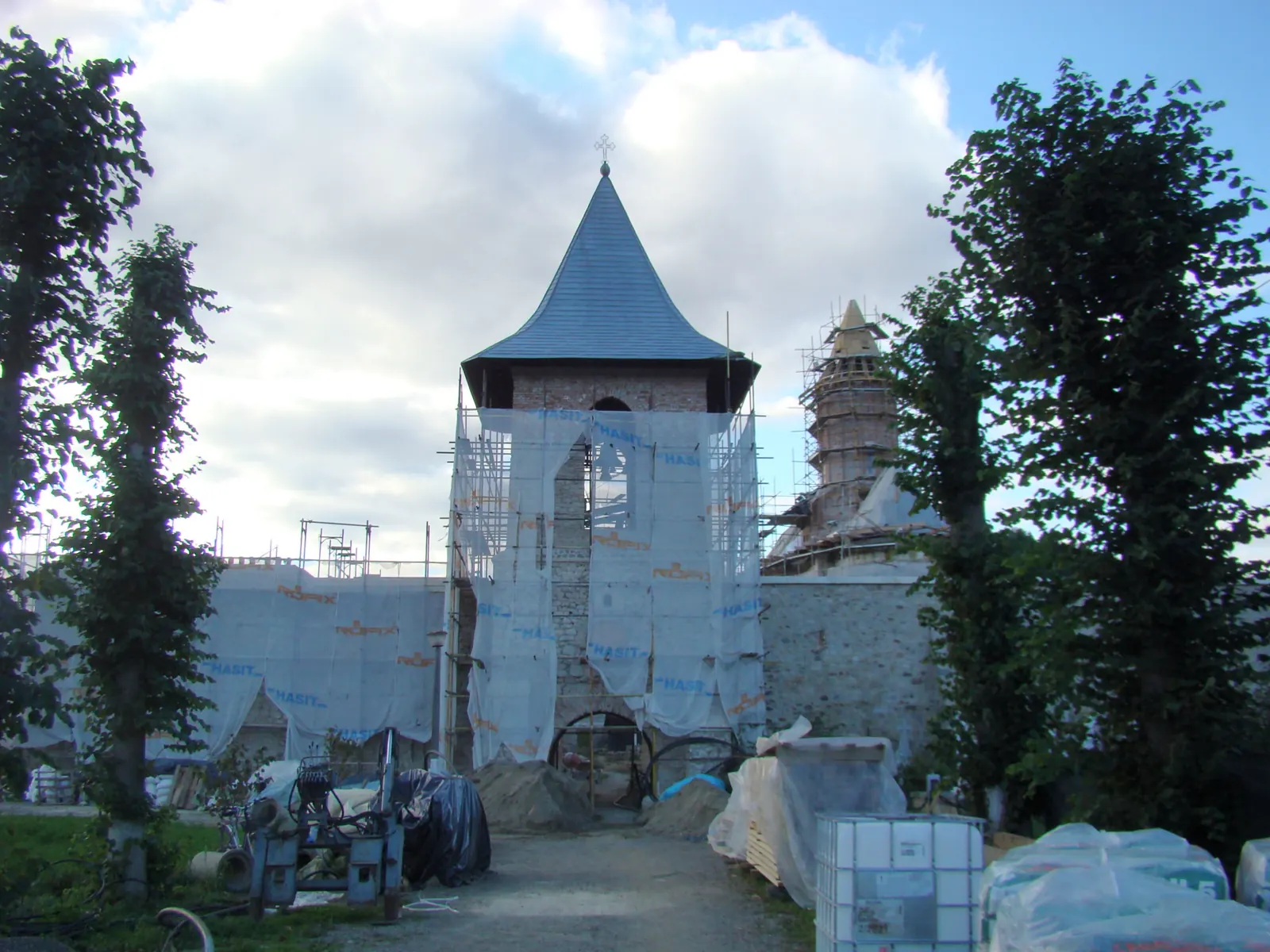
- Photo: Wikimedia Commons · CC BY-SA 3.0 (Archiepiscopal Cathedral of Roman – Museum Collection)
- Photo: Wikimedia Commons · CC BY-SA 4.0 (Tazlău Monastery)
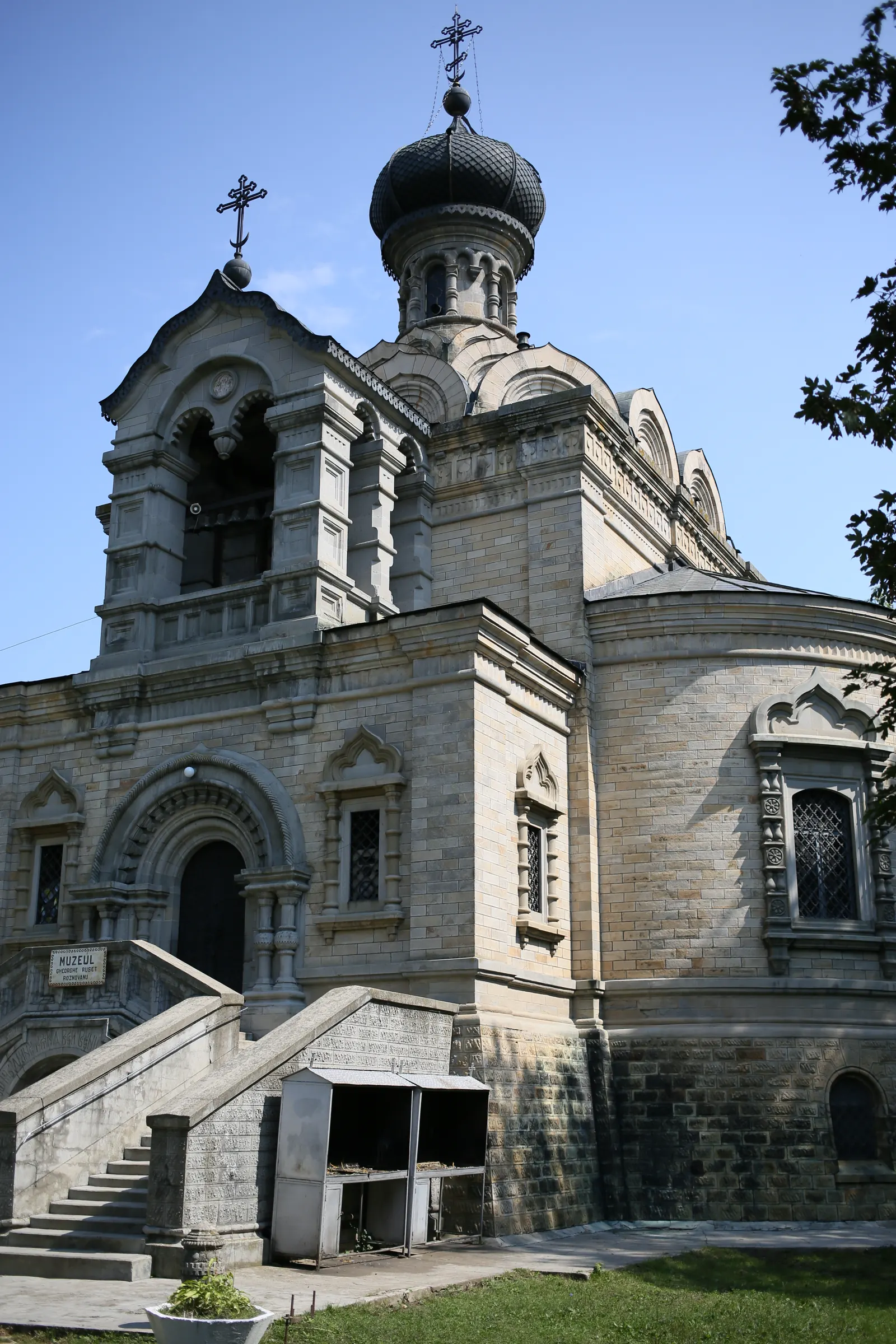
- Photo: Wikimedia Commons · CC BY-SA 3.0 (Gheorghe Ruset Roznovanu Museum, Roznov)
- Photo: Wikimedia Commons · CC BY-SA 4.0 ('Dowry Chest' Ethnographic Museum, Miron Costin)


