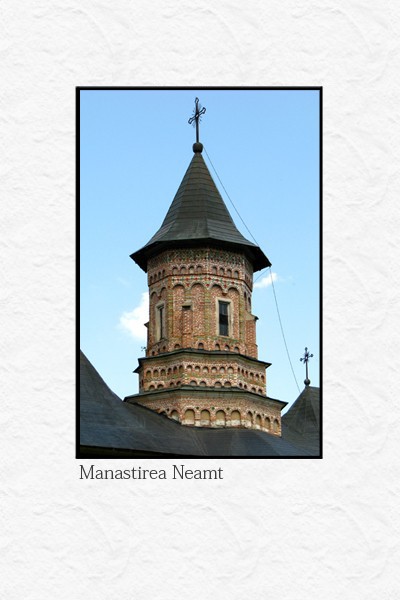
Neamț Monastery – Neamț County
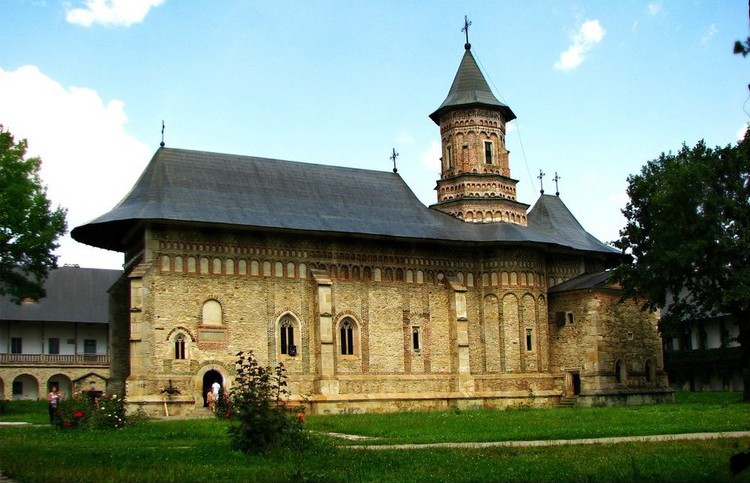
Neamț Monastery is in Vanatori commune, 15 km north-west of the town of Târgu Neamț, in a wide, open glade in the valley of the Nemțișor stream, surrounded by wooded ridges. Year of construction: Neamț Monastery, this ancient monastery in Neamț County, owes its foundation to the successive contributions of Petru Musat, Alexandru cel Bun and Stephen the Great in the 14th–15th centuries. Address: Vanatori commune, Neamț County Tel: 0233251580 and 0745823179 Fax: 0233251587 Patronal feast day of Neamț Monastery: “Ascension of the Lord”, celebrated 40 days after Easter Web: http://neamt.mmb.ro/
A brief history of Neamț Monastery
According to documentary records, Neamț Monastery dates from the 14th century and is the oldest monastery in Moldavia, also known as the “Jerusalem of Romanian Orthodoxy”. Bistrița Monastery dates from the same period and houses the tomb of Alexander the Good and the Icon of Saint Ana (received as a gift in 1407). Historical sources have yet to establish exactly who founded Neamț Monastery, when and under what circumstances. Voivodes Petru Musat (1375-1391), Alexandru cel Bun (1400-1432) and Stephen the Great (1457-1504) are the monastery’s founders.
Images of Neamț Monastery
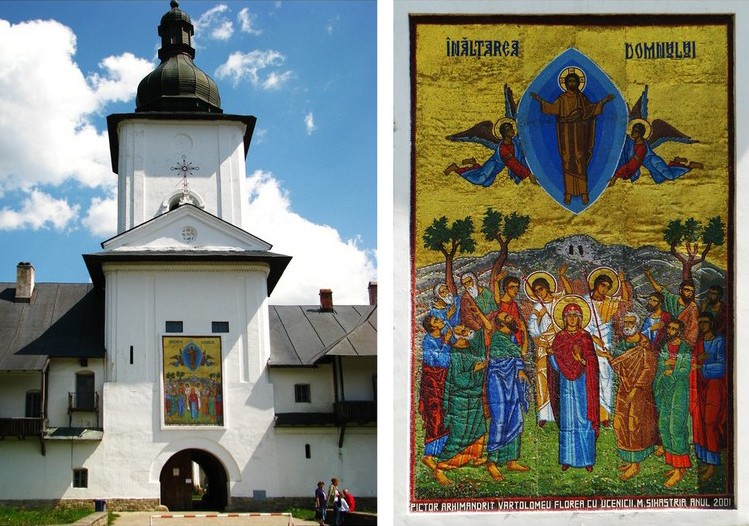
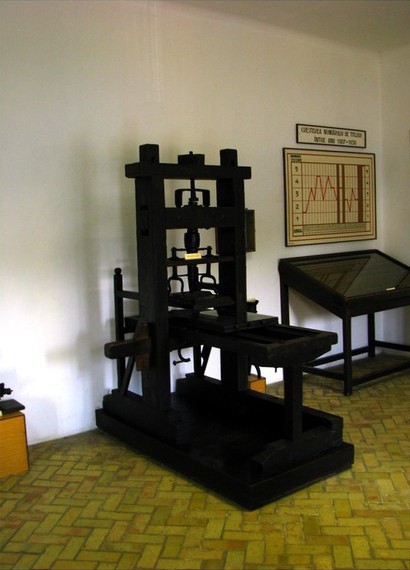
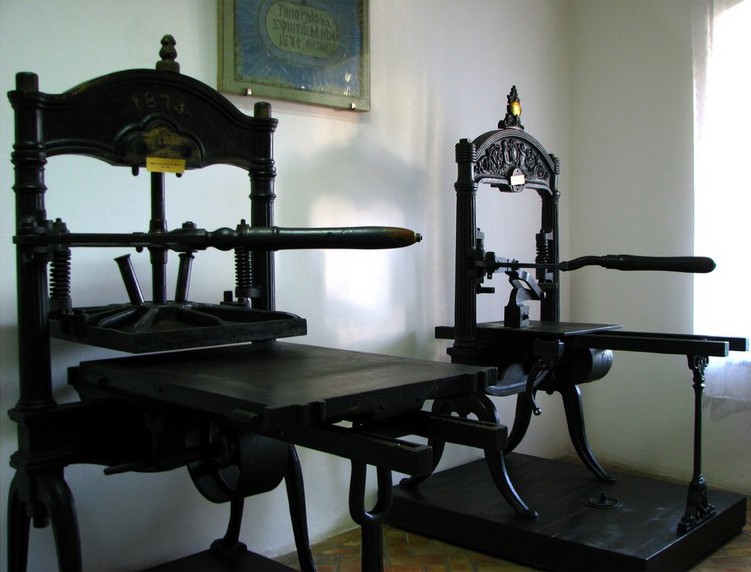
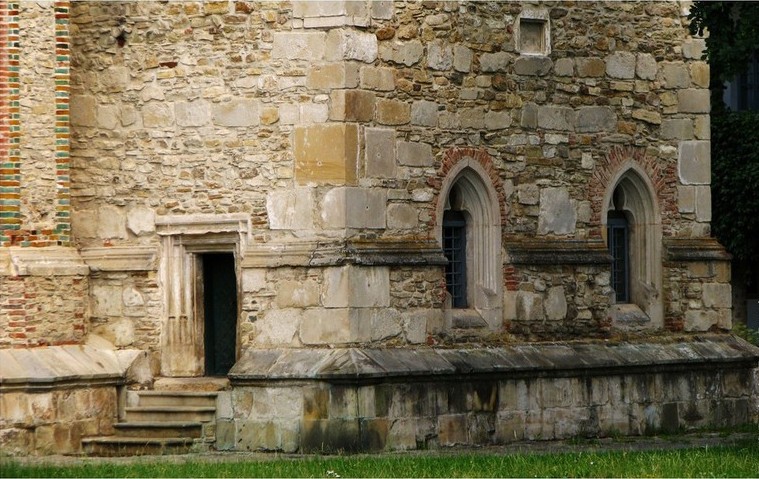
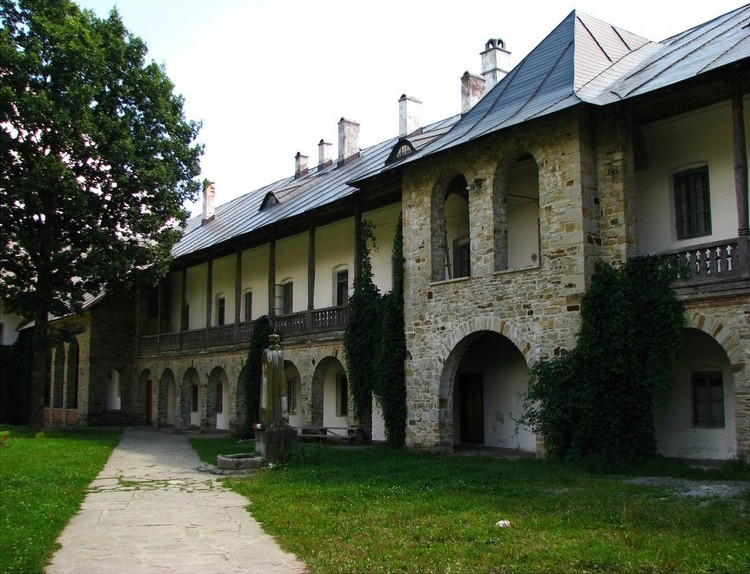
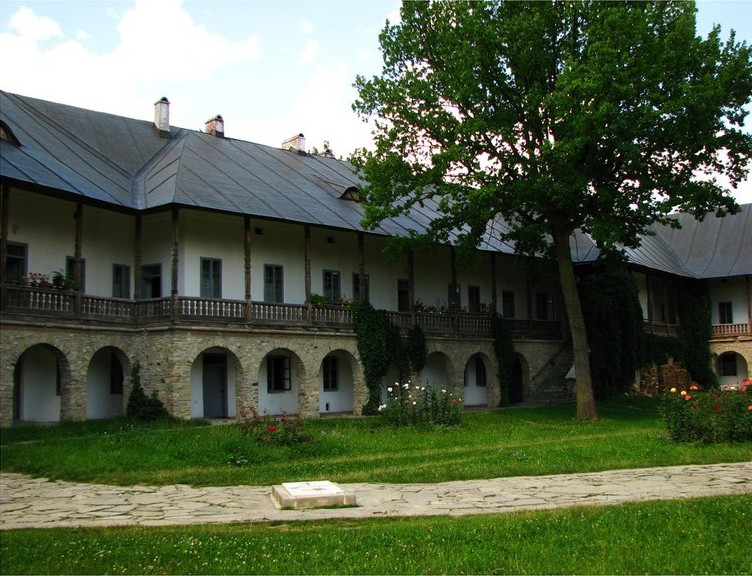
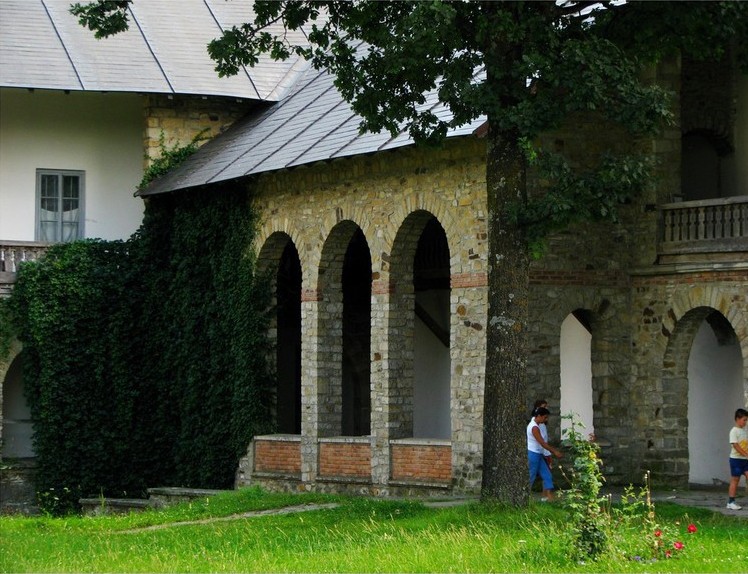
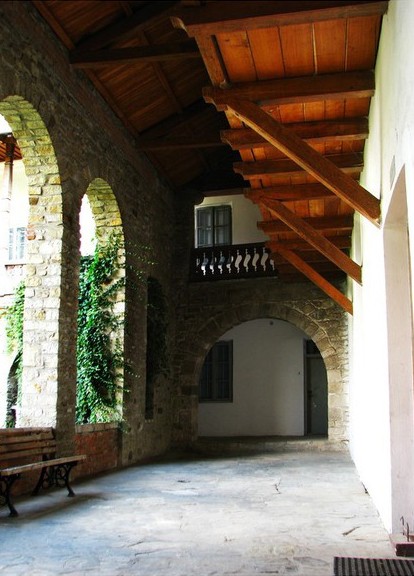
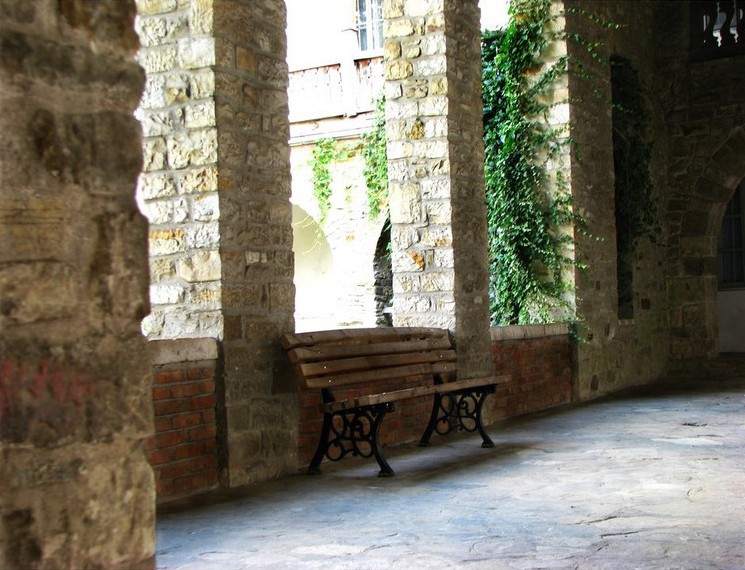
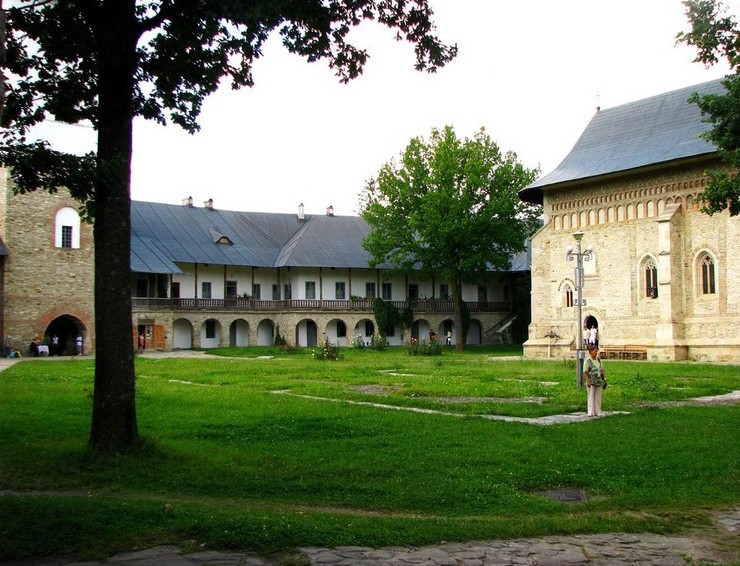
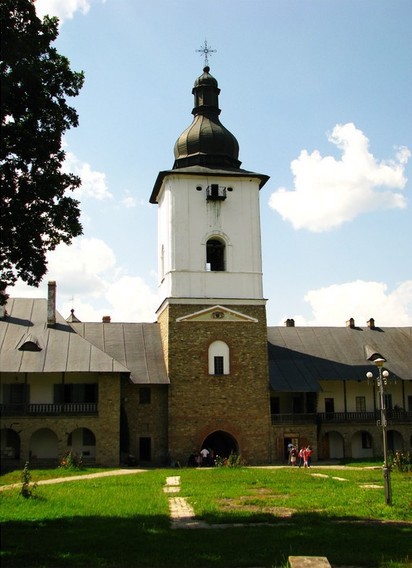
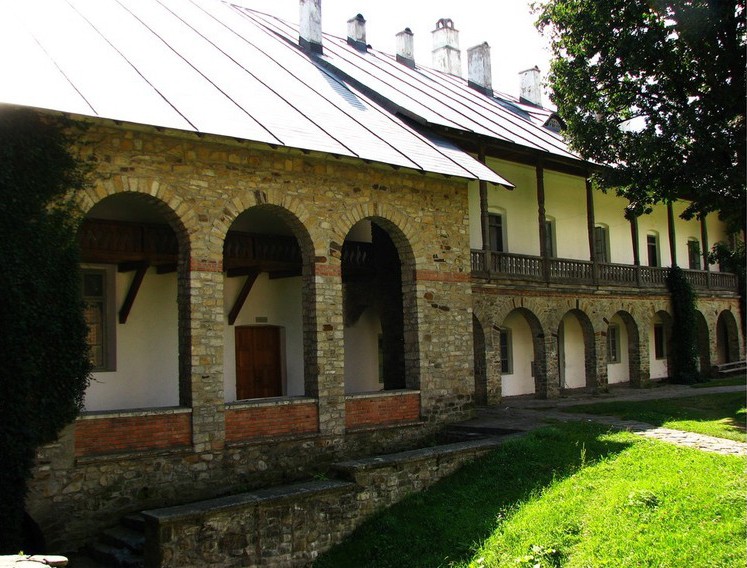
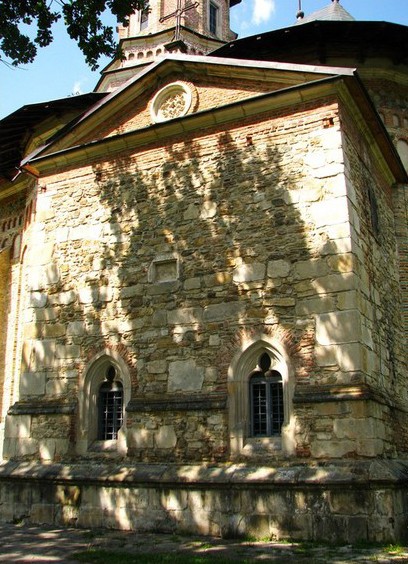
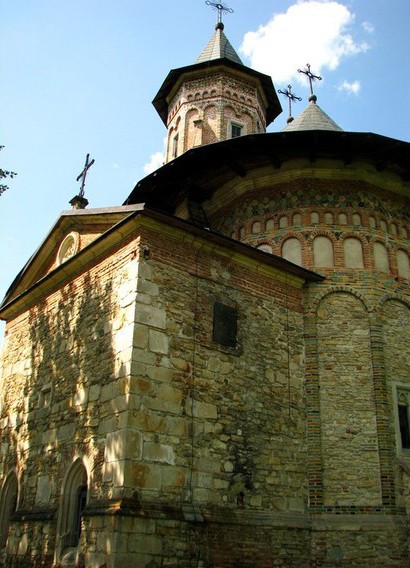
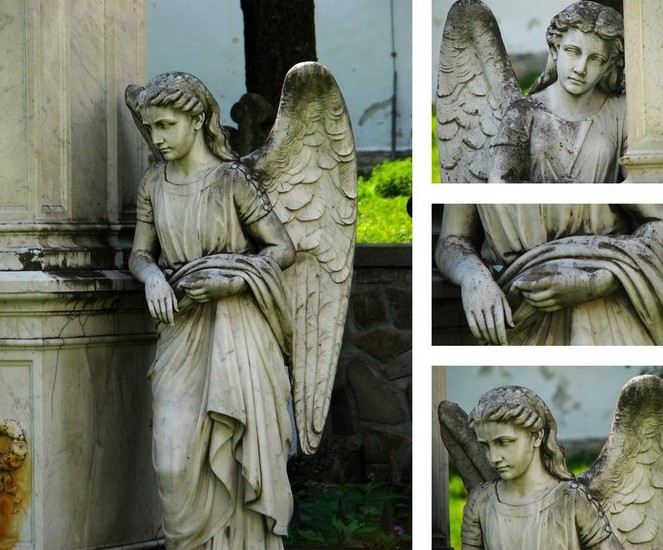
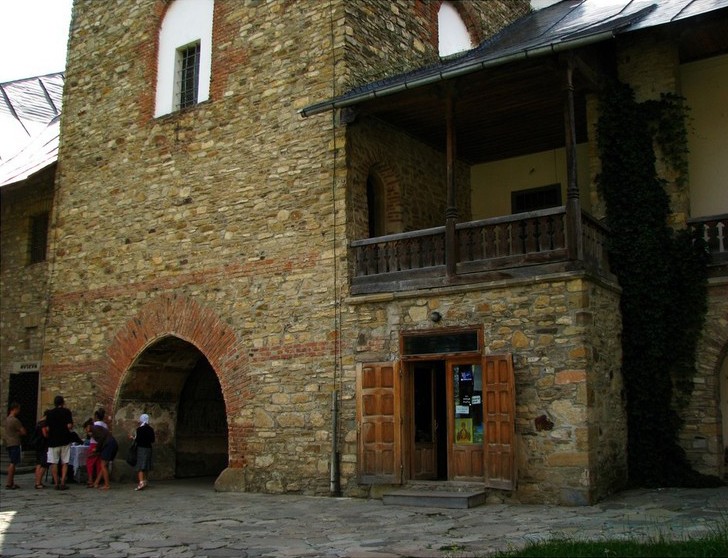
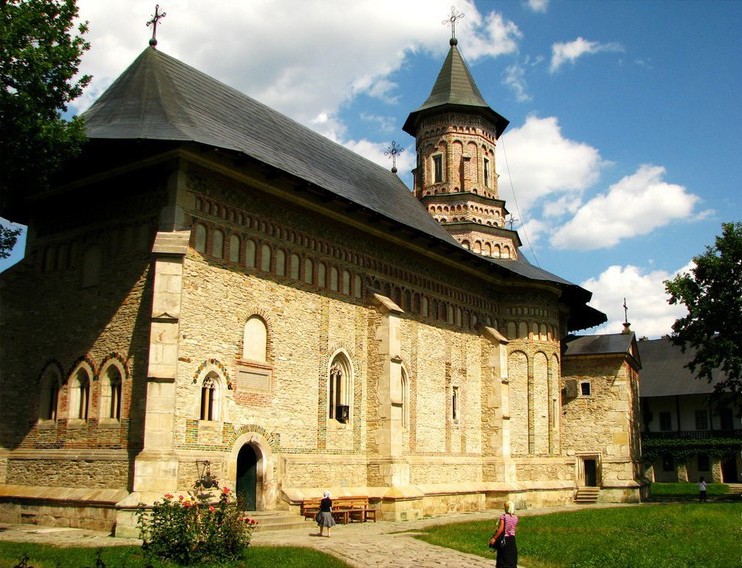
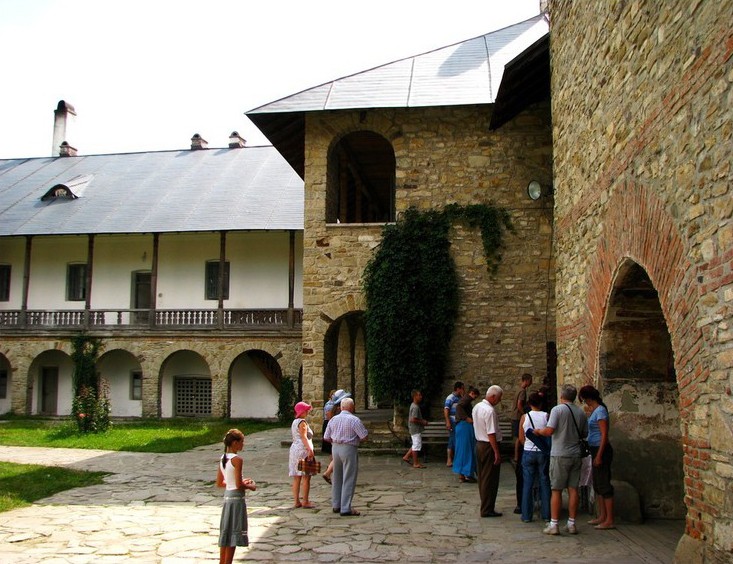
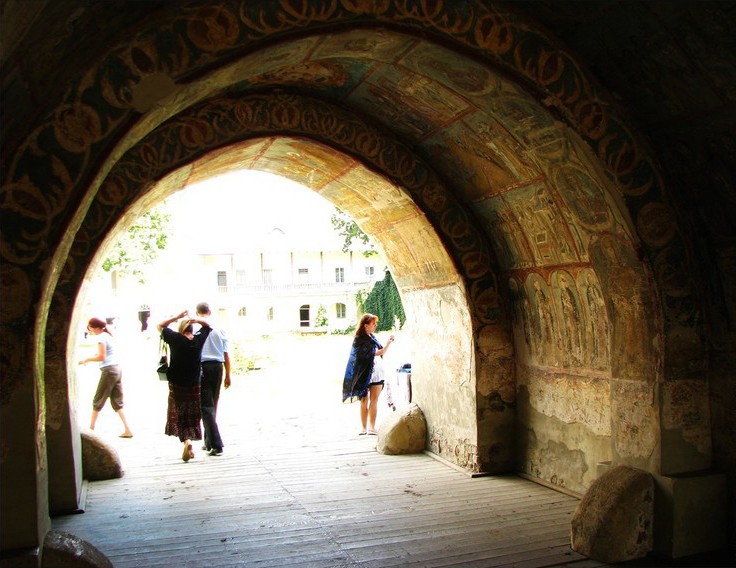
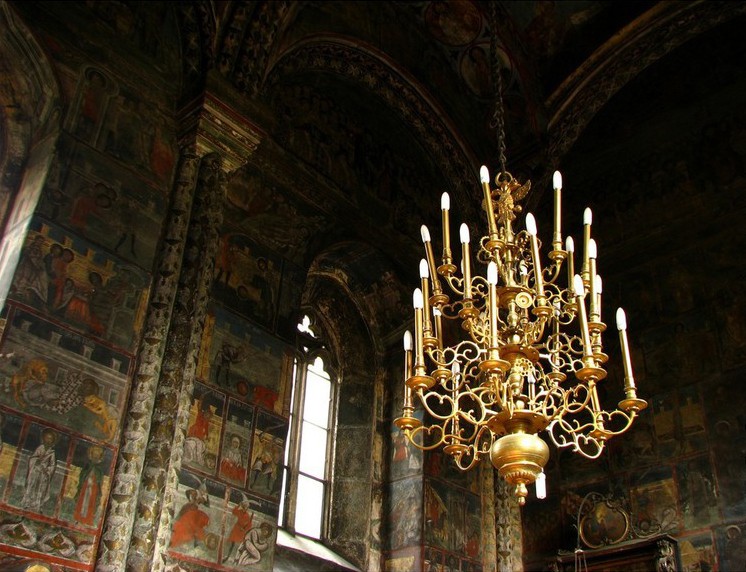
Click here to view all photo albums
Petru Musat was the first prince to build a stone church on the site of the old hermitage at Neamț Monastery, surrounded by monastic cells, various buildings, towers and defensive walls. In 1471, an earthquake shook Neamț Monastery to its foundations, prompting Stephen the Great to build a new church alongside the old one. The church of Neamț Monastery was consecrated with great ceremony after the victory at Codrii Cosminului. Stephen the Great, the founder of Neamț Citadel, a particularly important historic and medieval site, took special care of the monastery, endowing it with a bell in 1485 and a panagiarion in 1502.
These include Sihastria Monastery, known for Father Ilie Cleopa and Father Paisie Olaru, and Secu Monastery, from which Father Iustin Parvu of Petru Voda Monastery departed. The hermitages belonging to Neamț Monastery are: Pocrov Hermitage, dating from 1714, Vovidenia Hermitage, from 1754, and Icoana Hermitage, dating from 1823. Visarion Puiu Memorial House and the Mihail Sadoveanu Museum, near Vovidenia Hermitage, also belong to Neamț Monastery.
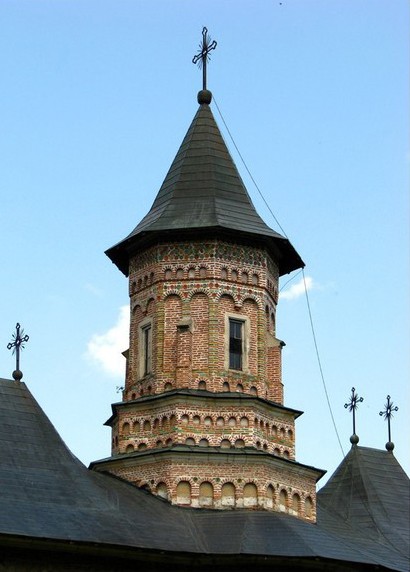
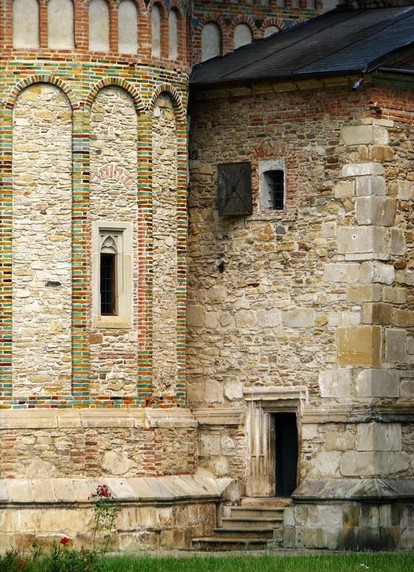
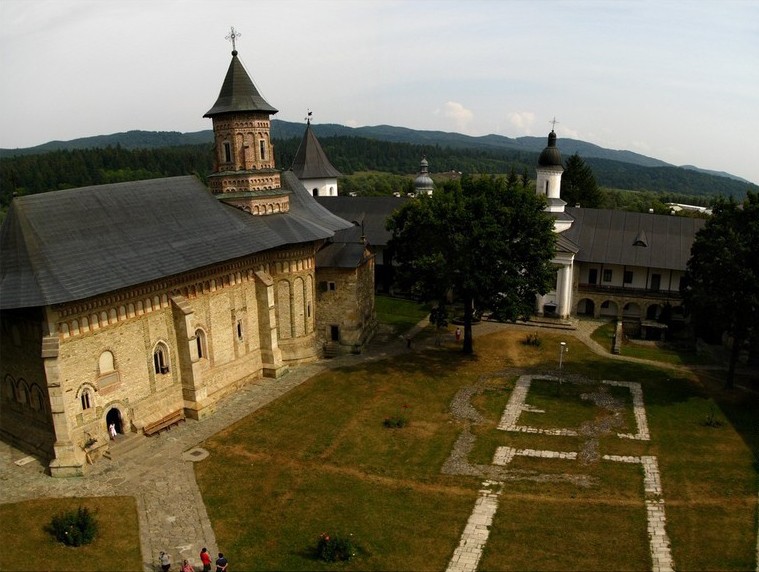
Of the old buildings that once stood within the walls of Neamț Monastery, only the church built by Stephen the Great and the lower part of the bell tower built by Alexander the Good survive today. The buildings now within the monastery grounds date from the 18th–19th centuries. In 1958–1961, Saint Gheorghe Church was rebuilt between the monastic cells on the eastern side, on the site where Petru Musat had once built the first stone church.
Over time, the entire monastic complex and the Ascension of the Lord Church at Neamț Monastery underwent various alterations and additions: the wall separating the burial chamber from the nave was removed at the beginning of the 19th century; the original window surrounds in the nave, burial chamber and sanctuary were removed; the 15th-century roof was altered; two additional wooden towers were built above the church; a pediment was added to the west; the façade was entirely covered in plaster; and the surrounding buildings were rebuilt. Before painting the church at Agapia Monastery, the great painter Nicolae Grigorescu also stayed here at Neamț Monastery.
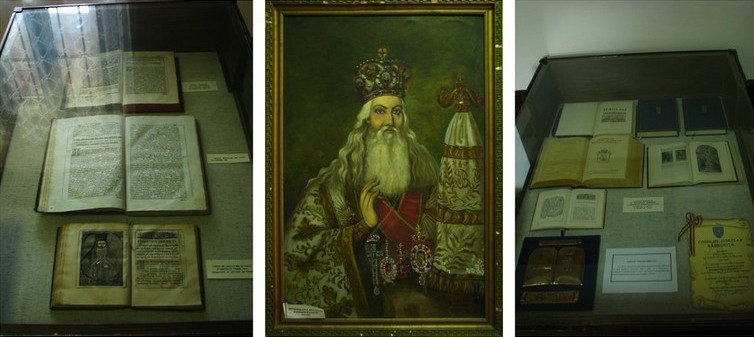
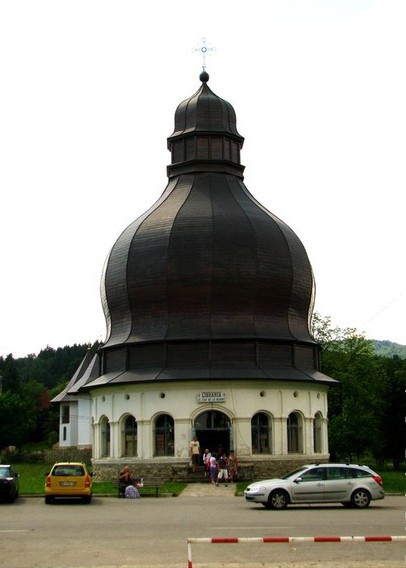
Today, the grounds of Neamț Monastery contain two churches, two chapels, a bell tower with 11 bells, the “Veniamin Costache” Theological Seminary, and a museum with a collection of ecclesiastical art and a printing room. The circular holy water pavilion in front of Neamț Monastery, where water is blessed on the patronal feast day, is impressive. The church houses the miracle-working Icon of the Mother of God, painted in Israel in 665, which Prince Alexander the Good received as a gift from the Byzantine Emperor John VIII Palaiologos.
The monastery also has the oldest monastic library, with 18,000 volumes, and has made an outstanding contribution to the development of medieval Romanian culture and art. The narthex contains the tomb of Bishop Pavel of Roman (1632) and those of several schema monks, as well as the relics of an unknown saint, discovered in 1986 when the asphalt was removed from the path. The burial chamber contains the tomb of Voivode Stefan, son of Alexander the Good (uncle of Stephen the Great), and the tomb of the renowned abbot Paisie Velicicovschi (1794).
No traveller visits the Holy Monastery of Neamț, attends an evening service or visits the holy tombs without taking away a sense of contentment and inner peace from this place where God and people have joined hands. We invite you to visit the complex at Neamț Monastery, its church and museum!
More on the same topic

Ethnographic museums, treasures of local history and traditions
Ethnographic museums are true treasures and expressions of love for traditions, folklore, and spirituality of the places, and so is the Ethnographic Museum Casa Bunicilor in the village of Mitocul Bălan, Crăcăoani commune.

Neamț receives five nominations across four categories in Destinația Anului
We have good news for everyone who loves Neamț County and all its beauty: it is among the finalists in the Destinația Anului 2024 competition, with five nominations across four categories: Piatra Neamț in the Inspiring Cities category.

The Story of the Seven Miraculous Icons of the Holy Virgin and Saint Anne from Neamț Land
Renowned not only for its beauty and historical significance but also called the “Jerusalem of Romanian Orthodoxy,” Neamț Monastery houses the miraculous icon of Virgin Mary with three hands…