Tarcău Monastery – Neamț County
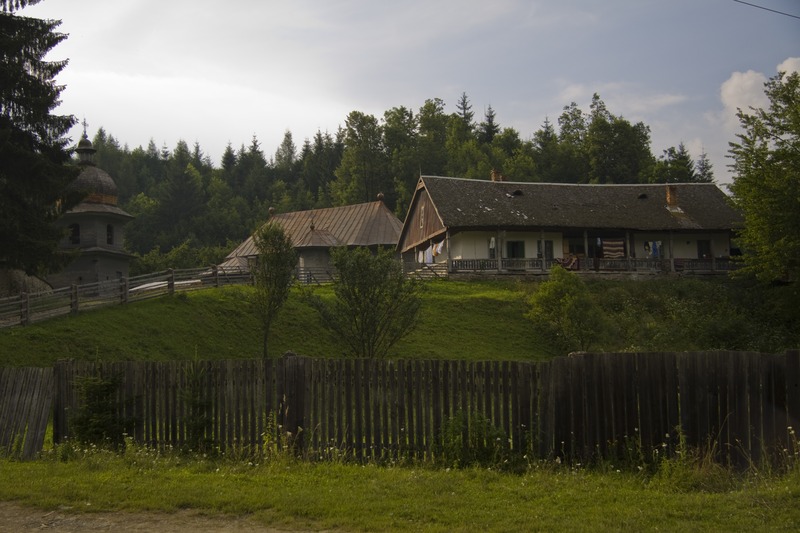
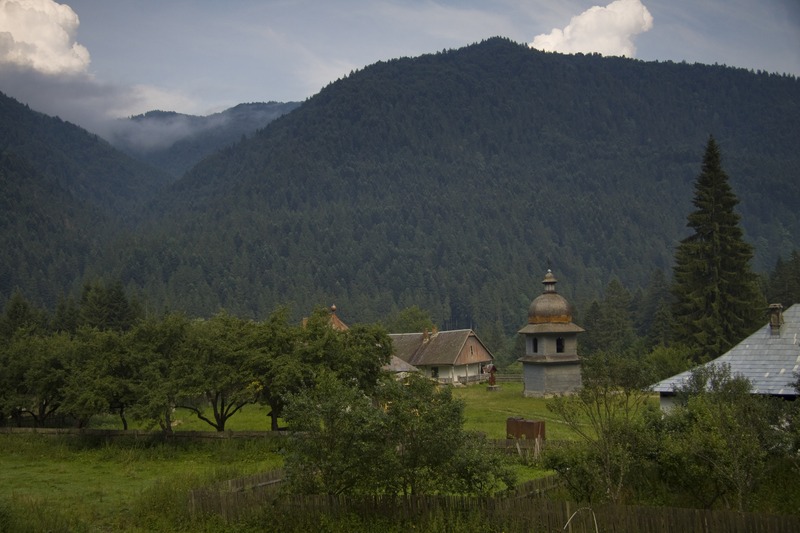
Tarcău Monastery is situated in the Tarcău Valley, approximately 43 kilometres from the town of Piatra Neamț, between Brates and Ardeluta. It can be reached by a minor road leading south (approximately 16 km) from the Piatra Neamț- Bicaz road, about 5 km from the town of Bicaz.
Address: Tarcău commune, Neamț County
Tarcău Monastery’s patronal feast: “All Saints’ Sunday”
Year of construction: founded in 1833 by the hieroschemamonk Avramie
Tarcău Monastery: a brief history
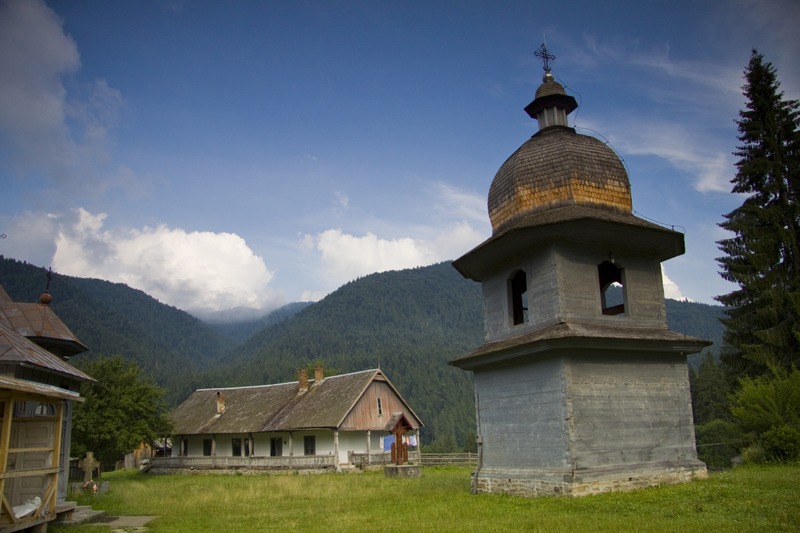
The church at Tarcău Monastery, dedicated to “All Saints’ Sunday”, was built in 1833 by the hieroschemamonk Avramie. From the outset, Tarcău Monastery was endowed with forest plots, hay meadows and mills on Tarcău to provide the income needed by the 20 monks who lived here. The bell tower was built in 1868, and the monastic cells were rebuilt between 1967-1968. Over time, the number of monks declined, so Tarcău Hermitage came under the authority of Bistrița Monastery. In 1990, the monastic establishment regained its status as a monastery.
16km
It can be reached by a minor road leading south (approximately 16 km) from the Piatra Neamț- Bicaz road, about 5 km from the town of Bicaz.
Photos of Tarcău Monastery
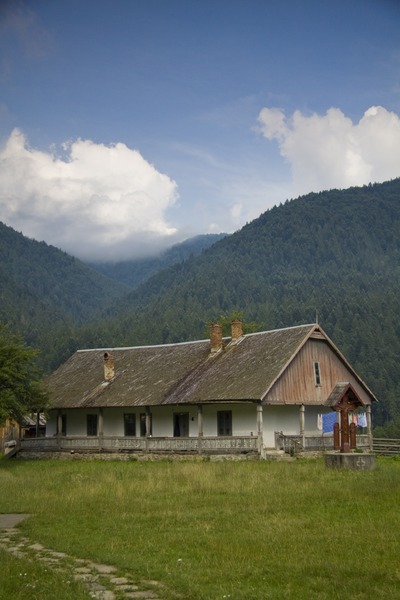
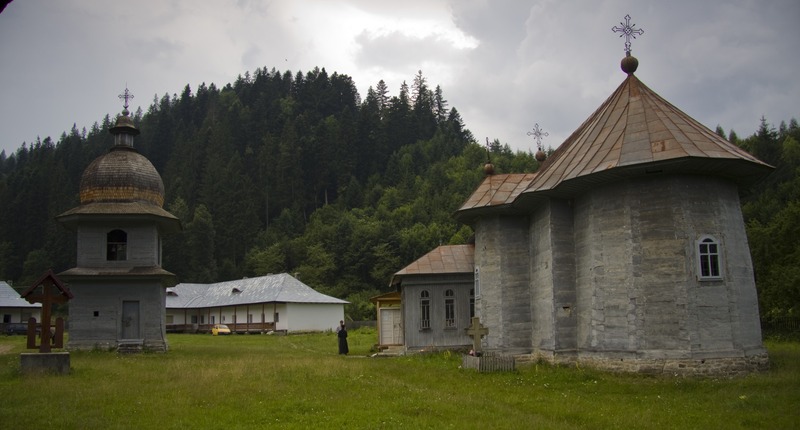
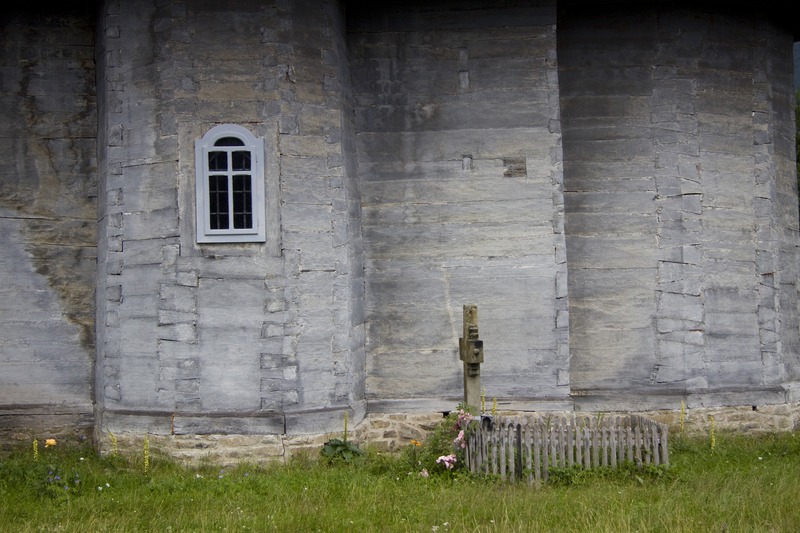
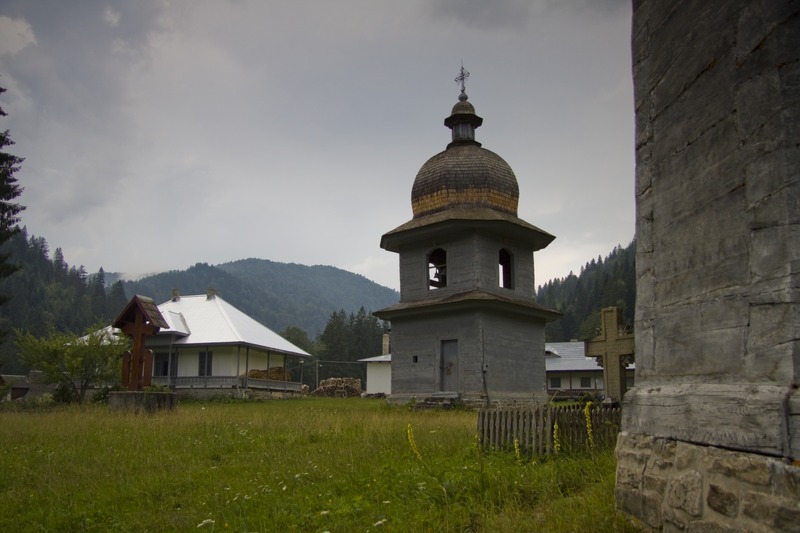
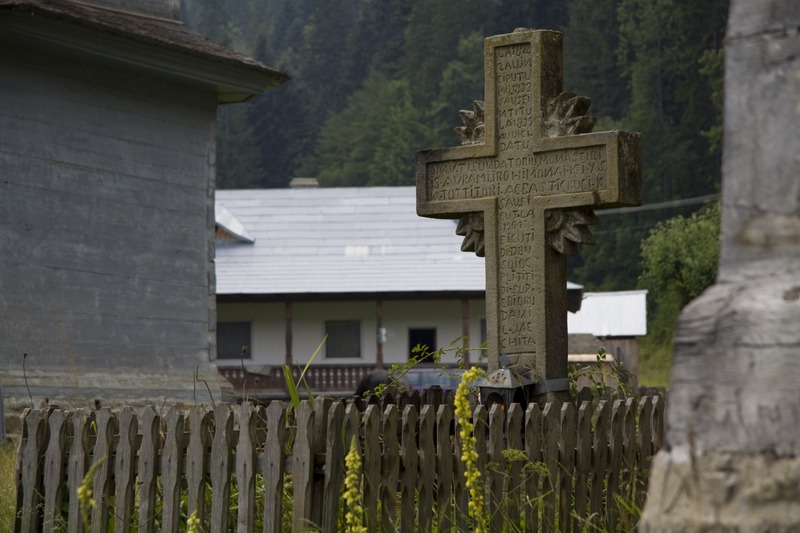
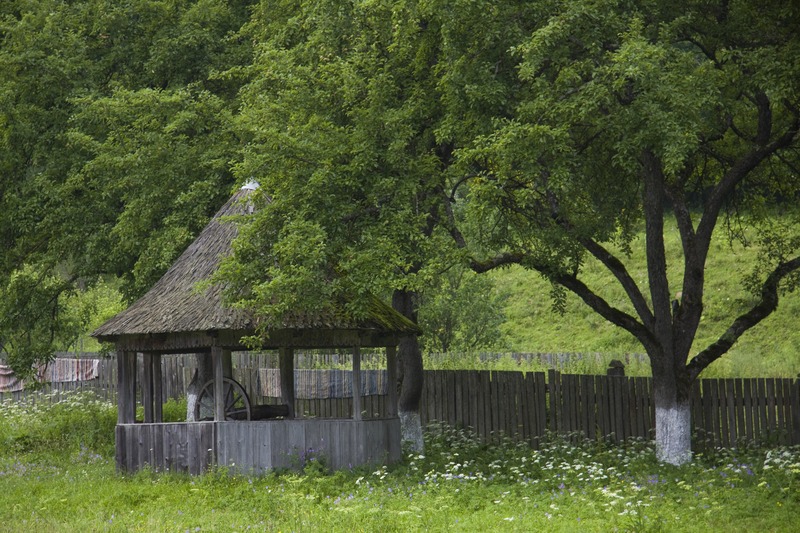
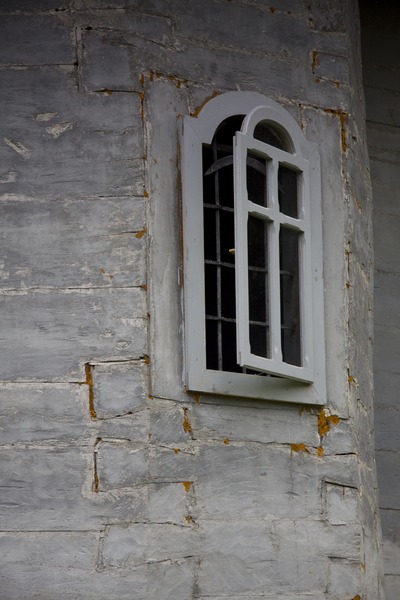
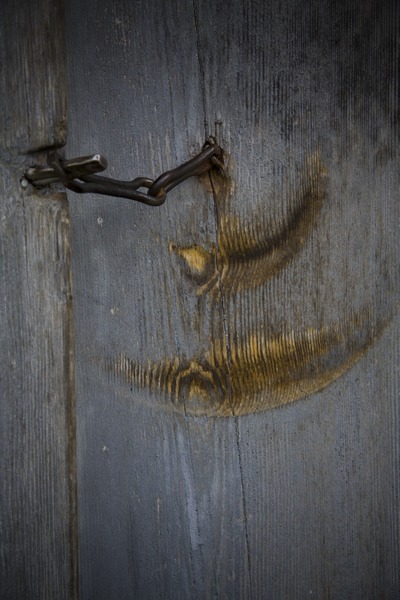
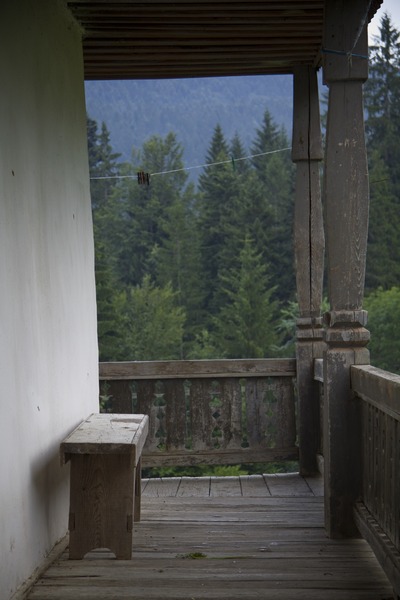
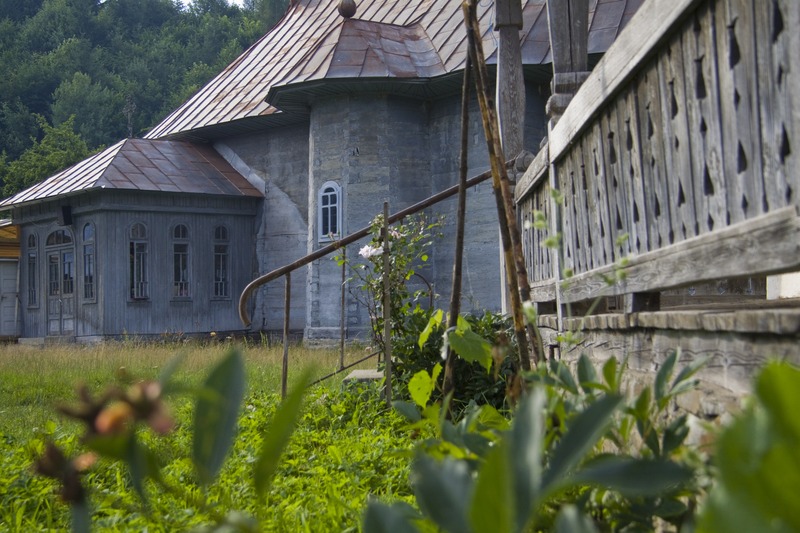
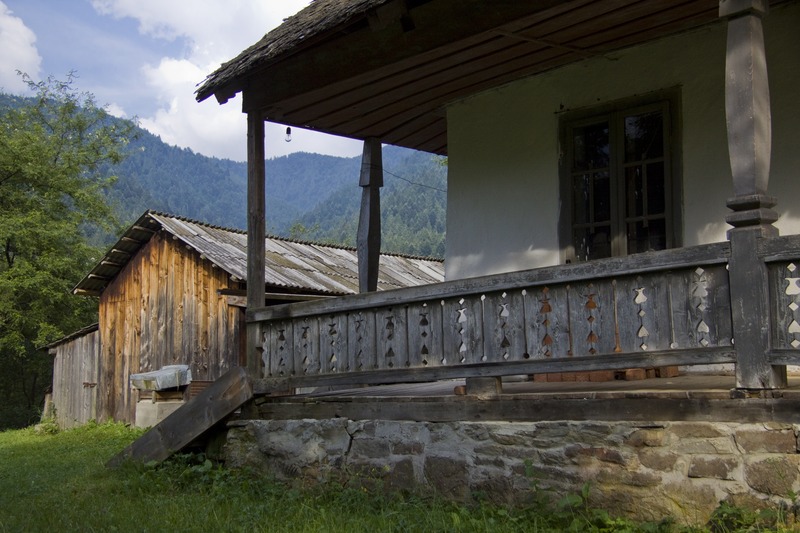
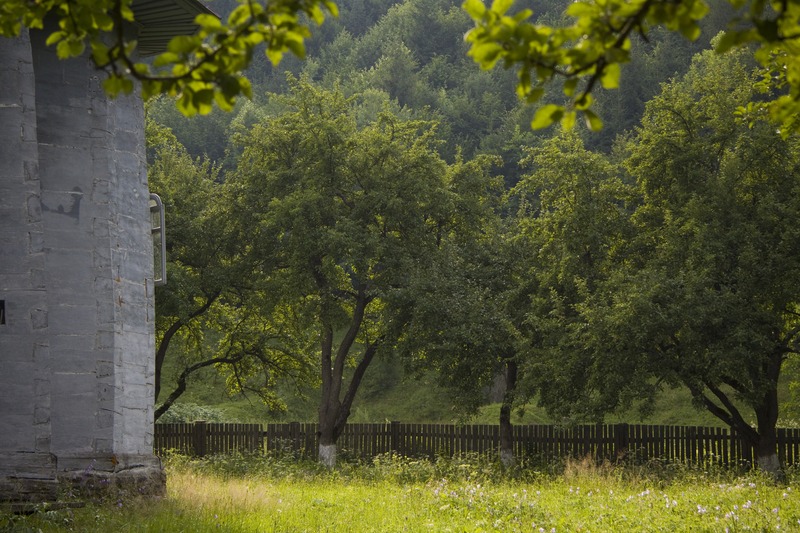
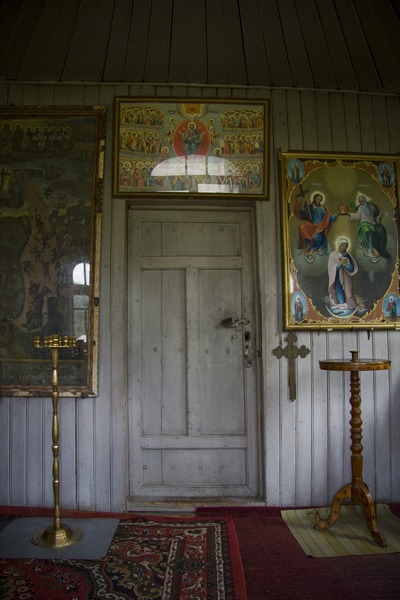
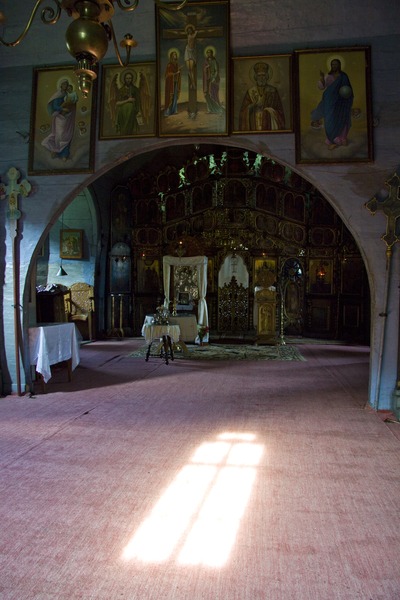
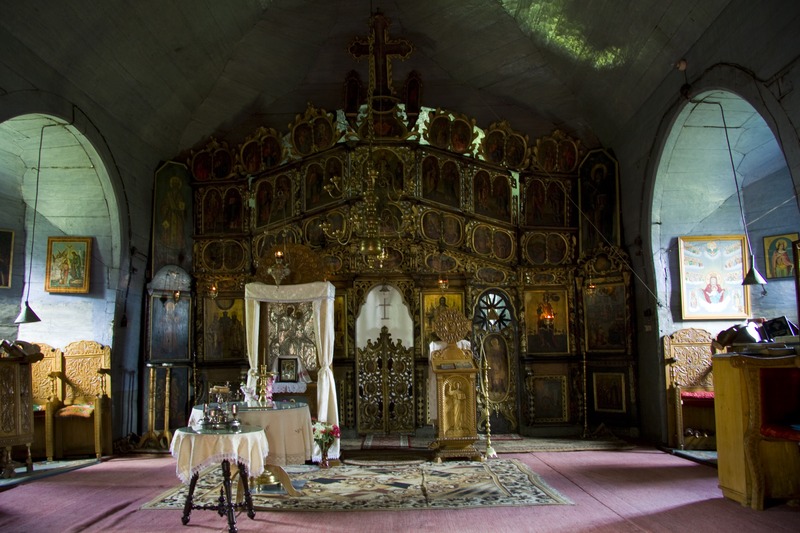
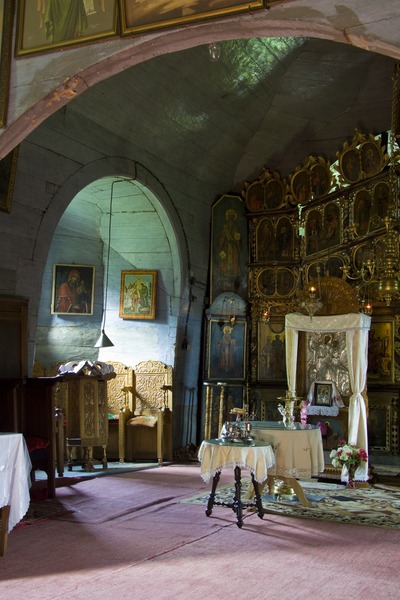
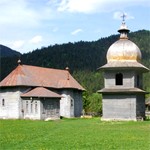
The church at Tarcău Monastery is built from ash wood on a traditional trefoil plan, is small in size and has no tower. The church has a steeply pitched roof with two slopes, and its entrance is sheltered by an enclosed porch added in 1936. Inside, a timber arch separates the narthex from the nave. The nave’s vault has a hexagonal surface at the top and extends along the longitudinal axis.
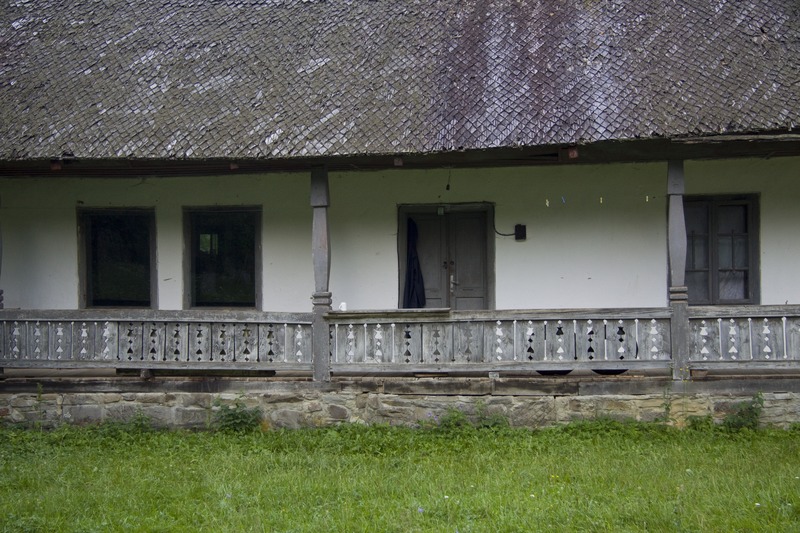
The church’s iconostasis, carved from wide limewood boards, and its icons date from the time of its foundation, specifically the early 19th century. The iconostasis is well preserved and stands out for its flowing lines, precision and vivid colours. Built from timber, the bell tower has two storeys and a bulbous roof, a feature less common in Moldavian churches. The two monastic houses date from the 19th century and, together with the newer buildings, enclose the western side of Tarcău Monastery’s grounds.
More on the same topic

Ethnographic museums, treasures of local history and traditions
Ethnographic museums are true treasures and expressions of love for traditions, folklore, and spirituality of the places, and so is the Ethnographic Museum Casa Bunicilor in the village of Mitocul Bălan, Crăcăoani commune.

Neamț receives five nominations across four categories in Destinația Anului
We have good news for everyone who loves Neamț County and all its beauty: it is among the finalists in the Destinația Anului 2024 competition, with five nominations across four categories: Piatra Neamț in the Inspiring Cities category.

The Story of the Seven Miraculous Icons of the Holy Virgin and Saint Anne from Neamț Land
Renowned not only for its beauty and historical significance but also called the “Jerusalem of Romanian Orthodoxy,” Neamț Monastery houses the miraculous icon of Virgin Mary with three hands…