Spiritual
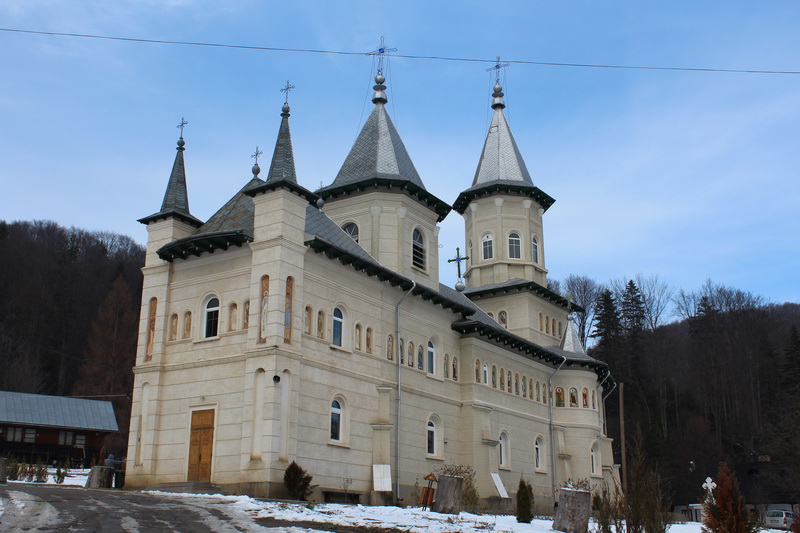
Nechit Monastery
In a natural setting of a special picturesque, on the Nechit creek valley is the monastery with the same name. The old monastic settlement exists there from XIV century.
In a natural setting of a special picturesque, on the Nechit creek valley is the monastery with the same name. The old monastic settlement exists there from XIV century.
rehearsal for the theater “Last dance of the dragonfly” by Cornel Mihai Ungureanu, artistic coordinator Dan Iacob. Participants: members of the band Workshop theater-reading.
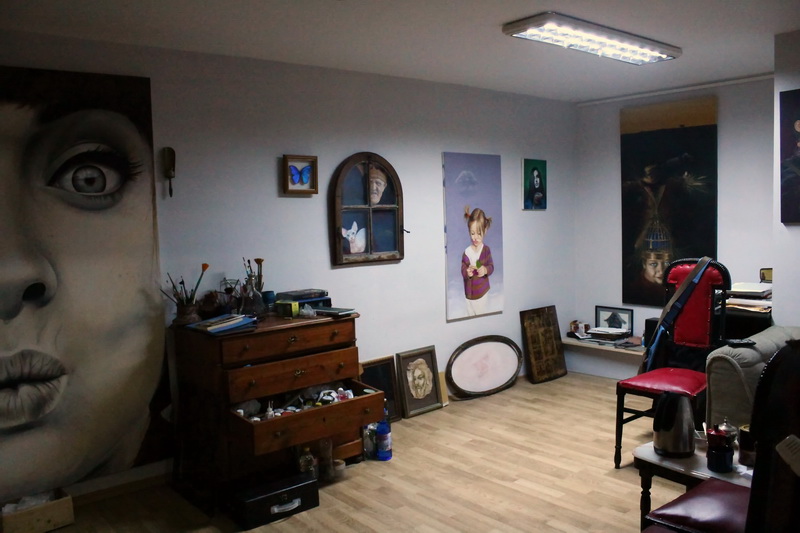
He was born on Petricani, Neamt County on 16th of July, 1970. He graduated from the Faculty of Orthodox Theology “Dumitru Stăniloae” within “Alexandru Ioan Cuza” University, Department of Sacred Art – Religious Painting.
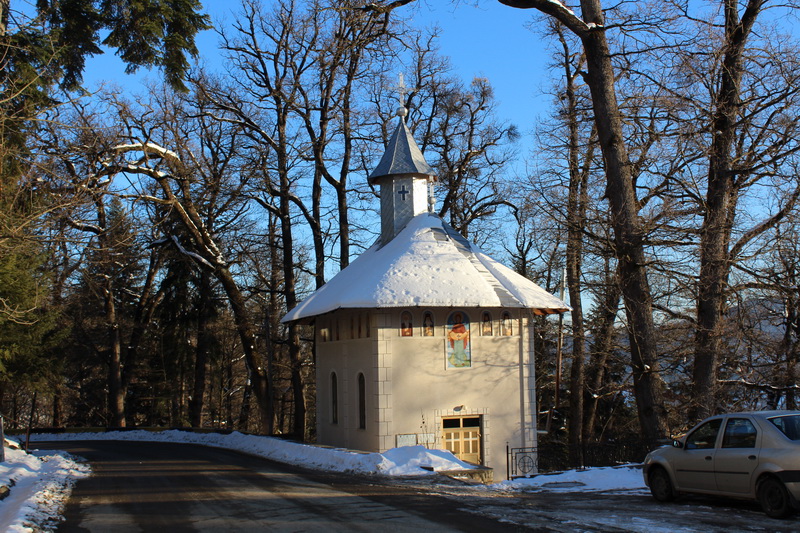
The monastery is located on Mount Pietrosu, at 650 m altitude, 12 km from Piatra Neamt. Access is by car on DN15, Piatra Neamt – Bicaz.
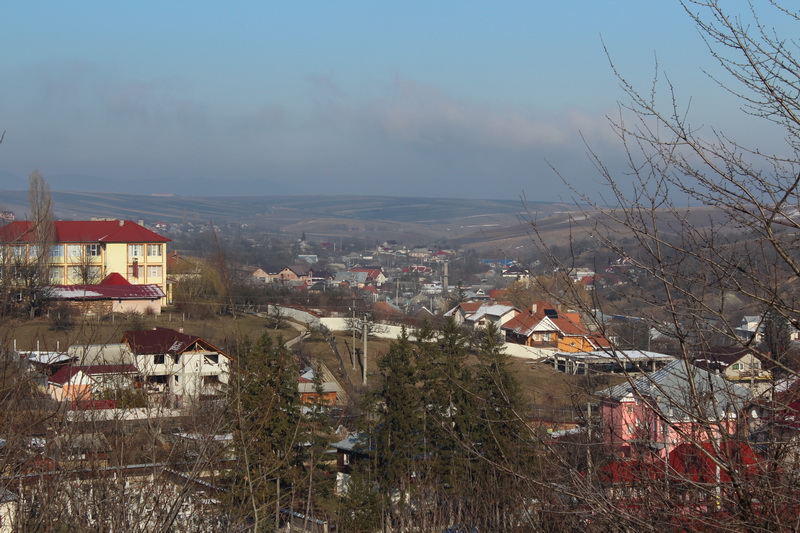
The resort is located in the center of Bălțătești village, 33 km from Piatra Neamt and 12 km from Targu Neamt, the main DN15C highway, in an attractive natural environment which creates a favorable environment for relaxation and rest.
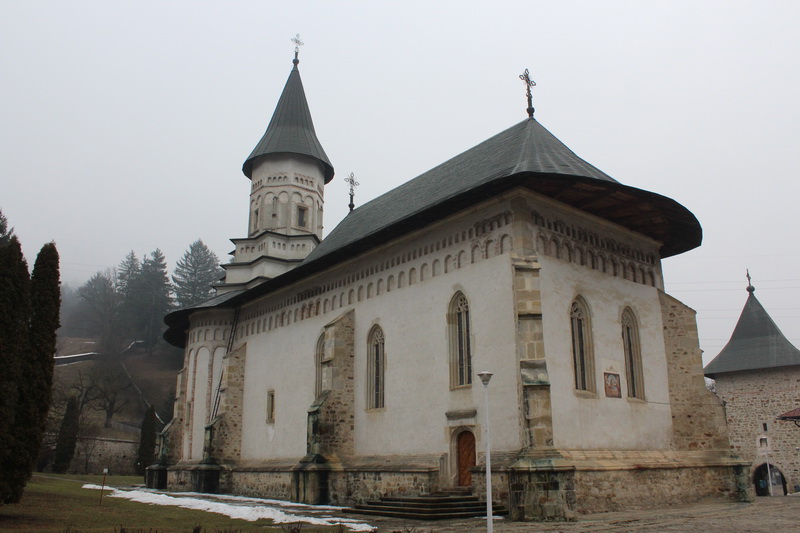
Located about 8 km from Piatra Neamt, in Alexander the Kind commune, on DN15 Piatra Neamt – Bicaz, Bistrita Monastery endures over six centuries between the forested peaks of Căpriana Ridges, the Cetatuia Hill, the Mount Simon and plateau of Peter Rares.
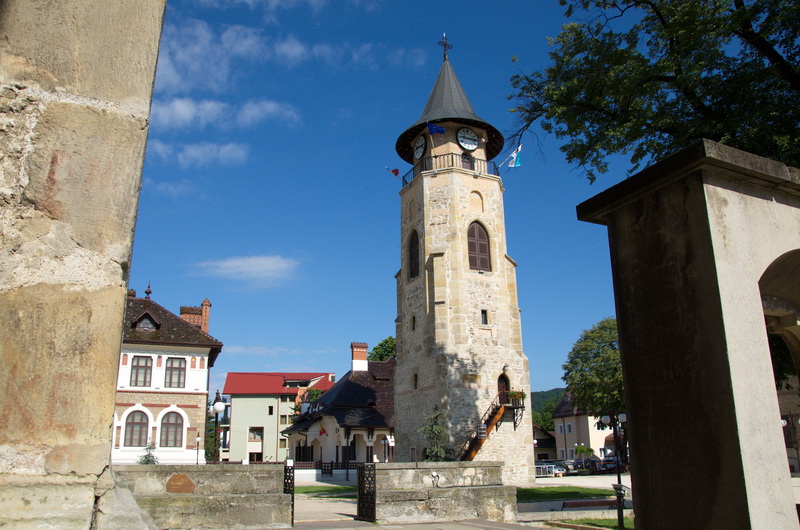
rehearsal for the theater “Last dance of the dragonfly” by Cornel Mihai Ungureanu, artistic coordinator Dan Iacob. Participants: members of the band Workshop theater-reading.
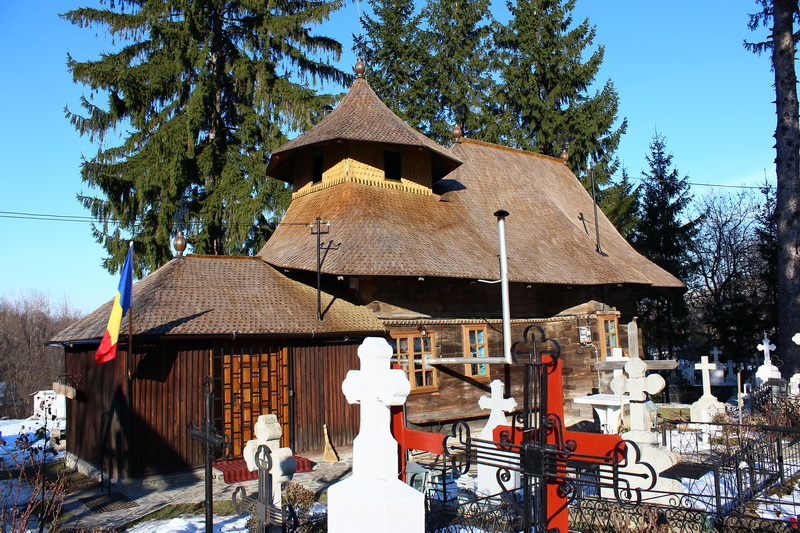
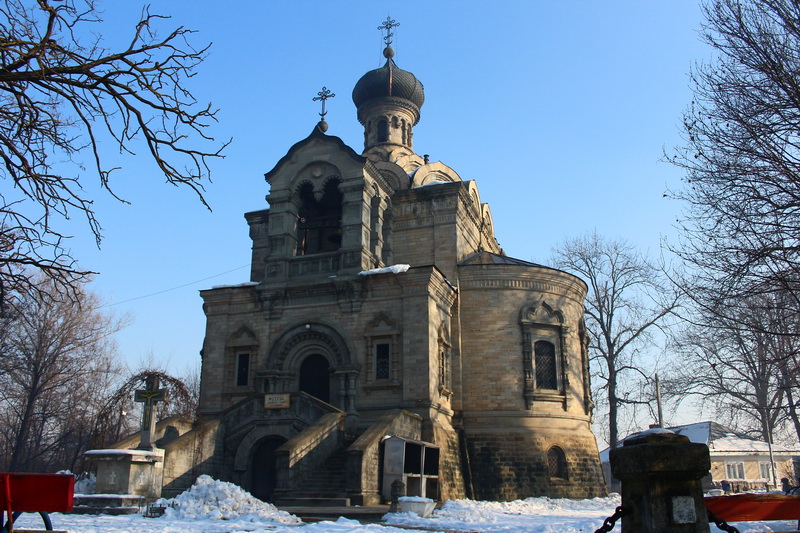
Church Saint Demetrius from Sarata (Dobreni commune) is one of the touristic sights you shouldn’t miss when you are in our county.
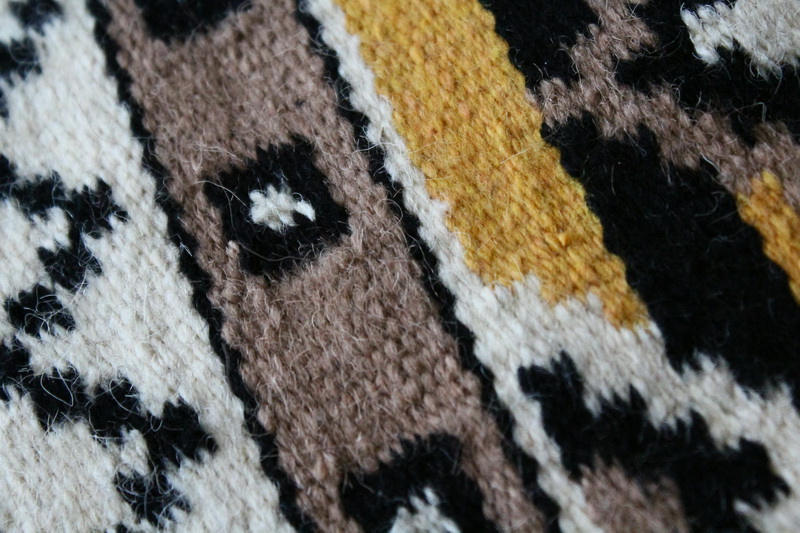
Located in the heart of Roznov and surrounded by the arboretum, the parish church dedicated to “St. Nicholas” is a true architectural gem.
rehearsal for the theater “Last dance of the dragonfly” by Cornel Mihai Ungureanu, artistic coordinator Dan Iacob. Participants: members of the band Workshop theater-reading.
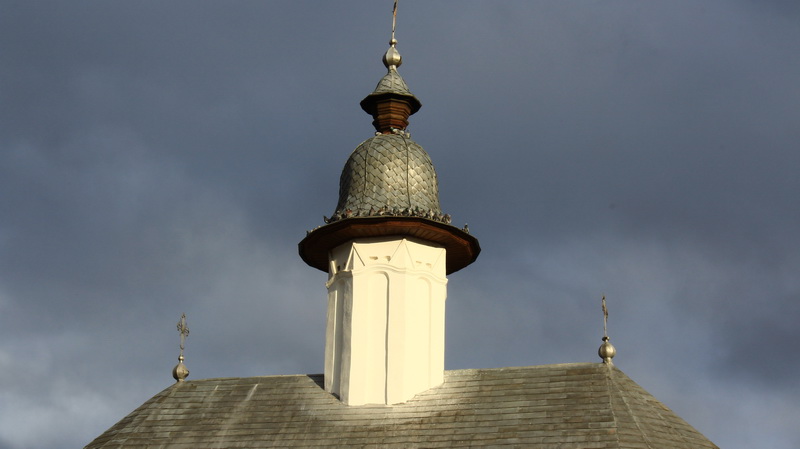
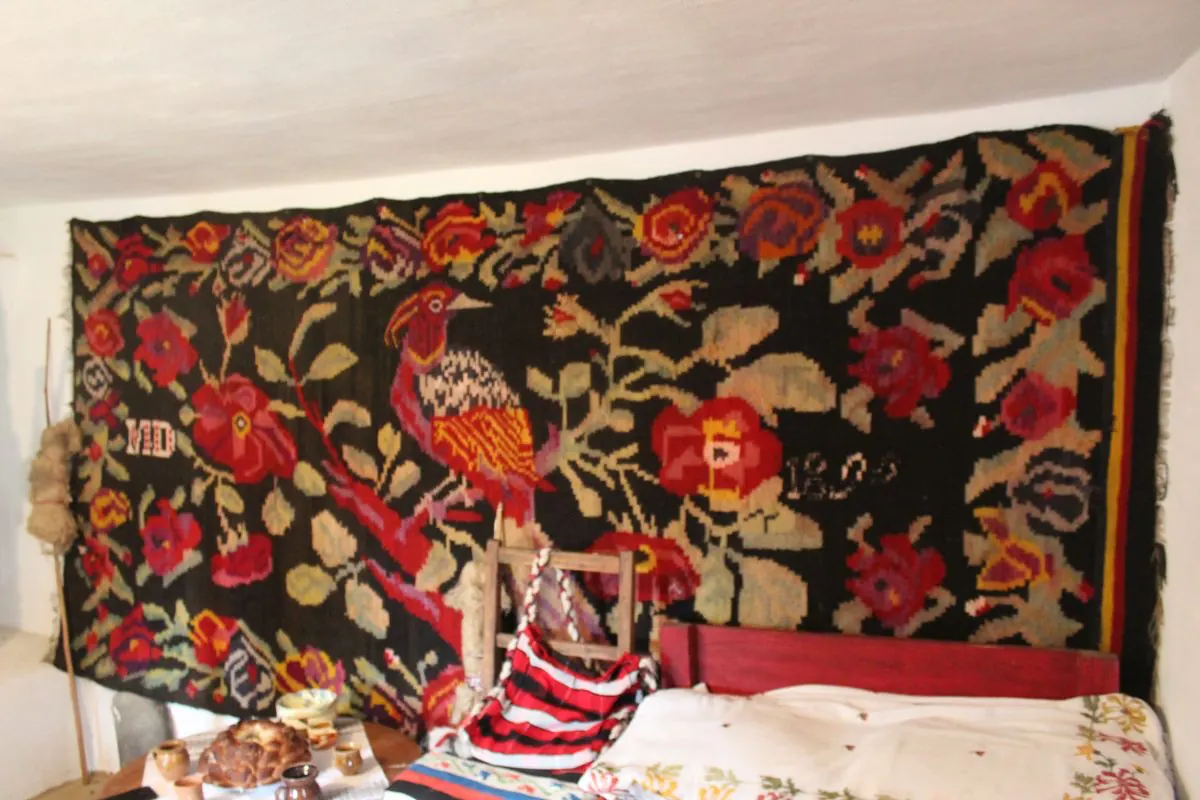
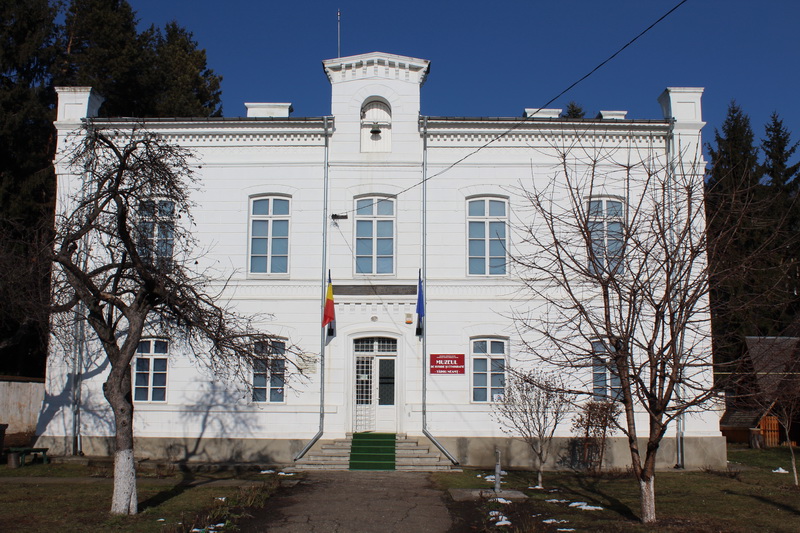
This museum is a point of particular interest to visitors of the sanctuary, providing important evidence about religious activity, of those living the monastery, as well as the historical evolution of the Moldavian lands in the regional context.