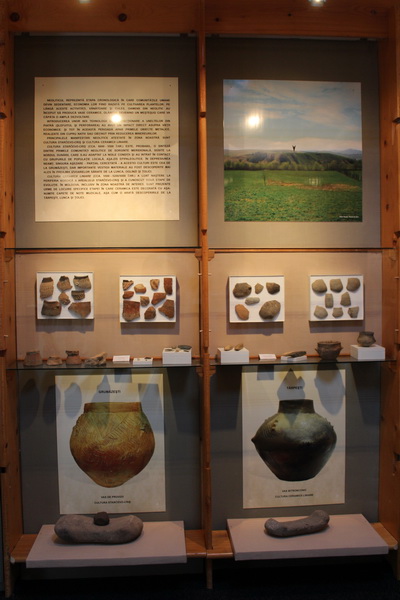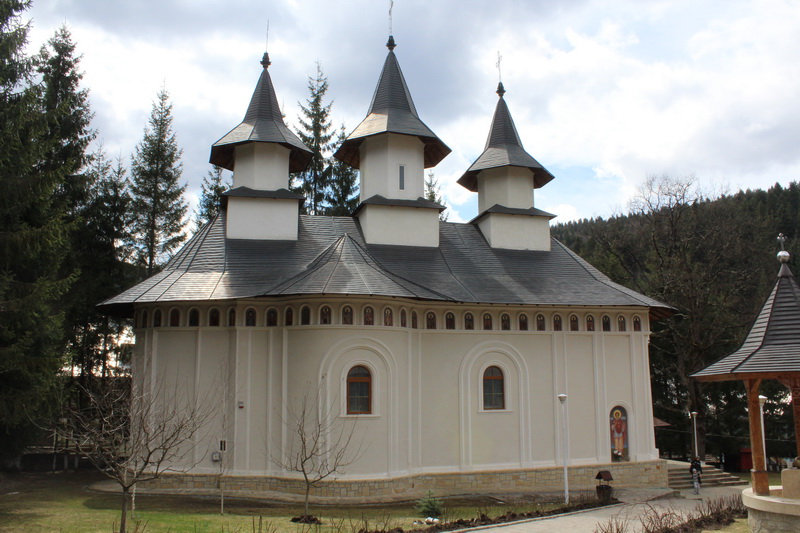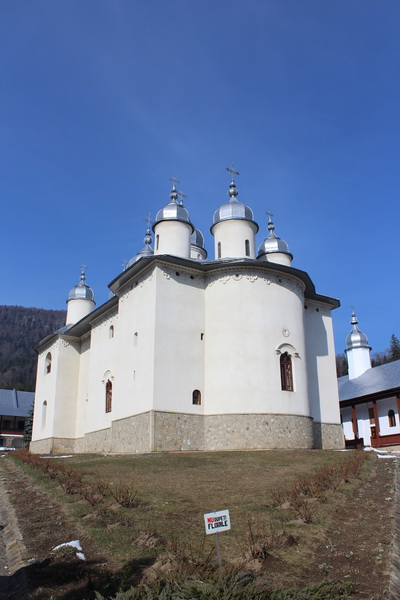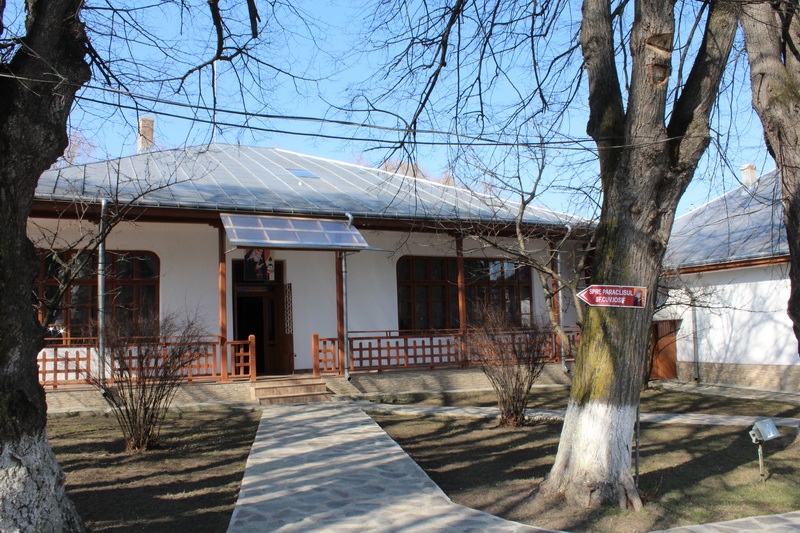
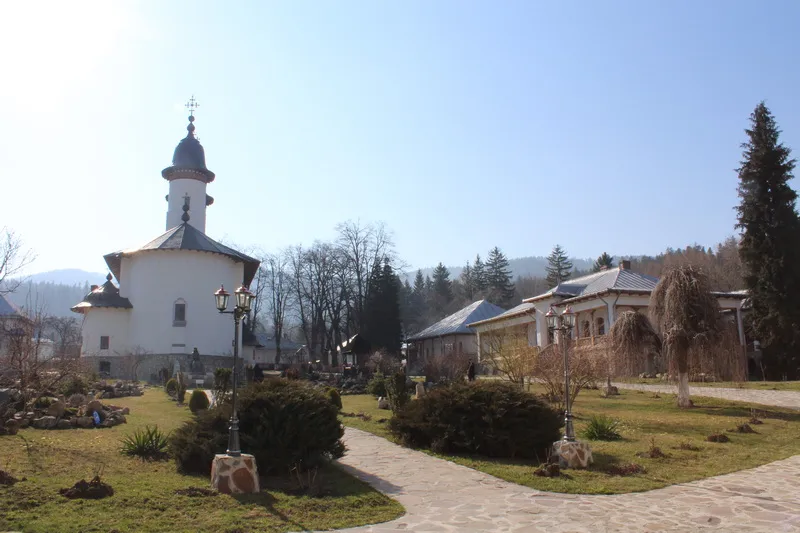
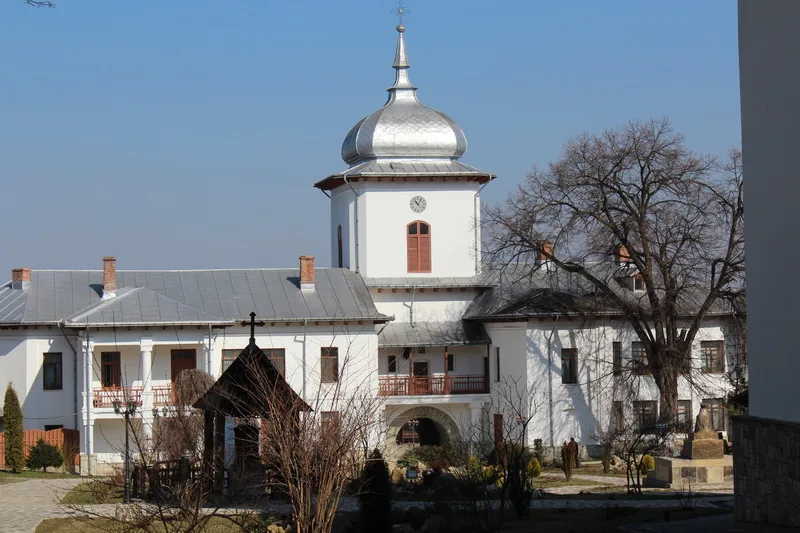
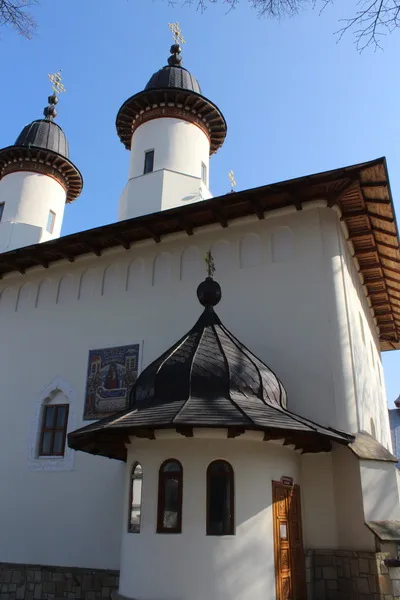
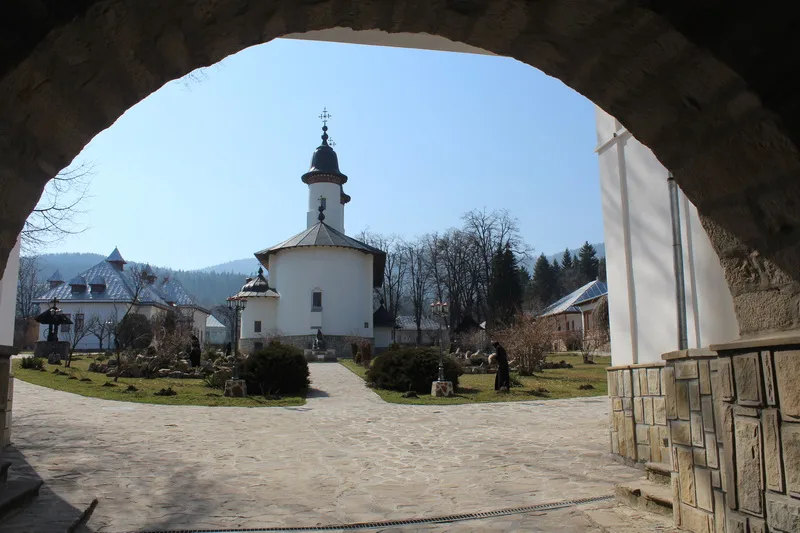
It is recognised as the largest monastery for nuns in Romania. More than 400 nuns are known to lead a life of prayer and ascetic discipline at Văratec Monastery. The monastery was founded through the efforts of devout believers, at the initiative of the nun Olimpiada, rather than by princes or senior advisers of the realm, as one might expect. Although founded in 1785, it was only documented as an independent monastery more than 50 years later, in 1839. Construction of the stone walls enclosing the grounds of the Dormition of the Mother of God Church (1812) began in 1808 and was completed around 1850, along with the three-storey bell tower, begun in 1840. These were followed by Saint Ioan Botezătorul Church (1844), Schimbarea la Față Church (1847), the abbess's residence, the administrative buildings and the Regina Maria Workshop. Outside the enclosure lies a whole monastic village, its traditional rural houses lining narrow lanes, where the nuns live in monastic cells built in the 19th and 20th centuries – an interesting and picturesque detail. The monastic complex also includes the monastery museum, with its valuable cultural, artistic and historical heritage, within the grounds of the main church, which we recommend visiting. You can also visit the nearby tomb of Veronica Micle (about 100 m away), who lived at the monastery for a short time.
Among the first writers to stay here was Dimitrie Bolintineanu, who wrote about the monastery and the village (a town of nuns) in his memoirCălătorii în Moldova(1859). Ion Creangă described the area where he grew up at the beginning of Part III ofAmintiri din copilărie.Mihail Sadoveanu wrote about the monastery inOameni și locuri(1908), while Calistrat Hogaș described it in the storyDe la Văratic la Săcu, included inPe drumuri de munte(1912). These are a few reasons to include Văratec Monastery, a historic monument and sacred place near Codrii de aramă Nature Reserve and Pădurea de Argint Forest, on our journey through Neamț County.
More from the collection
Open the collection